Corporate & Events
Beginner floral class: Beginner-friendly workshop information
Planning to learn floral arranging? If you are new to flowers, ask about beginner-level session formats and what each session covers. Important details to confirm include whether the class is hands-on or demonstration-led, typical duration, group size, materials included or required, the main project (posy, bouquet or arrangement), and current dates and availability. Also mention any allergies or mobility needs when enquiring. If you have a preferred learning outcome—basic cutting and conditioning, simple composition or gift-wrapping—note it so the provider can advise on suitability and any alternatives.
Direct answer
Beginner floral class: Beginner-friendly workshop information
If you’re considering a beginner floral class, ask about format, length, group size, materials and the project's scope. Clarify whether tools and flowers are included, what learners will take home, and current availability. Contact Y. Florist to enquire about dates and terms.
Before you enquire about a beginner floral class
Before you enquire, think about your starting skill level and the practical goals for the session. Do you want to make a simple hand-tied bouquet, a small tabletop arrangement or learn basic care and conditioning? Note any time constraints, the number of participants and a provisional budget. Ask whether the class is instructor-led or hands-on, how long each session runs, whether tools and protective materials are supplied, and what participants are expected to bring. If you have allergies, accessibility needs or venue restrictions, include those details. When contacting Y. Florist, provide preferred dates, group size and desired learning outcomes so the team can advise on suitable options and availability.
Compare business grand opening flower stand when reviewing related requirements.
Beginner floral class: Beginner-friendly workshop information comparison
| Consideration | Suitable direction | Confirm before proceeding |
|---|---|---|
| Flowers and colour | Match the recipient, occasion and setting | Seasonal supply and substitutions |
| Finished form | Bouquet, vase, basket, plant or event design | Display space and handling |
| Delivery | Share the venue and preferred timing | Address, phone and access notes |
| Budget | Compare flower grade, size and work | Delivery and additional requirements |
Preparing for a beginner floral class
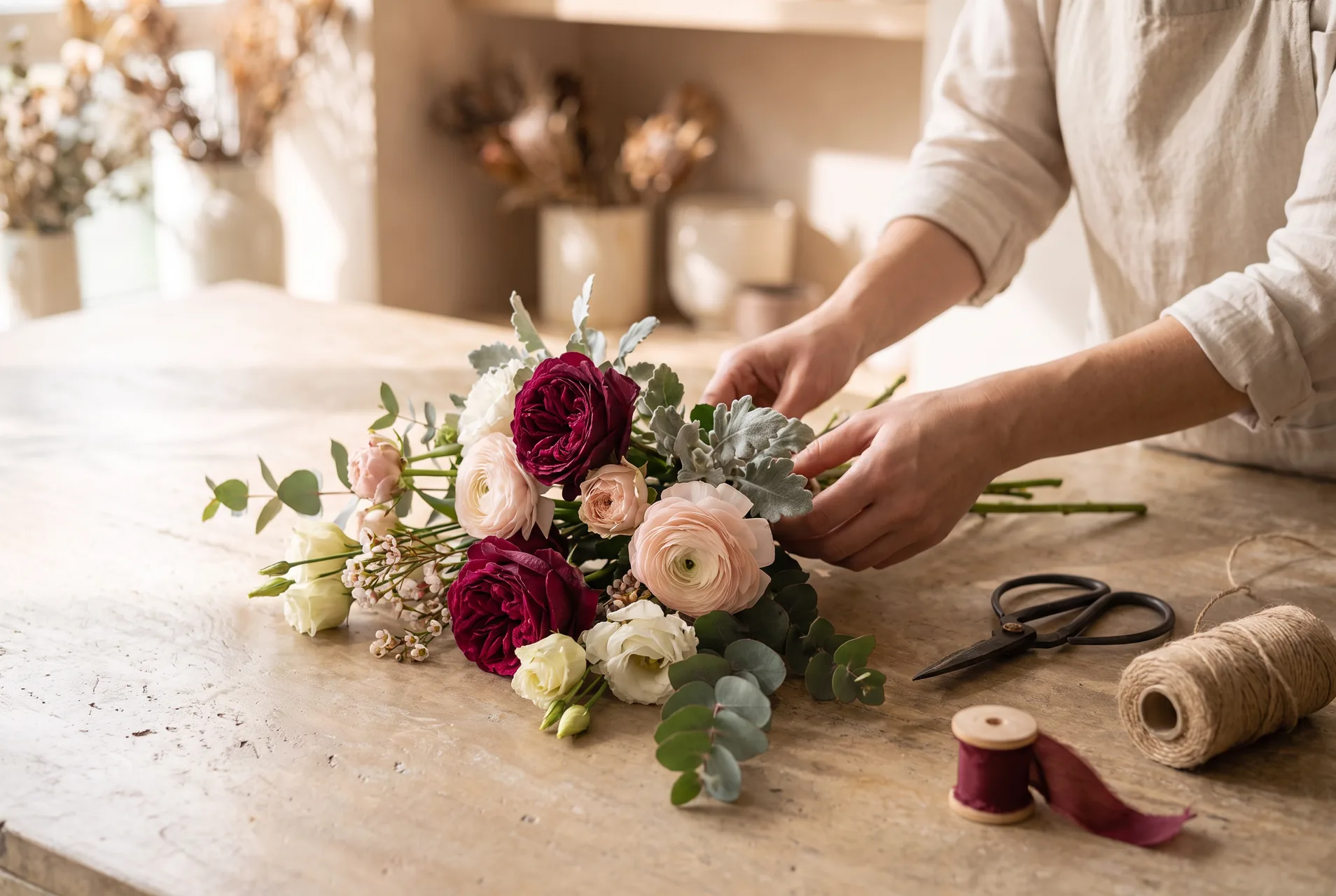
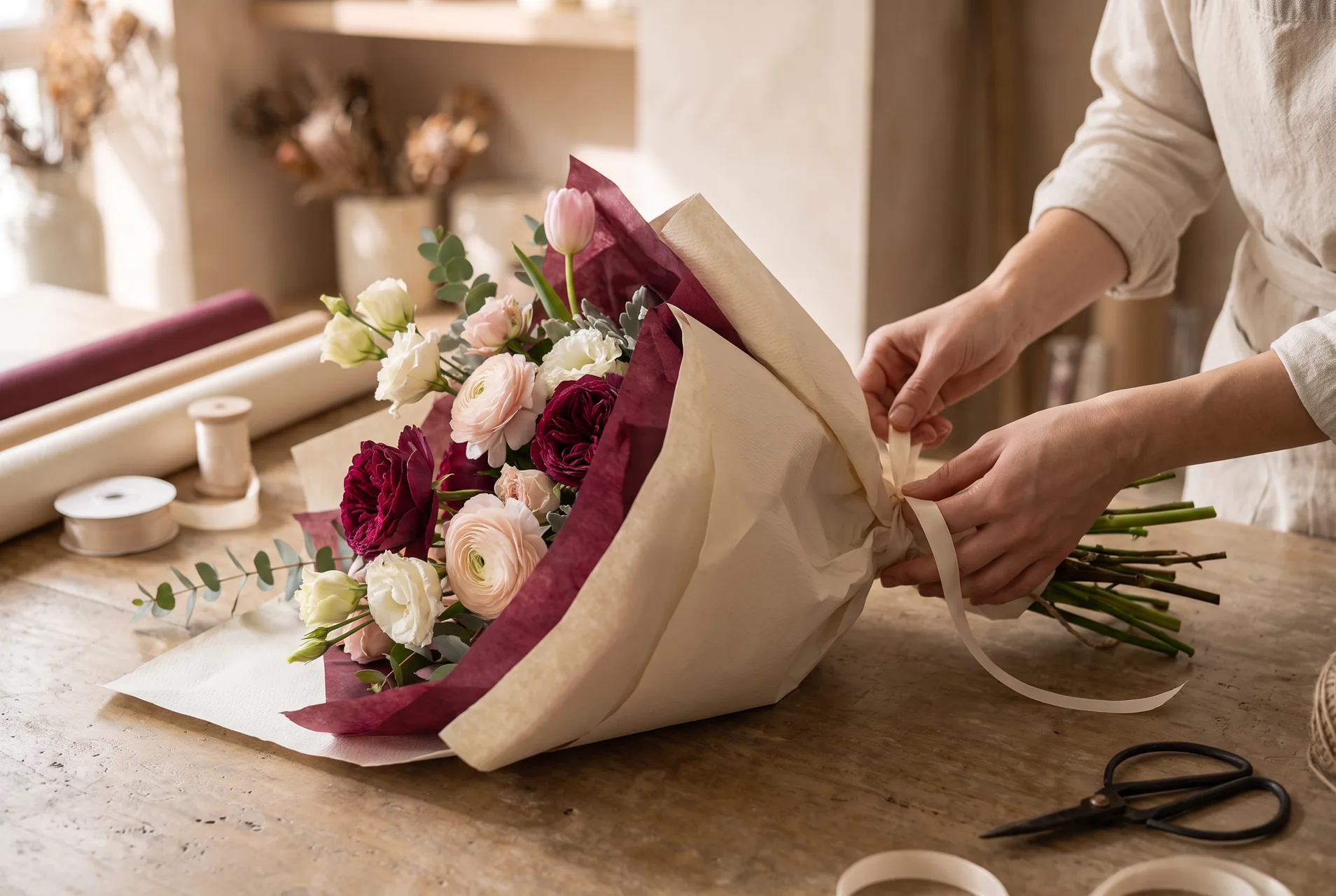
Prepare practical items and clear expectations. Wear clothes you don’t mind getting damp or marked, and bring closed-toe shoes if needed. Ask whether aprons, scissors and floral tape are provided or whether you should bring your own tools. If you plan to travel with a finished arrangement, consider a sturdy box or container. Bring photos of styles you like and any medical notes about allergies. Confirm pick-up or end-of-session timings when enquiring.
See also flower arrangement team building hk for a related style or use.
About Y. Florist
Ask Y. Florist about current availability, formats and terms for a beginner floral class in Hong Kong.
Keep the recipient, occasion, venue, contact details, preferred colours and any restrictions together. Ask the Y. Florist team to review availability, substitutions, timing and other requirements before relying on any arrangement.
05 · Decision point
Define the purpose of Beginner Floral Class
Begin with the outcome rather than a photograph. Explain who the flowers are for, the relationship, the occasion and what the arrangement should communicate. A romantic gesture, formal congratulations, quiet support, workplace display and practical thank-you each call for a different level of colour, scale and formality. This context helps turn beginner floral class from a broad idea into a useful direction.
Also note where the flowers will be seen and for how long. A design held for photographs, carried through a venue, presented at reception, displayed on a desk or placed in a ceremonial setting has different practical needs. Share the viewing distance, available surface, surrounding colours and any rules that may affect the design.
06 · Decision point
Compare style, flowers and presentation
Review brand palette, sightlines, venue scale and event purpose. Use references to identify the qualities you like—such as loose or structured form, soft or high-contrast colour, minimal foliage or a fuller garden character—rather than expecting an exact copy. Natural flowers vary in size, opening stage, colour and movement, even within the same variety.
Separate essential requests from flexible preferences. If one flower, colour or presentation detail is central to Beginner Floral Class, state it clearly. Then describe acceptable alternatives by colour family, value and overall mood. This gives the florist enough room to respond to seasonal supply without losing the message or visual direction that matters to you.
07 · Decision point
Choose an appropriate size and finished form
Size should be discussed in relation to the person, room, table, doorway or venue—not as a label alone. Ask about approximate width, height, depth and how the design will be carried or displayed. A compact arrangement can feel generous at close range, while a large venue may need stronger height, repetition or several coordinated pieces to read clearly.
The finished form also affects practicality. Bouquets need comfortable handling; vases and baskets need a stable surface; plants need suitable light and space; event pieces may need secure installation. For beginner floral class, compare the form, container, wrapping and support method together so the appearance and use remain aligned.
08 · Decision point
Plan for the recipient, venue and access
Consider guest journey, company message and event format. Provide the recipient’s name and reachable phone number, together with the full destination and any room, department, company or venue details. Hospitals, hotels, offices, homes, event venues and funeral locations can have different reception procedures, restricted areas or handover points.
If the recipient is not expected to answer directly, identify an authorised contact, reception desk or venue representative. Mention lift access, loading restrictions, security registration, stairs, parking limitations or a required setup window when relevant. Clear access notes reduce uncertainty and allow the proposed Beginner Floral Class arrangement to be assessed against the real setting.
09 · Decision point
Confirm timing, availability and substitutions
Current flowers, materials, timing and service details can change, so ask Y. Florist to confirm the exact scope before relying on a reference. Share the preferred date and timing as early as possible, especially for festivals, weddings, sympathy occasions, corporate events, classes, recurring requirements or larger quantities. A requested date is not confirmed until the florist has reviewed the brief and replied with the workable arrangement.
Ask how substitutions will be handled if a flower, plant, colour or accessory changes. A good confirmation describes the protected elements—such as palette, overall value, presentation form and essential flowers—and identifies what may vary. Keep that confirmation with the delivery, venue and contact details so later changes can be checked against one clear record.
10 · Decision point
Understand budget and included work
Compare value through the complete scope rather than a headline figure. The flowers or plant, design time, wrapping or container, card, delivery, access requirements, installation, collection and optional additions can all affect the total. State the working budget and which outcome matters most so alternatives can be discussed without assuming an unconfirmed price.
For beginner floral class, ask what the quoted amount includes, what can change with availability and whether any venue, timing or quantity requirement needs separate review. If comparing different proposals, use the same brief for each one. Similar photographs can represent different flower grades, sizes, mechanics and labour, so a like-for-like scope is more useful than image comparison alone.
11 · Decision point
Prepare for care, handling and display
Plan for on-site placement, heat, lighting, water and event duration. Keep fresh flowers away from direct sun, hot windows, strong air-conditioning and ripening fruit unless the specific variety requires otherwise. Use clean water and a clean container, remove leaves below the water line and follow any care notes supplied with the finished arrangement. Plants, preserved flowers and installed work need different handling.
Think about what happens immediately after receipt. Identify who will accept, carry, place or maintain the item and whether water, shade, stable furniture or secure storage is available. For events and multi-location days, include movement between rooms or venues. Care begins at handover, so these details should form part of the Beginner Floral Class brief rather than an afterthought.
12 · Decision point
Create a clear enquiry and confirmation record
Bring the key information together in one message: page link, occasion, date, location, recipient, contact number, budget, preferred palette, essential details, flexible alternatives and card wording. Add measurements, quantity, venue instructions or reference images where they help explain the request. Avoid sending isolated screenshots without stating what you like about them.
Before proceeding, check the confirmed design direction, scope, total, timing, handover method and substitution approach. If any detail changes, ask Y. Florist to review the update rather than assuming it can be absorbed. A concise written record makes beginner floral class easier to compare, reduces misunderstandings and gives everyone the same practical expectations.
13 · Decision point
Use a final review before relying on the arrangement
Read the final confirmation as someone who has not followed the earlier conversation. It should identify the recipient or venue, date, timing, floral form, important colours or flowers, quantity, card wording, handover method, accepted substitutions and the agreed scope. Ask about any missing or ambiguous detail before treating the Beginner Floral Class plan as complete.
Keep contact information current and make sure the recipient, venue representative or authorised contact knows what to expect when appropriate. If weather, access, schedule or recipient availability changes, share the update promptly and wait for confirmation of what can still be arranged. This final review protects the meaning, practicality and presentation of beginner floral class.
Related florist pages
business grand opening flower stand flower arrangement team building hk centrepieces for galas event floristry congratulations flowers flower bouquet
Beginner floral class: Beginner-friendly workshop information FAQs
How do I know a class is suitable for complete beginners?
Look for class descriptions that list 'beginner' or 'introductory' and specify no prerequisites. Ask the provider about the typical pace, how much hands-on time students get, the instructor-to-student ratio, and which projects are covered. When enquiring, mention if you have any previous craft experience so the provider can advise.
What should I bring to a beginner floral class?
Check whether tools, greenery and flowers are supplied or if students should bring scissors, floral tape and a small notebook. Bring protective clothing or an apron if preferred, and a camera or phone for reference photos. If you have allergies, state them when enquiring so alternatives can be suggested.
How do I check availability, dates and group arrangements?
When you enquire, provide preferred dates or date ranges, the number of participants, preferred session length and your learning goals. Ask the provider about minimum and maximum group sizes, cancellation terms and any venue rules. Request confirmation of what is included in the fee before you commit.
Ask About Beginner Floral Class Availability
Tell us your preferred dates, group size, venue and learning goals, and ask Y. Florist about current beginner floral class formats, materials and terms.
Enquire About Classes Contact Y. Florist