Flower Guides
The Ultimate Guide to Flower Care Hong Kong
Maintaining the vibrancy and freshness of your floral arrangements in a subtropical climate requires specialized knowledge and attention. The unique environmental conditions of the city, characterized by intense summer heat and persistent high humidity, create significant challenges for both imported and local blooms. Effective flower care hong kong practices must account for these extreme variations, especially the sharp contrast between sweltering outdoor temperatures and aggressively chilled indoor spaces. By understanding how these factors influence transpiration, bacterial growth, and petal integrity, you can dramatically extend the vase life of your precious bouquets. Whether you are displaying elegant orchids in a corporate setting or arranging delicate garden roses in your living room, adopting the right daily routines is essential for preserving their natural beauty.
Direct answer
The Ultimate Guide to Flower Care Hong Kong
To ensure your floral arrangements thrive in our unique climate, we recommend following specialized flower care hong kong techniques that address local humidity and temperature challenges. Please consult with our floral specialists to understand the specific maintenance requirements for the varieties included in your current bouquet.
Key Considerations for Flower Care Hong Kong
Key Considerations for Flower Care Hong Kong
Compare flower meanings when reviewing related requirements.
The Ultimate Guide to Flower Care Hong Kong comparison
| Consideration | Suitable direction | Confirm before proceeding |
|---|---|---|
| Flowers and colour | Match the recipient, occasion and setting | Seasonal supply and substitutions |
| Finished form | Bouquet, vase, basket, plant or event design | Display space and handling |
| Delivery | Share the venue and preferred timing | Address, phone and access notes |
| Budget | Compare flower grade, size and work | Delivery and additional requirements |
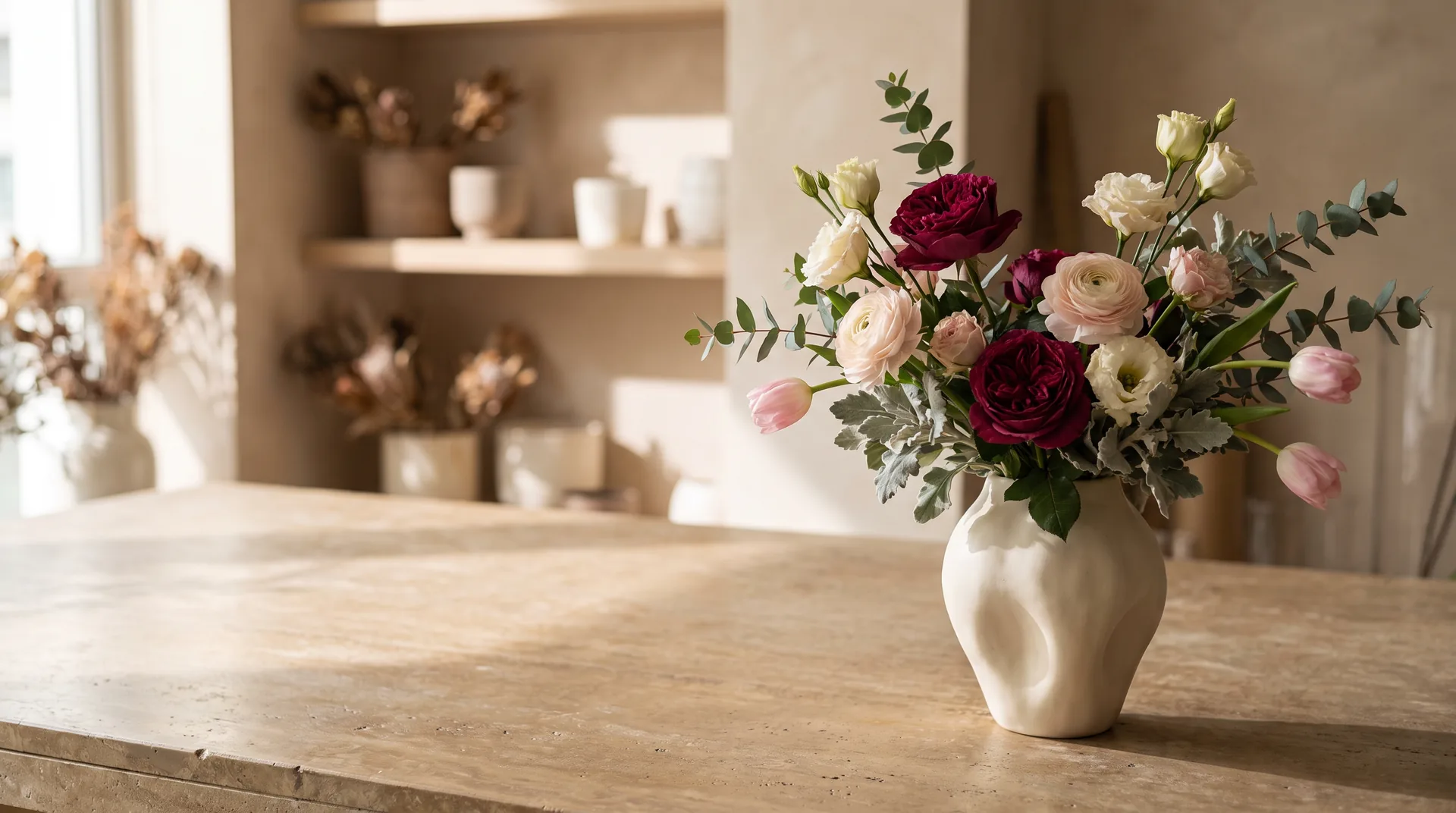
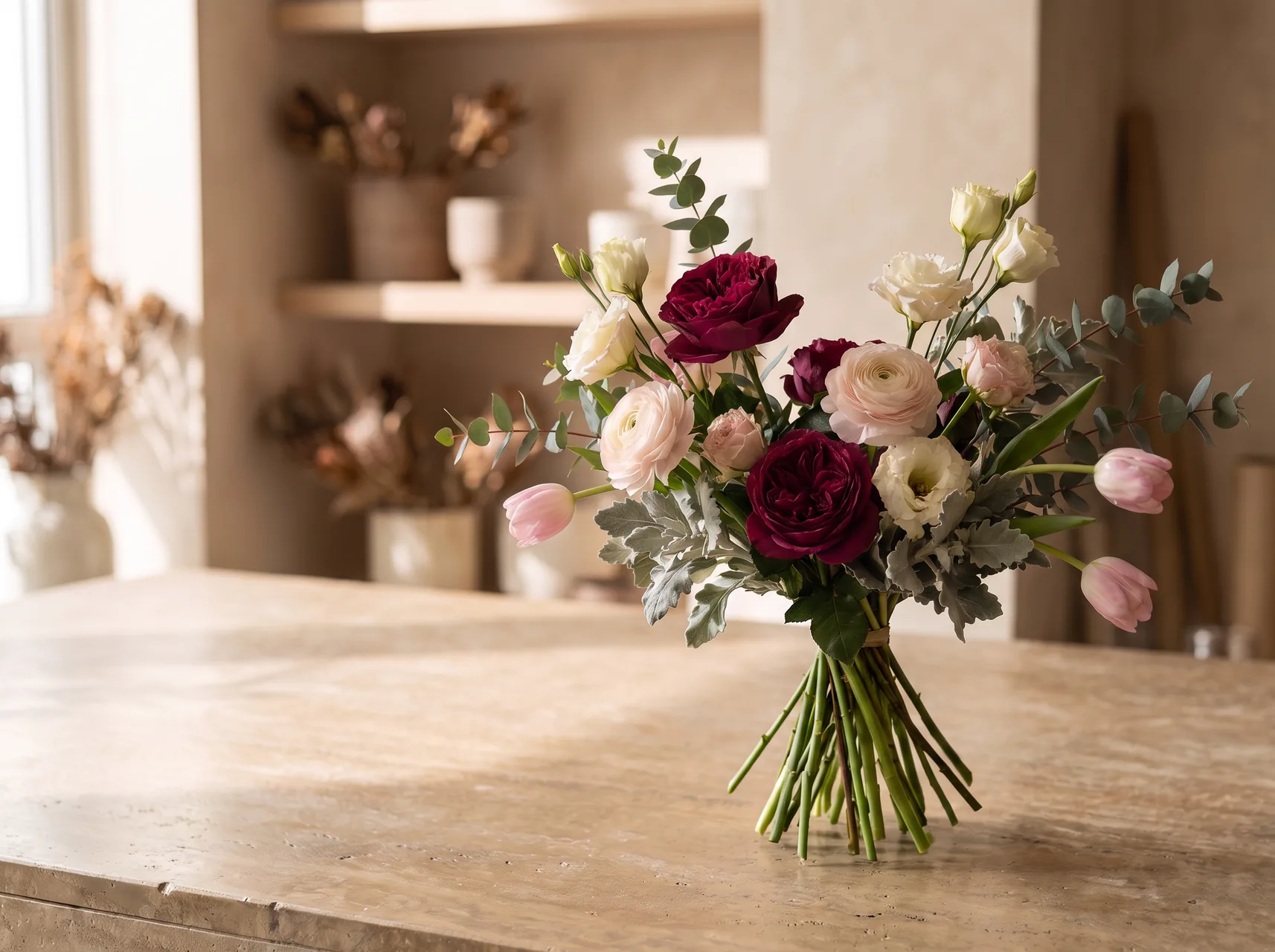
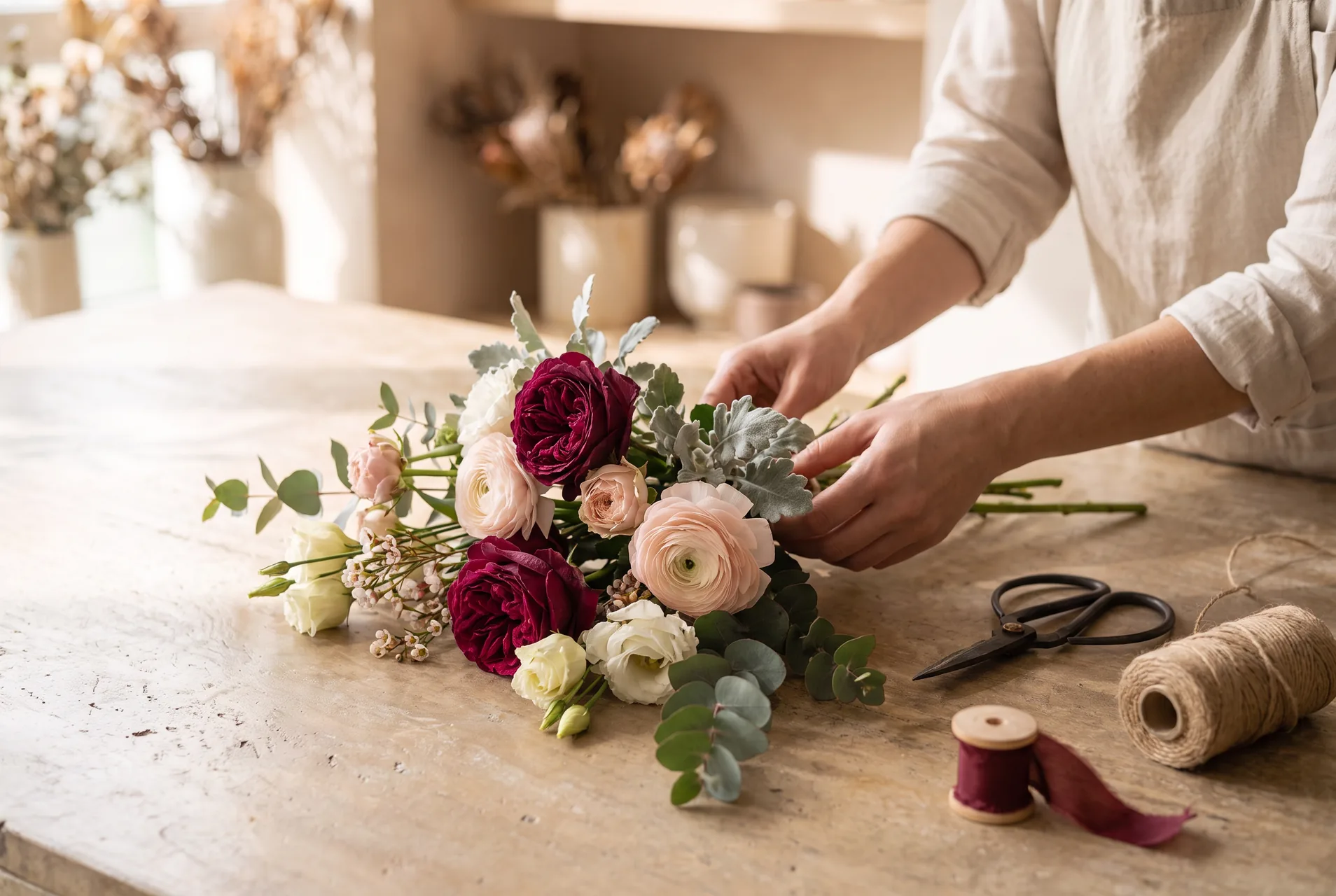
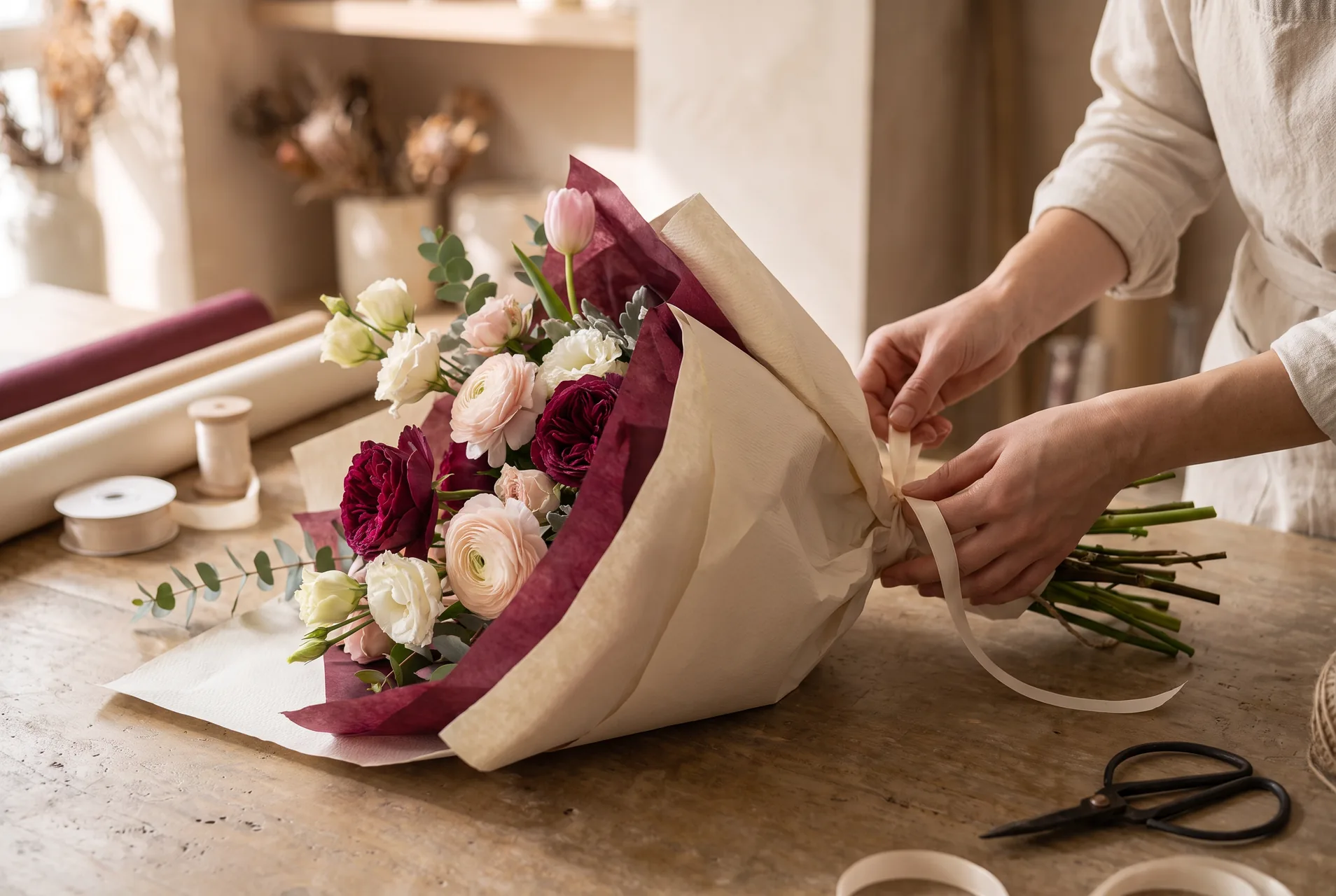
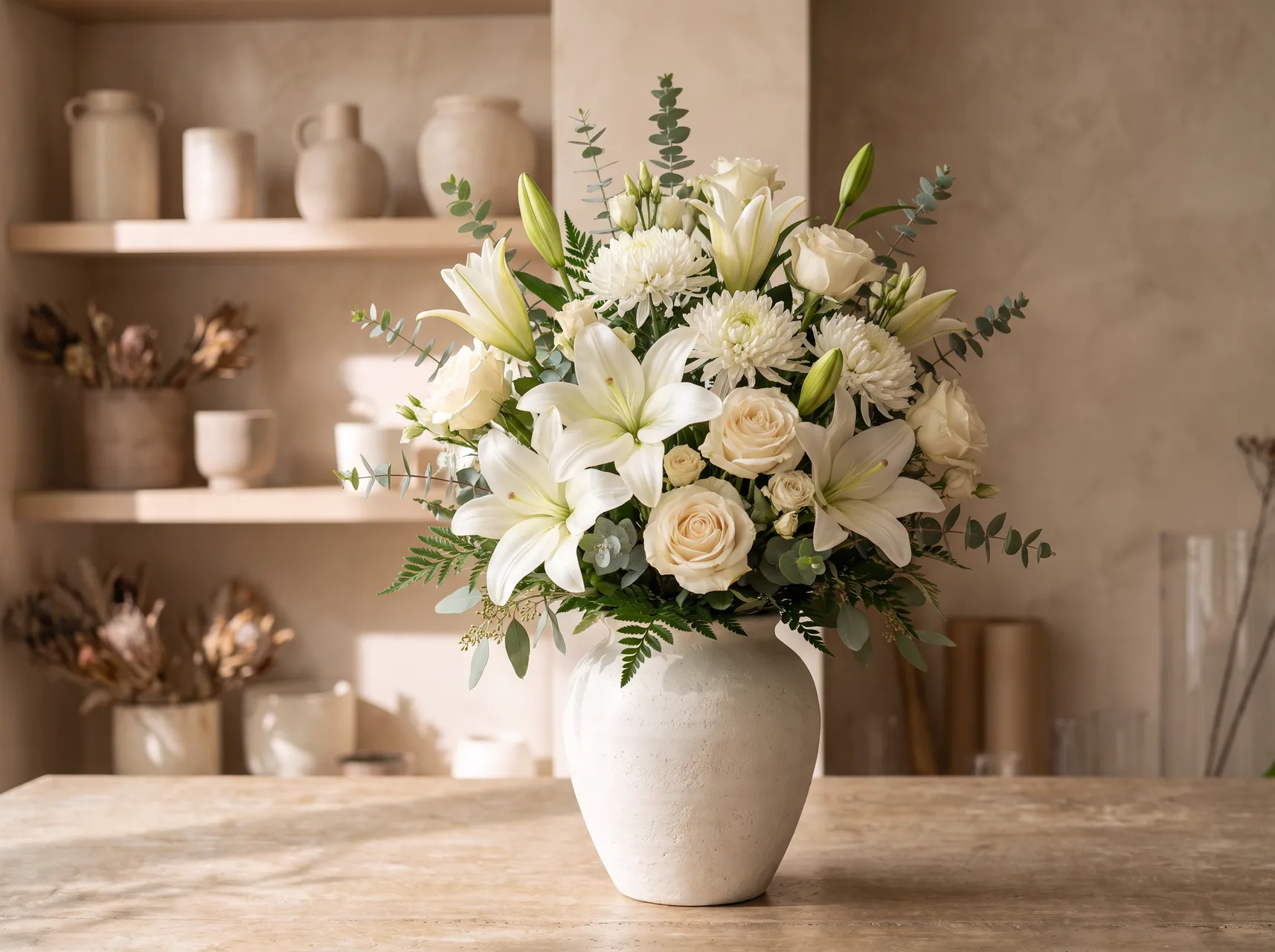

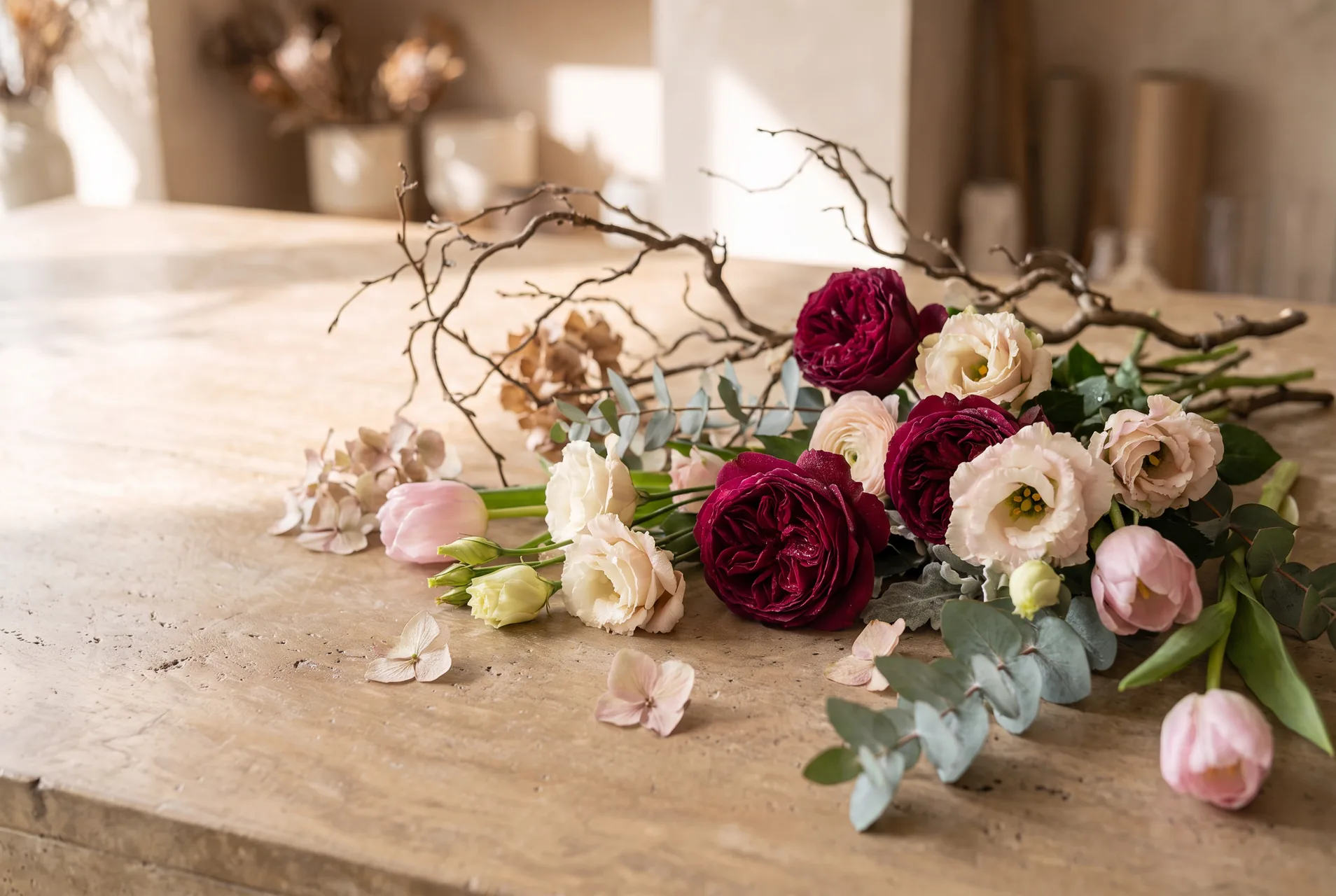
How to choose the best arrangement for Hong Kong
How to choose the best arrangement for Hong Kong
See also 99 roses for a related style or use.
About Y. Florist
Y. Florist provides comprehensive guidance on maintaining the longevity and aesthetic appeal of your floral displays, empowering you to navigate the complexities of indoor climate control and seasonal weather fluctuations.
Keep the recipient, occasion, venue, contact details, preferred colours and any restrictions together. Ask the Y. Florist team to review availability, substitutions, timing and other requirements before relying on any arrangement.
05 · Decision point
Understanding Hong Kong's Climate Impact on Flowers
The subtropical environment presents a unique set of challenges for maintaining fresh cut flowers, often creating a paradoxical situation for plant care. While one might assume that high humidity levels of 80 to 90 percent would help keep petals hydrated, this excessive moisture actually creates an ideal breeding ground for fungal diseases. Botrytis, commonly known as grey mould, is particularly devastating to tight-petalled varieties like garden roses and ranunculus, spreading rapidly when condensation forms on the blooms. Furthermore, the elevated ambient temperatures accelerate both bacterial proliferation in the vase water and the natural production of ethylene gas, a hormone that hastens the aging process of the flowers.
Another significant hurdle is the extreme thermal shock that flowers endure as they are transported through the city. Moving a delicate bouquet from a sweltering 32-degree outdoor environment into a heavily air-conditioned 22-degree office can cause severe stress to the plant tissues. This abrupt fluctuation disrupts the flowers' ability to regulate transpiration and water uptake, often leading to premature wilting. To mitigate these effects, it is essential to acclimatize the arrangements gradually when possible and to implement rigorous hygiene practices that counteract the accelerated biological decay caused by the warm climate.
06 · Decision point
Essential Daily Care Routines
Establishing a consistent daily maintenance routine is the most effective way to combat the rapid degradation of cut flowers in a warm environment. The foundation of this routine is the vigilant management of vase water, which should be changed entirely every two days, or immediately if it appears cloudy. Cloudy water is a clear indicator of bacterial bloom, which will quickly clog the vascular system of the stems and prevent hydration. When changing the water, it is imperative to thoroughly wash the vase with soap and water to eliminate any residual bacterial colonies clinging to the interior walls.
Equally important is the practice of recutting the stems each time the water is changed. Using sharp, clean secateurs or a floral knife, slice approximately one inch off the bottom of each stem at a 45-degree angle. Performing this cut underwater is highly recommended, as it prevents air bubbles from entering the xylem and causing an embolism that blocks water flow. Additionally, carefully inspect the arrangement and remove any foliage that falls below the waterline, as submerged leaves will rapidly rot and introduce harmful bacteria into the fresh water supply.
07 · Decision point
Choosing Climate-Resilient Varieties
Selecting the right type of flowers can significantly influence the longevity of an arrangement in a challenging climate. Tropical varieties are inherently suited to thrive in warm, humid conditions, making them an excellent choice for local displays. Orchids, anthuriums, and birds of paradise possess thick, waxy petals that naturally resist moisture loss and are less susceptible to fungal infections. These resilient blooms can maintain their structural integrity and vibrant colors for extended periods, even when exposed to the typical ambient temperatures of a subtropical summer, providing a reliable and long-lasting aesthetic.
Conversely, temperate flowers imported from cooler regions demand a much higher level of care and environmental control. Varieties such as tulips, peonies, and hydrangeas have thinner petals and softer stems, making them highly vulnerable to heat stress and rapid bacterial contamination. When incorporating these delicate imports into your decor, you must commit to stricter temperature management, ensuring they remain in consistently cool, air-conditioned spaces. Understanding the inherent biological differences between thick-petalled tropicals and thin-petalled temperate blooms allows you to set realistic expectations for their vase life and adjust your care routines accordingly.
08 · Decision point
Optimal Placement in Your Home
The physical location of your floral arrangement within your home plays a critical role in determining how long it will remain fresh. It is vital to position the vase away from direct sunlight, which can rapidly dehydrate the petals and cause the colors to fade prematurely. Additionally, keep the flowers far from any artificial heat sources, such as radiators, ovens, or electronics that generate significant warmth. While placing them in an air-conditioned room is beneficial for temperature control, you must avoid setting them directly under the vents, as the continuous draft of cold, dry air will strip moisture from the blooms and induce thermal shock.
Another often overlooked aspect of placement is the proximity to fresh produce. Ripening fruits, particularly bananas, apples, and avocados, emit high levels of ethylene gas as they mature. Ethylene is a natural plant hormone that accelerates the aging and ripening process, and exposure to it will cause your cut flowers to wilt, drop their petals, and senesce much faster than normal. Therefore, always ensure your floral displays are kept in a separate area from your fruit bowls or kitchen counters where produce is stored, maintaining a safe distance to preserve their youthful appearance.
09 · Decision point
Water Chemistry and Flower Food
The composition of the water in your vase is just as important as its cleanliness when it comes to maximizing the lifespan of your bouquet. Utilizing the commercial flower food packets provided by your florist is essential, as these formulations are scientifically balanced to meet the specific needs of cut stems. The food typically contains three key ingredients: a carbohydrate source (sugar) to nourish the blooms, a biocide to inhibit the growth of harmful bacteria and fungi, and an acidifier to lower the pH of the water. This acidic environment closely mimics the natural sap of the plant, allowing the stems to absorb water much more efficiently.
When preparing the vase, it is crucial to use cool or room-temperature water rather than lukewarm water, especially in a warm climate. While warm water can sometimes encourage tight buds to open faster, it also drastically accelerates bacterial proliferation, which will ultimately shorten the overall life of the arrangement. Ensure the flower food is completely dissolved in the cool water before introducing the stems. By meticulously managing the water chemistry and maintaining a hostile environment for bacteria, you provide your flowers with the optimal conditions for sustained hydration and vibrant health.
10 · Decision point
Reviving Wilted Blooms
Even with diligent care, some flowers may begin to wilt prematurely due to temporary environmental stress or a blockage in their vascular system. When you notice a drooping bloom, the first step is to assess the stem for any signs of clogging or rot. Remove the affected flower from the arrangement and perform a fresh, angled cut about two inches up the stem, preferably underwater, to bypass any potential air embolisms or bacterial buildup. Place the recut stem in a separate container of fresh, cool water mixed with a small amount of flower food, allowing it several hours to rehydrate and regain its turgidity.
It is also important to evaluate the overall condition of the bouquet and the surrounding environment. If the water temperature has become too warm, replace it immediately with cool water to slow down any bacterial activity. Furthermore, promptly remove any individual flowers or leaves that have completely faded or begun to decay. Decaying plant matter releases high concentrations of ethylene gas and introduces large amounts of bacteria into the water, which will quickly compromise the health of the remaining, viable blooms. By isolating the healthy stems from the dying ones, you can protect the rest of the arrangement.
Related florist pages
flower meanings 99 roses red roses top 10 florists in hong kong rose colors meaning flower bouquet
The Ultimate Guide to Flower Care Hong Kong FAQs
How should I care for my flowers during a period of extreme humidity or a typhoon?
During periods of intense humidity or approaching typhoons, the risk of fungal infections like botrytis increases significantly. It is crucial to ensure excellent air circulation around your arrangement, avoiding stagnant corners in your home. You should also inspect the petals daily for any signs of grey mould and immediately remove affected blooms to prevent it from spreading. Keep the vase in a cool, air-conditioned room if possible, but ensure it is not placed directly in the path of the cold air draft, which can cause thermal shock.
Is there a difference in how I should maintain tropical flowers compared to imported temperate varieties?
Yes, there is a distinct difference in their maintenance requirements. Tropical flowers, such as orchids and anthuriums, are naturally adapted to warm, humid environments and generally exhibit greater resilience in local conditions. They can tolerate slightly warmer room temperatures. In contrast, imported temperate flowers like peonies and tulips are highly sensitive to heat and require stricter temperature management. They benefit immensely from being kept in cooler environments and may need more frequent water changes to prevent the rapid bacterial growth that occurs when their delicate stems are exposed to warmth.
What alternative can I use if the provided flower food packet runs out?
If you have exhausted the provided flower food, you can create a simple, effective homemade solution to nourish your blooms. Mix one teaspoon of sugar, one teaspoon of household bleach, and two teaspoons of lemon juice into a quart of lukewarm water. The sugar provides essential carbohydrates for the flowers, the bleach acts as a biocide to inhibit bacterial growth in the vase, and the lemon juice lowers the pH of the water, which helps the stems absorb moisture more efficiently. Always ensure the homemade mixture is thoroughly dissolved before placing your stems in the vase.
Enhance Your Floral Experience with Expert Advice
Discover more about preserving the elegance of your botanical displays by exploring our comprehensive resources. Our team is dedicated to helping you maximize the enjoyment of every arrangement.
Explore Care Guides Contact Y. Florist