Corporate & Events
Exquisite hospitality arrangements for Your Special Moments
Hospitality arrangements need to work as part of the guest experience rather than as decoration placed after the room is finished. In a Hong Kong hotel, restaurant, members’ club or reception venue, the right floral scale depends on where people pause, where staff move and what guests need to see. A lobby feature can create a memorable arrival, while a dining-table design must remain low enough for conversation and restrained enough not to compete with food aromas. This page explains the planning decisions behind those different roles, including zoning, brand colour, vessel stability, scent, air-conditioning, service access and maintenance. Because flowers, installation support and venue conditions vary, confirm current availability and the proposed scope with Y. Florist before relying on a particular design.
Enquire About Hospitality Flowers View Corporate and Event Flowers
Direct answer
Exquisite hospitality arrangements for Your Special Moments
Hospitality arrangements should match each guest zone, from the entrance and reception desk to dining tables, lounges and private rooms. Plan the height, footprint, fragrance, viewing angle and maintenance access for each position, then ask Y. Florist which flowers and service arrangements are currently available for the venue, date and installation conditions.
Understanding the Beauty of hospitality arrangements
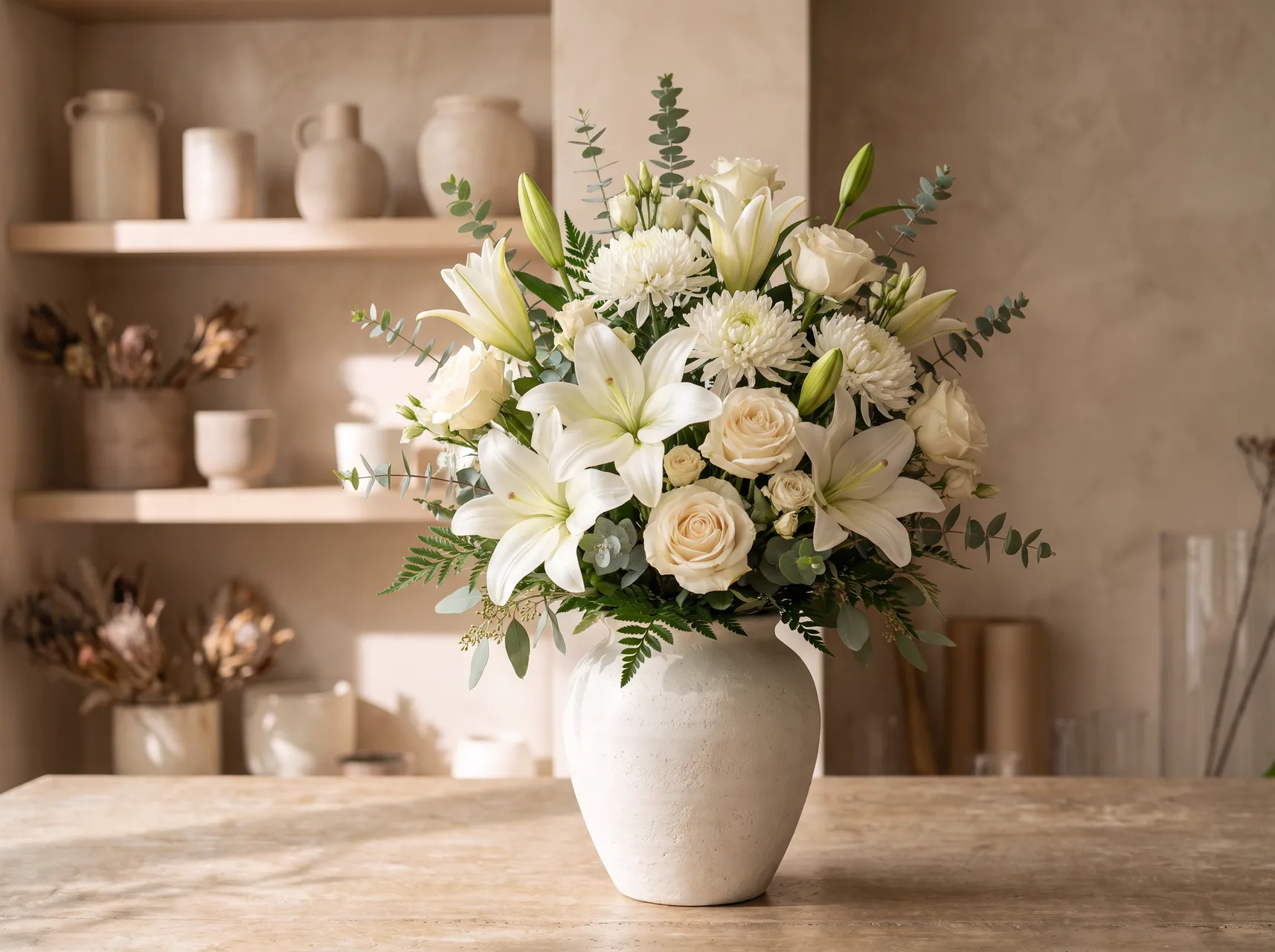
Start with the guest journey. A prominent lobby arrangement may be read from several metres away and can carry a strong silhouette, whereas reception flowers should leave payment terminals, paperwork and staff sightlines clear. Dining arrangements call for a different discipline: guests need space for tableware, servers need a safe route, and fragrance should remain discreet. Mapping these zones before discussing flower varieties prevents one oversized concept from being repeated in locations with very different practical needs.
Compare hotel florist when reviewing related requirements.
Exquisite hospitality arrangements for Your Special Moments comparison
| Consideration | Suitable direction | Confirm before proceeding |
|---|---|---|
| Flowers and colour | Match the recipient, occasion and setting | Seasonal supply and substitutions |
| Finished form | Bouquet, vase, basket, plant or event design | Display space and handling |
| Delivery | Share the venue and preferred timing | Address, phone and access notes |
| Budget | Compare flower grade, size and work | Delivery and additional requirements |
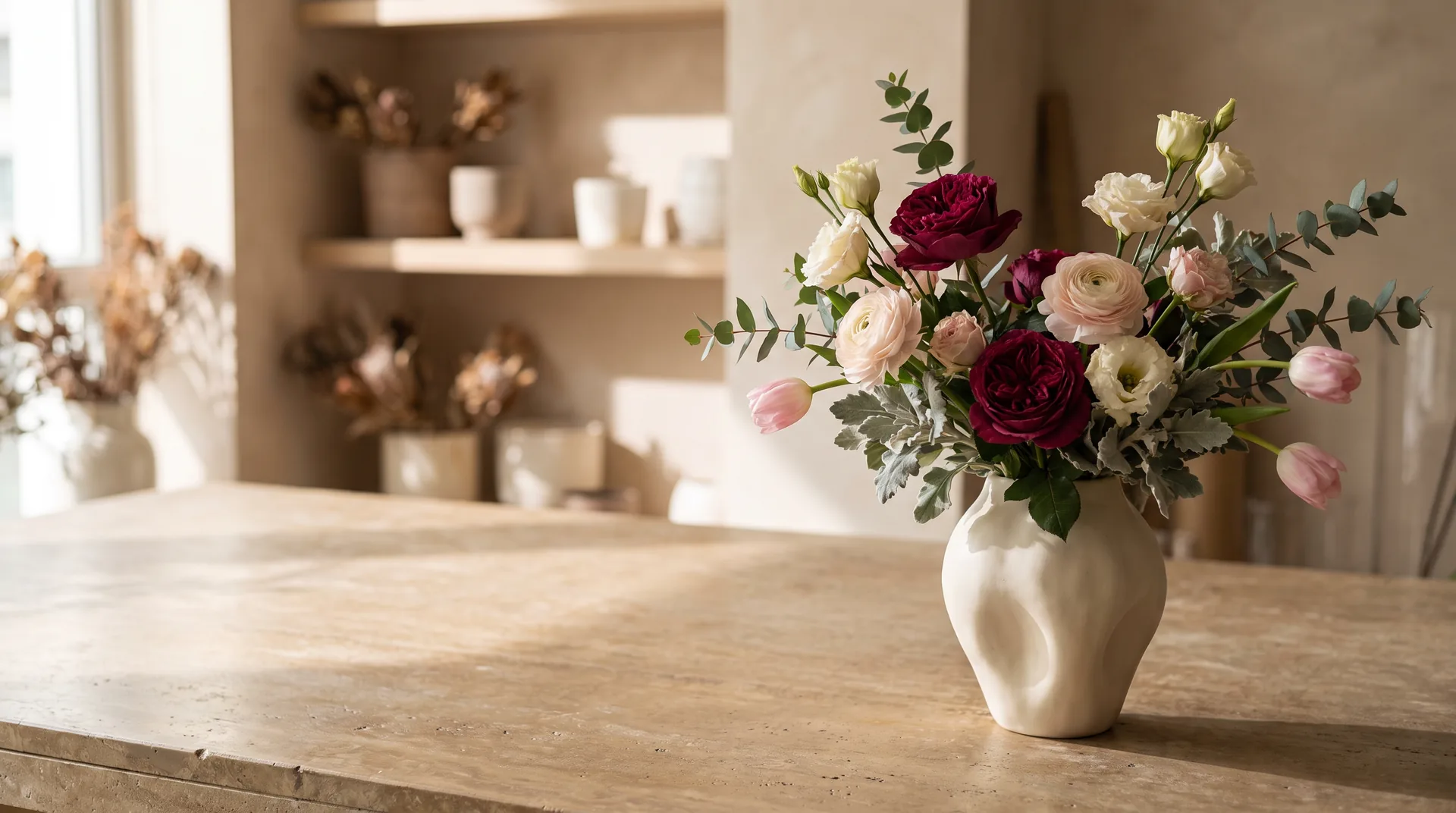
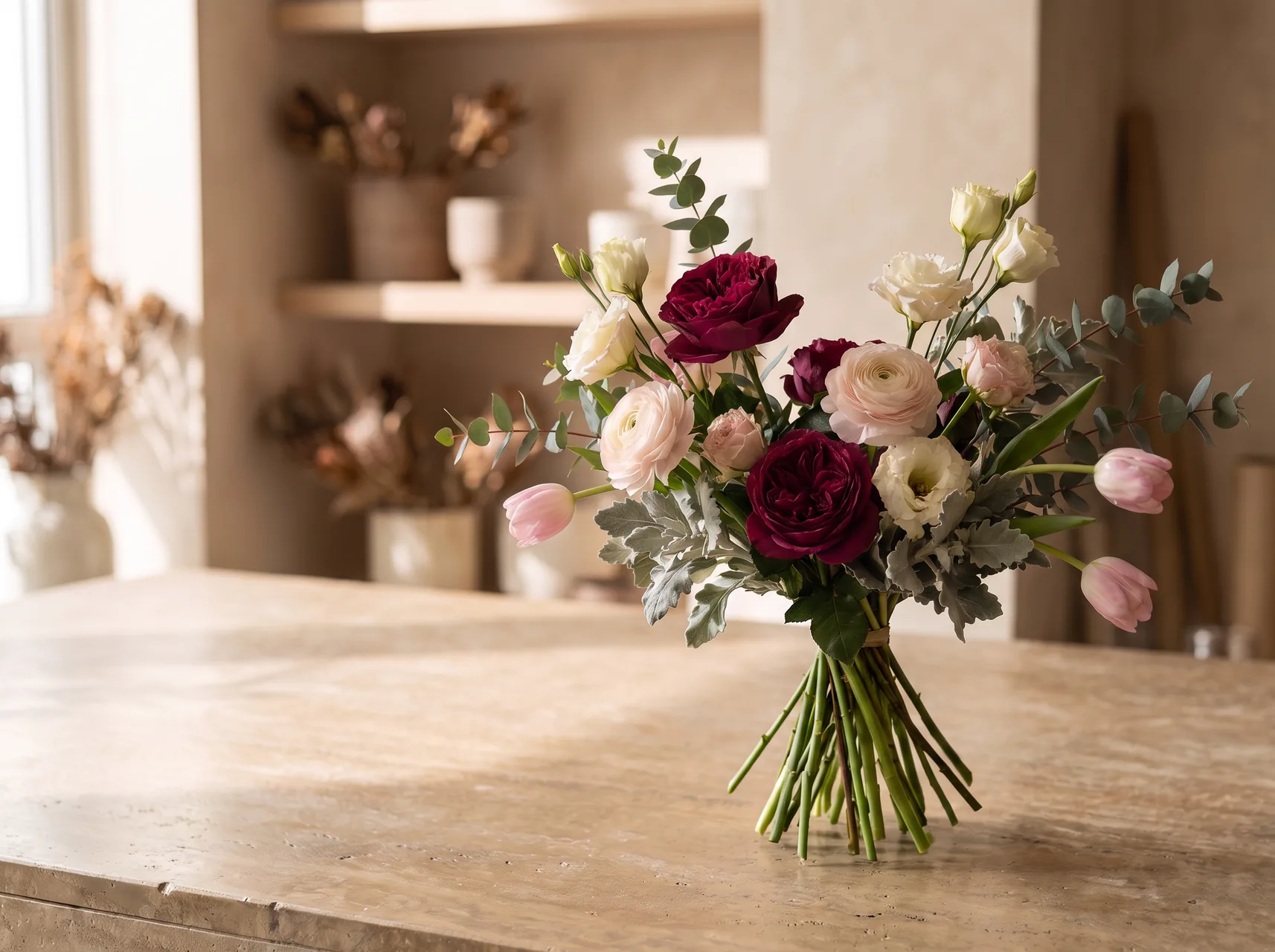
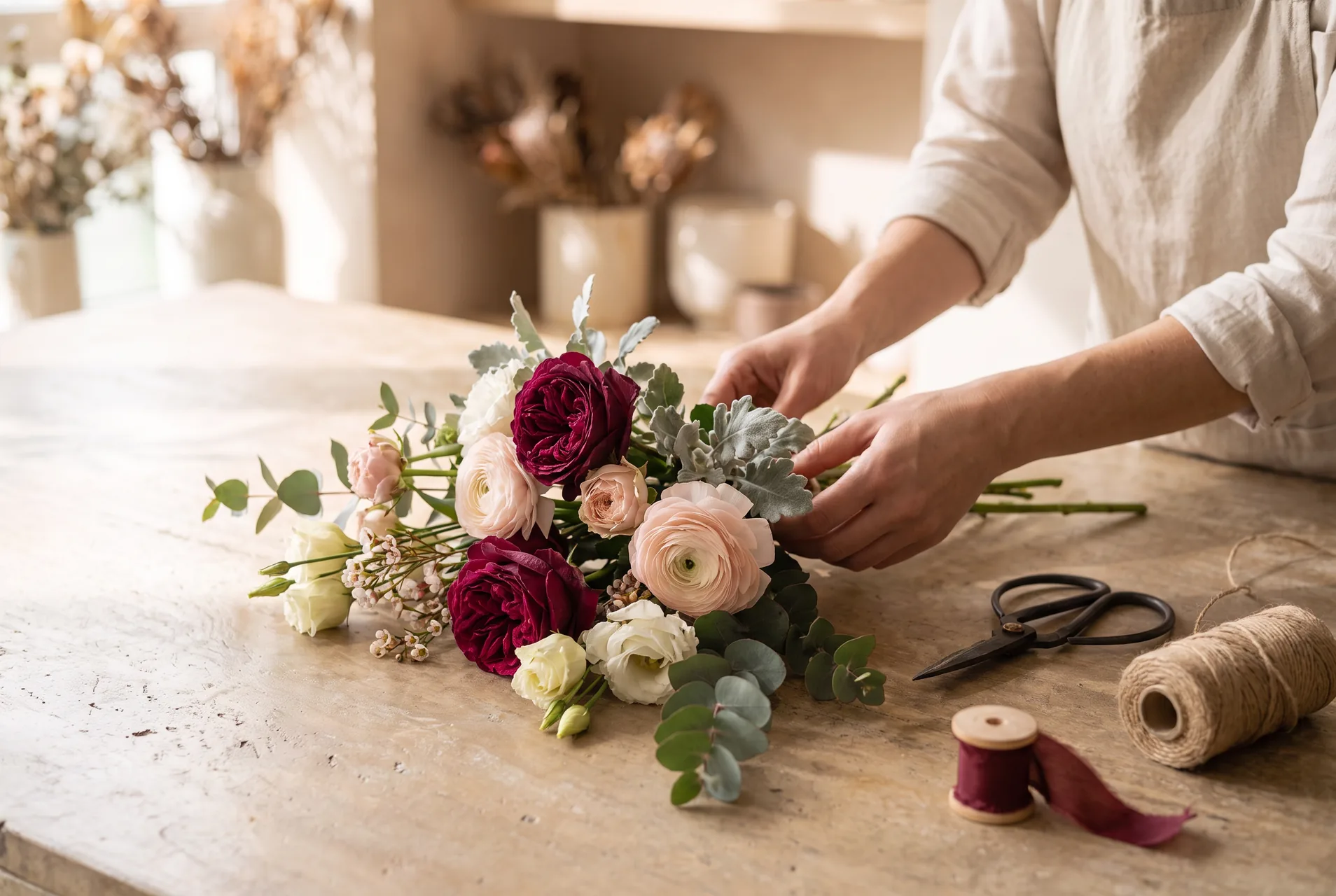
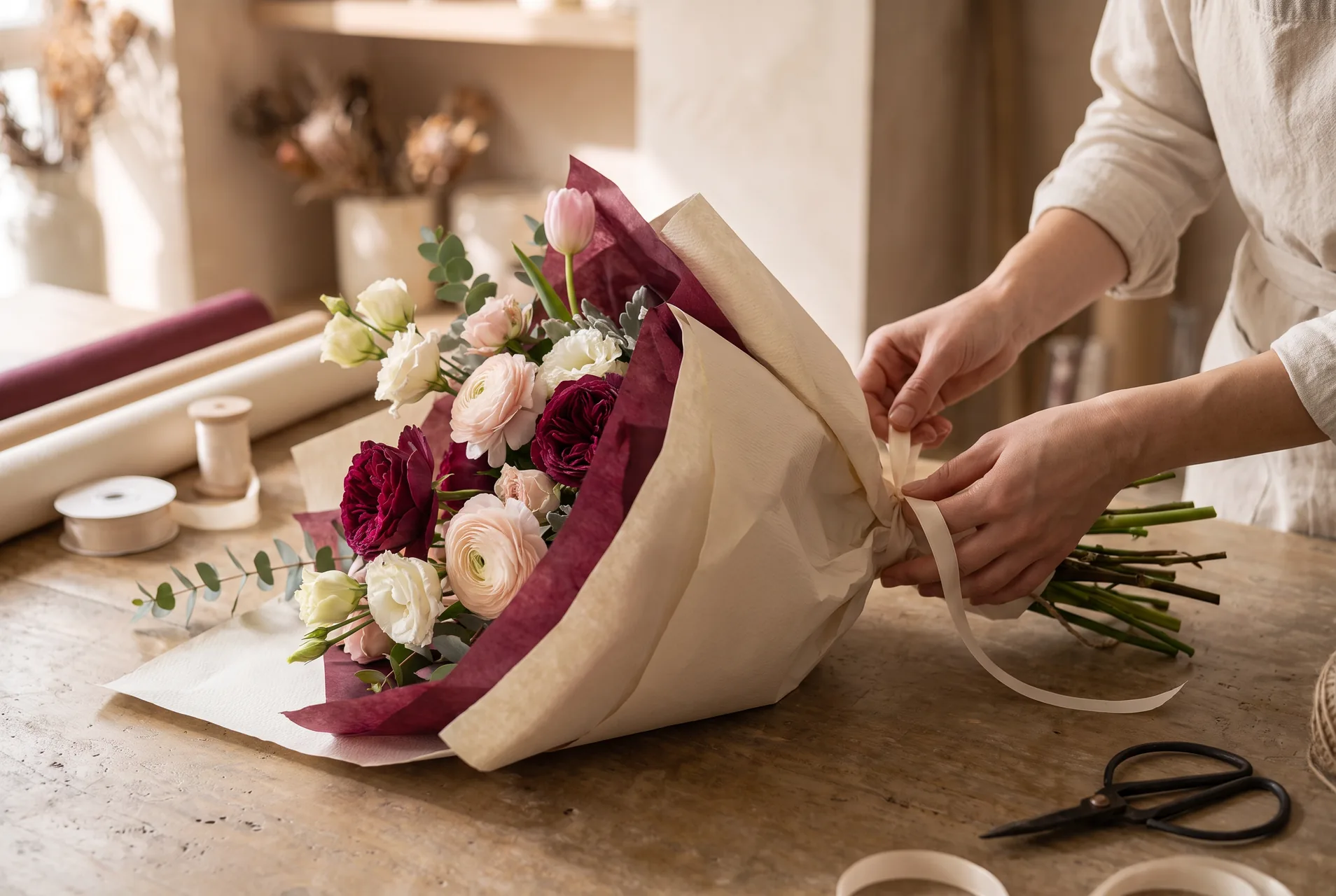
Tips for Choosing the Right Arrangement
The most useful hospitality brief combines visual direction with operational facts. Record the brand palette, interior materials, ceiling height, natural light, air-conditioning, opening hours, loading access and the person responsible for approving placement. For multi-day use, also discuss who may touch or move the flowers, where water can be topped up safely and how tired stems would be handled. These details make it easier to compare a sculptural entrance feature, compact counter design or low dining-table format without assuming that one arrangement suits the whole property.
See also grand opening orchids for a related style or use.
About Y. Florist
Y. Florist is the named floral brand for this hospitality arrangements guide. Any flower choice, installation support, maintenance visit, collection arrangement or venue service must be confirmed for the requested date, location and conditions before publication or booking.
Keep the recipient, occasion, venue, contact details, preferred colours and any restrictions together. Ask the Y. Florist team to review availability, substitutions, timing and other requirements before relying on any arrangement.
05 · Decision point
Map Flowers to the Guest Journey
Guests experience a hospitality space in sequence: exterior arrival, entrance, reception, waiting area, lift lobby, dining room and private zones. Each point has a different viewing distance and dwell time. A design near the entrance may need a clear shape that reads quickly, while flowers beside seating reward closer detail. Marking these moments on a floor plan helps decide where one strong feature is more effective than several unrelated displays.
Operational routes belong on the same map. Staff may carry luggage, trays, cleaning equipment or event materials through spaces that appear empty during a site visit. Flowers should not narrow those paths, conceal signs or create unstable corners. Ask the venue team about peak traffic, emergency access and movable furniture before finalising a footprint. The result should guide attention without interrupting the work that keeps the property functioning.
06 · Decision point
Set Scale by Sightline and Distance
Scale is not simply a question of making an arrangement larger. A tall lobby may suit an elevated form, yet the base still needs proportion to the console, plinth or table beneath it. At reception, staff should be able to see arriving guests and exchange documents without leaning around flowers. For lounges, the arrangement can frame a seating group, but its widest point should not intrude into the space used for drinks, lamps or personal belongings.
Dining tables require the most controlled height. Guests should be able to see one another, and servers need a predictable place for plates and glassware. Low groupings, narrow bud-vase rhythms or a restrained focal piece can preserve conversation space. For a buffet or host station, consider the direction of the queue and whether guests will photograph the display. Measurements are more reliable than adjectives such as grand, elegant or minimal.
07 · Decision point
Translate Brand Identity Without Making a Logo in Flowers
Brand alignment can begin with colour temperature, line, texture and repetition rather than a literal logo shape. A quiet hotel may prefer tonal whites, structured foliage and clean vessels, while a lively restaurant could use a sharper accent colour and looser movement. Interior finishes matter too: reflective stone, dark timber, brass and patterned walls change how colour is perceived. Photographs taken under the venue’s actual lighting are useful references.
Separate permanent brand cues from event-specific requests. A property may have an established lobby palette but need a temporary variation for a conference, festive period or private function. Record which colours are essential, which are optional and which should be avoided. If exact flower varieties are unavailable, an agreed hierarchy of colour, shape and texture allows substitutions to preserve the intended identity without pretending that a particular stem is guaranteed.
08 · Decision point
Manage Scent, Allergies and Dining Sensitivity
Fragrance can be pleasant in an open entrance yet distracting in a restaurant, spa treatment area or compact meeting room. The same flower may feel subtle in a large lobby and concentrated at a small table. Discuss whether food, wine, perfume retail or wellness treatments are part of the surrounding experience. Where scent sensitivity is a concern, prioritise visual texture and foliage rather than relying on heavily fragrant materials.
Pollen and petal drop also affect public spaces. A design near food service, registration documents or upholstered seating should minimise loose material and allow easy inspection. Venue cleaning routines may determine which containers and surfaces are practical. Rather than labelling a flower universally suitable, evaluate the location, ventilation and expected contact. Ask for substitutions if the proposed material conflicts with guest comfort or housekeeping requirements.
09 · Decision point
Plan for Hong Kong Indoor Conditions
Hospitality interiors often combine strong air-conditioning with humid loading areas and warm transitions near entrances. Sudden environmental changes can affect delicate petals and foliage. Note direct sunlight, air vents, revolving doors, kitchen heat and nearby equipment. A sheltered reception desk may support different materials from a doorway feature exposed to repeated temperature shifts. The design brief should identify these microclimates rather than treating the venue as one uniform room.
Container choice is part of environmental planning. A watertight vessel protects stone or timber surfaces, while a weighted base may be important where luggage or guests pass close by. Protective pads, concealed liners and a defined water-care method reduce avoidable risk. Confirm who can access the display and whether venue staff are permitted to add water or remove damaged material. Care instructions should match the actual responsibilities agreed for the project.
10 · Decision point
Coordinate Installation, Maintenance and Removal
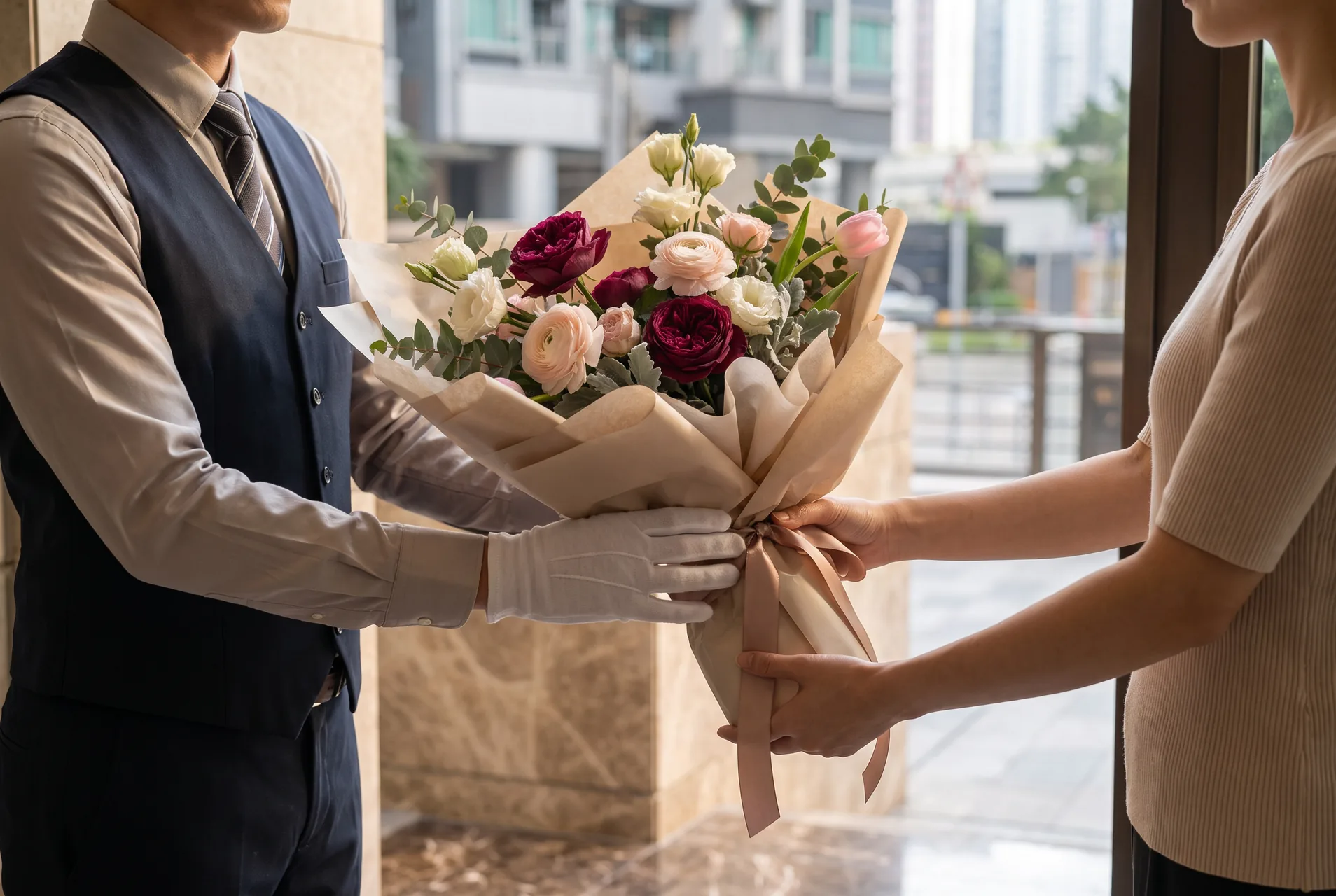
Installation timing should be coordinated with security, loading bays, lifts, housekeeping and event setup. A proposed arrangement may fit the display surface but not the service lift or doorway used to reach it. Share access dimensions, parking restrictions, sign-in procedures and the period when noisy or bulky work is allowed. For occupied venues, identify a staging area so packaging and tools do not appear in guest-facing zones.
Maintenance and removal require equally clear ownership. For a short event, the venue may only need care guidance and an agreed collection plan. For a longer display, discuss inspection, water care and how replacements would be authorised if needed. Do not assume visits or removal are included. Ask Y. Florist whether these services are currently available, then record dates, access contacts and responsibilities in the written scope.
11 · Decision point
Build a Brief That Can Be Approved
A decision-ready brief includes photographs, measurements, guest profile, event schedule, brand references and the operational notes gathered from the venue. Rank priorities such as visual impact, low fragrance, compact footprint or multi-day practicality. A simple priority order helps resolve conflicts; for example, a preferred flower may need to change if it blocks sightlines or reacts poorly to the display environment. Approval should cover both appearance and placement.
Before relying on the plan, confirm the final flower direction, acceptable substitutions, vessel ownership, installation limits, maintenance responsibility, removal arrangements and contact person for on-site decisions. Budget can then be compared against the number of zones and the complexity of access rather than against flower count alone. This written confirmation protects the guest experience while giving the venue team a clear operational reference.
Related florist pages
hotel florist grand opening orchids mall VIP event flowers grand opening flowers office plants delivery hk flower bouquet
Exquisite hospitality arrangements for Your Special Moments FAQs
How should flowers differ between a hotel lobby and a restaurant table?
A lobby arrangement can use height and a stronger outline because it is normally viewed from a distance, but it still needs a stable footprint and clear circulation around it. Restaurant flowers should sit below normal sightlines, leave room for tableware and avoid strong fragrance. Share measurements and photographs of both positions so each design can be judged separately.
What venue information should be prepared before discussing hospitality arrangements?
Prepare the display dimensions, ceiling height, lighting, air-conditioning exposure, brand colours, service routes, loading rules and preferred installation window. Identify who can approve placement and who may maintain the flowers after setup. These facts help distinguish a visual preference from a practical requirement and reduce late changes at the venue.
Can hospitality flowers be planned for several days?
A multi-day concept depends on the room conditions, selected materials and the maintenance responsibility agreed for the project. Ask Y. Florist what is currently available and whether the proposed scope includes installation, care guidance, refresh visits or removal. The timing and responsibilities should be recorded in writing rather than assumed.
Discuss Hospitality Arrangements for Your Venue
Share the venue type, display zones, dimensions, brand palette, date and access restrictions. Y. Florist can then discuss suitable concepts and confirm current flower and service availability for the requested conditions.
Enquire About Hospitality Flowers Contact Y. Florist