Bouquets & Arrangements
Minimalist Flower Arrangement
Minimalist flower arrangement offers clean, architectural accents that suit Hong Kong homes and offices without crowding limited surfaces. These designs use a few carefully chosen stems and a considered vessel to create impact through negative space. This page helps you choose scale, vessel and stem style so the piece complements compact flats, reception desks or a modern dining table without dominating the room.
Direct answer
Minimalist Flower Arrangement
A minimalist flower arrangement emphasises clean lines, a restrained palette and purposeful negative space to suit small Hong Kong flats and corporate settings. Choose one or two architectural stems and match them to a vessel with correct proportion to create a composed, modern accent that reads as intentional rather than sparse.
Which Minimalist Arrangement Is Right for You?
Which Minimalist Arrangement Is Right for You? Decide what the display needs to do in your space first: sit low on a coffee table, reach up in a narrow foyer, or anchor a minimalist dining table. For a small apartment, low horizontal pieces with a shallow bowl or low tray keep sightlines clean. For entranceways and lobbies, tall vertical stems deliver drama with minimal visual clutter. Balance scale against the surrounding furniture and allow negative space to frame each stem.
Compare flower bouquet when reviewing related requirements.
Minimalist Flower Arrangement comparison
| Consideration | Suitable direction | Confirm before proceeding |
|---|---|---|
| Flowers and colour | Match the recipient, occasion and setting | Seasonal supply and substitutions |
| Finished form | Bouquet, vase, basket, plant or event design | Display space and handling |
| Delivery | Share the venue and preferred timing | Address, phone and access notes |
| Budget | Compare flower grade, size and work | Delivery and additional requirements |
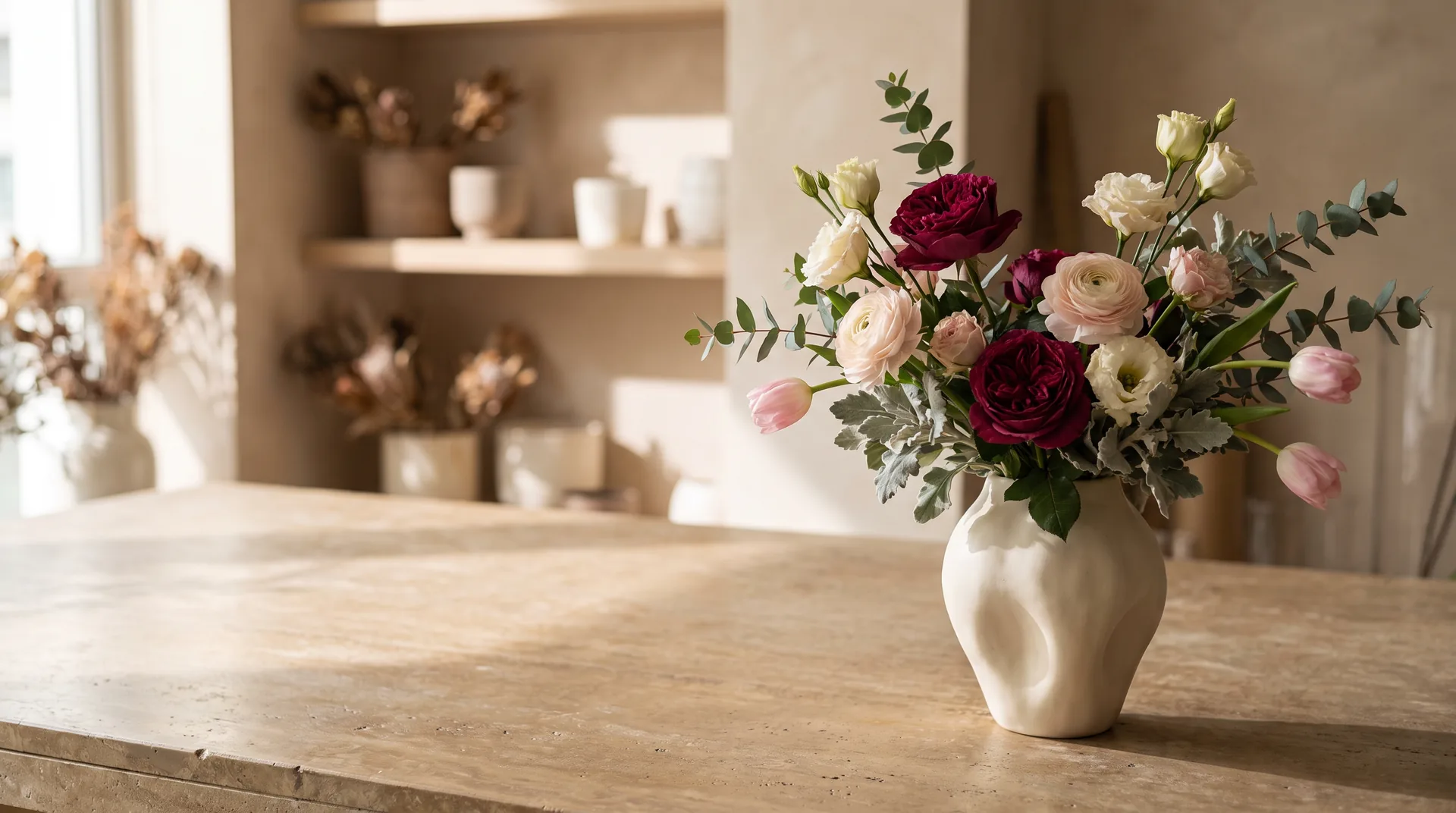
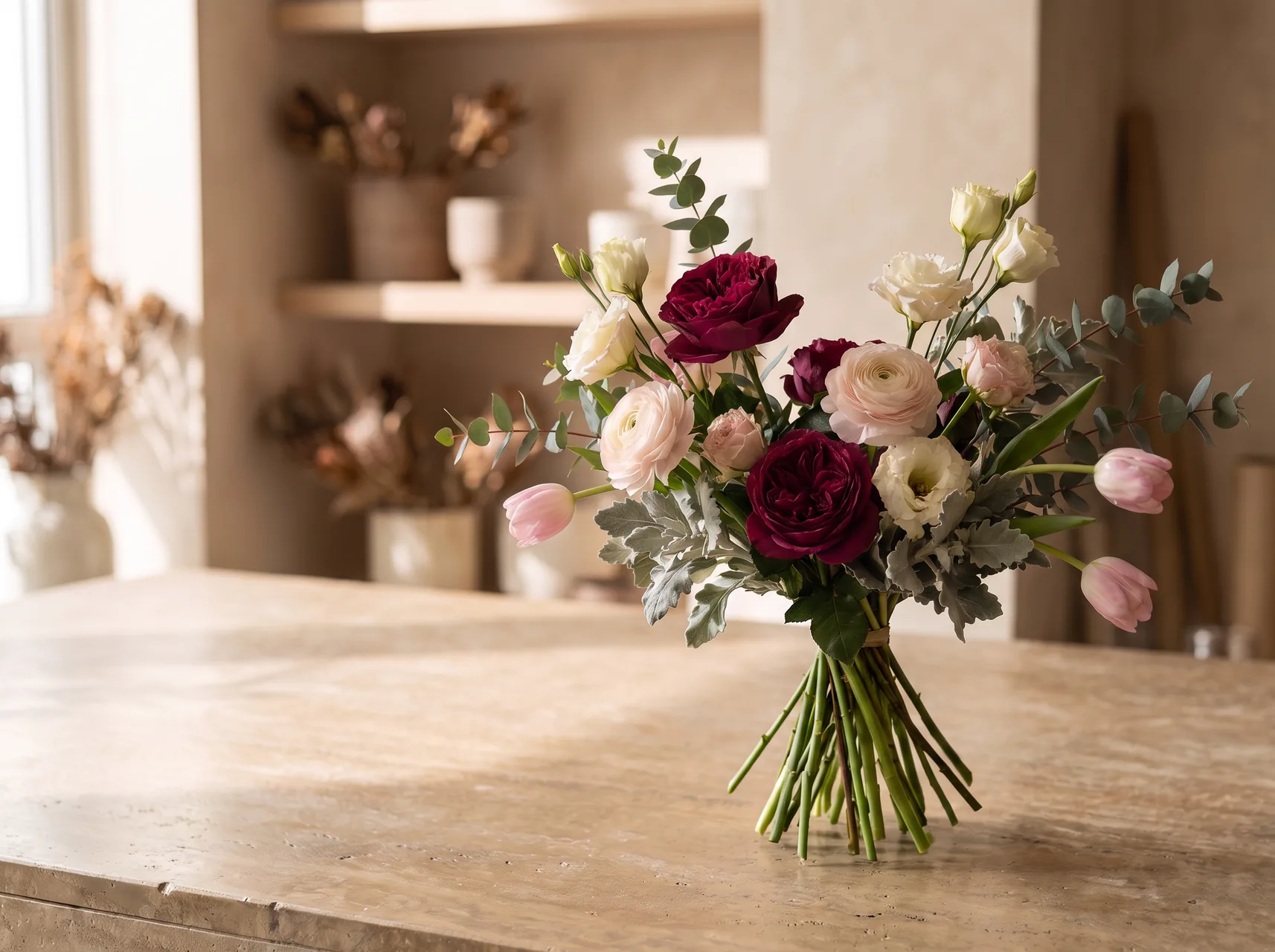
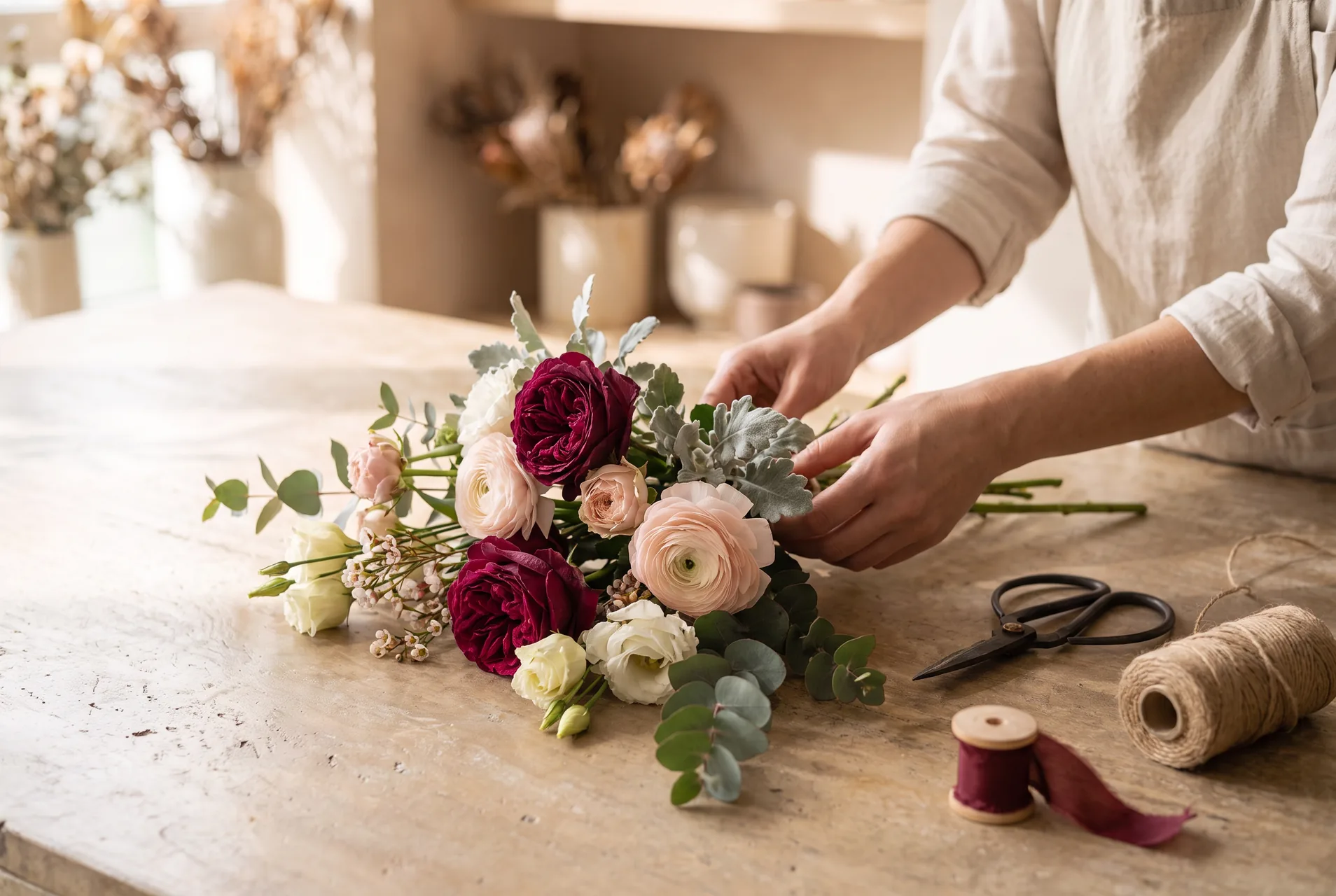
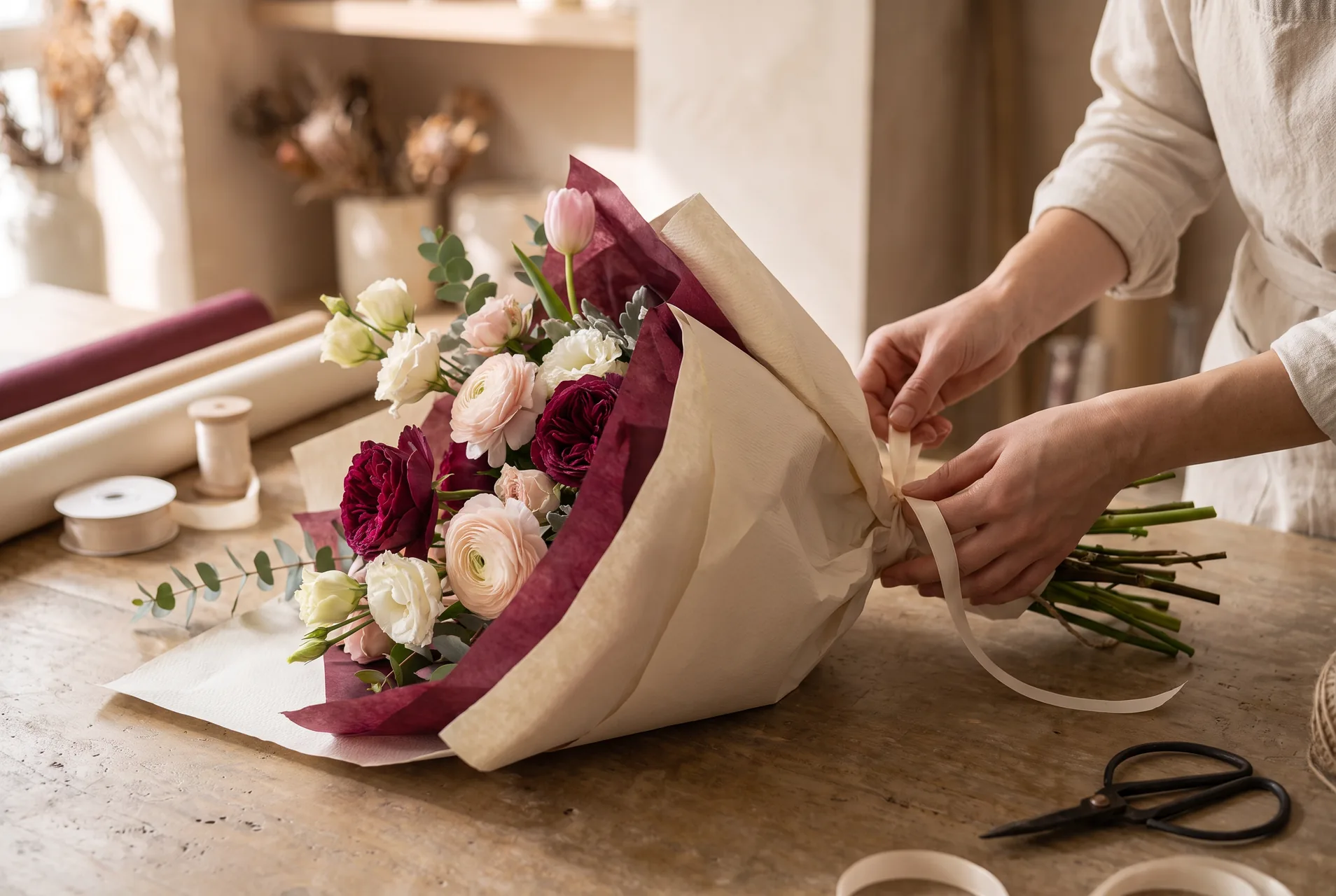

Sizing, Stems and Vessel Choices
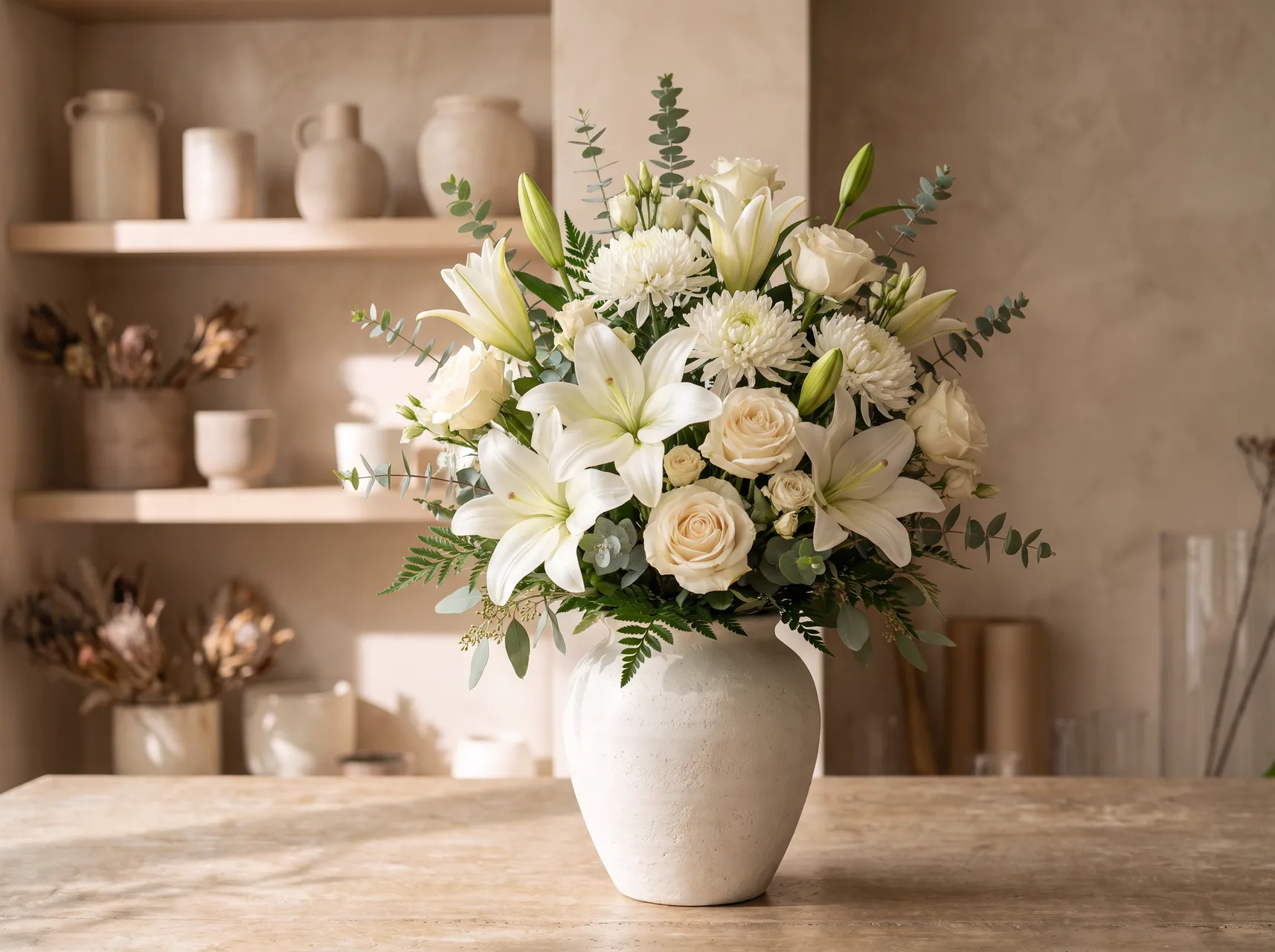
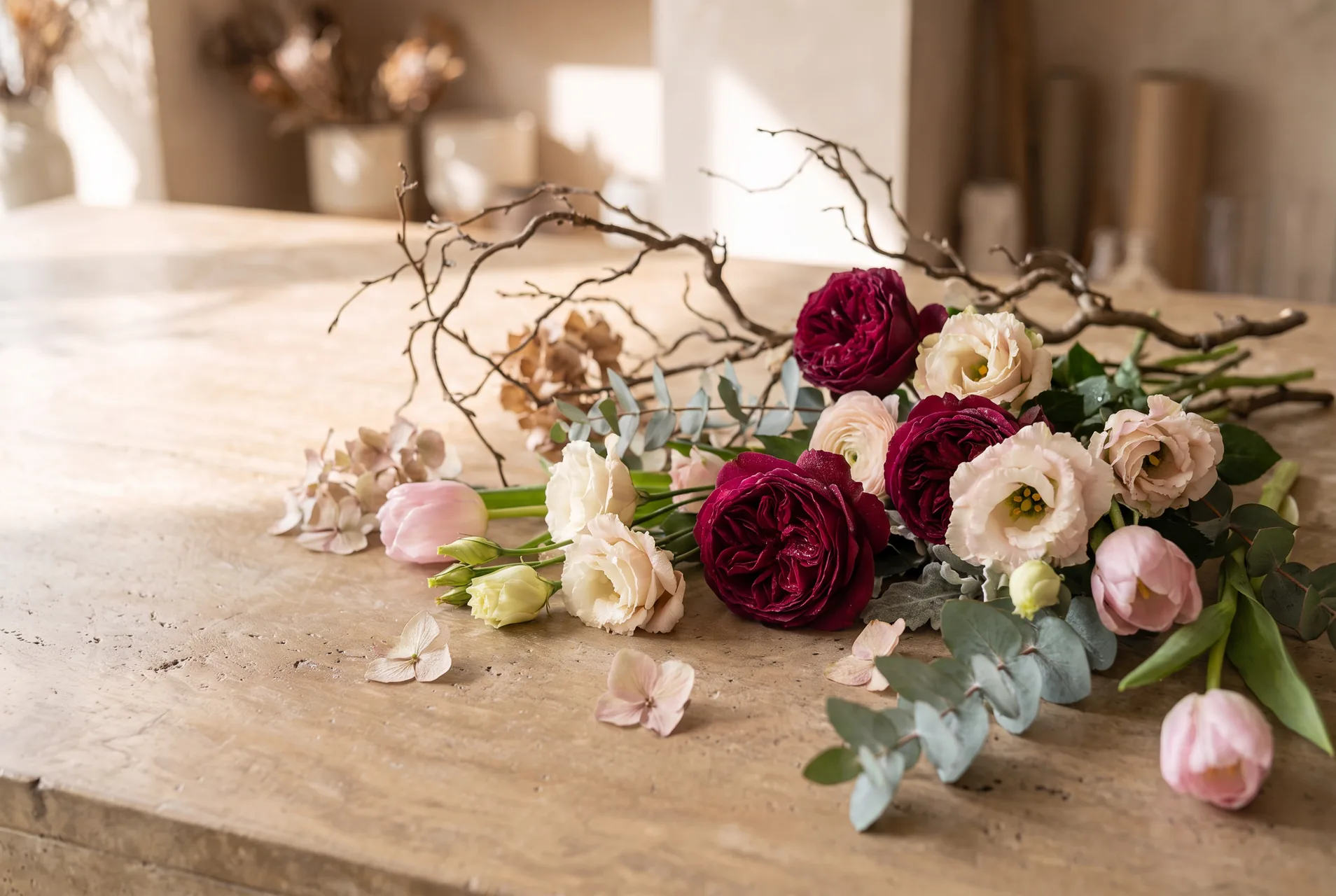
Sizing, Stems and Vessel Choices Choosing the right vessel is as important as choosing stems: tall, slim cylinders suit upright calla lilies or a sculptural branch, while shallow ceramic bowls flatten the composition for coffee tables. Pick stems with architectural qualities—branches, single focal blooms or long, curving leaves—and trim precisely so mechanics are neat. Match vessel material and colour to your interior palette so the container supports the design without competing with the spare silhouette.
See also rustic flower bouquet hk for a related style or use.
About Y. Florist
A minimalist flower arrangement is a restrained floral composition that highlights a few architectural stems and negative space. Y. Florist provides guidance on sizing, vessel pairing and styling to suit Hong Kong interiors; please ask whether a specific stem type is currently available for your project.
Keep the recipient, occasion, venue, contact details, preferred colours and any restrictions together. Ask the Y. Florist team to review availability, substitutions, timing and other requirements before relying on any arrangement.
05 · Decision point
The Principles of Minimalist Floral Design
Minimalist floral design rests on a small set of visual rules rather than on simply using fewer flowers. It privileges clean lines, an often limited colour palette and deliberate subtraction so a single stem or branch can act as a sculptural focal point. The arrangement’s rhythm is created by asymmetry and negative space, which are as important to the composition as the stems themselves. In Hong Kong interiors, that restraint helps a flower piece feel tailored rather than decorative.
Attention to silhouette and proportion governs decision-making for minimalist arrangements. Choose one primary element—a tapering branch, a bold bloom or an architectural leaf—and allow its form to define the piece. Supporting elements, if any, should be subordinate and spaced to maintain breathing room. This discipline is influenced by Ikebana ideas of balance through subtraction but adapted for contemporary urban settings where furniture scale and sightlines matter.
06 · Decision point
Selecting Stems and Vessels
Select stems for structural interest rather than volume. Architectural branches, sculptural leaves and single strong blooms such as calla lilies or orchids work well because they keep the eye moving along a clear line. When stems are visible through a clear container, mechanical neatness is crucial: tidy cuts, properly placed support and pristine water preserve the intended look. Ask whether a particular stem type is available if you have something specific in mind.
Match vessel type to the composition’s axis and the scale of the setting. Tall cylinders support vertical gestures and emphasise height in narrow foyers, while shallow bowls or low ceramic dishes suit coffee tables or dining centres. Materials such as clear glass, unglazed ceramic or matte metal can reinforce a modern aesthetic; avoid ornate or patterned vases that distract from the sparse stems.
07 · Decision point
Negative Space and Scale
Negative space is an active ingredient in minimalist arrangements: the space between stems defines rhythm and emphasises silhouette. When composing for small Hong Kong flats, allow generous pockets of silence so the piece reads as calm rather than under-furnished. The distance from the edge of a table and the height of nearby furniture will affect perceived scale, so evaluate the arrangement in situ if possible before finalising proportions.
Scale decisions determine whether a piece integrates or dominates. Low, horizontal arrangements keep sightlines open across small surfaces, while a tall, single-stem display can draw attention in an entrance without adding clutter. Visual balance is achieved when negative space around the composition is as intentional as the placement of each stem; resist the impulse to overcrowd the vessel with additional blooms.
08 · Decision point
Styling Minimalist Arrangements in Hong Kong
Compact living in Hong Kong benefits from arrangements that enhance rather than compete with surroundings. A shallow, monochromatic grouping suits a low-profile coffee table and keeps tabletops usable, while a slim vertical arrangement can lift a narrow foyer wall. Consider reflective surfaces and limited shelf depth when choosing vessel depth so the piece does not encroach on daily movement around the home.
In office or reception areas, minimalist pieces bring a professional, considered tone. Place a tall sculptural branch in a lobby corner to create presence without closing off a walkway, or opt for a low, monochrome cluster on a boardroom table to maintain sightlines. Always check lighting—spotlighted stems read as architectural features, while diffuse light softens silhouettes and can change the arrangement’s visual weight.
09 · Decision point
Care and Maintenance for Minimalist Pieces
Maintenance is decisive for minimalist arrangements because there are fewer stems to disguise changes. Keep water exceptionally clear in glass vessels, changing it frequently and recutting stems so the visible mechanics remain tidy. Remove any discoloured leaves or spent florets promptly to preserve the composed look, and avoid overfeeding with preservatives that cloud water or accelerate softening in delicate stems.
Precise trimming and support are practical details that affect longevity and aesthetics. Secure long stems with discreet supports or marbles if necessary to hold intended angles, and align cut ends so they sit cleanly in the vessel. For compositions using woody branches, monitor moisture levels and remove any material that begins to leach or stain the water; that small attention keeps a minimalist arrangement looking intentional and fresh.
10 · Decision point
Common Mistakes to Avoid for Minimalist Flower Arrangement
One frequent error is assuming minimalist simply means fewer flowers: without clarity of line and negative space, the result can appear incomplete rather than elegant. Another mistake is choosing an oversized patterned or ornate vase that competes with the sparse stems; the container should support rather than dominate the composition. Overcrowding the arrangement by adding 'one more' stem often destroys the intended balance.
Ignoring water cleanliness is especially damaging when stems are visible through transparent vessels. Murky water undermines the minimalist aesthetic immediately, so commit to the extra maintenance. Equally, poor trimming and untidy mechanics distract from the design; tidy the meets and joins as carefully as you would edit a piece of furniture to the room. Small technical lapses are more noticeable in minimalist work than in dense bouquets.
11 · Decision point
Examples, Pairings and Confirmation Points
Practical examples help clarify choices: a single structural branch with two orchids in a shallow ceramic bowl suits a modern coffee table because the low profile clears sightlines while the orchids provide a focal point. A tall, asymmetrical grouping of calla lilies in a clear glass cylinder fits a narrow corporate lobby where the vertical line adds presence without cluttering floor space. A low-profile trio of monochromatic blooms reads as an elegant dining centrepiece without overwhelming place settings.
When finalising a design, confirm a few practical points: which architectural stems are currently in season for your chosen style; whether the arrangement can be scaled to fit a narrow entryway; and which vessel options complement a single focal bloom. Share exact surface dimensions and preferred colour restraints so recommendations respect both your interior and the piece’s intended role. If you own a vessel already, provide its dimensions and material in your enquiry.
Related florist pages
flower bouquet rustic flower bouquet hk flower basket hk acrylic flower box flower box hk weekly flower plan
Minimalist Flower Arrangement FAQs
How do I choose the right vase proportion for a minimalist design?
Vase proportion depends on the stem length and intended silhouette. For vertical designs, select a vase height that supports the stem without looking short or hiding the curve; for horizontal pieces, a low, wide vessel keeps the focus on line. Bring the intended location measurements when consulting so we can recommend proportions that balance with surrounding furniture.
What role does negative space play in making the arrangement feel complete?
Negative space gives each stem room to read as a distinct sculptural element; it is an active part of the composition rather than empty filler. Leaving deliberate gaps emphasises asymmetry and the stem’s shape, so resist adding more flowers once the balance and rhythm feel resolved. The result is calm, considered and visually light.
How do minimalist arrangements age compared with denser bouquets?
With fewer stems, each bloom and branch becomes more noticeable as it changes; therefore stem selection and care are crucial. Because mechanics and stems are often visible in clear vases, maintain water clarity and trim spent material promptly. Some structural branches remain visually strong as foliage fades, while single blooms may need replacing sooner to keep the composition balanced.
Discuss a Minimalist Piece for Your Space
Tell us where you plan to display the arrangement, approximate surface dimensions and whether you prefer a vertical or horizontal silhouette. If you have a vessel you’d like to use, mention its material and size. Include any colour restraint or a single focal bloom you favour so we can suggest stems and proportions that respect your interior.
Enquire About a Design Contact Y. Florist