Flowers by Occasion
Get Well Flower Delivery Hong Kong
Sending get-well flowers in Hong Kong is a beautiful way to lift someone’s spirits, but it also requires thoughtful planning. Hospitals here—both public and private—often have strict rules around what can be brought into wards, and even home recoveries benefit from flowers that are gentle, easy to care for, and considerate of allergies. At Y. Florist, we help you navigate the practicalities with sensitivity: choosing low-scent, low-pollen blooms; arranging compact designs that don’t crowd a bedside; and coordinating delivery that respects hospital security, visiting hours, and patient privacy. Whether your loved one is in a high-dependency unit or recuperating at home with a caregiver, our team can recommend options that feel warm and uplifting without adding to anyone’s workload. If you’re unsure where to start, we’ll gladly guide you through the details so your gesture lands exactly as intended—calming, cheerful, and compatible with the patient’s environment. Whether you need get well flower delivery Hong Kong, we can help.
Direct answer
Get Well Flower Delivery Hong Kong
We can help arrange get well flower delivery in Hong Kong to hospitals or homes by recommending low-scent, allergy-considerate designs in self-contained vases or boxes, confirming ward and bed details, and coordinating with reception or caregivers. Please ask our team whether hospital delivery is currently available for the specific ward and time window before placing your order.
How to choose get-well flowers for different recovery situations
When someone you care about is unwell, flowers do more than decorate—they carry encouragement, hope, and a touch of normalcy. In Hong Kong, the right get-well choice balances bright colour with gentle fragrance and practical design that respects hospital guidelines and shared spaces. A tidy arrangement with clean lines and minimal shedding feels appropriate near medical equipment and drip stands, while a warm, bilingual message can add a personal note without overwhelming a tired patient. By prioritising low-pollen, low-scent selections and compact sizing, you honour both the recipient and the people caring for them. Our approach centres on suitability: what the patient can enjoy safely, what the ward will allow, and what will not burden nurses or family. Before you order, we’ll help you think about the delivery address, ward security, and whether the patient is nearing discharge. For home recoveries, we may recommend longer-lasting potted options and, if the recipient enjoys fragrance, gentle varieties that won’t dominate a small room. Every step is guided by empathy and practicality—so your gift gives comfort from the moment it arrives.
Compare Graduation flower delivery when reviewing related requirements.
Get Well Flower Delivery Hong Kong comparison
| Consideration | Suitable direction | Confirm before proceeding |
|---|---|---|
| Flowers and colour | Match the recipient, occasion and setting | Seasonal supply and substitutions |
| Finished form | Bouquet, vase, basket, plant or event design | Display space and handling |
| Delivery | Share the venue and preferred timing | Address, phone and access notes |
| Budget | Compare flower grade, size and work | Delivery and additional requirements |
What to write on a get-well card
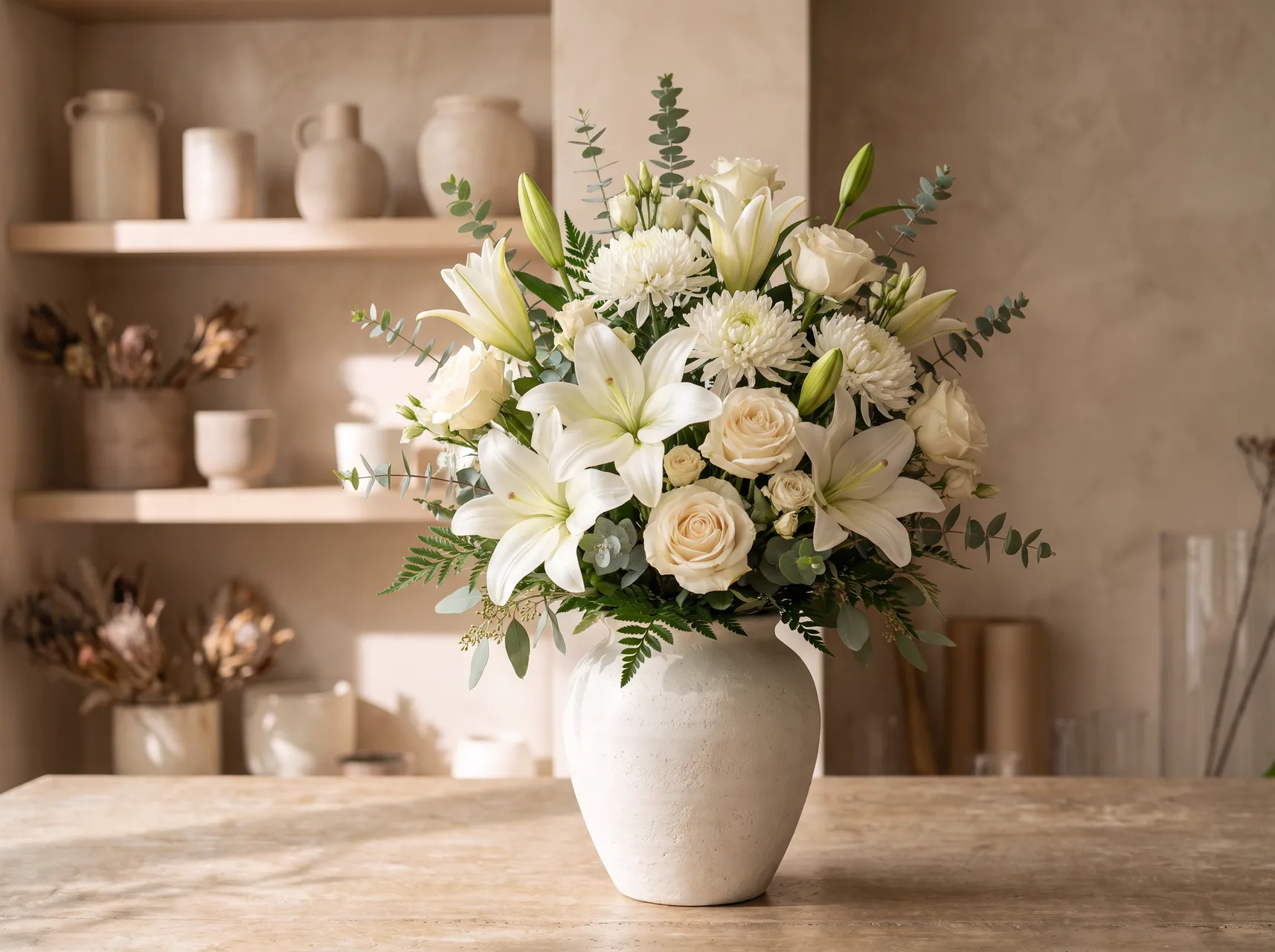
Colour and scent make a remarkable difference to mood during recovery. For someone waking after surgery or resting in a shared room, soft pastels can soothe, while cheerful yellows and oranges brighten a grey hospital afternoon without relying on heavy perfume. Blooms such as hydrangeas and certain orchids provide texture and shape without a strong scent, and sunflowers or daisies add sunny optimism with minimal irritation to ward-mates. The format matters too: a self-contained vase or box avoids splashes and saves time for busy staff members who cannot hunt for containers or rearrange stems. Equally important are the logistics. Hospitals vary in their policies, and high-security wards often require deliveries to be left at reception or a nurse station. Clear addressing—hospital name in full, block or tower, ward and bed number, plus a reliable contact—prevents delays and reduces the risk of a missed handover. If the patient has already returned home, a well-timed delivery coordinated with a caregiver helps your flowers settle in smoothly, offering comfort for the days ahead.
See also apology flower delivery Hong Kong for a related style or use.
About Y. Florist
Y. Florist is a Hong Kong florist focused on thoughtful, respectful get-well gifting. We recommend allergy-considerate flowers, compact formats for hospital settings, and practical delivery planning tailored to local ward procedures and home environments. Please check with us to confirm what is currently available for your preferred delivery date and location.
Keep the recipient, occasion, venue, contact details, preferred colours and any restrictions together. Ask the Y. Florist team to review availability, substitutions, timing and other requirements before relying on any arrangement.
05 · Decision point
Navigating Hong Kong hospital flower policies for Get Well Flower Delivery Hong Kong
Hospital rules in Hong Kong vary widely, and it is common for restrictions to differ from ward to ward within the same building. Intensive and high-dependency areas often prohibit fresh flowers altogether, while some general wards may allow compact, low-scent arrangements. Public hospitals typically lean toward stricter hygiene standards than private facilities, especially in shared rooms where infection control and respiratory comfort are priorities. Before placing your order, contact the hospital or ward desk to confirm whether flowers are permitted for your recipient’s location. This simple step ensures your thoughtful gesture does not end up stranded at reception.
Accuracy matters with addressing. Always provide the hospital name, tower or block, exact ward, and bed number, along with a local contact who can assist if the patient is resting or undergoing a procedure. One practical example: a sender confirms with a private hospital that flowers are allowed, then chooses a compact, scentless arrangement in a tidy box that fits on a bedside table—no extra handling needed. In contrast, a common mistake is sending a massive bouquet of highly fragrant lilies to a shared ward, which may breach ward guidance and distress other patients; avoid this by verifying policies and selecting low-scent blooms.
06 · Decision point
Choosing allergy-friendly, low-scent blooms
For hospital rooms and small flats alike, low-scent and low-pollen options are essential to protect people with sensitive airways. Hydrangeas offer full, cushiony heads without overwhelming perfume, and certain orchids provide graceful lines with a gentle presence. Sunflowers and daisies (including gerberas) add cheerful colour and a sense of optimism with minimal fragrance. These choices help reduce the risk of sneezing, asthma irritation, or headaches—crucial in shared wards where several patients are resting at once. Even if a single patient enjoys a strong scent, their neighbours might not; erring on the side of subtlety is respectful to everyone.
We strongly advise against lilies, hyacinths, tuberose, and similarly perfumed flowers for confined spaces. Even when pollen is removed from certain blooms, residual scent and falling anthers can cause issues for ward-mates and staff. Think of fragrance as an accent, not the main note, especially in recovery. For a visual lift without scent, bright sunflowers or daisies are excellent. If your loved one is at home and fragrance is truly desired, consider a very light note in a separate room with good ventilation. Otherwise, stay with allergy-considerate options that bring colour and calm without the risk of irritation.
07 · Decision point
Self-contained arrangements for convenience
Hospitals seldom have spare vases, and nurses rarely have time to arrange loose stems. That’s why we recommend sending a self-contained design: flowers already placed in a vase, box, or floral foam with a secure water source. This format prevents spills near monitors and drip stands, avoids the scramble for a container, and keeps the bedside neat. Select a compact profile with a stable base that won’t topple if the table is moved for cleaning or a blood pressure check. If glass is a concern in certain wards, ask us about alternative containers that still look refined while being practical.
Another common pitfall is sending loose cut flowers wrapped in paper. It may feel traditional, but in a busy ward it becomes a task for staff to source a jar and trim stems—time they simply don’t have. Instead, choose a compact, bedside-ready design with a clearly attached card for easy identification. Many senders find success with low, balanced arrangements that don’t obstruct the patient’s view. A good example: after confirming the ward allows flowers, a sender selects a tidy, scentless arrangement in a lidded box, ensuring it sits securely on the narrow bedside table and requires no extra care beyond a quick check of water levels.
08 · Decision point
Home recovery vs. Hospital stay
Gifts for home recovery can be more expansive because space and ventilation are usually better, and there’s no ward-mate to consider. Larger bouquets can brighten a living room, and potted plants—especially low-maintenance orchids—provide colour that lasts for weeks with minimal fuss. They’re excellent for recipients who might not have the energy to change vase water frequently. Do note, potted plants are generally unsuitable for intensive hospital areas and may be barred from certain wards, but at home they can be a calm, enduring presence that signals steady recovery. Match the palette to the mood: soft pastels for rest, or vibrant hues to energise.
If the patient enjoys fragrance and is recuperating at home, a whisper of scent can be appropriate when placed in a well-ventilated area. Nevertheless, keep it gentle and consider any respiratory sensitivities. It’s wise to time home deliveries for when a caregiver is present, to receive and position the gift comfortably. For example, a workplace team might send a bright, low-maintenance potted orchid to a colleague recovering at home, deliberately avoiding cut flowers that need frequent water changes. This reduces effort for the recipient while conveying long-lasting support. If you’re combining flowers with fruit or light supplements, confirm dietary needs first.
09 · Decision point
Writing an uplifting get-well message
A thoughtful message can mean as much as the flowers. Keep the tone positive, warm, and forward-looking without placing pressure on the patient to respond in detail. Short and sincere often lands best in recovery: reassure them you’re thinking of them, acknowledge their strength, and wish for steady, restful days ahead. Avoid heavy medical questions or anything that invites the recipient to relive a difficult procedure. Respect their privacy by not including sensitive health information on the card, especially if the arrangement may be displayed in a shared room.
In Hong Kong, a bilingual note adds a familiar, comforting touch. Consider a simple blessing like “早日康復” (Wishing you a speedy recovery) paired with a gentle English line such as “Rest well—we’re cheering you on.” Stay away from intense or demanding language; enthusiasm is welcome, pressure is not. If sending on behalf of a team, sign with a collective name to save the patient the effort of reading a long list. A kind, concise message complements low-scent, compact flowers perfectly—an overall gift that brings relief rather than extra mental load.
10 · Decision point
Coordinating the delivery details
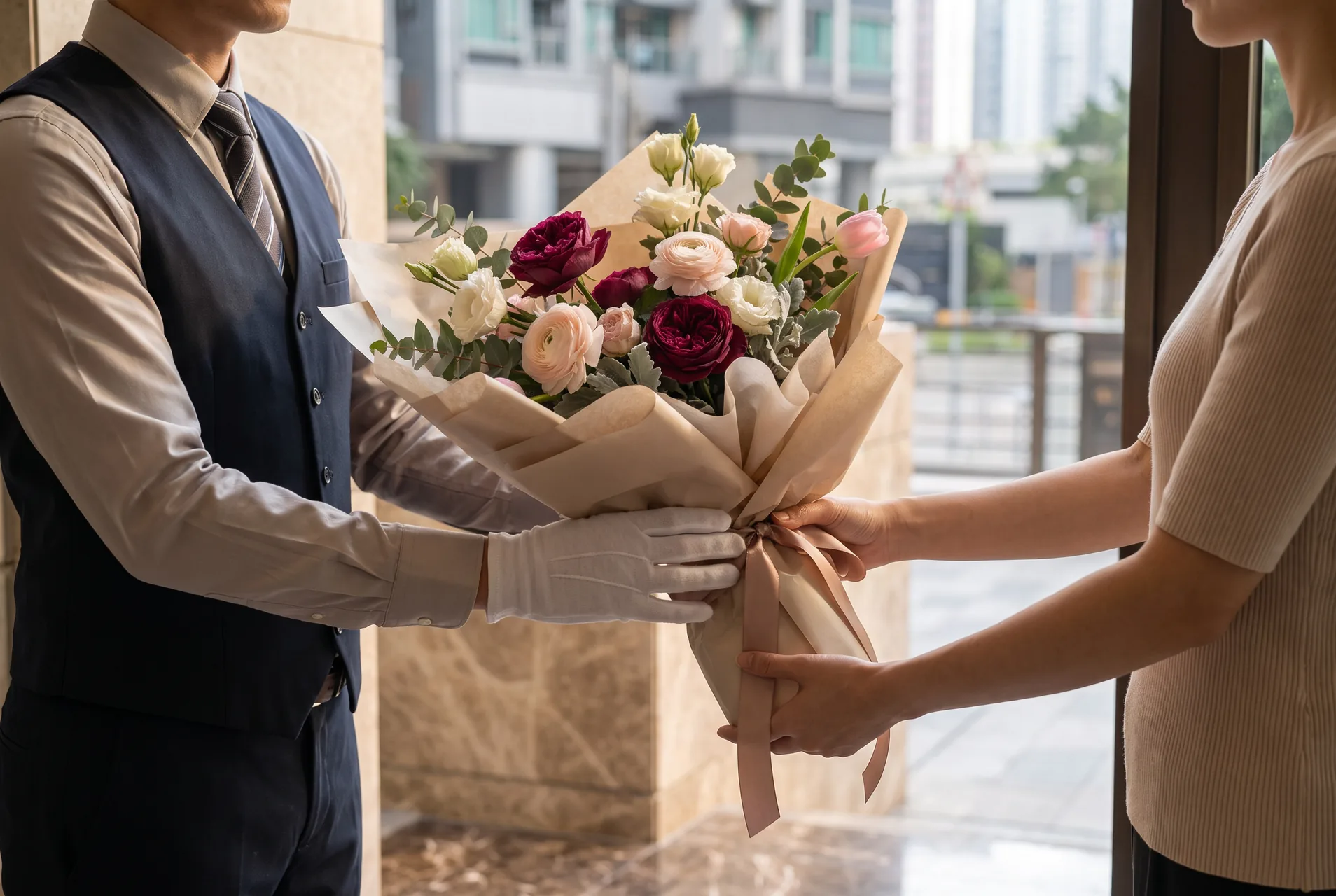
Precise delivery information is the backbone of a smooth handover. Provide the hospital’s full name, tower or block, ward, and bed number, along with the recipient’s full name as registered. If the patient cannot answer calls, include a relative’s or caregiver’s contact number so our driver can liaise if reception procedures change. It helps to give clear instructions for reception or security desks, such as the correct checkpoint or lift lobby to use. One strong example: a family member supplies the exact ward and bed details plus their own mobile number, allowing the delivery driver to navigate hospital security quickly and locate the patient without disruption.
Timing matters too. Always check whether the patient is nearing discharge to avoid a missed delivery. A common mistake is ordering without confirming the discharge date; the flowers arrive just after the patient has gone home. If this happens, we can redirect to a home address if feasible, but confirming ahead of time saves stress. For high-security wards, be ready for a reception drop-off with the card clearly labelled. If you’re unsure whether a ward allows deliveries, ask the hospital first, then check with our team about what is currently available for your preferred date and time. Clear planning turns good intentions into a comfortingly seamless experience.
Related florist pages
Graduation flower delivery apology flower delivery Hong Kong housewarming flower delivery Hong Kong graduation flower bouquet housewarming plant gift flower bouquet
Get Well Flower Delivery Hong Kong FAQs
Are flowers allowed in all Hong Kong hospitals and wards?
No. Policies differ by hospital and even by ward. Intensive or high-dependency units commonly restrict fresh flowers, and some public hospitals follow stricter hygiene rules than private facilities. Before ordering, please confirm with the hospital or ward whether flowers are permitted, and let us know the ward name and bed number. With your permission, we can also try to phone the ward to verify acceptance, but final approval rests with hospital staff.
Which flowers are best for scent-sensitive patients or shared rooms?
Choose low-scent, low-pollen options such as hydrangeas or selected orchids for calm texture, and consider sunflowers or daisies for bright, uplifting colour without heavy fragrance. Avoid lilies, hyacinths, tuberose, and other strongly perfumed blooms in confined spaces. If the patient is recovering at home and enjoys fragrance, you can consider a lightly scented variety—but please keep it subtle to prevent discomfort.
Can I include fruit or nutritional items with the flowers?
Possibly. Please ask whether this is currently available and suitable for the delivery location. Some wards accept only sealed, shelf-stable items; others may not allow any food. For home recovery, fruit or gentle supplements can be thoughtful, but it’s essential to check dietary restrictions with the family or caregiver first. If approved, we can package items neatly to avoid spill risks and provide a message card with any handling notes.
Send comfort the careful Hong Kong way
Share encouragement with a hospital-safe or home-ready get-well gift that looks beautiful and respects health, space, and logistics. Message us to confirm ward policies and ask whether hospital delivery is currently available for your time window, then choose a gentle, self-contained design and a warm bilingual card. We’ll help you get every detail right so your gesture arrives smoothly and soothes from the first glance.
Ask About Hospital Delivery Contact Y. Florist