Bouquets & Arrangements
Pet Safe Flower Bouquet Collection
When you share your home with curious cats or playful dogs, selecting a pet safe flower bouquet becomes an essential step in enjoying fresh blooms. Traditional floral arrangements often include stems or foliage that can pose serious health risks if nibbled, making careful selection critical for pet owners. Y. Florist focuses on creating stunning, pet-conscious designs that bring natural beauty indoors without introducing toxic hazards. We prioritise safe varieties like roses, sunflowers, and snapdragons while strictly avoiding high-risk blooms such as lilies. By understanding your specific pet type and the layout of your Hong Kong home, our team curates bouquets that offer both visual appeal and peace of mind.
Direct answer
Pet Safe Flower Bouquet Collection
A pet safe flower bouquet is specifically designed using non-toxic blooms and foliage to prevent accidental poisoning in cats and dogs. Key considerations include selecting safe varieties like roses and sunflowers, completely eliminating severe toxins like true lilies, and using sturdy, low-pollen options. Proper arrangement techniques, such as heavy vases and foam-free construction, further reduce risks from tipping or ingestion.
Choosing the right pet-safe bouquet for your occasion
Selecting a pet-safe bouquet requires balancing aesthetic preferences with the specific safety needs of your household animals. Different pets have varying levels of curiosity and sensitivity, meaning that a bouquet safe for a calm senior dog might still pose a tipping hazard for an energetic kitten. We carefully evaluate the stem choices, focusing on non-toxic varieties that maintain their structural integrity even if occasionally brushed against. Beyond the flowers themselves, the choice of foliage and filler is equally scrutinised to ensure no hidden dangers are included in the mix. By discussing your pet's habits and the intended placement of the arrangement, we can tailor the bouquet to minimise risks such as loose pollen or shedding petals. This thoughtful approach ensures that your floral gift remains a source of joy rather than a cause for concern.
Compare pinky princess flower basket when reviewing related requirements.
Pet Safe Flower Bouquet Collection comparison
| Consideration | Suitable direction | Confirm before proceeding |
|---|---|---|
| Flowers and colour | Match the recipient, occasion and setting | Seasonal supply and substitutions |
| Finished form | Bouquet, vase, basket, plant or event design | Display space and handling |
| Delivery | Share the venue and preferred timing | Address, phone and access notes |
| Budget | Compare flower grade, size and work | Delivery and additional requirements |
Practical styling and care around pets
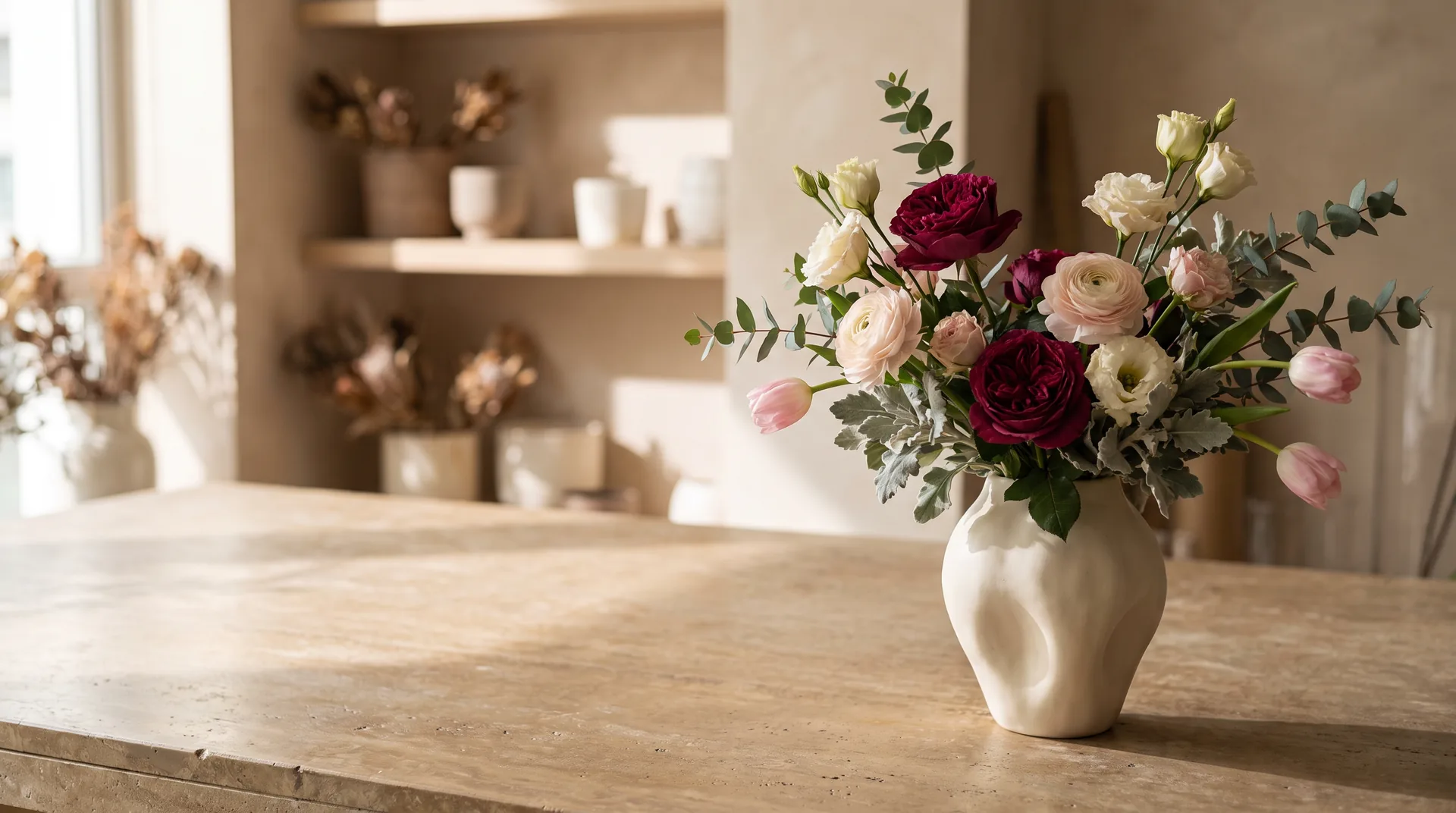
Practical styling and care around pets involve more than just choosing the right flowers; it extends to how the bouquet is presented and maintained in your home. In compact Hong Kong apartments, finding a secure spot out of paw's reach is crucial. We often recommend tight, hand-tied posies that are less prone to dropping petals and can be easily placed on high shelves or mantels. Heavy, stable vases are preferred to prevent accidental tipping, and we avoid accessible floral foam or small decorative picks that could be ingested. Regular maintenance, such as promptly cleaning up any dropped leaves and carefully changing the water to avoid spills, is essential. We also advise creating designated pet-free zones for floral displays when possible. By combining safe floral choices with strategic placement and diligent care, you can safely enjoy beautiful arrangements alongside your beloved pets.
See also modern floral arrangement hk for a related style or use.
About Y. Florist
Our pet safe flower bouquet designs integrate non-toxic flowers, secure packaging, and low-pollen varieties to mitigate risks associated with lily toxicity and other common hazards, ensuring compatibility with compact posies and foam-free options for optimal pet safety.
Keep the recipient, occasion, venue, contact details, preferred colours and any restrictions together. Ask the Y. Florist team to review availability, substitutions, timing and other requirements before relying on any arrangement.
05 · Decision point
Understanding Pet-Safe Blooms and Foliage
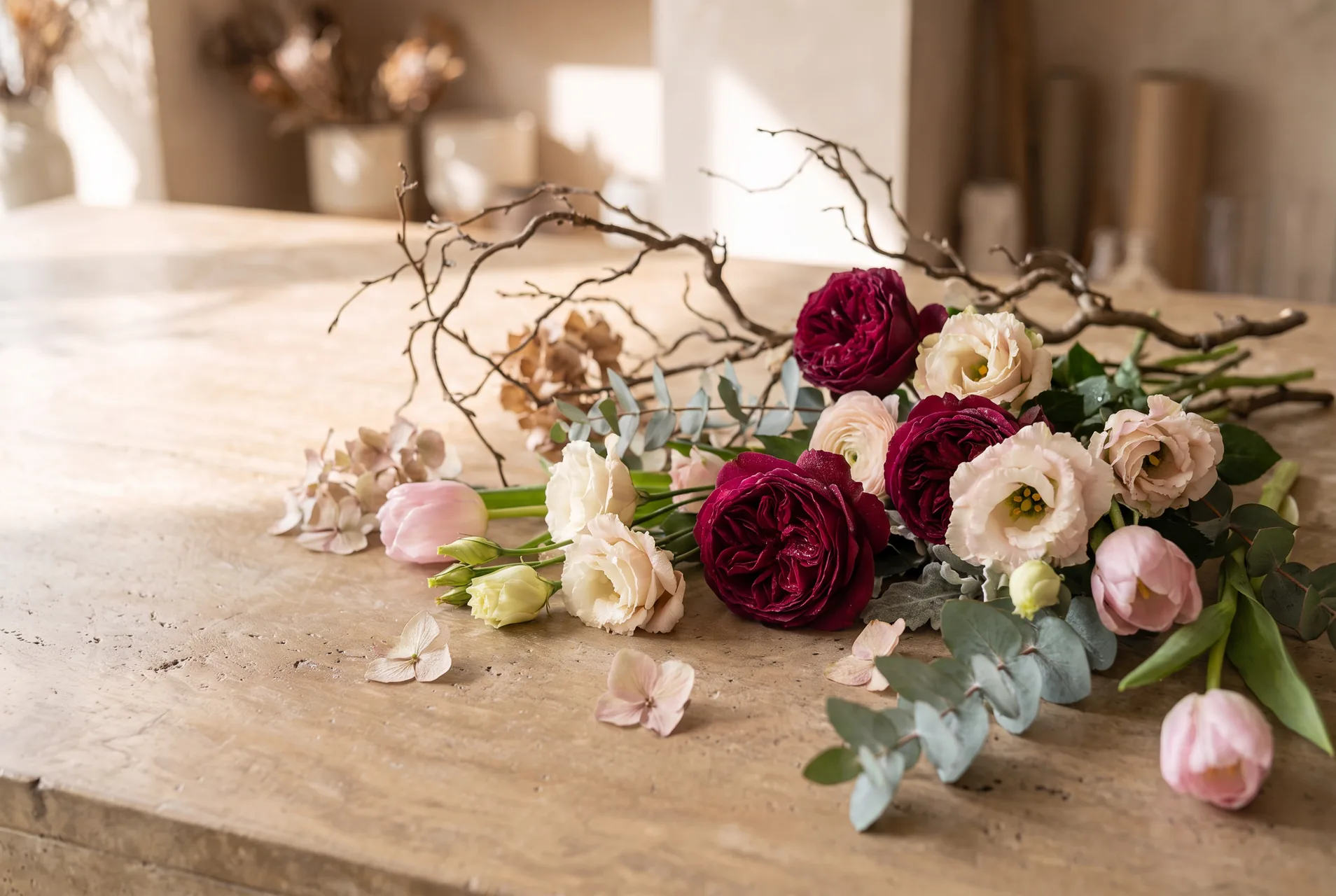
Navigating the world of floral design while prioritising pet safety requires a thorough understanding of which blooms and foliage are inherently non-toxic. Many popular flowers, while visually stunning, can cause severe gastrointestinal distress or worse if ingested by curious cats or dogs. Safe alternatives, such as classic roses, vibrant sunflowers, and structural snapdragons, offer immense design versatility without the associated health risks. These varieties provide robust colour and texture, allowing for the creation of sophisticated arrangements that do not compromise on safety. It is also crucial to consider the foliage; ferns like the Boston fern are generally safe, whereas eucalyptus or certain ivies can be problematic. The goal is to curate a selection that brings natural beauty indoors while maintaining a completely secure environment for your animals.
The distinction between safety for cats versus dogs is another vital factor in selecting appropriate blooms. While some plants are universally non-toxic, others may cause mild irritation in one species but be perfectly safe for another. For instance, while true lilies are catastrophically toxic to cats, they are less dangerous (though still not recommended) for dogs. Furthermore, avoiding heavily scented blooms is advisable, as strong fragrances can overwhelm a pet's sensitive olfactory system, leading to discomfort or allergic reactions. By meticulously verifying the safety profile of every stem and leaf included in a bouquet, florists can ensure that the final arrangement is entirely benign. This careful curation process is the foundation of a genuinely pet-safe floral experience, providing peace of mind for the owner.
06 · Decision point
The Severe Danger of Lilies and Toxic Plants
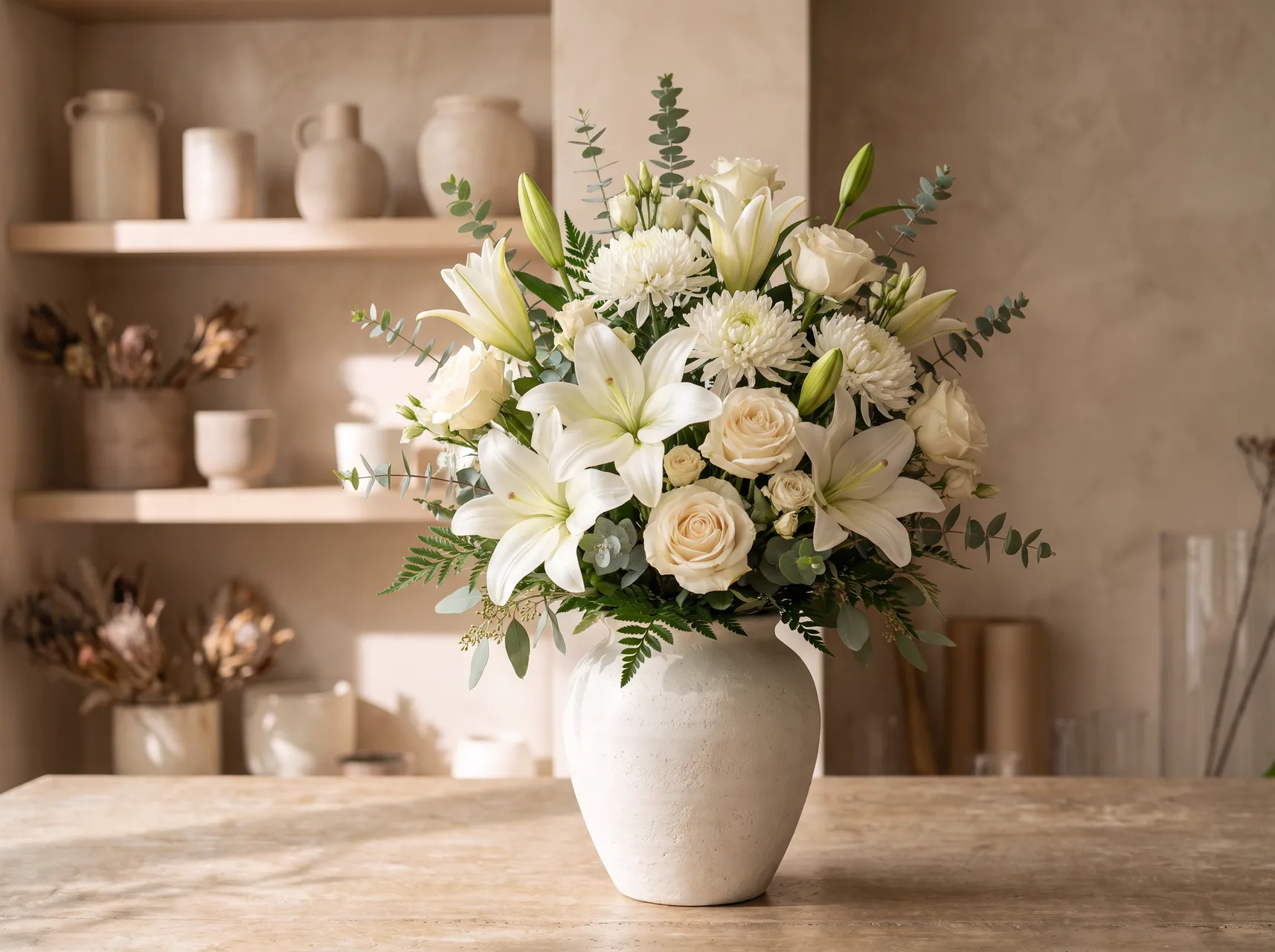
Among the myriad of flowers available, true lilies stand out as a uniquely severe threat, particularly to feline members of the household. The toxicity of lilies to cats cannot be overstated; every part of the plant, including the petals, leaves, stem, and even the pollen, is highly poisonous. Ingestion of even a minuscule amount, or simply grooming pollen off their fur after brushing against the flower, can lead to rapid and often fatal acute kidney failure. The danger extends to the vase water, which can become toxic as the cut stems leach compounds into it. Given these catastrophic risks, true lilies must be categorically excluded from any environment where a cat resides, necessitating strict vigilance when selecting or receiving floral arrangements.
Beyond lilies, a significant number of other common floral staples pose substantial risks to both cats and dogs. Tulips, hyacinths, and daffodils contain concentrated toxins, particularly in their bulbs, but the stems and flowers can also cause severe gastrointestinal issues, drooling, and lethargy. Chrysanthemums, a frequent inclusion in mixed bouquets, contain pyrethrins which can induce vomiting and loss of coordination. The misconception that only the petals are dangerous is a common mistake; stems, leaves, and pollen often carry the same or higher concentrations of toxic compounds. Educating pet owners about these specific dangers is paramount. A truly pet-safe bouquet relies on the absolute exclusion of these hazardous varieties, substituting them with verified non-toxic alternatives to eliminate any potential for accidental poisoning.
07 · Decision point
Secure Styling for Curious Pets
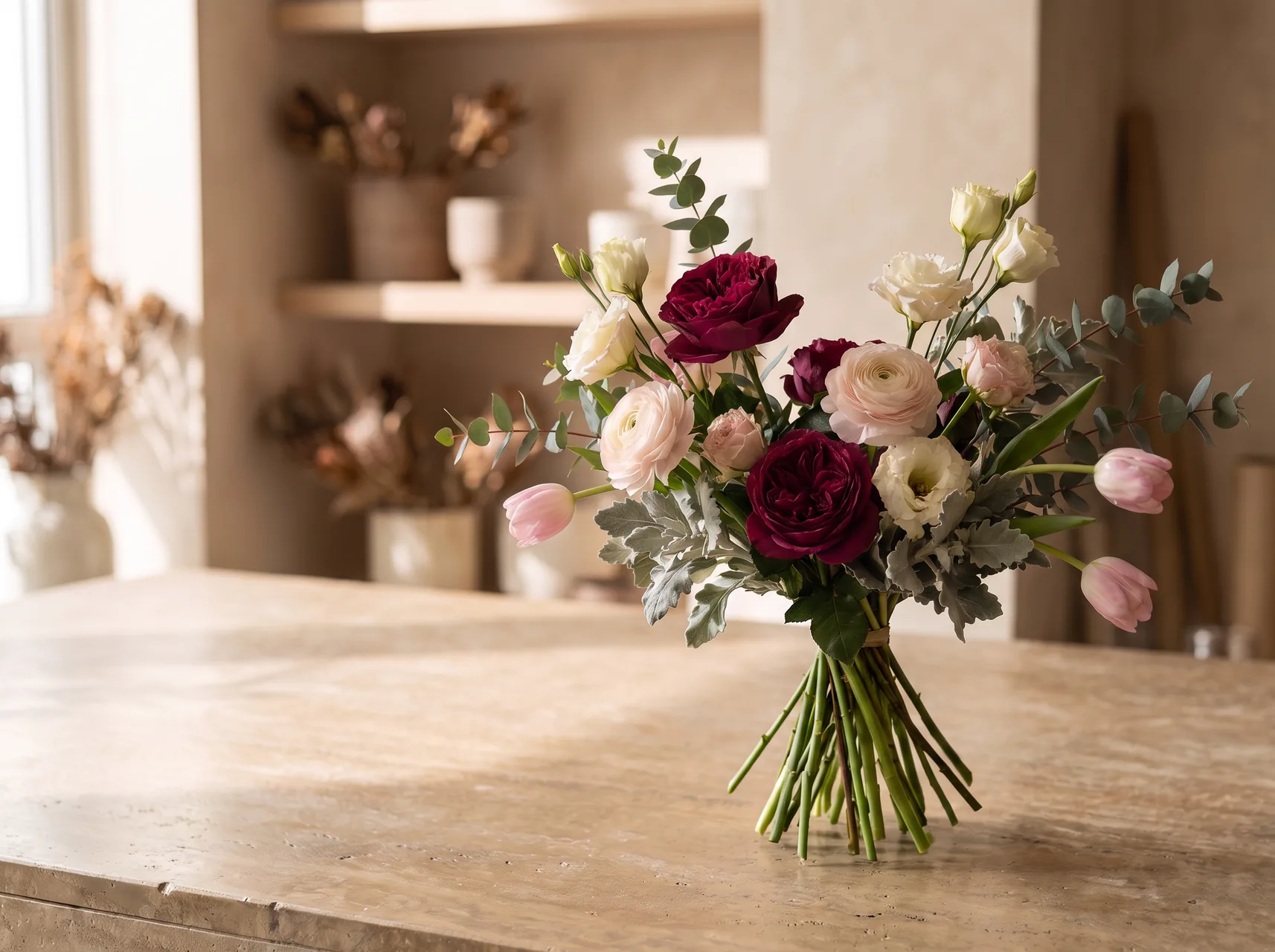
The physical construction and styling of a bouquet play a crucial role in mitigating risks posed by curious or energetic pets. A loose, sprawling arrangement might be aesthetically pleasing, but it presents numerous opportunities for a cat to bat at dangling stems or a dog to pull out accessible flowers. Opting for tight, hand-tied posies is a far safer strategy. These compact designs keep the blooms securely bound together, making it difficult for a pet to extract individual stems. Furthermore, the density of a hand-tied posy reduces the likelihood of petals and leaves shedding onto accessible surfaces, thereby minimising the chance of accidental ingestion. This structured approach ensures the bouquet remains intact and out of harm's way.
The choice of vessel and internal mechanics is equally important for pet safety. Lightweight vases are easily knocked over by a swiping paw or a wagging tail, leading to shattered glass and spilled water—which itself might contain harmful bacteria or plant sap. Utilising heavy, stable vases with a wide base significantly reduces the risk of tipping. Additionally, the internal mechanics must be scrutinised; accessible floral foam should be strictly avoided, as it can be easily bitten off and swallowed, causing severe intestinal blockages. Similarly, small decorative picks, wires, or ribbons can become dangerous choking hazards or foreign bodies if ingested. A secure, foam-free design prioritises robust construction over fragile aesthetics, ensuring the arrangement is resilient enough to coexist safely with household pets.
08 · Decision point
Placement Strategies in Hong Kong Homes
In the context of compact Hong Kong apartments, finding a secure and appropriate location for a floral arrangement requires strategic planning. Space is often at a premium, and surfaces are frequently shared with curious pets who are adept at navigating tight quarters. The primary strategy is elevation; utilising high shelves, tall bookcases, or mantels that are demonstrably inaccessible to cats and dogs is the most effective way to prevent interaction. However, one must also account for a cat's remarkable jumping ability; a shelf that appears high might still be reachable if there is a nearby chair or table acting as a stepping stone. Carefully assessing the vertical space and potential launch points is essential before finalising the placement of any bouquet.
When elevated surfaces are unavailable or insufficient, creating designated pet-free zones becomes necessary. This might involve placing the arrangement in a room where pets are not permitted, such as a home office or a specific bedroom, ensuring the door remains closed. If the flowers must be displayed in a common area, consider using heavy, stable pedestals that are difficult to knock over and offer no easy grip for climbing. Managing space in compact apartments also means being mindful of the arrangement's footprint; a sprawling bouquet might encroach on a pet's established walkway, increasing the likelihood of accidental bumps. By integrating the floral display thoughtfully into the existing spatial dynamics of the home, owners can enjoy the beauty of fresh flowers without compromising the safety of their animals.
09 · Decision point
Managing Pollen, Petals, and Water
Ongoing maintenance of a pet-safe bouquet involves diligent management of the natural shedding process and the vase environment. Even non-toxic flowers will eventually drop petals, leaves, and pollen as they age. While these materials may not be poisonous, ingesting large quantities of any plant matter can cause mild gastrointestinal upset in pets. Promptly cleaning up dropped debris is a simple but vital practice. Selecting flower varieties that are known for their longevity and minimal shedding can significantly reduce this maintenance burden. Low-pollen options are particularly important for households with pets prone to allergies or respiratory sensitivities, as airborne pollen can trigger sneezing and discomfort just as it does in humans.
The management of vase water is another critical aspect of ongoing pet safety. As cut flowers sit in water, bacteria inevitably develop, and the stems may leach organic compounds. If a pet drinks this stagnant water, it can lead to vomiting or diarrhea. Changing the water frequently—ideally every two days—helps minimise bacterial growth and keeps the arrangement fresh. When changing the water, it is important to do so carefully to avoid spills on floors or surfaces where a pet might lick it up. Furthermore, owners should never add commercial floral preservatives or aspirin to the water if there is any chance a pet might access it, as these additives can be toxic. Maintaining a clean and secure vase environment is essential for the continued safety of the household.
10 · Decision point
Communicating Effectively with Your Florist
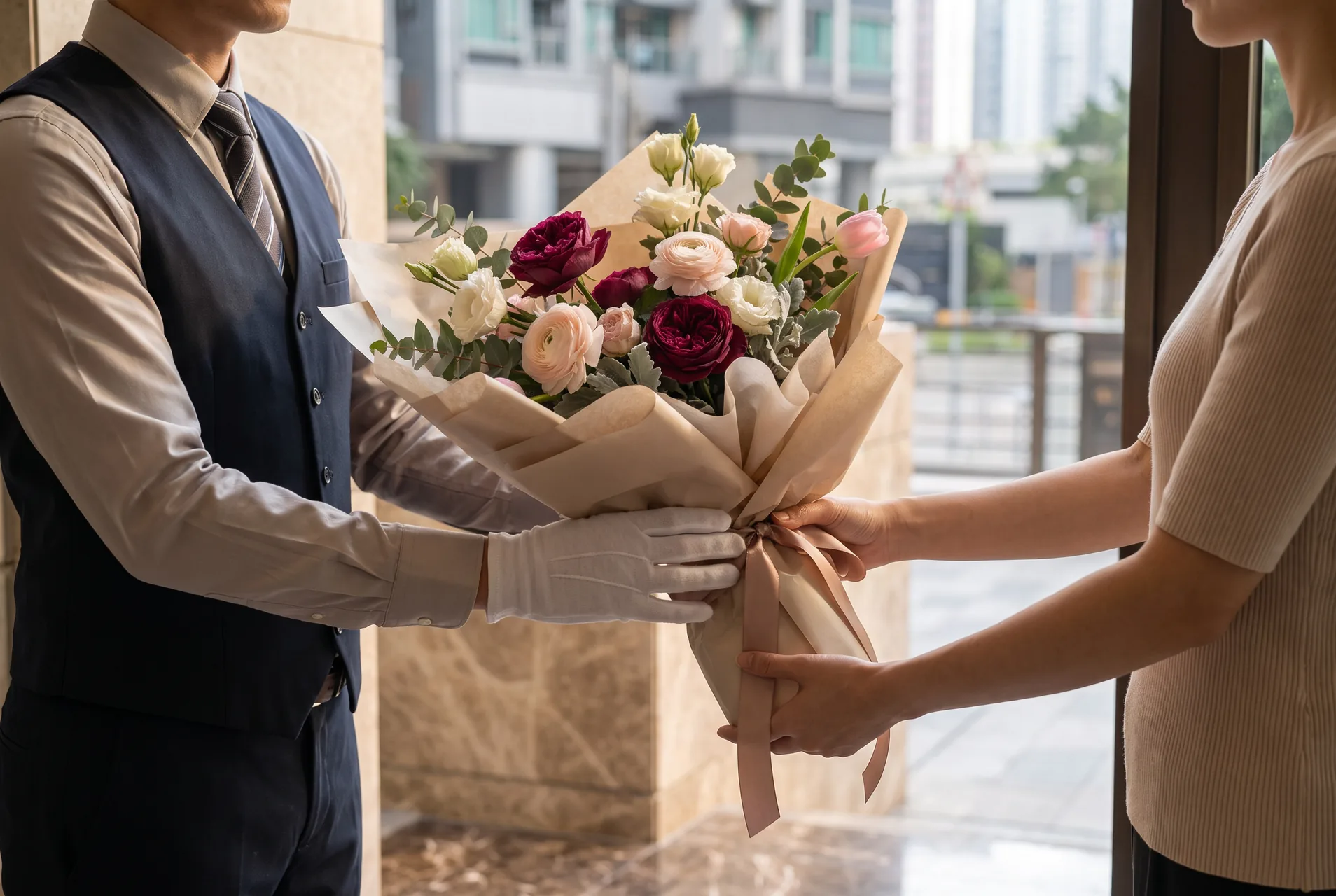
Clear and detailed communication with your florist is the cornerstone of obtaining a truly pet-safe bouquet. When placing an order, it is imperative to explicitly state that the arrangement is for a household with pets, specifying whether they are cats, dogs, or both. This initial disclosure sets the parameters for the entire design process. A knowledgeable florist will immediately exclude known toxins like lilies or tulips, but providing details about your pet's specific habits—such as a tendency to chew on leaves or a history of knocking over objects—allows for further customisation. You can request sturdy, hand-tied designs and heavy vases tailored to withstand your pet's particular brand of curiosity.
Beyond specifying the type of pet, you should actively participate in the selection of materials and mechanics. Requesting foam-free packaging is a critical safety measure, as is asking the florist to avoid any small, ingestible decorative elements like wires or loose ribbons. It is also wise to ask for substitutions for any stems you are unsure about; a reputable florist will be happy to swap a questionable flower for a verified safe alternative like a rose or a sunflower. Asking confirmation questions, such as verifying the absence of dyed or treated flowers, ensures that no hidden chemical hazards are introduced. By treating the ordering process as a collaborative consultation, you empower the florist to create an arrangement that is both beautiful and unequivocally safe for your animals.
Related florist pages
pinky princess flower basket modern floral arrangement hk premium flower jar hong kong long lasting flower arrangements acrylic flower box weekly flower plan
Pet Safe Flower Bouquet Collection FAQs
Which flowers are considered the most dangerous for cats in a household?
True lilies are among the most severely toxic flowers for cats, where even a small amount of pollen, a nibbled leaf, or drinking the vase water can cause fatal kidney failure. Other common dangerous stems include tulips, amaryllis, and certain types of chrysanthemums. We strictly avoid these high-risk varieties when designing bouquets for feline households, substituting them with safe alternatives like roses or snapdragons to ensure your pet's safety.
Are there specific options for pet-safe corporate gifting?
Yes, we can design pet-safe corporate gifts tailored for recipients who may have pets at home or in the office. These arrangements focus on universally safe blooms, sturdy construction, and low-allergen profiles to accommodate various environments. Please ask Y. Florist whether this specific corporate gifting service is currently available and under what conditions we can accommodate bulk or customised orders.
How should I safely dispose of old flowers in a home with pets?
When disposing of old flowers, it is crucial to place them directly into a secure, pet-proof bin immediately. Avoid leaving wilted stems, dropped petals, or stagnant vase water accessible, as some pets may be tempted to chew on decaying plant matter or drink the water, which can harbor bacteria. Prompt and careful disposal helps maintain a safe environment for your pets.
Discuss Your Pet-Safe Floral Needs
Reach out to our team to explore non-toxic bloom options and secure styling solutions tailored to your pet's habits and your home environment.
Enquire About Safe Blooms Contact Y. Florist