Flower Guides
Rose Care in Hong Kong: Tips for Cut and Potted Roses
Roses are a cherished sight on Hong Kong balconies, patios and garden beds, but this subtropical, humid environment calls for thoughtful care to keep blooms healthy and long-lived. This page collects practical rose care tips tailored for local gardeners and flower recipients, whether you are managing a compact patio rose in a sun-baked pot or tending a climbing rose in a garden bed. Expect clear guidance on watering routines that suit hot, humid summers, soil and potting solutions to prevent waterlogging during heavy rain, pruning techniques that improve airflow and reduce fungal pressure, and steps to help cut roses last longer in air-conditioned rooms. The advice emphasises simple, repeatable practices such as checking soil with a finger to decide when to water, choosing free-draining mixes with perlite for balcony pots, and timing irrigation in the morning so foliage dries quickly. Practical examples, common mistakes to avoid, and gentle, first-line pest and disease options are included. For personalised help or product-specific recommendations please enquire, as services and stock are subject to availability and may vary by season.
Direct answer
Rose Care in Hong Kong: Tips for Cut and Potted Roses
For quick, practical rose care in Hong Kong: water deeply but infrequently, check soil moisture by inserting your finger 3 to 5 centimetres into the pot or ground, and prefer morning irrigation so leaves have daylight hours to dry. Potted roses on balconies dry out faster than garden beds, so inspect compact patio plants daily in hot weather and adjust frequency rather than following a fixed schedule. Use a free-draining potting mix that contains perlite or coarse grit, and ensure pots have generous drainage holes. Prune to open the centre of the bush and remove dead or crossing branches to improve airflow, which lowers the risk of fungal issues such as black spot. For cut roses, recut stems at an angle under clean water, remove any leaves that will sit below the waterline, and keep vases away from direct sun and strong air-conditioning drafts. If pests or diseases appear, start with soft, targeted sprays and cultural controls before considering stronger treatments; for tailored advice please enquire, subject to availability.
Daily and Seasonal Rose Care in Hong Kong
Daily and Seasonal Rose Care in Hong Kong
Compare same day delivery cutoff when reviewing related requirements.
Rose Care in Hong Kong: Tips for Cut and Potted Roses comparison
| Consideration | Suitable direction | Confirm before proceeding |
|---|---|---|
| Flowers and colour | Match the recipient, occasion and setting | Seasonal supply and substitutions |
| Finished form | Bouquet, vase, basket, plant or event design | Display space and handling |
| Delivery | Share the venue and preferred timing | Address, phone and access notes |
| Budget | Compare flower grade, size and work | Delivery and additional requirements |

Pruning, Pests and Cut-Rose Handling
Pruning, Pests and Cut-Rose Handling
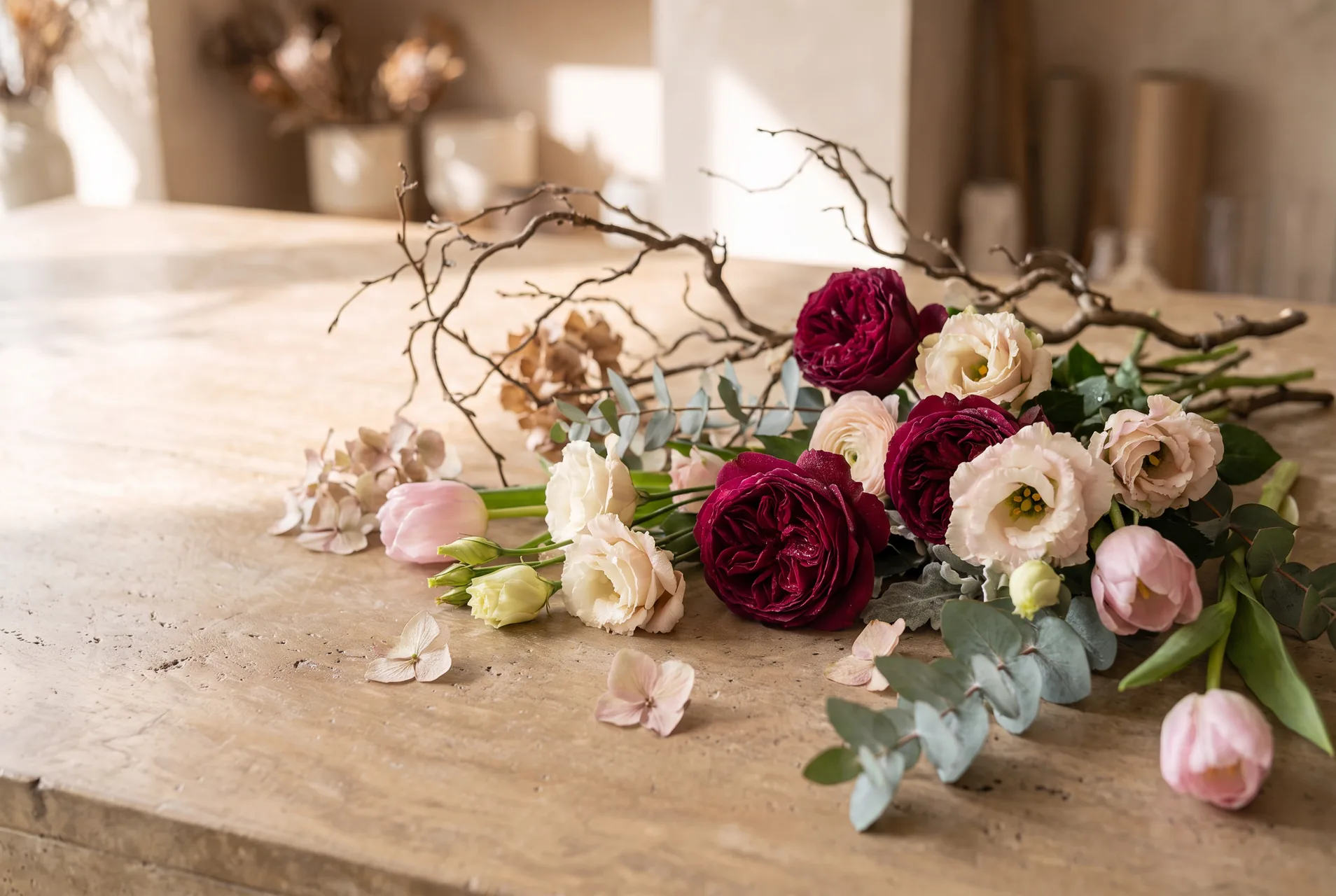
See also pussy willow bouquet hong kong for a related style or use.
About Y. Florist
Y. Florist has designed this rose care page to support Hong Kong gardeners and flower recipients with hands-on, climate-aware guidance. Our recommendations reflect common local conditions: hot, humid summers, sudden heavy showers, and limited balcony space that accelerates drying and heat exposure. The guidance covers distinct needs for balcony pots, garden beds and cut roses presented indoors, and includes practical steps you can apply immediately: check moisture by touch, choose a free-draining potting mix with perlite, prune to promote airflow, and refresh vase water regularly. Where product or service support is mentioned we use conditional language — please enquire for specific supplies or customised care services, which are subject to availability. We avoid promising pest-free results or exact vase life, and encourage gardeners to monitor plants closely and adapt routines seasonally. If you need variety-specific instructions or help diagnosing an issue such as early black spot or persistent scale, please get in touch for personalised guidance.
Keep the recipient, occasion, venue, contact details, preferred colours and any restrictions together. Ask the Y. Florist team to review availability, substitutions, timing and other requirements before relying on any arrangement.
05 · Decision point
Watering Roses in Hong Kong
Effective irrigation is the foundation of healthy roses in Hong Kong's subtropical climate. Rather than a rigid timetable, base watering on soil moisture and plant size. Water deeply so that the root zone is thoroughly moistened, then allow the top few centimetres of soil to dry before the next thorough soak. In practice, use your finger to check down to 3–5 centimetres: if the soil feels cool and slightly moist at that depth, postpone watering. Deep, infrequent waterings encourage roots to grow downwards and make plants more resilient during hot spells. Timing matters: water in the morning wherever possible so foliage dries during the day — this simple habit cuts fungal pressure and helps prevent problems such as black spot. Avoid late evening irrigation that leaves leaves wet overnight and increases disease risk, a common mistake many gardeners make.
Balcony pots require closer attention than in-ground roses because container soil heats and dries out much faster in direct sun. On a compact sunny balcony a small patio rose may need daily checks in summer; a larger pot with a free-draining mix will still need more frequent water than a garden bed. When you water, do so until a little runs from the drainage holes to ensure the whole rootball is wetted through. Pay attention to how long the pot retains moisture after a heavy shower — some potting mixes dry quickly, while heavy or poor mixes retain too much water and cause root rot. A specific example: a compact patio rose on a hot Hong Kong balcony should be checked each morning and watered deeply on alternate mornings in early summer, shifting to daily checks during heatwaves; always adjust to conditions rather than a fixed calendar.
06 · Decision point
Soil and Feeding for Potted Roses
Soil choice and feeding routines are especially important for balcony roses. Use a free-draining potting mix amended with perlite, coarse grit or horticultural pumice to ensure good aeration and rapid drainage during heavy rain. Heavy, garden soil or mixes high in clay are a frequent mistake for balcony containers because they become waterlogged and suffocate roots. Aim for a mix that holds enough moisture for the roots but releases excess water quickly. Ensure pots have generous drainage holes and, if possible, slightly elevate pots on feet or a saucer with spacing to let water escape and air circulate beneath the pot. When planting a newly purchased rose, mix fresh potting medium with around 10–20% perlite or similar material to reduce compaction and improve performance in Hong Kong storms.
Feeding is equally important: potted roses have limited soil and use nutrients quickly. Apply a balanced, slow-release fertiliser formulated for flowering plants at potting time and follow up with monthly applications of a water-soluble rose fertiliser during the growing season. For an all-round approach choose a balanced NPK formula such as 10-10-10 or similar rose blends, and reduce feeding in the dormant or cooler months. Avoid over-fertilising which can produce soft growth that is more susceptible to pests and disease. If you are unsure which product to use for your balcony roses, please enquire about suitable options and application rates, subject to availability. Mixing your potting soil with perlite to ensure drainage during heavy rain is a simple step that pays dividends for root health.
07 · Decision point
Pruning and Airflow Management
Pruning shapes roses, removes dead or diseased wood, and is one of the most effective cultural controls for fungal problems in Hong Kong's humid climate. The aim is to open the centre of the bush so air can flow through the branches and leaves. Remove dead canes, crossing branches and weak spindly shoots; keep the strongest outward-facing canes that form the framework. For climbing roses in garden beds, prune laterally to create spacing between flowering laterals and remove congested growth that traps moisture. A practical winter or early-spring prune for many types encourages fresh growth, but light shaping can be performed throughout the season to remove spent blooms and reduce canopy density. A page-specific example is pruning a climbing rose in a garden bed at the start of the warm season to improve air circulation before the humidity peaks.
Sharpened and clean tools make better cuts and reduce disease spread. Disinfect secateurs between plants when pruning to avoid moving fungal spores or pests from one rose to another — a simple wipe with diluted household disinfectant or alcohol is effective. Cut at a 45-degree angle about 5mm above an outward-facing bud to encourage new shoots to grow away from the centre. Avoid leaving ragged edges; make clean cuts to heal quickly. Removing inner leaves that touch the soil and thinning foliage in congested areas are additional good habits. Be mindful not to over-prune during peak summer heat, as removing too much foliage can expose roots to sun stress. If you are uncertain about timing or method for a specific variety, please enquire for tailored advice.
08 · Decision point
Pest and Disease Prevention
In Hong Kong you should watch regularly for common pests such as aphids and scale, and fungal issues like black spot and powdery mildew. Early detection is crucial. Check new growth and the underside of leaves for clusters of tiny insects or sticky honeydew. Good cultural practices reduce problems: maintain airflow by pruning, water at the soil level, and ensure pots drain well. Start with soft, targeted controls for pests, such as insecticidal soaps or horticultural oils, and spot-treat affected areas rather than applying broad treatments across all plants immediately. A common mistake is to spray indiscriminately or to apply chemical controls as a first resort; begin with physical removal, pruning, and benign sprays, escalating only if monitoring shows the problem persists despite these measures.
For fungal issues, improving airflow and avoiding wet leaves are the most effective preventive steps in this humid climate. Remove and dispose of heavily infected leaves rather than composting them on site and space plants to reduce splash dispersal during rain. If you need to use a fungicide, choose targeted options and follow label directions carefully, keeping in mind environmental considerations. Always apply sprays in the cooler part of the morning so foliage can dry, and avoid spraying during the heat of the day. If you notice early signs of black spot, start with sanitation and improved airflow; if the problem continues, please enquire for recommended treatment options subject to availability and professional judgement.
09 · Decision point
Care Tips for Cut Roses
Cut roses brought indoors require a different routine to maximise vase life, particularly in air-conditioned Hong Kong flats where dry, cool indoor air can be both a benefit and a hazard if drafts are direct. Recut stems at an angle immediately under water to increase the stem's ability to draw water. Use a sharp clean knife or shears to avoid crushing tissue, and trim about 1–2 centimetres from the base every few days if water uptake slows. Remove any leaves that will sit below the waterline; leaving submerged foliage is a frequent mistake that fouls vase water quickly and reduces longevity. Change the vase water every two to three days and re-cut stems each time to maintain clear water and open vessels.
Placement of the vase matters as much as stem preparation. Keep vases away from direct sun, fruit bowls (ethylene from ripening fruit accelerates bloom ageing), and strong air-conditioning drafts which can desiccate petals and shorten life. A practical example: refreshing a bouquet after a few days entails recutting stems, removing wilting blooms, cleaning the vase thoroughly, and replacing the water with a little clear, lukewarm water and a pinch of flower food if available. Do not assume an exact vase life; indoor conditions vary. If you need tips for conditioning a particular rose variety or for arranging deliveries to arrive in the best possible state, please enquire about care options, subject to availability.
10 · Decision point
Seeking Personalised Advice
Every garden, balcony and bouquet has unique needs, and variety-specific quirks can change the best approach. Some hybrid teas and modern varieties tolerate more sun but can be more susceptible to black spot, while old-fashioned varieties might be hardier but less floriferous. Tell us about your situation if you would like personalised recommendations: specify whether your rose is in a small balcony pot in direct afternoon sun, a shaded garden bed, or a cut bouquet stored in an air-conditioned living room. Include details such as pot size, visible pests or symptoms, and the rose variety if known. This helps us suggest precise soil mixes, fertiliser schedules, pruning timing, and gentle treatment options that match your conditions.
Seasonal adjustments are important in Hong Kong. Watering frequency should increase during hot, dry spells and scale back during the wet season, but always check soil moisture rather than following a fixed calendar. For major pruning, timing depends on the rose type and local weather; many gardeners in Hong Kong perform heavier structural pruning in the cooler part of the year, with lighter maintenance pruning through the growing season. If you would like us to review photos of a problem, recommend a feeding schedule, or advise on pot size and soil composition, please enquire and we will provide guidance subject to availability. Do not hesitate to ask about treating early signs of black spot or for non-chemical control strategies first.
Related florist pages
same day delivery cutoff pussy willow bouquet hong kong seasonal flower availability hong kong pink roses seasonal flower bouquet flower bouquet
Rose Care in Hong Kong: Tips for Cut and Potted Roses FAQs
How should I adjust my watering schedule during the rainy season in Hong Kong?
During the rainy season rely on soil checks rather than calendar dates. Rain can keep garden beds moist for days, but balcony pots may still dry quickly between storms. Stick your finger 3–5 centimetres into the soil: if it feels cool and slightly moist at that depth, delay watering. Ensure pots drain freely after heavy rain and remove standing water from saucers to prevent waterlogging. If storms are followed by humid, still weather, increase ventilation and remove lower leaves that lie against wet soil to reduce fungal risks.
What is the best time of year to do a major prune in Hong Kong?
Major structural pruning is often done in the cooler, drier months when plants are less stressed, but timing can vary by rose type. Many gardeners in Hong Kong prune heavily in late winter to early spring to stimulate fresh growth before the hot season. Light maintenance pruning can be performed year-round to remove dead wood and shape plants. Avoid heavy pruning during peak summer heat to reduce sunscald and stress. If you are unsure for a specific variety, please enquire for tailored timing advice.
Can you recommend a specific fertiliser for potted balcony roses?
For potted roses choose a balanced slow-release or controlled-release fertiliser formulated for flowering plants, such as an NPK around 10-10-10. Complement this with monthly water-soluble feedings during the active growing season. Avoid excessive nitrogen which promotes soft growth vulnerable to pests and disease. If you want a product recommendation suited to your exact pot size and variety, please enquire and we can advise suitable formulations, subject to availability.
Need tailored rose-care guidance for your Hong Kong balcony or garden?
If you would like personalised advice for a specific rose variety, pot size, or a diagnosed issue such as early black spot, please contact us. Our suggestions are provided with practical local experience and subject to availability of products and services. Send photos and details of your plant and site conditions for the most useful guidance.
Enquire about care Contact Y. Florist