Wedding Flowers
Elegant Table Centrepiece for Your Special Day
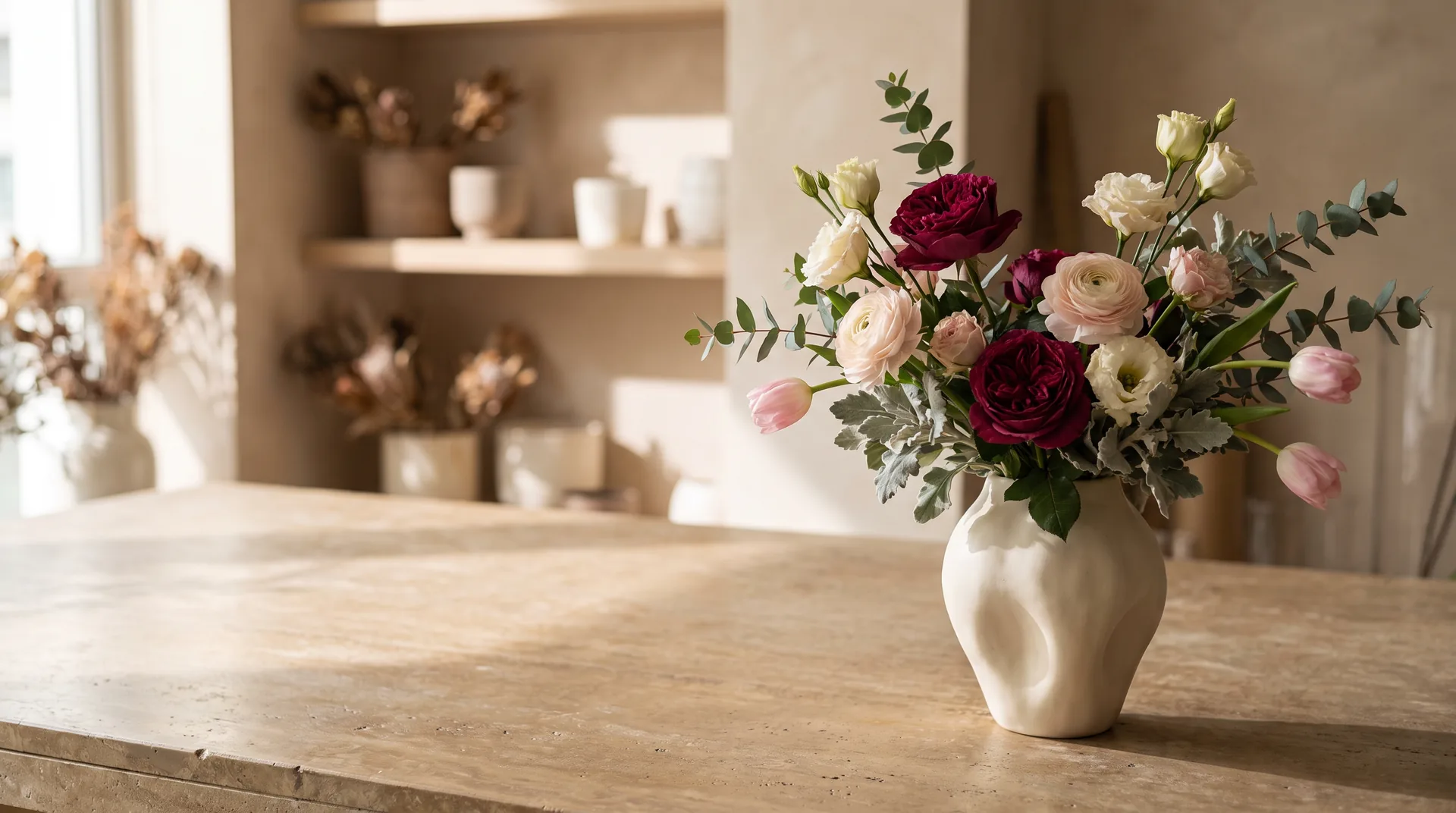
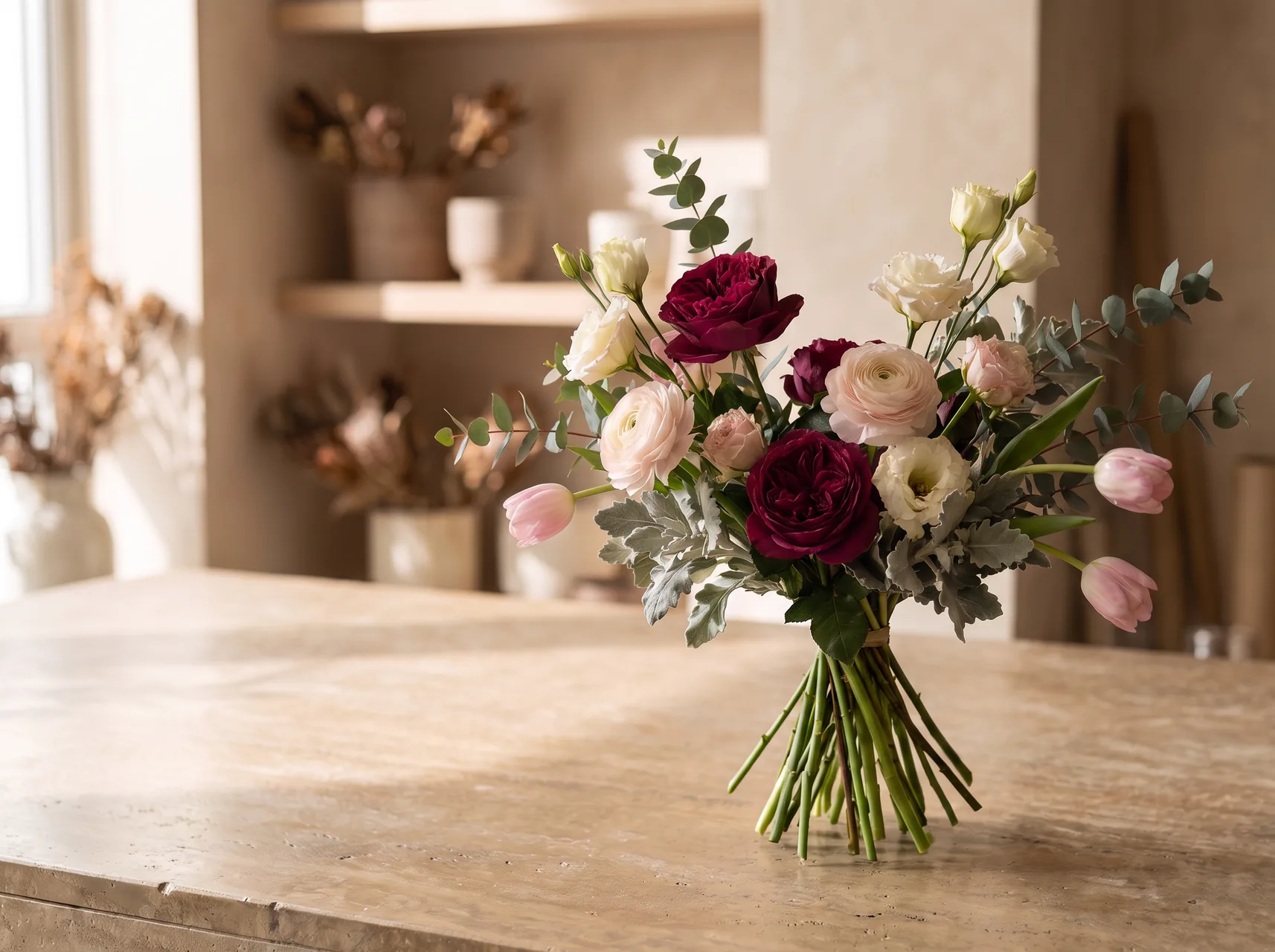
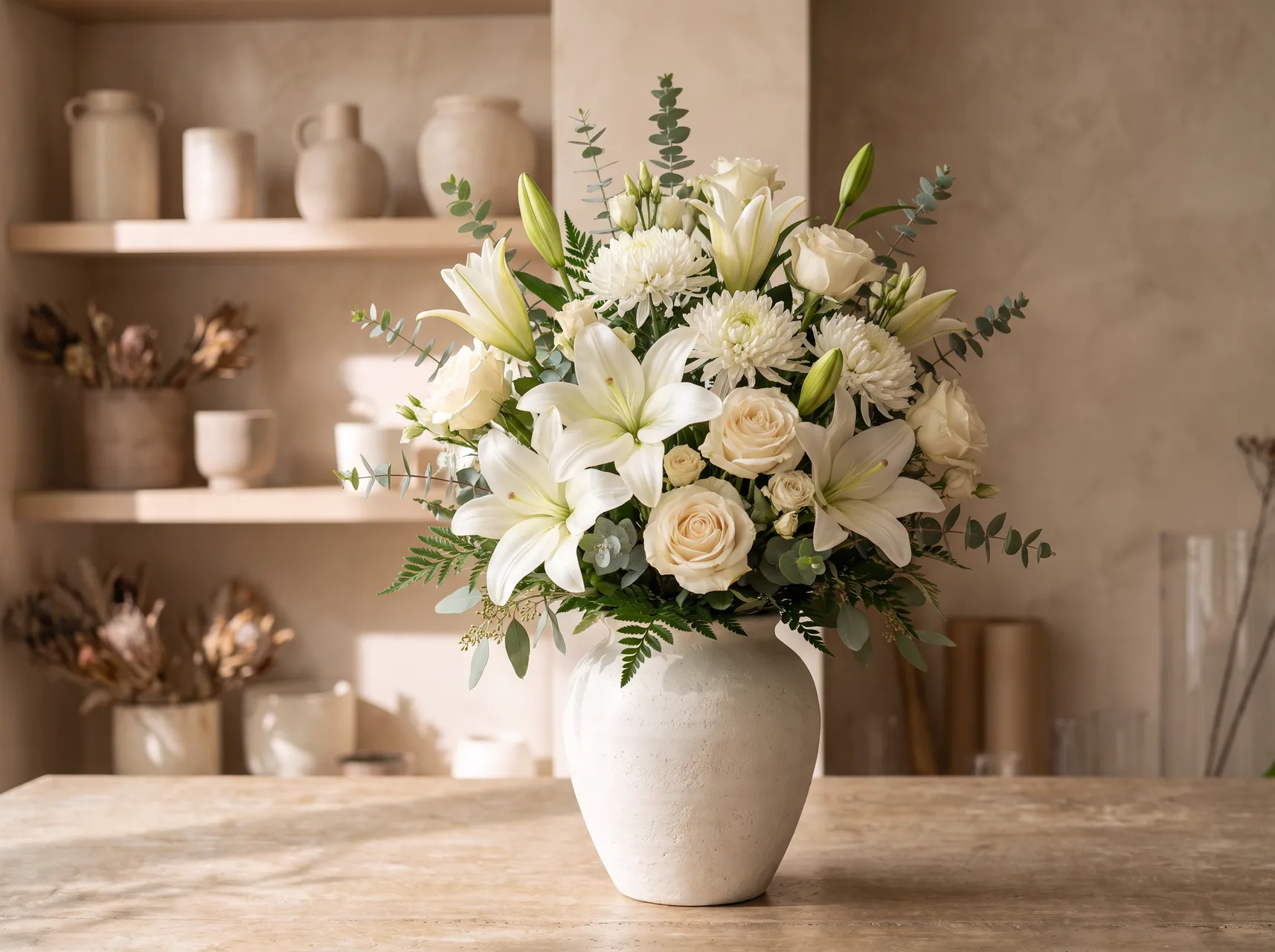
Choosing the right Table Centrepiece is an essential part of event styling in Hong Kong. From intimate banquets to grand ballrooms, the arrangement at each table sets the mood, frames your place settings and keeps conversations flowing. Y. Florist collaborates with you on scale, height and palette to suit your venue, theme and table layout. We consider sightlines, guest comfort, fragrance sensitivity and candle policies, then propose seasonal flowers and vessels that feel cohesive with your décor. Whether you prefer airy, modern lines or lush, romantic textures, our approach balances impact with practicality so your tables feel welcoming and beautifully finished. Thoughtful details—like low profiles for easy conversation or elevated stands that free up space—help every setting look refined and functional.
Direct answer
Elegant Table Centrepiece for Your Special Day
When selecting a table centrepiece for a wedding or banquet, you must carefully balance the floral design with the physical dimensions of the dining table and the operational constraints of the venue. The arrangement must never obstruct guest sightlines across the table, meaning it should sit below eye level or be elevated well above seated guests on slender stands. You must also account for the space required by glassware, sharing dishes and place settings, ensuring the table remains functional for dining. Venue regulations in Hong Kong often dictate whether open flames are permitted, which directly influences your candle choices, while the selection of low-fragrance blooms ensures the floral aroma does not overpower the meal.
Selecting Your Ideal Table Centrepiece
The foundation of an effective table centrepiece lies in understanding the interplay between the floral arrangement and the dining environment. Every design choice must serve both an aesthetic purpose and a practical function, ensuring the table looks stunning without compromising the guest experience. We focus on adapting the footprint, height and sensory elements of the flowers to suit the specific layout of your venue.
Compare Thank You Bouquet when reviewing related requirements.
Elegant Table Centrepiece for Your Special Day comparison
| Consideration | Suitable direction | Confirm before proceeding |
|---|---|---|
| Flowers and colour | Match the recipient, occasion and setting | Seasonal supply and substitutions |
| Finished form | Bouquet, vase, basket, plant or event design | Display space and handling |
| Delivery | Share the venue and preferred timing | Address, phone and access notes |
| Budget | Compare flower grade, size and work | Delivery and additional requirements |
Key Considerations for Your Table Centrepiece
Before finalising the style of your table centrepiece, it is vital to assess the physical constraints of the dining space and the rules set by the venue management. From table dimensions to fire safety regulations, these logistical factors dictate which designs will perform best on the day. Our collaborative process ensures every arrangement is tailored to the realities of your chosen location.
See also parent boutonniere for a related style or use.
About Y. Florist
Table shape (round vs. long) | Sightlines and arrangement height | Vessel types (compotes, cylinders, elevated stands) | Venue candle policies and open flames | Fragrance tolerance for dining | Tableware and glassware space constraints | Lighting and room scale | Seasonal flower performance
Keep the recipient, occasion, venue, contact details, preferred colours and any restrictions together. Ask the Y. Florist team to review availability, substitutions, timing and other requirements before relying on any arrangement.
05 · Decision point
Designing for Table Shape and Size
The shape and dimensions of your dining tables serve as the primary blueprint for your centrepiece design, dictating both the scale and the style of the arrangement. For standard round banquet tables commonly used in Hong Kong hotels, a low, lush compote design is often the most effective choice. This rounded style mirrors the shape of the table, providing a 360-degree visual experience that looks complete from every angle. The footprint of the compote must be carefully measured to ensure it sits comfortably in the centre without encroaching on the space required for water glasses, wine glasses and bread plates. If the meal is served family-style with sharing dishes placed in the middle of the table, the floral arrangement must be compact enough to allow service staff to navigate the space safely.
When styling long, rectangular tables, a single central arrangement is rarely sufficient to anchor the space. Instead, a linear approach is required to carry the visual interest down the length of the table. A continuous foliage runner interspersed with seasonal blooms creates a lush, unbroken line that draws the eye, while a series of staggered bud vases offers a lighter, more modern aesthetic. This modular approach is particularly useful when table space is tight, as the small vessels can be easily shifted to accommodate large platters or elaborate place settings. Regardless of the table shape, the key is to scale the centrepiece appropriately, ensuring it enhances the dining experience rather than overwhelming the physical space.
06 · Decision point
Managing Sightlines and Height
One of the most critical aspects of table centrepiece design is the management of guest sightlines, as the arrangement must never hinder conversation across the table. A common mistake is selecting a centrepiece height that sits exactly at eye level, forcing guests to lean awkwardly to speak with the person opposite them. To avoid this, low arrangements must be kept strictly below the average seated eye level, typically measuring no more than 12 to 14 inches from the surface of the table. This low-profile approach encourages interaction and creates an intimate, convivial atmosphere, particularly for smaller gatherings or venues with standard ceiling heights.
For grand ballrooms with soaring ceilings, low arrangements can sometimes feel lost in the vastness of the space. In these scenarios, elevated centrepieces are often introduced to create visual drama and draw the eye upward. To maintain clear sightlines, these tall designs must be supported by slender, unobtrusive stands—such as slim metal frames or clear acrylic columns—that lift the bulk of the blooms well above the heads of seated guests. The base of the stand takes up minimal table space, leaving ample room for dining, while the elevated floral cloud adds significant impact to the room. Mixing high and low centrepieces across a large venue is an excellent strategy to add dimension and prevent the overall room design from feeling overly uniform.
07 · Decision point
Venue Policies and Practicalities
Navigating the specific regulations of your chosen venue is a mandatory step in planning your table centrepieces, particularly regarding fire safety and the use of open flames. Many hotels and heritage venues in Hong Kong strictly prohibit exposed taper candles due to the fire risk they pose in busy dining environments. Ignoring these rules can result in the venue refusing to light the candles on the day, rendering a key part of your design useless. To comply with these policies, we often incorporate enclosed glass hurricanes, floating candles in water-filled cylinders, or high-quality LED alternatives that mimic the flicker of a real flame without the associated hazards. You must confirm the exact candle policy with your venue coordinator before finalising the atmospheric lighting for your tables.
Beyond fire safety, the physical stability of the centrepiece is a crucial practical consideration. Dining tables are dynamic environments, subject to the movement of guests, the placement of heavy dishes and the clearing of glassware. Vessels must be sufficiently weighted and stable to prevent accidental tipping, which could cause water damage to the linens or disrupt the meal. Additionally, the ambient conditions of the venue, such as strong air conditioning drafts or intense directional lighting, can impact the performance of delicate blooms. We select resilient seasonal flowers that can withstand these environmental factors, ensuring your arrangements remain pristine and structurally sound throughout the duration of the event.
08 · Decision point
Enhancing the Dining Experience
The sensory impact of a table centrepiece extends beyond its visual appeal; it must also harmonise with the culinary experience of the event. A frequent oversight in floral planning is the selection of highly fragrant flowers, such as lilies, hyacinths or certain varieties of garden roses, for dining tables. While these blooms are beautiful, their strong scent can easily overpower the aroma of the meal, detracting from the food and potentially causing discomfort for guests with fragrance sensitivities. To protect the dining experience, we prioritise low-fragrance or unscented blooms for table arrangements, ensuring the floral elements provide visual beauty without interfering with the palate or the atmosphere of the banquet.
Colour coordination is another vital element in enhancing the overall dining aesthetic. The tones of the centrepiece must complement, rather than clash with, the table linens, chairs and stationery provided by the venue or your stylist. We carefully consider the ambient lighting of the dining room—whether it is flooded with natural daylight or illuminated by warm, dim chandeliers—as this dramatically alters how colours and textures are perceived. Deep, velvety tones may absorb light and recede in a dimly lit room, while bright whites and metallic accents will catch the light and stand out. By incorporating varied textural elements and selecting a palette that responds well to the specific lighting conditions, we ensure the centrepieces look vibrant and appealing throughout the meal.
09 · Decision point
Transitioning from Day to Night
A successful table centrepiece must maintain its structural integrity and visual appeal from the moment guests enter the room until the final toast of the evening. This longevity relies heavily on the use of proper water sources within the vessels. Unlike hand-tied bouquets that can be kept in a holding vase until needed, centrepieces are often installed hours before the event begins and must survive in the ambient temperature of the venue. We employ deep ceramic compotes, glass cylinders or specialised floral mechanics that provide ample hydration for the stems, preventing premature wilting. You must ensure the venue's setup schedule allows sufficient time for our team to properly hydrate and position the arrangements without rushing the installation process.
The visual transition from natural daylight to evening banquet lighting also demands careful floral selection. Blooms that look stunning in the bright afternoon sun must still hold their visual weight when the venue dims the lights for dinner and dancing. We often incorporate reflective elements, such as glass vessels, mirrored bases or subtle metallic accents, which catch the ambient evening light and add a sophisticated glow to the table. The logistics of this transition also extend to the end of the night; efficient removal of the centrepieces and retrieval of rented hardware must be planned in accordance with the venue's strict breakdown schedule. Coordinating these timings ensures a seamless experience from the initial setup to the final clearance of the dining room.
10 · Decision point
Planning Your Centrepieces with Y. Florist
Preparing for a consultation regarding your table centrepieces requires gathering specific logistical details about your venue and your event format. The most critical piece of information is the estimated table count and the exact dimensions of the dining tables. A standard round table measuring 60 inches in diameter requires a very different floral footprint than a sprawling 72-inch table. You must also clarify whether the meal will be individually plated or served family-style with sharing dishes placed in the centre, as this directly dictates how much space is available for the floral arrangement. Providing the venue name allows us to anticipate the ceiling height, the ambient lighting conditions and the likely restrictions on open flames.
To ensure the final design aligns with your aesthetic vision, you should bring inspiration images and details of your overall colour palette to the consultation. Information regarding the colour of the table linens, the style of the chairs and the design of the menus or place cards helps us develop a cohesive floral strategy that ties the entire room together. We will discuss the balance between low compotes and elevated stands, evaluating which approach best suits the scale of your venue and your budget. By combining your aesthetic preferences with our understanding of venue practicalities, we can create table centrepieces that are both visually impactful and perfectly suited to the operational realities of your event.
Related florist pages
Thank You Bouquet parent boutonniere wedding anniversary flowers outdoor floral set up wedding bouquet diy flower bouquet
Elegant Table Centrepiece for Your Special Day FAQs
How early should we finalise our table count and centrepiece numbers?
You should aim to finalise your table count and the corresponding number of centrepieces approximately four to six weeks before the event. This timeline allows sufficient room for sourcing the necessary vessels and ordering the correct volume of seasonal blooms. If your guest numbers fluctuate slightly closer to the date, please ask Y. Florist whether minor adjustments to the final order can still be accommodated under our current operational conditions.
Can centrepiece designs be adapted if the venue changes from round to long tables?
Adapting a design from a round table to a long rectangular table requires a shift in the arrangement's footprint and structure. A single low compote designed for a round table may look disproportionately small on a long table, which typically benefits from a series of bud vases or an elongated foliage runner. If your floor plan changes during the planning process, you must notify us immediately so we can restructure the floral elements to suit the new table dimensions.
What is the process for returning rented vessels or stands after the event?
When you opt for elevated stands, glass cylinders or ceramic compotes as part of your centrepiece design, these items are typically provided on a rental basis. The logistics of dismantling the arrangements and retrieving the rented hardware must be coordinated with the venue's breakdown schedule, often late at night. You should consult with Y. Florist to confirm whether our team will handle the direct collection of these items from the venue, or if you are responsible for returning them to our studio the following day.
Plan Your Table Centrepieces
Ensure your dining tables are beautifully styled and perfectly functional for your guests. Share your venue details, table dimensions and design preferences with us, and we will help you develop a cohesive centrepiece strategy.
Discuss Your Venue Layout Contact Y. Florist