YumYum Gifts · Ordering guides
Health-themed corporate hampers: which product claims should you verify before ordering?
For this guide:Health-themed corporate hampers: which product claims should you verify before ordering?
Arrange a thoughtful gift
Considering Health hampers? Send the date, district and the points discussed in this guide to YumYum Gifts to confirm suitable options and a quotation.
Order Your GiftWhatsAppThis opens a prepared WhatsApp enquiry. Availability, details and price must be confirmed before booking.
A request for a healthy corporate gift can sound clear until the proposed hamper arrives as a photograph and a short list of reassuring words. Does the requester mean a fruit-led presentation, a preference for less sugary snacks, or products meeting a specific labelled condition? Those are different briefs. Before confirming the order or printing a company card, turn the theme into questions that a supplier can answer for each item.
This guide explains how to verify health claims in corporate hampers without turning purchasing into a medical assessment. Start by requesting the proposed contents and readable product labels. Then separate what the packaging actually says from what your company intends to say about the gift. Keep any unsupported description out of the approved message, and leave personal dietary suitability to the recipient and any relevant professional advice.
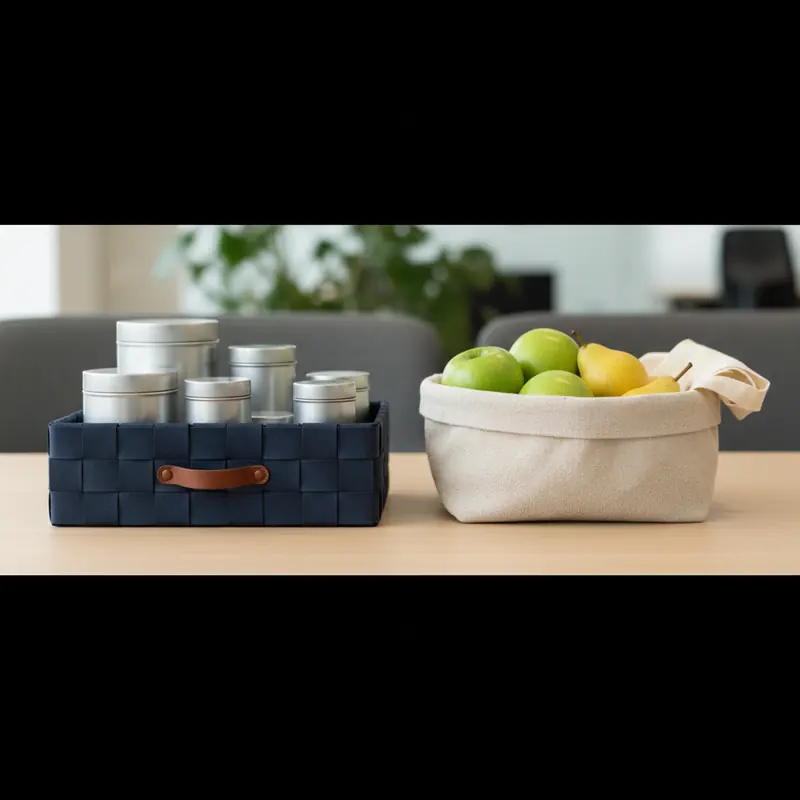
1. Translate the health-themed brief into checkable requirements
Ask the colleague requesting the gift to describe the intended outcome in ordinary language. A thoughtful thank-you with a fruit-led appearance needs a different review from a request that every packaged snack carry a particular sugar claim. Write down whether a preference applies to one item, all packaged foods or simply the overall presentation. Do not infer a recipient's medical history from a wellness-themed brief, or ask for health information that is unnecessary for choosing the gift.
Use Health hampers as a starting point for exploring a gift theme, not as evidence that every item meets a nutritional condition. Nutrition and effect claims still need checking product by product. If the requester cannot define a measurable requirement, approve the theme only as presentation language and avoid translating it into stronger statements such as a promise that the contents will improve health. This keeps the purchasing decision achievable without pretending that a broad category is a certification.
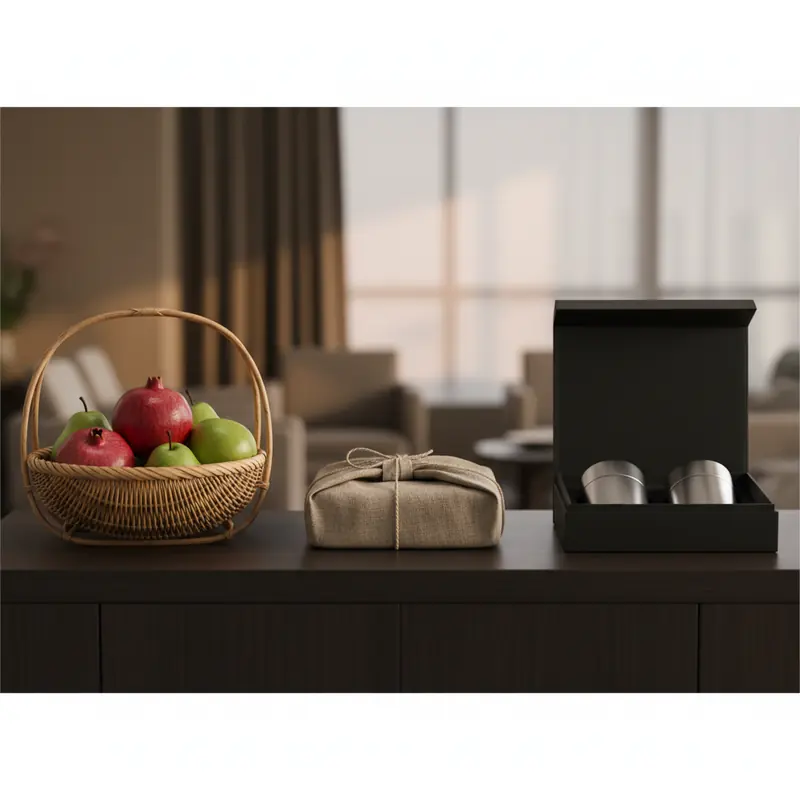
2. Ask for the actual products, not just a hamper photograph
Request an itemised proposal showing the brand, product name, flavour or variant, pack size and quantity for each packaged food. Ask for readable photographs or product documents covering the ingredients, nutrition panel and the exact claim on the proposed packaging. A front-facing basket photograph may explain the colour scheme beautifully while hiding the information needed for approval. Generic information for a product range is also insufficient if the offered variant has not been identified.
Keep the source of each answer beside the item: for example, a packaging image supplied with the proposal or a product specification identifying the same variant. Note when the material was received, rather than assuming an old image still describes the proposed pack. Where information conflicts, send one precise question identifying the discrepancy. An unanswered question should remain pending; it should not quietly become an accepted claim because the hamper otherwise looks suitable. Ask which products the supplier can actually confirm before treating the proposal as final.
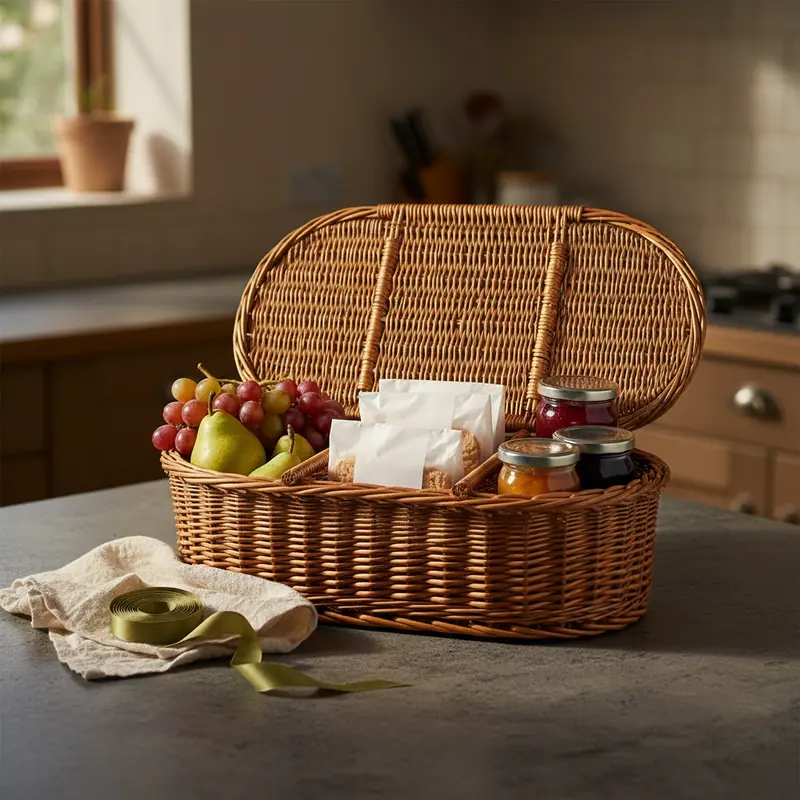
3. Keep no added sugar, sugar free and low sugar separate
Do not use a shopping category as the evidence for every product within it. One Hong Kong retailer groups products under No Added Sugar / Low Sugar, while product names in that collection use different sugar descriptions. That illustrates why a category heading is useful for browsing but cannot establish which exact claim belongs to an individual item. It is not evidence that another supplier offers those products or that the products have identical nutritional characteristics.
Create a separate entry for each expression you encounter. For no added sugar, request the product's exact wording, ingredients and the supporting explanation for that particular claim. Do not treat it as a synonym for low sugar or sugar free, and do not infer a sugar value from the wording alone. This guide does not attempt a complete legal test for no added sugar. If the supplier's explanation is incomplete, leave that description unapproved for your company's copy rather than substituting a more familiar but different claim.
4. Check the stated sugar threshold and its measurement basis
For a specific Hong Kong reference, the Centre for Food Safety's Salt / Sugar Label Scheme gives the condition for Low Sugar as no more than 5 g of sugars per 100 g of solid food or per 100 mL of liquid food. Its No Sugar condition is no more than 0.5 g on those respective bases. Keep those source terms and units intact. No Sugar should not be rewritten as an assurance of absolute zero sugar.
When a product says sugar free or uses another presentation of a sugar claim, record the exact text and ask for the applicable basis supporting it. Do not silently rename it No Sugar or judge it using an unrelated jurisdiction's threshold. A nutrition panel expressed only per serving may require additional information before it can be compared with a per-100-g or per-100-mL condition. Ask for that information rather than guessing the pack's weight, serving size or preparation method from the photograph.
Keep the product form clear
Check whether the information describes the product as sold or after preparation, especially when comparing a drink with a powder or concentrate. Retain any preparation instructions that explain the figures. If the proposed claim and the supplied panel appear to refer to different forms, request clarification before accepting the comparison. A matching unit is only useful when it describes the right food in the right form.
5. Compare the full nutrition panel, not a single favourable claim
Place comparable products on the same measurement basis before deciding which better matches the brief. The Centre for Food Safety's nutrition labelling FAQ advises using the same per-100-g or per-100-mL basis for comparisons. Review sugars alongside sodium, energy and fat, then look at the stated serving size and the amount in the pack. A small declared serving should not obscure the fact that the recipient may open a larger packet.
The same FAQ cautions that a single nutrition claim does not describe the food's overall nutritional quality; reduced-fat cookies, for example, may still contain relatively high amounts of sugar and energy. Use that principle to document trade-offs instead of awarding a blanket healthy label. If one option better meets a sugar preference but differs on sodium or energy, show those differences to the requester. Your role is to make the comparison visible, not to decide that one favourable number makes the whole hamper suitable for everyone.
6. Resolve missing information without assuming a missing label is unlawful
A missing nutrition panel is a reason to ask a question, not an automatic finding of non-compliance. The Centre for Food Safety FAQ describes exemptions from nutrition labelling, including certain fruit and vegetables without added ingredients. First establish the product category and the stated basis for any exemption. Do not extend an explanation for plain produce to a processed, coated or mixed product without checking what the item actually contains.
Separate two decisions in your record: whether the supplier has explained the labelling position, and whether you have enough information to approve the particular claim your company wants to use. An exemption explanation does not itself substantiate an effect claim. If the available information cannot support the brief, consider removing the disputed description, asking about a different item or changing the selection. Avoid solving a documentation gap by inventing nutrition figures or assuming that an unlabelled product has no sugar, sodium or other nutrients.
7. Check function claims and logos without enlarging their meaning
Words about what a nutrient does need a different review from a statement of its amount. The Centre for Food Safety FAQ explains that nutrient function claims require scientific support. Ask for the original wording, the product to which it applies and the supporting material. A supplier's general description of an ingredient should not be copied onto the company card as proof that the assembled gift delivers an effect. If the support cannot be confirmed, keep the effect wording out of the approved message.
Treat logos with the same discipline. The Salt / Sugar Label Scheme is voluntary and operates through notification; prior approval from the Centre for Food Safety is not required. Do not call its logo a prior official approval or an overall health certification for the hamper. For any mark offered as evidence, ask which exact item and claim it covers. A mark on one pack should never expand into a claim about every food, the basket itself or the recipient's likely health outcome.
8. Build a usable health hamper product claim checklist
Use one repeatable record for each item rather than one approval box for the entire hamper. The key is to preserve the difference between the supplier's original statement, the evidence received and the wording your company has authorised. Copy claims accurately, including qualifications, instead of summarising them into a stronger phrase. Where a pack has several claims, give each disputed statement its own line so that one satisfactory answer does not appear to resolve everything.
The fields below can be copied into your purchasing worksheet and completed for each product. Mark a description as approved, pending or excluded from company wording, and identify who will resolve a pending question. For a hypothetical example, if a proposed biscuit carries a no added sugar statement but only a front image has been supplied, record that statement as pending and request the ingredients and nutrition panel. Do not replace it with sugar free while waiting for the reply.
- Product identity: [brand, exact name, variant, pack size and quantity].
- Original claim: [verbatim wording and where it appears on the proposed pack].
- Label evidence: [ingredients, nutrition panel, measurement basis and supporting document reference].
- Unconfirmed points: [missing information, question sent, response needed and person following up].
- Permitted company wording: [exact approved description, or leave blank while pending].
- Decision and version: [approved, pending or excluded wording; product version reviewed; reviewer and review date].
9. Make substitutions a new approval decision
Ask the supplier to identify proposed substitutions before the order is finalised and explain that a changed brand, flavour, pack size or packaging version needs another claim check. A replacement may occupy the same space in the basket without having the same ingredients, nutrient figures or wording. State which requirements are essential and which are preferences, so that the supplier can raise a meaningful alternative rather than assuming visual similarity is enough. Retain the item list linked to the approved card copy.
Once the item-level record is ready, use Corporate gift hampers to compare the broader gifting direction while keeping the confirmed product list separate. The guide is not a guarantee of a fixed combination or current availability. Ask customer service to confirm the actual contents, requested date, delivery arrangements and quotation for the particular order. If a later substitution affects approved wording, either check and approve the replacement or revise the wording before printing; do not carry the earlier approval across automatically.

10. Write a gift card that expresses care without promising an effect
The card can communicate appreciation without making a nutrition claim at all. Messages such as A thoughtful selection for your team, Thank you for your partnership, or With appreciation from our team explain the gesture clearly. If an objective product description is useful, limit it to confirmed contents and wording that has passed the item-level check. Do not turn a claim made about one ingredient into a statement that the whole gift produces the same effect.
Terms such as boosts immunity, detox and suitable for everyone are examples of wording to question, not descriptions of claims used by YumYum Gifts. Keep unverified effect language and disease-suitability assurances out of the card, accompanying email and any internal announcement that describes the gift. An unsupported claim does not become reliable simply because it appears in a friendly greeting rather than on packaging. Have the person responsible for the company message approve the final text alongside, but separately from, the product list.
Keep the claim attached to the right item
In a hypothetical mixed hamper, only one proposed snack might have a substantiated low-sugar statement. Even after that item is checked, describing the entire hamper as low sugar would extend the statement beyond what was reviewed. A neutral thank-you message avoids that problem. If an item-specific description is retained, name the relevant product clearly and do not imply that the same description covers the fruit, drinks or other snacks.
11. If you switch to fruit, change the checks rather than dropping them
If packaged-food information is insufficient, a fruit-led format may be worth discussing, but it is a different proposal rather than a shortcut to a health conclusion. Explore Corporate fruit baskets for the selection format, then confirm the actual fruits, quantities, any accompanying packaged foods and any permitted seasonal substitutions. Fresh fruit should not be described as sugar free simply because it is fresh, or presented as suitable for every medical condition or dietary need.
Also ask who can receive the gift and where it will go after handover. Request the relevant handling and storage guidance for the actual contents rather than inventing a universal temperature or time limit. For a shared office, consider whether the receiving team can manage the proposed format and let people make their own choices. If a recipient has communicated a specific restriction, ask what product information can be confirmed without promising medical suitability. Changing the basket style does not remove the need for accurate descriptions and a careful message.

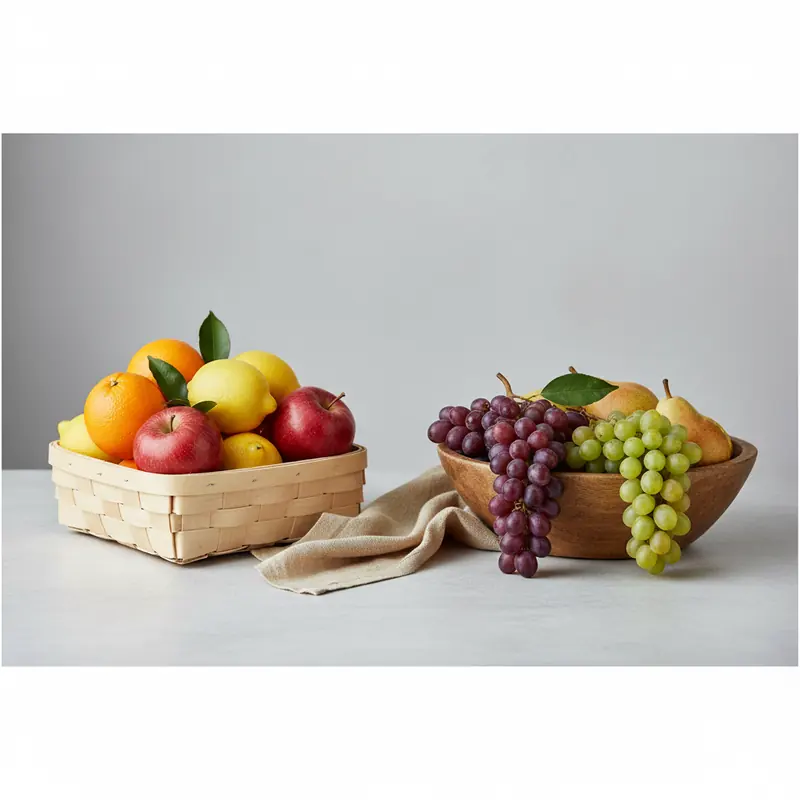
12. Separate product approval from corporate gift-policy approval
A completed label review answers what you can substantiate about the food. It does not establish whether the recipient's company permits the gift. Use the Corporate gifts guide for the separate questions of company policy, receiving etiquette and message approval. Keep the two checks visible in your purchasing record so that an acceptable product is not mistaken for an acceptable business gesture, or a policy approval mistaken for nutritional verification.
Before release, bring together the final item list, unresolved issues, permitted descriptions, substitution instruction and approved card text. If an essential requirement remains unsupported, pause approval or choose a proposal that can be documented rather than filling the gap with reassuring language. Send the requested date and delivery district to customer service and ask for order-specific confirmation of contents, availability, charges and arrangements. The useful endpoint is a gift your company can describe honestly, with a clear record of what was checked and what was not.

Details to confirm before ordering
- Define whether the brief concerns presentation, preferred food types or a specific item-level condition.
- Obtain the final brands, variants, pack sizes, quantities and readable label information for the proposed contents.
- Record every sugar or function claim exactly, with its evidence, measurement basis and unanswered questions.
- Compare relevant nutrients on the same basis and record any trade-offs against the brief.
- Approve the exact company card wording without extending one item's claim to the entire hamper.
- Request another review for substitutions that change product identity, packaging information or approved descriptions.
- Check the recipient company's gift rules separately from the food-claim review.
- Confirm requested date, delivery district, actual contents, handling guidance, availability and charges with customer service for this order.
Questions about this decision
Can I approve the hamper from a supplier's health category alone?
No. A category helps you browse, but it does not identify the exact claim or supporting label for every proposed item. Request the actual product list and evidence for each description you intend to use.
Does no added sugar mean I can call the gift sugar free?
Do not make that substitution. Record the exact product wording and request its ingredients, nutrition panel and supporting explanation. A no added sugar statement should not be treated as proof of a different sugar claim.
Should I reject every item that has no nutrition panel?
Not automatically. Ask about the product category and any applicable exemption. Then decide separately whether the information supplied is sufficient for the particular description your company wants to approve.
Can one checked product justify a claim about the entire hamper?
No. Keep an approved statement attached to the item it covers. Where other contents have not been checked against the same condition, use a neutral gift message instead of extending the claim to the whole selection.
What should happen if an approved product becomes unavailable?
Request the proposed replacement's identity, labels and claim evidence. Review any affected company wording again before accepting the change. Visual similarity or a similar product name is not enough to carry over the previous approval.
Sources and further reading
Reference only. Illustrations are AI-generated design references, not photographs of actual customer orders. Confirm current contents, prices and arrangements with our team.
For this guide:Health-themed corporate hampers: which product claims should you verify before ordering?
Arrange a thoughtful gift
Considering Health hampers? Send the date, district and the points discussed in this guide to YumYum Gifts to confirm suitable options and a quotation.
Order Your GiftWhatsAppThis opens a prepared WhatsApp enquiry. Availability, details and price must be confirmed before booking.
Explore related services and designs
Compare relevant options, view design references and find the information you need before making an enquiry.
Gift basket delivery
Compare gift basket formats and the delivery details to discuss, including recipient arrangements and presentation, without assuming that any particular delivery timing is available.
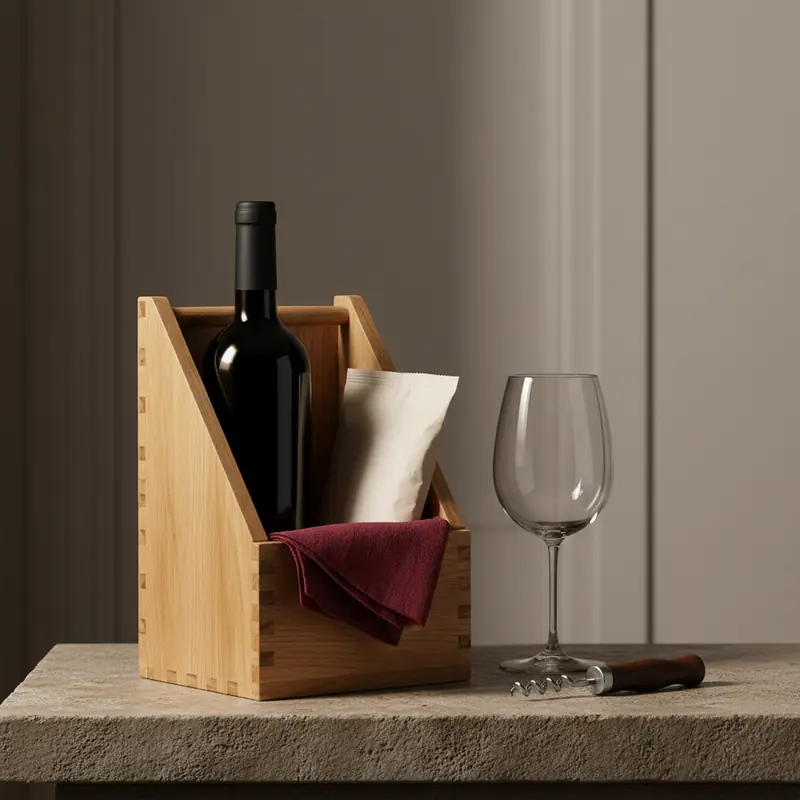
Wine hamper
Compare wine hamper layouts, bottle presentation and accompanying gift directions for adult recipients, considering their preferences before deciding which combination to enquire about further.
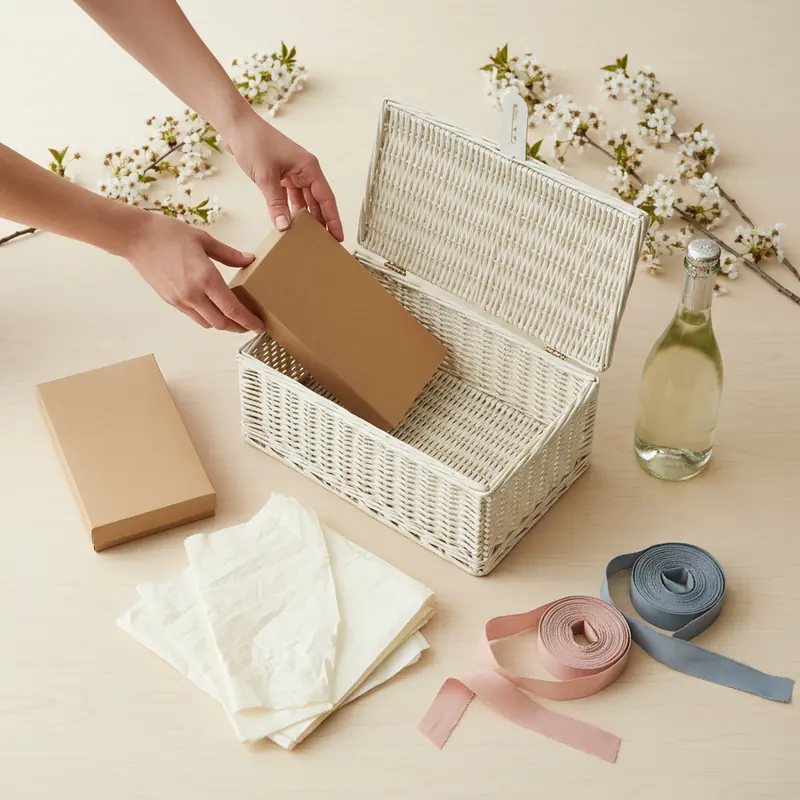
Wedding gift hamper
Compare personalised hamper combinations, including wedding gift directions, by looking at contents, container styles and finishing touches that can be discussed around the recipient's preferences.
Gourmet hampers
Compare fruit and gourmet hamper directions, basket presentation and recipient preferences to narrow down a gift composition before discussing the contents that matter to you.
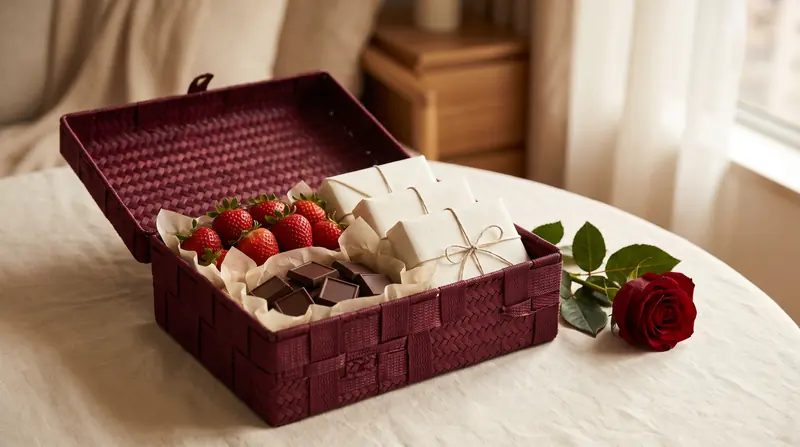
Romantic gift hampers
Compare romantic hamper presentation, colour themes and gift combinations to reflect your recipient's preferences, without assuming a particular occasion requires one style or a fixed package.
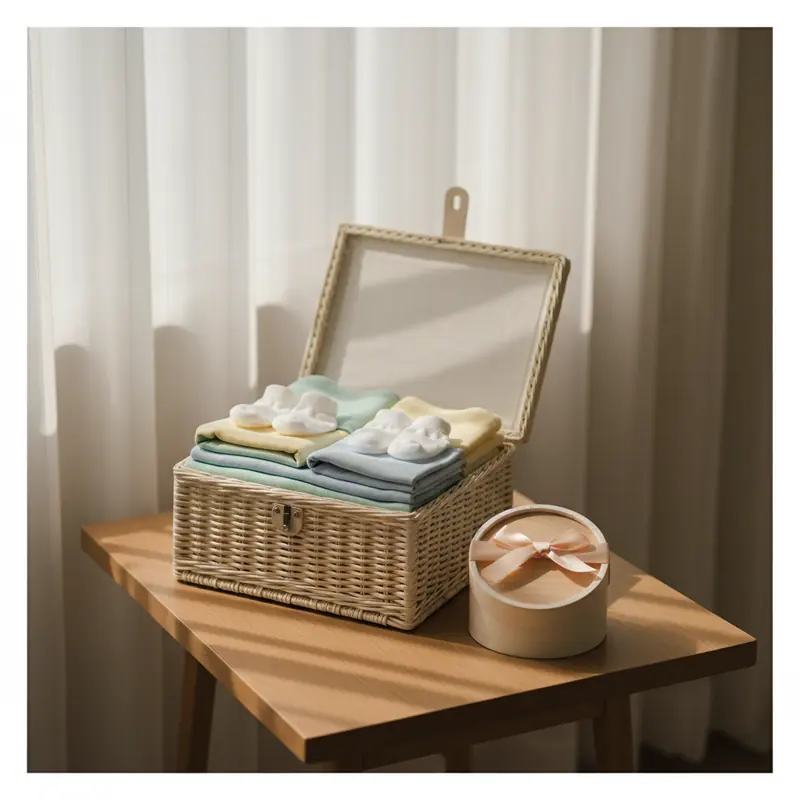
Full moon gift sets
Compare newborn hamper and full moon gift presentation, looking at keepsake and textile combinations while keeping the family's preferences and the baby's needs in view.
Original AI-generated navigation references; designs and order details are subject to confirmation.
Useful options for your plans
Check Gift hamper delivery in Hong Kong when considering how your chosen basket will reach its recipient.
Explore Bespoke gift hampers to compare personalised combinations, including a wedding gift direction.
Compare Wine hamper presentation for an adult recipient who enjoys wine.
Explore Gift hamper to compare fruit and gourmet contents for your recipient.