Y. Florist · Ordering guides
A Family Mother's Day Flower Gift: One Table Arrangement or Separate Bouquets?
For this guide:A Family Mother's Day Flower Gift: One Table Arrangement or Separate Bouquets?
Arrange your flower order
Considering Mother's Day bouquet? Send the date, district and the points discussed in this guide to Y. Florist to confirm suitable options and a quotation.
Order Your FlowersWhatsAppThis opens a prepared WhatsApp enquiry. Availability, details and price must be confirmed before booking.
When several relatives are giving flowers to the same mother, the decision is not simply how big the gift should be. A single arrangement brings everyone's contribution into one display. Separate bouquets let each person hand over something of their own, but can also leave Mum finding several vases while lunch is being served. The right choice depends on what she enjoys receiving and what happens after the presentation.
To choose a Mother's Day table arrangement or separate bouquets, start with three questions: does each giver want a personal handover, would Mum rather display finished flowers or arrange stems herself, and will everyone arrive together? Then check the available space and nominate one family contact. This guide concerns one recipient and several givers, not separate gifts for Mum, a grandmother and other relatives.
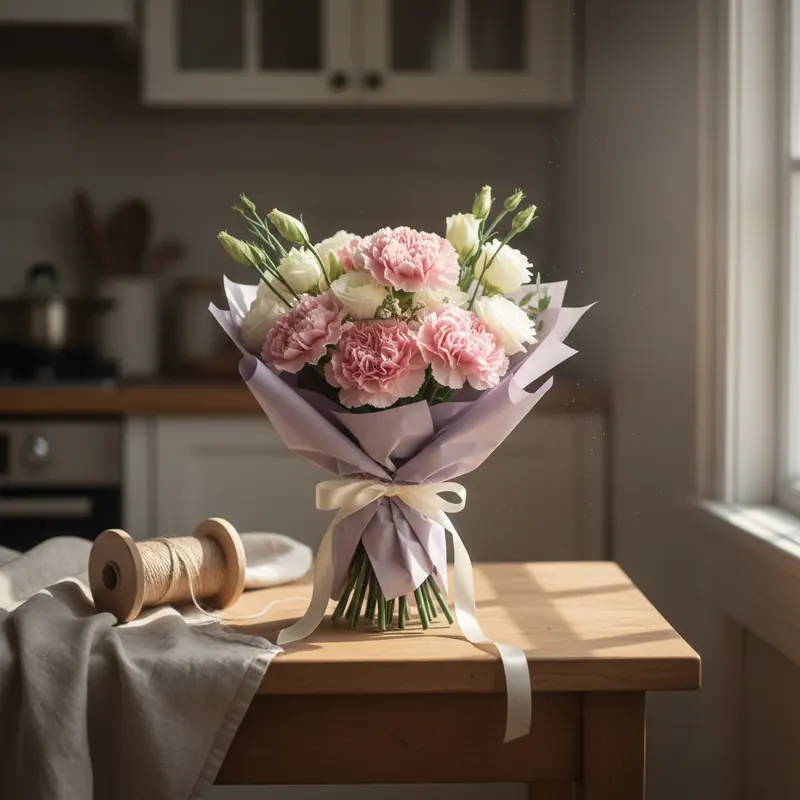
Mother's Day table arrangement or separate bouquets: what matters most?
Agree on the purpose before anyone starts choosing flowers. If the family wants to say one collective thank-you, a shared arrangement can express that clearly, with each person represented in the accompanying message. If the moment of handing over flowers matters to each giver, separate bouquets may suit better. Neither approach measures affection: the number of packages should follow the kind of occasion you want to create.
If Mum especially enjoys receiving a wrapped bouquet, compare a Mother's Day bouquet around her preferences before deciding whether to share one or order several. Sharing the cost does not oblige you to choose a table arrangement. Equally, separate personal messages do not require separate flowers. Keep the decision about presentation distinct from the decision about who contributes.
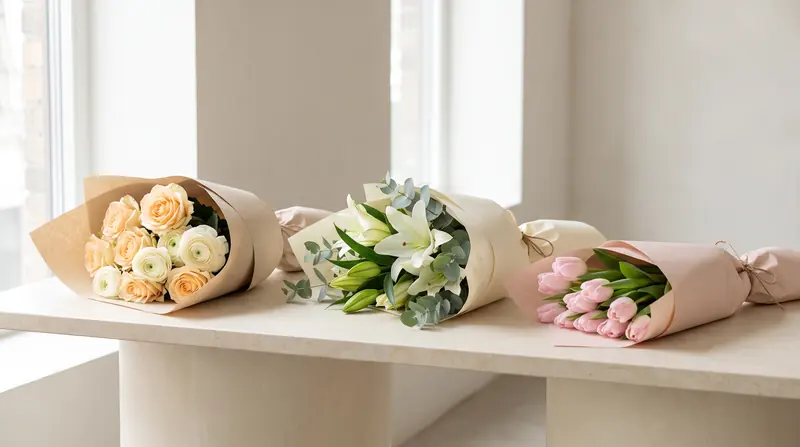
Let Mum's habits decide how much setup is welcome
Think about an ordinary day in her home rather than only the handover photograph. Does she enjoy unwrapping flowers, choosing a vase and arranging the stems? If so, bouquets can leave room for that pleasure. If she would prefer to sit down with the family without sorting flowers, a finished display may be the more considerate brief. Ask rather than assuming she wants the same format every year.
Several bouquets multiply the setup decisions, even when each is individually manageable. Identify who will find the vessels and help arrange the flowers if help is wanted. A single arrangement reduces the number of displays to place, but it does not make the flowers care-free. Ask the florist how the particular design should be maintained, and make sure those instructions reach Mum rather than staying in the organiser's messages.
Measure the table after allowing for lunch
An empty dining table is a misleading guide to the available space. Plan the places for plates, glasses, serving dishes and anything the restaurant or host expects to put in the middle. Only then identify a possible flower position. Give the florist the usable width and depth, not just the overall table dimensions, and explain whether the flowers must remain there throughout the meal.
When comparing flower arrangements, ask about the overall spread, the container footprint and the height as seen by seated guests. Balsam Hill's Mother's Day dining-room styling guide recommends low, compact displays so guests can see one another. Its guide concerns artificial flowers; the relevant point here is table layout and sightlines, not fresh-flower care or durability.
If the remaining surface is too small, do not keep shrinking the gift simply to force it onto the dining table. A shared arrangement on a sideboard can still be the family's main present. Several bouquets displayed elsewhere can also work, provided those places exist. Decide where the flowers will stay during lunch before deciding how much display space to order.
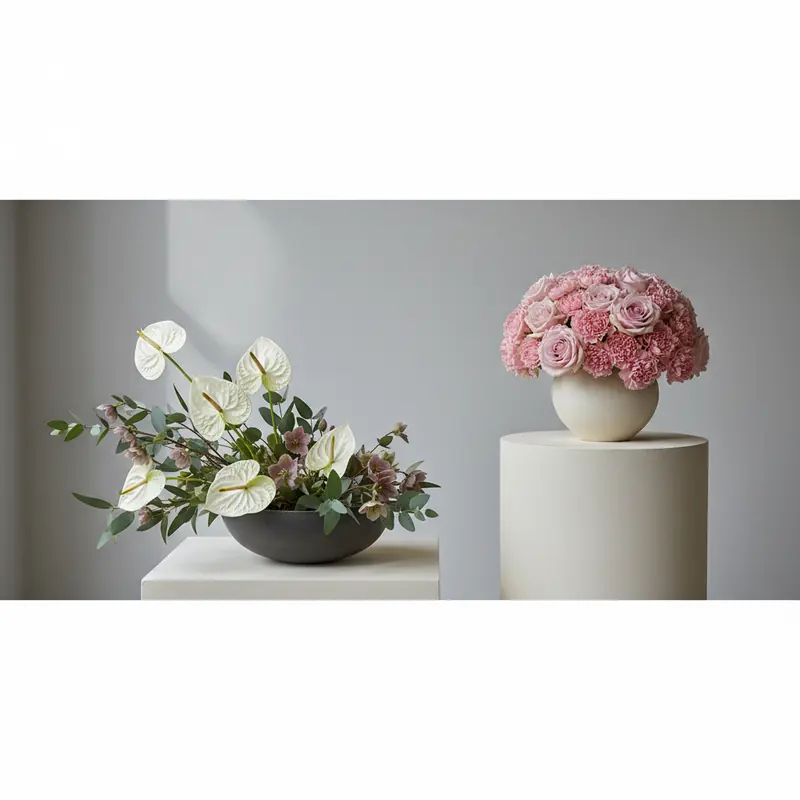
Check what the finished display actually includes
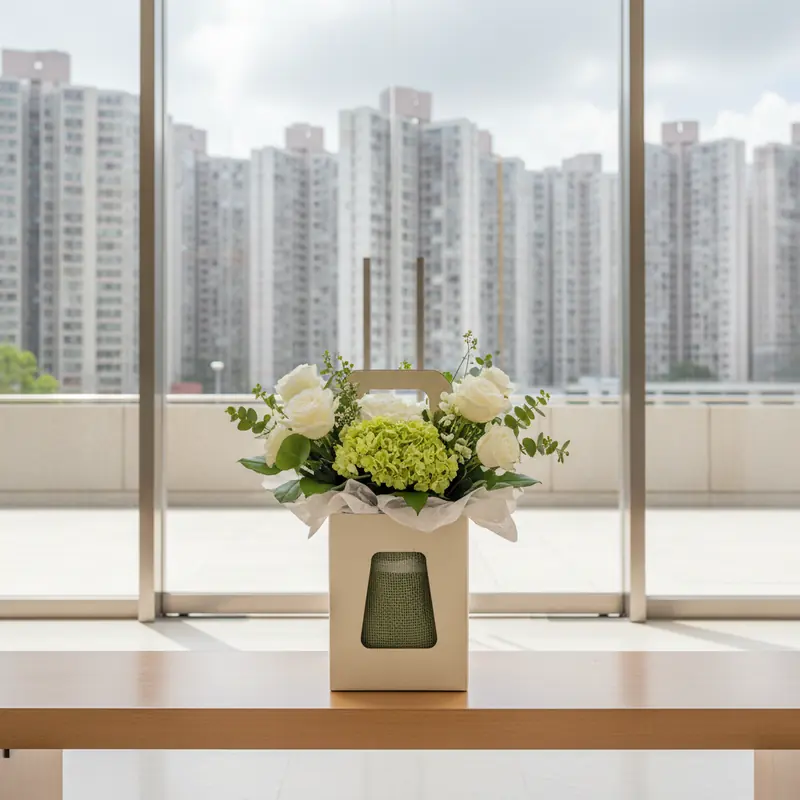
A table arrangement describes a use, not one universal container or construction. If the family wants flowers that can be placed straight onto a surface, compare a vase arrangement and ask whether the vessel is included, its dimensions and how the finished design will be handed over. Do not assume that every arrangement is a vase design or that a reference image specifies everything supplied.
Gidas Flowers' Mother's Day bouquet guide distinguishes a vase arrangement that is ready to display from a wrapped bouquet that may need setup. That is a useful question to bring to your enquiry, not a promise about a particular Y. Florist order. Confirm the actual format, any preparation required after arrival and the care instructions for the design you choose.
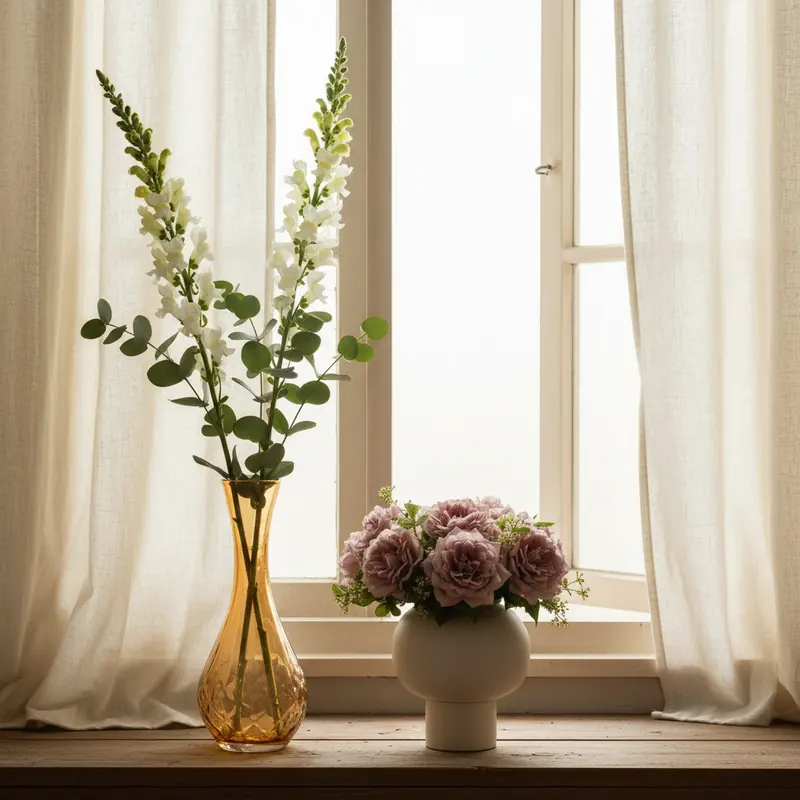
Count display places, not just the people contributing
Before choosing separate bouquets, count the suitable vessels already available and decide where each bouquet would go. A spare vase is useful only if it can accommodate the intended flowers. Share its approximate size with the florist if you hope to use it. Alternatively, ask whether vessels can be supplied and what that would add to the overall order. Avoid making Mum solve an unplanned storage problem on the day.
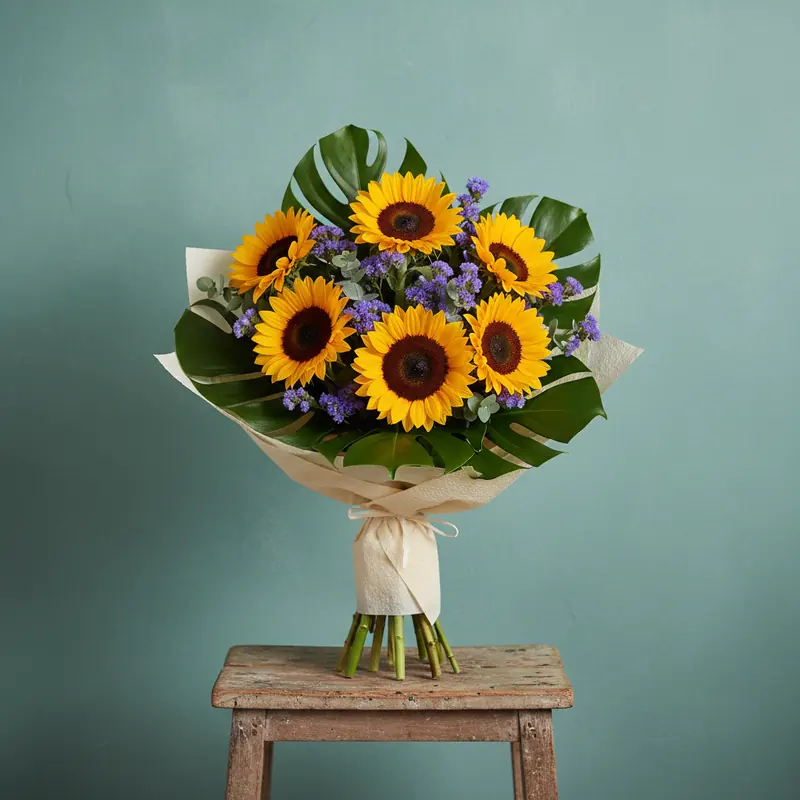
Mother's Day flowers from the whole family can have a common thread without being identical. If Mum already likes bright yellow, one relative could choose a sunflower bouquet while the others discuss a compatible palette. This is a preference-led example, not a suggestion that sunflowers are essential for the occasion. Confirm flower availability and alternatives, and keep her taste ahead of the family's wish for a coordinated photograph.
Set a shared budget without assuming one gift costs less
Agree on an overall spending range before deciding how to divide contributions. Ask for the complete scope of each option: the flowers, any vessel, wrapping, requested cards and the proposed collection or delivery arrangements. A single large design is not automatically cheaper than several smaller ones, and several bouquets are not automatically more generous. Compare the actual proposals rather than treating the number of gifts as a price guide.
Choose one person to approve the final selection and payment arrangements, with the family's agreement on what they may decide without another group discussion. If a proposed design exceeds the agreed range, revisit size, flower choices or format before removing someone from the message. Financial contributions and inclusion on the card need not be the same conversation; decide privately how the family wants to handle them.
Keep individual voices in the cards
One gift can carry several distinct messages. Ask each person for one short sentence that sounds like them, and collect the wording in a single document or message. Agree how names will appear, including anyone who cannot attend. Then ask the florist what card format and text length can be accommodated. If the available space is limited, consider supplying a family note separately rather than assuming every message will fit.
With separate bouquets, coordinate the flowers only as far as needed and preserve each giver's own card. The organiser should label the intended pairing clearly in the ordering notes and ask how cards will be matched at handover. That avoids turning a personal gesture into identical wording repeated on every bouquet. Card printing, handwriting and attachment are details to request and confirm, not services to take for granted.
Make the shared note specific without making it long
For example, a family note might begin with a shared thank-you, followed by a brief line from each giver about something they appreciate. This is an illustrative format, not a customer story. Decide the name order together and have each contributor check their own words before the organiser sends the final version.
Plan for relatives who arrive at different times
If everyone will be present together, a shared presentation is straightforward to organise: choose who brings the gift and when the family will give it. When arrivals are staggered, decide whether the flowers should be presented on the first visit or held for a later gathering. Tell absent contributors how their messages will be included, so one person does not end up appearing to be the sole giver by accident.
Separate bouquets allow independent handovers, but several deliveries or collections create more arrangements to confirm. Ask whether each person will collect their own gift or whether the organiser will receive everything and distribute it. If some relatives are visiting on another day, reconsider whether matching flowers still matter. A shared intention can remain clear through the cards even when the gifts are not presented simultaneously.
Ask the restaurant before arranging a flower handover there
For a restaurant meal, first ask the venue whether it can receive flowers, where they could be kept and whether they may be placed on your table. Explain whether you are considering one container-based design or several wrapped bouquets. A family reservation does not establish permission to receive an outside delivery or provide storage, so get the venue's answer before passing a handover request to the florist.
Then ask the florist to confirm the feasible handover location and time window, together with any access or receiving requirements. Choose a named family contact who can respond if details need clarification. Avoid building the celebration around an unconfirmed exact arrival time. If the venue cannot receive or hold the gift, discuss collection or presentation at home instead of leaving the question unresolved until lunch.
Assign the journey home to a person, not to Mum by default
Picture the journey after the meal, including bags, other presents and anyone who needs a free hand. For one arrangement, ask about the filled container's carrying requirements and the overall size of the packed design. For several bouquets, decide who carries each package and how the flowers will be received at home. Neither format is automatically easier: the practical difference is the number and type of items to manage.
Ask what protective packing or carrier is supplied and how the florist recommends moving the particular design. Make transport part of the order discussion rather than improvising with whatever bag happens to be available. If the planned arrangement cannot be carried comfortably by the designated person, change the handover location or gift format. The presentation is only one moment; Mum should not inherit an awkward journey because everyone else assumed somebody would help.
Choose one of two workable family routes
Route one is a jointly funded arrangement with individual lines in a shared note. Use it when the family wants one collective presentation and has confirmed a display position and a person to transport it. Brief the florist on that actual position rather than simply requesting a large centrepiece. If it will sit on a sideboard rather than the lunch table, say so; the display brief should match the real destination.
Route two is separately wrapped bouquets coordinated by one person, with independent cards. Use it when individual handovers are important and there are enough suitable vessels, display places and helping hands. Coordination can mean one agreed colour direction and a common receiving plan, not identical flowers. Keep the florist's confirmed details together so a late change to one bouquet does not accidentally alter the whole family's order.
An illustrative family decision
Suppose siblings are meeting Mum for a meal, the table will be full of shared dishes and she prefers not to arrange flowers herself. A finished arrangement presented for display at home may fit better than multiple bouquets at the restaurant. If she instead loves arranging flowers and each sibling wants a personal handover, separate bouquets could be preferable, provided the home display and transport plans are settled. These are hypothetical choices, not reports of customer experiences.
Send one clear enquiry, then confirm the final details
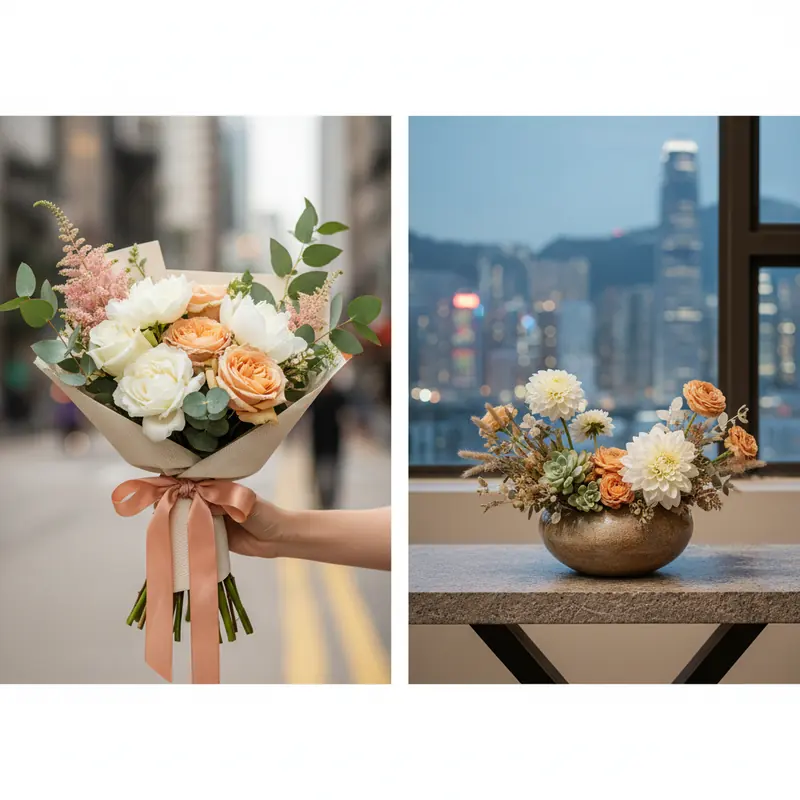
Give Y. Florist the decision you are trying to make, not just a collection of flower pictures. Explain that several relatives are giving to one mother, which presentation route you prefer and which details are still open. Include her preferences, the intended display location, the usable space, the shared spending range and the receiving plan. Ask for the size, flower options, vessel details and charges to be confirmed for your particular request.
Before proceeding, circulate one final summary to the family: what is being ordered, who is included in the message, who approves it, who receives it and who takes it home. If a flower choice or handover arrangement changes, update that same summary rather than starting conflicting message threads. The strongest choice is the one that preserves everyone's intention while leaving Mum with flowers she can comfortably enjoy.
Details to confirm before ordering
- Recipient and purpose: one mother, with either a collective presentation or individual handovers agreed.
- Display: intended surface and usable width and depth after allowing for the meal; suitable vessels counted for separate bouquets.
- Design: preferred colours and flowers, acceptable alternatives, overall dimensions and included container confirmed.
- Budget: total spending range, confirmed order scope and charges, one approving family contact and payment responsibility.
- Messages: approved wording, name order, absent contributors and any separate bouquet-to-card pairings.
- Handover: preferred date, district, receiving person and feasible time window; restaurant acceptance checked where relevant.
- Journey home: named carrier or carriers, packing requirements and destination for every flower gift.
- After arrival: person responsible for any setup and the florist's care instructions passed to Mum.
Questions about this decision
Does a shared Mother's Day gift have to be a table arrangement?
No. The family can share one wrapped bouquet if that is how Mum likes to receive flowers. Joint funding describes who gives the gift, not its format; decide separately how it will be displayed and who will prepare it.
Can separate bouquets work when Mum has only one suitable vase?
Only with a plan for the remaining flowers. Ask about suitable additional vessels and their cost, or reconsider the number of bouquets. Do not assume every bouquet will fit together in the existing vase.
What if one sibling wants a personal presentation but everyone else prefers one shared gift?
Agree whether a personal note and a role in the shared handover would meet that wish. If a separate bouquet still matters, include it in the display and transport plan rather than ordering it as an uncoordinated extra.
Should the arrangement be delivered to the restaurant or to Mum's home?
Choose only after checking who can receive it and where it will be displayed. Restaurant acceptance and storage must be confirmed with the venue; handover feasibility, timing and charges must be confirmed with the florist.
Can relatives who cannot attend still be included in one shared gift?
Yes, include their approved words and names in the requested message, subject to the available card format. Tell those presenting the gift that it is from everyone, so the absent contributors are acknowledged at handover.
Sources and further reading
Reference only. Illustrations are AI-generated design references, not photographs of actual customer orders. Confirm current contents, prices and arrangements with our team.
For this guide:A Family Mother's Day Flower Gift: One Table Arrangement or Separate Bouquets?
Arrange your flower order
Considering Mother's Day bouquet? Send the date, district and the points discussed in this guide to Y. Florist to confirm suitable options and a quotation.
Order Your FlowersWhatsAppThis opens a prepared WhatsApp enquiry. Availability, details and price must be confirmed before booking.
Explore related services and designs
Compare relevant options, view design references and find the information you need before making an enquiry.
flower bouquets
Compare seasonal and classic bouquet styles by flower mix, colour palette and wrapping, with different shapes to consider for birthdays or everyday gestures.
sunflower bouquet
Compare sunflower bouquet shapes, supporting foliage and wrapping colours, considering how bold yellow flower heads can create a bright focal point in a gift.
preserved flower bouquet
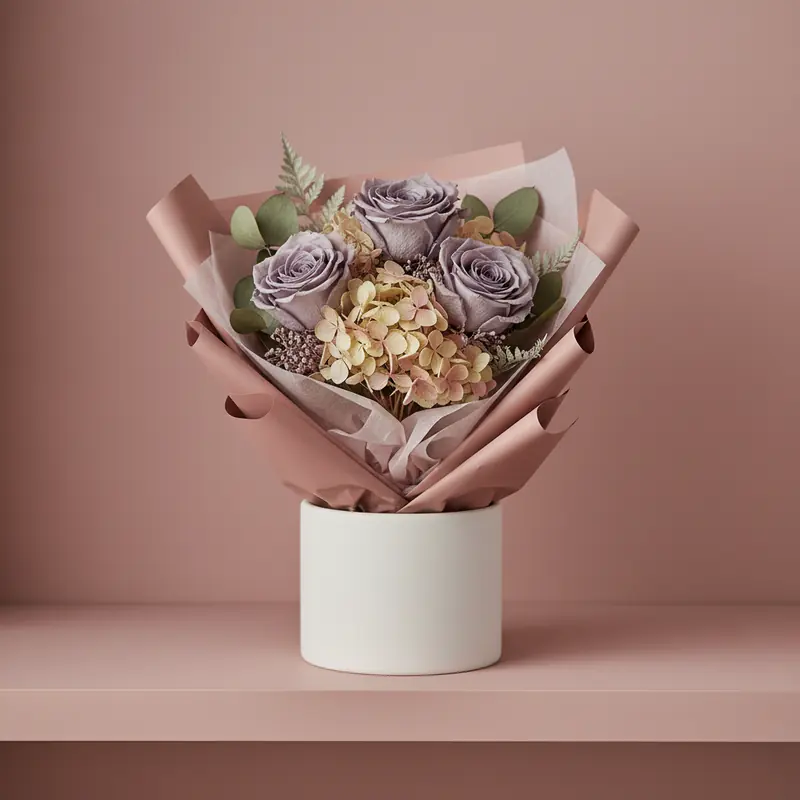
Compare preserved flower bouquet palettes, textures and wrapping, considering compact or fuller forms while keeping preserved materials distinct from fresh or naturally dried flower styles.
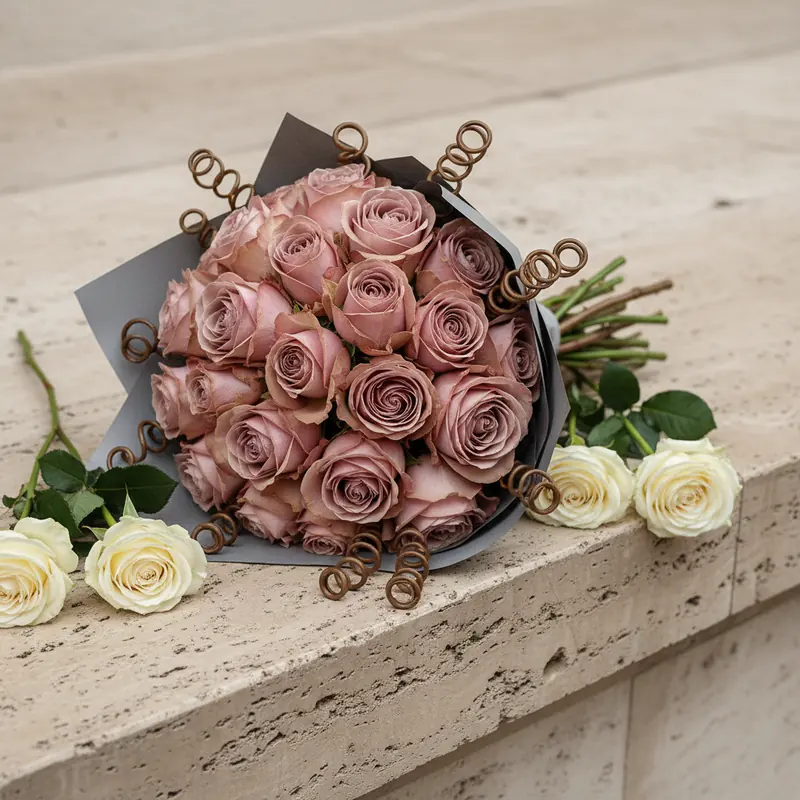
rose bouquet
Compare rose bouquet colours, wrapping and overall shape, considering a single-colour presentation or a softer mixed palette for the recipient and intended occasion.
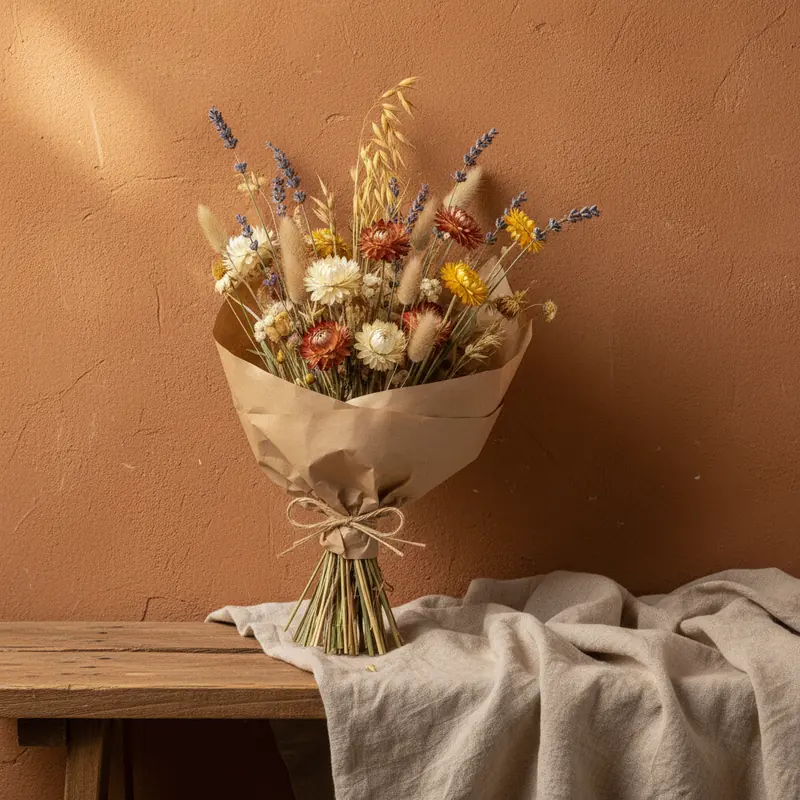
dried flower bouquet
Compare dried flower bouquet textures, earthy palettes and silhouette, considering combinations of dried blooms and grasses rather than fresh or preserved flower presentations for gifting.
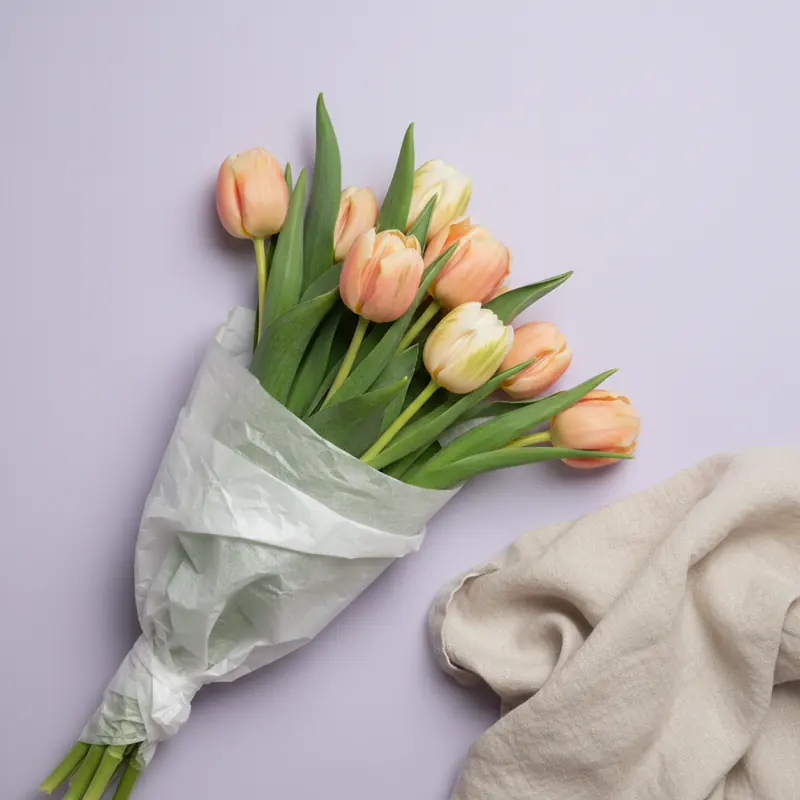
tulip bouquet
Compare tulip bouquet colours, stem movement and wrapping styles, considering a simple single-colour bundle or a gentle mixed palette with a clean floral silhouette.
Original AI-generated navigation references; designs and order details are subject to confirmation.
Useful options for your plans
Explore flower bouquets to compare seasonal flower mixes, wrapping styles and shapes for your next gift.
Explore a tulip bouquet to compare tulip colours, natural stem shapes and wrapping styles.
Compare a sunflower bouquet by shape, foliage and wrapping to choose a bright floral direction.
Compare a preserved flower bouquet by preserved textures, palette and wrapping when choosing your preferred style.