Y. Florist · Ordering guides
Large Proposal Bouquets: What to Measure Before You Carry One
For this guide:Large Proposal Bouquets: What to Measure Before You Carry One
Arrange your flower order
Considering proposal bouquet? Send the date, district and the points discussed in this guide to Y. Florist to confirm suitable options and a quotation.
Order Your FlowersWhatsAppThis opens a prepared WhatsApp enquiry. Availability, details and price must be confirmed before booking.
A generous bouquet can look straightforward in a photograph and become a very different object when you need to carry it through a car door, into a lift and across a restaurant. Before confirming the design, gather the large proposal bouquet measurements that describe the finished item, not simply its flower count. Start with a reference image or product reference, then ask the florist to separate the flowers, wrapping, grip and packed weight in their reply.
If you are deciding how to carry a large proposal bouquet, the useful question is not whether a particular number of roses is generally manageable. It is whether this particular arrangement fits your hands, your route and your handover plan. The checklist below helps you identify what is confirmed, what is only estimated and what needs changing before you commit to carrying it yourself.
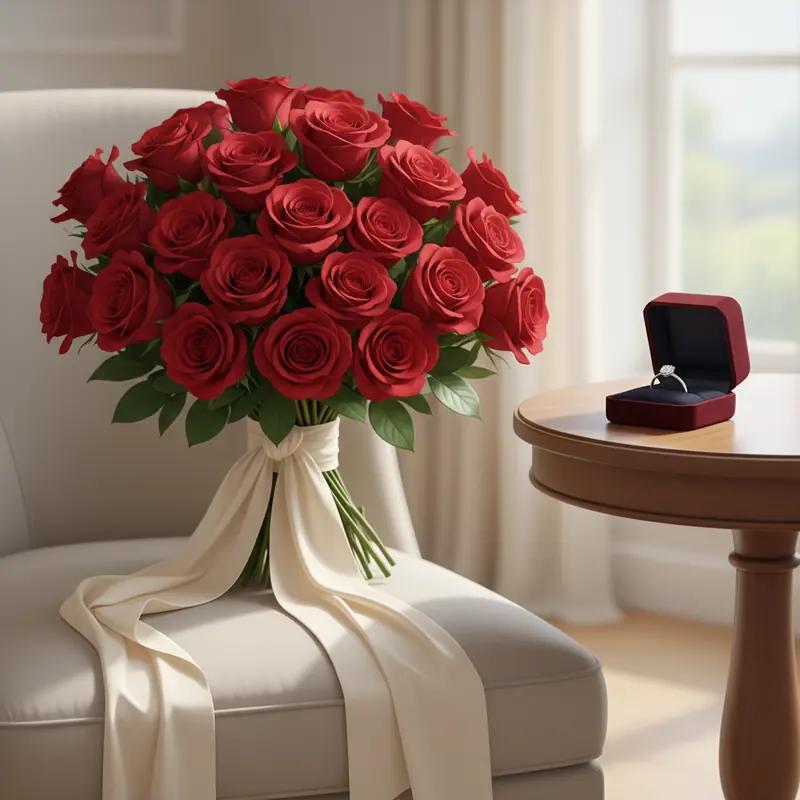
Start with a design reference, not a rose-count assumption
Choose a candidate from the proposal bouquet catalogue, then send its reference when requesting dimensions. That keeps the conversation attached to an actual design rather than an undefined ‘large bouquet’. Use the catalogue for style and product comparisons; use your measurement enquiry to establish the space and handling that your selected version will require. If you request changes, ask whether the quoted dimensions still apply.
When comparing a rose bouquet, look beyond the stem count to flower-head size, stem length and the outline of the wrapping. As a concrete example of why count is insufficient, Flordel’s 99-rose product explanation describes different stem-length options for the same count and their effect on overall scale. Those are another florist’s options, not Y. Florist specifications. There is no single diameter to copy from that example into your own order.
Record floral width and wrapped width separately
Ask for the floral width across the outermost flowers or foliage, then ask for the maximum width including the wrapping. These answer different questions: the first describes the arrangement’s spread, while the second helps you compare it with an opening or a temporary resting space. A projecting paper collar can be the widest part even when the flowers themselves would fit comfortably.
The 5cv guide to bouquet sizes explains that flower size, foliage and shaping affect the finished dimensions and advises checking whether wrapping is included. For your enquiry, request centimetres and have the florist identify the widest points. Do not treat an unlabelled ‘width’ on a reference as proof that every outer layer is included.
Give each width a clear label
Write ‘floral width’ and ‘maximum wrapped width’ as separate entries in your notes. If a bow, ribbon loop or protective layer extends beyond the paper, ask whether it changes the maximum outside measurement. This is a practical way to remove ambiguity, not a universal floristry measurement standard.
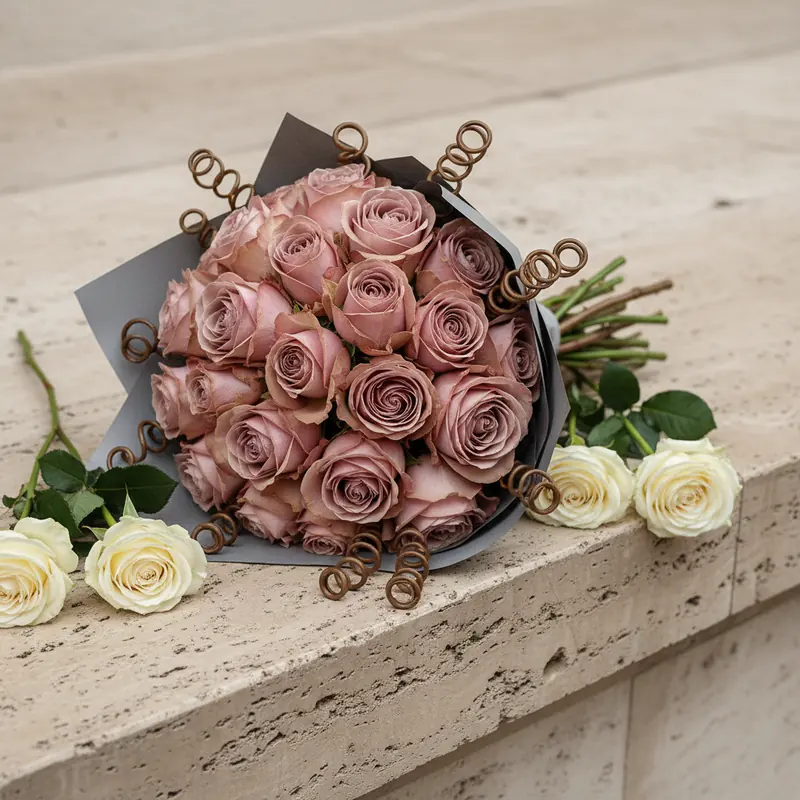
Add front-to-back depth and the true total height
A front-facing photograph does not tell you how far the bouquet projects towards and away from its holder. Ask for its maximum front-to-back depth in the intended carrying orientation, including the wrapping. This matters when turning through an entrance or placing the arrangement beside a chair. Do not assume depth equals width: a flatter presentation and a rounded arrangement can have quite different outlines.
For total height, ask the florist to identify the lowest and highest points of the finished item, including any wrapping that extends beyond the stems or flowers. The Rinlong bouquet measurement guide distinguishes floral height, total height and exposed stem or handle length. Its measurement distinctions are useful here; its wedding proportions are not a size rule for your proposal. Record proposal bouquet width and height alongside depth, rather than relying on a single ‘large’ size label.
Ask which version of the bouquet is being measured
The dimensions of the display-ready bouquet may not describe the item at collection. Ask whether the figures include its paper collar, ribbon, water-retaining packaging, protective covering and any separate carrier or support. If additional transport packaging will be supplied, request its outside dimensions too. Keep the bouquet measurements and the transport-package measurements separate so you know which object must pass through each doorway.
When the finished bouquet does not yet exist, an estimate can still help you compare options, provided it is labelled as an estimate. Ask what could change it: the flowers available, their head size, the final spread or a wrapping adjustment. Request a practical expected range if the florist can provide one, and ask when the remaining details can be confirmed. Do not turn an indicative figure from an enquiry into a guaranteed finished dimension.
Measure the part your hand can actually hold
Total stem length is not the same as usable grip length. Ask how much continuous space is available for a hand at the intended holding position, without counting a ribbon bow, bulky paper fold or a lower water-retaining section as usable handle. A long bouquet may still have a short gripping area. Ask the florist to identify the intended hand position rather than choosing one from a photograph.
Request the diameter or circumference at that holding position, with the measurement method stated. If the grip is not round, a description or clearly labelled photograph may be more useful than one unexplained number. Grip thickness and front-to-back depth are enquiry prompts in this guide, not claims that there is a standard handle size everyone can hold comfortably.
Describe the intended holder and handling method
Tell the florist whether you expect to carry the bouquet yourself, pass it to your partner or have another person move it into place. Ask where support should be applied to that particular construction and whether it is intended to be held with both hands. If you cannot try the actual grip, leave comfort unconfirmed; a photograph of a hand around stems does not establish how your finished bouquet will feel.
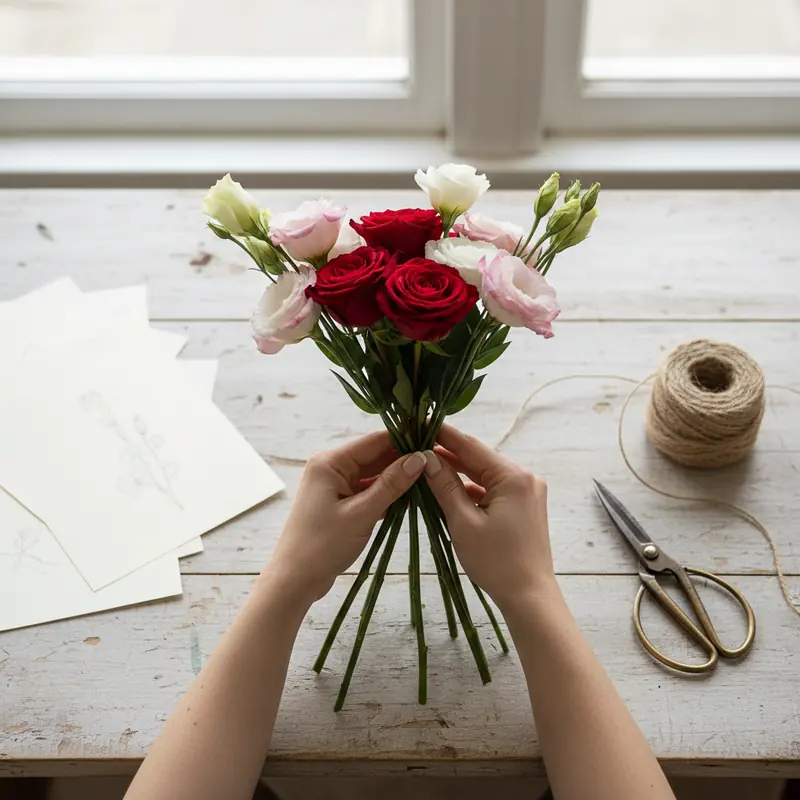
Request the weight of everything you will carry
Ask for the actual finished weight where available, or a clearly identified estimate if it is not yet possible to weigh the bouquet. Specify that the figure should include the flowers, wrapping and water-retaining components present at handover. Ask separately about any carrier or support you will also need to move. Otherwise, a weight for the flowers alone can leave part of the carrying task unexplained.
Keep physical weight separate from visual fullness. A broad paper collar may create a wide outline, but its appearance cannot tell you the total mass. Likewise, a tightly arranged bouquet can look compact without proving comfortable to carry. Judge the available weight and grip information together, and ask the florist how the construction should be supported rather than assuming the ribbon or paper is a carrying handle.
There is no useful universal maximum weight for every person and journey in this decision. Consider your own comfort, how long you expect to hold it and whether you also need a free hand. If those conditions remain uncertain, discuss assistance or a receive-and-place arrangement instead of treating an untested single-handed carry as settled.
Compare the outer dimensions with the actual route
Walk through the intended journey in order: collection point, vehicle entrance, destination entrance, lift, corridor and final room. Compare the maximum wrapped width, depth and height with the usable openings, not only the apparent size of the car boot or lift cabin. A roomy destination does not resolve a narrow point on the way there.
At a car, check the opening you intend to use and the space available once inside. At a lift, include both the entrance and the turn needed to reach it. Ask whether the bouquet must remain upright and whether the florist permits any change in orientation during transport. Do not plan on compressing the paper or tilting the flowers merely because the outside measurements seem close.
For a hypothetical restaurant proposal, a bouquet might pass through the main entrance but be awkward at a tight corridor turn. That would be a reason to discuss a different receiving route, a smaller wrapped outline or another format before ordering. It would not be evidence that all large bouquets are unsuitable for restaurants. Check the particular route rather than drawing a rule from the venue type.
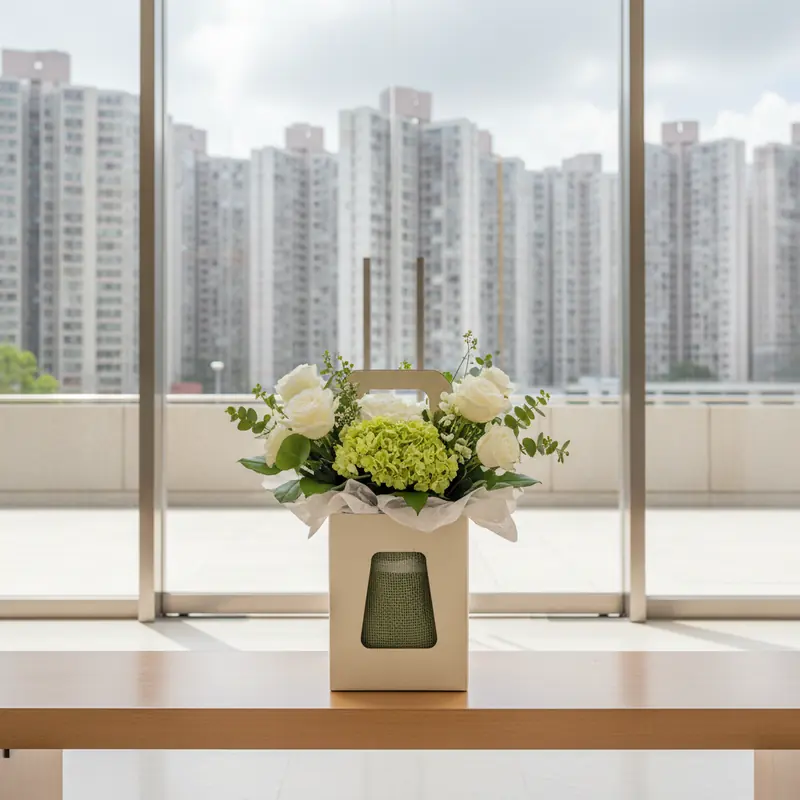
Name the person responsible at each handover
A carrying plan needs people as well as measurements. Establish who receives the bouquet, who moves it from the entrance to the intended position and who handles it afterwards. If you hope the venue can receive it before you arrive, ask the venue first and confirm the proposed arrangement with the florist. Venue assistance, storage and onward movement should not be assumed from a delivery enquiry.
Think through the moments when your hands will be occupied: opening a door, taking an item from a pocket or passing the bouquet to another person. You do not need to choreograph the proposal here, but you do need an agreed place or person for the flowers during those transitions. If the bouquet is intended to be handed to your partner, their likely carrying task belongs in the plan too, including the journey away from the venue.
Confirm how and where the bouquet can rest
Ask the florist how the finished arrangement should rest when nobody is holding it. Do not infer that a wrapped base can stand upright or that the bouquet can lie on a restaurant table. If a support, container or carrier is required, establish whether it is included or must be arranged separately, then obtain its dimensions and any relevant handling instructions.
Give the venue the outside footprint of the proposed resting arrangement, not just the flower width. Check that the agreed surface is available, that the flowers will not obstruct an entrance or passage and that staff know where they are meant to go. A surface that works briefly before the proposal may not remain available during a meal. Decide the next resting place and the eventual departure arrangement before relying on that first spot.
Change the wrapping before abandoning the whole design
If the wrapped width is the main obstacle, ask whether the outward spread of the paper can be reduced while retaining the intended floral shape. This is a question about what is feasible for the selected design, not a request to squeeze an already completed bouquet. A revised wrap may change the presentation and still leave the floral width, grip or weight unchanged, so obtain the updated measurements before deciding it solves the problem.
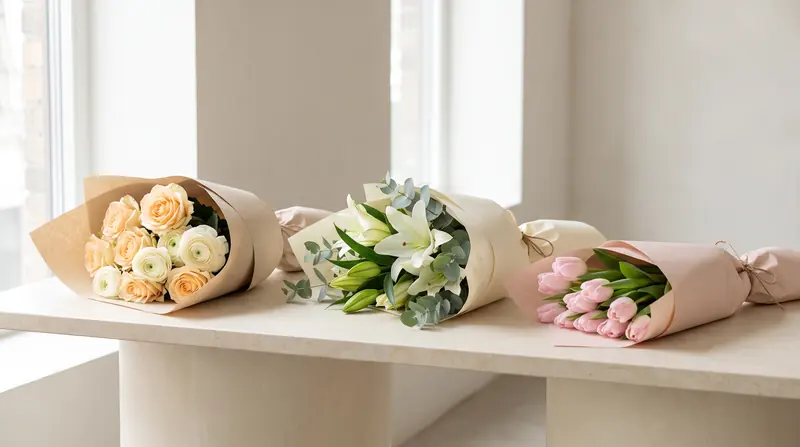
If that adjustment is insufficient, compare flower bouquets for a more compact candidate and request the same set of measurements. The category includes different designs; it is not a promise that every option is small or lightweight. Compare what actually limits your plan: a narrower silhouette may help at an entrance, while a shorter total height or different grip may matter more during carrying.
Consider a box only when receiving and placement are agreed
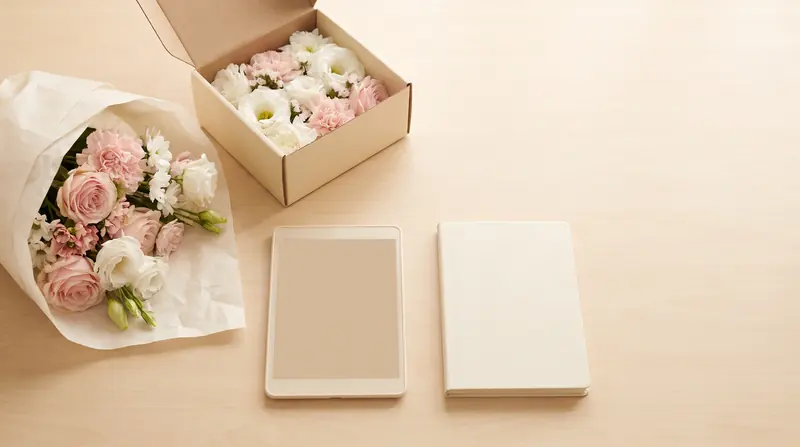
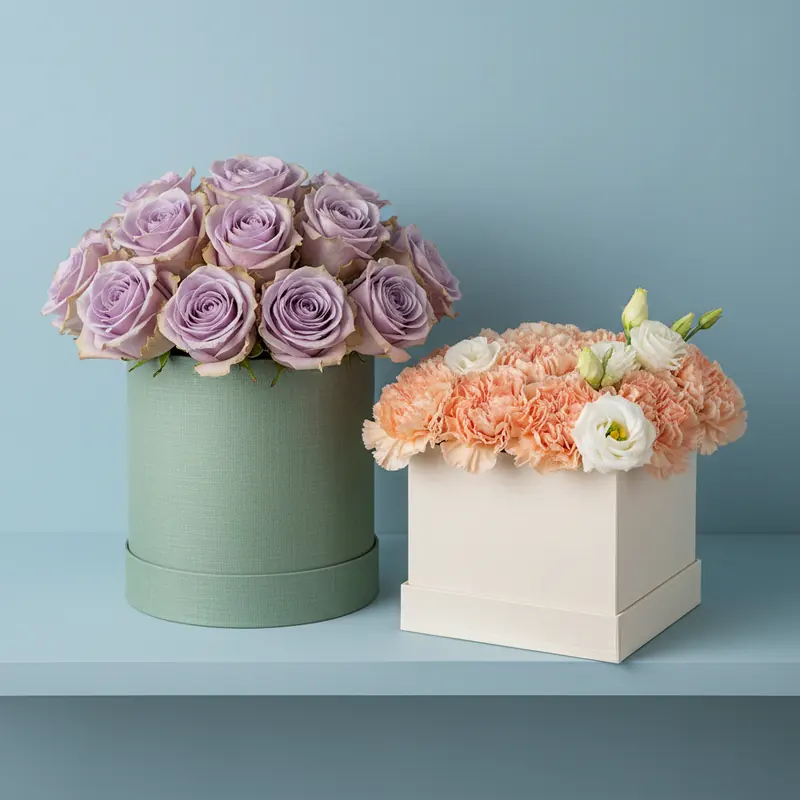
If the venue can receive the flowers and has an agreed surface for them, flower boxes offer another format to discuss rather than assuming the entire arrangement must be hand-held throughout. Confirm who will receive and place the chosen box. If it still needs to travel in your arms from the entrance, that carrying stage remains part of the comparison.
Request both the container’s base footprint and the maximum outside dimensions including the flowers. Also ask for the total weight with its water-retaining contents and any transport packaging, together with the intended lifting and resting method. A box is not automatically lighter, more stable or easier to move than a bouquet. Choose it only if its confirmed dimensions and handling requirements suit the receiving arrangement better than the alternative.
Turn your large proposal bouquet measurements into a decision
Bring the answers together in one record headed with your chosen design reference. Label each entry ‘confirmed’, ‘estimated’ or ‘not yet known’, and state whether it describes the bouquet alone or the complete transport package. An unanswered grip measurement or packed weight is a specific follow-up question, not a reason to assume the arrangement will be manageable. Send the missing items back together so the next reply can resolve the actual decision.
You can then choose among keeping the design with an agreed carrying plan, requesting less outward wrapping, selecting a more compact bouquet or arranging venue receipt and placement of a suitable format. Before confirming, ask Y. Florist to verify the selected flowers, finished details, price and any handover arrangements for your requested date. The aim is not to find a universal size for a grand gesture; it is to know what you will receive and how it will move through your particular day.
Details to confirm before ordering
- Identify the selected design and requested changes; distinguish confirmed dimensions from estimates.
- Record floral width, maximum wrapped width, front-to-back depth and total height in centimetres, with measurement endpoints stated.
- Confirm usable grip length, grip diameter or circumference, and the florist’s intended holding and support positions.
- Request weight including wrapping and water-retaining components; record separate carrier dimensions and weight where applicable.
- Compare the complete outside dimensions with the actual vehicle entrance, lift opening, turns and destination route.
- Agree who receives, carries and places the flowers, including the handover to your partner and the departure journey.
- Confirm the resting method and required surface or support; for a box, add its base footprint and total filled weight.
- Ask Y. Florist to confirm current flower availability, final design details, price and proposed handover arrangements for the requested date.
Questions about this decision
Can I estimate the diameter of a 99-rose bouquet from the count?
Not reliably. Ask for the finished floral width and maximum wrapped width of the selected design. Flower-head size, stem length, arrangement shape and wrapping can change the outside dimensions without changing the count.
What should I ask if the florist gives only width and height?
Ask whether wrapping is included, request front-to-back depth and identify the endpoints used for total height. Then ask separately for usable grip length, grip thickness and the weight including water-retaining packaging.
Does a long stem specification tell me the handle length?
No. Request the continuous usable grip length at the intended hand position. Part of the stems may be within the arrangement, covered by bulky wrapping or occupied by water-retaining packaging.
What if the finished bouquet cannot be measured before I order?
Request a labelled estimate, ask what could alter it and agree when outstanding details can be confirmed. Keep uncertain dimensions and weight marked as unconfirmed rather than treating a reference image as a measurement.
Will a flower box solve a difficult carrying route?
Only a comparison of the actual options can answer that. Check the box’s base footprint, outside floral dimensions, packed weight and lifting requirements. Venue receipt and a suitable resting surface also need agreement; the format alone does not remove the carrying task.
Sources and further reading
Reference only. Illustrations are AI-generated design references, not photographs of actual customer orders. Confirm current contents, prices and arrangements with our team.
For this guide:Large Proposal Bouquets: What to Measure Before You Carry One
Arrange your flower order
Considering proposal bouquet? Send the date, district and the points discussed in this guide to Y. Florist to confirm suitable options and a quotation.
Order Your FlowersWhatsAppThis opens a prepared WhatsApp enquiry. Availability, details and price must be confirmed before booking.
Explore related services and designs
Compare relevant options, view design references and find the information you need before making an enquiry.
proposal bouquet
Compare proposal bouquet colours, wrapping and overall fullness, considering how a romantic floral style could fit the setting and the way you plan to present it.
flower bouquets
Compare seasonal and classic bouquet styles by flower mix, colour palette and wrapping, with different shapes to consider for birthdays or everyday gestures.

graduation bouquets
Compare graduation bouquet colours, shapes and wrapping styles, considering an easy-to-hold floral presentation that suits the recipient's preferences and the celebratory setting of the day.
anniversary flowers
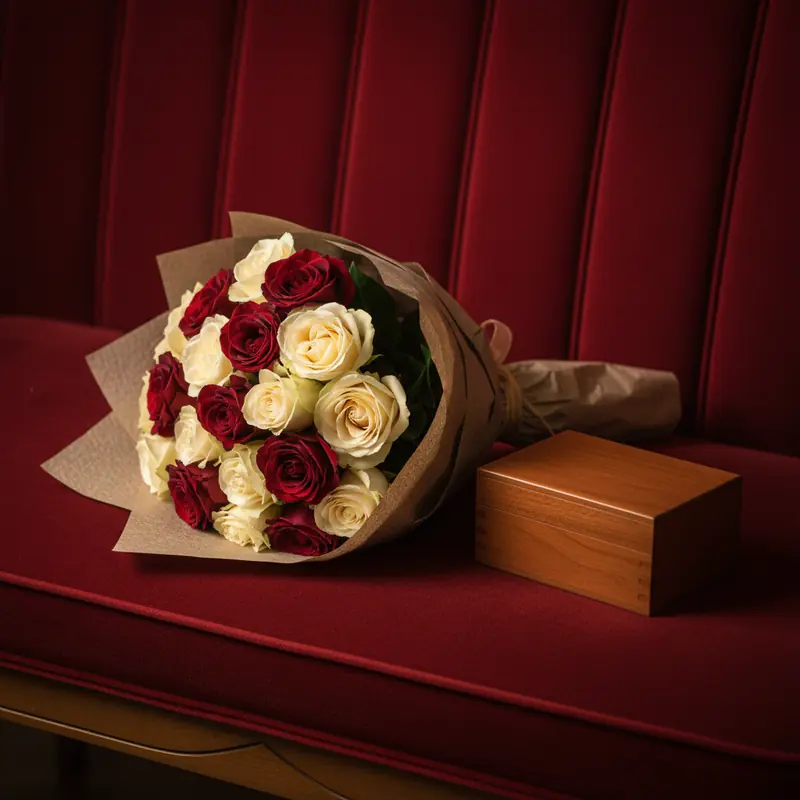
Compare anniversary bouquets by rose colours, supporting flowers and wrapping, considering a restrained arrangement or a fuller romantic shape for marking a shared occasion together.
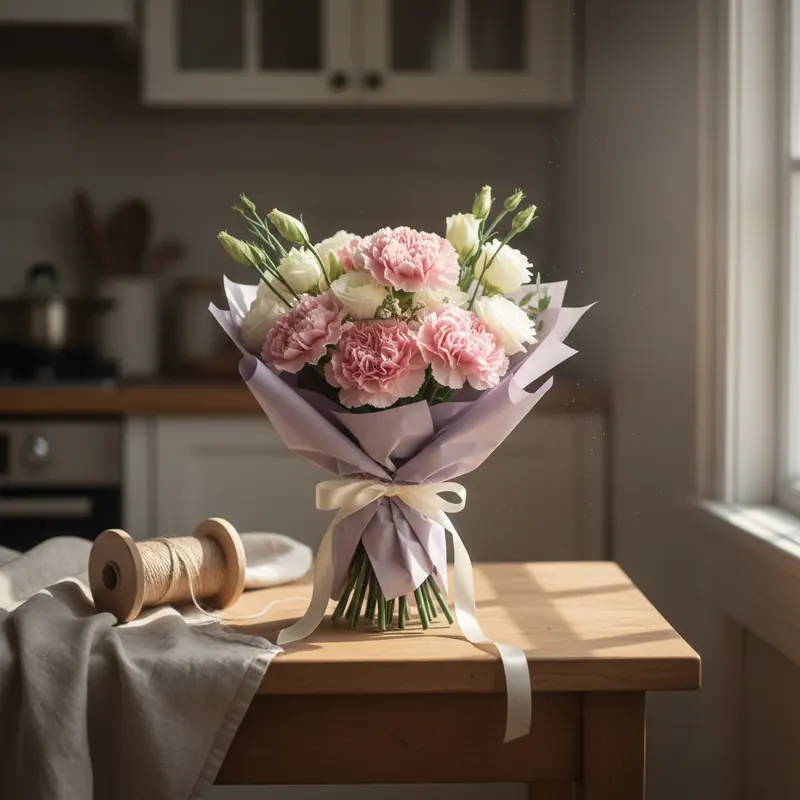
Mother's Day bouquet
Compare Mother's Day bouquet palettes, flower combinations and wrapping styles, considering gentle or brighter floral expressions of appreciation that reflect your mother's preferences for flowers.
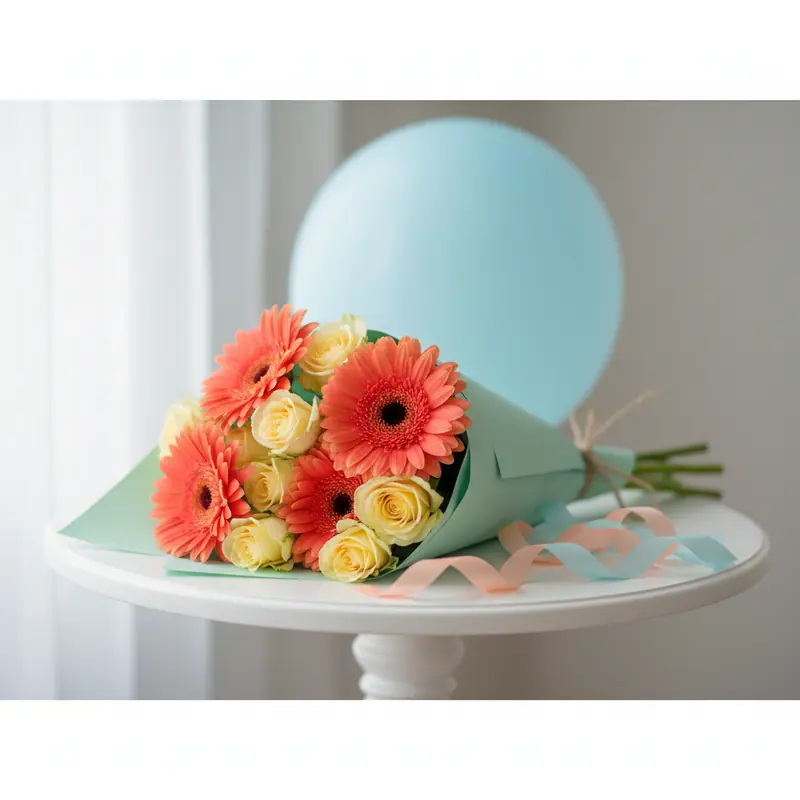
birthday flowers
Compare birthday bouquet styles by flower mix, colour and wrapping, considering the recipient's preferences and the overall mood you want the floral gift to convey.
Original AI-generated navigation references; designs and order details are subject to confirmation.
Useful options for your plans
Explore a proposal bouquet to compare romantic colours, wrapping and bouquet fullness for your planned setting.
Explore flower bouquets to compare seasonal flower mixes, wrapping styles and shapes for your next gift.
Explore anniversary flowers to compare romantic colour palettes, supporting flowers and bouquet shapes.
Compare graduation bouquets by colour, wrapping and handheld shape for a celebratory gift.