Flower Guides
A Guide to Flower Hydration Tips in Hong Kong
In Hong Kong’s spring-to-summer swings, bouquets often travel from chilled trucks and malls into warm, humid flats, and the sudden change drains moisture fast. This guide explains how to keep cut flowers drinking well from day one. You’ll learn the right water temperature for different stems, the art of recutting underwater, ways to prevent hydration shock, and when the boiling-water rescue makes sense. These flower hydration tips are tailored for our climate and homes, helping your arrangements stay fresher, fuller and more confident.
Direct answer
A Guide to Flower Hydration Tips in Hong Kong
The best flower hydration tips are to recut stems at a 45-degree angle under water, place most varieties in clean, lukewarm water (20–30°C), and keep spring bulbs like Tulips in cold water (4–15°C). Avoid AC drafts and dirty vases. For collapsed woody stems, briefly sear the ends in boiling water, then cool.
Choosing the Right Flower Hydration Tips for Your Needs
Choosing the right approach starts with temperature, stem type, and your room conditions. As a rule, lukewarm water around 20–30°C speeds hydration for Roses, Chrysanthemums and most mixed bouquets, helping them recover after transport. Cold water, closer to 4–15°C, suits Tulips and Daffodils, keeping stems crisp and slowing their opening. In Hong Kong flats where AC and humidity swing, decide where the vase will live: if airflow is dry, use slightly deeper, lukewarm water; if the room stays warm and still, refresh more often. Pair these flower hydration tips with a fresh 45-degree recut done underwater to prevent air locks, and start with a disinfected vase. Finally, loosen tight ties so inner stems can drink freely, then place the vase away from vents and strong sun.
Compare flower meaning when reviewing related requirements.
A Guide to Flower Hydration Tips in Hong Kong comparison
| Consideration | Suitable direction | Confirm before proceeding |
|---|---|---|
| Flowers and colour | Match the recipient, occasion and setting | Seasonal supply and substitutions |
| Finished form | Bouquet, vase, basket, plant or event design | Display space and handling |
| Delivery | Share the venue and preferred timing | Address, phone and access notes |
| Budget | Compare flower grade, size and work | Delivery and additional requirements |
Practical Considerations for Flower Hydration Tips
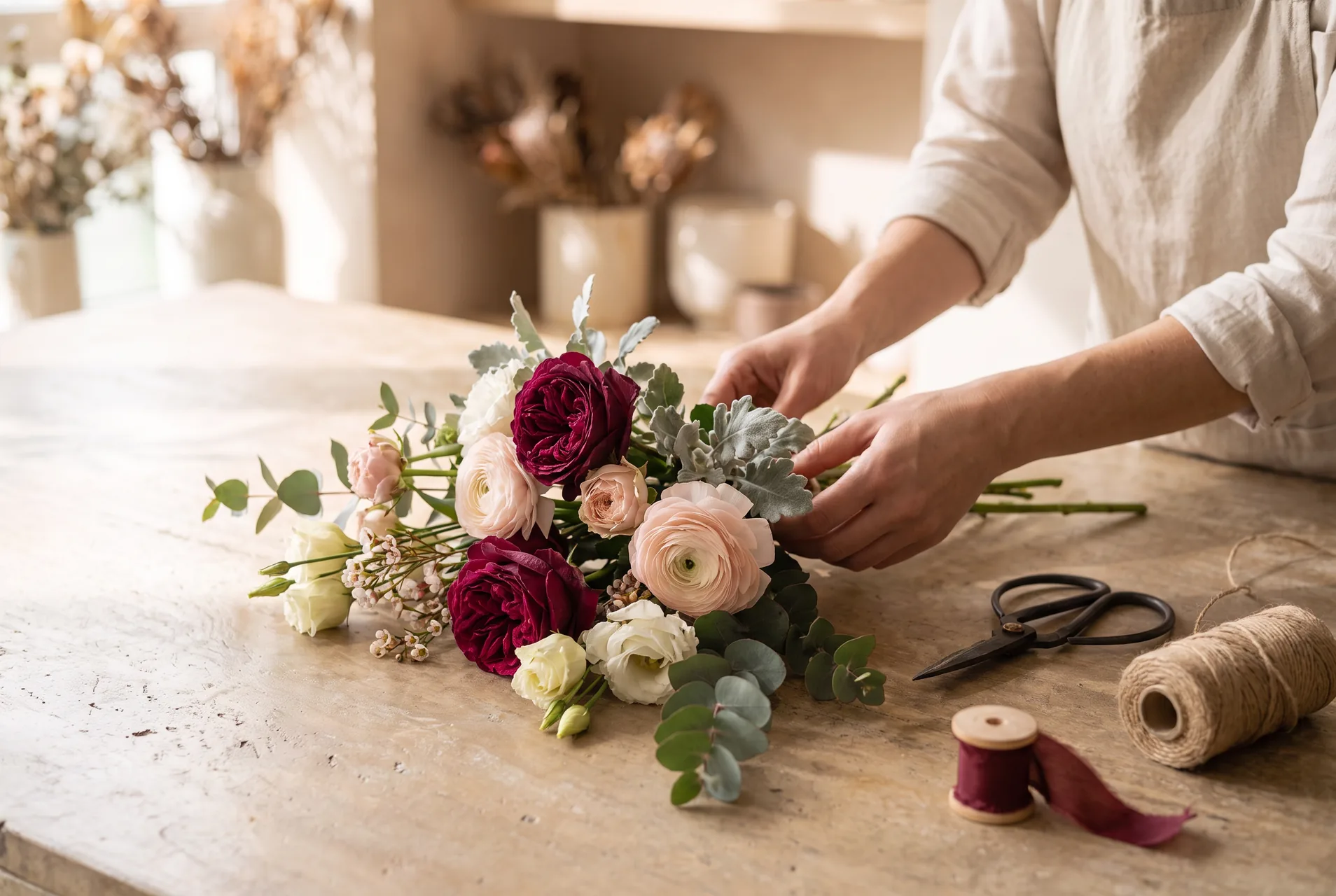
Practical care begins with tools: use sharp, clean floral snips or a knife so capillaries aren’t crushed. Cut 1–2 cm off each stem underwater at a 45-degree angle, then stand them in the prepared vase immediately. Maintain leaf-free water by stripping foliage that would sit below the waterline. In AC-heavy rooms, avoid positioning the vase in the direct path of a vent; the constant draft accelerates transpiration and wilting. Keep spring bulbs in cooler spots and tropicals in bright, indirect areas away from heat. Check water clarity daily and top up with the same temperature you started with to avoid shocks. If a bouquet arrived tightly bound, loosen—don’t remove—supports that hold the shape, ensuring inner stems can still drink.
See also flower food instructions for a related style or use.
About Y. Florist
Flower hydration refers to the techniques that keep cut stems absorbing water efficiently, from temperature choices to recutting and vase hygiene. At Y. Florist, we share practical, climate-aware care guidance for Hong Kong homes, helping you enjoy longer-lasting arrangements without overpromising results. Ask us for bouquet-specific notes when you need them.
Keep the recipient, occasion, venue, contact details, preferred colours and any restrictions together. Ask the Y. Florist team to review availability, substitutions, timing and other requirements before relying on any arrangement.
05 · Decision point
Understanding Hydration Shock
When cut flowers leave a cool, air-conditioned vehicle or shopping mall and enter a warm Hong Kong flat, their internal water balance flips fast. Petals and leaves transpire more under heat, while stems may still be constricted from transport, so uptake lags behind loss. That mismatch creates limp petals and bent necks within minutes. Another culprit is air entering the xylem if stems sit dry during unboxing; tiny bubbles block the channels that should move water upwards. This is why hydration shock feels so sudden: it is a combination of heat stress and interrupted flow, not an unavoidable flaw in the flowers themselves. Quick, temperature-smart rehydration can often reverse the slide.
On arrival, act methodically. Clear a work area near the sink, fill a basin and the vase with the correct temperature water, and wash your hands and tools. Loosen compressive bands so inner stems can move, but keep any gentle structure that supports the bouquet’s shape. If you’re unsure whether the outer wrapping should be removed before hydrating a particular design, ask us when you enquire and follow that guidance. Recut the ends under water and transfer stems promptly. Place the vase away from direct sun and out of AC drafts so the flowers can drink in peace. This rapid, organised sequence sharply reduces early-day slump.
06 · Decision point
Cold vs. Lukewarm Water: Making the Right Call
Lukewarm water—roughly 20–30°C—moves through stems more readily, helping most cut flowers recover their turgor after travel. The slightly warmer temperature reduces dissolved gas levels, discouraging air bubbles that can lodge inside capillaries. Roses, Carnations, Gerberas and many mixed-market bunches respond quickly to this choice, especially after a fresh 45-degree recut. In practical home terms, lukewarm means water that feels neither cool nor hot on your wrist. Prepare the vase first, then recut stems under water and transfer immediately so the capillaries stay full. If your room is very cool from strong AC, this modest warmth also prevents a sudden chill that can stall hydration.
Cold water—about 4–15°C—slows metabolism and is ideal for spring bulbs such as Tulips and Daffodils. It keeps their stems firm and delays the rush to open, extending the phase when they look crisp and upright. An easy home tactic is to use chilled, not icy, water from the fridge for Dutch Tulips, checking that the vase glass won’t crack from thermal shock. Avoid plunging tropicals like Orchids and Anthuriums into very cold water; they prefer tepid conditions and can develop spots or stress. Wherever you start—cold or lukewarm—top up with the same temperature to avoid cumulative shocks that undo your good work.
07 · Decision point
The Golden Rule: Always Recut Stems
Every bouquet benefits from a decisive fresh cut. Using clean, sharp floral snips, remove 1–2 cm at a 45-degree angle to increase surface area and prevent the end from sitting flush against the vase. For best results, cut the stems while submerged in a basin so no air is drawn up during the slice. This underwater recut is especially helpful after transport or if the flowers were briefly out of water. Dull scissors crush capillaries, so even a generous cut may not hydrate properly; if that’s all you have, slice decisively and check the ends for bruising. Rinse blades before you begin, and wipe them between different stem types to limit bacterial transfer.
After the first conditioning cut, keep trimming maintenance small and regular. Each time you change the water, remove another centimetre to expose fresh capillaries. Strip any leaves that would sit below the waterline, as they rot quickly and feed bacteria that clog stems. For woody stems such as Hydrangeas and some foliage, split the end vertically by a few millimetres to open more drinking channels, or gently hammer the last centimetre to soften tough tissue. Avoid crushing delicate, hollow stems; a clean angled slice is sufficient. Transfer recut stems immediately into the prepared vase so capillaries stay primed. Work quickly and keep tools clean.
08 · Decision point
Reviving Wilted Blooms: The Boiling Water Method
Some wilted, floppy blooms respond to a counter-intuitive rescue: briefly searing the stem base in boiling water to clear trapped air. Hydrangeas, woody foliage and even herbs like Basil can perk up after this treatment. Set up safely first. Boil water in a kettle, pour about an inch into a heatproof mug, and keep another vase of cool, clean water nearby. Recut the stem, hold the very bottom in the boiling water for around 10 seconds, then immediately transfer to the cool vase. The intense heat drives out air and reopens the drinking channels. Protect petals from steam, and never submerge the buds or leaves.
This technique is not universal. Do not use it on delicate spring bulbs, tender tropicals, or hollow stems that can cook or collapse. If you try it, handle one stem at a time and monitor colour and firmness for a few minutes after transfer. For very stubborn Hydrangeas, you can combine methods: sear, then place the head over cool, clean water to allow petals to rehydrate by absorption while the stem drinks. Results vary with age and handling history, so treat the boiling-water step as a last resort rather than a guarantee. Safety first: protect hands and surfaces. Keep children and pets at a distance.
09 · Decision point
Maintaining Hydration in Air-Conditioned Rooms
Hong Kong homes rely on strong AC, which can dehydrate petals even while the vase looks full. Keep arrangements out of the vent’s direct path and avoid parking them under split units. The constant stream strips moisture and accelerates wilting. East- and west-facing windows can also create short, intense bursts of heat; place the vase slightly back from the sill, using bright, indirect light instead. Hydrangeas and other moisture-lovers appreciate gentle mist on the blooms, but apply sparingly and at a distance to avoid water spots. Skip misting delicate flowers like Sweet Peas, which are prone to fungal issues. In very humid weather, ventilation still matters; stagnant corners feel damp yet dry out petals faster than you’d expect.
Location and temperature go hand in hand with water level. In a drier, cooler room, use slightly deeper water for thirstier stems so they can keep pace with transpiration. In warmer spaces, change water more frequently to keep bacteria down, and match refill temperature to what you started with to prevent shock. If the bouquet sits near a cooking area or bathroom, be mindful of heat spikes and steam. Consider moving the arrangement to a cooler spot overnight; that brief rest slows respiration and helps flowers arrive fresh to the next morning. Always keep the vase on a stable, non-heated surface.
10 · Decision point
Daily Vase Maintenance
Clean water is the simplest performance enhancer for cut flowers. Change the vase completely every two days, or sooner if the water clouds. Wash with mild soap, rinse thoroughly, and wipe the rim where bacteria often linger. Each change is a chance to refresh the stems: trim off about one centimetre at a 45-degree angle and remove any foliage creeping toward the waterline. If the arrangement includes a mix, check that bulb flowers stay in colder water while others remain tepid; separate them temporarily during maintenance if temperatures differ. Consistency prevents micro-shocks that gradually weaken hydration. Always start with a disinfected vessel.
Air quality and cleanliness also influence vase life. Avoid placing arrangements near fruit bowls; ripening fruit emits ethylene gas that encourages petals to age faster. Keep countertops free of sugar and residue from baking or drinks, which can splash into the vase and fuel bacterial growth. If stems start to smell sour or feel slimy, act immediately: rinse the lower portion under running water, recut underwater, and replace all vase water. For Roses specifically, a thorough lukewarm refill after an underwater recut often revives a soft “bent neck.” The sooner you intervene, the better the outcome without needing drastic measures.
11 · Decision point
Spring Bulbs vs Tropicals: Temperature-Smart Hydration
Spring bulbs have distinct needs. Tulips prefer cold water and shallow depth—about 5–8 cm—to stay straight; deeper levels may encourage arching. Keep them away from heat sources and top up with equally cold water to maintain tone. Daffodils also like colder conditions, and their sap can be sticky; rinse stems before mixing with other flowers to keep the vase clear. Replace cold water regularly to slow opening and prevent cloudiness. When importing Dutch Tulips, chill the water lightly in the fridge rather than adding ice, which can create extremes and stress the tissue. Handle gently after conditioning to keep stems unbruised.
Tropicals behave differently. Orchids, Anthuriums and Heliconias appreciate tepid water and warm, bright shade; icy water can spot petals and interrupt hydration. Keep them away from direct blasts of AC and midday sun, and avoid overfilling the vase, which can waterlog softer tissues. Lukewarm water around 20–30°C is a steady baseline, topped up with the same temperature to maintain consistency. If stems arrive slightly tired from temperature swings, a clean underwater recut plus tepid water usually restores poise within a couple of hours. These varieties often last well when handled gently, though they still benefit from regular water changes. Avoid drafts at night.
12 · Decision point
Distinguishing Natural Aging from Preventable Wilting
Not every droop is a death sentence, and not every flower can be revived. Premature wilting shows as sudden limpness after a temperature change or time out of water, often with firm petals that regain shape after a good recut and correct water temperature. Natural aging appears gradually: petals thin and turn translucent, edges brown, and fragrance may fade. Compare stems within the same bunch; if one responds quickly to conditioning while another remains dull, you are likely seeing different stages of life. Taking notes on room temperature and water changes helps you separate care issues from normal senescence. Trust patterns, not a single snapshot.
Run a simple test when in doubt. Recut 1–2 cm underwater, place the stem into a vase with the correct-temperature water, and give it 60–120 minutes. If turgor returns, you have addressed a hydration blockage or heat stress. If the stem turns mushy, smells sour, or the flower head repeatedly flops after proper care, it is likely reaching the natural end of its vase life. At that point, refresh the overall arrangement by editing out aged stems so the remaining flowers have room and clean water to themselves, maintaining a polished look. This tidy-up also reduces bacteria and keeps colours reading crisp.
Related florist pages
flower meaning flower food instructions flower symbolism flower care guide flower watering tips flower bouquet
A Guide to Flower Hydration Tips in Hong Kong FAQs
How can I tell if a flower is naturally fading or just thirsty?
Check turgor and response time. Recut 1–2 cm underwater at a 45-degree angle, place the stem in fresh lukewarm water, and wait 60–120 minutes. If petals perk up and leaves firm, dehydration was the issue. If petals remain translucent or browned at the edges, or the head droops again despite a clean recut, it’s likely natural aging rather than fixable wilting.
Why do some stems turn mushy in the vase, and how can I prevent it?
Slimy, collapsing stems are usually caused by bacterial growth fed by warm, stagnant water and leaf debris. Wash the vase with soap, rinse well, and change water every two days—or sooner if cloudy. Keep foliage above the waterline, avoid sugary DIY additives, and trim 1 cm off the ends each change. Use cooler water for bulbs and lukewarm for most others, matching temperature consistently to prevent stress.
What water level should I maintain for different stem types?
Woody and thirstier stems such as Roses and Hydrangeas benefit from deeper water covering at least two-thirds of the stem portion inside the vase. Spring bulbs like Tulips prefer a shallower level—about 5–8 cm—to keep stems firm. Hollow or delicate stems should avoid being fully submerged. Always remove any leaves that would sit underwater to keep the pathway clear.
Ask for Temperature-Smart Care Notes
Not sure whether your mix prefers cold or lukewarm water, or whether to loosen the wrapping first? Send us the flower list (or a clear photo), your room temperature, AC habits, and where the vase will sit—window direction and sunlight hours help. We’ll reply with care-by-stem guidance and hydration precautions for your exact situation, so you can act quickly and confidently at home.
Send Care Question Contact Y. Florist