Flower Guides
Understanding Flower Symbolism
Welcome to our comprehensive guide on flower symbolism, a tradition that infuses floral gifts with deep emotional and cultural resonance. Whether you are selecting a bouquet for a joyous celebration or a subtle arrangement to convey sympathy, understanding the hidden language of flowers transforms a simple gift into a profound statement. This guide explores the intricate meanings behind popular blooms in Hong Kong, blending traditional Eastern symbolism with contemporary Western floral design to help you choose the perfect message.
Direct answer
Understanding Flower Symbolism
Flower symbolism goes beyond the literal beauty of a bloom to convey specific emotions, cultural values, and historical meanings. In Hong Kong, this often involves navigating both Eastern traditions, where peonies represent prosperity and orchids symbolize scholarly refinement, and Western customs, where red roses denote passionate love and white lilies signify purity or mourning. Understanding these dual layers ensures your floral gift carries the exact sentiment you intend, making it a thoughtful and deeply personal gesture. Always ask Y. Florist whether specific highly symbolic blooms are currently available and under what conditions, as seasonal availability can affect your choices.
Key Considerations for Flower Symbolism
Navigating the complexities of flower symbolism requires careful consideration of both the occasion and the recipient's cultural background. A bloom that signifies joy in one context might convey mourning in another, making it essential to choose with intention. By familiarizing yourself with the distinct meanings associated with different flowers and colours, you can craft arrangements that resonate on a deeper emotional level.
Compare flower watering tips when reviewing related requirements.
Understanding Flower Symbolism comparison
| Consideration | Suitable direction | Confirm before proceeding |
|---|---|---|
| Flowers and colour | Match the recipient, occasion and setting | Seasonal supply and substitutions |
| Finished form | Bouquet, vase, basket, plant or event design | Display space and handling |
| Delivery | Share the venue and preferred timing | Address, phone and access notes |
| Budget | Compare flower grade, size and work | Delivery and additional requirements |
Specific Applications of Flower Symbolism
Applying flower symbolism effectively means moving beyond generic choices to select blooms that reflect specific relationships and milestones. From celebrating professional achievements with symbols of prosperity to offering comfort with flowers that represent peace and renewal, the right floral selection speaks volumes. We encourage you to explore how combining different symbolic elements can create a rich, layered message tailored to your unique needs.
See also flower meaning for a related style or use.
About Y. Florist
When selecting symbolic flowers, consider the recipient's appreciation for traditional Eastern meanings versus modern Western trends, and whether the overall tone should be celebratory, comforting, or formal. The availability of specific flowers can vary depending on the season and current stock.
Keep the recipient, occasion, venue, contact details, preferred colours and any restrictions together. Ask the Y. Florist team to review availability, substitutions, timing and other requirements before relying on any arrangement.
05 · Decision point
The Power of Floral Symbolism
The practice of using flowers to convey messages dates back centuries, evolving from ancient myths and folklore into a nuanced language of its own. This language, often referred to as floriography, allows individuals to express complex emotions that might be difficult to put into words. The power of floral symbolism lies in its ability to add depth and intention to a gift, transforming a simple collection of petals into a profound statement of love, respect, or sympathy. Understanding the difference between a flower's literal translation and its broader cultural association is crucial. While the literal meaning might simply describe the flower's physical characteristics, its symbolism is shaped by historical events, literature, and societal values.
In the context of Hong Kong, where diverse cultural influences intersect, floral symbolism takes on a unique and layered complexity. A single arrangement can draw upon both Eastern traditions and Western customs, creating a rich tapestry of meaning. For example, a bouquet might combine the Western symbol of passionate love with the Eastern symbol of enduring prosperity. By carefully selecting blooms that resonate with the recipient's cultural background and personal experiences, you ensure that your gift is not only visually stunning but also emotionally impactful. This thoughtful approach elevates the act of giving flowers from a routine gesture to a deeply personal connection.
06 · Decision point
Eastern Symbols of Prosperity and Honor
In Eastern cultures, particularly within Chinese tradition, certain flowers hold immense cultural weight, often symbolizing prosperity, honor, and moral integrity. The peony, frequently referred to as the 'king of flowers,' is perhaps the most prominent example. It is deeply associated with wealth, high social status, and bashfulness, making it a highly sought-after bloom for celebratory occasions such as weddings and business grand openings. A lush arrangement of peonies is a powerful way to convey wishes for continued success and good fortune. Similarly, the orchid holds a revered place in Eastern symbolism, representing scholarly refinement, moral excellence, and delicate beauty.
Another profoundly significant flower in Eastern philosophy is the lotus. Rising from muddy waters to bloom in pristine beauty, the lotus is a universal symbol of purity, spiritual enlightenment, and resilience. It represents the ability to overcome adversity and emerge untainted by the challenges of life. Understanding these Eastern symbols is essential for crafting arrangements that resonate deeply with recipients in Hong Kong. By incorporating peonies, orchids, or lotus elements into your floral designs, you acknowledge and honor the rich cultural heritage that shapes the local understanding of beauty and meaning.
07 · Decision point
Western Symbols of Love and Devotion
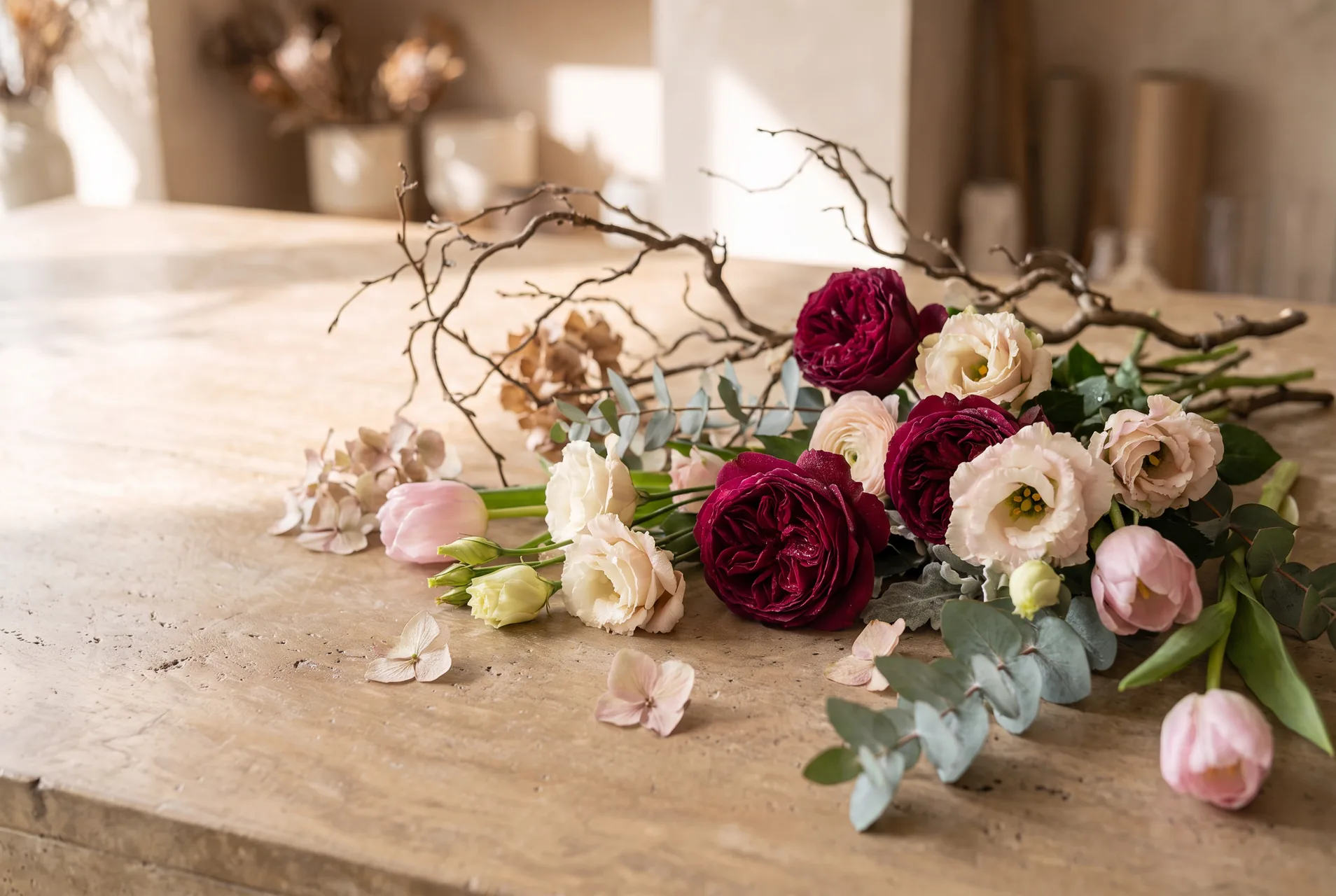
Western floral symbolism has heavily influenced modern floristry in Hong Kong, particularly in the expression of romantic love and deep devotion. The red rose stands as the ultimate, universally recognized symbol of passionate love and desire. Its deep, velvety petals have been immortalized in poetry and art as the quintessential declaration of romance. However, Western symbolism extends far beyond the red rose. The tulip, for instance, represents perfect, deep love and elegance. Its simple, graceful form conveys a sense of refined affection that is both timeless and sophisticated. Different colours of tulips also carry specific meanings, with red signifying true love and purple representing royalty and admiration.
Another poignant Western symbol is the forget-me-not, a delicate blue flower that represents true love memories and an enduring connection. It is often used to convey a message of lasting loyalty and the promise that the recipient will never be forgotten. When selecting flowers to express love and devotion, it is important to consider the nuances of these Western symbols. While a dozen red roses might be the traditional choice for an anniversary, a carefully curated arrangement of tulips and forget-me-nots can offer a more unique and personalized expression of affection. By blending these popular Western symbols with an understanding of the recipient's preferences, you can create a floral gift that speaks directly to their heart.
08 · Decision point
Symbolism in Sympathy and Remembrance
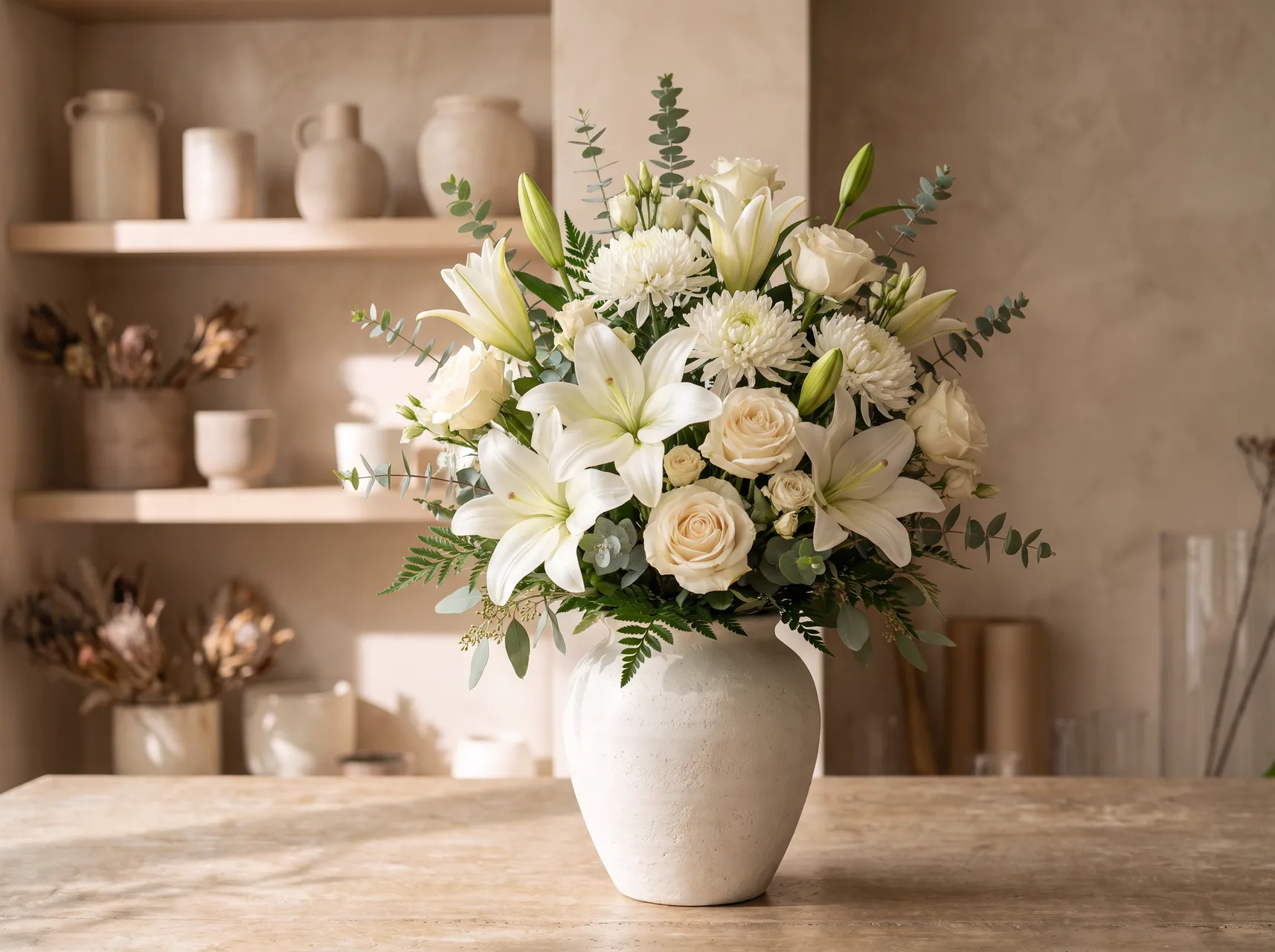
Navigating the floral symbolism of sympathy and remembrance requires the utmost sensitivity and cultural awareness. In times of mourning, flowers serve as a comforting presence and a tangible expression of support. White lilies are perhaps the most widely recognized symbol of sympathy in both Western and modern Eastern contexts. They represent the restored innocence of the departed soul and convey a sense of peace and spiritual renewal. A delicate white lily arrangement is a respectful and elegant way to offer condolences. However, it is crucial to understand that the symbolism of certain flowers can vary drastically depending on the cultural context. For example, while chrysanthemums are often seen as cheerful autumn blooms in some Western cultures, they are strictly associated with death and mourning in many Asian traditions, including Hong Kong.
White chrysanthemums, in particular, are traditionally used in funeral arrangements to convey deep respect and grief. It is a common misconception that Western and Eastern symbolism for a flower are always identical, and overlooking this can lead to unintended offense. When selecting flowers for sympathy, it is often best to choose gentle, comforting blooms like soft pink roses or white orchids, which express quiet support and enduring love without the stark finality associated with some traditional mourning flowers. Always consider the family's cultural background and personal preferences when making your selection, ensuring that your floral tribute provides solace and honors the memory of the departed with grace and appropriate symbolism.
09 · Decision point
The Symbolism of Colour
The inherent symbolism of a flower is profoundly amplified, and sometimes completely altered, by its colour. Understanding colour psychology in floristry is essential for crafting a precise and intended message. White is universally associated with purity, reverence, and innocence. It enhances the spiritual symbolism of lilies and orchids, making them appropriate for both weddings and sympathy arrangements. Yellow, on the other hand, is a complex colour in floral symbolism. While it generally represents radiant joy, optimism, and warm friendship—as seen in sunflowers and yellow roses—it can also symbolize remembrance or even caution in specific historical contexts. It is vital to consider the specific flower and the occasion when choosing yellow blooms to ensure the correct sentiment is conveyed.
Purple is a colour that consistently conveys nobility, mystery, and deep respect. It is often associated with royalty and achievement, making purple orchids or irises an excellent choice for celebrating significant milestones or honoring a respected individual. Pink represents gentleness, grace, and admiration, offering a softer alternative to the intense passion of red. Failing to consider that the colour of a flower can completely change its symbolic meaning is a common mistake that can lead to mixed messages. By carefully selecting the colour palette of your arrangement, you can fine-tune the emotional resonance of your gift, ensuring that the visual impact aligns perfectly with the symbolic intent you wish to express.
10 · Decision point
Crafting a Symbolic Message
Creating a cohesive symbolic statement involves more than just selecting a single meaningful flower; it requires the thoughtful combination of different blooms to craft a layered and personalized message. For example, pairing peonies and orchids creates a powerful statement of prosperity and scholarly refinement, ideal for a business associate or a mentor. Alternatively, combining red roses with alstroemeria can express both passionate romantic love and the strong, supportive bonds of friendship, reflecting a multifaceted relationship. When blending different symbolic elements, it is important to consider how the meanings interact and whether they create a harmonious overall message. The goal is to design an arrangement that is visually stunning while also telling a specific, meaningful story.
However, relying solely on symbolism and ignoring the practical aspects of the flower, such as its scent, lifespan, or the recipient's personal preferences, can detract from the impact of the gift. A highly symbolic flower that the recipient happens to be allergic to will not be well-received. Furthermore, do not state that a flower's symbolism will be universally understood without context. To ensure your intended message is clearly received, it is always advisable to include a thoughtful note explaining the significance of the chosen blooms. This personal touch not only clarifies the symbolism but also demonstrates the care and intention you put into selecting the gift, making it a truly memorable and cherished gesture.
Related florist pages
flower watering tips flower meaning flowers for gratitude flower hydration tips freesia delivery Hong Kong flower bouquet
Understanding Flower Symbolism FAQs
What is the symbolic difference between gifting a red rose and a pink rose?
While both roses are associated with love, their specific symbolism differs significantly. A red rose is the classic symbol of passionate, romantic love and deep devotion, making it ideal for anniversaries and Valentine's Day. In contrast, a pink rose conveys gentler emotions such as admiration, gratitude, and joy. It is a versatile choice suitable for expressing appreciation to a friend, celebrating a mother's love, or marking a joyful milestone without the intense romantic connotations of red.
Which flowers are best suited to symbolize professional success and ambition?
For professional milestones, flowers that symbolize prosperity, honour, and resilience are excellent choices. In Eastern tradition, the peony is highly regarded as the 'king of flowers,' representing wealth and high social status, making it perfect for grand openings. Orchids are also a sophisticated option, symbolizing scholarly refinement and moral integrity. When combined, these blooms create a powerful message of congratulations and wishes for continued success in business endeavours.
How can I choose flowers that symbolize enduring friendship and support?
To convey enduring friendship and unwavering support, consider blooms that represent loyalty and deep connection. Yellow roses, while sometimes associated with caution in specific historical contexts, are widely recognized today as symbols of warm friendship and joy. Alstroemeria, with its twisted leaves, represents the strong bonds of friendship and mutual support. Additionally, forget-me-nots are a classic symbol of true love memories and a lasting connection, making them a thoughtful addition to a bouquet for a dear friend.
Explore the Language of Flowers with Y. Florist
Ready to craft a floral arrangement that speaks volumes? Our team is here to help you navigate the rich world of flower symbolism, ensuring your gift perfectly aligns with your intentions and the recipient's cultural background. Contact us to discuss your ideas and discover how we can translate your sentiments into a beautiful, meaningful reality.
Discuss Your Symbolic Design Contact Y. Florist