Flower Guides
Explore Our Bouquet
A bouquet is a composed arrangement of cut flowers, foliage and supporting materials presented together to create a pleasing visual and aromatic effect. People select bouquets for many reasons: celebration, comfort, decoration or ritual. This guide helps you understand what a bouquet can be — from its basic structure to the choices that shape its character — and offers practical guidance for selection, design and care without assuming any prior experience.
Direct answer
Explore Our Bouquet
A bouquet is a curated cluster of flowers and greens assembled to convey an aesthetic or emotional message. If you need specifics about services related to bouquets from Y. Florist, ask Y. Florist whether the service is currently available and under what conditions.
Choosing Your Bouquet
Choosing your bouquet depends on the message you want to send, the setting where the arrangement will sit and the flowers that suit the season. Consider scale, colour harmony and the vase or wrap that will support and present the stems. Practical choices such as stem length and the recipient’s preferences will shape the final bouquet.
Compare hot and humid flower care when reviewing related requirements.
Explore Our Bouquet comparison
| Consideration | Suitable direction | Confirm before proceeding |
|---|---|---|
| Flowers and colour | Match the recipient, occasion and setting | Seasonal supply and substitutions |
| Finished form | Bouquet, vase, basket, plant or event design | Display space and handling |
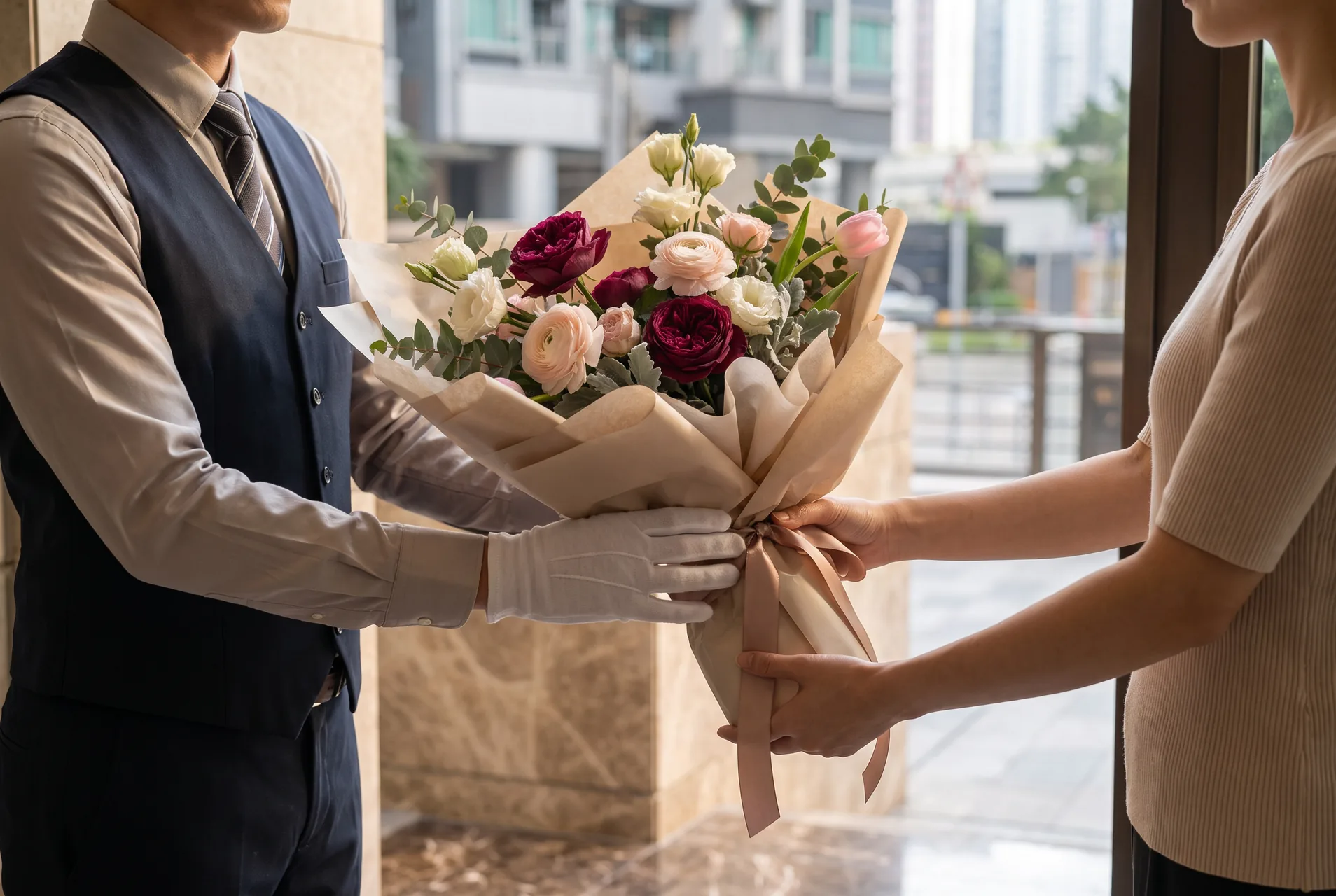
| Delivery | Share the venue and preferred timing | Address, phone and access notes |
| Budget | Compare flower grade, size and work | Delivery and additional requirements |
Key Considerations for Bouquet
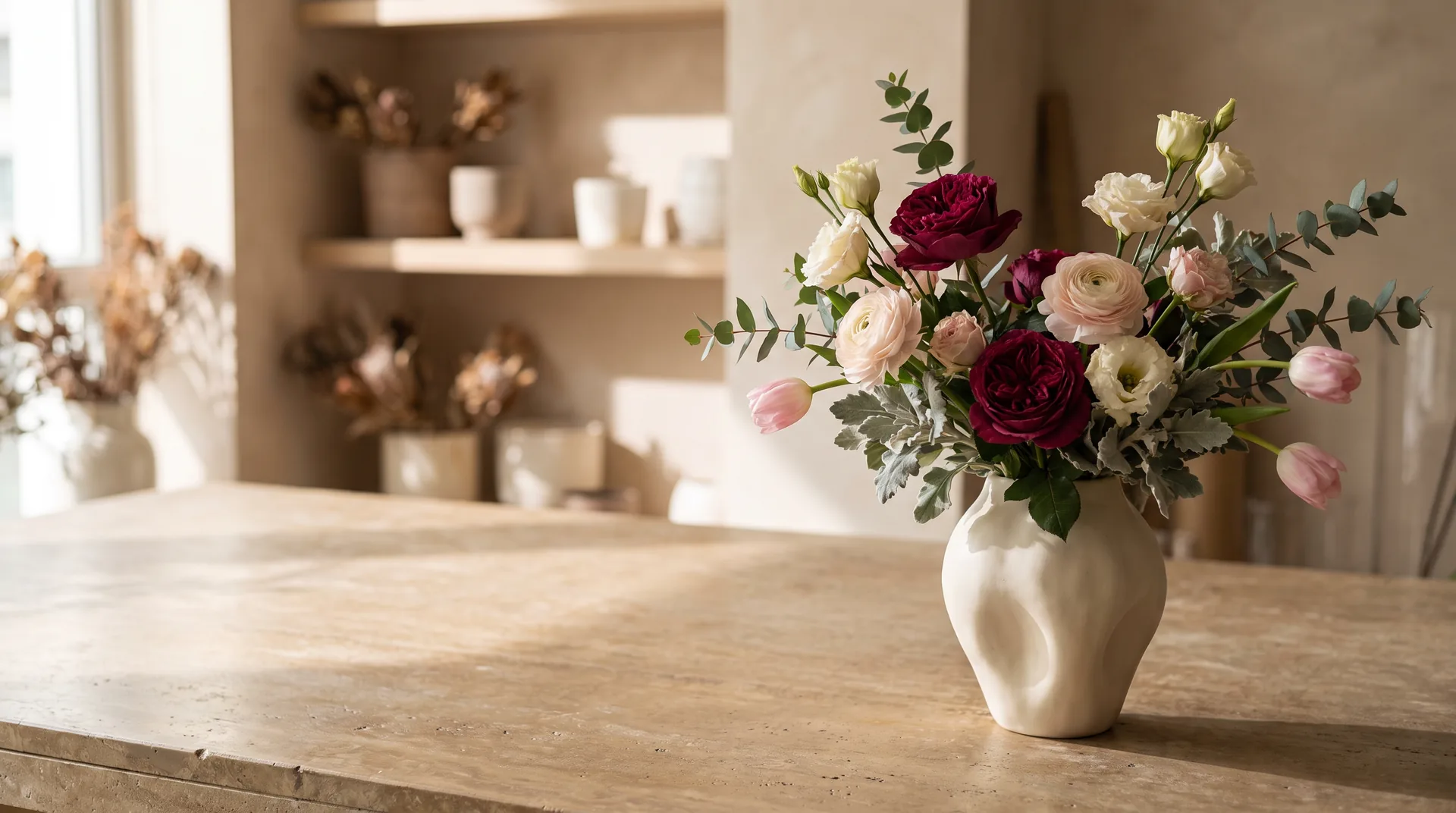
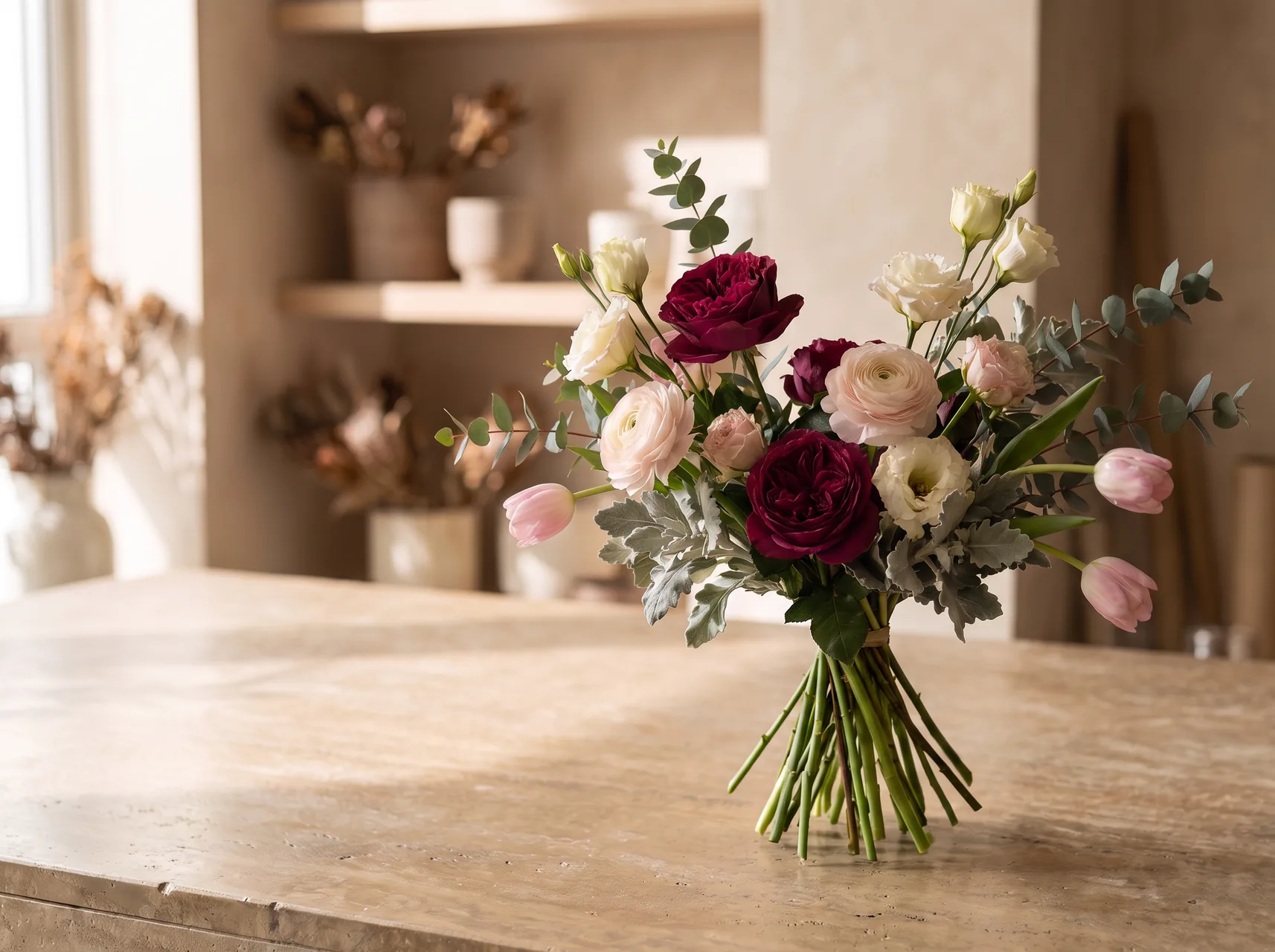
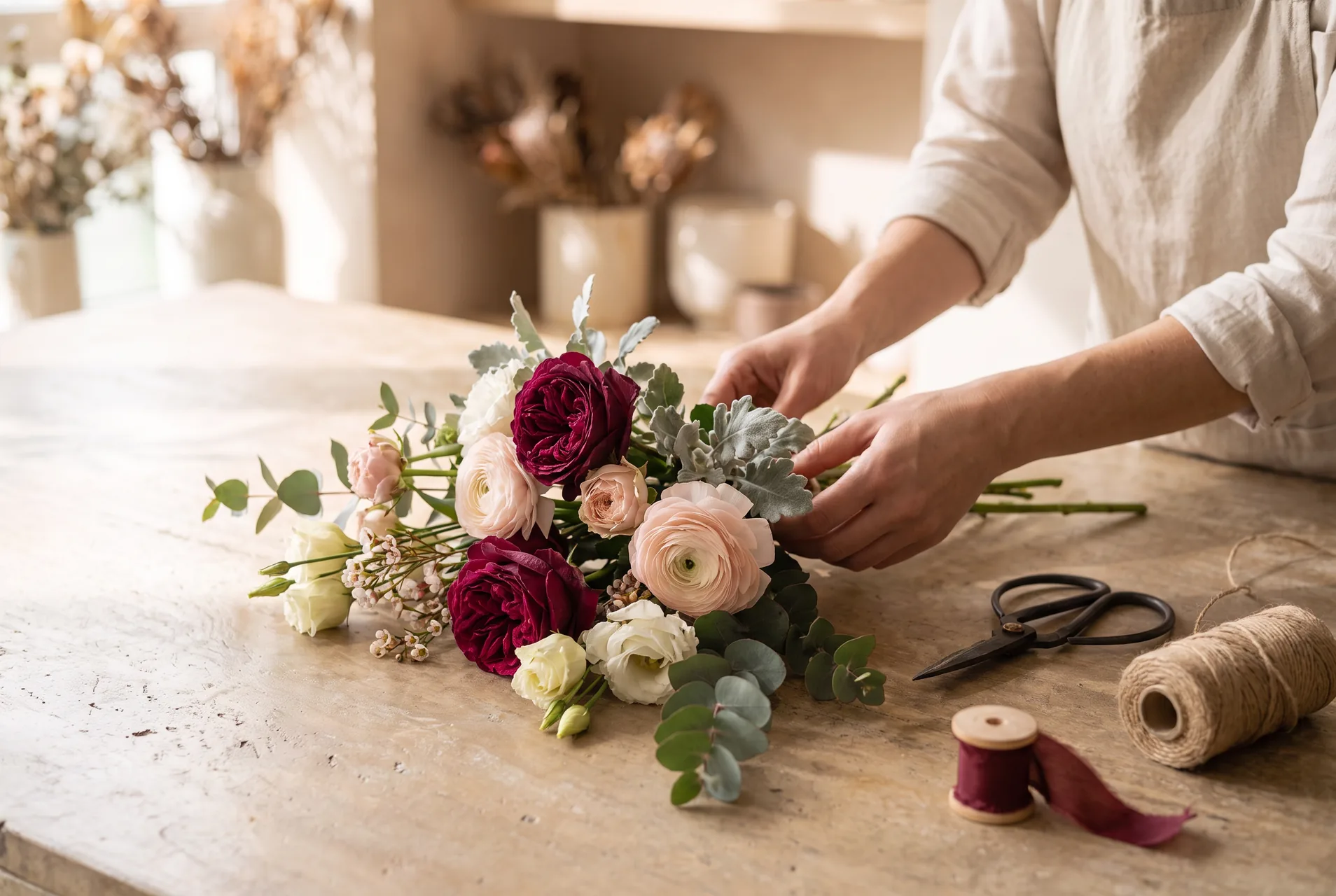
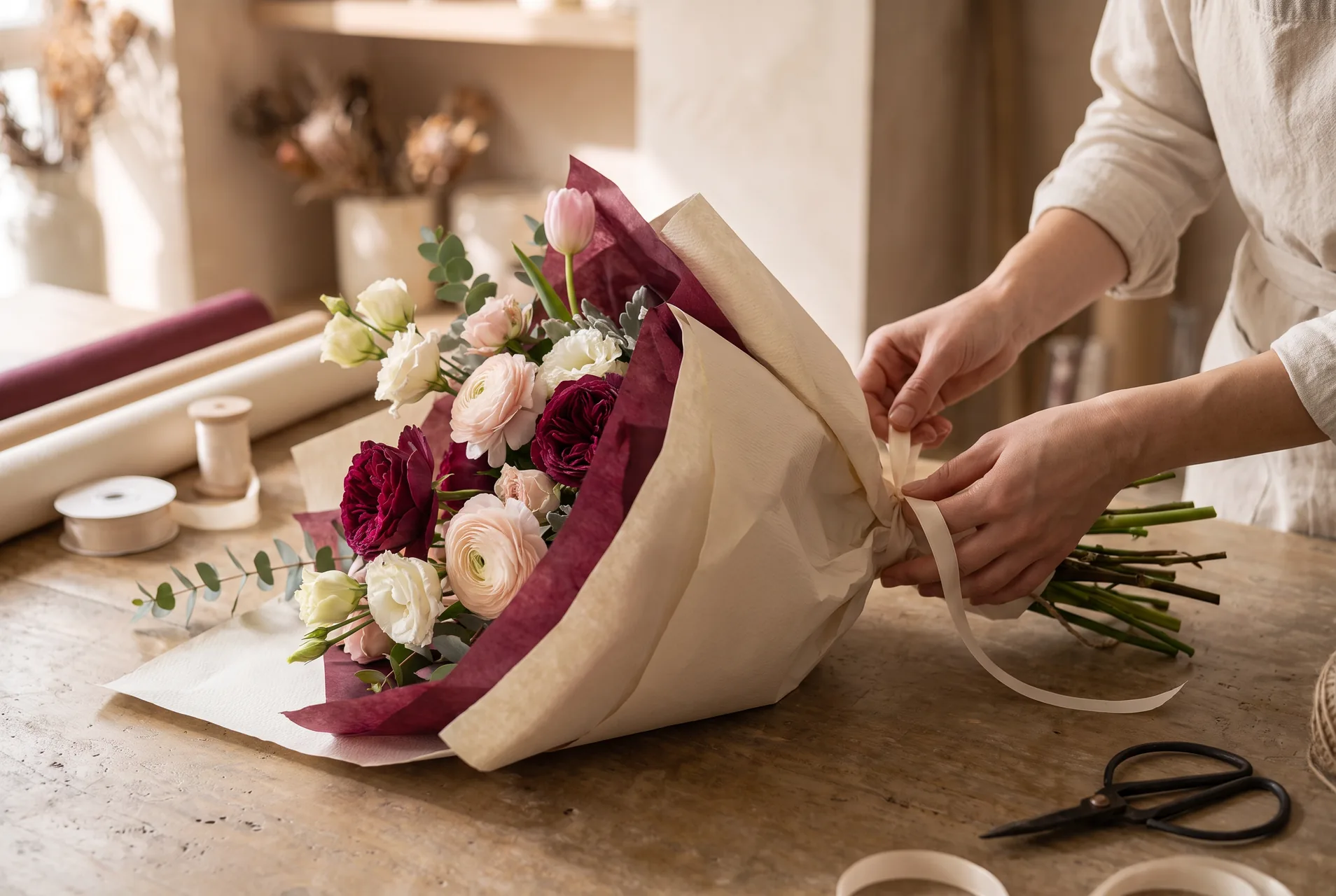
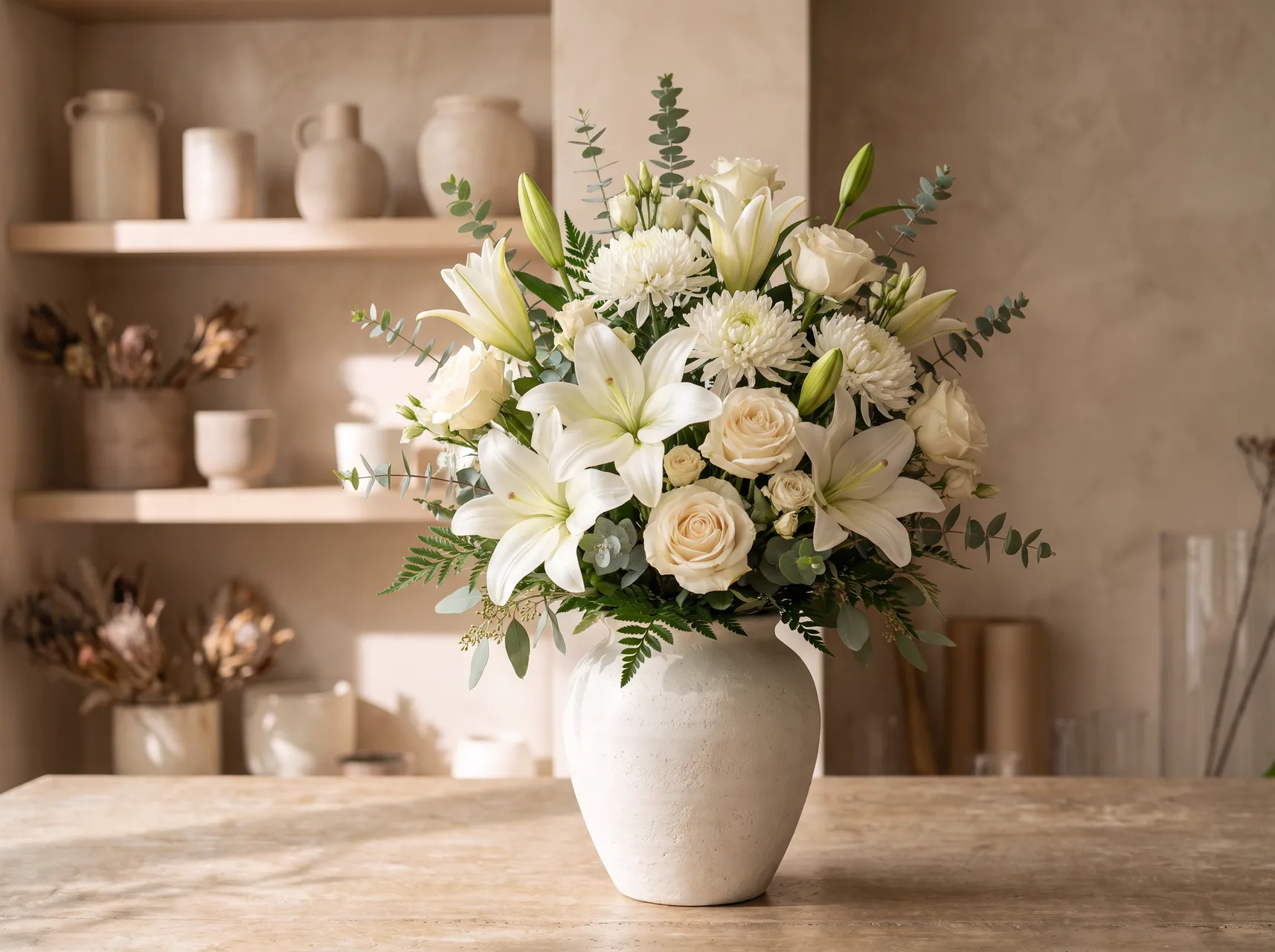
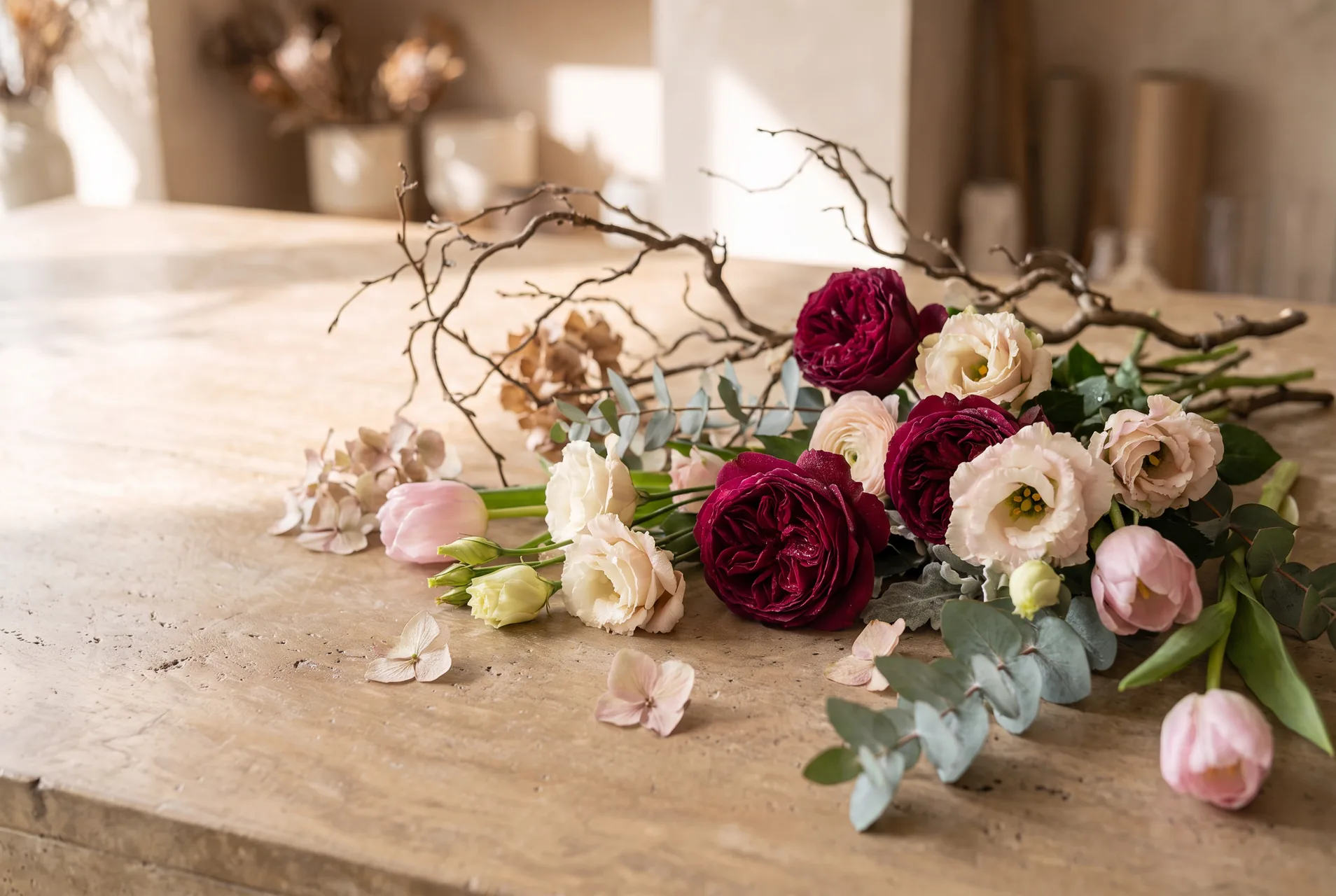
Key considerations for bouquet selection include the symbolism of particular flowers, how long different blooms last, and how the arrangement will be transported or displayed. Balance, rhythm and texture in a bouquet influence how it is perceived at close range and from a distance. A thoughtful mix of focal blooms, accents and greenery makes a bouquet feel finished and intentional.
See also pure rose box for a related style or use.
About Y. Florist
The bouquet concept spans cultures and centuries as a way to gather plant materials into a single presentation that communicates sentiment or decorates a space. Botanists, designers and florists study how varieties behave after cutting, and designers combine that knowledge with colour theory and proportion to create bouquets that are both attractive and resilient.
Keep the recipient, occasion, venue, contact details, preferred colours and any restrictions together. Ask the Y. Florist team to review availability, substitutions, timing and other requirements before relying on any arrangement.
05 · Decision point
Overview: What makes a bouquet
A bouquet is more than a random bundle of stems; it is a considered composition where form, colour and material are selected to work together. Designers think in terms of focal flowers that draw the eye, supporting flowers that fill space without competing, and foliage that provides structure and texture. The arrangement’s silhouette and the way blooms are clustered create a readable shape whether the piece is held, placed on a table or photographed.
Historically, bouquets have been used for ritual, personal expression and decoration, with different cultures developing their own conventions and motifs. Contemporary bouquets range from tightly bound posies to loose, garden-inspired gatherings. Each approach communicates a different tone: precise and structured shapes suggest formality, while loose spacing and natural lines feel relaxed and modern.
06 · Decision point
Types and styles of bouquet
Bouquet styles include formal round designs, cascading arrangements and hand-tied ‘natural’ bouquets that mimic the way flowers grow. Round bouquets present a balanced dome of blooms, often used for ceremonial uses. Cascading styles feature trailing elements such as vines or long greenery that extend downward, creating motion. Garden-style bouquets mix multiple textures and stem types, with an emphasis on a relaxed, collected look.
Choosing a style also depends on the recipient and setting. A small apartment benefits from a compact, low-profile bouquet that fits a modest vase, whereas a large reception area can host a bold, sculptural arrangement. For gift bouquets intended to be transported, designers select sturdier stems and protective packaging that preserve form during transit.
07 · Decision point
Selecting flowers and materials
Flower choice affects tone, scent and longevity. Classic focal blooms like roses, peonies and lilies offer strong visual impact, while filler flowers such as waxflower, statice or baby’s breath provide volume and contrast. Greenery ranges from soft eucalyptus to architectural ferns, and each variety contributes to the bouquet’s texture and scent profile. Mixing contrasting shapes—rounded heads, spikes and airy sprays—creates visual interest.
Beyond fresh flowers, designers sometimes incorporate non-floral elements such as dried seedheads, grasses or ribbons to add personality and resilience. When combining materials, consider stem strength and how each element will be secured. Durable stems that accept water are preferable for long-lasting bouquets, while delicate additions might be wired or attached so they hold their position.
08 · Decision point
Design principles and balance
Successful bouquets use proportion, repetition and contrast to guide the viewer’s eye. Proportion ensures that the flower sizes and stem lengths suit the overall scale, while repetition of a colour or shape ties the design together. Contrast in texture or hue prevents monotony and helps focal blooms stand out. Designers often work from a central focal area and build outward, checking the arrangement from multiple angles as they assemble it.
Texture and rhythm also influence how a bouquet reads in different lighting conditions. Smooth petals reflect light differently than matte foliage, and placing glossy leaves near velvety blooms can create a lively juxtaposition. When arranging stems, slight irregularity tends to feel more natural than rigid symmetry, yet the overall balance must still feel intentional to avoid a chaotic impression.
09 · Decision point
Care and handling for longevity for Bouquet
To support a bouquet’s life after it is cut, keep stems in fresh, clean water and recut the ends before placing them in a vase. Remove leaves that will sit below the waterline to prevent bacterial growth. Store bouquets in a cool, shaded spot when not on display and away from sources of heat or drafts that can dehydrate the blooms. Regularly replace water and clean the container to reduce microbes.
Some flower types require specific care: for instance, daffodils release sap that can affect other stems and benefit from an isolated vase for 24 hours, while chrysanthemums are generally robust and tolerate longer display times. Observing how each variety responds will inform future choices and practices for maintaining bouquets at home or in event settings.
10 · Decision point
Occasions, etiquette and symbolism
Different occasions call for different bouquet choices. Celebratory events often favour bright colours and mixed textures, while condolence bouquets typically adopt softer tones and understated forms. Cultural traditions influence acceptable colours and gestures; for instance, certain hues may carry particular meanings in regional contexts, so it helps to be aware of local symbolism when selecting a bouquet for a ceremony or public gathering.
The size and style of a bouquet also reflect social convention and proximity to the recipient. For personal gifts, consider the recipient’s taste and any allergies; when supplying bouquets for formal events, coordinate with the venue to ensure the scale and form suit the space. Small gestures like using a preferred colour or including a meaningful single bloom can make a bouquet feel personal and thoughtful.
11 · Decision point
Sourcing, sustainability and seasonal choices
Sourcing decisions affect a bouquet’s ecological footprint and seasonal suitability. Local, seasonal flowers typically require less transport and often last better when harvested at peak freshness. When selecting varieties, ask about growing practices and prefer growers or suppliers who share information about pesticide use, water practices and fair labour standards, because those factors influence both environmental impact and product quality.
Seasonality guides what is readily available: spring offers bulbs and tender blooms, summer provides an abundance of garden flowers, autumn introduces richer textures and seedheads, and winter highlights structural greens and hardy varieties. Balancing popular focal flowers with seasonal accents can create attractive bouquets while reducing pressure on out-of-season supply chains.
Related florist pages
hot and humid flower care pure rose box lily care premium roses Hong Kong lily meaning flower bouquet
Explore Our Bouquet FAQs
What specifically defines a bouquet compared with other floral arrangements?
A bouquet is typically a handheld or compact composition of cut flowers and foliage that forms a self-contained unit, often tied or wrapped so the stems stay together. Unlike loose vase designs that are created in a container from the start, bouquets are made to be carried or presented as one piece, then placed in a vase or given directly. Bouquets place emphasis on the visible surfaces, balance and how blooms look together from multiple angles.
How should I choose flowers for a bouquet based on the occasion?
Match the mood and formality of the occasion to the bouquet’s style: use bright, lively colours and mixed textures for celebrations; choose soft hues and gentle lines for sympathy or consolation. Consider symbolic meanings where relevant, seasonal availability to ensure freshness, and the recipient’s known preferences. For public events, pick sturdy stems and blooms that travel well; for intimate gifts, choose fragrance and delicate accents.
What simple care steps help a bouquet last longer once it arrives at home?
Trim stems at an angle before placing them in clean water, change the water frequently and remove wilted foliage that drops below the waterline. Keep a bouquet away from direct heat sources and fruit that emits ethylene, which accelerates aging. Use a clean vase and, if provided, the supplied preservative; alternatively, fresh water and a regular quick recut of stems every few days will help most bouquets maintain good condition.
Want personalised bouquet guidance?
If you have questions about styles, seasonal options or how a particular bouquet might perform in your environment, reach out for tailored advice. Our team can explain differences between styles and suggest suitable flowers and presentation ideas to match your intent. For details about availability of specific services, please ask Y. Florist whether those options are currently available and under what conditions.
Request Advice Contact Y. Florist