Flower Guides
Lily Care in Hong Kong: Keep Blooms Fresh Longer
Good lily care starts the moment the bouquet arrives. Rinse a clean vase, fill with fresh water and dissolve any flower food. Trim 1–2 cm from each stem at a 45° angle, then strip leaves that would sit below the waterline. Keep lilies in a cool, bright spot out of direct sun, heat, drafts and strong air‑con. Change water every 1–2 days and re‑cut stems to boost hydration. As blooms open, gently pinch off the pollen anthers to avoid stains; if pollen lands on fabric, lift it with sticky tape and brush, never wet. Separate flowers from ripening fruit to reduce ethylene exposure. For homes with cats, place arrangements completely out of reach or consider alternatives, as lilies can be hazardous. These simple steps help buds open evenly and keep your display fresher for longer in Hong Kong’s climate.
Direct answer
Lily Care in Hong Kong: Keep Blooms Fresh Longer
For reliable lily care at home, start with a spotless vase and fresh water, cut stems on an angle, and remove submerged leaves. Keep arrangements cool, away from sun, heat and ripening fruit. Change water every couple of days, re‑cut stems, and gently remove anthers to limit pollen stains. These basics help lilies hydrate, open well and last longer in Hong Kong.
Practical Steps for Everyday Lily Care
Vase hygiene drives longevity: wash with mild soap, rinse well and avoid residues that feed bacteria. Use room‑temperature water; lukewarm can encourage tight buds to open, while cooler water slows very open stems. Re‑cut 1–2 cm every two days to refresh the drinking surface. Position lilies in bright, indirect light, away from cooking heat, direct sun and strong air‑conditioning. Prevent crowding by giving stems space so petals can open fully. Remove any spent blooms to keep the display tidy and reduce bacterial load. If fragrance is a concern in small Hong Kong flats or offices, choose less‑scented Asiatic types, or ventilate lightly. For stain control, pluck anthers as each flower opens and treat stray pollen dry—never rub with water, which sets the pigment.
Compare lily meaning when reviewing related requirements.
Lily Care in Hong Kong: Keep Blooms Fresh Longer comparison
| Consideration | Suitable direction | Confirm before proceeding |
|---|---|---|
| Flowers and colour | Match the recipient, occasion and setting | Seasonal supply and substitutions |
| Finished form | Bouquet, vase, basket, plant or event design | Display space and handling |
| Delivery | Share the venue and preferred timing | Address, phone and access notes |
| Budget | Compare flower grade, size and work | Delivery and additional requirements |

Choosing, Conditioning and Longevity Tips
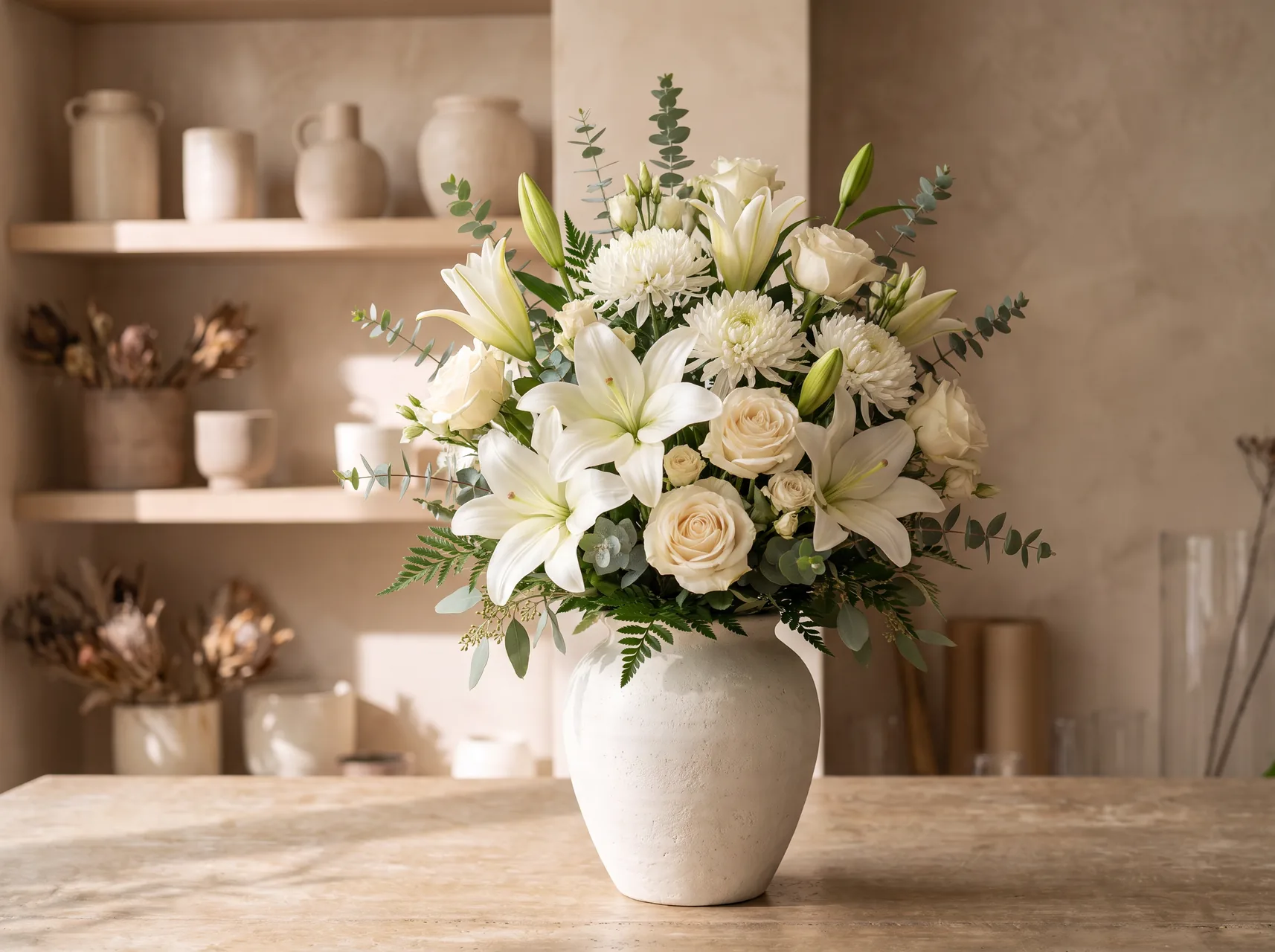
Start with quality stems: look for firm, unblemished leaves and buds showing a hint of colour rather than fully open blooms. Avoid bent or slimy stems and any browning on petal edges. During transport, keep flowers upright and shaded. On arrival, give a fresh diagonal cut, remove lower foliage and let lilies hydrate for an hour before arranging. Separate from bananas and other ethylene‑releasing fruit to slow ageing. For scent level, Asiatic lilies are typically lighter, while Oriental varieties are richer and larger. Pollen‑free hybrids reduce stain risk. Pairing with foliage or long‑lasting blooms supports structure without crowding, helping your lily care routine deliver cleaner water and better airflow.
See also hot and humid flower care for a related style or use.
About Y. Florist
Y. Florist is a Hong Kong floral studio offering guidance on lily care and considerate flower choices for homes, offices and gifting.
Keep the recipient, occasion, venue, contact details, preferred colours and any restrictions together. Ask the Y. Florist team to review availability, substitutions, timing and other requirements before relying on any arrangement.
05 · Decision point
Define the purpose of Lily Care
Begin with the outcome rather than a photograph. Explain who the flowers are for, the relationship, the occasion and what the arrangement should communicate. A romantic gesture, formal congratulations, quiet support, workplace display and practical thank-you each call for a different level of colour, scale and formality. This context helps turn lily care from a broad idea into a useful direction.
Also note where the flowers will be seen and for how long. A design held for photographs, carried through a venue, presented at reception, displayed on a desk or placed in a ceremonial setting has different practical needs. Share the viewing distance, available surface, surrounding colours and any rules that may affect the design.
06 · Decision point
Compare style, flowers and presentation
Review the visual, material and practical differences relevant to the question. Use references to identify the qualities you like—such as loose or structured form, soft or high-contrast colour, minimal foliage or a fuller garden character—rather than expecting an exact copy. Natural flowers vary in size, opening stage, colour and movement, even within the same variety.
Separate essential requests from flexible preferences. If one flower, colour or presentation detail is central to Lily Care, state it clearly. Then describe acceptable alternatives by colour family, value and overall mood. This gives the florist enough room to respond to seasonal supply without losing the message or visual direction that matters to you.
07 · Decision point
Choose an appropriate size and finished form
Size should be discussed in relation to the person, room, table, doorway or venue—not as a label alone. Ask about approximate width, height, depth and how the design will be carried or displayed. A compact arrangement can feel generous at close range, while a large venue may need stronger height, repetition or several coordinated pieces to read clearly.
The finished form also affects practicality. Bouquets need comfortable handling; vases and baskets need a stable surface; plants need suitable light and space; event pieces may need secure installation. For lily care, compare the form, container, wrapping and support method together so the appearance and use remain aligned.
08 · Decision point
Plan for the recipient, venue and access
Consider the reader’s goal, existing knowledge and intended use. Provide the recipient’s name and reachable phone number, together with the full destination and any room, department, company or venue details. Hospitals, hotels, offices, homes, event venues and funeral locations can have different reception procedures, restricted areas or handover points.
If the recipient is not expected to answer directly, identify an authorised contact, reception desk or venue representative. Mention lift access, loading restrictions, security registration, stairs, parking limitations or a required setup window when relevant. Clear access notes reduce uncertainty and allow the proposed Lily Care arrangement to be assessed against the real setting.
09 · Decision point
Confirm timing, availability and substitutions
Current flowers, materials, timing and service details can change, so ask Y. Florist to confirm the exact scope before relying on a reference. Share the preferred date and timing as early as possible, especially for festivals, weddings, sympathy occasions, corporate events, classes, recurring requirements or larger quantities. A requested date is not confirmed until the florist has reviewed the brief and replied with the workable arrangement.
Ask how substitutions will be handled if a flower, plant, colour or accessory changes. A good confirmation describes the protected elements—such as palette, overall value, presentation form and essential flowers—and identifies what may vary. Keep that confirmation with the delivery, venue and contact details so later changes can be checked against one clear record.
10 · Decision point
Understand budget and included work
Compare value through the complete scope rather than a headline figure. The flowers or plant, design time, wrapping or container, card, delivery, access requirements, installation, collection and optional additions can all affect the total. State the working budget and which outcome matters most so alternatives can be discussed without assuming an unconfirmed price.
For lily care, ask what the quoted amount includes, what can change with availability and whether any venue, timing or quantity requirement needs separate review. If comparing different proposals, use the same brief for each one. Similar photographs can represent different flower grades, sizes, mechanics and labour, so a like-for-like scope is more useful than image comparison alone.
11 · Decision point
Prepare for care, handling and display
Plan for the maintenance or follow-up steps appropriate to the topic. Keep fresh flowers away from direct sun, hot windows, strong air-conditioning and ripening fruit unless the specific variety requires otherwise. Use clean water and a clean container, remove leaves below the water line and follow any care notes supplied with the finished arrangement. Plants, preserved flowers and installed work need different handling.
Think about what happens immediately after receipt. Identify who will accept, carry, place or maintain the item and whether water, shade, stable furniture or secure storage is available. For events and multi-location days, include movement between rooms or venues. Care begins at handover, so these details should form part of the Lily Care brief rather than an afterthought.
12 · Decision point
Create a clear enquiry and confirmation record
Bring the key information together in one message: page link, occasion, date, location, recipient, contact number, budget, preferred palette, essential details, flexible alternatives and card wording. Add measurements, quantity, venue instructions or reference images where they help explain the request. Avoid sending isolated screenshots without stating what you like about them.
Before proceeding, check the confirmed design direction, scope, total, timing, handover method and substitution approach. If any detail changes, ask Y. Florist to review the update rather than assuming it can be absorbed. A concise written record makes lily care easier to compare, reduces misunderstandings and gives everyone the same practical expectations.
13 · Decision point
Use a final review before relying on the arrangement
Read the final confirmation as someone who has not followed the earlier conversation. It should identify the recipient or venue, date, timing, floral form, important colours or flowers, quantity, card wording, handover method, accepted substitutions and the agreed scope. Ask about any missing or ambiguous detail before treating the Lily Care plan as complete.
Keep contact information current and make sure the recipient, venue representative or authorised contact knows what to expect when appropriate. If weather, access, schedule or recipient availability changes, share the update promptly and wait for confirmation of what can still be arranged. This final review protects the meaning, practicality and presentation of lily care.
Related florist pages
lily meaning hot and humid flower care pink hydrangeas bouquet pink roses flower bouquet
Lily Care in Hong Kong: Keep Blooms Fresh Longer FAQs
How can I stop pollen staining on clothes or surfaces?
Remove anthers as each bloom opens—pinch gently and discard before pollen sheds. If grains fall, keep the area dry. Lift them with sticky tape or a soft brush; avoid rubbing or adding water, which fixes stains. For fabric, shake off outdoors, then treat with a gentle laundry pre‑wash before laundering. Consider pollen‑free varieties if stains are a recurring issue.
Why are my lily buds not opening?
Buds often stay closed when stems are dehydrated, overcrowded or kept too cold. Re‑cut 1–2 cm at a sharp angle, refresh the water, and move the vase to bright, indirect light away from drafts. Use slightly lukewarm water to encourage tight buds, and remove excess foliage so energy goes to the flowers. Avoid nearby fruit; ethylene gas can slow or distort opening.
Are lilies safe around pets and children?
Lilies are considered highly toxic to cats; even small exposures may be harmful. Keep arrangements and vase water completely out of reach of pets and curious children, and clean up any fallen petals promptly. If exposure is suspected, contact a veterinarian or medical professional for advice. If safety is a priority, choose alternative flowers or pollen‑free types and display responsibly.
Need Personalised Lily Care Advice?
Have questions about conditioning, pollen control or vase life? Enquire with our Hong Kong team for friendly guidance on lily care suited to your setting and preferences.
Enquire About Lily Care Contact Y. Florist