YumYum Bakery & Cakes · Ordering guides
What If Your Child Finishes First? Questions to Ask Before a Family Baking Class
For this guide:What If Your Child Finishes First? Questions to Ask Before a Family Baking Class
Plan your workshop
Considering Baking Class? Send the date, district and the points discussed in this guide to YumYum Bakery & Cakes to confirm suitable options and a quotation.
Book a WorkshopWhatsAppThis opens a prepared WhatsApp enquiry. Availability, details and price must be confirmed before booking.
Your child has finished cutting the cookies, but you are still working on your own recipe. Can they stay beside you? Does an instructor take over? And does finishing the activity mean the family can leave with everything? This is a hypothetical booking problem, not a prediction about how quickly children work. It is worth resolving before choosing a session, especially if your next stop has a fixed start time.
If you are wondering what happens if children finish a baking class early, start by asking the studio to describe that exact situation. Give the number of adults and children, the children’s ages, what each person hopes to make and your latest departure requirement. The questions below help turn a general answer about family participation into a workable arrangement for the period when one person is finished and another is not.
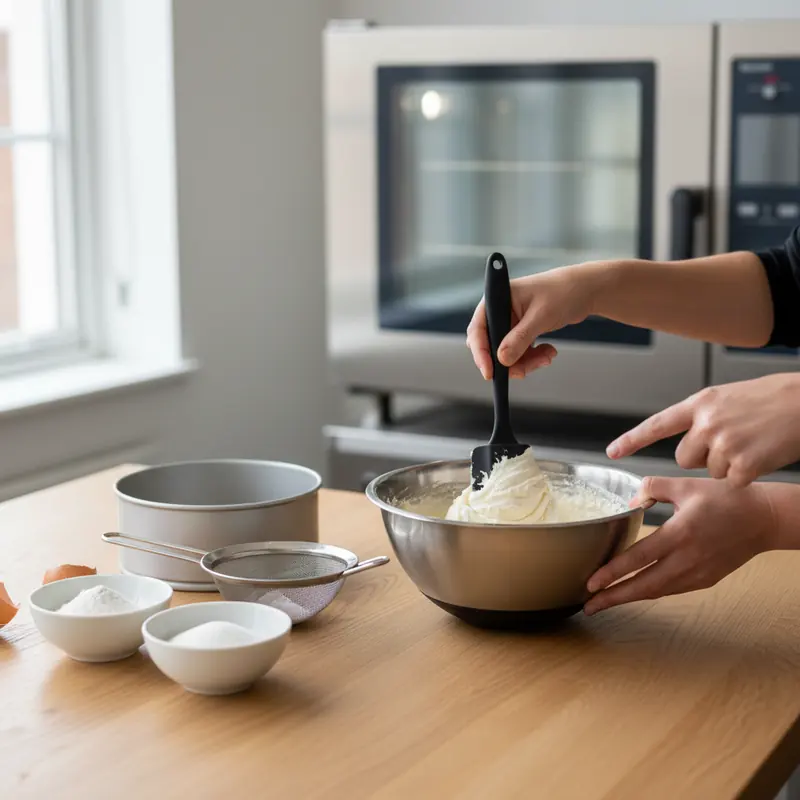
What happens if children finish a baking class early? Separate four milestones
The word ‘finished’ can hide several different stages. A child might have completed their allocated task while the shared recipe still needs more work. The family might then finish the hands-on production while the items are not yet ready for packaging. Even once the box is ready, the session may have a final instruction or handover to complete before departure.
Ask the venue to explain four milestones separately: when the child’s assigned tasks end, when the whole family’s production ends, when the items can be taken away and when you may actually leave. A single answer such as ‘everyone finishes together’ is less useful unless it explains what happens between those points.
A completed task is not necessarily a completed visit
Ask which parts still need the child’s participation after their first hands-on task. If a later step requires them to return, you need an arrangement for an interval, not an early exit. If their participation genuinely ends earlier, the supervision question becomes more important while you continue.
Ready to take home is a separate answer
Request the take-home expectation for the exact recipe and format you are considering. Do not substitute a mixing or decorating finish time for it. If the studio cannot give a firm departure commitment, decide whether your family can keep the next part of the day flexible rather than treating an estimate as a guarantee.
Establish whether you are a helper or a participating baker
Before comparing recipes, clarify your own role. Are you attending to help your child, booking an individual place with your own work, or sharing a family project? Those are different demands on your attention. If you expect to practise a technique yourself, a format built around assisting your child may not meet that aim, even when both of you are welcome to attend.
This distinction is visible in the Taste Buds Kitchen kids and family class descriptions: its caregiver format describes the adult as the child’s helper, while its family format describes a place for each participating adult and child. These are examples from a New York operator, not Hong Kong admission rules or a promise about another venue’s arrangements.
Use the Baking Class options to identify the session you want to ask about, then confirm its family participation format. Ask whether the adult’s registration is for assistance or independent participation, how the work is allocated and whether you will be expected to remain alongside your child throughout.
Consider a shared project if coordinating attention matters most
Working on one family project may make it easier to discuss the sequence as a single plan. Ask which jobs can be shared and which remain with the adult or instructor. The important point is not that everyone must keep working continuously; it is knowing what the child may do when their allocated contribution is complete and your part continues.
There is a trade-off. A shared project might suit a family whose main aim is doing something together, but it may offer less independent practice than you wanted. Ask whether you can take part in the particular step you care about without leaving a gap in supervision. Do not assume a shared booking automatically gives each person a separate turn at every technique.
A useful question is: ‘If my child completes their contribution before I finish mine, can they remain with me under the session’s rules, and what happens next?’ That answer tells you more about the fit than the finished-product photograph alone. It also lets you discuss attention and timing without asking the studio to promise equal working speeds.
Compare separate recipes by their remaining stages, not their start time
If each family member wants a different item, ask for the expected sequence for each choice. Starting together does not establish that hands-on work, finishing and packing will end together. One recipe might still have a stage requiring your attention after another person’s work is complete. Check whether different recipes are permitted in the same booking before trying to coordinate them.
A Klook description of a Hong Kong self-service baking workshop says participants make separate desserts, may choose different styles and should understand each dessert’s production time before reserving. That particular listing also excludes children under 12. It illustrates why recipe timing and admission conditions need separate checks; it is not a recommendation for a younger child or a rule for YumYum.
For a family booking, compare the overlap rather than simply choosing the shortest-looking recipe for your child. Ask what you would still be doing when their work ends, whether you could pause at that point and whether the venue’s supervision arrangement covers the gap. If the answer depends on the recipes selected, have the studio review the actual combination you want.
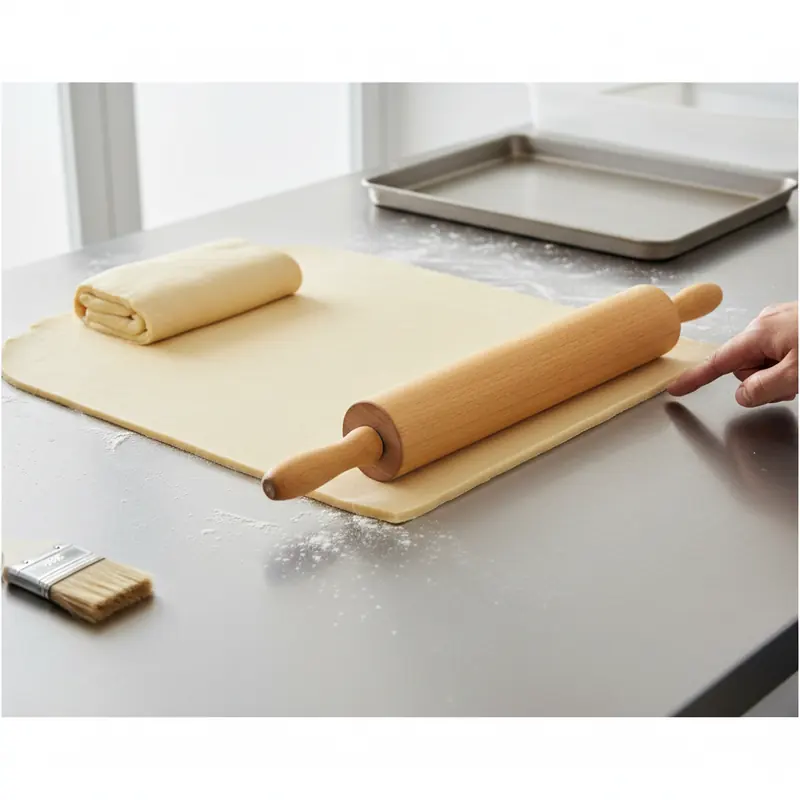
Name the responsible adult before the child finishes
Before choosing a Kids Baking Class, ask who supervises your child while you are still working. An instructor explaining a recipe is not, by itself, confirmation that the instructor takes over supervision when a child finishes. Ask whether you remain responsible throughout and what that means for continuing your own practical work.
Make the question concrete: ‘If I am completing a step that needs my attention and my child has stopped participating, where should they be, and who is supervising them?’ The answer should identify a person or responsibility, not merely say that staff will be nearby. If staff supervision is offered for any interval, ask about its scope and when responsibility returns to you.
Also ask what happens if the agreed arrangement no longer works during the session. For example, if your child needs you to stop and help them, can your own work pause, or would you need to leave that step unfinished? This is a practical limit to understand in advance, not a request for the studio to guarantee uninterrupted adult learning.
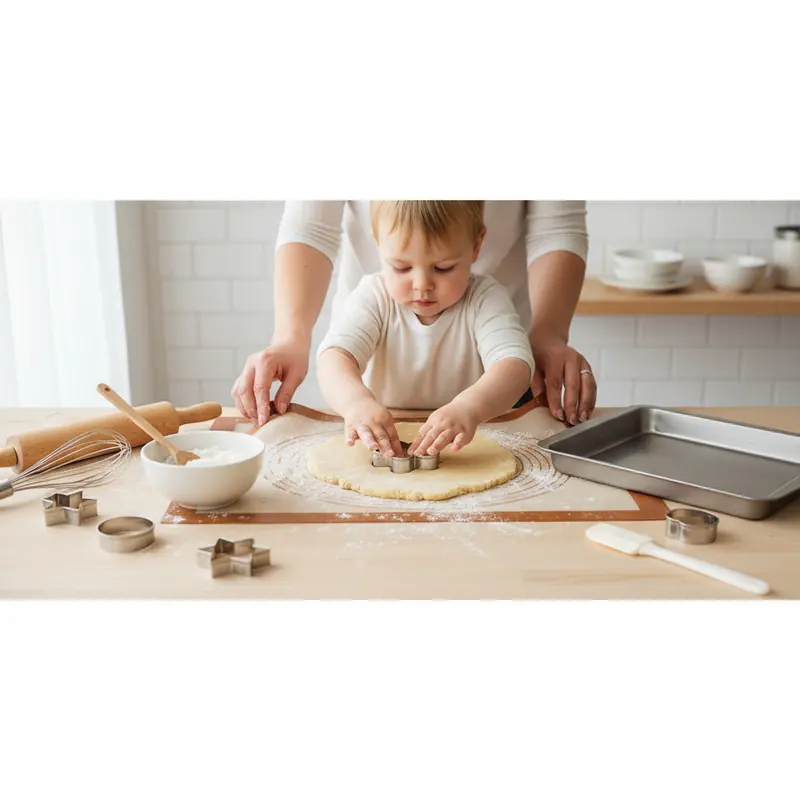
Ask where waiting happens and how your child rejoins
Do not assume there is a separate waiting area, that a child can move around the room, or that a finished workstation remains available. Ask whether the child must stay at the original position and whether that position works while you complete your next step. A general description of the room is less useful than confirmation for the specific session format.
If the venue proposes another place to wait, ask who accompanies or supervises the child there and whether you can still follow the instruction you booked. An arrangement that requires you to leave your own workstation may be perfectly workable for a child-focused visit, but it changes the value of booking independent adult participation.
Ask how the child will be brought back into any later shared step. This matters if packing, assembly or a closing explanation follows an interval. Agreeing on the transition prevents an early-finished task from being mistaken for permission to leave the class area or start using other materials.
Check any finishing activity rather than promising one yourself
It can be tempting to tell a child they can do more decorating while you finish. Before making that promise, ask whether the venue permits any additional activity in the interval. Possible questions include whether approved packaging tasks or a remaining decoration step are available, who would explain them and whether they fit the booked recipe. None should be assumed to be included.
Clarify the boundary between an allocated finishing task and unrestricted access to ingredients or equipment. If there is no confirmed activity, plan around that answer instead of improvising one on arrival. For some families, a session with a clearer shared sequence will be a better choice than separate work followed by an uncertain wait.

If one adult brings several children, test the whole arrangement
Give the studio the full group composition, including each child’s age, rather than asking whether a single child can join. Ask how the proposed format works if the children finish at different points while you are still occupied. The relevant question is whether you can meet the session’s supervision requirements across the group, not whether one child is likely to be faster.
Compare a shared project, a different recipe combination or separate bookings if the arrangement does not fit your aims. Do not assume another adult is always required or always solves the problem; first establish the venue’s participation conditions and what each adult would actually do. If your priority is substantial independent practice, it may be more useful to book that separately than to expect one visit to serve incompatible roles.
Confirm what the advertised session length includes
For a One Day Baking Class, confirm what the advertised session time includes before planning another activity. Ask whether the stated duration covers the relevant preparation, baking, cooling, filling, assembly and packaging stages, or whether any of those sit outside the quoted teaching period. Only the stages included in your chosen recipe need to be discussed.
Then ask which stages follow a group timetable. Your family may complete its own tasks without being able to move directly to the next part. Conversely, a session may have individual progress arrangements. Neither format should be inferred from a shared start time or a short course description; ask how the selected session handles the transition between stages.
If you have a fixed commitment afterwards, state your latest departure requirement before booking and ask whether it is compatible with the complete visit. Also ask what happens if work runs beyond the expected finish or the venue’s closing time, including whether any extra charge or unfinished-work rule applies. Do not treat the published duration as an early-release agreement.
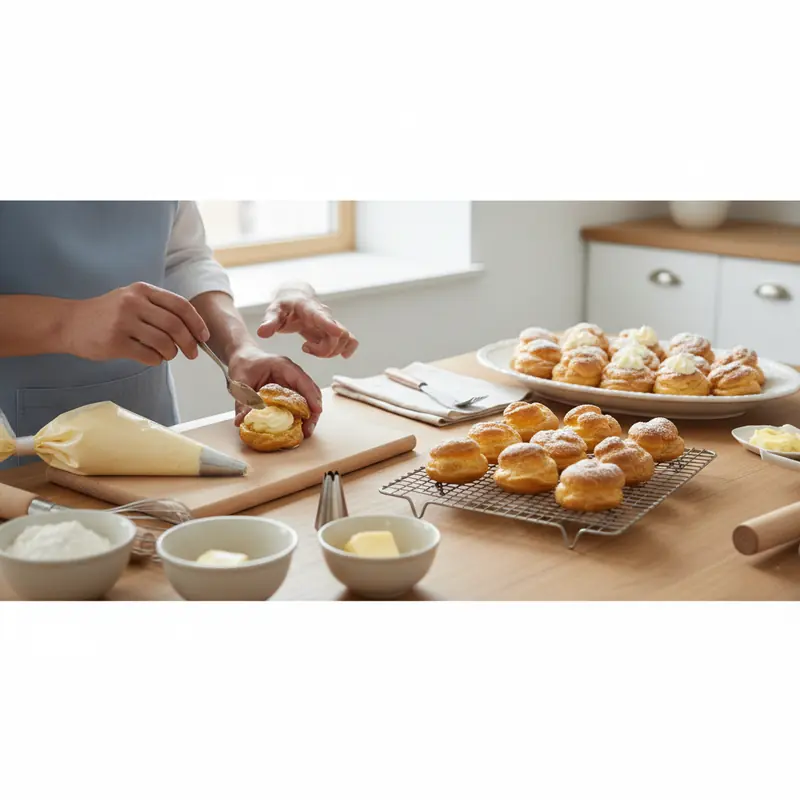
Use macarons as a stage-by-stage timing question
If you are considering a Macaron Baking Class, ask which stages each family member can take part in and when the finished items can leave. Confirm age and accompaniment conditions first. Interest in macarons does not establish that a particular session accepts your child’s age or has a family participation format.
Ask which parts of preparing batter, piping, baking, cooling, filling and assembly are covered in the booked class, and which involve you or your child. This is a way to understand the actual course, not an assumption that every class teaches every stage. Do not assume that prepared components are provided or that any step can be skipped to meet your next appointment.
Return to the original gap: if your child’s permitted task ends while you continue with a later stage, what is the agreed arrangement until you finish? If the venue cannot describe a workable sequence for your group, another project may fit better. Choosing it would be a timing and participation decision, not a judgement about which recipe is more worthwhile.

Treat early departure and later collection as separate requests
If waiting together is not practical, ask whether one adult and child may leave before the rest of the group. Explain who would remain and who would accompany the child. Confirm whether the booking permits split departure and whether any outstanding instruction, handover or supervision requirement prevents it. Do not plan for a child to leave independently because their work is finished.
Later collection is another question, not an automatic alternative. Ask whether leaving items at the venue is permitted, who may collect them, what collection window is available and whether there are associated conditions or fees. If this option is unavailable, decide whether everyone can stay until the work is ready or whether a different booking is needed.
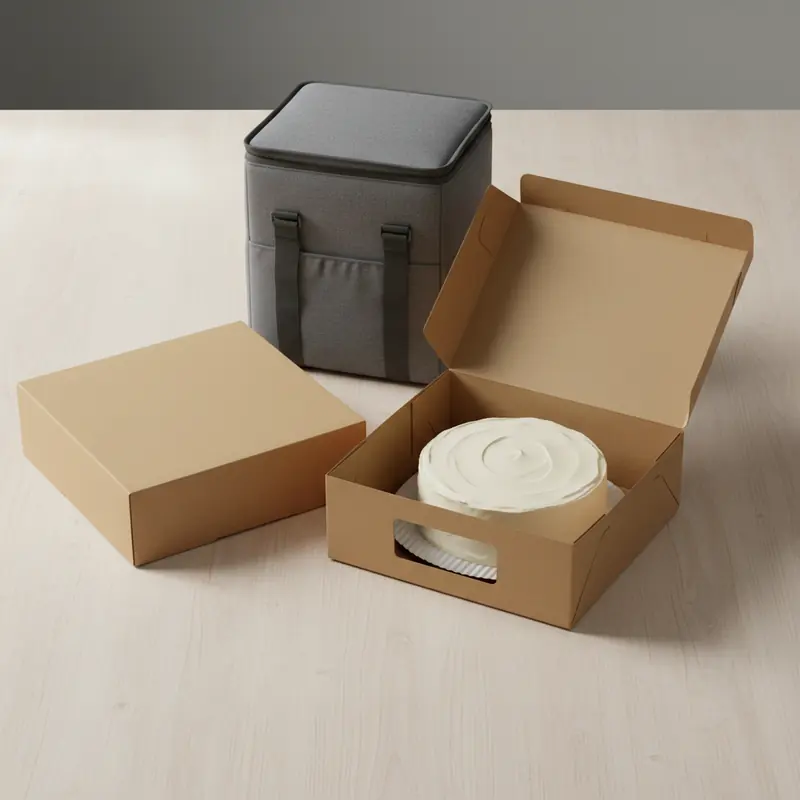
Before arranging transport, confirm what ‘ready to take home’ means for your items: are the required finishing and packing steps complete, and is any handover still needed? Request the venue’s handling instructions for the actual products. A boxed-cake illustration can show the idea of packaging, but it cannot establish the packaging, storage or collection arrangements for your session.
Send one specific enquiry, then choose the format that fits
Bring the questions together in a single message naming the session or recipes you are considering. Include the adults and children attending, ages, preferred date, whether you want shared or independent work, your main learning goal and any latest departure requirement. Ask for the reply in English if that is what your family needs, and separately confirm the instruction language rather than assuming it from the booking page.
Read the reply against your priorities. A clear shared-project arrangement may suit a family visit even if it offers less independent adult practice. Separate projects may suit your goals only if the gap in finishing times has a workable supervision plan. If responsibility, waiting or take-home timing remains unclear, ask a focused follow-up before paying. The useful outcome is not a promise that everyone finishes at once; it is knowing what your family will do if they do not.
Details to confirm before ordering
- Confirm the exact session, preferred date, instruction language and current age or accompaniment conditions for every child.
- State adult and child numbers, each child’s age and whether adults are helpers or independent participants.
- Confirm a shared project or the exact separate recipe combination, including each person’s intended tasks.
- Identify who supervises a finished child, where they stay and whether the adult may continue working.
- Confirm any permitted finishing activity and how the child rejoins later shared stages.
- Separate task completion, family production completion, take-home readiness and actual departure; state your latest departure requirement.
- Ask about split departure, later collection and any overrun or additional-fee rules only if those options are needed.
Questions about this decision
Does finishing a child’s task mean we can leave early?
Not necessarily. The shared recipe, take-home preparation or session handover may still be incomplete. Ask the venue to distinguish the end of the child’s tasks from permission to depart with the finished items.
Can an instructor watch my child while I finish my own recipe?
Only rely on this if the venue explicitly confirms it for your session. Ask who is responsible during that interval, where the child stays and whether you may continue working. Teaching support alone does not answer the supervision question.
Should we choose the same recipe to finish at the same time?
The same recipe does not guarantee matching progress. A shared project may simplify coordination, but you still need to clarify task allocation and what happens when one person has no remaining work. Choose according to your participation goals and the venue’s confirmed arrangement.
What if the venue can only estimate our departure time?
Decide whether your next commitment can remain flexible. If you need a firm latest departure, tell the venue before booking and ask whether the complete visit can accommodate it. Do not interpret an estimate as a commitment or shorten recipe stages yourself.
Can we leave and collect our baking later?
Ask whether the specific session allows this. Confirm the collection window, permitted collector, any conditions and any fees before relying on it. Later collection should not be assumed from the fact that an item is not ready when a child finishes.
Sources and further reading
Reference only. Illustrations are AI-generated design references, not photographs of actual customer orders. Confirm current contents, prices and arrangements with our team.
For this guide:What If Your Child Finishes First? Questions to Ask Before a Family Baking Class
Plan your workshop
Considering Baking Class? Send the date, district and the points discussed in this guide to YumYum Bakery & Cakes to confirm suitable options and a quotation.
Book a WorkshopWhatsAppThis opens a prepared WhatsApp enquiry. Availability, details and price must be confirmed before booking.
Explore related services and designs
Compare relevant options, view design references and find the information you need before making an enquiry.
Baking Class
Compare hands-on baking activities, from mixing and measuring to shaping and finishing, to identify the techniques you would most like to explore in a class.
Macaron Baking Class
Compare macaron mixing, piping and assembly techniques to explore a class focused on these small pastries, considering which stage of the process you most want to practise.
Adult Baking Class
Compare pastry preparation, dough handling and finishing activities to explore an adult baking class direction, focusing on practical techniques you would like to develop through hands-on practice.

Cake Decorating Class in Kowloon
Explore cake decorating class options in Kowloon, comparing smoothing, piping and decorative finishing activities while confirming the actual teaching location and class arrangements separately.
Cake Decorating Class
Explore frosting, piping and finishing techniques to compare the cake decorating skills you want to practise, including smooth surfaces, borders and decorative buttercream details.
Baking Class in Kwun Tong
Explore hands-on baking class options in Kwun Tong, comparing bread shaping, cake finishing and pastry activities while checking the actual class location and arrangements separately.
Original AI-generated navigation references; designs and order details are subject to confirmation.
Useful options for your plans
Explore Baking Class to compare practical techniques and choose the baking skills you want to develop.
View One Day Baking Class to compare focused hands-on activities for a short baking experience.
Explore Macaron Baking Class to compare mixing, piping and assembly techniques for macarons.
Explore Adult Baking Class to compare practical pastry techniques and choose skills to develop.