YumYum Bakery & Cakes · Ordering guides
Order a Pet Birthday Cake or Bake It in a Class? Confirm Ingredients Before You Book
For this guide:Order a Pet Birthday Cake or Bake It in a Class? Confirm Ingredients Before You Book
Arrange your baking order
Considering Pet-Safe Birthday Cakes? Send the date, district and the points discussed in this guide to YumYum Bakery & Cakes to confirm suitable options and a quotation.
Order Your CakeWhatsAppThis opens a prepared WhatsApp enquiry. Availability, details and price must be confirmed before booking.
Deciding whether to order a pet birthday cake or bake it in a class starts with the result you need, not the decoration you like. Do you want a completed cake ready for collection, or do you want to spend time making something yourself? Those are different bookings, with different questions about ingredients, preparation and what you actually take home.
Before comparing designs or available sessions in Hong Kong, write down your pet's species, known intolerances or allergy history, any dietary restrictions given by your vet, and the celebration date. Then use the checks below with the cake supplier or class organiser. The aim is to establish what is being made and who will confirm each detail. Making a cake yourself is not automatically a better fit for your pet, and ordering one does not remove the need to ask about the actual recipe.
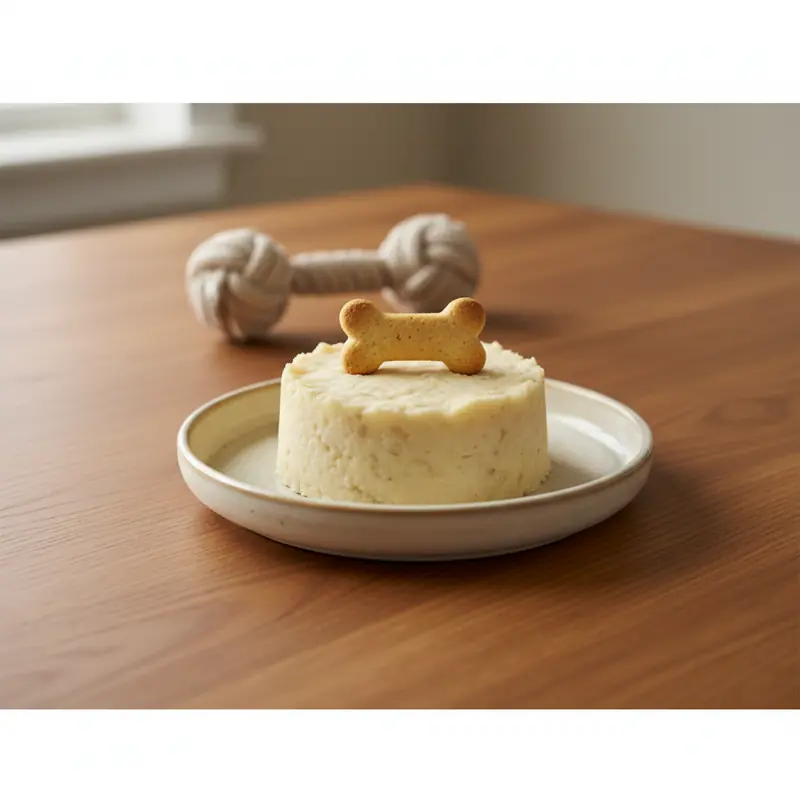
Choose the outcome: a finished cake or a hands-on gift
If your priority is a finished birthday cake, start with the order route. The Pet-Safe Birthday Cakes category is a place to explore that option, but the category name is not a safety guarantee for an individual animal. Ask about the actual order in relation to your dog's or cat's ingredients and known restrictions. A photograph can help explain a design preference; it cannot establish what the cake contains.
If making the gift is part of the occasion, consider a Pet Baking Class. Before booking, ask whether that particular session uses a recipe for dogs or cats, whether you make a cake or treats, who supplies the ingredients, and whether any proposed substitution has been confirmed by the organiser. A pet-themed session is not enough information to answer those questions.
Compare the time you can genuinely give to the activity as well as the celebration date. Ask what happens during the session and what remains to be done afterwards. A demonstration, a decorating activity and a from-scratch class can leave you with very different practical tasks. Choose the route whose confirmed outcome matches your plans, rather than assuming every booking ends with a completed birthday cake.
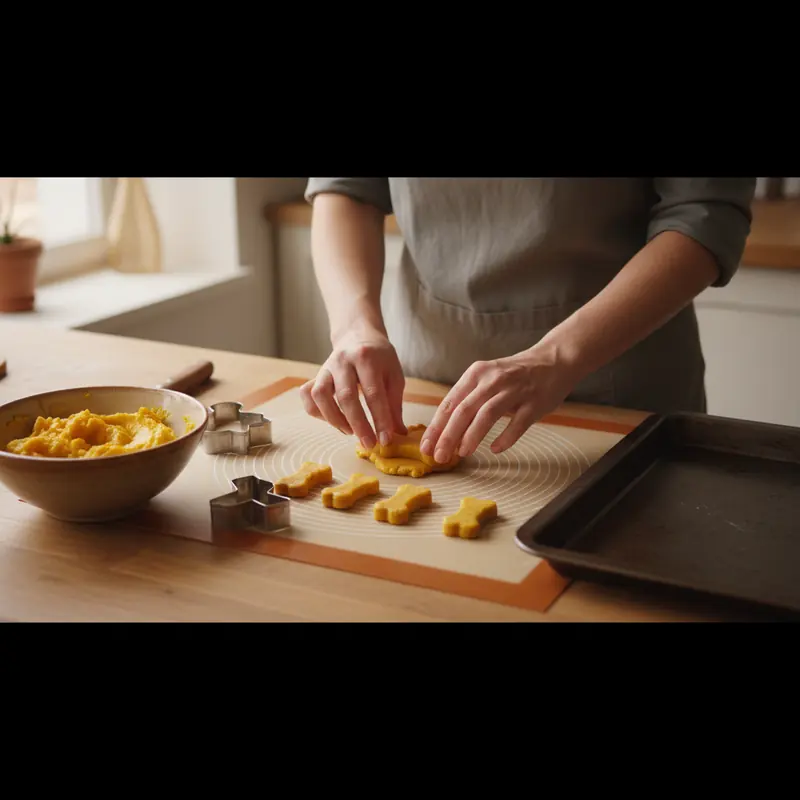
Separate learning for the owner from food for the pet
You may simply want to learn mixing, pastry or decorating skills as a birthday activity for yourself. An Adult Baking Class belongs to that separate decision: the fact that a pet owner attends does not turn a general adult class into a pet-recipe workshop. Do not treat its human-food creations as food for your animal just because you made them with the birthday in mind.
This distinction can make the choice easier. You can enjoy learning a general baking technique without linking the finished item to your pet's diet. If the intended gift must be something your pet can eat, keep that requirement explicit in every enquiry. Ask for the food's intended animal and actual recipe, rather than accepting the participant's age group or the word 'baking' as the answer.
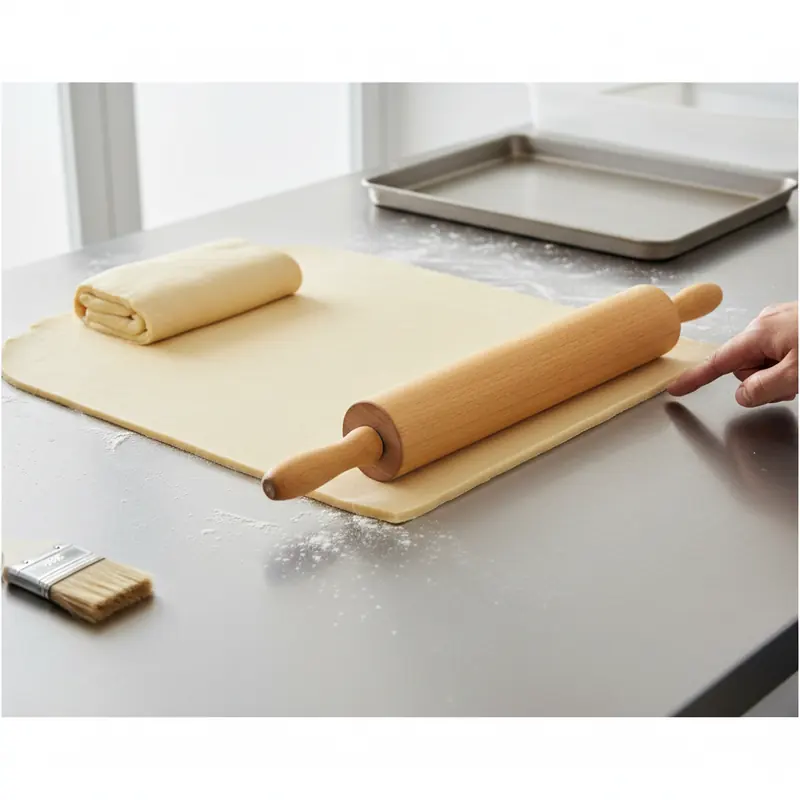
Describe the intended eater before discussing the design
Begin with 'This is for a dog' or 'This is for a cat', followed by the restrictions you already know. Do not ask for a generic pet cake and leave the recipient unstated. Where a vet has specified a dietary restriction, pass on that requirement accurately instead of translating it into a broad label such as 'healthy', 'light' or 'natural'. If you are unsure what the restriction permits, ask your vet before asking a supplier to interpret it.
Separate confirmed information from uncertainty. For example, say that an ingredient is excluded under current veterinary advice, or that you have an unresolved concern and need to clarify it before booking. You do not need to send an entire medical history to start a cake enquiry. You do need enough relevant information for the supplier or organiser to say whether they can address the request, need more detail, or cannot offer a suitable option.
Build a pet birthday cake ingredient checklist in layers
Ask about the cake as several components, not one flavour name. The base, filling if present, outer coating and decorations may have separate ingredient lists. A reply about the main cake mixture does not necessarily cover the topping. Ask the person handling the enquiry to identify all the components that would be included in your particular order or session.
Check the base and the finishing layers separately
Record the base recipe first, then ask what is used to fill, cover and decorate it. If a photographed cake is only a design reference, ask which parts would change for the actual pet cake. Do not infer that a decorative shape is edible or that an edible decoration is appropriate for your animal. Request a clear distinction between food components and items that must be removed.
Look inside bought-in ingredients too
For compound ingredients such as a spread or prepared topping, request the ingredient label for the actual product proposed, including the brand or version where needed. A description such as 'nut spread' is less specific than the label on the container being used. Keep the label information with the recipe confirmation, so a later product change is recognisable as a change rather than an unnoticed detail.
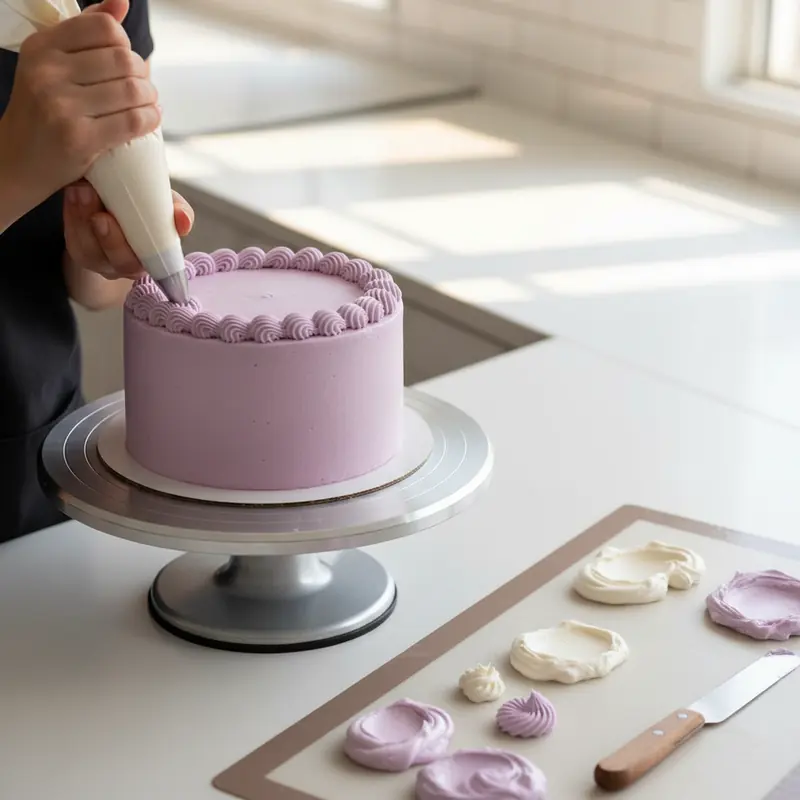
Do not use sugar-free or human-grade as a shortcut
There is a concrete reason to ask for labels rather than rely on reassuring descriptions. The US Food and Drug Administration's xylitol warning for dogs explains that xylitol can be present in baked goods, some peanut and nut butters, and sugar-free desserts. It advises checking ingredient labels, particularly on products described as sugar-free or low-sugar. That warning concerns dogs; it is not a basis for making the same toxicity claim about cats.
In an enquiry, replace 'Is it sugar-free?' with 'What sweeteners and other ingredients are in the actual products you will use?' Similarly, 'human-grade' does not answer whether a particular recipe fits your animal's restrictions. These questions are a way to obtain precise information, not a method for the owner to certify a recipe. Where a medical diet or unresolved ingredient concern is involved, seek advice from your vet rather than drawing a conclusion from the marketing description.
For an order, ask who confirms the final recipe
With a finished cake, ask the supplier who sources the ingredients, who makes the cake and who will answer recipe questions before production. You do not need a staff directory; you need one reliable enquiry route and a clear final confirmation. If a design conversation is being handled separately from ingredient questions, ask for both to be brought together in the order record.
Ingredient enquiries are a practical part of this market, not an unreasonable extra. Baking Maniac's description of its dog-friendly cakes says its cakes list ingredients and that possible substitutions for dogs with allergies can be discussed. That describes that merchant's stated approach, not a promise that another bakery can make the same changes. Ask the supplier handling your order what is possible, and wait for an answer specific to your request.
A useful final reply identifies the agreed cake components, any accepted exclusions and any substitutions that remain unresolved. If the answer is only 'we can customise', ask what has actually been accepted. Custom decoration and recipe modification are different requests. Neither a colour choice nor a successful design discussion should be treated as confirmation that a dietary restriction has been accommodated.
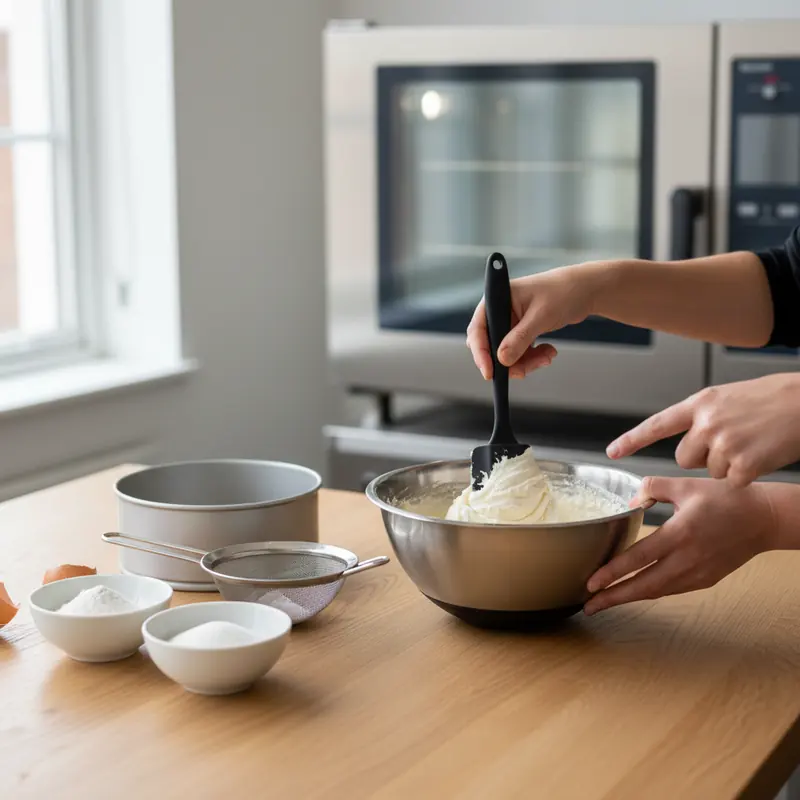
Ask workshop ingredient questions before choosing a session
For a class, establish whether the organiser supplies all ingredients or expects you to bring anything. If participants can bring additions, ask whether those additions must be reviewed first. Do not arrive with a favourite spread, topping or colouring and assume it can be added because it is familiar at home. The organiser needs to address the actual ingredient and the recipe being taught.
Also ask which recipe version the instructor will use and whether an agreed change will be reflected in your workstation ingredients. Clarify whether you make the whole item, use a prepared base, decorate an existing cake or watch a demonstration. These are not quality rankings; they describe different experiences and different points at which you can ask questions. Keep the answers together before comparing available sessions.
Use the answers to compare course listings
Once the ingredient and participation questions are recorded, confirm suitability from the actual intended eater and recipe, not the course name alone. If you are still comparing the broader range, the Baking Class page can help you explore general course types. A general baking listing should not be treated as a pet-food class or as confirmation that your animal's restrictions can be handled.
- What animal is this session's recipe intended for, and is the output a cake or treats?
- Who supplies each ingredient, and are participants permitted to bring additions?
- Who checks a requested substitution against the recipe version used in class?
- Which preparation and finishing steps will the participant actually complete?
Agree how substitutions will be handled before committing
Ask what happens if an agreed ingredient becomes unavailable. A useful arrangement names the contact who will explain the proposed replacement, the information they will provide and when you must respond. Request the replacement's ingredient label where relevant. Do not make an open-ended request to 'use something similar': similar flavour, appearance or texture does not establish an equivalent fit for a dietary restriction.
Clarify what options remain if a change cannot be confirmed. Ask whether the recipe can stay unchanged, whether a different item or session can be considered, or whether the supplier cannot proceed with your requirements. Do not assume any cancellation, refund or rescheduling arrangement; ask for the terms that apply to that booking. Written confirmation is useful for keeping the conversation consistent, not for turning this practical checklist into a legal allocation of responsibility.
Check decorations, shared equipment and attendance separately
A birthday design can include elements that are not part of the food. Ask which decorations are edible, which must be removed, and whether a requested design changes the ingredients. A human birthday-cake reference with candles or elaborate frosting is only a visual starting point. It should not silently become the recipe brief for a pet cake, and a design image does not prove that any depicted topping is suitable for your animal.
For known restrictions, ask how the supplier or organiser handles shared ingredients, utensils, work surfaces and cross-contact, and whether there are limitations they cannot address. An ingredient omission is not the same question as a shared-workspace arrangement. Separately, if you hope to bring your pet to a class, ask whether animals may attend that specific session. A class made for pet owners does not itself confirm pet admission.

Plan cooling, packaging and the journey home
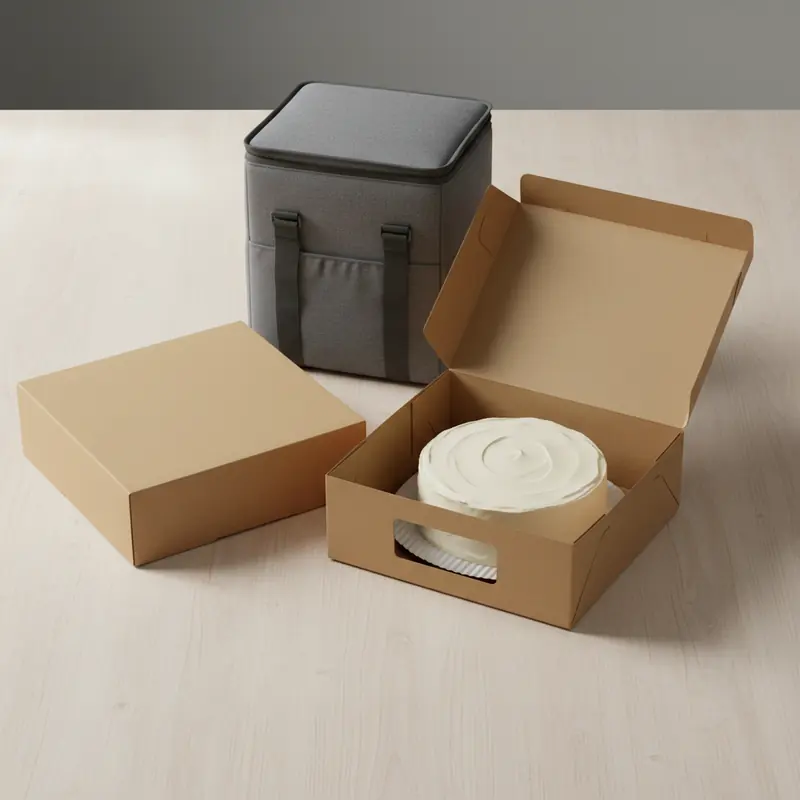
For an ordered cake, ask what state it will be in at handover and what packaging is included. For a workshop, ask who handles cooling and packing, whether the item is ready to leave when the session ends, and whether any finishing remains for you to do. A promise of a hands-on activity is not, by itself, an answer about a boxed cake ready for your journey home.
Request storage and use instructions for the actual finished product rather than borrowing a rule from another cake or an online recipe. Ask what you need to prepare at home and how the planned collection or class time fits the celebration. This article does not assign a universal storage period or feeding portion: those details should not be guessed from appearance, size or the fact that the cake is described as being for pets.
If transport is needed, confirm professional cake logistics and the fee with customer service for your particular arrangement. Do not assume free delivery, a fixed charge or a guaranteed same-day option. If you plan to collect, tell the supplier or organiser about the intended journey and ask what product-specific handling information they can provide before you settle the arrangements.
Keep one confirmation record, whichever route you choose
Use a single enquiry thread or short written record to hold the final details. It should identify the animal, relevant restrictions, agreed recipe components, label information, decoration status and the person to contact about changes. Add the finished item type and the collection or take-home arrangements. This avoids searching across a design image, a course description and several partial replies when you need to check what was agreed.
Treat unanswered points as unanswered. For example, 'restriction received' is not necessarily 'restriction can be accommodated', and 'ingredients included' does not establish which ingredients are supplied. Ask for the missing distinction directly. Your role is to give accurate information and seek veterinary advice where needed; the supplier or organiser needs to explain what they can provide. These are practical communication tasks, not a statement about legal responsibility.
Choose the confirmed fit, not the most reassuring label
In a hypothetical birthday plan, an owner who wants a completed cake and cannot spend time in a session may prefer an order, provided the actual ingredients and handover arrangements can be confirmed. Another owner may value making the gift and choose a pet-specific class after checking the recipe, supplied materials and take-home steps. Neither example proves one route is safer, and neither removes the need to resolve the animal's dietary restrictions first.
If one option gives a clear answer and the other leaves the recipe or substitutions unresolved, that is useful decision information. You can pause a booking rather than fill the gaps with assumptions. Start the conversation with the intended animal and the outcome you need, then work through the ingredient and handover record below. The right next step is the one whose actual details you understand, not the one with the most appealing cake photograph.
Details to confirm before ordering
- Intended animal: [dog or cat]; relevant known intolerances, allergies or veterinary dietary restrictions: [details to confirm].
- Required outcome: [completed ordered cake or hands-on session]; actual item to take home: [cake, treats or other confirmed output].
- Agreed components: [base, filling, coating and decorations]; compound-ingredient brands or labels received: [record].
- Requested restrictions: [items]; supplier or organiser's response and any shared-workspace limitations: [confirmed or unresolved].
- Ingredient supplier and recipe-confirmation contact: [name or enquiry channel]; participant additions permitted: [confirmed answer].
- Substitution process: [who contacts me, what label information is provided and when agreement is needed]; applicable booking terms: [record].
- Cooling, packing and handover: [who completes each step]; product-specific storage and use instructions: [requested or received].
- Celebration date and Hong Kong district: [details]; collection or professional cake logistics: [arrangement and fee to confirm with customer service].
Questions about this decision
Is baking the cake myself automatically a better choice for my pet?
No. Hands-on preparation does not establish that the recipe suits your animal. Check the intended species, complete ingredients and any dietary restrictions, whether you order the cake or attend a class.
Can I book a dog-cake session for a cat's birthday?
Do not assume the recipe or output can be transferred between species. Tell the organiser it is for a cat and ask what recipe and finished item the specific session provides. Resolve any relevant dietary questions with your vet.
What if the organiser says all materials are included?
Ask for the actual ingredient information and whether the supplied materials reflect any agreed change. 'Included' answers who supplies them, not what they contain or whether your requested restriction can be addressed.
Can I bring my own topping to a pet baking class?
Only proceed after asking the organiser whether outside ingredients are permitted and whether the exact product has been reviewed for the session's recipe. Bring the label into that discussion before the class, rather than introducing an unconfirmed addition on the day.
Does a course booking mean my pet can attend too?
No such assumption should be made. Ask about animal admission for the specific session, separately from confirming the recipe and what you can take home.
Sources and further reading
Reference only. Illustrations are AI-generated design references, not photographs of actual customer orders. Confirm current contents, prices and arrangements with our team.
For this guide:Order a Pet Birthday Cake or Bake It in a Class? Confirm Ingredients Before You Book
Arrange your baking order
Considering Pet-Safe Birthday Cakes? Send the date, district and the points discussed in this guide to YumYum Bakery & Cakes to confirm suitable options and a quotation.
Order Your CakeWhatsAppThis opens a prepared WhatsApp enquiry. Availability, details and price must be confirmed before booking.
Explore related services and designs
Compare relevant options, view design references and find the information you need before making an enquiry.
Pet-Safe Birthday Cakes
Explore pet birthday cake shapes and simple presentation ideas, then discuss species, ingredient restrictions and portion needs; the design reference does not verify suitability for an individual animal.
Pet Baking Class
Explore pet-focused cake and treat preparation activities, comparing shaping and simple finishing tasks while discussing species and recipe requirements rather than assuming a class sample suits every animal.
Original AI-generated navigation references; designs and order details are subject to confirmation.
Useful options for your plans
Explore Pet-Safe Birthday Cakes for design ideas and discuss your pet’s species, ingredients and portion needs.
Explore Pet Baking Class to compare pet-focused activities and discuss species-specific recipe requirements.