YumYum Bakery & Cakes · Ordering guides
Hands-On Baking Classes: Does Every Participant Make Their Own Cake?
For this guide:Hands-On Baking Classes: Does Every Participant Make Their Own Cake?
Plan your workshop
Considering Cake Decorating Class? Send the date, district and the points discussed in this guide to YumYum Bakery & Cakes to confirm suitable options and a quotation.
Book a WorkshopWhatsAppThis opens a prepared WhatsApp enquiry. Availability, details and price must be confirmed before booking.
A photograph of a finished cake tells you what the result can look like. It does not tell you whether you will weigh the ingredients, mix the batter, put a cake in the oven or decorate a base prepared before you arrive. If your question is ‘do you make your own cake in a baking class?’, start by separating the work you will personally do from the product you will receive.
For a Hong Kong booking, ask about the exact session you are considering rather than relying on the word ‘hands-on’ across a provider’s website. Write down the steps you want to practise, then request a per-person explanation of preparation, shared tasks and finished products. A decorating workshop and a bake-from-ingredients session can both suit their intended purpose; the useful distinction is whether the actual arrangement matches yours.
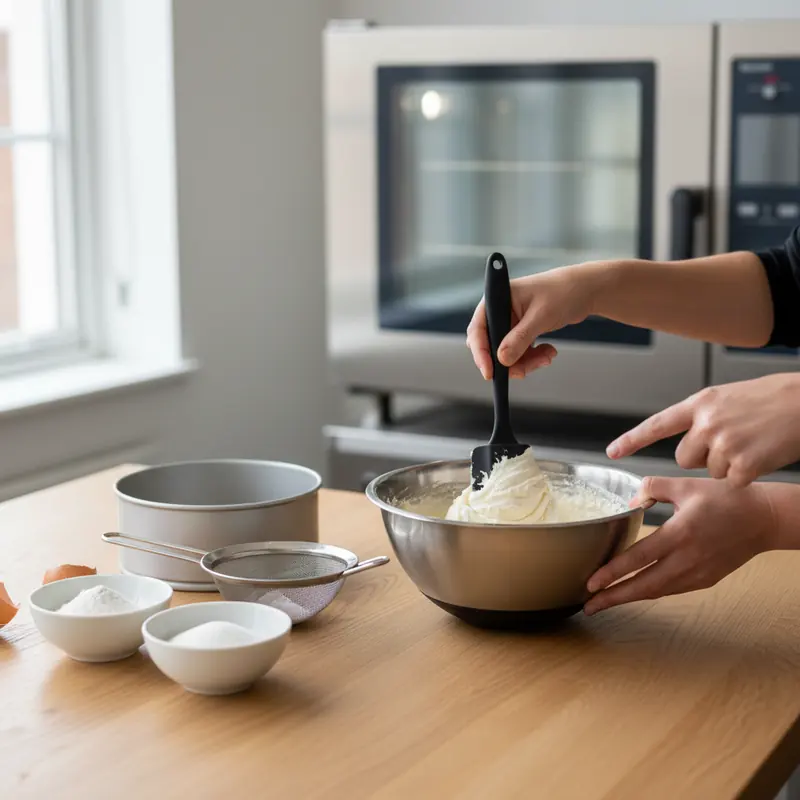
Do You Make Your Own Cake in a Baking Class?
There are two separate meanings to clarify. One concerns participation: which actions will you perform yourself? The other concerns allocation: what finished item will belong to you at the end? A participant could decorate an individual cake without mixing its batter. Alternatively, a group could prepare a cake together and divide it afterwards. Neither arrangement answers both questions on its own.
Use the paid participant as your starting unit, not the booking or the worktable. Ask the provider to describe what one person does and receives, then explain whether you are booking alone, as two adults or as a parent–child pair. This avoids treating ‘one cake per booking’ as ‘one cake per person’. If your priority is independent practice, say so explicitly rather than asking only whether the session is hands-on.
Map the Cake from Ingredients to Decoration
Break a cake session into recognisable stages: weighing ingredients, mixing batter, filling tins, baking, cooling, preparing icing, filling or coating the cake, and adding decoration. You do not need a technical syllabus to ask who handles each stage. What matters is whether the answer describes your participation, someone else’s participation or work completed before the class.
Be specific about the action within a stage. ‘We cover baking’ could mean an explanation of the oven settings, a demonstration or an opportunity to handle your own batter and tin. Similarly, ‘make buttercream’ needs clarification if the instructor prepares one batch while the class watches. Ask what you will physically do, rather than trying to infer practice time from a topic name.
Use Four Labels for Each Step
Mark each stage as individual practice, shared practice, demonstration or prepared in advance. Add ‘not yet confirmed’ wherever the description is unclear. If a stage combines formats, record both: for example, an instructor might demonstrate a movement before participants try it. The point is not to insist that every stage must be individual; it is to make the differences visible before you choose.
For shared practice, add one more question: ‘Does everyone try this movement, or does one participant complete it for the group?’ Taking turns to mix can provide a different experience from watching a partner mix the whole batch. Ask how the rotation works for the particular technique you want to learn, without assuming that a shared label means either equal practice or no practice.
Ask Whether You Will Bake or Decorate a Prepared Base
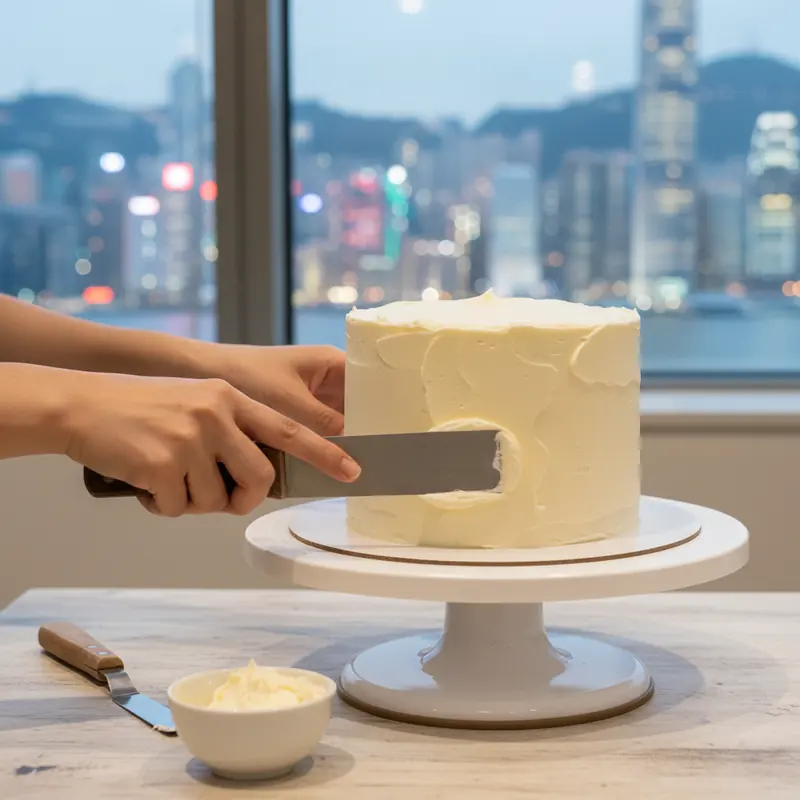
A decorating session can focus on coating, smoothing, piping or arranging decorative elements. If these are your goals, a prepared base may be entirely appropriate. When considering a Cake Decorating Class, ask who makes the base for your selected session and which finishing steps each participant completes. The class label alone should not be read as a promise that you will mix and bake a cake from the beginning.
A concrete overseas example shows why the distinction matters. In its office-event offering, NY Cake Academy’s group-class page states that cupcakes and tools are provided and that each student decorates six cupcakes to take home. That description identifies both the supplied product and the individual decorating output. It does not establish that each student mixes and bakes those cupcakes during the event, and it is not a description of YumYum’s classes.
If you are looking for a cake decorating class with pre-baked cakes, ask which components are ready on arrival: the cake only, the icing too, or additional decorations. If you want baking practice instead, ask whether you mix a batch that becomes your finished cake. Either answer can be clear and useful. The mismatch arises when a personal finished item is mistaken for evidence of personal work at every earlier stage.
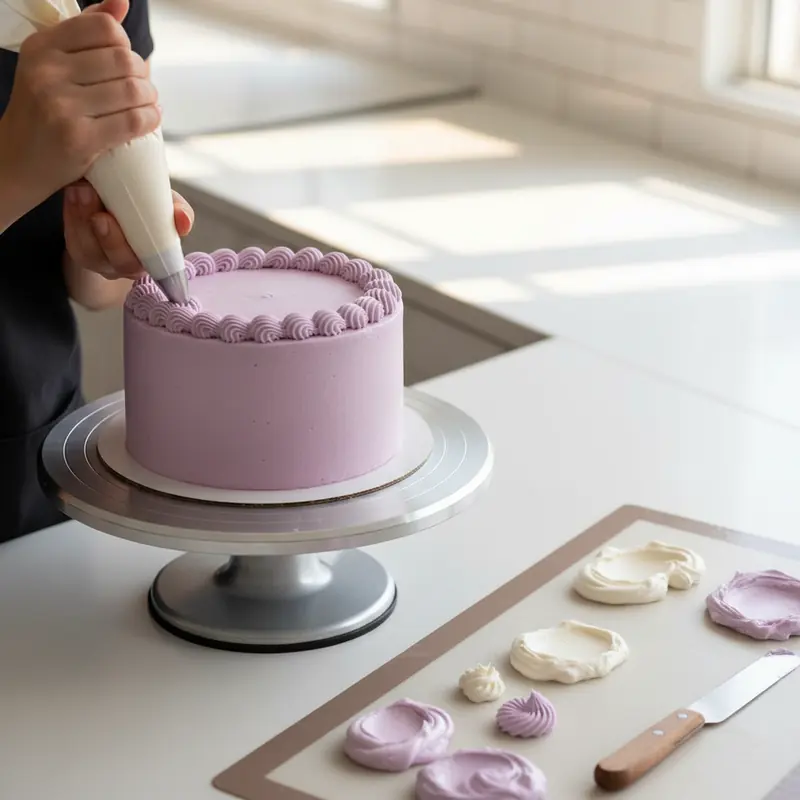
Separate Shared Equipment from Shared Work
Sharing a mixer does not automatically mean sharing a single cake. Participants might use the equipment sequentially for separate batches. Conversely, individual bowls or decorating spaces do not prove that everyone has mixed a complete recipe. Ask about the ingredients and batch allocation as well as the equipment: ‘Is this one batch for the table, or does each person prepare a separate batch?’
Follow the answer through the whole process. If there is a common batch, ask who measures, who mixes and how it is divided before baking or decorating. If there are separate batches, ask whether each participant gets to carry out the technique rather than having it completed centrally. This is particularly useful when your goal is learning a movement, such as folding, rather than simply taking part somewhere in the workflow.
A shared arrangement may suit someone who wants collaborative preparation. An individual arrangement may suit someone who wants to make each decision themselves. Neither is automatically better. The practical issue is whether the provider can explain how you participate within the arrangement, especially when several people want to practise the same step.
Count the Finished Products, Not Just the Seats
Ask for the quantity and format per person, pair or group. ‘Everyone takes something home’ leaves several possibilities open: a whole cake, a share of a common cake or several small pieces. Ask for the stated size or quantity and which unit it applies to. Do not interpret a photograph of one whole cake as the amount supplied to every participant.
A hypothetical example illustrates the distinction: two people could work on one cake together, or each could decorate a separate cake made from a shared batch. Both involve two participants, but the outputs differ. Ask whether the cakes remain separate throughout the session and how the finished products are allocated. There is no need to guess from the number of seats or workstations.
Clarify the final arrangement as well: is the product boxed for taking away, divided between participants or eaten during the session? If you need to leave with an intact cake, state that requirement before booking. If a photograph or display example includes extra decorative pieces, ask whether those are part of the participant’s work and finished allocation rather than assuming that everything shown is included.

Use the Same Test for a Cooking Class
The same distinction applies beyond cakes. Sur La Table’s cooking-class FAQ describes hands-on instruction in groups of up to four, a shared workstation and enjoying dishes family-style with the station group. This overseas example demonstrates that hands-on participation can coexist with group preparation and shared eating. It does not establish the grouping or serving arrangements of any Hong Kong provider.
If you are comparing a Cooking Class, change the question from ‘Does everyone take home a cake?’ to ‘Which ingredients and dishes will I prepare, and which stove or assembly steps will I perform?’ Ask whether each participant tries the technique or whether roles are divided across the menu. For someone focused on cooking practice, knowing who prepares and cooks each component is more useful than applying a cake workshop’s take-home expectations to a shared meal.
Check the Child’s Role in a Parent–Child Booking
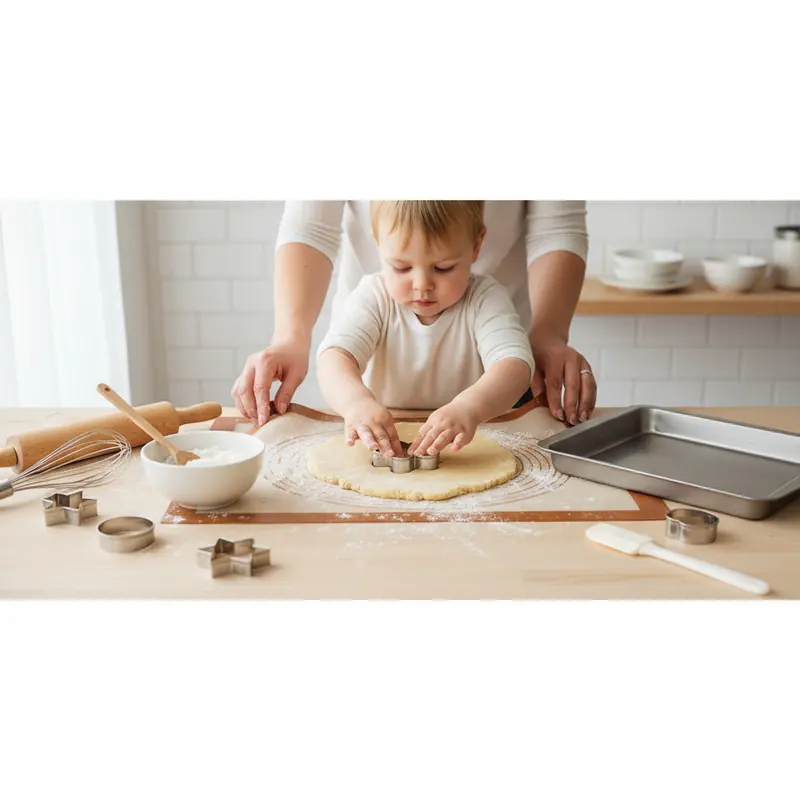
For a Kids Baking Class, ask what the child personally mixes, shapes or decorates, and whether the parent–child booking produces one shared item or separate products. A description of what the pair accomplishes does not identify the child’s individual practice. Tell the provider the child’s age and ask how the stated activity is organised for that session, without assuming that one format suits every child.
Keep the allocation of hot operations explicit: who handles the oven, hot trays or other stages assigned to an adult? Do not count an adult’s work as the child independently completing that step. Equally, adult assistance does not make the child’s shaping or decorating work less real. A useful answer identifies the child’s tasks, the accompanying adult’s role and the instructor’s role separately, so the family can choose an activity with realistic expectations.
Match Adult Practice to a Specific Technique
For an Adult Baking Class, start with the technique you want to practise rather than the appearance of the finished product. Someone interested in folding batter needs a different answer from someone interested in smoothing icing. Ask whether your chosen technique is demonstrated, carried out once by the group or practised individually. A beautiful take-home result cannot answer that question by itself.
Describe your goal in observable terms: ‘I want to mix my own batter and judge when to stop’, or ‘I want to practise smoothing the surface myself’. Then ask which parts the instructor may complete on your behalf. Demonstration, guidance and practical work can all have a place, but you need to know their balance. Confirmation of the activity is not a guarantee of mastering the technique by the end of one session.
Read the Timetable for What Happens Away from Your Bench
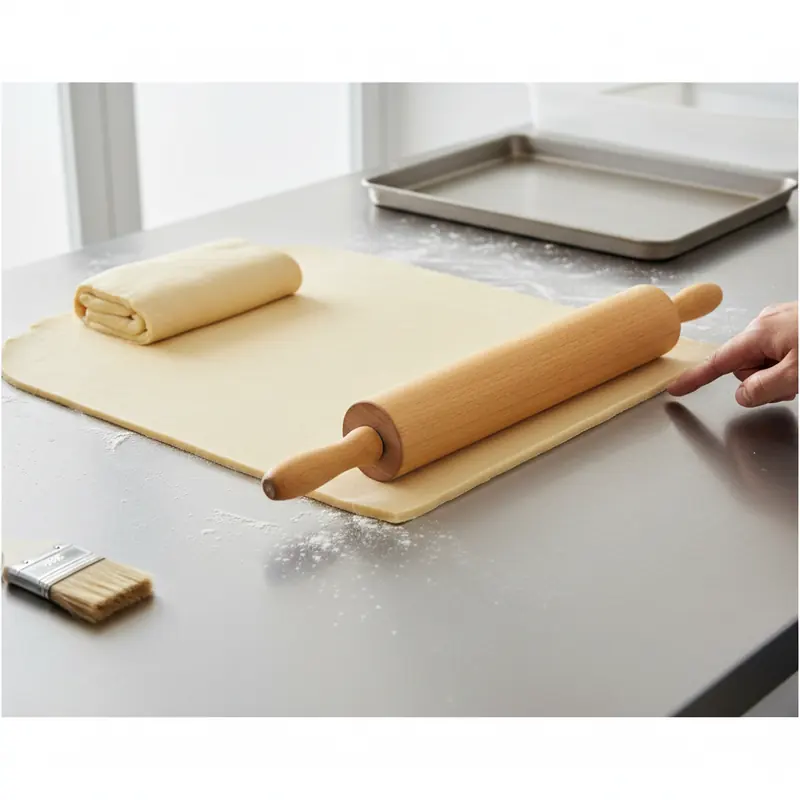
Ask what happens between mixing and finishing. If the class includes a baking stage, who loads the oven and monitors it? While products bake or cool, will participants prepare icing, watch a demonstration or work on another component? These questions help you understand the sequence without assuming that every minute of the session is individual practice.
If the timetable appears to move directly from mixing to decorating, ask whether you will decorate the same cake or a separate prepared base. A provider may describe a session that teaches one stage using a practice batch and another using a ready component. Get that arrangement stated plainly if it matters to you. Do not infer that a swap will happen, or that it will not happen, from the advertised duration alone.
Also ask which preparation is outside the session altogether. Ingredients may already be portioned, icing may be ready, or components may be assembled in advance. Record only what is confirmed for the selected class. Knowing this helps you distinguish a focused finishing session from a broader process class without treating advance preparation as a fault in itself.
Turn Vague Replies into Usable Answers
Replies such as ‘fully hands-on’, ‘all materials included’ or ‘everyone has a finished cake’ leave different questions unanswered. Rather than challenging the label, ask the missing operational question. ‘All materials’ concerns supplies, not who weighs them; ‘finished cake’ concerns an output, not necessarily who bakes it. A precise follow-up is more useful than repeating the original broad question.
You do not need the provider to promise that everything is individual. You need an answer that distinguishes individual tasks, shared tasks and supplied components. If one of your essential steps remains unclear, mark it as unconfirmed instead of filling the gap with an assumption. Keep the reply associated with the relevant class name and session, especially if you are comparing several formats.
What a Clear Reply Could Look Like
Illustrative wording only, not a provider’s promise: ‘Each participant decorates a separate prepared cake. The cake and icing are made before the session. You apply the coating and pipe the border yourself; mixing and baking are not practised. Each participant takes away their decorated cake.’ This answer makes a decorating format understandable without implying a complete bake-from-ingredients experience.
A shared-format reply could instead say, again as an illustration: ‘Participants prepare one batch together, with mixing shared between the pair. The baked product is shared, and each person decorates their allocated portion.’ That describes a different arrangement, not an inferior one. If either answer omits something important to you, such as individual weighing or the exact take-home quantity, ask for that detail before deciding.
Send One Enquiry for the Exact Session
Combine the questions into one short message rather than collecting unrelated assurances. Identify the class, preferred date, Hong Kong district and participant arrangement, then ask: ‘Will I mix and bake my own cake, or decorate a prepared base? Which steps are demonstrated rather than practised? Does each paid participant finish an individual product?’ Add the particular skill you do not want to miss.
Then close the gaps about sharing: ‘If we share a station, which tasks does each person perform? Is the stated quantity per person or per group? What can each participant take away, and what is eaten during the class?’ A provider’s detailed answer gives you a basis for comparison. A broad reply is a reason to follow up, not proof that the description is misleading.
Keep the written response with the class information you used to decide. If the proposed session changes, ask whether the task allocation and output remain the same. Confirm the current fee and booking terms with customer service for your selected arrangement; neither another provider’s example nor a finished-product image establishes those details. Written clarification records what was discussed, but does not itself create a refund or learning-outcome guarantee.
Choose the Format That Matches Your Non-Negotiable
Choose one essential requirement before comparing the replies. It might be personally mixing batter, practising a specific piping movement, collaborating with a partner or having a separate product to take away. Once that requirement is explicit, a clear description can tell you whether a class fits. You do not need to rank every workshop or insist that one format serves every goal.
For example, hypothetically, someone who wants piping practice could reasonably choose a prepared-base session even though baking is not included. Someone who wants to understand batter preparation would need to confirm that mixing is part of their own work, not only an instructor demonstration. A family looking for a shared activity might welcome one joint product, provided the child’s role and the adult’s role are clear.
If the answer does not match your priority, ask about a different session or adjust the goal before paying. The most useful definition of hands-on is therefore not a label but a description: what you do, what others do and what you finish with. Once those three points are clear, you can choose for the experience you actually want rather than the cake photograph alone.
Details to confirm before ordering
- Record the exact class name, preferred session date and participant arrangement for the enquiry.
- Mark weighing, mixing, baking, cooling, icing and decorating as individual, shared, demonstrated, prepared in advance or unconfirmed.
- Confirm whether you decorate the cake made during the session or a separate prepared base.
- Ask how shared tasks rotate and whether you personally try your priority technique.
- Confirm the finished quantity and format per person, pair or group, plus take-away or on-site eating arrangements.
- For a parent–child booking, separate the child’s tasks from adult assistance and adult-handled hot operations.
- Keep the session-specific written reply and confirm the current fee and booking terms with customer service.
Questions about this decision
Does ‘hands-on’ mean I will make a whole cake independently?
No. It identifies practical participation but does not specify every task or the finished allocation. Ask which stages you perform individually, which are shared, which are demonstrated and which are prepared before you arrive.
Can I have my own cake even if the base is prepared in advance?
An individual decorating format can provide a separate finished cake using a prepared base. Confirm that arrangement for the selected session. A personal finished cake does not establish that you personally mixed and baked it.
If we share a mixer, must we share the finished cake?
Not necessarily. Shared equipment and shared output are separate arrangements. Ask whether participants make separate batches, divide a common batch or work on one finished product together.
What if the provider only replies that everyone takes something home?
Ask what each paid participant receives, the quantity or size, and who completes each preparation stage. ‘Something to take home’ does not distinguish a whole individual cake from a portion of a shared product.
Should I reject a class that includes demonstrations or prepared components?
Not simply for that reason. Check whether the technique you want to practise remains part of your own work. A focused decorating session can fit a decorating goal, while a mixing goal calls for confirmation of individual mixing practice.
Sources and further reading
Reference only. Illustrations are AI-generated design references, not photographs of actual customer orders. Confirm current contents, prices and arrangements with our team.
For this guide:Hands-On Baking Classes: Does Every Participant Make Their Own Cake?
Plan your workshop
Considering Cake Decorating Class? Send the date, district and the points discussed in this guide to YumYum Bakery & Cakes to confirm suitable options and a quotation.
Book a WorkshopWhatsAppThis opens a prepared WhatsApp enquiry. Availability, details and price must be confirmed before booking.
Explore related services and designs
Compare relevant options, view design references and find the information you need before making an enquiry.
Baking Class
Compare hands-on baking activities, from mixing and measuring to shaping and finishing, to identify the techniques you would most like to explore in a class.
Cake Decorating Class
Explore frosting, piping and finishing techniques to compare the cake decorating skills you want to practise, including smooth surfaces, borders and decorative buttercream details.
Kids Baking Class
Explore supervised mixing, shaping and decorating activities to compare children’s baking class ideas, focusing on manageable hands-on tasks and the type of creative activity your child enjoys.
One Day Baking Class
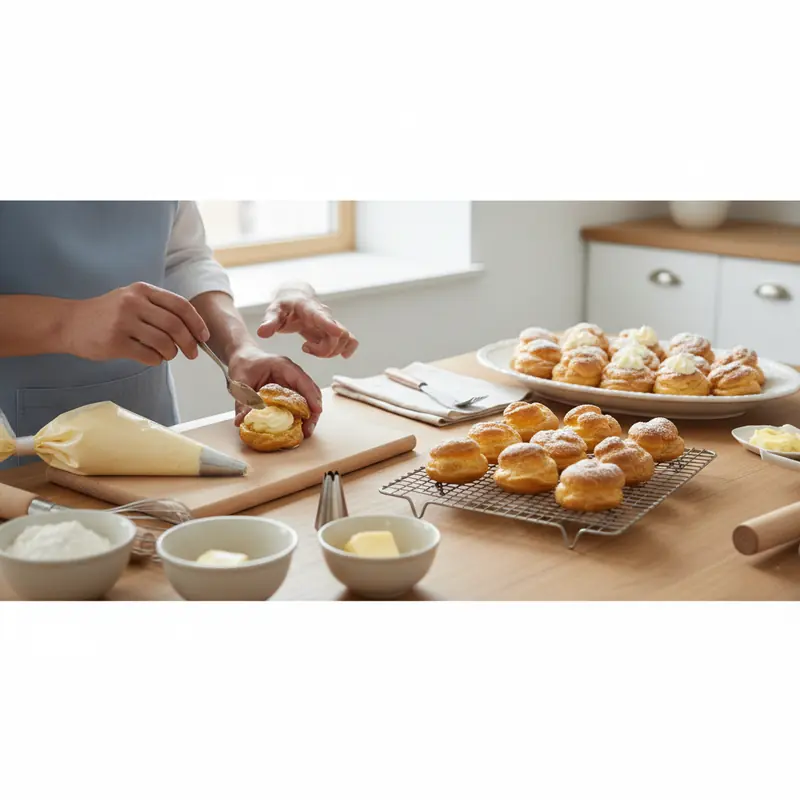
Explore compact hands-on baking activities to compare a one-day class experience, considering whether shaping, filling or finishing a pastry is the skill you most want to practise.
Adult Baking Class
Compare pastry preparation, dough handling and finishing activities to explore an adult baking class direction, focusing on practical techniques you would like to develop through hands-on practice.
Baking Class in Kwun Tong
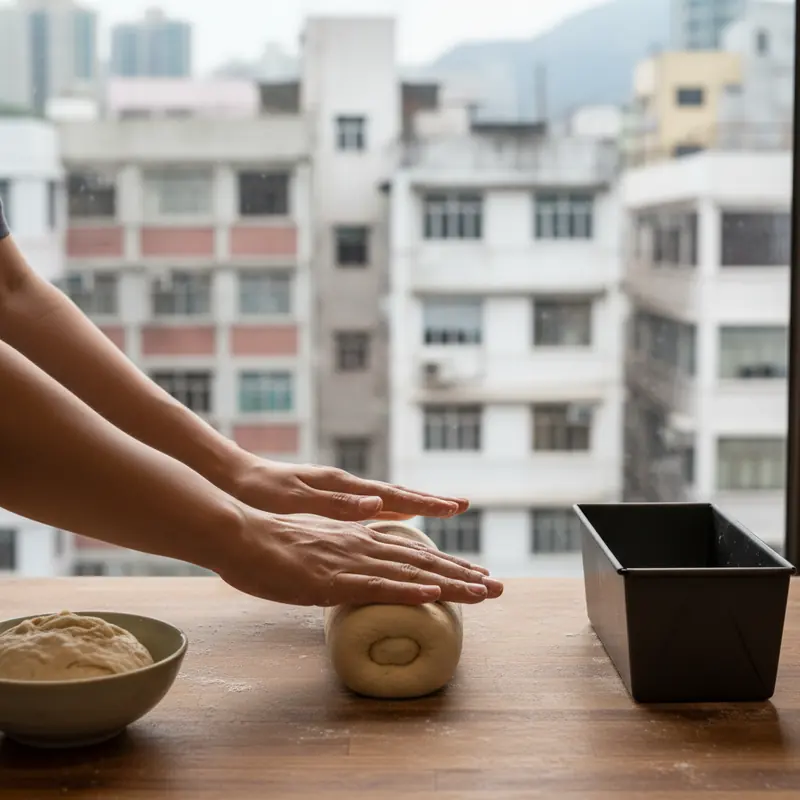
Explore hands-on baking class options in Kwun Tong, comparing bread shaping, cake finishing and pastry activities while checking the actual class location and arrangements separately.
Original AI-generated navigation references; designs and order details are subject to confirmation.
Useful options for your plans
Explore Baking Class to compare practical techniques and choose the baking skills you want to develop.
Discover Cake Decorating Class to compare frosting and piping techniques you would like to practise.
Explore Kids Baking Class to compare supervised baking activities that suit your child’s interests.
Explore Cake Decorating Class in Kowloon to compare decorating techniques and discuss the teaching location and arrangements.