YumYum Bakery & Cakes · Ordering guides
Small Home Kitchen? Which Baking Class Skills Can You Practise Without a Stand Mixer?
For this guide:Small Home Kitchen? Which Baking Class Skills Can You Practise Without a Stand Mixer?
Plan your workshop
Considering Adult Baking Class? Send the date, district and the points discussed in this guide to YumYum Bakery & Cakes to confirm suitable options and a quotation.
Book a WorkshopWhatsAppThis opens a prepared WhatsApp enquiry. Availability, details and price must be confirmed before booking.
A finished classroom cake does not tell you whether you can repeat its most important steps in your Hong Kong kitchen. You may have room for a bowl and a whisk but nowhere to store a stand mixer, or an oven that cannot accommodate the class tin. The useful question is not whether the class looks simple. It is which part you can practise again with the equipment and space you actually have.
When choosing baking class skills to practise at home without a stand mixer, start by selecting one or two actions you want to repeat: mixing a suitable batter, dividing dough, controlling a piping bag or finishing a cake surface. Then ask the course provider to separate those actions from everything prepared for you. The checks below turn a tempting class photograph into a practical booking decision, without assuming that every machine-led method has a hand-mixed equivalent.
Begin with Your Available Work Area, Not a Shopping List
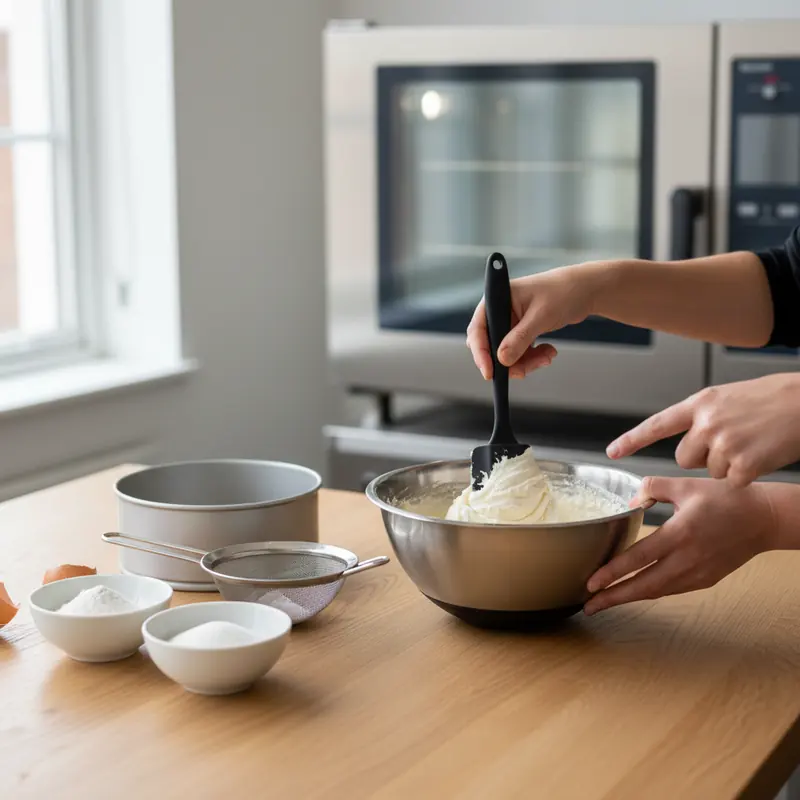
Write down what you already own: a kitchen scale, mixing bowl, hand whisk, spatula, spoon, piping bags and any piping tips. Include a hand-held electric mixer if you have one, but do not describe your setup simply as 'basic equipment'. That phrase could mean very different things to you and the instructor. A concrete inventory lets them explain which proposed methods fit and which depend on something missing.
Next, clear the surface you would actually use at home. Can you put down a bowl and a tray together, or must one move before the other can be used? Note whether a rolling area, a cooling area and refrigerator space are available. A tool that fits in a cupboard may still be awkward to use in your working space. Treat these observations as booking information, not a reason to buy equipment before you know what the class requires.
Break the Class Project into Separate Jobs
Ask for the sequence behind the finished product: weighing, mixing, shaping or portioning, baking, preparing filling, assembling and decorating. Against each stage, record whether you do it yourself, share it with another participant, watch a demonstration or receive a prepared component. A class can be useful even when some components are supplied; the point is to know exactly which skill you are buying time to learn.
For example, filling a prepared pastry shell is not the same task as making and baking the shell. Likewise, decorating a supplied sponge does not show you how its batter was mixed. Use four headings in your notes: class task, tools at home, alternative method to confirm, and unresolved requirement. If your main goal is making batter independently, a project built largely around prepared cake layers may be a poor fit even if the decoration is appealing.
Baking Skills to Practise Without a Stand Mixer Start with the Recipe
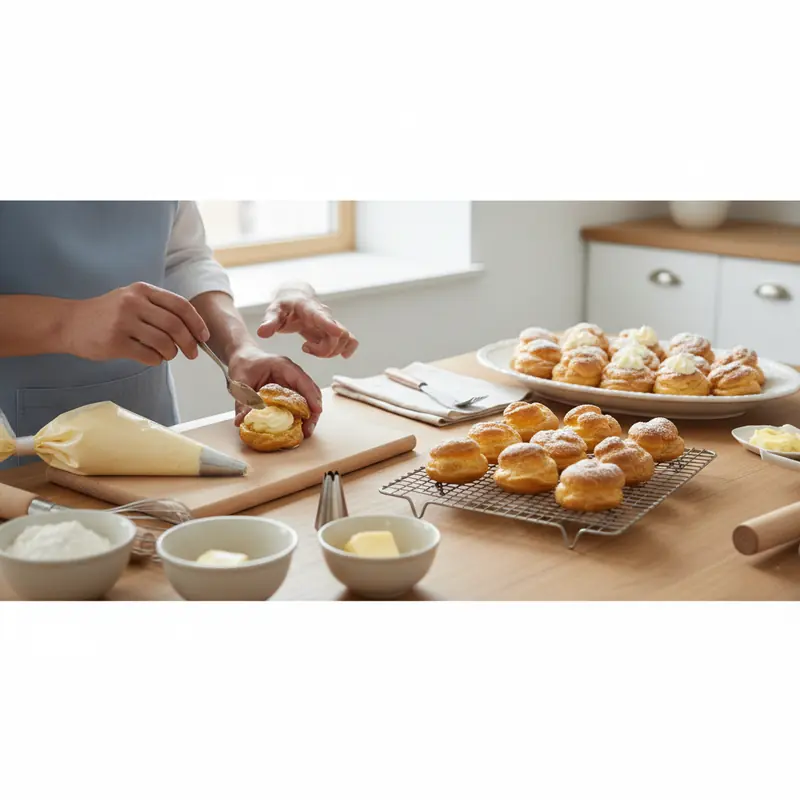
Look for a recipe intended for hand mixing rather than removing a machine step from an unrelated recipe. Serious Eats' no-stand-mixer recipe collection includes one-bowl hand-mixed oatmeal cookies and molten chocolate cakes made with a whisk and spatula. These are specific examples of suitable methods, not evidence that every cake, cookie or pastry works equally well by hand.
When enquiring about an Adult Baking Class, attach your tool inventory and name the stage you want to repeat. Ask whether the actual class recipe has a hand-mixed method, whether you will perform that method yourself, and whether the instructor can explain its finishing cues. Do not assume an adult course automatically provides a hand-mixed version or that watching the instructor use a mixer teaches the alternative.
Keep the whole equipment list in view. The same Serious Eats collection includes recipes with additional requirements, such as a madeleine mould or a food processor. 'No stand mixer' describes one missing appliance; it does not mean no specialist tools, no powered equipment or no oven. Choose the recipe and the learning task together.
Learn What to Observe While Mixing
A portable mixing lesson should give you more than a sequence of movements. Ask the instructor to identify what you should see or feel at the relevant stages of the specific recipe: whether dry ingredients remain, what the mixture looks like before portioning, and when to stop. Record the recipe-specific observations rather than relying on a classroom machine setting that you cannot reproduce at home.
Weighing and portioning can also be useful practice targets, provided the mixture is available in a suitable state. Ask whether the lesson explains how to divide it consistently with the tools you own. It is reasonable to want a smaller practice task, but changing a batch size or leaving a mixture waiting may introduce questions the instructor needs to answer. Do not treat those changes as automatically harmless.
Ask for a Stopping Cue, Not Just a Duration
A helpful question is: 'When I use this whisk and bowl at home, what should tell me this stage is complete?' Follow with: 'What would an unfinished or overworked version look like in this recipe?' The answer should relate to the method being taught. If you cannot obtain a usable description, mark that stage as needing further guidance rather than guessing from a photograph of the final bake.
Check the Oven and Tin Independently of the Mixer
Measure your oven's usable internal space and identify the tins or trays you already have. Give the provider the tin's shape and dimensions, rather than only saying that you own a small oven. Ask whether the class recipe is compatible with that setup and what, if anything, needs an instructor-approved adjustment. A hand-mixed batter still has to go into an appropriate baking vessel and oven if the project includes baking.
If you have no oven, say so before booking. Your realistic home goal may be an isolated decorating drill using prepared material, rather than reproducing the whole bake. Conversely, owning an oven does not solve a missing mould or cooling-space problem. Keep 'no mixer', 'no oven' and 'no matching tin' as separate entries in your notes so that a positive answer to one does not hide an unresolved requirement elsewhere.
Flag Stages with Hidden Machine or Space Requirements
Whole-egg whipping, making the particular buttercream used in class and working a demanding dough deserve explicit questions. Ask which appliance is used, what result it produces, and whether an alternative has been established for that recipe. Avoid accepting 'you can do it by hand' without understanding the method and practical effort involved. If the answer is uncertain, choose a different practice target rather than assuming persistence will replace the missing equipment.
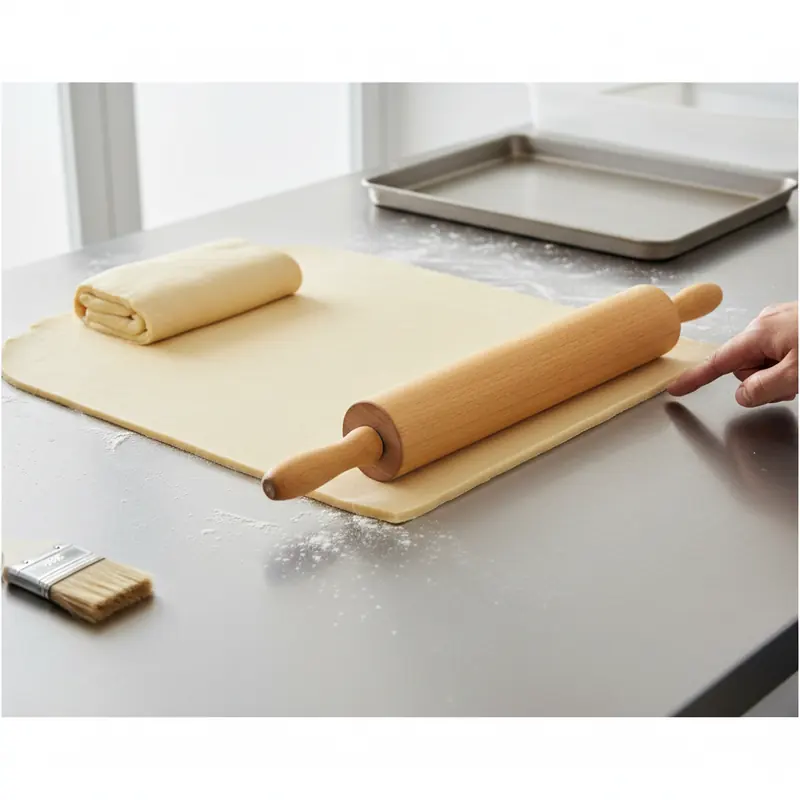
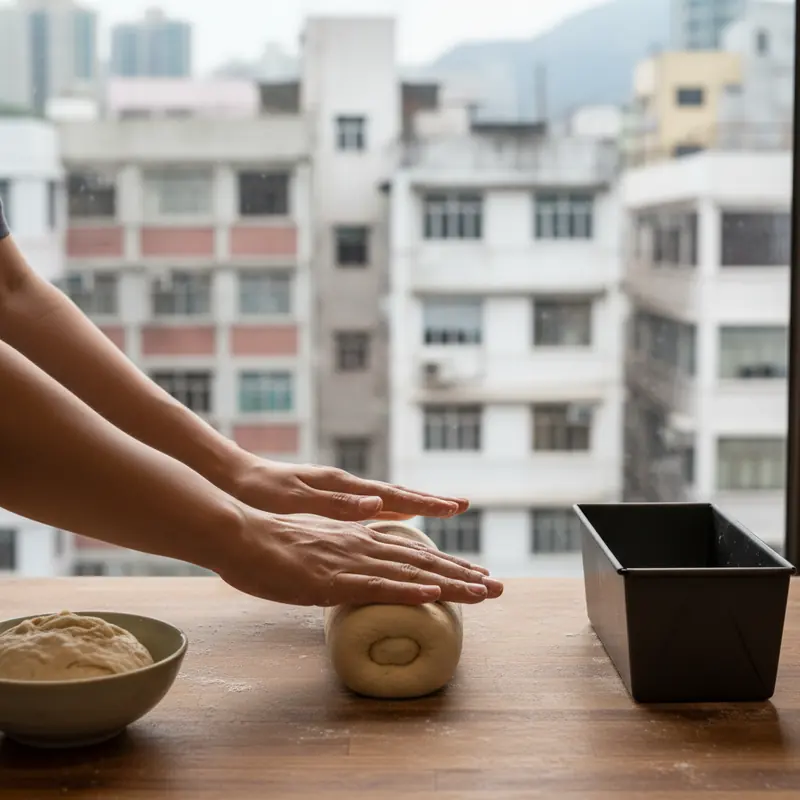
Space can be a constraint even when a stage is manual. A laminated pastry project, for example, should prompt questions about the rolling area, resting stages and refrigerator space needed for the specific recipe. A picture of hands rolling dough does not reveal all those requirements. Decide whether you want to learn that process now, observe it for future use, or focus on a task that fits your current kitchen.
Use Parchment Piping to Separate Decoration from Baking
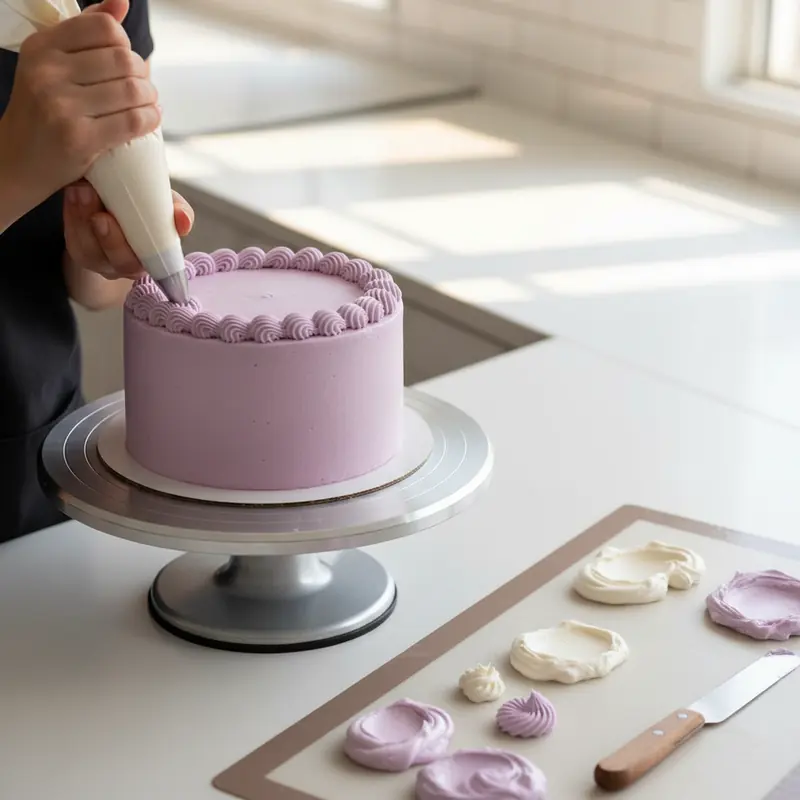
Cake decorating practice at home without baking a cake can begin with a narrow skill: handling a piping bag on parchment paper. International Desserts Blog's beginner piping guide suggests preparing buttercream and trying different tips on parchment. This supports practising the movement independently; it does not remove the need for suitable piping material, a bag and the appropriate tip.
Ask about dots, stars or a shell border rather than requesting 'all the basics'. Wilton's beginner piping guide treats these as separate techniques with corresponding tips. That distinction gives you a useful question for a class provider: which particular movement will I learn, with which tip, and how will I recognise a successful attempt?
Confirm the material separately. Is the buttercream prepared for the class, and what would you need to prepare or obtain it at home? Ask for the relevant handling and storage instructions, including whether practice material is intended to be reused at all. Do not assume you can repeatedly collect and reuse it, or replace it with another mixture and expect the same behaviour.
Give a Small Practice Session One Visible Goal
Choose a feature you can compare across attempts: similar-sized dots, stars with a consistent outline, or shells that join into an even-looking border. Ask the instructor which feature to prioritise for the technique taught. Practising a defined movement makes better use of a small work area than attempting a whole decorated project every time you want to improve one detail.
A photograph of cupcakes with rosettes, swirls and ruffles can help you name a desired result, but those finishes are not interchangeable exercises. Ask which tip and movement create the feature you like. Start with the taught movement rather than trying to recreate every design in the image; the picture is a discussion reference, not proof that the course covers each finish.
A Hypothetical First Practice Brief
For example, your brief might be: 'I want to practise a shell border on parchment, using the tip taught in class, until I can compare the join between successive shells.' Ask the instructor what to observe and what to change if the result differs. Keep a note of the material and tool used, so your next question can describe a specific difficulty rather than simply reporting that the decoration did not work.

Treat Smoothing a Whole Cake as a Different Project
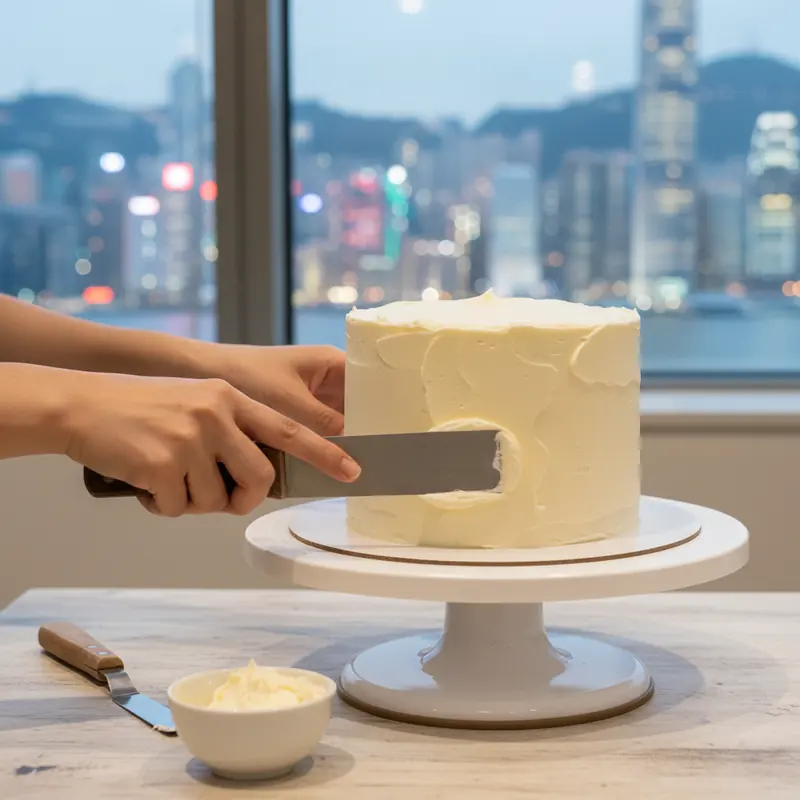
Controlling a piping bag on paper is not the same as coating and smoothing a complete cake. The International Desserts Blog guide discusses cake-finishing tools such as a turntable and spatulas separately. Before choosing full-cake finishing as your home practice goal, ask about the cake base, tools, working area and refrigeration arrangements required by the method.
If you are considering a Cake Decorating Class in Kowloon, ask whether the current topic focuses on bag pressure, tip movements or finishing an entire cake. Also confirm whether the buttercream is supplied ready to use and which parts you prepare yourself. A limited-equipment piping exercise is a possible learning target, not a promise about the format of every decorating class.
You may reasonably choose the full-cake class for an experience while accepting that only some movements are repeatable at home. Alternatively, you may prefer a class whose main task you can practise independently afterwards. Neither decision requires pretending that parchment practice demonstrates mastery of assembling, coating and decorating a complete cake.
Find Out What Instructions You Can Take Home
Ask whether a recipe or practice guide is provided, and what it contains. For your purposes, a useful reference would identify ingredient quantities, the mixing method, relevant tools, tin dimensions and observable finishing cues. Do not assume that enrolment includes a written recipe, a translated copy, permission to record a demonstration or follow-up support; confirm the arrangements that matter to you before booking.
If you only want to repeat one stage, ask whether it can be practised on its own and what must already be prepared. A piping drill needs a suitable material; a portioning exercise needs a suitable mixture. Clarify whether the provider recommends a smaller practice quantity and whether the same method applies. 'Practise just this part' should describe a workable exercise, not merely omit the steps that make it possible.
Consider a Different Class Only If Your Goal Has Changed
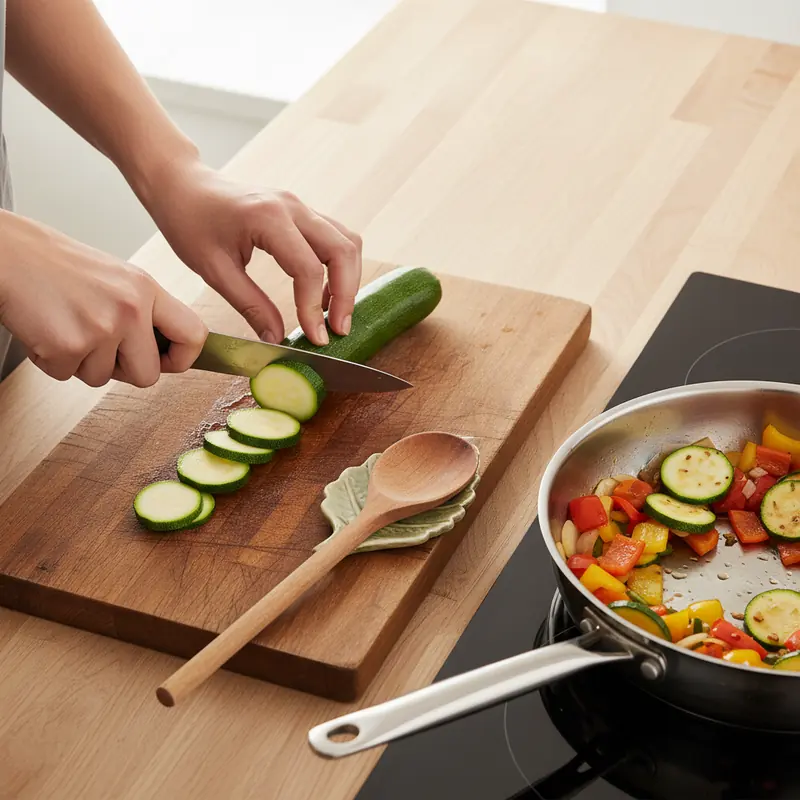
If your real priority is making everyday meals with the hob and pans you already use, a Cooking Class may be a more relevant enquiry. Ask which preparation, cutting and cooking tasks participants perform and what cookware those tasks require. This is a different learning goal, not an alternative way to learn the same cake-mixing or decorating skills.
Having only a hob does not mean every cooking course fits your kitchen either. Apply the same task-by-task check to its equipment and hands-on arrangements. Keep this route separate from your baking shortlist unless daily meal preparation is genuinely the outcome you want.
Book the Class with the Clearest Home-Practice Fit
Compare replies by the skill you can repeat, not by the number of items in the finished display. In a hypothetical comparison, one class might offer a suitable hand-mixed recipe with individual practice, while another centres on decorating prepared layers with a frosting you cannot currently make at home. The first could fit an independent mixing goal better; the second could still fit a deliberately limited decorating goal. The choice depends on your stated purpose and the confirmed arrangements, not a universal ranking.
If Kwun Tong is already within your travel range, use the Baking Class in Kwun Tong enquiry route to confirm the actual teaching address, current topic and the stages you could repeat without a stand mixer. A district label alone does not establish the venue or equipment format. Confirm the session availability and current fee directly rather than building your decision around an assumed schedule or price.
Before committing, complete the checklist below and resolve any requirement that would prevent your chosen practice task. You do not need a plan to reproduce everything on the first attempt. You do need a clear answer to what you will do yourself, what you can do again at home, and what still depends on equipment or preparation you do not have.
Details to confirm before ordering
- Home tools available: whisk ___; spatula ___; scale ___; hand-held mixer, if any ___; piping bag and tip ___ .
- Usable work area ___; oven internal dimensions ___; tin or tray shape and dimensions ___; available refrigeration space ___ .
- The one or two stages I want to repeat at home: ___ .
- For each priority stage: individual hands-on work ___; shared work ___; demonstration ___; prepared components ___ .
- Confirmed recipe or practice material ___; hand-mixed method, if relevant ___; required tools still missing ___ .
- Finishing cues and instructions provided ___; whether the stage can be practised separately ___; any instructor-approved quantity or tin adjustment ___ .
- Preferred date ___; travel district ___; actual teaching address ___; current topic, session availability and fee confirmed ___ .
Questions about this decision
Is a hand-held electric mixer the same as having no mixer?
No. Tell the provider that you have a hand-held mixer and ask whether it is suitable for the specific recipe and stage. A lesson described as requiring no stand mixer may still use another powered appliance.
Can a decorating class be useful if I have no oven?
Potentially, if your goal is a confirmed decorating exercise using suitable prepared material. Ask what you must obtain or prepare at home. Do not assume you can reproduce the entire cake project without an oven.
What if the advertised class uses a mixer but I only want to learn portioning?
Ask whether portioning receives hands-on teaching and whether the mixture needed for home practice can be made with your equipment. Learning to divide a classroom mixture is useful, but it does not solve an inaccessible preparation stage.
Should I buy piping tips before booking?
First confirm the technique, the corresponding tip and whether class tools are supplied. Then decide what is needed for the agreed home exercise. A large assortment is not a substitute for knowing which movement you want to practise.
What should I do if a provider cannot confirm a hand-mixed alternative?
Treat that stage as unresolved. Ask about another recipe or a different hands-on task, or choose a class for the experience while recognising its home-practice limits. Do not infer that an unconfirmed alternative will work.
Sources and further reading
Reference only. Illustrations are AI-generated design references, not photographs of actual customer orders. Confirm current contents, prices and arrangements with our team.
For this guide:Small Home Kitchen? Which Baking Class Skills Can You Practise Without a Stand Mixer?
Plan your workshop
Considering Adult Baking Class? Send the date, district and the points discussed in this guide to YumYum Bakery & Cakes to confirm suitable options and a quotation.
Book a WorkshopWhatsAppThis opens a prepared WhatsApp enquiry. Availability, details and price must be confirmed before booking.
Explore related services and designs
Compare relevant options, view design references and find the information you need before making an enquiry.
Baking Class
Compare hands-on baking activities, from mixing and measuring to shaping and finishing, to identify the techniques you would most like to explore in a class.
One Day Baking Class
Explore compact hands-on baking activities to compare a one-day class experience, considering whether shaping, filling or finishing a pastry is the skill you most want to practise.
Adult Baking Class
Compare pastry preparation, dough handling and finishing activities to explore an adult baking class direction, focusing on practical techniques you would like to develop through hands-on practice.
Baking Class in Kwun Tong
Explore hands-on baking class options in Kwun Tong, comparing bread shaping, cake finishing and pastry activities while checking the actual class location and arrangements separately.
Macaron Baking Class
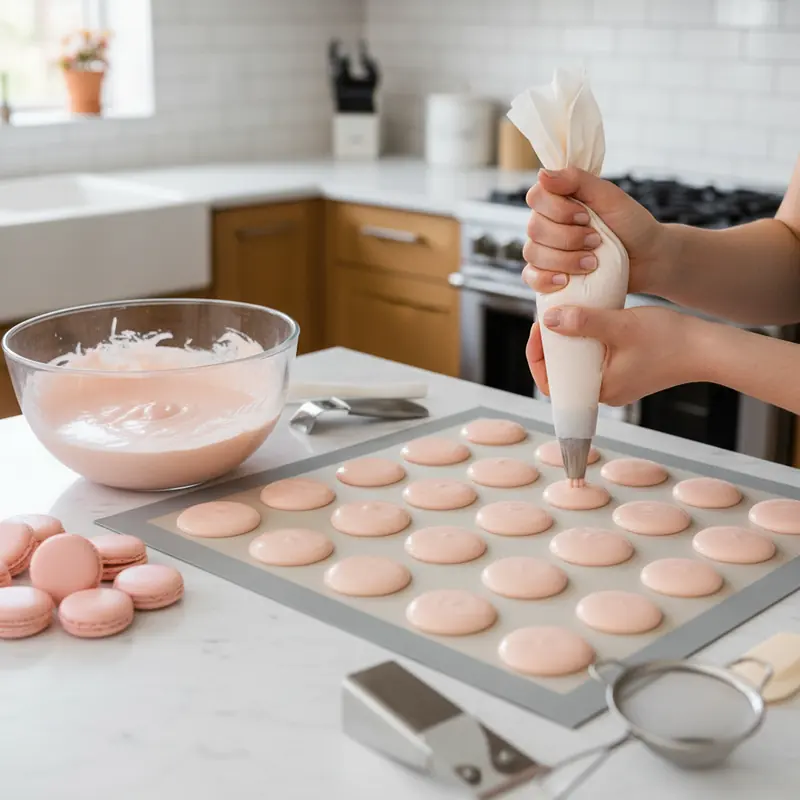
Compare macaron mixing, piping and assembly techniques to explore a class focused on these small pastries, considering which stage of the process you most want to practise.
Cake Decorating Class in Kowloon
Explore cake decorating class options in Kowloon, comparing smoothing, piping and decorative finishing activities while confirming the actual teaching location and class arrangements separately.
Original AI-generated navigation references; designs and order details are subject to confirmation.
Useful options for your plans
Explore Baking Class to compare practical techniques and choose the baking skills you want to develop.
View One Day Baking Class to compare focused hands-on activities for a short baking experience.
Explore Kids Baking Class to compare supervised baking activities that suit your child’s interests.
Explore Baking Class in Kwun Tong to compare hands-on activities and discuss the class location and arrangements.