YumYum Bakery & Cakes · Ordering guides
Christmas macarons and Easter cake boxes: how to approve logo colours and seasonal messages separately
For this guide:Christmas macarons and Easter cake boxes: how to approve logo colours and seasonal messages separately
Arrange your baking order
Considering French Macarons? Send the date, district and the points discussed in this guide to YumYum Bakery & Cakes to confirm suitable options and a quotation.
Order MacaronsWhatsAppThis opens a prepared WhatsApp enquiry. Availability, details and price must be confirmed before booking.
Reusing a company logo should not mean reusing last season’s greeting. For a Hong Kong business moving from Christmas macarons to Easter cake gifts, the useful distinction is between an approved brand asset, a colour reference for a particular surface, and permission to produce the current seasonal artwork. Those are three different decisions, even when they appear in the same email conversation.
If you are deciding how to approve logo colours for macarons and cake boxes, start by opening two records: a brand baseline and a current-season production checklist. Put your logo files and colour references in the first; put the actual products, complete messages and final artwork versions in the second. The workflow below is a suggested way to organise your enquiry, not a claim that every printing, packaging or sampling option is available from YumYum Bakery & Cakes. Ask customer service what can be provided for the particular order before approving it.
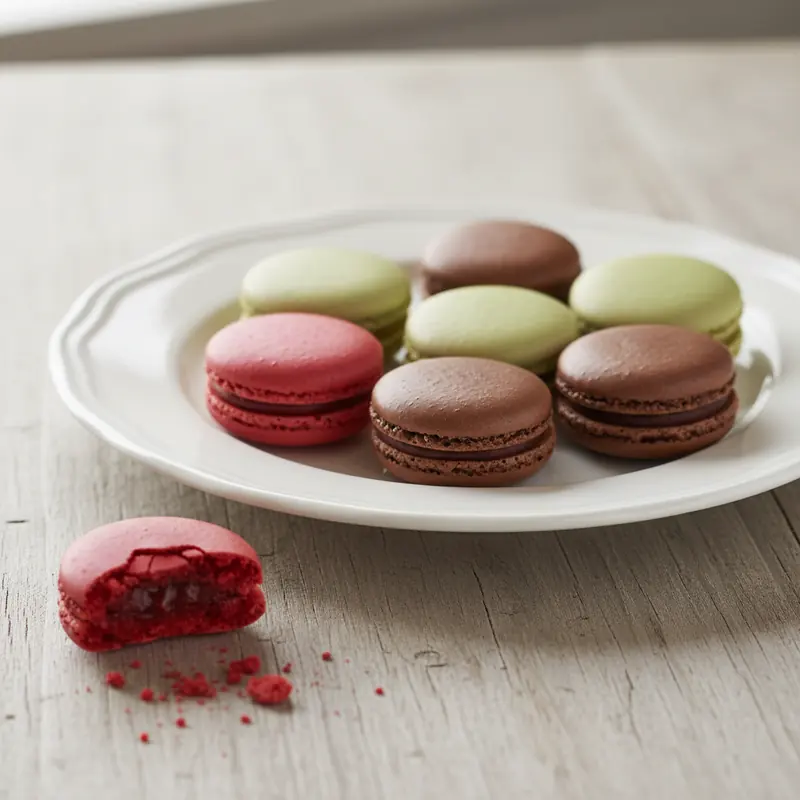
Separate a reusable brand file from permission to produce
A logo can remain current while the artwork containing it becomes obsolete. Keep the master logo in a brand-reference folder, and keep each seasonal layout in its own clearly named folder. Label an earlier Christmas proof as a historical reference rather than an active instruction. When sending it to the bakery, say whether it illustrates the logo, the layout, the colour direction or something else; an attachment on its own leaves that distinction unclear.
The brand baseline should record the logo filename and version, permitted alternatives, brand-colour references and any internal restrictions on use. The current-season record should identify the proposed desserts, packaging, wording and approval status. A useful internal note is: ‘Logo asset accepted as a reference; current product colour and seasonal text remain pending.’ This lets design work continue without making an unfinished Easter design look authorised for production.
- Brand baseline: logo filename, version and permitted colour or monochrome alternatives.
- Brand baseline: colour references, relevant brand guidance and the surfaces to which previous samples applied.
- Current season: products, packaging components, exact wording and latest artwork filenames.
- Current season: what is approved, what remains pending and who may authorise each decision.
Identify every surface before discussing its colour
For macarons, distinguish the shell colour, the visible filling and any proposed edible logo or decorative element. They are not interchangeable parts of a colour brief. Use the French Macarons page to establish the dessert direction, then ask which branded presentation, if any, can be discussed for your order. A general product image can help describe your intention, but it is not an approved colour sample for a future batch.
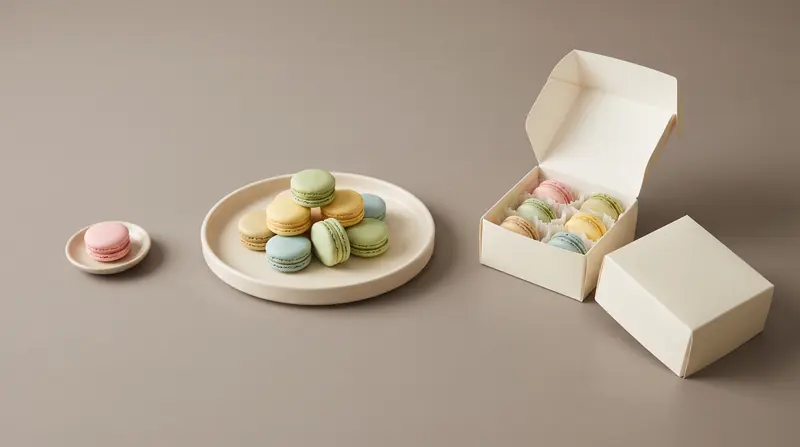
Make the same distinction for the packaging: the lid, side panel, sleeve and separate card are different possible locations, not a package of assumed services. List only those being considered and ask which are available. The branded-macaron examples from Macarons by Mila describe colours, flavours, logo treatment and packaging as separate customisation considerations. That supports separating the questions; it does not establish which options a Hong Kong bakery offers.
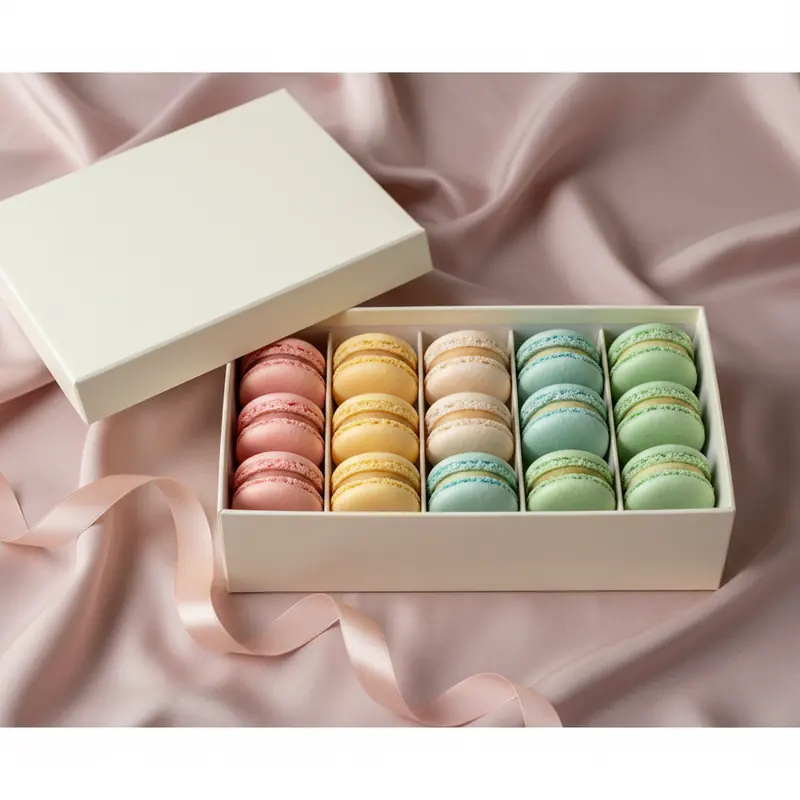
Check the logo version, size and position together
Send the logo file your organisation actually permits, rather than extracting it from an old photograph or presentation slide. Identify whether the intended mark is the full name, a symbol alone or another approved variant. If the brand has rules about spacing or backgrounds, include the relevant guidance. Ask the bakery which file format it needs for the proposed application instead of assuming that one file will suit every food and packaging method.
Size and placement belong in the approval record alongside the file. A layout may show the correct logo but still leave its intended printed size unclear. Ask for the proposed dimensions and location to be identified in whatever confirmation format is available. If a small edible application cannot accommodate the preferred version, ask what alternatives can be assessed, then obtain your brand owner’s agreement before substituting a simplified mark.
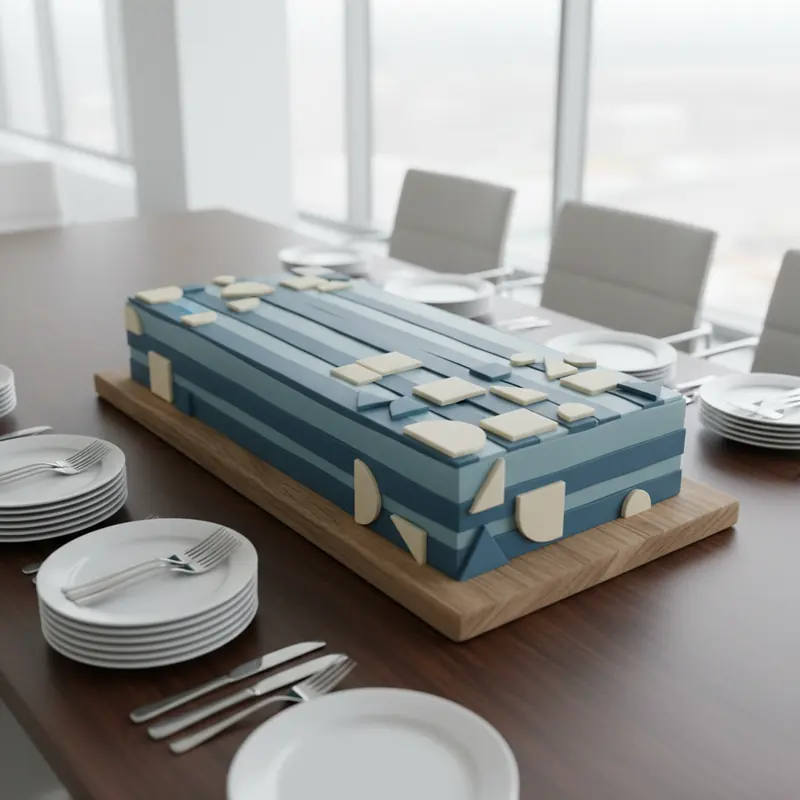
Define what the colour reference is meant to control
A brand-colour code communicates an intention; it is not, by itself, evidence that the same appearance can be achieved on a macaron, a cake decoration and a paper box. Send the reference your organisation uses, but ask how it can be interpreted for each proposed application. Avoid describing the entire project as ‘match the brand blue’ when several materials and methods are under discussion.
Record which element matters most. The logo may need to remain recognisable while the shell colour is only a supporting accent, or a particular packaging panel may be the main brand-colour concern. Stating that priority gives the bakery a more useful question to answer than a blanket demand for an identical result across every surface. It also helps your internal approver assess a proposed alternative without silently changing the brief.
Keep an old sample within its original scope
If your organisation retains a previous sample, label what it actually represents: for example, the logo on a particular box material, not all blue elements in the gift. Ask whether it remains a relevant reference for the new proposal. Do not extend a paper sample’s approval to an edible surface, or assume a photograph of that sample is equivalent to viewing the sample itself.
Use a digital proof to settle layout and complete text
Ask whether a digital proof can be supplied and what it will include. If available, use it to check the selected logo, its relationship to the greeting, the intended panel, line breaks and the complete wording. A view of only the lid cannot settle the wording on a separate card. Request enough views to identify each component being approved, rather than assuming an unseen side will follow the same layout.
Digital approval should be described precisely: ‘Layout and wording approved for the named file; colour confirmation remains pending’ is more informative than ‘Looks good.’ UPrinting’s holiday-box guidance discusses PDF proofs for approval and samples for examining materials, size and finishes. That is a packaging-printing example of different checks serving different purposes, not a promise that the same proof or sample arrangements apply to this bakery order.
Ask what a physical sample can actually confirm
When colour is important to the decision, ask whether a relevant physical sample or another suitable confirmation method is available, whether it carries a fee, and what its limits are. Clarify whether you would be seeing a material swatch, a printed packaging sample or a sample of the proposed dessert decoration. These answer different questions. A box-material sample without the proposed artwork cannot confirm how that artwork will appear.
The Invited by LamaWorks proof-approval checklist warns that screen display and actual print colour can differ and discusses a printed proof when colour matters. Its guidance concerns stationery printing, not edible printing. Use the distinction to frame your enquiry, then ask the bakery what evidence is relevant to the food surface and packaging being considered. Do not treat a screen image as a cross-material colour guarantee.
Write down the sample’s boundaries
For any sample you assess, record the component, material or dessert surface, logo size and artwork version it represents. Ask which aspects could differ in the proposed order and what changes would make another review necessary. If no suitable sample is available, have the brand approver decide whether the available reference is sufficient or whether the design should change; do not mark an unverified colour as verified.
Give a Christmas cake its own approval if it is included
Some Christmas gifting programmes may include a cake as well as macarons; others will not. If yours does, use the Christmas Cake page as the cake enquiry route, not as a Christmas macaron page. List the cake separately in the artwork record and ask how the proposed logo or message would be presented on that particular dessert.
An approved macaron design should not automatically authorise a cake decoration. The proposed cake may use another surface, another scale or a different arrangement of logo and greeting. Check those details independently, even if the same brand file is supplied. If no cake is part of your Christmas plan, mark that row as not applicable rather than expanding the order merely to complete a checklist.
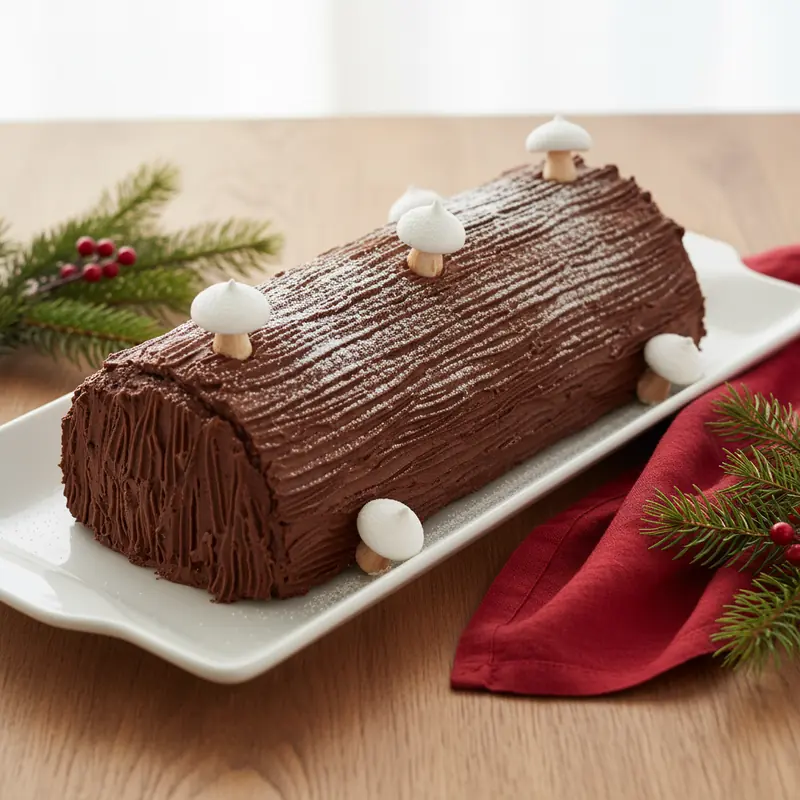
Start Easter wording as a new version, not a quick replacement
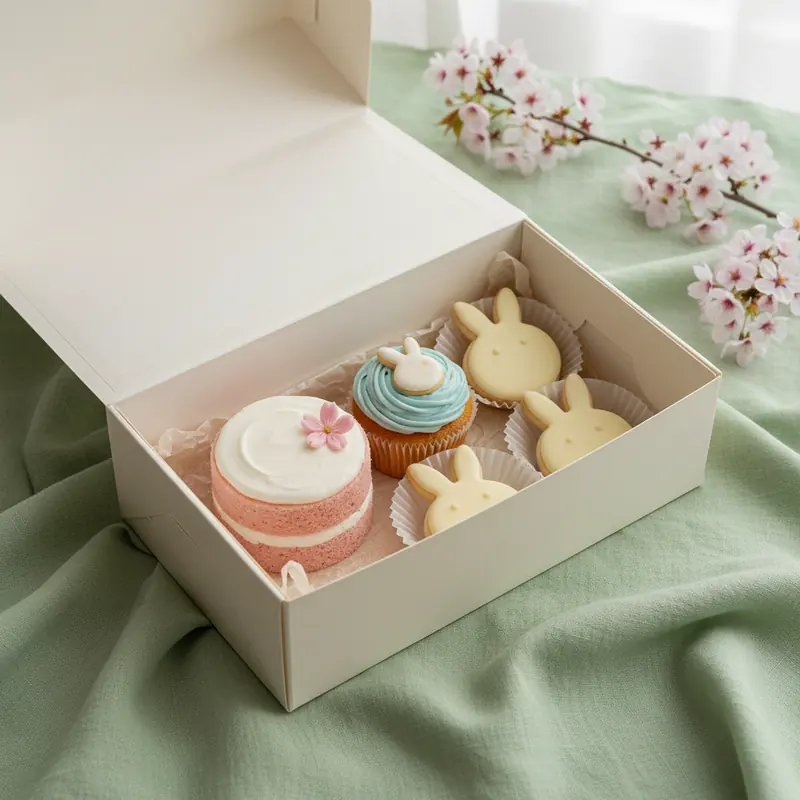
When moving to an Easter Cake Gift Box, first ask which desserts, packaging components and card arrangements can be considered for the new order. Do not assume the Christmas box structure or its contents will carry over. Once the proposed components are identified, create a fresh wording record for Easter rather than asking someone simply to change the seasonal word in an old design.
For each version, supply the complete greeting, language, recipient wording and brand sign-off. Include a printed date only if one is wanted, and verify it explicitly. A useful Christmas and Easter bakery gift artwork checklist also names the old text that must not remain: the previous greeting, any year, department sign-off or recipient designation. This is a suggested checking method, not a claim about an existing bakery approval system.
Read every selected face and every language independently
Make a component-by-component pass through the artwork: lid, sides, sleeve, card and edible design, where those items have actually been proposed. Read the text on each one instead of relying on the most prominent greeting. In a hypothetical error, an Easter lid could be correct while a reused side panel still carries a Christmas message. Marking each component as checked makes that specific mismatch easier to notice.
For bilingual artwork, compare each language against its own final supplied text. Confirm names, punctuation, line breaks and the intended sign-off; do not assume that approving the English line also approves the other language. The stationery proof-approval form from Invited by LamaWorks separately calls attention to wording, names, dates, spelling, fonts, dimensions and design elements. Apply that careful reading to the actual proof provided, without treating the source as a food-printing specification.
Make the approval record specific enough to use later
Keep a concise approval record with separate statuses for brand asset, colour reference, seasonal wording and order arrangements. Write the final artwork filename and version in full, identify the person giving each approval, and record the actual confirmation time. If colleagues are reviewing different issues, name those responsibilities so that a colour comment from marketing is not mistaken for purchasing approval of the whole batch.
Keep open questions visible. ‘Card arrangement pending’ and ‘box colour reference accepted’ can coexist; neither should disappear into a general approved label. Where a file contains several product or recipient versions, identify the relevant page or named variant as well. The point is to leave a readable account of what your organisation accepted, not to create a complicated document that nobody checks before ordering.
- Season and proposed product or box format.
- Logo filename, version, intended size and application surface.
- Colour reference or sample identifier, with its stated scope and limitations.
- Complete current-season wording for every selected component and language.
- Final artwork filename, version, named approver and actual confirmation time.
- Outstanding bakery replies and any restrictions on what is authorised.
Connect each artwork version to the correct batch and enquiry
Individual macarons, gift boxes and bulk trays are different purchasing formats. Use Macaron Prices as a starting point for format and quotation questions, not as a basis for multiplying a retail item into a customised corporate total. Ask whether samples, proposed printing, packaging or subsequent revisions affect the quotation and arrangements. No general image or previous order establishes the cost of the new design.
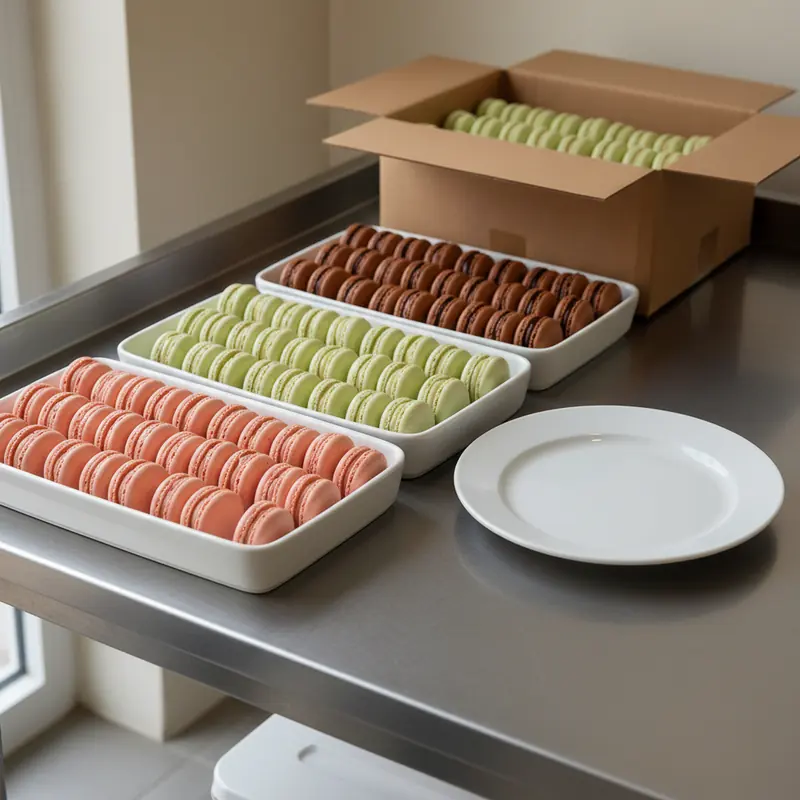
Before a bulk enquiry proceeds, describe the number of boxes, the proposed contents of each box and the quantity assigned to each artwork version. The Macaron Wholesale page is the appropriate route for discussing bulk requirements. Ask the team to confirm the applicable quantities and arrangements; do not infer a minimum order, discount or completion date from the fact that the request is corporate.
If some recipients need a different greeting or language, give that variant its own label and quantity in your request. Keep it linked to its exact artwork file. This prevents a correctly approved design being attached to the wrong recipient group, and lets customer service assess the actual scope rather than receiving one total with several unallocated messages.
Reopen the affected checks when something changes
A change to wording does not necessarily mean the logo asset has changed, but the revised text and layout still need review. Likewise, changing paper, the dessert surface or the logo size raises questions that the previous colour reference may not answer. Tell the bakery exactly what changed and ask which earlier confirmations still apply. Do not assume either that everything must restart or that nothing needs another check.
For example, in a hypothetical Easter revision, your company might keep the same logo file but replace a card message and consider a different box material. Keep the logo-file reference, issue a new wording version, and ask whether the material change requires a different colour assessment or proof. Archive the superseded layout so it remains available for history without competing with the active file.
Finally, keep artwork approval separate from confirmation of the order itself. Ask customer service to confirm the actual desserts, packaging, quantities, wording, quotation, payment arrangement and collection or delivery details that apply. If cake delivery is requested, professional cake logistics and charges must be confirmed with the team; do not assume free delivery or a fixed fee. Release your internal approval only for the identified version, and treat the order as confirmed only after the bakery confirms its specific contents and arrangements.
Details to confirm before ordering
- Identify the season, proposed desserts, box format and quantity allocated to each artwork variant.
- Attach the current logo file and specify the permitted version, intended size and proposed surface.
- State the brand-colour reference and distinguish shell, edible design, cake decoration and paper packaging checks.
- Confirm what digital or physical evidence is available, what it represents and any sample or revision charges.
- Provide complete seasonal wording by component and language, and explicitly check for superseded Christmas text.
- Record the final artwork version, named approver, actual confirmation time and unresolved questions.
- Ask which checks must be repeated after material, dessert surface, logo size or wording changes.
- Obtain order-specific confirmation of contents, quantities, quotation, payment and collection or professional cake-logistics arrangements.
Questions about this decision
Can we reuse the logo approved for our Christmas macarons at Easter?
You can supply the same current logo file as a brand reference. That does not automatically approve its size, colour appearance, placement or surrounding Easter wording on a new dessert or box. Identify the reusable asset separately from the new artwork that needs confirmation.
Does approving a box sample approve the logo colour on the food?
No. Record exactly which box material and artwork the sample represents. Ask separately about the proposed food surface and the relevant confirmation method; a paper sample does not demonstrate the result on a macaron or cake decoration.
What should we say if the layout is correct but colour remains unresolved?
Name the file and state that its layout and wording are approved while colour remains pending. Ask what further confirmation is possible before production is authorised. Avoid an unqualified ‘approved’ if a decision is still open.
How can we check that no Christmas greeting remains in the Easter design?
Check every proposed component against the complete Easter wording, including sides, sleeves, cards and edible designs where applicable. Specifically look for the former greeting, year and sign-off. Mark unused components as not applicable rather than assuming they were checked.
Are physical proofs, edible logo printing and customised cards guaranteed options?
No. Ask customer service which options can be considered for the specific order, what each proof or sample would cover, and whether samples or revisions affect the quotation and arrangements. This checklist does not establish service availability.
Sources and further reading
Reference only. Illustrations are AI-generated design references, not photographs of actual customer orders. Confirm current contents, prices and arrangements with our team.
For this guide:Christmas macarons and Easter cake boxes: how to approve logo colours and seasonal messages separately
Arrange your baking order
Considering French Macarons? Send the date, district and the points discussed in this guide to YumYum Bakery & Cakes to confirm suitable options and a quotation.
Order MacaronsWhatsAppThis opens a prepared WhatsApp enquiry. Availability, details and price must be confirmed before booking.
Explore related services and designs
Compare relevant options, view design references and find the information you need before making an enquiry.
French Macarons
Compare macaron shell colors, visible filling styles and serving arrangements to explore a French macaron selection, whether you prefer a restrained palette or a varied dessert presentation.
Korean Cake
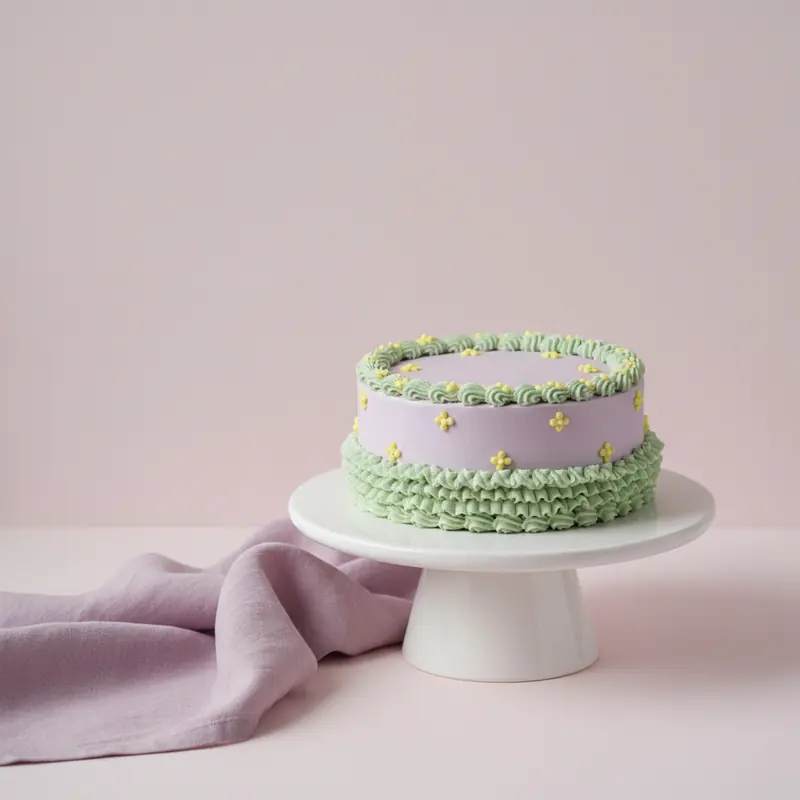
Compare soft pastel palettes, restrained piping and minimalist cake decoration to explore Korean-inspired presentation styles, focusing on color balance and finishing details rather than written messages.
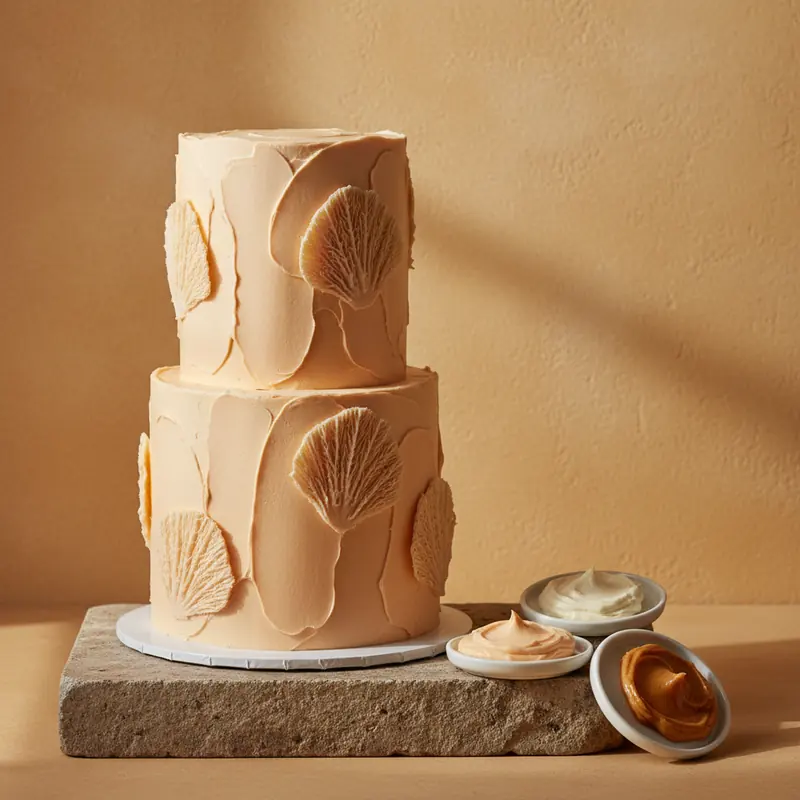
Custom Cake
Explore cake shapes, color palettes and decorative finishes to compare how a custom design could suit your celebration, from understated frosting to sculpted details.
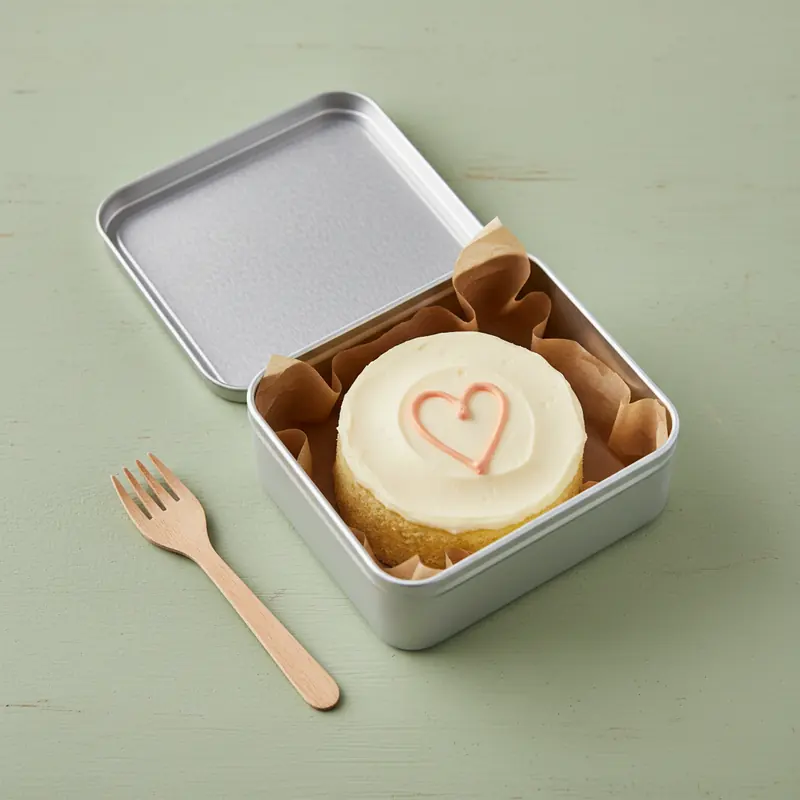
Bento Cake
Explore compact cake proportions, simple frosting designs and lunchbox presentation to compare bento cake styles for a personal gift or a small shared celebration.
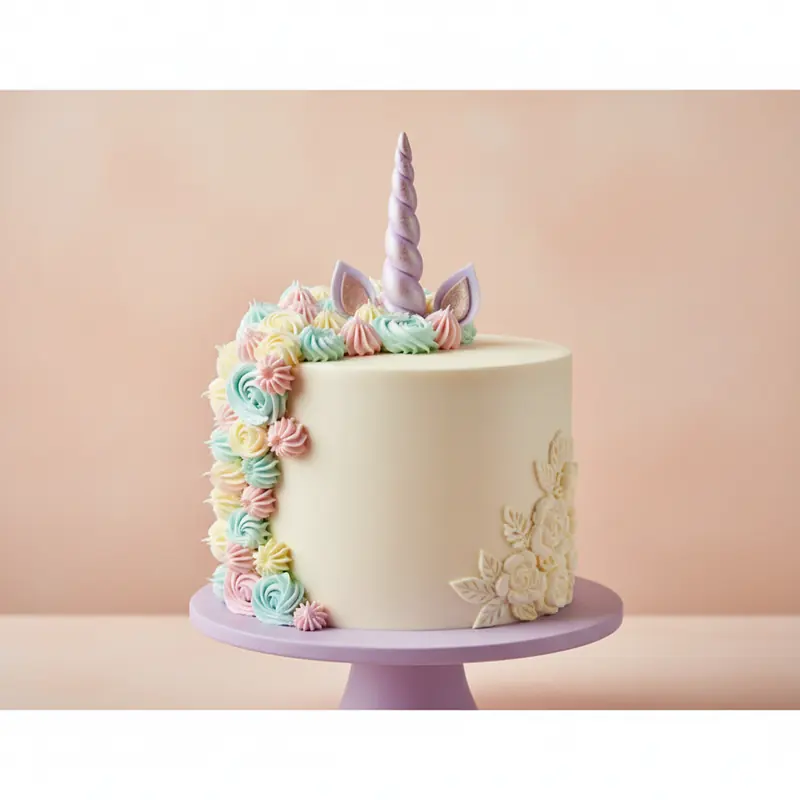
Unicorn Cake
Compare unicorn-inspired cake shapes, pastel colors and sculpted edible details to explore playful decoration, focusing on the visual theme rather than a recognizable character or branded design.
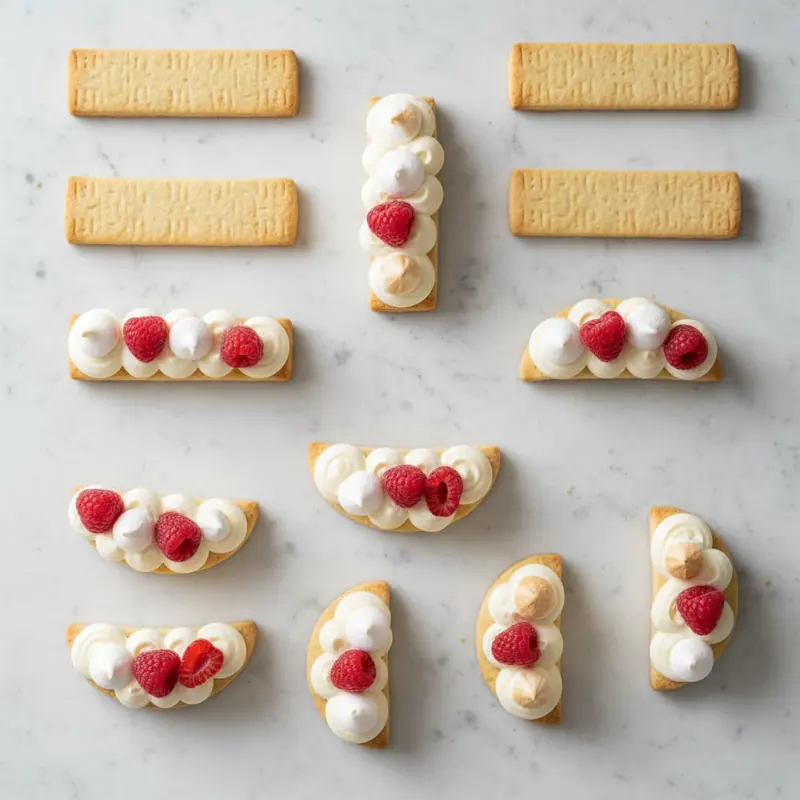
Custom Letter Cake
Explore cream tart layers, topping combinations and color palettes for a custom letter cake, comparing decorative components without assuming a particular initial or personalized written design.
Original AI-generated navigation references; designs and order details are subject to confirmation.
Useful options for your plans
Explore French Macarons to compare shell colors, filling styles and serving presentation.
Explore Korean Cake to compare pastel colors and restrained decorative finishes.
Explore Custom Cake to compare shapes, color palettes and decorative finishes for your celebration.
Browse Bento Cake to compare compact designs and lunchbox presentation for a personal celebration.