YumYum Bakery & Cakes · Ordering guides
Scaling Down a Unicorn Cake: Which Details Should You Keep?
For this guide:Scaling Down a Unicorn Cake: Which Details Should You Keep?
Arrange your baking order
Considering Unicorn Cake? Send the date, district and the points discussed in this guide to YumYum Bakery & Cakes to confirm suitable options and a quotation.
Order Your CakeWhatsAppThis opens a prepared WhatsApp enquiry. Availability, details and price must be confirmed before booking.
A reference photo can be full of lovely details: a tall horn, pastel curls, flowers, sparkling accents, a rainbow and a birthday name. But when the gathering calls for a smaller cake, keeping every item can work against the picture you actually love. The useful question is not simply how much to shrink each decoration. It is which details carry the character, and which can disappear without changing the idea.
If you are wondering how to simplify a unicorn cake design, start by marking the horn, visible ears, mane colours and face on your reference. Then decide whether the cake must look like a unicorn from the front, show a painted unicorn, or have a complete sculpted body. The steps below turn that decision into a specific brief for a Hong Kong bakery, without assuming that every pictured feature is possible at the smaller size.
Start with the view that makes it a unicorn
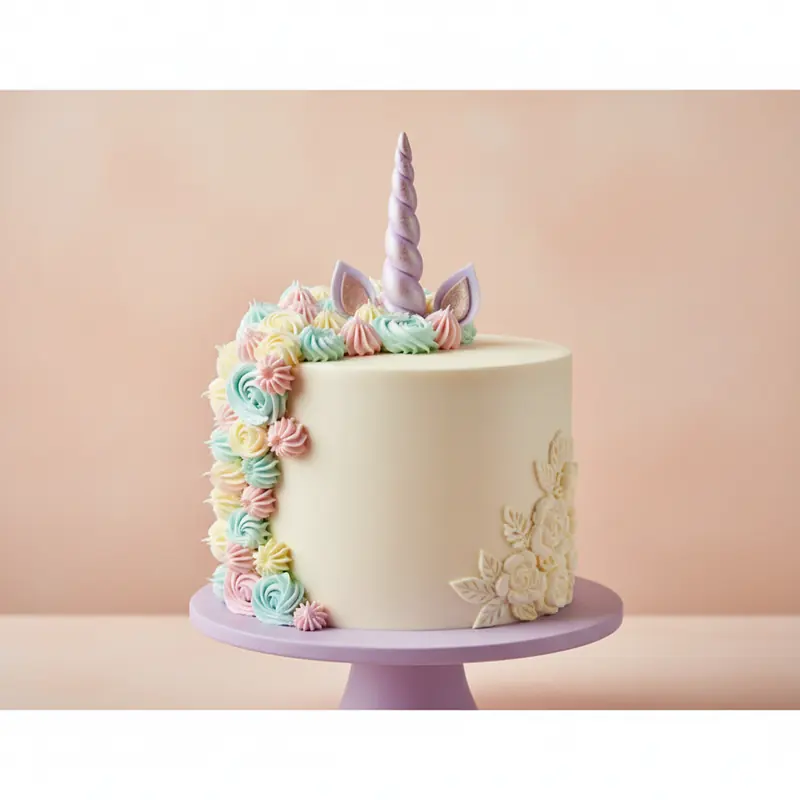
Before choosing which decorations to lose, identify what you recognise first in the photograph. A front-facing round cake might depend on a horn above a pair of ears, a sweep of mane and simple eyes. A side-profile design might rely instead on the outline of the forehead, nose, horn and one visible ear. Do not turn two visible ears into a universal requirement: the chosen viewpoint changes which features need to appear.
Circle those identifying features before browsing the Unicorn Cake page for the theme itself. For this smaller version, describe what matters about them: perhaps a clearly visible horn, a gentle closed-eye expression and a mane falling to one side. This is more useful than writing ‘keep the unicorn details’, because it tells the bakery which visual relationships should survive a redesign and which details are merely part of the original photograph.
Keep the mane’s colour character, not every curl
Separate the colours you love from the amount of decoration carrying them. You may want a pink-and-lilac character without needing every rosette, strand and colour transition in the reference. In the Hello Yummy unicorn example, a side-profile design uses two or three pastel icing colours for the mane, alongside simple facial details. That is a useful visual example of a limited palette carrying the theme, not a tested specification for a small commercial cake.
For your brief, name the main colours and their roles: ‘lilac as the main mane colour, soft pink as the accent’, for example. Ask whether a smaller, clearly placed sweep of colour could replace a dense arrangement around the whole top. The suggestion is to preserve the palette’s identity, not to insist on a fixed number of colours or a particular piping technique. The bakery still needs to confirm the finish and detail that suit the proposed cake.
Put secondary decoration on the removal list first
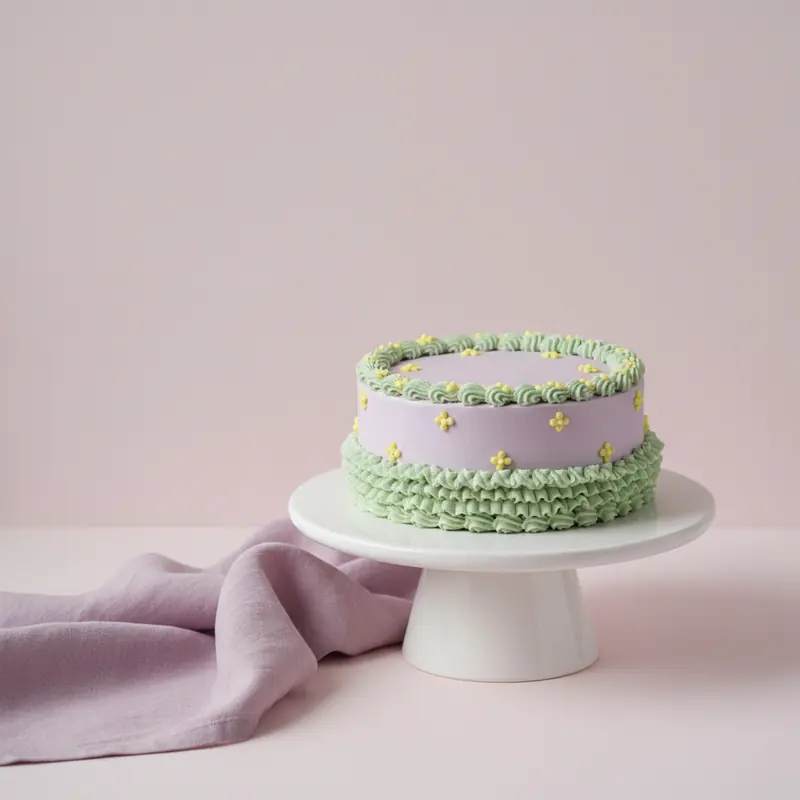
Flowers, bows, scattered beads and repeated rainbows may all be attractive, but ask what each contributes. Does a flower mark the start of the mane, or is it simply filling an empty patch? Does a bow make the design personal, or is it one of several competing focal points? If removing an item leaves the unicorn equally recognisable, that item is a reasonable candidate for the optional list. This is a priority exercise, not a rule that small cakes must look plain.
The Custom Cakes and Cupcakes tutorial treats sprinkles, small candies and glitter as optional finishing ideas. Its example helps distinguish the underlying character from added embellishment; it does not establish what YumYum supplies. In your request, make the permission explicit: ‘Please remove scattered beads and the extra rainbow before changing the face.’ Otherwise, the bakery cannot know whether the tiny background details matter more to you than the central expression.
Treat a smaller cake as a new set of proportions
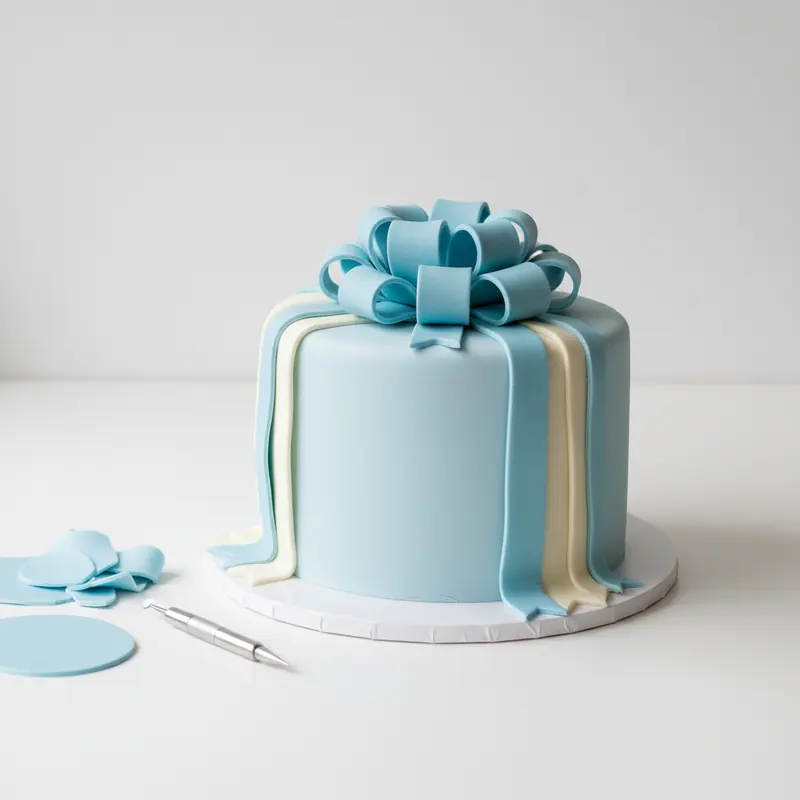
A smaller diameter does not tell the whole story. Changing the height can also change the space available for the eyes, the apparent length of the face and the balance between the horn and the cake beneath it. The Custom Cakes and Cupcakes example specifically notes that very short or very tall cakes have a different look. Its preferred proportions belong to that tutorial, not to a universal minimum size or a promise about a bakery’s range.
For the comparisons that follow, imagine a hypothetical reference: a tall, round, front-facing unicorn cake with a horn, ears, closed eyes, a pink-and-lilac mane, flowers, a bow and several rainbows. Your gathering needs fewer portions, but you have not fixed the replacement dimensions. Rather than asking for every item at a reduced scale, compare three directions: retain the round face, translate the character into a surface picture, or prioritise a sculpted silhouette. Each preserves a different part of the reference.
Choose the round face when the expression matters most
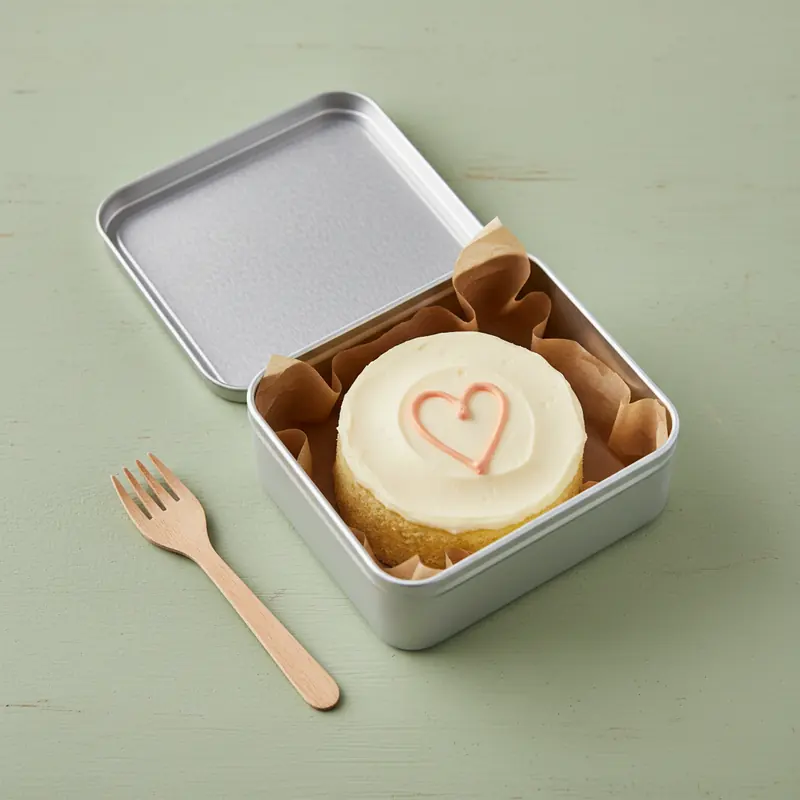
In the hypothetical reference, the round-face route would put the horn, visible ears, eyes and a restrained sweep of mane ahead of flowers and rainbows. Ask the bakery to assess the spacing between the eyes and the room around the face, rather than preserving the original placement of every curl. If the reference feels gentle because its features sit in an uncluttered area, filling that area with smaller decorations could lose the quality you wanted to keep.
Specify whether you prefer a centred face or an asymmetric arrangement, with the mane falling to one side. Then give permission to simplify the opposite side instead of decorating both sides equally. This direction suits a brief in which the recognisable face matters more than a whole animal body. It does not mean the horn, ears or original facial proportions can automatically be reproduced; those elements still need assessment against the dimensions and proposed surface finish.
Consider a surface illustration when the picture is the priority
If you love the unicorn image more than its projecting features, a Hand Painted Cake direction is worth asking about. For the same hypothetical reference, the brief could become a simple unicorn profile with a visible horn and a pink-and-lilac mane, rather than a face assembled across the whole cake. Ask whether an outline with fewer internal details would read clearly on the available surface, and which parts of the original scene should be left out.
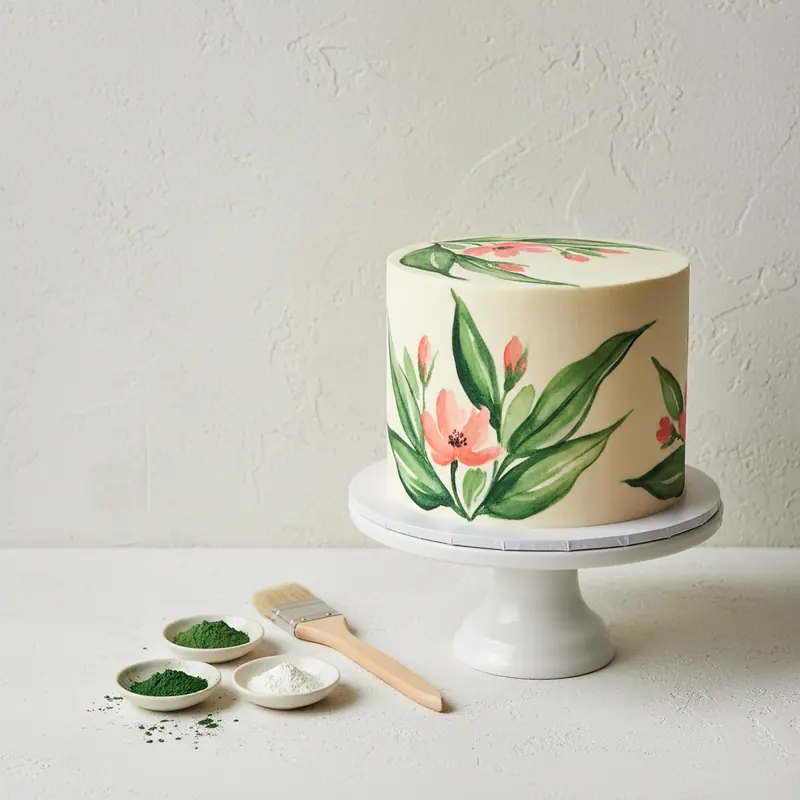
A surface illustration changes the visual language; it is not necessarily a closer copy, a cheaper option or a faster one. Fine eyelashes, tiny stars and lettering may still compete for space. Tell the bakery whether you prefer a recognisable silhouette or a more detailed expression if both cannot be accommodated. The botanical painting illustration alongside this section demonstrates surface artwork only: it is not a unicorn sample or confirmation that a particular small-format painting can be supplied.
Keep a sculpted silhouette only if the body is essential
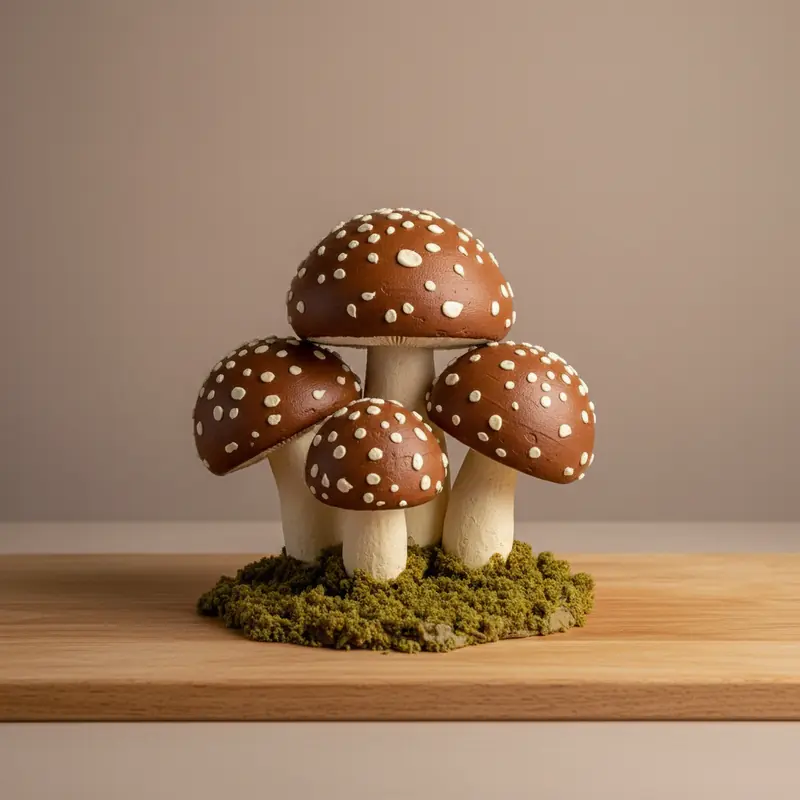
Sometimes the requirement is not a unicorn face at all: you want to see the animal’s body, neck or pose from more than one angle. That is a different brief from simplifying top decoration. A 3D Cake enquiry should explain which parts of the silhouette are essential, so the bakery can reassess the dimensions, structure and any support needs. Do not assume that a sculpted reference can be reduced directly while keeping the same proportions and arrangement.
For the hypothetical reference, choosing a complete sculpted form would be a reinterpretation rather than a smaller version of its round face. Decide whether the full body is important enough to let the bakery reconsider the overall format. If the agreed portions and dimensions cannot accommodate that priority, ask whether a face or surface illustration would still satisfy the idea. The useful decision is whether you can change the form, not whether every possible design must fit a fixed small base.
Let the birthday number lead only when it is the real focal point
A birthday number creates a separate priority. If being able to read the age immediately matters more than seeing a complete unicorn face, consider asking about a Number Cake format. The number’s outline would lead, with a horn-and-ear motif or a limited sweep of mane providing a unicorn cue, subject to confirmation. That is a change of base shape, not a request to squeeze a number into whatever space remains beside a crowded face.
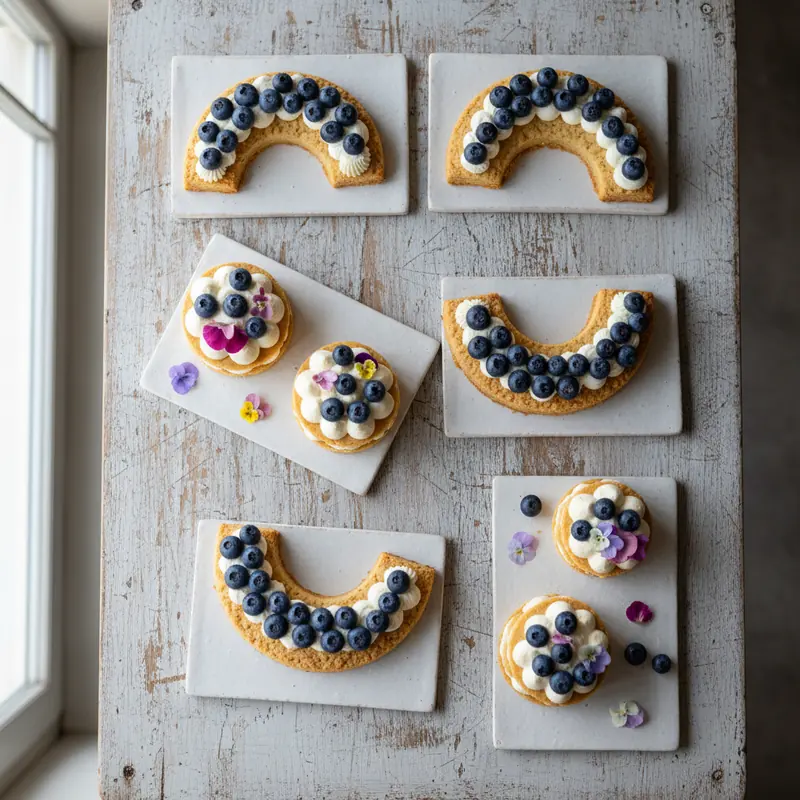
This alternative is not necessary for every smaller unicorn design. If the face is the central idea and the age is secondary, ask where a modest age detail could sit without interrupting it. Conversely, if the number must dominate, accept that a full face may need to go. The curved biscuit-component illustration is a reference for thinking about a number-based format only; it does not show a unicorn arrangement or establish the materials for your proposed design.
Annotate one reference with keep, simplify and remove
Use one main reference so the bakery can see the relationships you mean. Add short labels beside the relevant parts, rather than covering the image with a long explanation. A second image is useful only if it resolves a specific question, such as the preferred mane colour. State what that extra image contributes so it does not silently introduce another complete set of decorations.
For the hypothetical round-face option, your annotations could distinguish a visible horn and pink-and-lilac mane from optional flowers and repeated rainbows. Avoid marking every item ‘must keep’: if nothing can change, you have described the original design rather than given a smaller version room to work.
Write the reason beside each must-keep feature
A useful note reads: ‘Keep the closed-eye expression because that is the character I like; retain the pink-and-lilac palette, but the exact curls can change.’ This separates the desired effect from the original method of achieving it. The bakery can then suggest a revised arrangement without having to guess whether you care most about the colour, expression or decoration count.
Give a clear order for simplification
Another note could read: ‘Simplify the flower cluster first; remove the bow and extra rainbows if more space is needed; ask before changing the face.’ These are hypothetical instructions, not a claim that all remaining features will fit. A ranked list helps the bakery identify a meaningful alternative instead of making several unrelated reductions that leave none of your priorities clear.
Reserve space for the name and decide the main viewing direction
Supply the exact name and age, if required, before the layout is settled. A short name in a reference does not prove that different wording will fit in the same position. Say whether the name must be on the cake itself or whether you are open to a separately confirmed placement. Ask the bakery to assess the actual wording alongside the face and mane, rather than treating lettering as an addition to make after the design is agreed.
Also name the primary view: front-facing for the birthday photograph, a side profile, or a form intended to be viewed around the table. If you are combining the face from one image with the mane from another, check that they are shown from compatible angles. A feature visible from above may not be equally clear in a front view. The aim is a coherent principal view, not a promise that every detail will look identical from every position.
Compare two revisions by what each protects
If the first suggestion leaves you unsure, ask whether the bakery can describe two feasible simplifications. One could prioritise the face with minimal surrounding decoration; another could prioritise the unicorn image in a different format. Compare them against the same short list: the recognisable cue, preferred colours, required wording and main view. Avoid deciding solely by which option appears to contain more decorations, because a larger count does not tell you which one preserves the reference’s character.
Keep the required portions in that conversation. Ask the bakery to explain the proposed dimensions and how the available surfaces affect the design, rather than selecting a diameter on appearance alone. A clearer drawing or written description should tell you which features remain, which have changed and where the name goes. If a revision omits something you marked essential, resolve that difference explicitly instead of assuming it will be restored during production.
Finish with a brief the bakery can actually assess
A complete smaller-design brief brings together the intended portions, preferred format, must-keep features, optional decoration, wording and main viewing direction. Include your event date and Hong Kong district so the enquiry has practical context, but keep the design question specific: can the preferred unicorn cues remain clear in the proposed format? If not, which alternative would preserve them? That gives the bakery a decision to assess rather than an open-ended request to make the original photograph smaller.
Before proceeding, obtain written confirmation of the agreed portions, dimensions, shape, finish, wording and decorative changes. Ask customer service to confirm the quotation and schedule for that particular design; fewer decorations or a flatter format do not establish either in advance. The final check is simple: can you point to what makes this version recognisably your chosen unicorn, and can you name what you agreed to leave out? If both are clear, the reference has become a usable design brief.
Details to confirm before ordering
- Event date: ____; Hong Kong district: ____; intended number of people eating cake: ____.
- Preferred direction: round unicorn face, surface illustration, full sculpted form, or number-led design: ____.
- Main reference attached, with the essential horn, ear, face or silhouette features labelled: ____.
- Mane palette and colour priorities, including acceptable substitutions to discuss: ____.
- Decoration allowed to be simplified or removed, in priority order: ____.
- Exact name and birthday number, preferred placement and main viewing direction: ____.
- Bakery confirmation requested for portions, dimensions, finish and details that cannot be retained: ____.
- Final written design, quotation and schedule checked against the annotated reference: ____.
Questions about this decision
Which detail should I protect first on a smaller unicorn cake?
Protect the feature that makes your chosen view recognisable, usually the horn-and-ear outline together with a readable face or silhouette. Then identify the mane colours you care about. A side-profile design does not need the same visible features as a front-facing face.
Should I ask for every decoration to be made smaller?
Not as the default instruction. Ask which decorations can be removed or rearranged while preserving the character. The bakery should assess the proposed proportions and finish rather than assume that every element can be reproduced at a reduced scale.
Is a painted unicorn automatically the simplest option?
No. A surface image avoids relying on a complete projecting body, but fine lines, facial detail and lettering still need assessment. Ask whether a simpler outline suits the available surface; do not assume a painted version is cheaper, faster or possible at every size.
When should I choose a number-based design instead?
Consider it when the birthday number must be the main readable shape. Ask whether a few unicorn cues can support that outline. If the face matters more than the age, a number-based format may not be the right simplification.
Can a reference photograph confirm what the bakery will make?
The photograph communicates a direction, not the final agreed specification. Confirm the portions, dimensions, shape, finish, wording and retained or removed decorations in writing, especially where the smaller design differs from the reference.
Sources and further reading
Reference only. Illustrations are AI-generated design references, not photographs of actual customer orders. Confirm current contents, prices and arrangements with our team.
For this guide:Scaling Down a Unicorn Cake: Which Details Should You Keep?
Arrange your baking order
Considering Unicorn Cake? Send the date, district and the points discussed in this guide to YumYum Bakery & Cakes to confirm suitable options and a quotation.
Order Your CakeWhatsAppThis opens a prepared WhatsApp enquiry. Availability, details and price must be confirmed before booking.
Explore related services and designs
Compare relevant options, view design references and find the information you need before making an enquiry.
Unicorn Cake
Compare unicorn-inspired cake shapes, pastel colors and sculpted edible details to explore playful decoration, focusing on the visual theme rather than a recognizable character or branded design.
Number Cake
Compare layered biscuit bases, cream piping and topping arrangements for a number cake concept, exploring decorative options without depicting or assuming a specific age or numeral.
Hand Painted Cake
Explore painted motifs, cake surface finishes and restrained color palettes to compare edible art directions, from botanical decoration to abstract brushwork created for a cake design.
3D Cake
Compare sculpted cake silhouettes, surface details and decorative themes to explore how a three-dimensional design could become a distinctive centerpiece for your planned celebration.
Custom Letter Cake
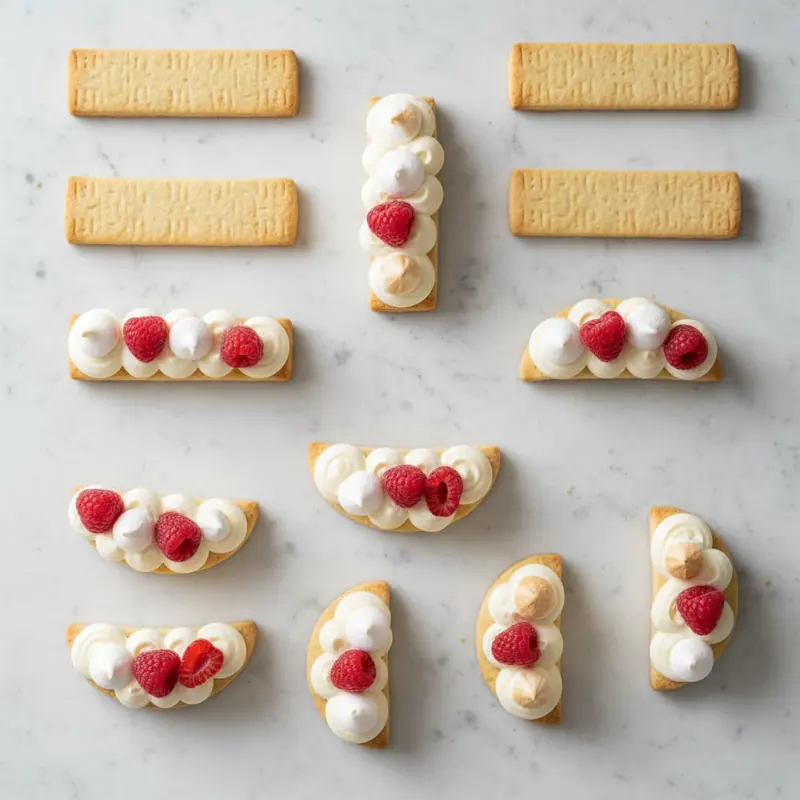
Explore cream tart layers, topping combinations and color palettes for a custom letter cake, comparing decorative components without assuming a particular initial or personalized written design.
Bento Cake
Explore compact cake proportions, simple frosting designs and lunchbox presentation to compare bento cake styles for a personal gift or a small shared celebration.
Original AI-generated navigation references; designs and order details are subject to confirmation.
Useful options for your plans
Explore Unicorn Cake to compare pastel palettes and playful sculpted details.
View Number Cake to compare cream piping and toppings for your chosen cake concept.
Explore Custom Letter Cake to compare topping combinations and color palettes for a personalized cream tart design.
Explore 3D Cake to compare sculpted silhouettes and decorative themes for a distinctive centerpiece.