YumYum Bakery & Cakes · Ordering guides
Will a Sculpted Cake Fit Your Lift and Display Shelf? Measurements to Send Your Baker
For this guide:Will a Sculpted Cake Fit Your Lift and Display Shelf? Measurements to Send Your Baker
Arrange your baking order
Considering 3D Cake? Send the date, district and the points discussed in this guide to YumYum Bakery & Cakes to confirm suitable options and a quotation.
Order Your CakeWhatsAppThis opens a prepared WhatsApp enquiry. Availability, details and price must be confirmed before booking.
A sculpted cake can look perfectly proportioned in a reference image yet be too tall for a cabinet opening or too wide in its transport box for the intended route. When checking sculpted cake dimensions for lift access, the useful question is not simply whether an eight-inch cake will fit. It is whether the actual packed item can follow the agreed route, and whether the finished display can occupy the space the venue has available.
Start a shared measurement brief before approving the shape. Ask the bakery to describe the cake and packaging, ask the venue to measure the route and cabinet, and pass both sets of information to the professional cake logistics team for review. The steps below explain what belongs in that brief, which dimensions must remain separate, and what to reconsider when the design and venue do not match.
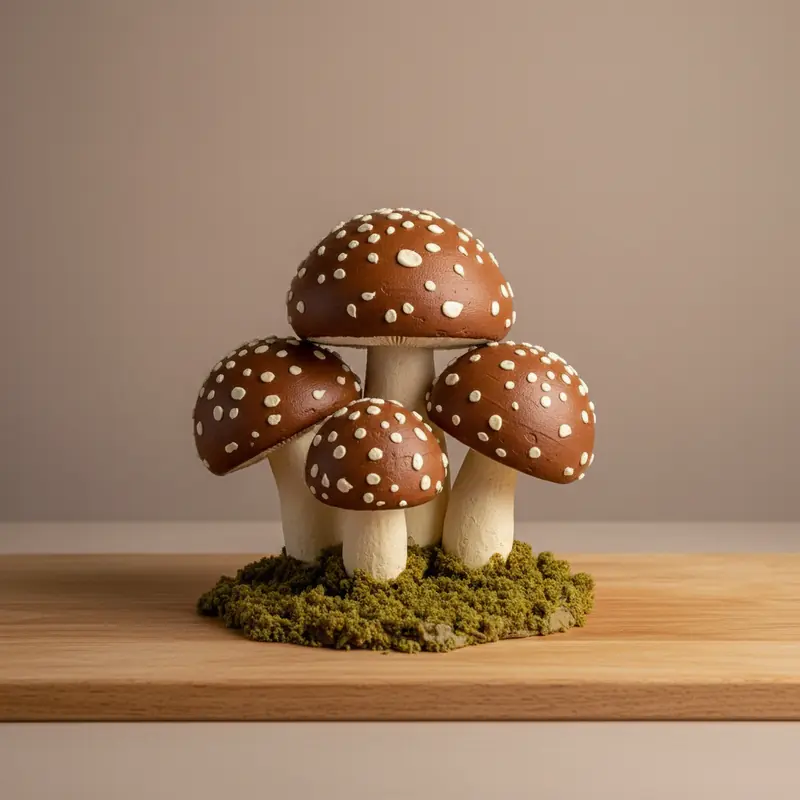
Start with the outline, not the advertised cake size
A cake's nominal size does not describe every part of a sculpture. A mushroom cap, a character's arm or a decorative fan may extend beyond the cake body, while the board may extend further still. If you are considering a 3D Cake, choose the general silhouette you like, then ask the bakery for its proposed maximum finished length, width and height. Those measurements are a separate specification from the cake's serving size or the diameter of its baked layers.
Tell the bakery which viewing direction matters at the venue. A design intended to face guests through a cabinet door may not work visually if it must be placed sideways, even when its dimensions appear compatible. Mark the front on your reference sketch, and identify any element that you particularly want to retain. This lets the bakery discuss a purposeful alteration rather than simply shrinking everything until the numbers look smaller. A reference image communicates the idea; the agreed dimensions define the space it needs.
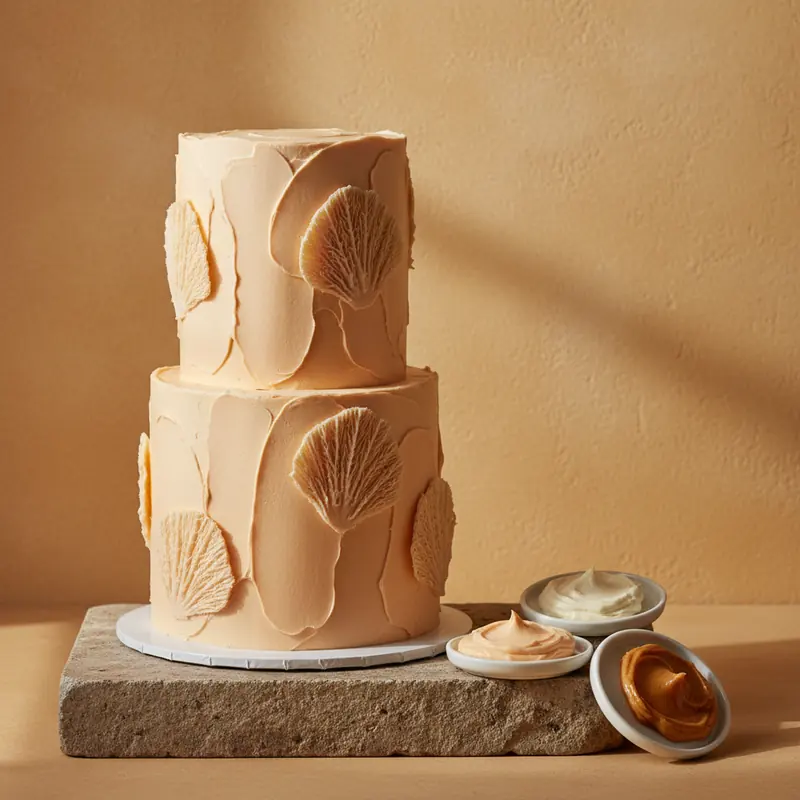
Include every projecting decoration in the finished dimensions
Ask for the widest and deepest points of the completed design, including decorations that project at different heights. For height, specify a measurement from the underside of the cake board to the highest decoration, rather than from the icing surface. The Sweet Degrees Kitchen sizing guide similarly includes the board and topper in total finished height and accounts for projecting decoration. Its measurement principle is useful here; its round-box advice is not a clearance standard for your Hong Kong venue.
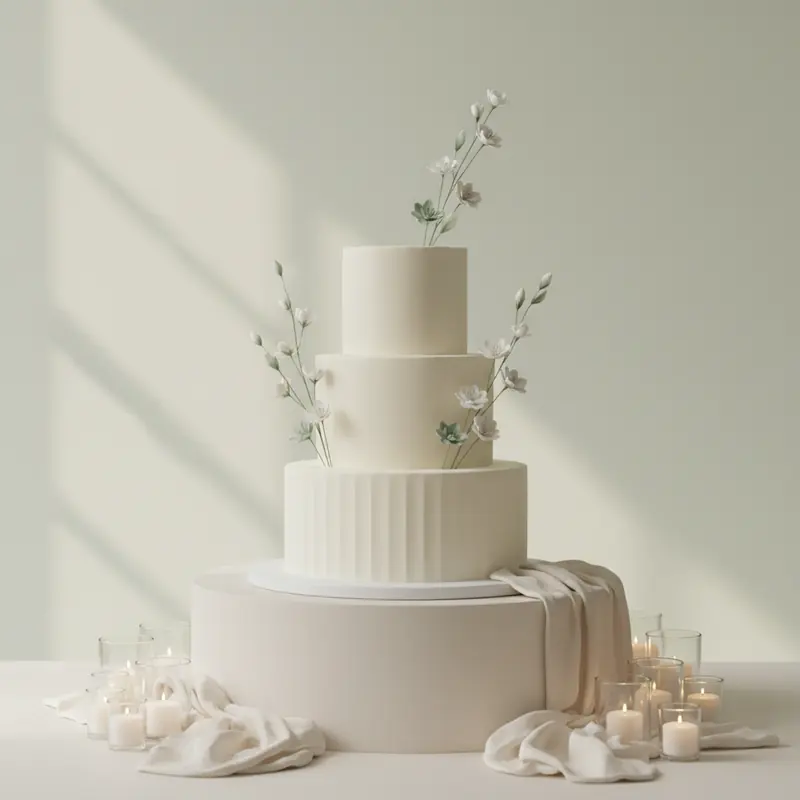
Sugar figures, bows and flowers count even when they look small in a photograph. When exploring a Fondant Cake, ask the bakery which features define the outer dimensions, how they will be packaged, and whether any proposed separately installed decoration is actually feasible. Fondant is a design choice, not a guarantee that a projecting detail can withstand a particular journey. Do not assume a topper is detachable merely because a similar decoration on another cake was supplied separately.
A front and side sketch makes the measurements clearer
Use a simple labelled sketch with a front view and a side view. Show arrows for maximum length, width and height, mark the board edge, and label any separate stand. A rough drawing is enough if the labels are unambiguous. Use one stated unit throughout, and ask the bakery to confirm the same orientation on its specification. This avoids a width written from the front being mistaken for the depth needed inside a cabinet.
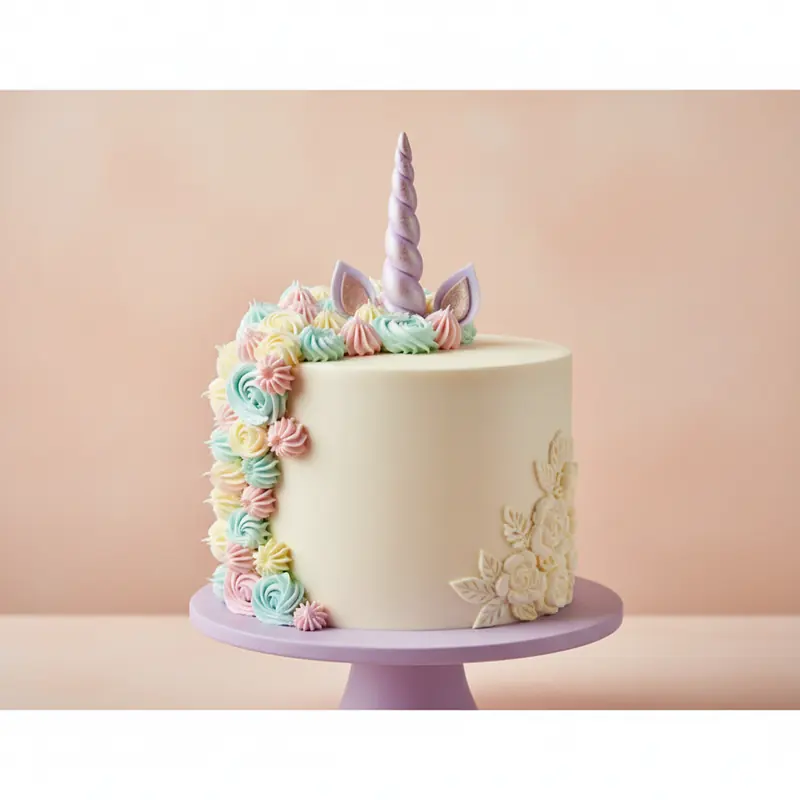
List the board, display stand and weight separately
The board is part of the access and display problem, not an invisible accessory. Ask for its actual length and width, or diameter if it is circular, and confirm that its thickness is included in the stated finished height. If a decorative ribbon or another board-edge treatment changes the outer dimensions, the specification should reflect that. Do not estimate the board from the visible cake body: the usable shelf must accommodate whatever base the bakery requires for the confirmed design.
A display stand introduces another set of dimensions. Record its footprint and height separately, then ask for the total height of the intended cake-and-stand arrangement. Also request the weight of the packed transport item and the weight of everything that will rest on the shelf. The bakery confirms the cake and board details; the venue confirms the stand and shelf information it supplies. If any of these details are still unknown, label them as awaiting confirmation rather than treating a blank field as zero.
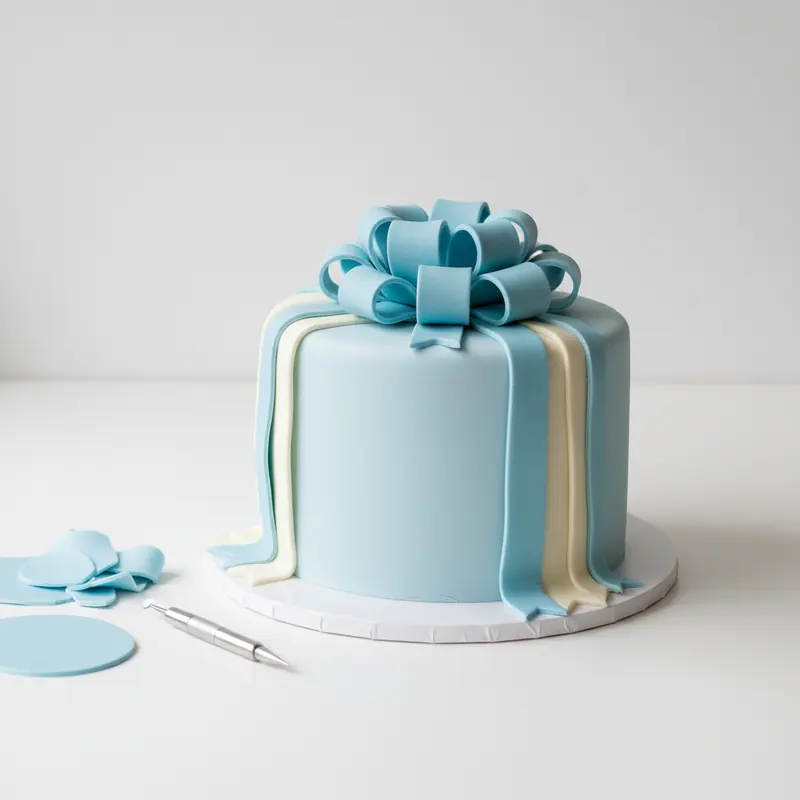
Ask for the outside dimensions of the complete transport box
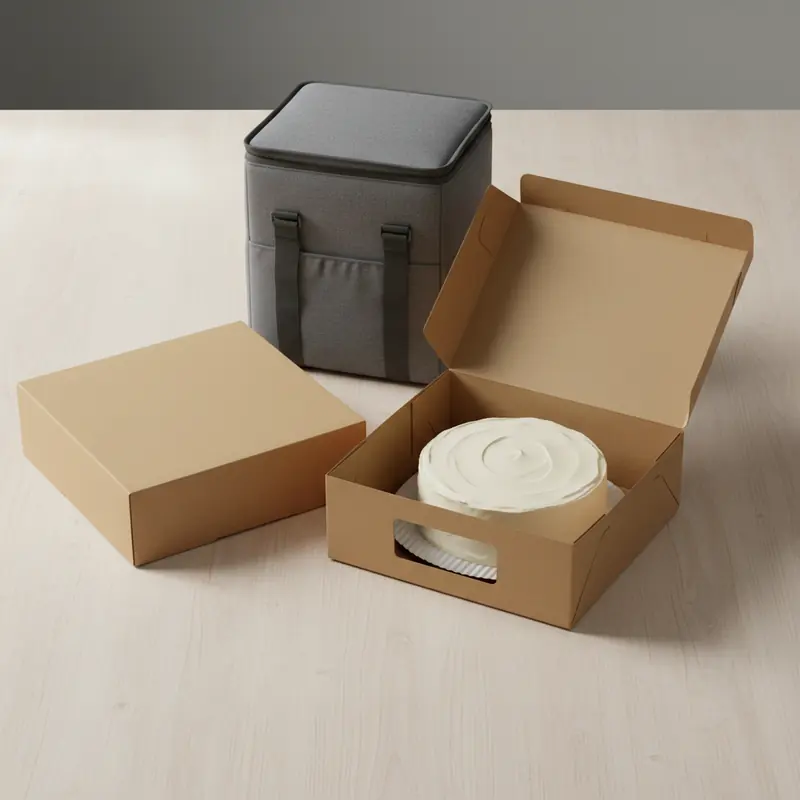
A box's usable interior and its outside transport dimensions answer different questions. The interior concerns the bakery's packaging choice; the exterior is the outline that must travel through the venue. Request the full outside length, width and height in the form in which the cake will arrive, including any additional protective packaging. Ask whether handles or other projecting parts affect the handling envelope. A catalogue box label or the cake's diameter alone cannot supply this information.
The CustomBoxUSA cake-box guide separates measurements of the finished cake, board and tallest decoration, and notes that box dimensions vary between suppliers. That supports asking for the actual packaging specification rather than relying on a universal pairing chart. Let the bakery confirm its packaging fit and any verification it needs. There is no single spare gap that this article can prescribe for every sculpture, board, box and delivery method; a box that clears an opening on paper still needs a practical logistics review.
Measure the lift doorway and usable car as different spaces
Ask the venue for the lift's clear door-opening width and height when the doors are open in their normal operating position. Measuring the decorative frame or quoting the building's lift model is not the same as measuring the available passage. Separately record the usable internal width, depth and height of the lift car. Existing fittings or temporary protective panels may affect the space available for the planned delivery, so the venue should describe the conditions that will actually apply.
A doorway measurement cannot establish whether the item can turn into the car or be positioned for exit. Ask for a sketch showing the approach, the doorway and the direction of travel out of the lift. If there are different passenger and service routes, identify the one the venue authorises for this delivery. These are planning questions for your venue, not a claim about standard lift dimensions. The professional logistics team must assess the route and decide what handling arrangement, if any, is appropriate.
Trace the whole route, including the turns after the lift
Follow the proposed path from the receiving point to the final display position. Ask the venue to identify the narrowest doorway or corridor, any steps or thresholds, and turns immediately before or after the lift. Record the available turning area rather than only the straight corridor width. A route can have generous straight sections but an awkward corner where the packed item's length becomes important. Photographs can help explain the layout, but they should accompany labelled measurements rather than replace them.
Note anything that depends on venue staff: an access door being unlocked, a service route being made available or furniture being removed by authorised personnel. Identify which conditions are confirmed and which are only requested. Do not plan around tilting the cake, opening its packaging in a corridor or squeezing it past an obstruction. If a trolley or other handling equipment is proposed, leave its suitability and space requirements to the professional logistics team; the customer should not decide that the cake alone fitting means the whole operation fits.
Separate the cabinet entrance from the usable shelf area
For a display cabinet, ask for two sets of measurements: the clear opening used to insert the cake, and the usable space where it will rest. Record the opening width and height, the shelf's usable width and depth, and the insertion direction. The cabinet's external dimensions are not a substitute. A door frame, curved glass front or internal fitting can affect the space, so ask the venue to measure the actual location it intends to use rather than a different shelf in the same unit.
The equipment guidance from Prime Commercial Equipment calls for checking usable depth, access direction, shelf dimensions, spacing and load requirements. Apply that as a question list for the venue, not as proof that a particular cabinet is suitable. If the display has sliding or hinged doors, ask the venue to show the available opening and door travel. A cake can occupy a shelf yet still be difficult to insert or remove through the available entrance; both operations need review before the design is approved.
Check clear height, shelf loading and storage requirements
Measure clear shelf height from the surface supporting the board or stand to the lowest obstruction above the intended position. Do not use the distance between shelf brackets if a light fitting or another component hangs lower. Give the venue the proposed total display weight and ask it to confirm the relevant shelf load information and any restrictions on placement. A shelf looking substantial is not evidence of capacity, and the bakery should not be expected to certify equipment supplied by the venue.
For a refrigerated cabinet, dimensional fit is only one part of the decision. The display-cabinet equipment guidance also warns against obstructing supply and return airflow paths. Ask the venue to identify the equipment's required clear spaces, and ask the bakery for the selected cake's storage requirements. Do not declare the arrangement suitable simply by subtracting the cake's dimensions from the cabinet's dimensions. Neither a photograph nor this measurement checklist establishes refrigeration performance or an appropriate storage duration.
Write down whether the cake is displayed boxed or unboxed
When discussing cake box dimensions for a display shelf, state whether the box stays in the cabinet or is removed under an agreed handover arrangement. If it stays, the external box dimensions remain relevant to the shelf and opening. If it is removed, identify who handles that step and where the packed item is received first. Record separately whether the board and display stand remain with the cake, so everyone compares the same final arrangement.
Build one comparison sheet with named measurement owners
Put the product and venue information in one brief rather than scattering it across messages. This is the practical answer to what measurements to give a baker for a 3D cake: provide the venue constraints alongside the requested finished outline, board, packaging and weight information. The bakery fills in its product specification; the venue supplies measured access and equipment details. The professional logistics team reviews the transport arrangement using both, including the intended orientation and handling space.
Distinguish a measured constraint from a preferred design target. For example, the shelf's usable height is venue information, while a request to keep the design below a proposed height is a brief for the bakery to evaluate. Do not silently substitute one for the other. Keep units, orientation and the version of the design visible on the sheet. If a field is uncertain, identify who will resolve it before approval instead of presenting an incomplete comparison as a confirmed fit.
- Bakery: finished maximum length × width × height, including projecting decoration and the board; front orientation marked.
- Bakery: board dimensions and thickness, stand assumptions, packed transport dimensions and relevant weights.
- Venue: lift clear opening, usable car dimensions, approach and exit turns, and the narrowest route restriction.
- Venue: cabinet entry opening, usable shelf width and depth, clear height, loading information and equipment restrictions.
- Shared confirmation: boxed or unboxed display, stand included or excluded, unresolved fields and the person confirming each.
If space is tight, revise the silhouette rather than forcing a fit
Tell the bakery which constraint is causing the problem. A height restriction may lead to a discussion about a lower sculpture or a different topper position; a narrow opening may call for less projecting decoration or a revised footprint. Ask the bakery to assess the effect on the complete design, board and packaging. Reducing one decorative feature does not automatically reduce the box, and reducing the cake body does not necessarily resolve a stand or board that is still too wide.
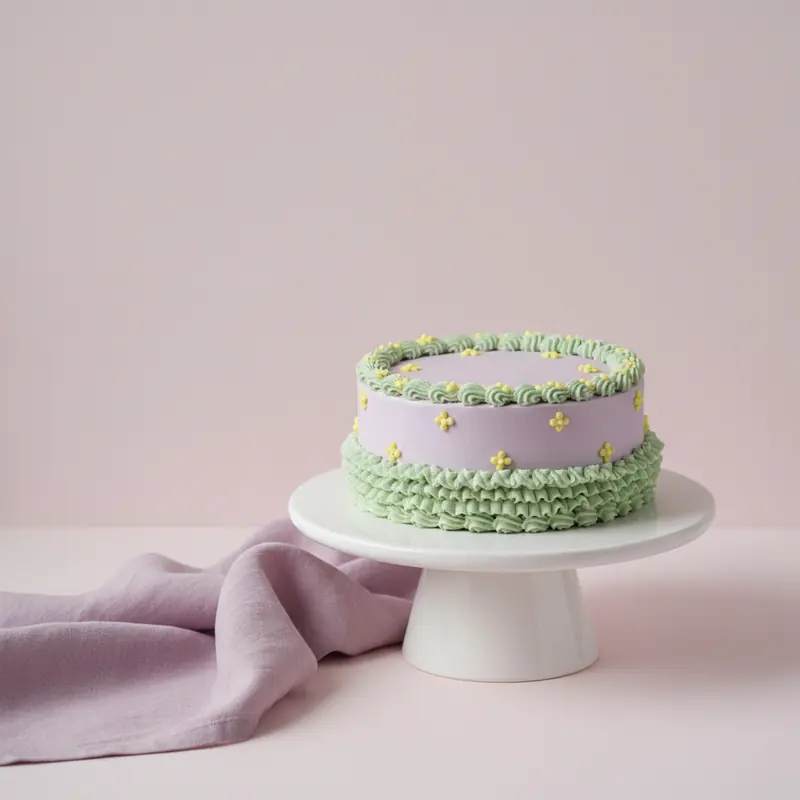
If you are willing to move away from a tall sculpture towards simpler piped decoration, a Korean Cake can be another design direction to discuss. Choose it because the revised appearance suits your priorities, not because the style name promises a particular height or width. Any new design still needs fresh finished-cake, board and box dimensions, followed by the same venue review. If no acceptable design meets the confirmed constraints, discuss a different display location with the venue instead of treating the original shelf as non-negotiable.
Confirm any separate decoration and the receiving sequence
A separately transported topper may be worth discussing, but it is not a customer workaround to assume. Ask the bakery whether the particular design allows it, who would install it, what access and working space would be required, and whether the arrangement is available for your order. Record the dimensions in both transport and completed-display states. Never plan to detach a decoration yourself, tip the cake to clear an opening or alter its supports after arrival.
Agree the sequence at the destination: where the packed cake is received, who is authorised to handle it, whether any agreed finishing happens before placement, and who confirms the display position is ready. Include the reverse movement if the venue expects to move the cake out for presentation or cutting. A plan that only considers arrival can overlook a second restricted doorway or a stand added later. Ask the responsible teams to review that complete sequence, not just the point at which the box changes hands.
Approve the design only after the handover brief is reconciled
Once the venue fields are complete, use the Cake Delivery enquiry to share the lift entrance, turning spaces, cabinet restrictions and receiving requirements for professional cake logistics review. Cakes do not include free delivery. Ask customer service to confirm the applicable fee and arrangements for the actual order; do not infer a fixed charge, guaranteed access or an arrival slot from a measurement sheet. The information supports assessment, rather than replacing the team's confirmation.
Keep one written final brief with the agreed design version and the relevant confirmations: the bakery's cake and packaging details, the venue's usable space and equipment restrictions, and the professional logistics team's transport and handover arrangement. Name a receiving role or contact and state the final display setup. If the venue changes the lift route, shelf position, stand or receiving conditions, send the change back for review. Approve the design on that shared understanding, not on a reference photograph or an isolated message saying that it should fit.
Details to confirm before ordering
- Confirm the maximum finished outline and front orientation, including all projecting decorations.
- Obtain separate board, stand and complete transport-box dimensions, with units clearly labelled.
- Ask the bakery for packed transport weight and the weight of the intended display arrangement.
- Have the venue confirm lift clear opening, usable car space, turning areas and the narrowest route restriction.
- Record cabinet entry, usable shelf dimensions, clear height, loading information and equipment restrictions.
- State whether the display retains the box, board and stand, and who handles any agreed unpacking or finishing.
- Reconcile any design changes with updated measurements before final approval.
- Confirm professional cake logistics, delivery charges and the receiving arrangement with customer service.
Questions about this decision
Is an eight-inch cake measurement enough to check lift access?
No. Ask for the finished outer length, width and height, the board size and the complete transport-box exterior. Nominal cake size does not capture side decorations, toppers, the board or protective packaging. The route also needs a professional logistics review.
How much spare clearance should I allow around a sculpted cake?
There is no single allowance suitable for every design, package and handling method. Supply the actual dimensions and ask the bakery, venue and professional logistics team to confirm the requirements for their respective parts. Do not treat a small numerical difference as approval to proceed.
Should I measure the cabinet with the cake box inside it?
First confirm the intended display state. If the box remains inside, give its exterior dimensions. If it will be removed, record the finished cake, board and any stand, as well as the agreed receiving and unpacking arrangement. The cabinet entrance and usable shelf area both matter.
Can I tilt the cake or take off a topper if it will not fit?
Do not plan to tilt the cake or remove its decoration yourself. Ask the bakery whether a revised design or professionally arranged separate installation is feasible, and obtain updated dimensions and handling instructions before approval.
Does fitting inside a refrigerated cabinet confirm suitable storage?
No. The venue must confirm its equipment restrictions, usable space, load information and airflow requirements, while the bakery confirms the selected cake's storage requirements. Physical fit alone does not establish an appropriate storage arrangement.
Sources and further reading
Reference only. Illustrations are AI-generated design references, not photographs of actual customer orders. Confirm current contents, prices and arrangements with our team.
For this guide:Will a Sculpted Cake Fit Your Lift and Display Shelf? Measurements to Send Your Baker
Arrange your baking order
Considering 3D Cake? Send the date, district and the points discussed in this guide to YumYum Bakery & Cakes to confirm suitable options and a quotation.
Order Your CakeWhatsAppThis opens a prepared WhatsApp enquiry. Availability, details and price must be confirmed before booking.
Explore related services and designs
Compare relevant options, view design references and find the information you need before making an enquiry.
3D Cake
Compare sculpted cake silhouettes, surface details and decorative themes to explore how a three-dimensional design could become a distinctive centerpiece for your planned celebration.
Custom Cake
Explore cake shapes, color palettes and decorative finishes to compare how a custom design could suit your celebration, from understated frosting to sculpted details.
Korean Cake
Compare soft pastel palettes, restrained piping and minimalist cake decoration to explore Korean-inspired presentation styles, focusing on color balance and finishing details rather than written messages.
Number Cake
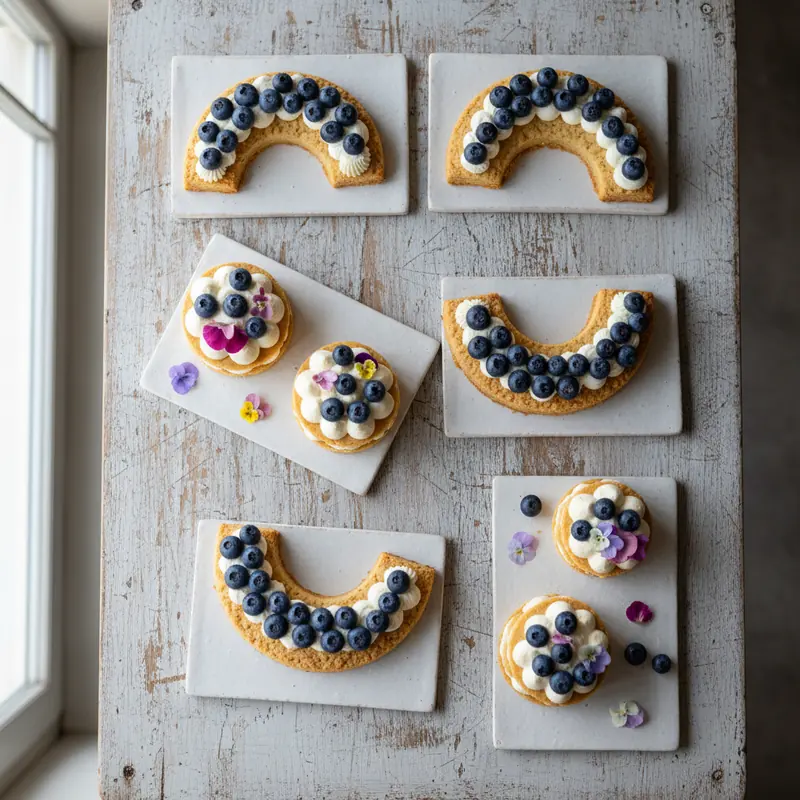
Compare layered biscuit bases, cream piping and topping arrangements for a number cake concept, exploring decorative options without depicting or assuming a specific age or numeral.
Unicorn Cake
Compare unicorn-inspired cake shapes, pastel colors and sculpted edible details to explore playful decoration, focusing on the visual theme rather than a recognizable character or branded design.
Fondant Cake
Explore smooth fondant finishes, sculpted accents and coordinated color schemes to compare cake designs where clean surfaces and decorative shapes are central to the presentation.
Original AI-generated navigation references; designs and order details are subject to confirmation.
Useful options for your plans
Explore 3D Cake to compare sculpted silhouettes and decorative themes for a distinctive centerpiece.
Explore Unicorn Cake to compare pastel palettes and playful sculpted details.
View Fondant Cake to compare smooth finishes and sculpted decorative details.
View Hand Painted Cake to compare botanical motifs and abstract painted decoration.