YumYum Bakery & Cakes · Ordering guides
Ordering Vegan and Gluten-Free Cakes for the Same Dinner: What Goes in Each Brief?
For this guide:Ordering Vegan and Gluten-Free Cakes for the Same Dinner: What Goes in Each Brief?
Arrange your baking order
Considering Birthday Cake? Send the date, district and the points discussed in this guide to YumYum Bakery & Cakes to confirm suitable options and a quotation.
Order Your CakeWhatsAppThis opens a prepared WhatsApp enquiry. Availability, details and price must be confirmed before booking.
The most useful first step in learning how to order vegan and gluten-free cakes for one dinner is to stop treating them as one request for a special-diet cake. Call the proposed vegan cake Cake A and the proposed gluten-free cake Cake B. Each needs its own ingredient questions, portion count and written reply, even when both cakes arrive at the same restaurant.
Before choosing a design, ask the guests what they actually need and whether anyone needs both restrictions together. Then complete the two briefs below and send them with a shared dinner header. This keeps the conversation practical: what can the bakery confirm for each cake, what remains uncertain, and can the restaurant carry those distinctions through to serving?
Map guests to cakes before counting portions
Start with three groups: guests requesting vegan cake, guests requesting gluten-free cake, and anyone requesting both in the same serving. Ask each person about their requirements rather than inferring them from a label or another guest’s description. You do not need to diagnose a condition; you do need to pass on the ingredient and handling questions that person wants answered.
Vegan and gluten-free are not interchangeable requirements. An answer about animal-derived ingredients does not answer a question about gluten, and a gluten-free recipe does not establish that eggs or dairy are excluded. Callebaut’s dietary-restrictions guidance discusses these restrictions separately and stresses understanding ingredients and customers’ specific needs. That distinction should remain visible in your enquiry.
Record the number of intended servings beside each proposed cake, including whether other diners will share it. Do not count someone needing both restrictions as automatically catered for by either A or B. Ask about the bakery’s proposed size and serving yield for each design instead of assuming two cakes of similar diameter will produce the same portions.
- Cake A intended servings: ___; guests sharing beyond the vegan group: ___.
- Cake B intended servings: ___; guests sharing beyond the gluten-free group: ___.
- Guest requiring both restrictions in one serving: yes / no / awaiting clarification.
- Additional guest-stated ingredient or handling requirements to communicate separately: ___.
Agree on the celebration details without merging the recipes
If this dinner is also a birthday celebration, use the Birthday Cake page to discuss a shared message, colour palette or celebration style. Those visual details can connect the two cakes on the table, but each recipe and decoration still needs its own confirmation. A matching finish is a design request, not evidence that the cakes contain the same ingredients.
For a dinner without a birthday, keep the message appropriate to the occasion or leave it off altogether. Tell the bakery which features matter most: perhaps a coordinated colour, a simple presentation or matching wording. Also say which features can change if a proposed frosting, filling or decorative component cannot be confirmed for the relevant brief. This gives the bakery room to suggest a different appearance without silently changing a dietary requirement.

Use one dinner header and two independent order records
The shared header can contain the dinner date, Hong Kong district, venue name, proposed receiving window and a contact person. Confirm the precise delivery address directly when arranging the order. Keep recipe restrictions, serving counts and the bakery’s answers in the individual cake records underneath that header. A change to Cake A should not overwrite Cake B’s details.
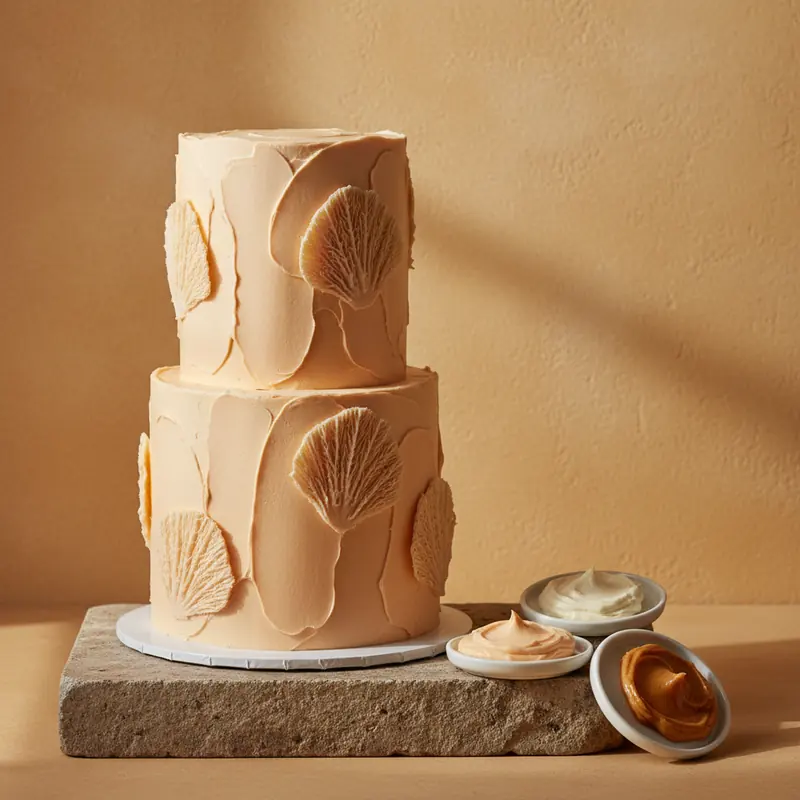
Give the records durable names such as Cake A — vegan enquiry and Cake B — gluten-free enquiry. Add a design reference to each, stating which features you are referring to. For example, a peach-coloured cake photograph might communicate colour and sculpted decoration only; it cannot confirm the ingredients of a cake made to that brief. Ask the bakery to repeat the A or B identifier in its quotation and subsequent replies.
- Shared dinner header: date ___; district ___; venue ___; receiving window to confirm ___.
- Cake A record: intended portions ___; flavour preference ___; recipe requirements ___; design priorities ___.
- Cake B record: intended portions ___; flavour preference ___; recipe requirements ___; design priorities ___.
- For each record: person awaiting the bakery’s answers ___; unresolved questions ___.
Cake A: write the vegan brief component by component
Begin Cake A’s brief with its intended servings, flavour preference and requested exclusions. Ask the bakery to confirm eggs, dairy and other animal-derived ingredients across the sponge, filling, frosting and every edible decoration. Include the message plaque, decorative pieces and anything added at the finish. Do not let a reply about the sponge stand in for an answer about the assembled cake.
A usable enquiry reads: Cake A; intended servings ___; preferred flavour ___; animal-derived ingredients to exclude ___; other guest-stated restrictions ___; filling ___; frosting ___; edible decorations ___; preparation questions ___; items you cannot confirm ___. Ask the bakery to recommend a size for those portions and to identify any requested feature it would need to alter.
Use the Vegan Cake page as the enquiry starting point for Cake A’s actual recipe, filling and decoration questions. The page name and design references do not establish suitability for a particular guest. Request an order-specific written reply that distinguishes what the bakery can supply from what it cannot confirm or promise.
Keep a milk or egg allergy question separate from a vegan request
If a guest also reports an allergy, state that separately in their own terms and ask the bakery about the relevant ingredients and handling conditions. Do not replace that conversation with the word vegan. Ask what information is available about compound ingredients and shared production, then take any limitations back to the guest. A missing answer should remain unresolved rather than being converted into approval by the organiser.
Cake B: ask about gluten ingredients and preparation separately
For Cake B, request confirmation covering the complete cake rather than only the flour used in its sponge. Ask about the filling, frosting, biscuit or crumb elements, premade decorations and other compound ingredients. Record the intended servings and ask for a size recommendation independently of Cake A. If the guest has additional ingredient requirements, include them explicitly; gluten-free does not mean vegan or free from eggs and dairy.
Next ask what the bakery can tell you about its preparation environment, shared equipment, cake tins, tools and cleaning or separation arrangements. The Gluten Intolerance Group’s guide to kitchen tools explains how trapped crumbs and difficult-to-clean equipment can transfer gluten. It is household guidance, not a commercial-kitchen certification standard, but it provides a clear reason to ask about handling as well as ingredients.
Take those questions to the Gluten Free Cake page for an enquiry about the actual order. Ask the bakery to identify both confirmed ingredients and cross-contact limitations. Neither a photograph nor a product-page title is a certification. If a needed answer is unavailable, do not describe that option to the guest as suitable.
Make limitations part of Cake B’s written record
Use these fields: Cake B; portions ___; flavour ___; ingredient exclusions ___; component details confirmed ___; shared equipment or environment disclosed ___; handling arrangements described ___; questions still unanswered ___. Ask the bakery to put any limitation next to the relevant answer. A general response that special requests are welcome is not a substitute for completing the questions that matter to this guest.
If one guest needs both, create a combined brief
A guest who needs both vegan and gluten-free cake requires confirmation of one option meeting both requirements together. Offering that person Cake A because it is vegan, or Cake B because it is gluten-free, leaves half the question unanswered. Create an additional combined brief, using a separate identifier, and ask whether the bakery can propose an option with all the required ingredient and handling information.
Keep that guest’s portion requirement pending until the answer is clear. If a combined option is proposed, check its sponge, filling, finish and preparation conditions as one complete product. Do not construct approval by joining the vegan answers for A to the gluten-free answers for B. If the bakery cannot provide the information the guest needs, discuss another arrangement with the guest rather than promising that the two-cake plan covers everyone.
Compare fillings and decorations by component, not appearance
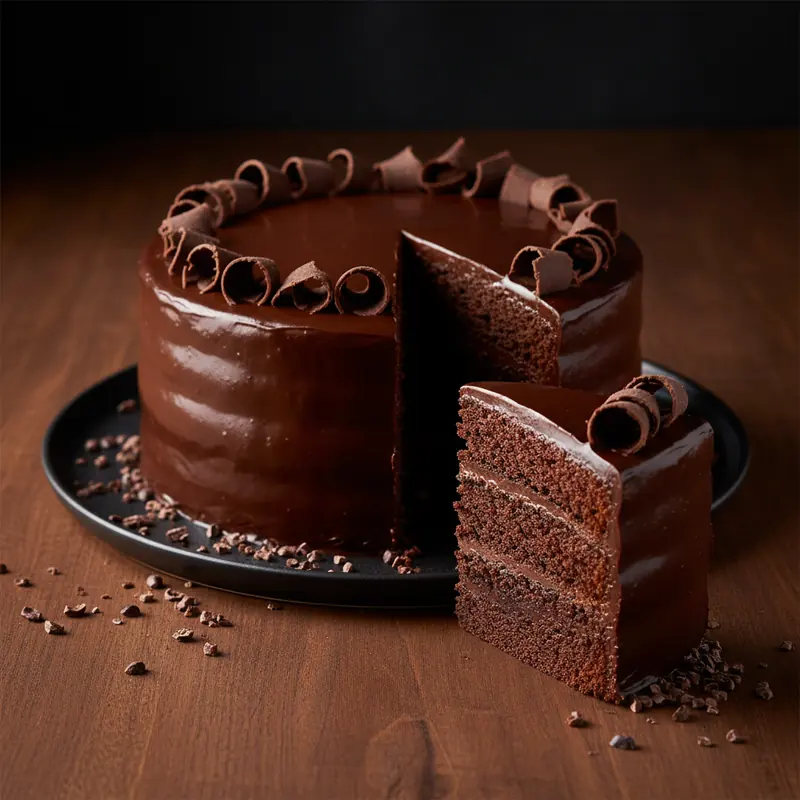
Choose a preferred flavour, but make the component questions more important than matching a reference photograph. A chocolate-style design, for example, may show a glossy coating and layered filling; ask what each component in the proposed order would contain. Do not assume that a familiar flavour name identifies the recipe, or that an ingredient substitution leaves every other part of the cake unchanged.
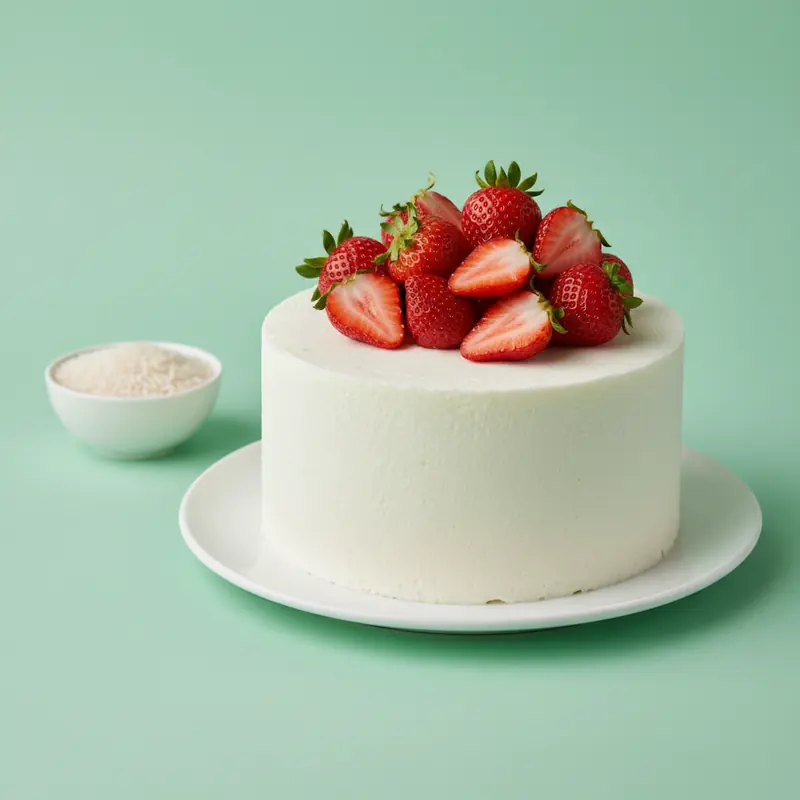
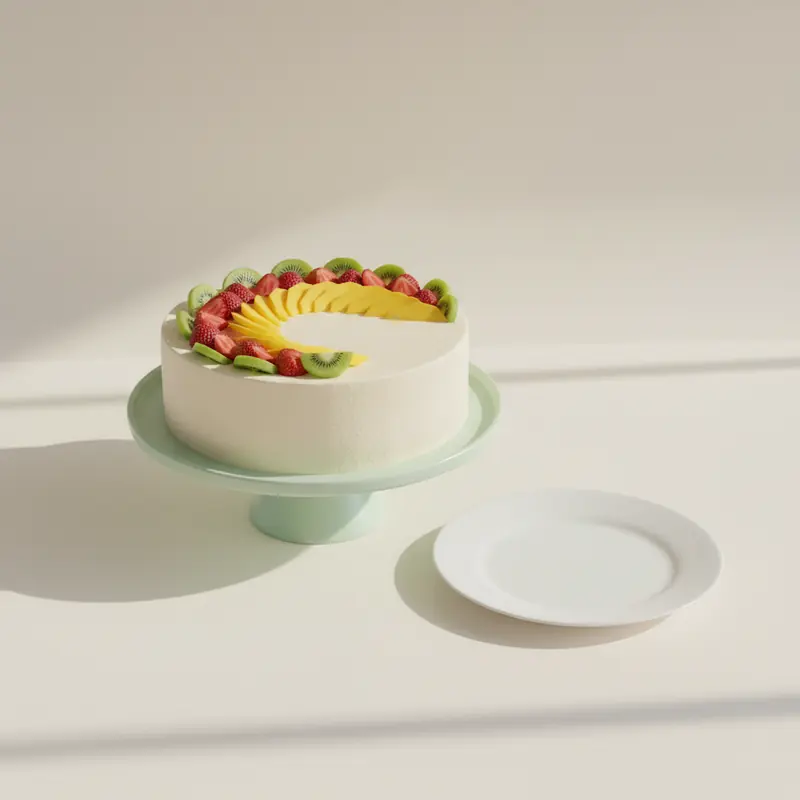
Apply the same approach to fruit decoration. A picture of mango, strawberries and kiwi can show the placement and colour balance you like, but it does not tell you about a proposed glaze, cream, crumb base or decorative extras. Ask which components the bakery proposes and which it can confirm against Cake A or Cake B. Treat the image as a visual reference only, not an ingredient list.
When comparing alternatives, rank your priorities: the guest’s stated requirements first, enough portions next, then flavour and appearance. If a decoration cannot be confirmed, ask whether the bakery can omit or replace it and explain the revised finish. Have the change recorded against the correct cake before agreeing. This is more useful than asking for two visually identical cakes and discovering later that their specifications were never settled.
Read the replies as two decisions, not one general yes
Compare the bakery’s answers in parallel: proposed size and portions, complete component details, preparation information, design changes and remaining limitations. Mark each field confirmed, unanswered or not available. An unanswered field is not necessarily a refusal, but it is a reason to ask a follow-up before treating the order as settled. Keep availability and the actual quotation separate from suitability questions.
For example, in a hypothetical reply, the bakery might confirm Cake A’s requested ingredients but leave its decorative plaque unconfirmed, while Cake B has a clear component list but disclosed shared-equipment limitations. Those are different issues requiring different follow-ups. Ask about the plaque for A and relay B’s handling information to the relevant guest. Neither answer should be copied across the two records.
Request the price, available design, production availability and any order conditions for each cake directly from customer service. Do not assume an alternative filling or simpler decoration has a particular price effect. Before agreeing, make sure the proposed cakes are identifiable in the quotation and that outstanding guest questions have not disappeared into a general note about dietary requests.
Keep Cake A and Cake B identifiable after packing
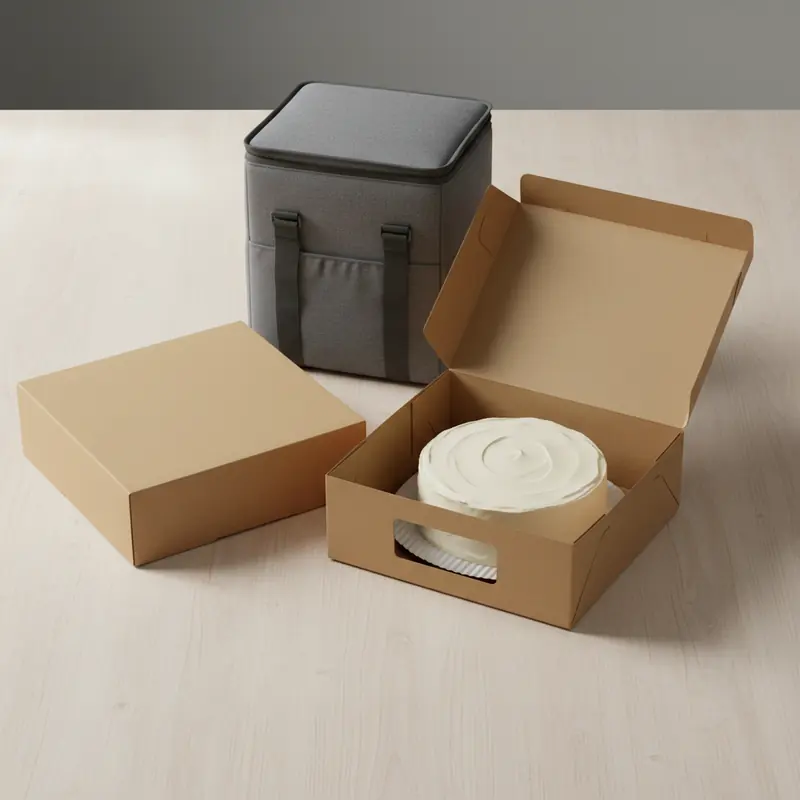
Ask whether each cake can be packed separately and identified with the same A or B reference used in the written order. Agree on the wording attached to each package, using only the description the bakery has actually confirmed. Colour alone is a weak identifier: two coordinated cakes may look similar, and someone receiving the boxes may never have seen your design references.
Keep the confirmed order record available to the receiver. On arrival, they can match the box identifier, cake description and intended serving group, then query a missing or inconsistent label before serving. Separate boxes and clear wording improve identification; they do not eliminate cross-contact that may occur during production, transport or plating. Avoid turning a practical labelling request into a safety assurance.
- Separate packaging requested and availability confirmed for A and B.
- Each box identifier matches the corresponding written cake record.
- Label wording reflects confirmed details, not an organiser’s extra claim.
- Receiver knows whom to contact if the package or description does not match.
Set the restaurant handover before arranging cake delivery
Ask the restaurant who will receive the cakes, where they will be kept according to the bakery’s instructions, and who will cut and plate each one. Confirm the receiving window with the venue rather than assuming dinner time is a suitable drop-off time. Pass the bakery’s storage and handling instructions to the actual receiver; do not substitute an unsupported temperature or time limit.
Walk through the serving sequence as well. Who checks the A and B labels? What cleaning or separate-use arrangements are available for knives, servers and plates? How will staff avoid mixing portions or transferring crumbs between cakes? Keep each cake’s intended portions and serving instructions distinct. These are questions for the venue to answer, not a claim that separate utensils alone resolve every guest’s concerns.
Once the packaging identifiers and venue handover are clear, use Cake Delivery to enquire about professional cake logistics for the actual address and receiving window. Cake delivery is not free; confirm the delivery fee and available arrangements with customer service for this order. Do not treat a preferred time as a guaranteed slot before it has been agreed, and keep the named receiver informed of the confirmed arrangement.
- Venue receiver and proposed receiving window agreed in principle: ___.
- Storage arrangements checked against bakery instructions: ___.
- Person responsible for identifying, cutting and plating each cake: ___.
- Venue’s utensil cleaning or separate-use arrangements and any limitations: ___.
Close the enquiry with a change-controlled confirmation
Before placing the order, ask for one final written summary with separate entries for Cake A and Cake B, plus any combined-requirement option. Each entry should show the agreed portions, components, decoration, disclosed handling limitations and packaging identifier. The shared dinner details can sit above them. This lets you check the whole arrangement without confusing a common destination with a common recipe.
If the flavour, decoration, serving count or receiving plan changes, ask which parts of the confirmation need to be revisited. A replacement topper needs its own ingredient answer; an altered serving plan may need a new size recommendation. Send the latest relevant version to the receiver and restaurant. The aim is not a longer email thread, but a traceable answer for each cake and an honest record of anything that remains unresolved.
Details to confirm before ordering
- Record which guests require vegan, gluten-free or both requirements together; keep the combined requirement separate until confirmed.
- Set an intended serving count for each cake and obtain an individual size recommendation.
- Get component-by-component answers for sponge, filling, frosting and edible decorations, with additional guest-stated restrictions recorded separately.
- Keep each cake’s preparation information, cross-contact limitations and unanswered questions in its own brief.
- Agree on separate packaging identifiers and label wording that matches the bakery’s actual confirmation.
- Confirm the venue receiver, storage instructions and responsibility for cutting, plating and utensil arrangements.
- Obtain the actual quotation and charged professional delivery arrangements from customer service, then circulate the final cake-specific records.
Questions about this decision
Can I send one enquiry for both cakes?
Yes. Use one message with a shared dinner header, then clearly separated Cake A and Cake B briefs. Ask the bakery to reply to each brief individually so ingredient answers, limitations and portion recommendations stay attached to the correct cake.
Does a vegan cake automatically cover a guest avoiding gluten?
No. A vegan confirmation does not answer the gluten questions. If a guest needs both requirements, ask about one complete option meeting both, including its filling, decorations and preparation conditions.
What should I do if a supplier cannot confirm one decoration?
Keep that component unresolved and ask whether it can be omitted or replaced with a component the supplier can confirm. Check the revised finish in writing; do not assume the rest of the cake’s description also covers the replacement.
Are separate boxes and knives enough to establish suitability?
No. They can help identification and handling, but do not establish ingredients or eliminate cross-contact. Ask about the bakery’s preparation conditions and the venue’s serving arrangements, and communicate any limitations to the guest.
Should both cakes have the same size and design?
Only if the independently confirmed portions and proposed recipes support that choice. Ask for a size recommendation for each cake. Coordinated colours or wording may be possible, but recipe requirements should not be relaxed simply to produce matching appearances.
Sources and further reading
Reference only. Illustrations are AI-generated design references, not photographs of actual customer orders. Confirm current contents, prices and arrangements with our team.
For this guide:Ordering Vegan and Gluten-Free Cakes for the Same Dinner: What Goes in Each Brief?
Arrange your baking order
Considering Birthday Cake? Send the date, district and the points discussed in this guide to YumYum Bakery & Cakes to confirm suitable options and a quotation.
Order Your CakeWhatsAppThis opens a prepared WhatsApp enquiry. Availability, details and price must be confirmed before booking.
Explore related services and designs
Compare relevant options, view design references and find the information you need before making an enquiry.
Gluten Free Cake
Compare cake shapes, berry toppings and simple finishes for a gluten-free enquiry, confirming ingredients and cross-contact considerations separately rather than treating a photograph as proof of suitability.
Vegan Cake
Explore plant-based cake presentation, frosting styles and flavor directions while checking the ingredients of a specific order; a design image alone cannot establish dietary or allergen suitability.
Vegan corporate gifts
Compare plant based hamper presentation and corporate gift directions, checking ingredients and recipient restrictions separately instead of assuming that a pictured arrangement verifies dietary suitability.
Gluten-Free Catering
Compare gluten free menu enquiries and ingredient handling questions, with attention to preparation and cross contact concerns rather than assuming any pictured food is suitable for allergies.
Vegan Catering
Compare plant based catering combinations and serving styles, exploring vegetable, pulse and grain dishes while keeping vegan requirements distinct from vegetarian preferences and any separate allergy concerns.
Original AI-generated navigation references; designs and order details are subject to confirmation.
Useful options for your plans
Explore Gluten Free Cake for design ideas and discuss ingredients and cross-contact considerations for your order.
Explore Vegan Cake for presentation ideas and ask about the ingredients of your specific order.
Explore Vegan Catering to compare plant based dishes and serving styles.
Explore Gluten-Free Catering to discuss menu ingredients, preparation and cross contact concerns.