YumYum Bakery & Cakes · Ordering guides
Chocolate and Fruit Toppings on Vegan or Gluten-Free Cakes: What Should You Check?
For this guide:Chocolate and Fruit Toppings on Vegan or Gluten-Free Cakes: What Should You Check?
Arrange your baking order
Considering Vegan Cake? Send the date, district and the points discussed in this guide to YumYum Bakery & Cakes to confirm suitable options and a quotation.
Order Your CakeWhatsAppThis opens a prepared WhatsApp enquiry. Availability, details and price must be confirmed before booking.
A glossy chocolate coating and a crown of berries tell you how a cake looks, but not what is inside it. The sponge may differ from the filling, the chocolate coating may have ingredients added to it, and the fruit may sit on a separate glaze. Before approving a design, make a list of these components and ask the bakery to identify each one.
Use the vegan cake topping ingredient checklist below as a conversation guide, not as proof that a cake meets a dietary requirement. We will use a hypothetical chocolate-coated cake with fresh fruit to show what to ask, what information to record and when an unanswered question should pause the order. None of the illustrated designs establishes a recipe or confirms that YumYum can provide a particular substitution.
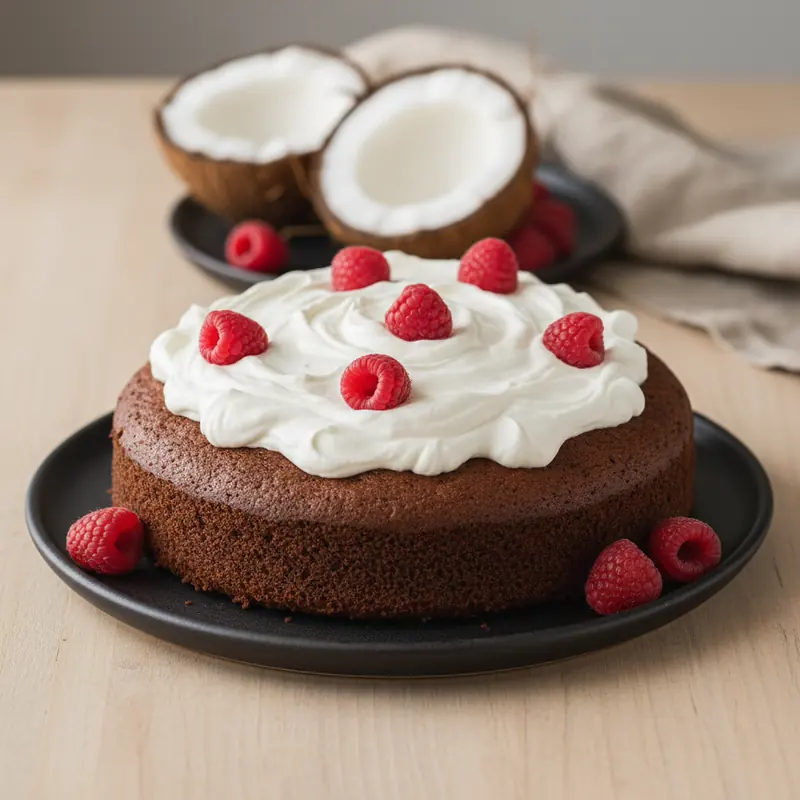
Start with the dietary requirement, not the cake photo
Write the requirement in plain language before discussing colours or decorations. If you are enquiring about a Vegan Cake, say that you need the bakery to confirm the ingredients of the whole cake, including fillings and edible finishing pieces. A category name is a starting point for an enquiry, not a substitute for answers about the actual design you want.
Keep any allergy requirement on a separate line. The Vegan Society's guidance on allergen labelling explains that vegan products may still carry warnings about animal allergens: vegan standards and allergy or free-from standards are not interchangeable. If you are ordering for someone else, obtain their specific requirements rather than translating 'vegan' into an assumed list of allergy exclusions. For medically related restrictions, use the person's healthcare guidance to define what must be avoided.
Give gluten-free and individual allergy questions their own answers
An enquiry for a Gluten Free Cake needs a separate response about the sponge, fillings, decorations and handling. Do not accept 'it is vegan' as an answer to that question. A useful illustration is the Pick Up Limes vegan chocolate cake recipe, which explicitly lists gluten and uses all-purpose flour. That is an example of how the categories differ, not information about a YumYum recipe.
Be equally specific about individual allergens. Avoid vague wording such as 'nothing unsuitable' or 'allergy-friendly', because it leaves the bakery guessing what you mean. The FDA's food allergy guidance identifies wheat, barley and rye in its explanation of gluten; checking only for wheat does not complete a gluten enquiry. These are general ingredient principles, not a statement of Hong Kong labelling law or a medical assessment of a particular order.
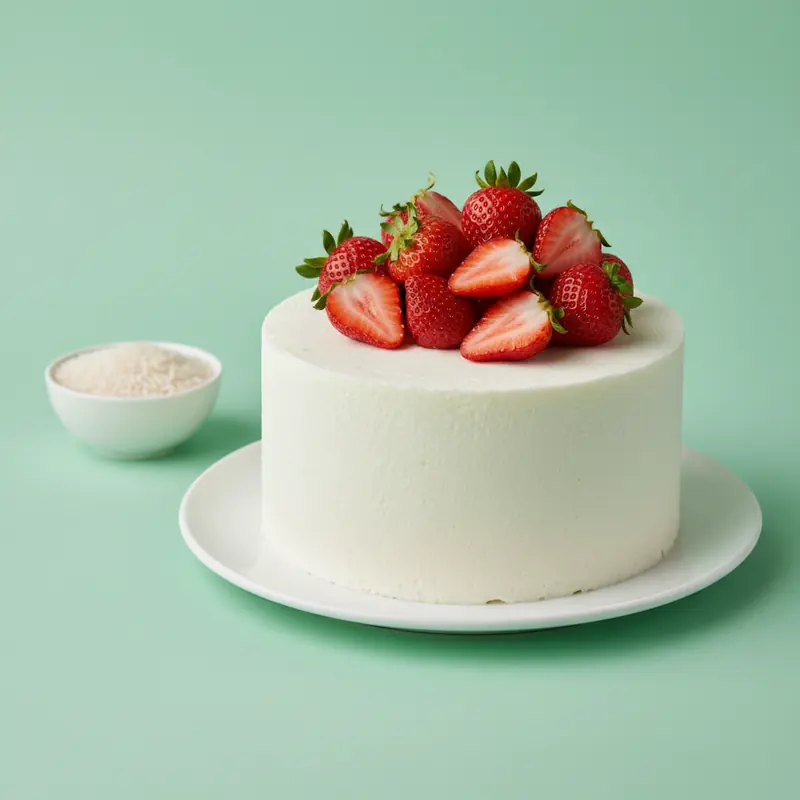
Turn the reference photo into a component record
In our hypothetical design, start with the layers you cannot see: sponge, filling and any syrup brushed onto the sponge. Then add the visible elements: chocolate coating, piped frosting, fresh fruit, any glaze on that fruit, chocolate shavings and other finishing pieces. Ask the bakery to correct your list. A dark exterior could conceal a different filling, so a photograph cannot supply the missing information.
Give each component its own record rather than grouping everything under 'chocolate and fruit'. Use the fields below in a message or shared note. The important distinction is between the name you see in a design description and the actual recipe or purchased product the bakery intends to use. An unanswered field should remain marked 'not yet confirmed', not silently become an approval.
- Component and position on the cake: ______.
- Actual product or in-house recipe, including brand and product name where applicable: ______.
- Complete ingredient information, including ingredients within compound products: ______.
- Relevant allergen statements or supplier warnings, using the label's wording: ______.
- Possible alternative, its ingredient information and the change to the design: ______.
- Open question and whether this component is confirmed, unresolved or excluded from the proposal: ______.
Check the sponge and filling before the decorative finish
Ask which flour or flour blend is proposed for the sponge and what else is included in that specific recipe. If a prepared mix is involved, request its full ingredient information as well as the ingredients added by the bakery. A description such as 'chocolate sponge' does not tell you whether the recipe answers your vegan, gluten-free or individual allergy questions.
Treat the filling as a separate component even when its flavour matches the outside. Ask whether it is a chocolate cream, fruit preparation, frosting or another product, and obtain its own ingredient details. Include any soaking syrup or spread between the layers. Confirming the decorative fruit while leaving an unidentified filling in the centre would leave the main question unresolved.
Look inside compound ingredients
If the answer is 'we use a ready-made filling', ask for the product name and the ingredients within it. The FDA guidance uses examples such as whey from milk and lecithin from soy to show why ingredient sources matter. These examples are prompts for checking an actual label, not claims that every filling or every form of lecithin contains the same allergen.
Identify the actual chocolate and everything added to it
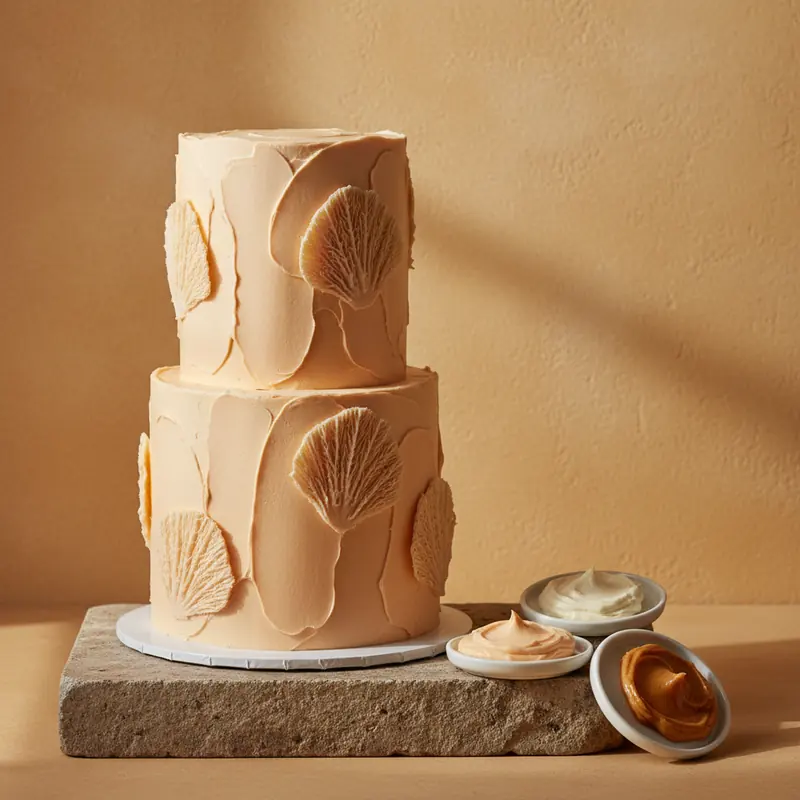
A Chocolate Cake design can help you describe the coating, drip or shavings you like. It cannot establish which chocolate will be used or whether the finished cake meets your requirements. Ask for the actual chocolate brand and product name, its full ingredient list and relevant warnings. Do not infer suitability from the words 'dark chocolate', the colour of the coating or a cocoa percentage.
Next, ask what turns that chocolate into the finished coating. Is it used on its own, or combined with milk, a plant-based drink, cream, butter, another fat or a prepared mixture? Record these additions separately. A label for the chocolate alone cannot answer questions about the complete ganache or frosting after the bakery has added other ingredients.
The GlutenFreeDIYers cake recipe provides a concrete example of this distinction: its ganache includes chocolate chips, rice milk and palm oil. That is one published recipe, not a required formula or an available YumYum option. Its practical lesson is to ask about the finished mixture rather than stopping at the chocolate packaging. Check shavings and chips separately if they are different products from the coating.
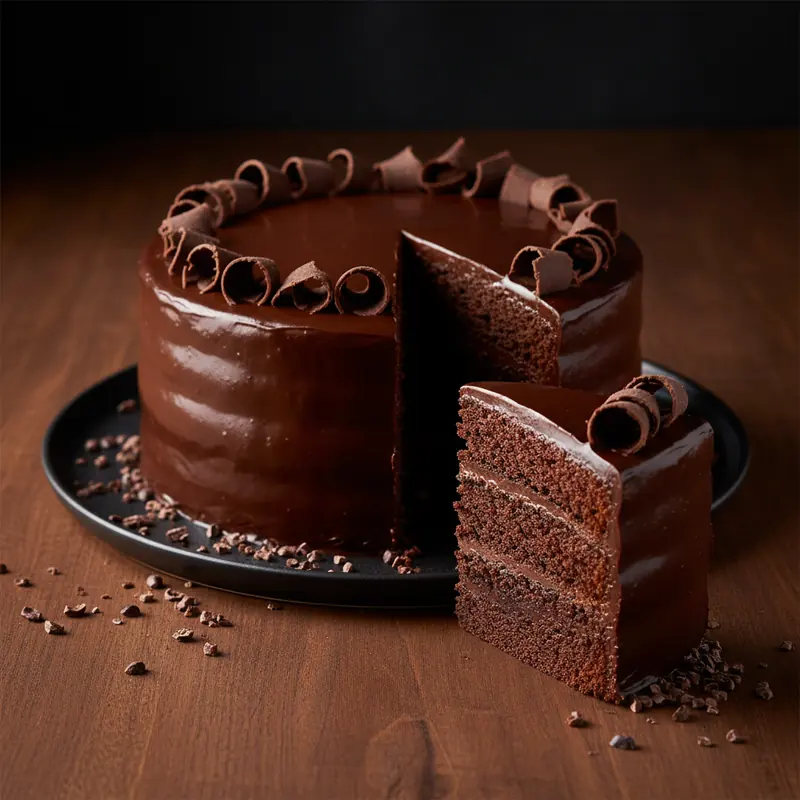
Ask what 'plant-based frosting' contains in this order
A plant-based frosting description still leaves ingredient questions open. Request the actual plant-based drink, spread or fat proposed, together with the other frosting ingredients. If soy or a particular nut is relevant to the recipient, ask about that ingredient explicitly rather than assuming that a dairy alternative answers every dietary concern.
The Pick Up Limes recipe lists vegan butter, soy milk and dairy-free dark chocolate separately for its frosting. This shows why an ingredient list can be more informative than the name of the finish. It does not establish that these are YumYum ingredients, nor that a coconut-looking, pale or whipped finish has a particular composition.
Separate the coating from the piping
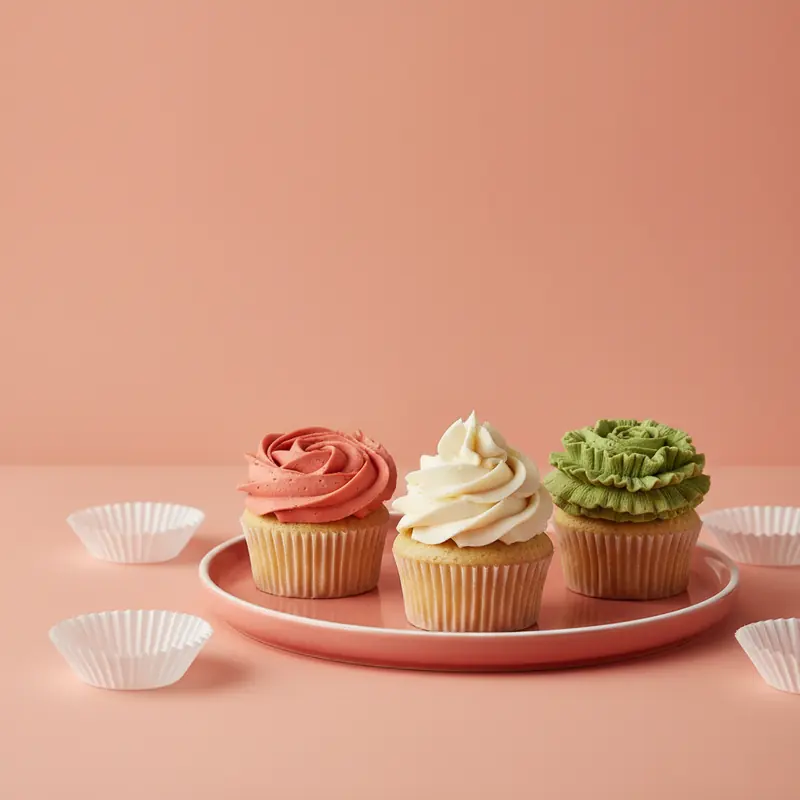
Ask whether borders, rosettes and writing use the same mixture as the main covering. A design may involve more than one frosting or decorating product. If the bakery proposes one confirmed frosting for the exterior but a different product for the message, the message needs its own check. Include colouring or other added preparations where they are part of the proposed recipe.
Separate fresh fruit from jam, syrup and glaze
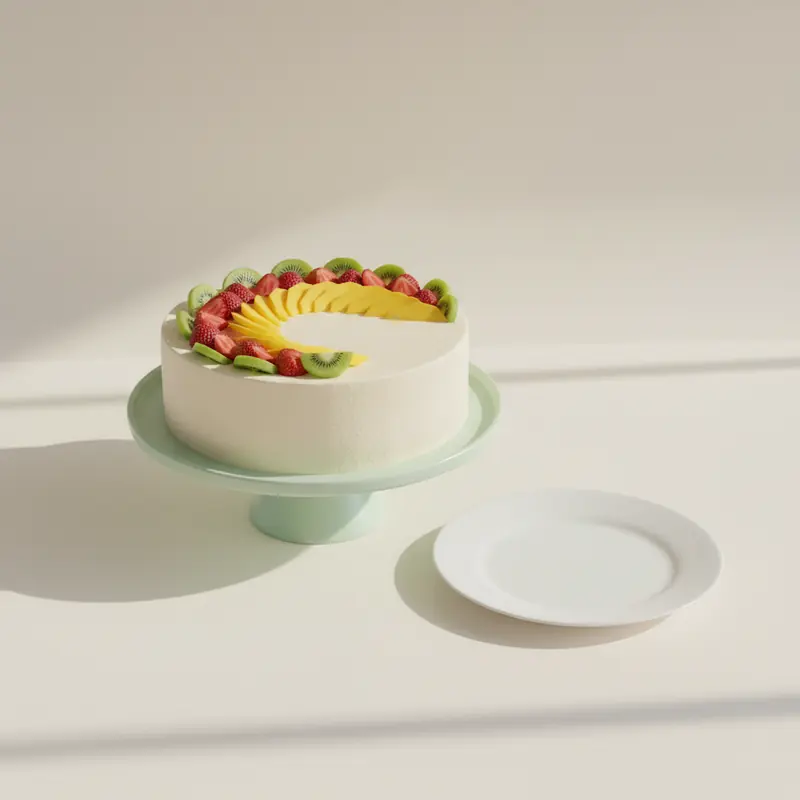
Use a Fruit Cake design reference to discuss the fruit arrangement you want, then ask what is actually applied to it. Here the question is about fruit-decorated cakes, not traditional dried-fruit or alcohol-soaked fruitcake. Identify each proposed fruit and whether it is fresh, supplied in a prepared product or used as a filling. A familiar fruit shape does not tell you what has been added.
Ask separately about jam beneath the fruit, syrup, a glossy coating or another finishing preparation. Request the product name, complete ingredients and any gelling agent information where applicable. Do not assume that all glazes contain gelatin, or that all fruit preparations exclude milk or gluten. The answer belongs to the particular product and recipe, not to the broad word 'glaze'.
If a prepared topping cannot be documented, ask whether a different presentation is feasible, such as fruit without that particular finishing product. The bakery must confirm the practical effect on the design and provide information for the revised proposal. Removing one unverified preparation may narrow the ingredient questions, but it does not establish that the remaining cake or its handling meets the recipient's requirements.
Give small decorations the same scrutiny as the main layers
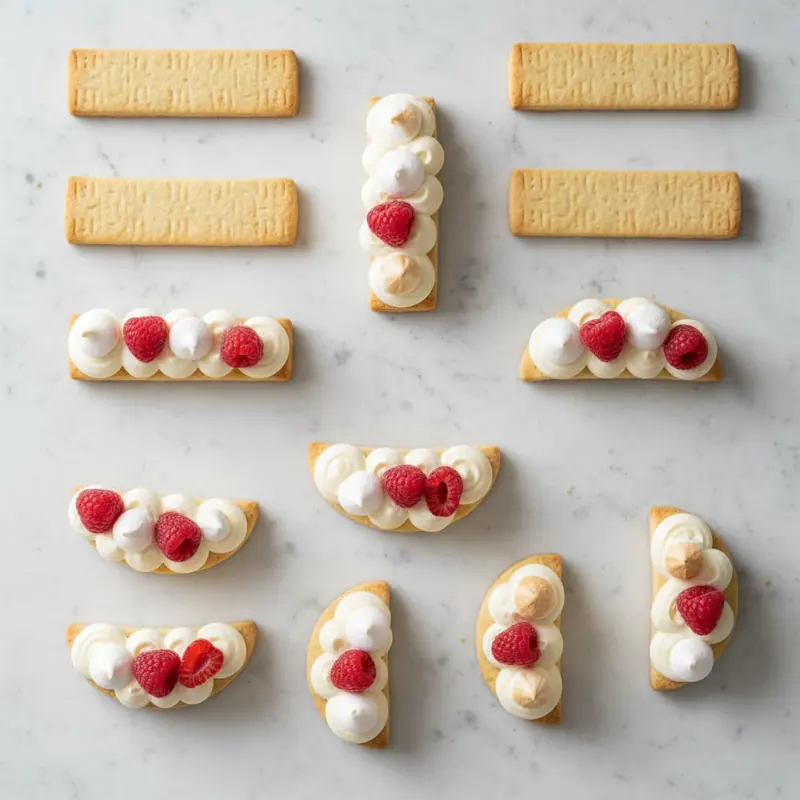
Chocolate curls, biscuit crumbs, crisp pieces, sprinkles and decorative plaques should each appear on the component list if they are part of the proposal. Their small size is not a reason to omit the ingredient question. Ask whether a garnish is made in-house or purchased, which product it is, and whether it differs from a similar-looking product already discussed.
The GlutenFreeDIYers recipe discusses chocolate chips and sprinkles as separate ingredient choices. Use that as a reminder to check finishing pieces, not as a blanket endorsement of any decoration or the recipe's broader free-from claims. If the reference design contains a biscuit-like layer, ask what it is rather than assuming it shares the sponge recipe.
Distinguish edible pieces from non-edible accessories as well. Ask the bakery to identify which decorations are intended to be eaten and which must be removed, and whether any edible attachments or bases have their own ingredients. If a finishing piece cannot be verified, leave it unresolved while you discuss another design; do not treat an instruction to pick it off later as confirmation of the cake underneath.
Read the evidence as a set of answers, not a reassuring label
For purchased components, ask for a readable current ingredient label or supplier ingredient information tied to the exact product proposed. For in-house components, ask for the actual ingredient list, including the purchased ingredients used within it. If a full recipe with quantities is not provided, the ingredient question still needs an answer; you are not asking the bakery to disclose its baking method.
Record ingredient information and precautionary statements in separate fields. 'Not added to this recipe' answers a different question from a supplier warning or an explanation of shared equipment. If two messages appear to conflict, send the wording back and ask the bakery to clarify which product and component each message concerns. Avoid resolving the discrepancy yourself by choosing the more reassuring sentence.
Do not rely only on a previous order. The Vegan Society guidance recommends checking labels again even for products bought before. For this order, ask the bakery to confirm the products it currently intends to use. A photo of an old label without a clear connection to the proposed ingredient leaves a question open.
Ask about shared equipment as a separate handling discussion
Ingredient information cannot, by itself, describe how a cake will be made. The FDA's food allergy guidance explains that cross-contact can arise through shared equipment, the same production line, inadequate cleaning or dust. This is why a completed ingredient record should lead to a handling discussion rather than end the enquiry.
Ask whether mixers, bowls, spatulas, piping bags and work surfaces are shared with ingredients you need to avoid. Then ask the bakery to explain the relevant preparation, cleaning and separation practices, and any limits on what it can confirm. Specific questions are more useful than a request for a broad promise that there will be 'no contamination'. Do not infer a dedicated process from a vegan or gluten-free product name.
Keep the response alongside the ingredient record, clearly labelled as handling information. If the bakery cannot describe the process sufficiently for the recipient's needs, that uncertainty remains even when every intentionally added ingredient has been identified. For medical restrictions, seek the recipient's healthcare guidance about how to use that information; this checklist cannot assess personal suitability or guarantee absence of cross-contact.
Evaluate substitutions before approving a changed design
A substitution is a new component to check, not an automatic solution. If the proposed chocolate, frosting or glaze changes, ask for the replacement's product name, ingredients and relevant warnings. Then ask whether the replacement changes anything else: a different filling, a supporting layer, another decorative product or the way the cake is finished. Keep the revised list together so that an older approval does not accidentally carry over.
Make the visual trade-off explicit. For example, in a hypothetical enquiry you might prioritise a documented component over a particular glossy finish or decorative crunch. Ask the bakery which changes it can actually offer, then assess the revised ingredient and handling information. Neither a simpler appearance nor the removal of one decoration proves suitability. Availability, any price change and any timing implications need confirmation for the individual order.
Confirm one final component list in writing before proceeding
When submitting a Custom Cake enquiry, send the design reference and dietary requirements together, rather than adding the restrictions after agreeing the appearance. Ask the bakery to confirm what is feasible for that particular request. The enquiry route is for discussing the proposal; it does not promise that any specific alternative recipe, product or handling arrangement is available.
Before proceeding, bring the answers into one written version: sponge, filling, syrup if used, chocolate coating, frosting, fruit treatment and every edible finishing piece. Keep unresolved questions visible. Ask the bakery to check with you before changing an agreed brand, ingredient or design element, because a replacement may require another ingredient and handling discussion.
The useful endpoint is not a message saying 'yes, chocolate and fruit is fine'. It is a component list matched to the actual proposal, with separate answers for vegan requirements, gluten-related requirements, individual allergens and handling. If the information you need remains unavailable, pause rather than convert uncertainty into approval. A clear decision not to proceed with an unverified design is more useful than a detailed checklist whose unanswered fields have been overlooked.
Details to confirm before ordering
- State vegan requirements, gluten-related requirements and individual allergens separately; use the recipient's own avoidance requirements.
- List the sponge, filling, soaking syrup if used, coating, piping, fruit preparations and every edible finishing piece.
- Request the actual recipe ingredients or named product information for every component, including compound ingredients.
- Record relevant supplier warnings separately from intentionally added ingredients and keep unresolved items visible.
- Ask about shared mixers, utensils, piping equipment, work surfaces and the relevant preparation and cleaning practices.
- Recheck every proposed replacement and confirm any resulting design, price or timing changes for the individual order.
- Obtain one written final component list and ask to be consulted before any product, ingredient or design substitution.
Questions about this decision
Does dark chocolate automatically make a topping vegan?
No. Ask for the exact chocolate product's ingredients and relevant warnings, then ask what is added to make the final coating or ganache. The chocolate label alone cannot describe a mixture made with additional ingredients.
Can I assume fresh fruit means there is no glaze or syrup?
No. Ask whether anything is applied to the fruit or placed underneath it. Check any jam, syrup or glaze separately, including the actual product ingredients and gelling agent information where applicable.
What if the bakery confirms the sponge but not the sprinkles?
The sprinkles remain unresolved. Ask for their product information or discuss a revised design without them. Recheck the revised cake and handling information; removing a topping does not establish the suitability of everything else.
Is an ingredient list enough for a food allergy enquiry?
It answers only part of the question. Ask separately about supplier warnings and shared-equipment handling. Use the recipient's healthcare guidance for medical restrictions; this article cannot determine whether an individual order is suitable.
Should I repeat these checks for a cake I have ordered before?
Yes. Ask which products and recipe are proposed for the current order and whether anything has changed. Previous correspondence is useful background, but it should not replace confirmation of the current ingredients, decorations and handling arrangements.
Sources and further reading
Reference only. Illustrations are AI-generated design references, not photographs of actual customer orders. Confirm current contents, prices and arrangements with our team.
For this guide:Chocolate and Fruit Toppings on Vegan or Gluten-Free Cakes: What Should You Check?
Arrange your baking order
Considering Vegan Cake? Send the date, district and the points discussed in this guide to YumYum Bakery & Cakes to confirm suitable options and a quotation.
Order Your CakeWhatsAppThis opens a prepared WhatsApp enquiry. Availability, details and price must be confirmed before booking.
Explore related services and designs
Compare relevant options, view design references and find the information you need before making an enquiry.
Gluten Free Cake
Compare cake shapes, berry toppings and simple finishes for a gluten-free enquiry, confirming ingredients and cross-contact considerations separately rather than treating a photograph as proof of suitability.
Vegan Cake
Explore plant-based cake presentation, frosting styles and flavor directions while checking the ingredients of a specific order; a design image alone cannot establish dietary or allergen suitability.
Vegan corporate gifts
Compare plant based hamper presentation and corporate gift directions, checking ingredients and recipient restrictions separately instead of assuming that a pictured arrangement verifies dietary suitability.
Gluten-Free Catering
Compare gluten free menu enquiries and ingredient handling questions, with attention to preparation and cross contact concerns rather than assuming any pictured food is suitable for allergies.
Vegan Catering
Compare plant based catering combinations and serving styles, exploring vegetable, pulse and grain dishes while keeping vegan requirements distinct from vegetarian preferences and any separate allergy concerns.
Original AI-generated navigation references; designs and order details are subject to confirmation.
Useful options for your plans
Explore Gluten Free Cake for design ideas and discuss ingredients and cross-contact considerations for your order.
Explore Vegan Cake for presentation ideas and ask about the ingredients of your specific order.
Explore Gluten-Free Catering to discuss menu ingredients, preparation and cross contact concerns.
Compare Vegan gift hampers while checking ingredients and any additional restrictions with the recipient in mind.