YumYum Bakery & Cakes · Ordering guides
Ordering a Small Wedding Cake and a Separate Dessert Table: What Goes in Each Brief?
For this guide:Ordering a Small Wedding Cake and a Separate Dessert Table: What Goes in Each Brief?
Arrange your baking order
Considering Wedding Cake? Send the date, district and the points discussed in this guide to YumYum Bakery & Cakes to confirm suitable options and a quotation.
Order Your CakeWhatsAppThis opens a prepared WhatsApp enquiry. Availability, details and price must be confirmed before booking.
If you have already chosen a small wedding cake with separate dessert table, the next decision is not another cake style. It is how to describe two different jobs without leaving a gap between them. The cake may provide a ceremonial moment and portions for selected guests; the table may provide the reception's main sweet course or an additional choice. Neither role should be guessed from a photograph.
Use this wedding cake and dessert table order checklist to prepare Brief A for the cake, Brief B for guest desserts, and one shared venue handover sheet. Start by checking whether your banquet menu already includes dessert. You can send both briefs to the same supplier; separate scopes do not require separate businesses. Ask which combination is available rather than assuming every requested item or service can be supplied.
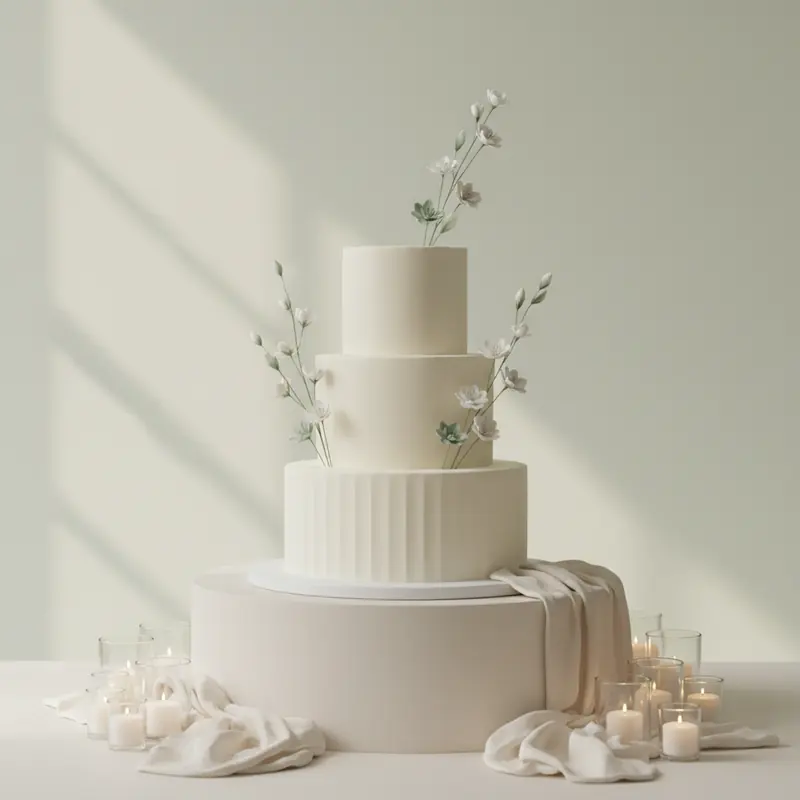
Start both briefs with the same event details and a different purpose
Give both documents the same event reference, wedding date, venue area and named decision-maker. Add separate labels for cake and desserts so a reply about one cannot be mistaken for approval of the other. In each brief, write a single purpose statement: for example, a cake for the cutting ceremony followed by portions for named family tables, or an additional dessert display for guests after dinner. These are example descriptions, not recommended serving quantities.
Ask the banquet coordinator what the meal already provides, when that course is served, and whether outside desserts would replace it or sit alongside it. Record the answer in Brief B. A table offered during a drinks reception has a different serving audience from one opened after the meal. The practical basis for separating the jobs is straightforward: Lydia Kraitman's guide to combining cake and a dessert table describes a smaller cutting cake alongside varied desserts. That supports the arrangement, not any particular package or quantity.
- Shared event reference and wedding date: ____
- Decision-maker and venue receiving contact: ____
- Brief A purpose and intended cake recipients: ____
- Brief B purpose, serving audience and meal dessert already included: ____
Brief A: count the people who will actually receive cake
Write down what happens after the photograph. Will the cake be cut into portions for selected guests, shared later by the couple and family, or used only for the ceremony? If the answer is undecided, mark it as pending. Do not quietly turn the reception's total guest count into the cake portion requirement. Equally, do not assume a small ceremonial cake will be sufficient if you later decide everyone should receive a slice.
Use the Wedding Cake page when preparing the cake enquiry, and submit the actual intended recipients with your cutting plan. Ask the supplier to propose a specification and explain the serving basis. Record whether the requested portion is a plated dessert serving or a smaller additional slice; the word 'portion' alone leaves room for different expectations. Keep this requirement separate from the total number of individual desserts in Brief B.
- Purpose after the ceremony: ____
- People or groups intended to receive cake: ____
- Requested portion style and supplier's serving basis: ____
- Whether any cake is being reserved rather than served at the reception: ____
Ask for an edible-parts description, not a tier-count shortcut
A design reference shows appearance, not a confirmed serving specification. In Brief A, ask the supplier to identify the edible cake, decorations that need removal, and any proposed non-edible structural or display elements. If you are interested in a decorative or non-edible tier, present it as an option to discuss, not an assumed product. Ask which part would be used for the ceremonial cut and how the remaining cake would be handled afterwards.
The useful output is a short written description or annotated design agreed with the supplier. It should connect the appearance to the cake that will actually be served. Give that information to the person cutting and plating it, including any supplier instructions about removing supports or decoration. A visually approved tier arrangement does not by itself confirm enough edible cake for the intended recipients, and a discussion of display components does not confirm that they are available.
Keep the cake design brief separate from the dessert palette
In the design part of Brief A, identify a few priorities: the overall silhouette, colour direction, finish and any wording or focal decoration. Explain which reference detail matters and which is simply background inspiration. If you need a particular visual direction, use the Custom Cake enquiry route to submit that reference clearly. Keep the requested design distinct from the dessert quantities; agreeing a colour palette does not approve either order's food specification.
Then add a small coordination note shared with Brief B. State whether the cake and desserts should have a related palette or whether they will be displayed in different places. If different suppliers are involved, ask each to acknowledge its own agreed reference rather than asking one to interpret another's informal message. Confirm feasibility, final decoration and any wording in writing; the approved design illustrations in this article are references, not photographs of a booked wedding or a promise of an identical result.
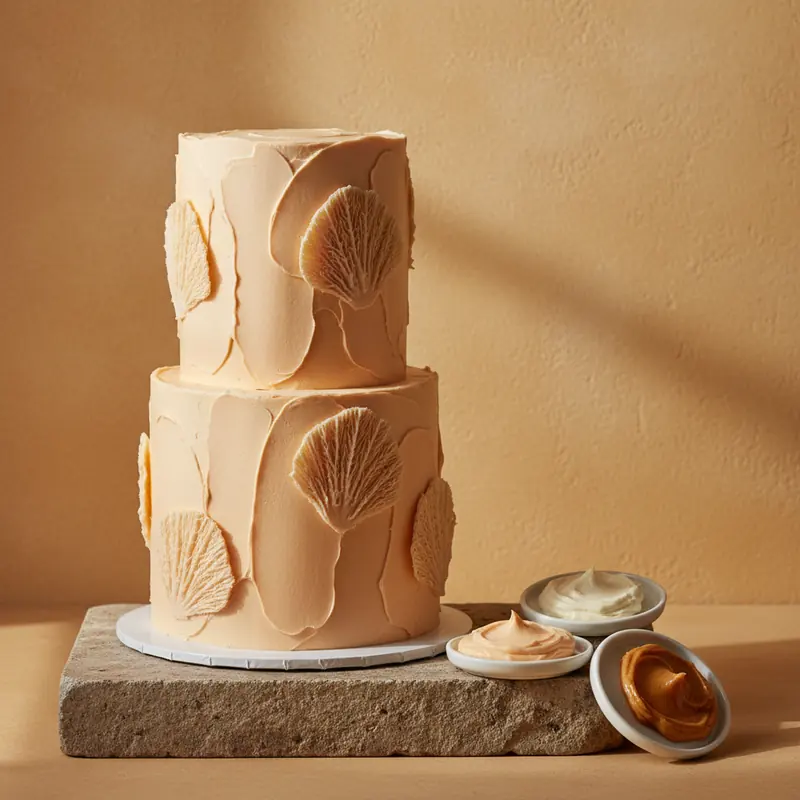
Name the people providing tools, cutting and plating
Separate the ceremonial knife from the equipment and labour needed to serve cake. Ask who supplies the knife and server for the photograph, the display stand, plates and cutlery, and any tools needed for portioning. Assign each item to a supplier, the venue or another named provider. A cake arriving on a support board does not settle who supplies a presentation stand, and a stand in a reference image is not proof that hire is included.
Ask the venue directly who will cut, plate and distribute the cake after the ceremony. Dulcerella's wedding-cake checklist specifically advises checking portioning with the caterer because it may be a separate service. Use that as a question, not a claim about your Hong Kong venue. Record the agreed work and any charge in the relevant written scope, including who clears the stand and keeps removable items for return.
The cutting handover needs a named recipient
Add a line stating who receives the cake information after the ceremony and where portioning will take place. If the person coordinating the photograph is not the person serving dessert, make that handover explicit. Otherwise, a ceremonial cut can be completed while the practical serving instructions remain with someone who has already moved on to another task.
Brief B: list dessert quantities by item and destination
Build the dessert brief from the agreed audience and serving occasion, not from the size of the cake. Give every dessert its own line with the requested item, flavour or assortment, individual size, number of pieces and destination. Separate items for immediate service from any held-back stock or take-home allocation. If an assortment is still undecided, ask for a proposed breakdown rather than approving a vague total of 'mixed desserts'.
Keep two questions distinct: how many pieces are ordered, and how those pieces are intended to reach guests. An open self-service table is not the same instruction as a controlled allocation to each place setting. Explain whether cake recipients can also choose from the table. That avoids treating them as automatically excluded, or accidentally promising them a dessert allocation that was never counted. Ask for quantity advice against this specific plan; there is no need to impose a universal pieces-per-person rule.
- Dessert item, flavour or agreed assortment: ____
- Individual size or format and total pieces: ____
- Serving occasion, audience and destination: ____
- Initial display allocation and any reserve allocation: ____
- Take-home quantities recorded separately: ____
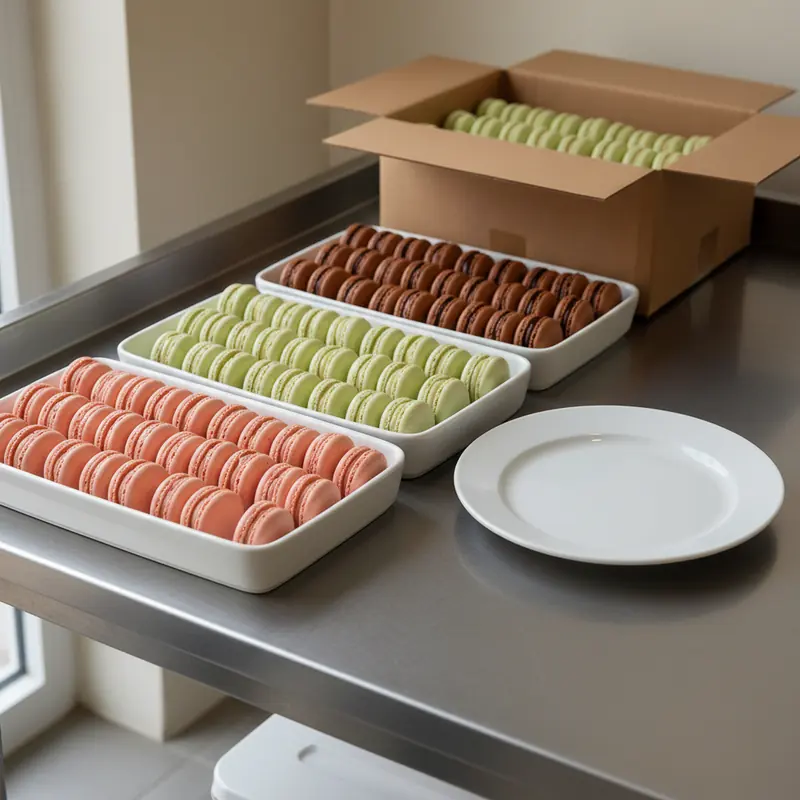
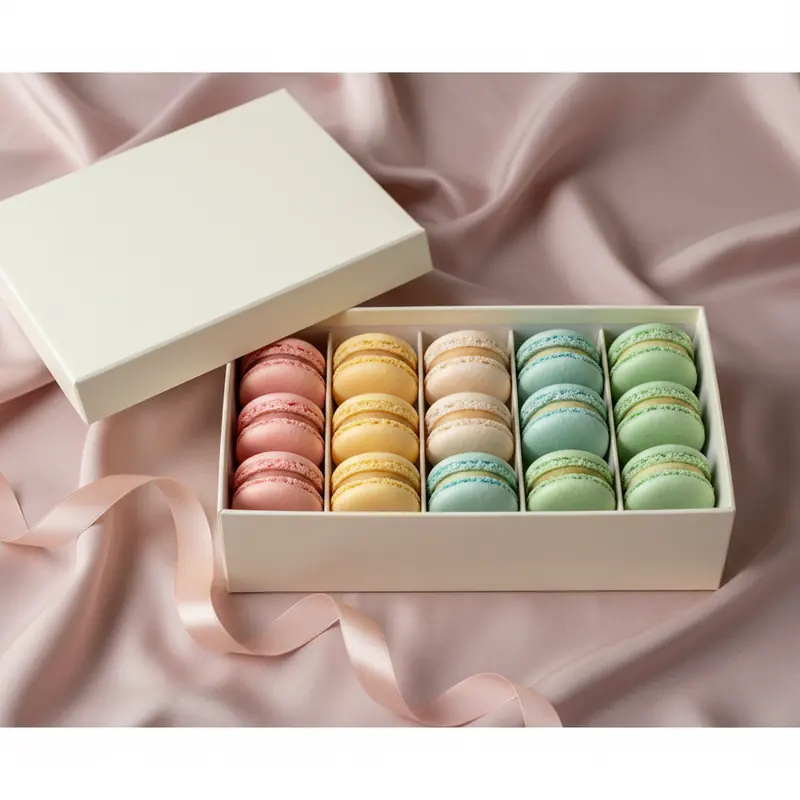
Specify what the macaron display includes beyond the food
For a Macaron Dessert Table enquiry, distinguish the macarons themselves from the display equipment and work around them. State the requested piece count and assortment, then ask separately about stands, trays, labels, serving utensils, delivery placement and arrangement. The page name should not be read as confirmation that every display accessory, setup task or period of attendance is included.
Record when the table should be ready, when guests may use it and who will replenish it. If some macarons are held back, identify where they will remain and who transfers them to the display under the supplier's handling instructions. Ask whether setup means arranging food once or also returning later to refresh the table. Keep the venue's table and furniture responsibilities visible too: an attractive dessert arrangement still needs an agreed position and usable surface.
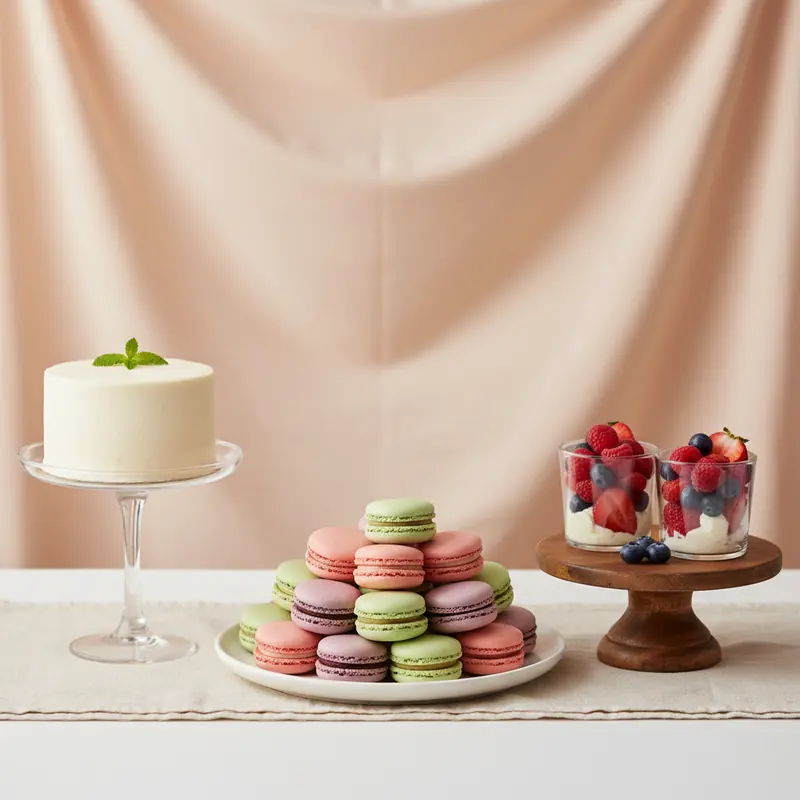
Describe cupcakes as individual servings, not just a matching decoration
If you are considering a Cupcake option alongside macarons, record the individual size, flavour, piece count and presentation format. Ask whether they will be supplied for self-service, placed individually or held for a later serving period. Confirm whether both desserts open together, because that changes what the first guests see and what staff must prepare before the table is released.
A matching frosting colour does not establish an equivalent serving size or an interchangeable quantity. If you change the mix between cupcakes and macarons, ask for a revised itemised breakdown rather than simply preserving the same total piece count. Also identify any wrappers, plates, serving utensils or labels needed for the chosen format and assign a provider. These details belong in Brief B even when the cake and desserts share one supplier.

Separate reserve trays, take-home gifts and ingredient questions
Keep take-home gifts on a distinct allocation line. State whether the intended unit is one gift per person, per couple or per household, and confirm the packaging and distribution point. Do not let boxed gifts disappear into the count for open-table desserts. Similarly, if reserve trays form part of the order, record whether they contain additional pieces or pieces already included in the total; otherwise, a serving arrangement can be mistaken for extra supply.
Attach ingredient and dietary questions to the actual item concerned in each brief. Ask about the selected recipe, filling, decoration and practical cross-contact limitations, and keep the supplier's response with that item. Do not transfer an answer about the cake to macarons or cupcakes, or treat a colour or product name as dietary evidence. If an answer is unresolved, leave the suitability question open rather than describing the whole table as suitable for a guest's needs.
Join both orders with one venue handover sheet
Give the venue both order references, but preserve separate receiving windows and instructions. The cake and guest desserts do not have to arrive together. For each delivery, name the person accepting it, the agreed receiving point, access arrangements and what happens immediately afterwards. Ask the venue to confirm the storage conditions it can actually provide, then check those against the instructions for each ordered item rather than assuming one storage arrangement covers everything.
Map the next movements as well: who moves items to the display position, who authorises opening the dessert table, who hands the cake over for cutting, and who replenishes the desserts. Give each job an agreed owner, not simply a department name without acknowledgement. Where equipment must be returned, note who collects it, where it is held and which order it belongs to. This shared sheet connects the briefs without making their service scopes interchangeable.
Record an action, an owner and a confirmation
Use a short format such as 'receive cake — named venue contact — acknowledged' for each task. Mark unanswered tasks as pending instead of assigning them silently to the bakery. Include the venue coordinator's contact route for a delayed arrival or unavailable receiving area, and agree who has authority to approve a practical change on the day.
- Cake receipt, immediate storage and display placement: ____
- Dessert receipt, storage and opening time: ____
- Cake cutting, plating and distribution owner: ____
- Dessert replenishment and table clearing owner: ____
- Equipment return and unresolved-task contact: ____
Compare written scopes rather than one combined headline price
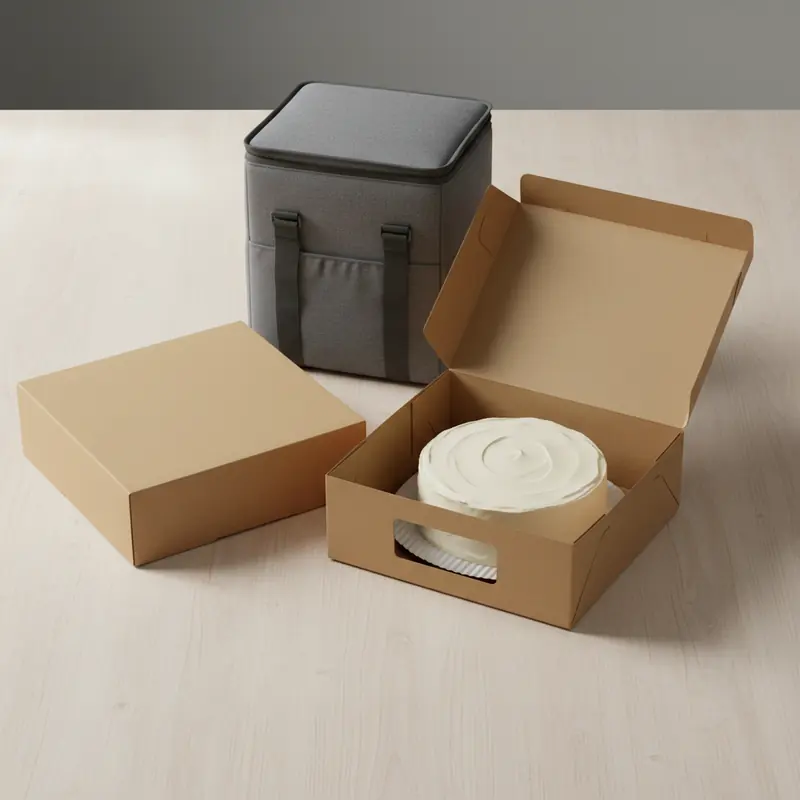
Ask quotations to distinguish food, professional cake logistics, dessert transport, equipment, setup and any attendance or collection requested. Mark every line as included, separately quoted, supplied elsewhere or not required. If a supplier sends one combined quotation, ask it to identify which parts belong to Brief A and Brief B. You need to understand the boundaries, not force a particular billing arrangement or assume splitting the order will cost less.
YumYum Bakery & Cakes does not provide free cake delivery. Professional cake logistics and the applicable charges must be confirmed with customer service for the actual order and venue. Separately ask the venue whether cutting, outside-food handling or another requested service carries a charge. Do not assume a delivery fee covers display setup, cake portioning or dessert replenishment; each needs its own written answer from the party responsible.
Approve two final versions and check changes against both
Keep a clearly labelled latest version of each brief, with its own confirmation deadline and approved quotation reference. When the guest count changes, review the cake recipients, each dessert line and the gift allocation separately. A smaller reception may leave the ceremony cake unchanged but alter guest desserts; a change to the cutting plan may affect Brief A alone. These are possible outcomes to check, not automatic adjustments. Obtain confirmation from every affected supplier and the venue before treating a revision as agreed.
Before sending the final enquiry, read the two briefs together once. Can someone identify what is eaten, by whom, where it waits, how it reaches the table and who serves it? Are any tasks still marked pending? Send those questions with the date and venue area to customer service, and ask which requested combination is feasible. Two clear scopes and one acknowledged handover sheet are more useful than a single message asking for 'a small cake and some desserts'.
Details to confirm before ordering
- Confirm whether the venue's meal already includes dessert and whether Brief B replaces or supplements it.
- Record the cake's purpose, actual recipients, serving basis and confirmed edible components in Brief A.
- Approve the cake design separately from the dessert assortment and shared colour direction.
- List each dessert's size, pieces, service destination and separate gift or reserve allocation in Brief B.
- Identify providers for stands, trays, knife, plates, setup, cutting and replenishment without assuming inclusion.
- Have the venue acknowledge separate receiving windows, storage arrangements, display positions and named task owners.
- Check professional cake logistics, other quoted services and any venue charges against written scopes.
- Retain the approved version and change deadline for each brief, including any unresolved ingredient questions.
Questions about this decision
Do separate cake and dessert briefs mean I need two suppliers?
No. They separate the purpose, quantities and service scope, not necessarily the businesses. You can ask one supplier to review both, but confirm which items and services it can provide and keep each scope identifiable in the quotation.
Should the cutting cake serve every wedding guest?
Only if that is your intended serving plan. List who will receive cake after the ceremony and tell the supplier what portion style you want. Guest desserts need their own quantity breakdown rather than being inferred from the cake's tiers.
What should I do if the banquet already includes dessert?
Ask whether your separate desserts will replace that course, supplement it or be served at another point. Record the agreed role and audience in Brief B before requesting quantity advice. Do not assume the banquet dessert has been removed without the venue's confirmation.
Does dessert-table setup include replenishing it throughout the reception?
Do not assume so. Ask whether the scope covers an initial arrangement only, who handles reserve stock and whether any attendance is included. Give replenishment an acknowledged owner on the venue handover sheet.
If one supplier handles everything, can I use one approval?
A combined approval can work if it explicitly identifies the latest cake specification, dessert breakdown and shared services. A general approval of the colour scheme or total price should not stand in for confirmation of those separate details.
Sources and further reading
Reference only. Illustrations are AI-generated design references, not photographs of actual customer orders. Confirm current contents, prices and arrangements with our team.
For this guide:Ordering a Small Wedding Cake and a Separate Dessert Table: What Goes in Each Brief?
Arrange your baking order
Considering Wedding Cake? Send the date, district and the points discussed in this guide to YumYum Bakery & Cakes to confirm suitable options and a quotation.
Order Your CakeWhatsAppThis opens a prepared WhatsApp enquiry. Availability, details and price must be confirmed before booking.
Explore related services and designs
Compare relevant options, view design references and find the information you need before making an enquiry.
Wedding Cake
Compare tiered silhouettes, frosting textures and edible floral details to explore wedding cake styles that complement your reception setting and preferred overall presentation.
Anniversary Cake
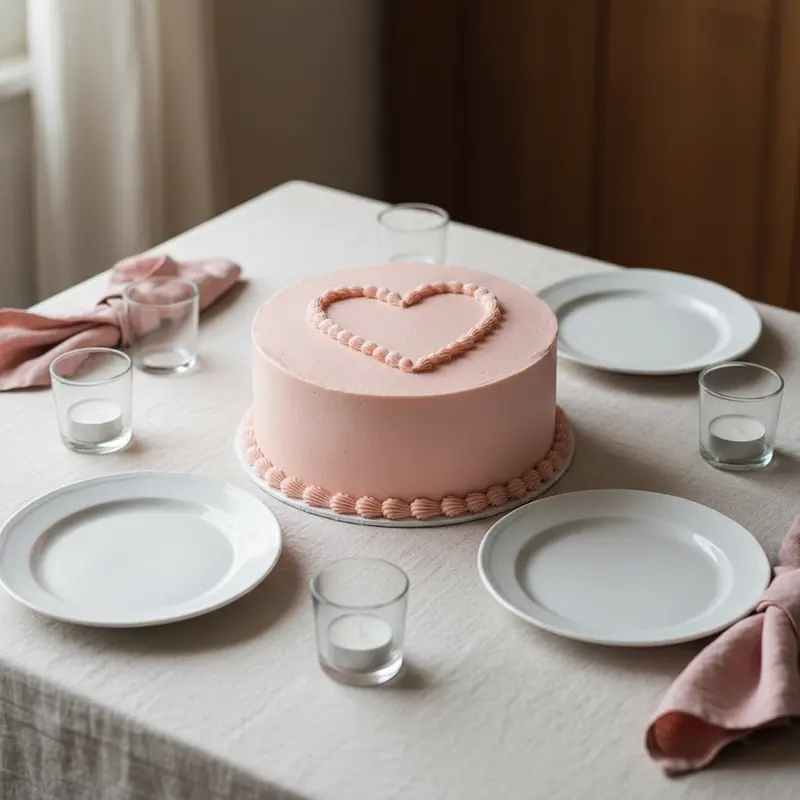
Explore restrained cake decoration, warm color palettes and intimate presentation to compare anniversary cake styles that suit a shared celebration without relying on names or written dates.
Graduation Cake
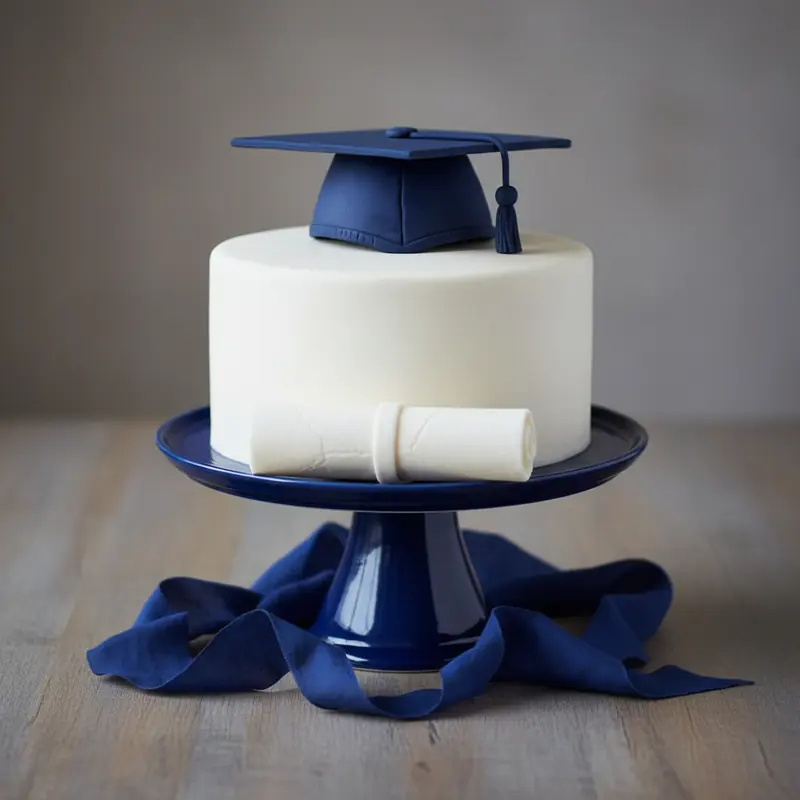
Explore graduation-themed cake shapes, color palettes and edible symbolic details to compare celebration designs without assuming a particular school, qualification or named graduate.
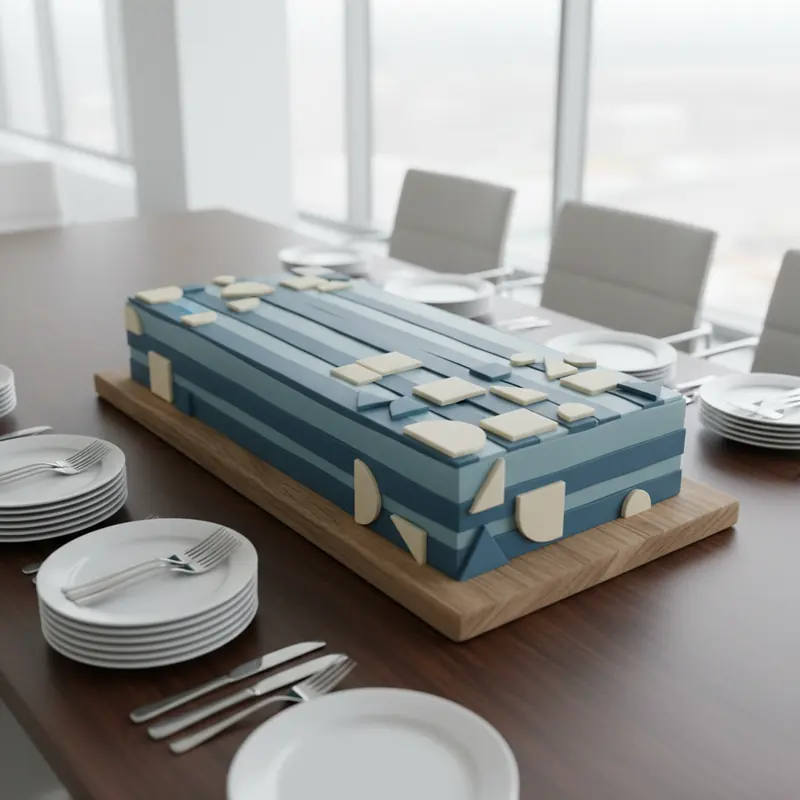
Corporate Cake
Explore understated cake shapes, coordinated colors and shareable presentation to compare designs for workplace celebrations, team gatherings or company events without relying on branded decoration.
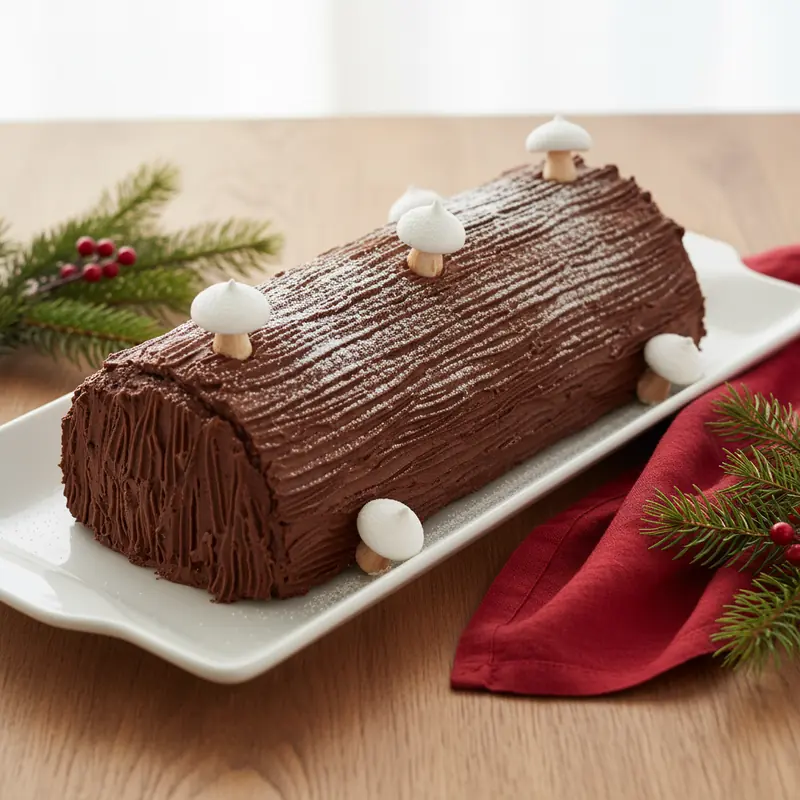
Christmas Cake
Explore Christmas cake silhouettes, winter color palettes and festive edible details to compare centerpiece ideas for a seasonal gathering, from restrained decoration to a more playful design.
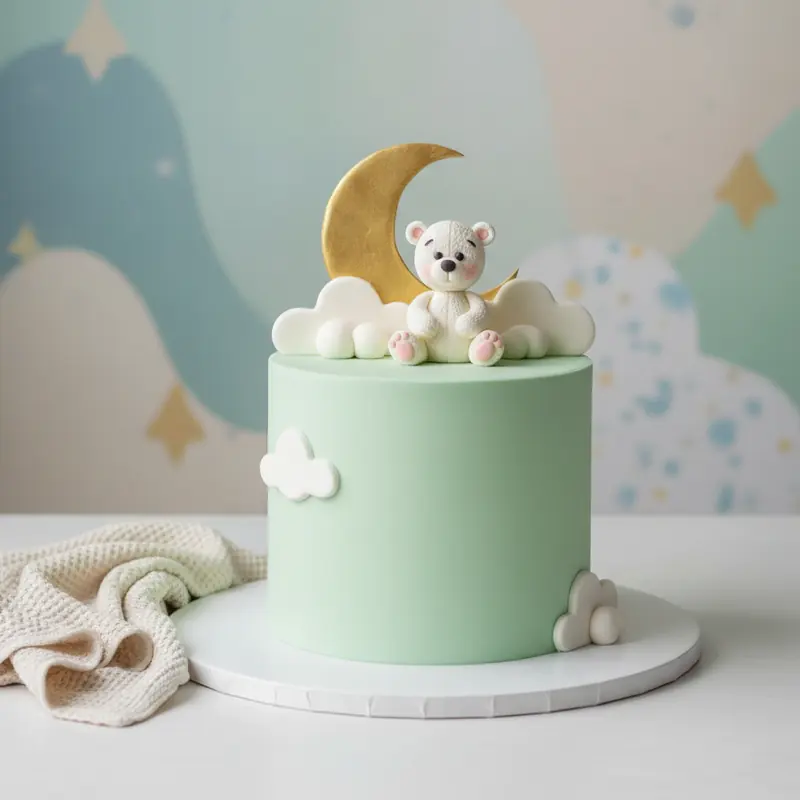
100 Days Cake
Compare gentle colors, rounded cake shapes and baby-themed edible decorations to explore a hundred-day celebration design, without using names, ages or written milestone details in the image.
Original AI-generated navigation references; designs and order details are subject to confirmation.
Useful options for your plans
View Wedding Cake to compare tiered silhouettes and decorative details for your reception.
View Anniversary Cake to compare gentle colors and decorative details for a shared celebration.
Explore Farewell Cake to compare shareable shapes and serving presentation for a colleague gathering.
View Graduation Cake to compare graduation-themed shapes and decorative details.