YumYum Catering · Ordering guides
From 45 to 70 Guests: What to Change in Your Catering Plan
For this guide:From 45 to 70 Guests: What to Change in Your Catering Plan
Plan catering for your event
Considering Catering Packages? Send the date, district and the points discussed in this guide to YumYum Catering to confirm suitable options and a quotation.
Book Catering NowWhatsAppThis opens a prepared WhatsApp enquiry. Availability, details and price must be confirmed before booking.
You have already arranged catering for 45 people, and now the guest list is heading towards 70. Ordering more dishes is an obvious next step, but it does not answer whether everyone can eat within the same break, where additional trays will stand or who will clear the extra plates. If you are deciding what to change when your catering guest count increases, start with the existing order and venue plan rather than planning the whole event again.
Make a copy of the current confirmation and mark it as the working revision. Put the new headcount, meal time and attendance status at the top. Then work through the changes below with your venue contact and caterer, giving each outstanding decision a named owner. The aim is a clear replacement agreement: what stays, what changes and what still needs approval.
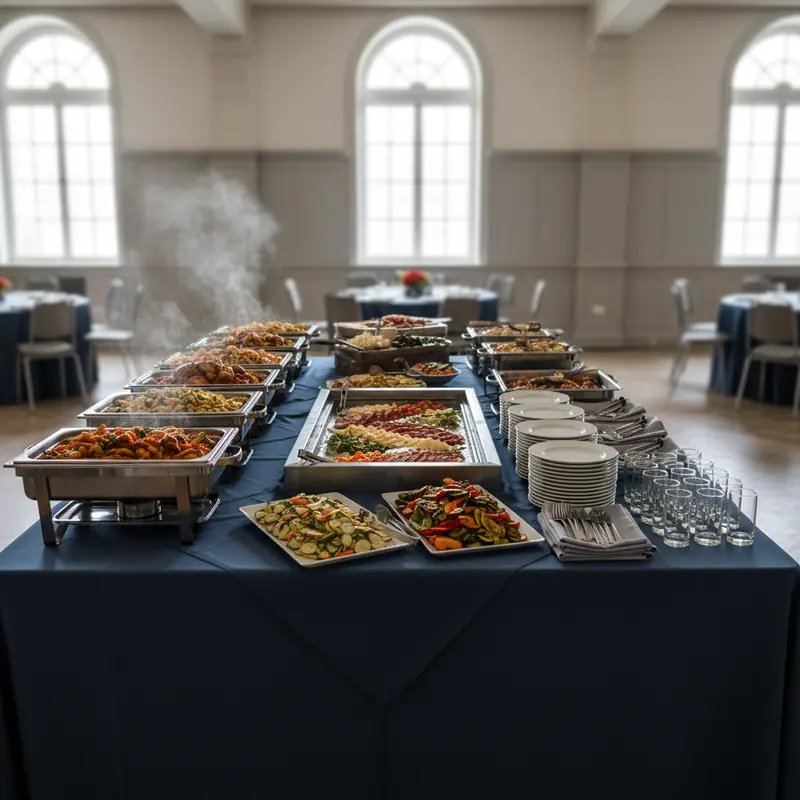
Establish What the New Figure of 70 Actually Means
Separate confirmed diners from possible additions before asking for a revised order. Seventy accepted invitations, an estimate of likely attendance and a maximum number allowed into the venue are different instructions. Say which one applies, and explain whether children, organisers, speakers or working staff need meals within that figure. Also identify anyone attending only part of the event: a guest arriving after lunch is not the same catering requirement as someone joining the main meal.
Send one consolidated update instead of several messages containing different totals. Include the original booking reference, revised meal time, expected attendance pattern and any newly reported dietary requirements for the supplier to assess. Once that brief is clear, revisit Catering Packages to review the original selection and available combinations before requesting a revision. Browsing the options is a starting point; the written response must establish what can actually be supplied for this event.
Compare Ways to Revise the Existing Food Order
Keep the comparison tied to the meal you intend to serve. A working lunch, a substantial evening meal and light refreshments can require different dish combinations even with the same attendance. Use Catering Packages Comparison to frame questions about actual quantities, available additions, equipment and service scope. A package name alone does not establish the portions your particular guests will receive or whether delivery, setup and service are included.
Ask for the options on the same basis: the same event time, dietary brief and service format. For each option, request the revised dish list, stated quantities, applicable ordering conditions and separate non-food items. This makes it possible to judge the whole arrangement rather than choosing the smallest headline total or the largest nominal guest category. Keep any changes to the menu visible so they are not mistaken for simple quantity increases.
Check Whether Additions Fit the Original Arrangement
If your 45-person booking began with a 50 Person Catering Package, ask whether that specific selection can be supplemented for the revised brief. Request details of which dishes would increase, which would stay unchanged and whether separate additions are available. Do not assume the existing spread can serve 70, or that increasing one filling dish resolves every gap in variety, dietary provision and serving equipment.
Treat a Larger Package as an Option, Not a Requirement
The 100 Person Catering Package offers another selection to examine, not an automatic answer because your guest count falls between two package names. Ask how its menu and service configuration differ from the revised original order. Whether any adjustment is possible, and whether the result suits your event, needs confirmation. There is no reason to treat an unconfirmed larger order as inherently better value or a necessary upgrade.
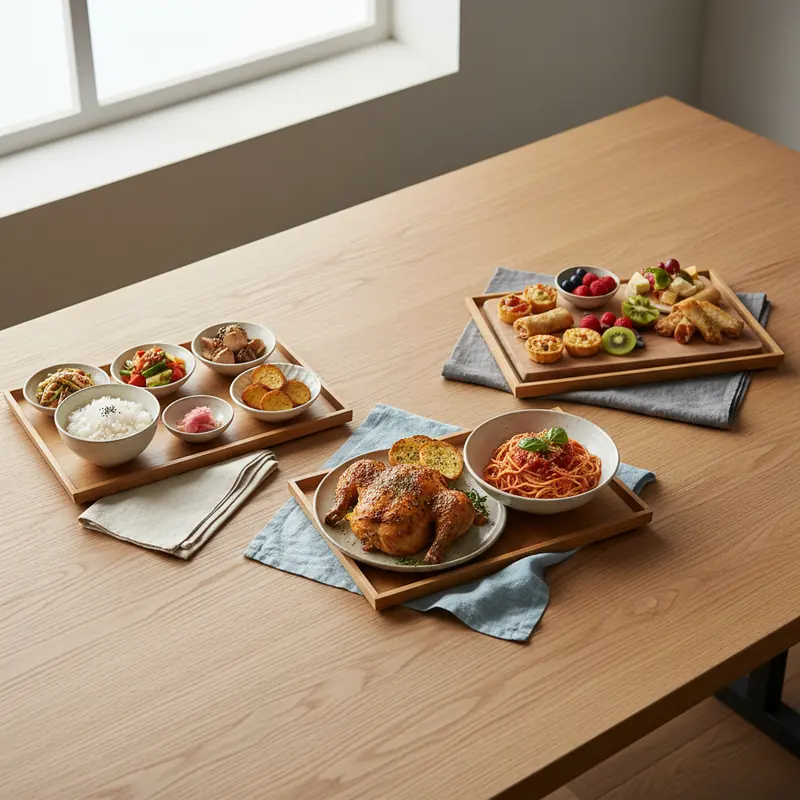
Recheck the Venue Against the Revised Layout
Ask the venue to assess the actual arrangement for 70 rather than relying on a general capacity figure. The relevant layout includes dining places where needed, food tables, drinking-water access, entrances and circulation space. A room that can accommodate a gathering in one format may not accommodate the same number with your proposed furniture and catering equipment. Keep any approval attached to the layout being discussed, not just to the guest total.
Mark the changes on the original floor plan or a simple sketch. Show where additional chairs or trays would go and which routes people would use to reach them. If extending the buffet takes over a passage or the only practical clearing point, more food has created a new operating problem. Resolve that with the venue before treating the existing room arrangement as unchanged. Do not assume that a familiar Hong Kong office or function room can retain its original setup.
Match Food Service to the Arrival Pattern
Ask whether the extra guests arrive together or across the event. Seventy people taking lunch during one short break place different demands on the serving area from guests eating in agreed groups. Keep the programme beside the layout when discussing this: registration, speeches or meetings may limit when people can leave their seats. A proposal to stagger dining is only useful if the event schedule and hosts can support it.
Consider whether serving from another accessible side, relocating drinks or arranging agreed dining groups could improve the route. None is a universal rule, and 70 guests do not automatically require two queues. The guest-count change guide from Off the Vine identifies buffet access, seating, meal timing and serving stations as arrangements to revisit when attendance changes. Use those prompts to test your own setup, without importing another supplier's service terms.
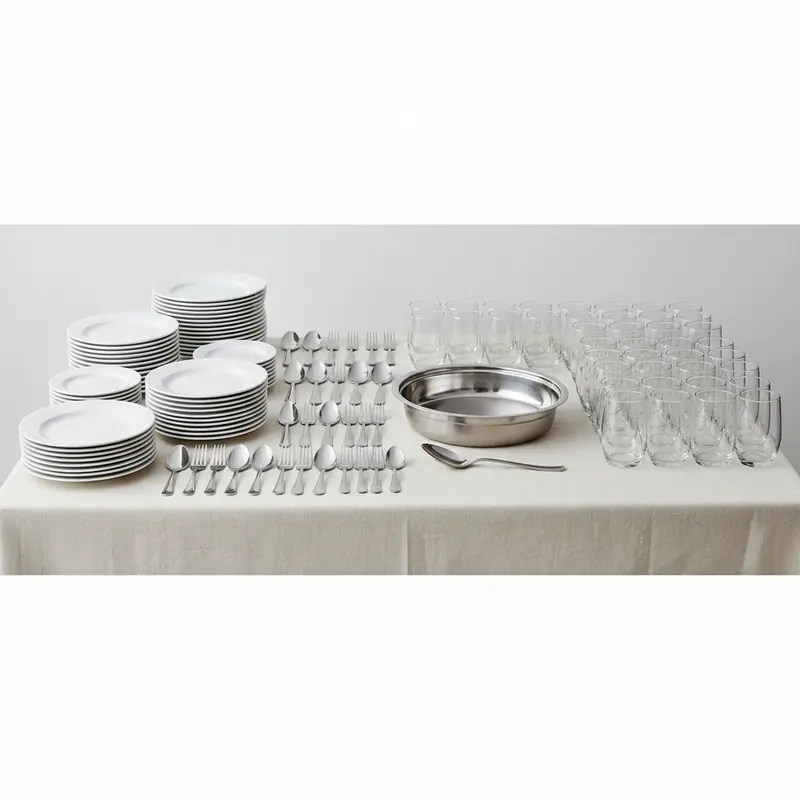
Recount Plates, Cups and Shared Serving Equipment
Count what will be used, not just who will attend. If the event includes a main meal followed by dessert, establish whether separate plates or utensils are intended. Check cups against the drinks being offered and any planned changes between sessions. Then review the shared items: serving spoons, tongs, trays and other equipment needed for the revised dishes. Keep the agreed reserve visible rather than applying an unexplained extra allowance.
Separate the inventory into venue-provided items, organiser-provided items and anything still to be sourced. For an identified shortfall, Tableware Rental is the relevant service to enquire about, with quantities, availability and rental conditions confirmed for your booking. Record who delivers, sets out, counts and returns each group of items. Do not assume that choosing a food package also supplies every plate, glass or serving tool shown in an illustration.
- Record each item, the agreed quantity, its provider and the person checking it on arrival.
- Confirm any reserve, washing, collection and return arrangements rather than assuming them.
Give Drinking Water Its Own Revision
Check whether the original drinks arrangement was tied to the initial headcount or simply to what was already available at the venue. With more diners, the questions include supply, access and replenishment: who provides water, where guests collect it and who replaces depleted supplies. If drinks are being ordered, have the supplier state the revised quantities and presentation instead of assuming they increase automatically with the food.
Look at the drinking point in relation to the meal route. Guests collecting cups or refilling water should be considered separately from those choosing dishes. Establish whether an alternative location is practical, whether the venue permits it and who will keep the area in order. If you are serving several drink types, confirm the associated cups or glasses and the clearing arrangements. A revised food quotation does not, by itself, answer any of these questions.

Assign Replenishment, Clearing and End-of-Event Work
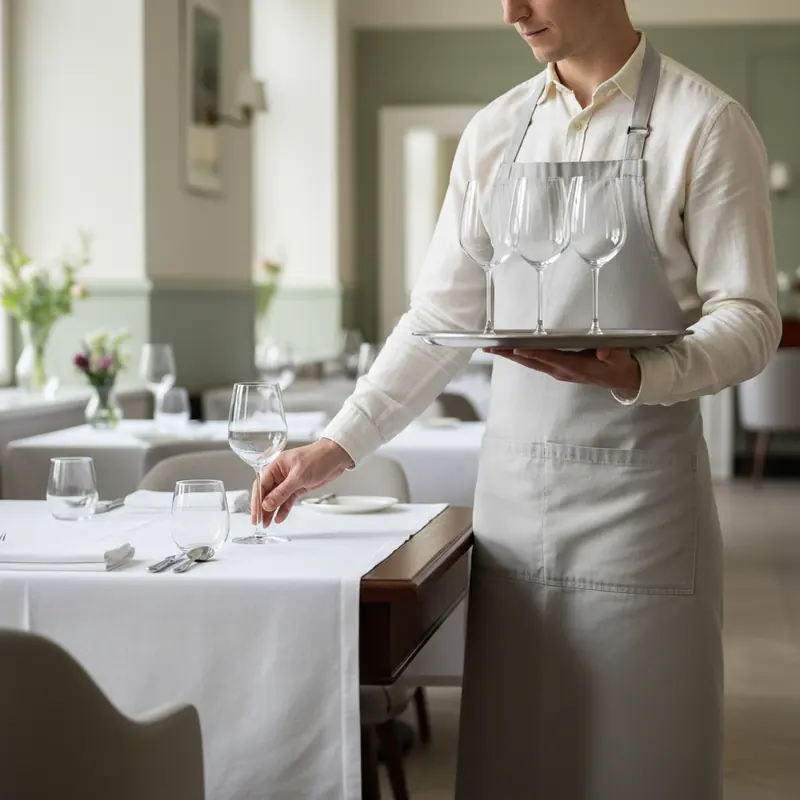
Write down the tasks created by the revised service before deciding who should do them. Someone may need to receive the delivery, arrange dishes, bring out agreed replenishments, replace serving items, clear used tableware and gather packaging. An organiser greeting arrivals cannot necessarily do all of that at the same time. Check whether existing helpers have accepted the expanded duties rather than treating their presence as available catering labour.
If the work exceeds the people already assigned, enquire about Catering Staff Hire using the task list and actual service window. Ask what personnel are available and which duties a proposed booking covers. Delivery should not be treated as on-site waiting service, and an enquiry is not confirmation that additional staff can be supplied. Put agreed working hours, setup responsibilities and clearing duties into the revised quotation rather than relying on the phrase 'staff included'.
Check the Position and Use of Additional Equipment
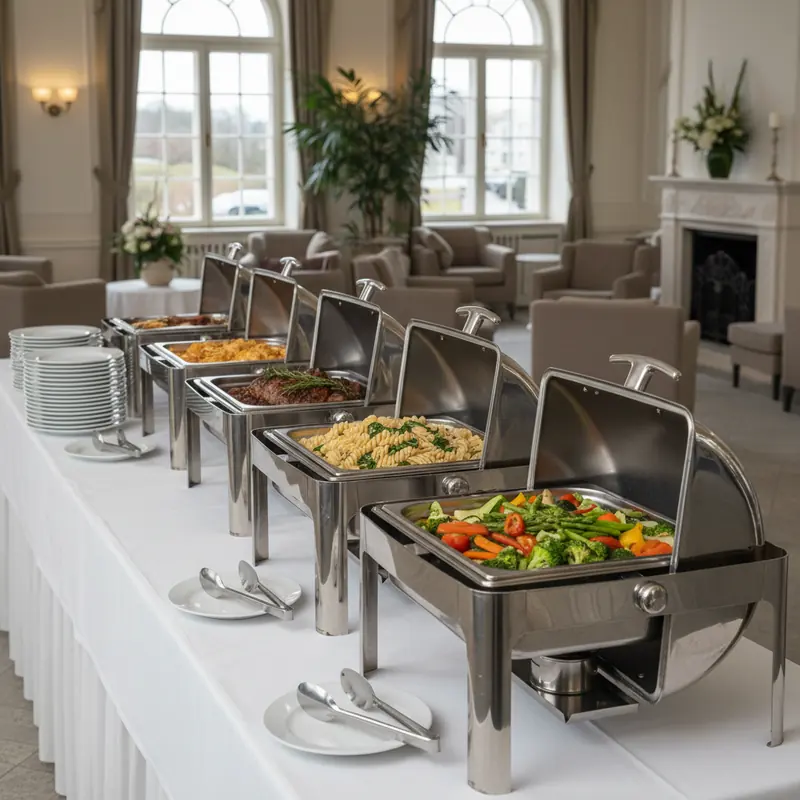
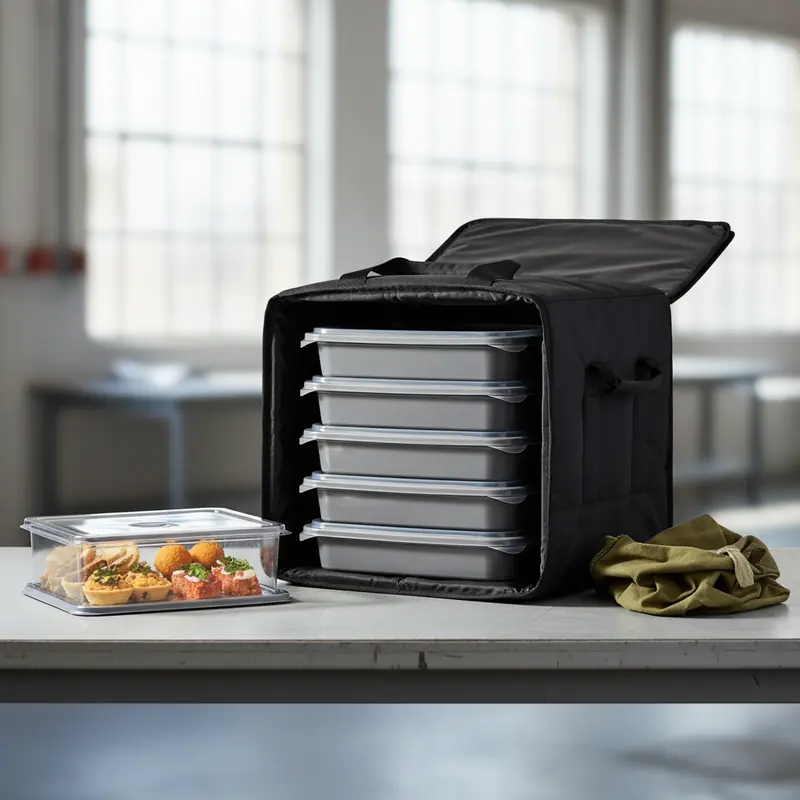
A larger food order may change the number or size of containers and the equipment proposed for service. Ask the supplier what the revised menu needs, then ask the venue what may be used in the intended position. Confirm table availability, usable surfaces and any relevant restrictions on the proposed equipment. Where power or another facility is required, have the appropriate venue contact confirm the arrangement rather than assuming a nearby socket settles the question.
Keep the equipment list separate from the food list so a change is easy to spot. Record the provider, setup responsibility and collection arrangement for each item. If extra equipment displaces a drinks station or reduces room for serving utensils, revisit the layout before approval. The objective is not to prescribe a universal setup for 70 people, but to ensure that the revised menu can be presented using equipment and space actually agreed for the venue.
Reopen Delivery and Building Access Arrangements
Send the revised order details to the venue contact even if the address has not changed. Ask the supplier whether the additional food and equipment alter the delivery load or unloading requirements. For the particular Hong Kong building, check the loading location, delivery entrance, lift access and any management-office arrangements that apply. These are questions for that site, not assumptions that every building has a goods lift or the same access restrictions.
Agree when the delivery team may enter, who receives the order and how much time is allowed for the confirmed setup work. Distinguish arrival at the building from completion of delivery to the event space. Zerocater's corporate catering operations guide separates delivery windows, loading access, equipment, staffing and the day-of contact in its vendor brief. That separation is useful here; its overseas deadlines and operating assumptions are not terms for your booking.
Create a Revision Record with a Named Confirmer
Use a short change record rather than a fresh general event checklist. Give each line five fields: item, original 45-person arrangement, revised 70-person requirement, confirming party, and effect on cost or timing. This preserves what was agreed while making the new work visible. Add a status such as awaiting venue response or supplier confirmed so an unanswered question cannot be mistaken for an approved change.
Give each line one lead person responsible for getting the answer, even where several parties are involved. The organiser might coordinate tableware, for example, while the venue confirms its own stock and the supplier confirms any requested rentals. Keep their responses together. A useful catering checklist for an increased guest count shows who will close each gap, not merely that plates, staff or delivery have been mentioned.
An Illustrative Entry for the Revised Food Table
A hypothetical record might read: 'Food table; original arrangement shown on the 45-person layout; revised tray footprint awaiting supplier details; organiser to obtain dimensions and venue approval; rental cost and setup time not yet confirmed.' This is deliberately an open item, not a claim about a real booking. Once both responses arrive, replace the pending wording with the agreed arrangement and reference the matching quotation version.
- Item: ____; original arrangement: ____; revised requirement: ____.
- Lead confirmer: ____; confirmation status: ____; cost or timing effect: ____.
Ask for a Quotation That Covers the Changed Work
Request a revised quotation that identifies which original terms remain valid and which lines have changed. Check food quantities, delivery and upstairs handling where relevant, equipment, rental items, staff hours, setup, clearing and collection. Not every booking requires all these services, but every service you do expect should have a clear status. Where an item is excluded, assign it elsewhere instead of leaving it between the organiser, venue and supplier.
Ask about applicable amendment conditions, the headcount confirmation point and payment implications for this particular order. There is no universal deadline or extra-guest charge to assume. If alternative options are quoted, compare their scope before their totals: one may include work that the other leaves to you. Resolve vague descriptions by asking for the specific item or responsibility to be named. Prices, availability and any additional fees must come from the current customer-service response.
Close the Revision and Control Any Further Changes
Before approving the revised arrangement, read the quotation alongside the change record. Every required item should now be confirmed, explicitly excluded with another provider assigned, or still visibly awaiting a decision. Share the approved version with the venue contact, receiving contact and anyone taking on service duties. State that it replaces the earlier catering arrangement so the original order is not accidentally used for setup or delivery checks.
If the headcount changes again, reopen the affected lines rather than sending a bare new total. Ask whether the supplier can accommodate the change and whether it affects the menu, equipment, staffing, access or price. Keep the same approval process and obtain written acceptance before treating an addition as booked. Your practical finish line is not simply 'food for 70'; it is an agreed plan for how those guests will arrive, eat and leave the space ready for its next use.
Details to confirm before ordering
- Identify whether 70 is confirmed attendance, an estimate or a proposed upper limit, and state who needs a meal.
- Obtain a revised menu and stated quantities, with newly reported dietary requests assessed by the supplier.
- Have the venue confirm the actual layout, dining access and permitted equipment for the revised arrangement.
- Allocate tableware, drinking-water supply, serving tools and equipment by provider and agreed quantity.
- Name the people responsible for receiving, setup, replenishment, clearing and any rental returns.
- Reconfirm the applicable building access arrangements, delivery window and event-space handover.
- Approve the written revision, including changed charges, remaining exclusions, amendment procedure and payment conditions.
Questions about this decision
Should I tell the caterer about a possible increase before all 70 guests confirm?
Yes, describe it as a possible revised headcount rather than a confirmed order. Ask what options and amendment conditions apply while you collect responses. Keep the confirmed figure and possible upper figure separate, and agree how the final instruction will be approved.
Does moving from 45 to 70 guests mean I need a 100-person package?
No. Ask for a comparison between revising the existing order and any alternative package that may suit the brief. Actual dish quantities, ordering conditions and service scope need confirmation; package names alone do not establish the best choice.
What if the venue cannot approve the layout for 70?
Resolve the venue constraint before confirming a food increase that depends on that layout. Ask which alternative arrangement or attendance pattern the venue can accommodate, then check whether it works with the event programme and supplier's service plan. Do not assume additional food resolves a space restriction.
What should I do when an additional guest reports a dietary requirement?
Pass the requirement to the supplier for assessment and ask what can be provided, how it will be identified and what limitations apply. Seek confirmation before telling the guest that an option is available. Do not infer suitability or absence of allergens from a dish name or image.
How do I know the revision has actually been accepted?
Ask for written confirmation referencing the revised headcount, menu and quotation version, together with the applicable amendment and payment terms. A request, an unanswered message or a discussion of possible additions is not the same as acceptance of the changed booking.
Sources and further reading
Reference only. Illustrations are AI-generated design references, not photographs of actual customer orders. Confirm current contents, prices and arrangements with our team.
For this guide:From 45 to 70 Guests: What to Change in Your Catering Plan
Plan catering for your event
Considering Catering Packages? Send the date, district and the points discussed in this guide to YumYum Catering to confirm suitable options and a quotation.
Book Catering NowWhatsAppThis opens a prepared WhatsApp enquiry. Availability, details and price must be confirmed before booking.
Explore related services and designs
Compare relevant options, view design references and find the information you need before making an enquiry.
Hong Kong Catering Service
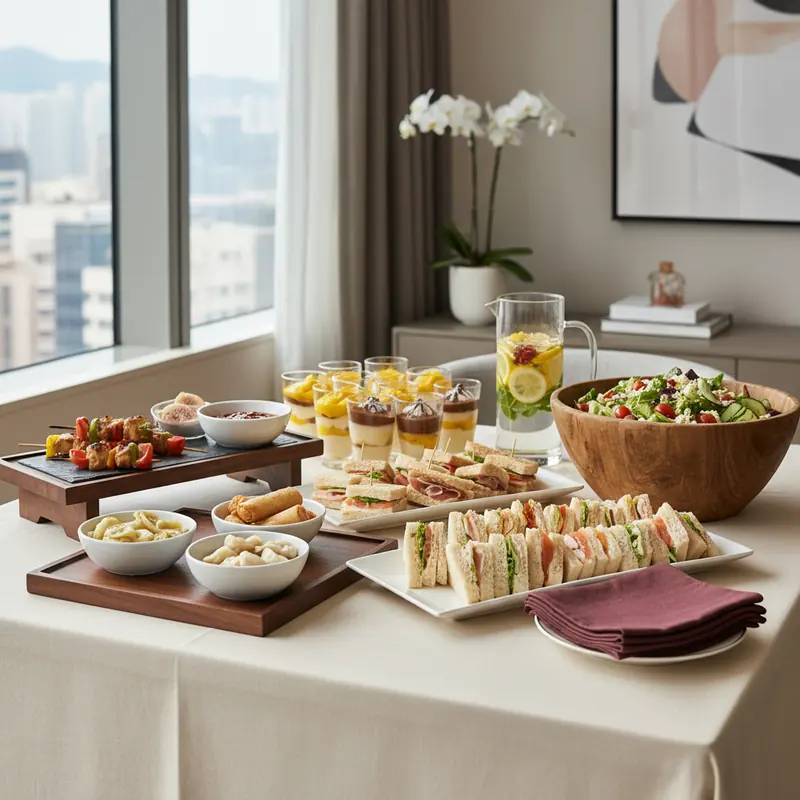
Explore catering formats for different gatherings, comparing shared dishes, individual meals and event settings before moving to a more specific menu or occasion page.
Catering Packages
Compare set menu combinations, serving formats and group suitability in one place, using the package overview to narrow your choices before exploring individual catering options.
100 Person Catering Package
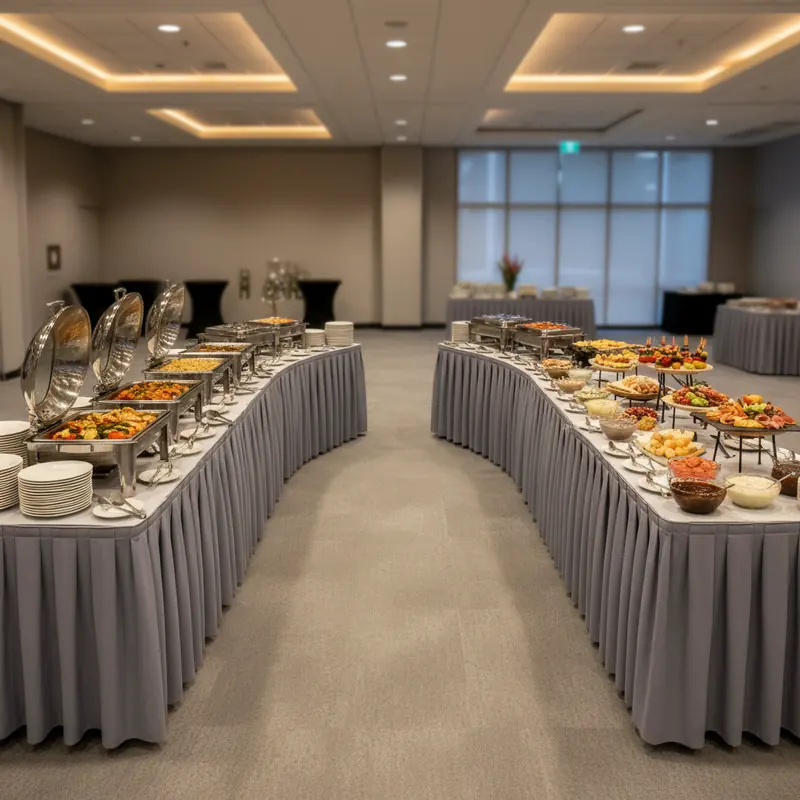
Explore corporate event menu planning at a larger scale, comparing food station arrangements and shared dish formats while relying on package details for portions and event requirements.
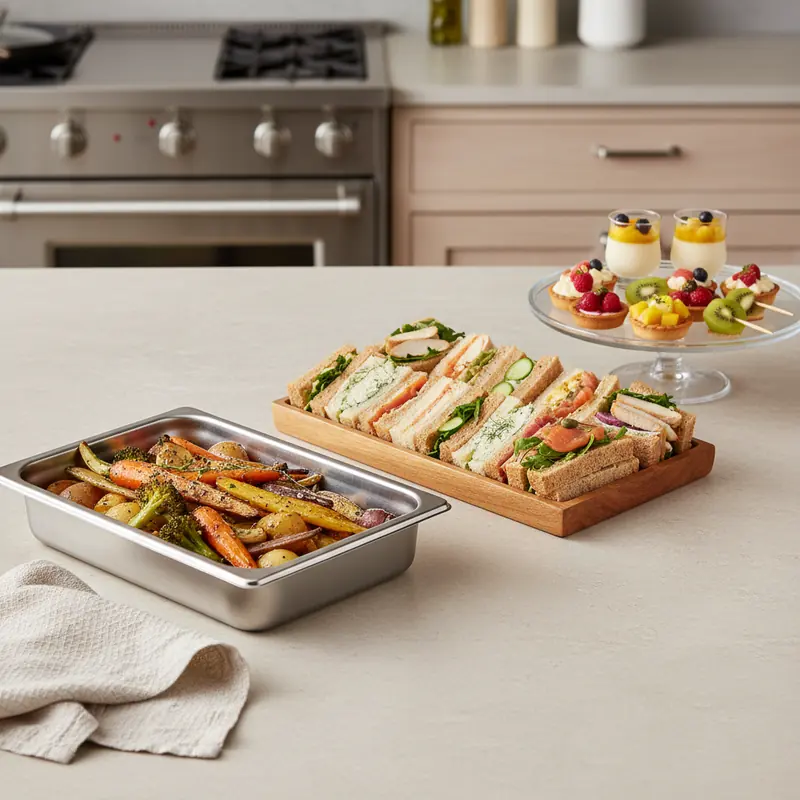
Catering Services
Compare meal presentation styles, savoury selections and dessert additions across the catering range, then explore the format that suits how you want guests to dine.
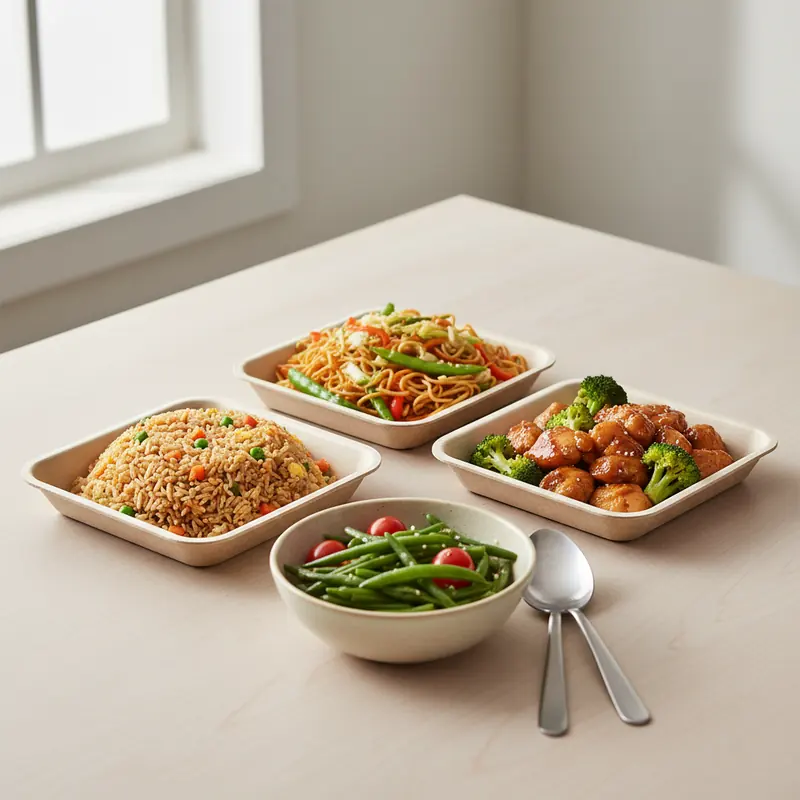
Budget Catering
Compare straightforward catering combinations, dish variety and serving formats with your budget in mind, using the page details to assess options rather than assuming discounts or fixed prices.
50 Person Catering Package
Compare menu formats for a larger event, exploring broader shared dish selections and serving layouts while checking the package information for stated portions, equipment and group suitability.
Original AI-generated navigation references; designs and order details are subject to confirmation.
Useful options for your plans
Compare broader menu selections and serving layouts for a larger event with 50 Person Catering Package.
Compare compact menu combinations for a small gathering with 10 Person Catering Package.
Explore 20 Person Catering Package to compare shared dishes and snack additions for a medium gathering.
Use Catering Packages Comparison to compare set menu combinations and serving formats.