Y. Florist · Ordering guides
Valentine’s Gifts for Employees: A Bouquet and Hamper Preference Form
For this guide:Valentine’s Gifts for Employees: A Bouquet and Hamper Preference Form
Arrange your flower order
Considering floral hamper? Send the date, district and the points discussed in this guide to Y. Florist to confirm suitable options and a quotation.
Order Your FlowersWhatsAppThis opens a prepared WhatsApp enquiry. Availability, details and price must be confirmed before booking.
Start with a short, company-approved choice list, not a spreadsheet of everyone’s personal circumstances. An employee Valentine's gift preference form should help an administrator answer a practical question: which gift may we order for this person, and what must we ask again before changing it? For a Hong Kong office arranging several gifts together, that distinction matters as much as the flower colour.
Use the form below as a set of copy-ready prompts for an email, document or your company’s existing survey tool. First agree which options the company is willing to fund, check their feasibility with the florist, and then invite employees to choose. The form is a planning aid, not an ordering platform or a confirmed product offer. Valentine’s Day can be the occasion for a company thank-you without making romantic designs, participation or public recognition compulsory.

1. Set a manageable choice list before sending the form
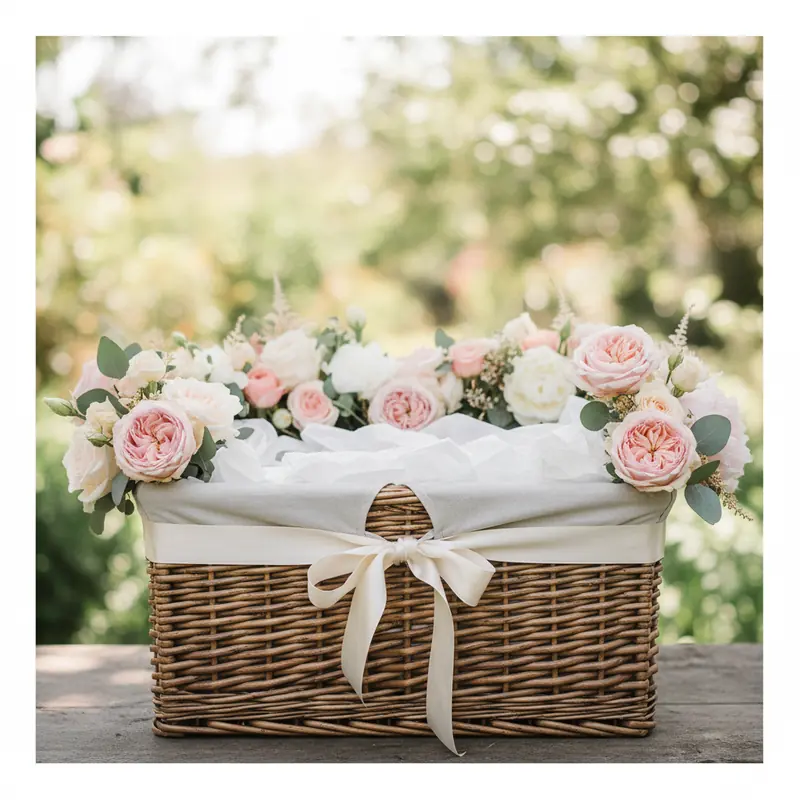
Give employees a small set of genuinely different formats rather than an unrestricted request for their ideal gift. Start with a bouquet, a flower box, a floral hamper and a flower-and-fruit option, subject to what the company approves and the florist can supply. Offer a floral hamper as a separate choice, rather than assuming every employee wants a bouquet. Use the category page to compare basket shapes and floral presentation, then identify the specific reference you want checked.
Give each proposed option a simple internal code, such as BQ for bouquet or FH for floral hamper. These are your administrative labels, not florist product numbers. Beside each code, record the proposed product reference and a plain-language description. If different formats cannot be offered within the company’s agreed spending limit, resolve that before circulating the form; do not invite a choice you already know the company cannot approve.
The questionnaire approach is not unusual: Awardco’s employee gift questionnaire guide includes questions about preferred gift types and how employees prefer to receive rewards. For this particular order, keep the scope narrower: ask only what you need to choose and hand over this gift.
- Company-approved formats: [enter the options you can actually offer].
- Option code and description: [enter internal code, format and proposed product reference].
- Availability status: [awaiting florist confirmation / checked for the proposed order].
2. Separate floral presentation from food-containing gifts
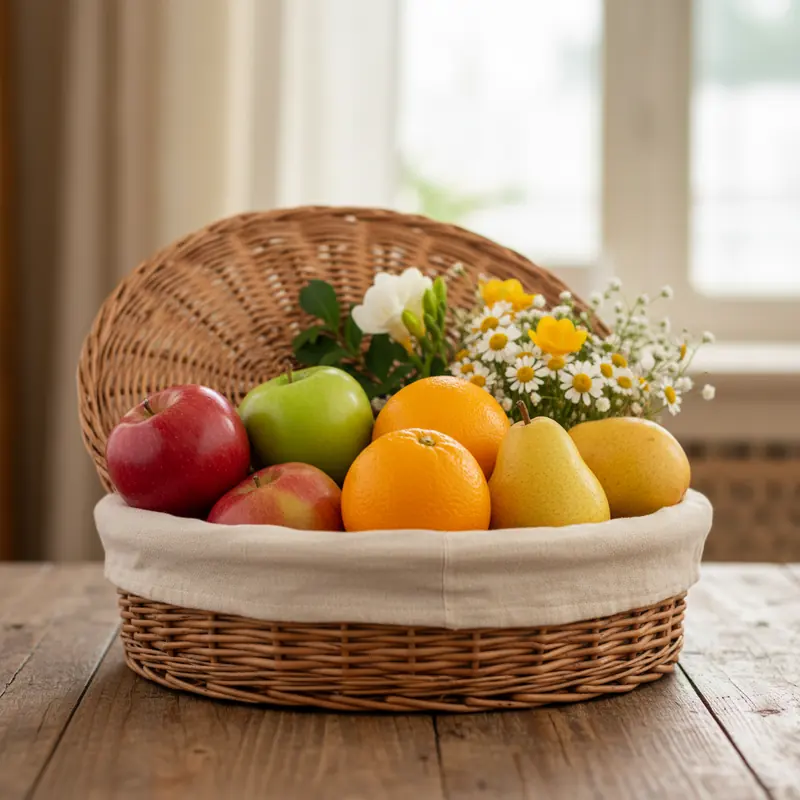
List a flower and fruit basket separately so employees can say whether they welcome a food-containing gift. A floral hamper is not automatically a food hamper, and a basket-shaped arrangement does not tell you everything inside it. Describe each proposed option according to its actual contents rather than relying on the category name alone.
At this stage, the employee is expressing a preference for a format, not accepting every possible item that might accompany it. Add a short contents note once the florist has confirmed the proposed composition. If food acceptance is still unresolved, leave the choice pending rather than treating an attractive fruit-and-flower image as approval. This is especially useful when your company is offering both floral-only and food-containing options on the same form.
- Does this option include food? [yes / no / contents awaiting confirmation].
- Proposed contents checked with florist: [reference or short description].
3. Let employees actively choose a Valentine’s bouquet
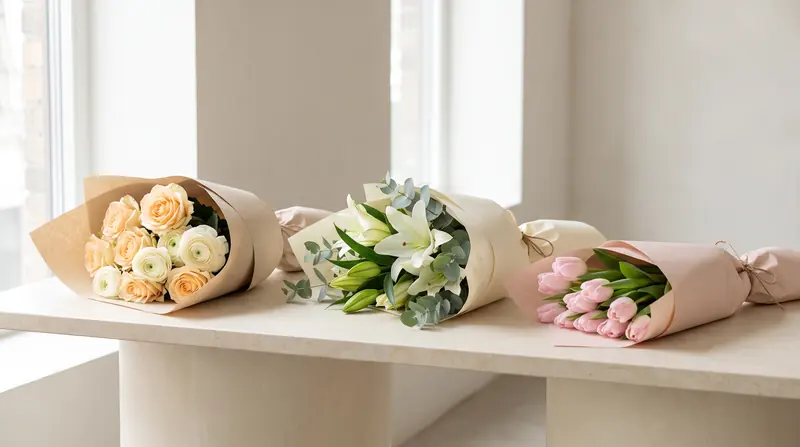
For employees who choose a Valentine's Day bouquet, record the preferred palette and presentation before requesting a quotation. The collection can serve as a visual reference for someone who wants that style; it should not become the automatic gift for every name on the staff list. A romantic-looking reference is a choice to discuss, not evidence that the florist offers a separate neutral corporate collection.
Do not assign red roses by gender, seniority or assumed relationship status. Ask whether the selected reference is acceptable in the context of a company thank-you, particularly if the wrapping or colour feels strongly romantic to the recipient. Someone may prefer a bouquet with a neutral company card, another may choose a basket, and another may decline. Each is a complete response rather than a problem for the administrator to explain away.

4. Build an employee Valentine's gift preference form
Put participation before product choice. Employees should not have to select a flower format just to say that they would rather not receive a gift. Include a private-contact route alongside an explicit opt-out, and explain that neither requires a personal explanation in the form. Keep optional questions optional so that a colour preference does not become a barrier to replying.
Make the difference between a first choice and an alternative visible. An alternative is something the employee has said they would accept under stated conditions; it is not a second first choice for purchasing to select at random. If someone accepts a similar colour but not a different format, record that limit in the same response.
Copy-ready participation and choice fields
Use this opening instruction: ‘Please choose how you would like to take part in the company’s Valentine’s thank-you. Proposed styles and availability remain subject to confirmation. You may skip optional questions, ask for private follow-up or choose not to receive a gift.’ Then place the participation question before the first-choice and alternative fields.
Make ‘no preference’ a deliberate answer
Define ‘No preference’ as permission to choose only from the listed company-approved options, subject to any other restrictions the employee records. It does not mean unrestricted permission to add food or change handover arrangements. A blank answer means you still need a response; never convert silence into ‘No preference’.
- Participation choice: [I would like a gift / I prefer not to receive a gift / Please contact me privately].
- Gift format or first choice: [BQ bouquet / BX flower box / FH floral hamper / FF flower-and-fruit option / No preference among the approved options].
- Acceptable alternative: [enter approved code and any limits / Please ask me before changing / No alternative selected].
- Internal recipient identifier: [use the company’s agreed identifier, not unnecessary personal information].
5. Ask about display and carrying needs, not an idealised desk
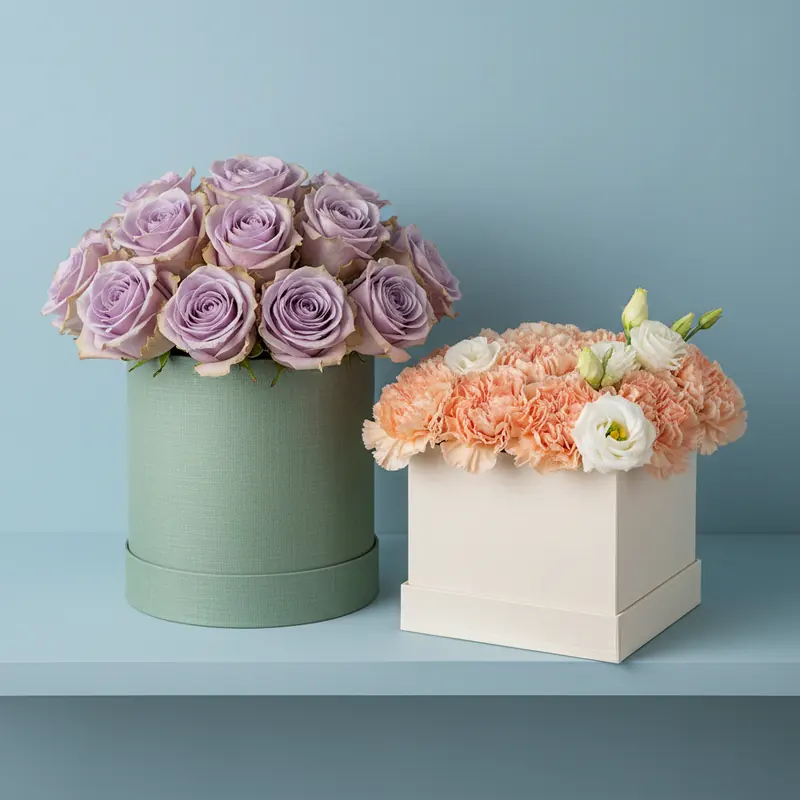
Include flower boxes in the format list, then record the employee’s preferred display size and confirm the actual dimensions. A box offers a different presentation from a hand-held bouquet, but the name alone does not establish its footprint, height or weight. Do not describe any option as suitable for every workstation without knowing the selected arrangement and the available space.
A useful prompt is ‘Would you prefer something compact to carry, something for display, or no size preference?’ If the answer reveals a real constraint, ask the florist for the relevant dimensions and proposed carrying arrangement. Someone travelling home with other belongings may value a manageable package more than a larger display. Record the practical requirement rather than asking for details of their commute or home.
- Carry/display preference: [compact to carry / display-focused / no preference / discuss privately].
- Relevant size limit, if any: [optional practical note].
- Actual dimensions and carrying arrangement: [to be confirmed for the selected reference].
6. Record colour direction without promising exact flowers
Offer a few descriptive colour choices, such as soft mixed tones, bright mixed tones or no preference. Allow a short ‘colours to avoid’ note if it helps the selection. A palette preference is usually easier to communicate than a request for every employee to identify individual stems, but it still needs to be matched against a particular proposed design.
Keep colour approval separate from flower-content approval. An employee accepting blush tones has not necessarily approved a particular rose variety, wrapper or replacement arrangement. Ask the florist which aspects of the reference can be confirmed and where seasonal changes may be needed. If an exact colour is essential to the employee’s acceptance, mark it as a condition requiring confirmation rather than quietly softening it into a general preference.
- Colour preference: [optional palette or No preference].
- Colours to avoid: [optional].
- Is the colour a preference or a required condition? [preference / please confirm before proceeding].
7. Give food questions a private follow-up route
Ask ‘Would you accept a gift containing food?’ before requesting any more detail. Useful answers are yes, no and please contact me privately. If the employee says no, remove food-containing options from that person’s acceptable choices. If they request a conversation, leave the relevant selection unresolved until the responsible colleague has followed up.
Do not put health histories, detailed dietary explanations or personal concerns into a staff-wide sheet. Where a contents requirement must be discussed, use a restricted channel and ask the florist what information is available for the proposed items. Choosing a fruit basket does not establish acceptance of all accompanying foods. Nor does an administrator’s note establish that a gift is allergen-free or suitable for a particular medical need; unresolved requirements need a decision before ordering.
- Food-containing gift acceptable? [yes / no / please contact me privately].
- Private follow-up needed? [yes / no].
- Contents decision resolved for this order? [pending / confirmed with the responsible colleague].
8. Approve the card tone separately from the design
A company card should make the sender and purpose clear. Offer a simple company thank-you, a named greeting or no individual message, depending on what your company is prepared to arrange. An example of neutral wording is ‘Thank you for your contribution to the team. With appreciation from [company/team].’ This is suggested copy, not a message already supplied with any product.
Avoid asking about romantic relationships to decide the tone. If an employee prefers not to receive a visibly personalised card at the office, record that choice without requesting a reason. Keep the exact approved text in a separate card field, including the intended sender. Before sending the order, check spelling against the information the employee has provided rather than assuming the payroll display name is the preferred greeting.
- Card tone: [neutral company thank-you / named greeting / no individual message / discuss privately].
- Approved greeting name and sender: [only where needed].
- Card text approval: [pending / approved].
9. Keep handover preference distinct from delivery instructions
Ask first whether office collection is acceptable or another arrangement needs discussion. Do not make a home address a compulsory field for everyone. An employee’s wish for a different handover is a request to investigate, not a confirmed delivery booking. Check feasibility, any applicable charges and company approval before collecting the details needed to fulfil it.
The corporate-gifting article from GoodChoiceFlowers discusses letting recipients choose both their bouquet and delivery details. Apply the distinction here by keeping gift preference and handover preference in separate fields. That principle does not imply that Y. Florist provides the other merchant’s platform or delivery arrangements.
For a shared office handover, use an internal code that identifies the agreed collection point or responsible coordinator. Keep any necessary personal contact details in a restricted record rather than a broadly shared quantity sheet. Once a location is proposed, confirm building access, the receiving contact and the practical handover arrangement with the florist; do not infer a delivery promise from an employee’s preference.
- Handover preference: [office collection / please discuss another arrangement privately].
- Handover code: [agreed internal location or coordinator code].
- Feasibility, charges and receiving arrangements: [pending / confirmed].
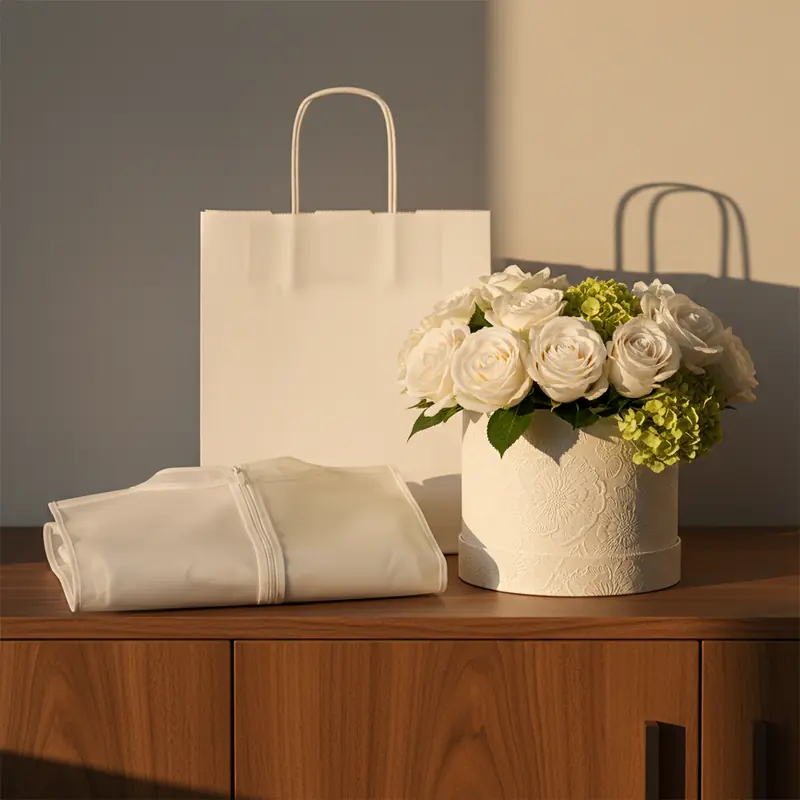
10. Turn replies into a controlled order sheet
Keep an individual response record and a separate florist-facing order summary. The response record preserves who chose what and what remains unresolved. The summary groups confirmed selections by actual product reference, presentation and agreed requirements. This separation lets you request a quotation without sending the supplier an entire employee survey or private follow-up notes.
Do not total by format alone when the details differ. Two employees who chose a box may have different palette conditions or card instructions. Group only the choices that can genuinely be fulfilled in the same way, then reconcile the summary against the individual records before approving the order. Keep declined gifts outside the purchasing quantity while retaining enough internal status information to avoid chasing those employees again.
Use statuses that describe the next action
‘Awaiting reply’ means no choice has been received. ‘Choice received’ means the employee has answered but the order may still need checking. ‘Clarification needed’ flags an unresolved condition, contents question or handover issue. Reserve ‘Confirmed’ for a choice whose required employee decisions and florist details have been settled. Keep the employee-response status and florist-confirmation field separate so that a complete form is not mistaken for a confirmed order.
- Individual record: [recipient ID / choice code / approved alternative / card approval / handover code / response status].
- Supplier summary: [product reference / agreed specification / quantity / card mapping if required / handover grouping].
- Confirmation controls: [florist confirmation / employee reconfirmation needed / person responsible for follow-up].
11. Treat substitutions as a permission check
If a proposed style is unavailable, compare the replacement with the employee’s recorded alternative before accepting it. Check format, palette, food contents, carrying needs and card presentation independently. A replacement within the company’s budget can still fall outside the employee’s approval. Neither price similarity nor the administrator’s view that it looks nicer is a substitute for permission.
For a hypothetical example, an employee chooses a floral-only basket and accepts a different pale palette in the same format. A proposed basket containing fruit is outside that recorded permission, even if its flowers look similar. Ask again or use another already approved option; do not amend the original answer to make it appear that the employee agreed. Keep the revised decision beside the new reference so purchasing and handover use the same version.
If an employee has left the alternative blank, treat that as no alternative recorded, not as permission to select anything. Send a focused follow-up describing the proposed change and what stays the same. This makes the next decision concrete without reopening the entire questionnaire.
- Proposed change: [old reference to new reference, with differences stated].
- Within recorded alternative? [yes / no / unclear].
- Further employee approval required? [yes / no]; decision recorded: [pending / approved / declined].
12. Confirm the purchase, then close the preference record
Before approving the purchase, send the florist the agreed references, quantities, proposed date, district, handover requirements and any necessary card instructions. Ask for confirmation of current availability, actual contents, dimensions where relevant, permitted substitutions, applicable fees and delivery feasibility. A preference deadline is your internal planning tool; it is not evidence of the florist’s order cutoff or a guaranteed delivery slot.
Send employees a brief final confirmation where their choice has changed or an unresolved condition has now been settled. At handover, use the agreed recipient and package codes rather than a public sheet containing everyone’s comments. Limit access to the individual records, share only the information needed for fulfilment, and handle the list after delivery according to company policy and applicable requirements. These are practical data-minimisation suggestions, not legal advice.
For the next gifting occasion, invite a fresh answer instead of assuming the same choice still applies. A compact bouquet suited to one occasion may not suit another, and willingness to receive food or collect at the office can change. The useful outcome is not a permanent personal profile: it is a clear, current record of what this employee agreed to receive for this order.
Details to confirm before ordering
- Confirm which gift formats the company will offer and obtain current florist details before making the shortlist final.
- Reconcile first choices, explicit no-preference answers, opt-outs and unanswered requests separately.
- Check each product reference against palette, size, carrying needs and food acceptance; resolve private follow-ups without circulating sensitive notes.
- Record acceptable alternatives and request employee reconfirmation for any change outside that permission.
- Approve card text, greeting names, sender and the mapping between cards and recipient codes.
- Confirm date, district, receiving contact, handover method, availability and applicable charges directly with the florist.
- Match the supplier quantity summary to confirmed individual records and restrict access to the information needed for fulfilment.
Questions about this decision
Should employees have to explain why they decline a Valentine’s gift?
No explanation is needed for the preference record. Provide a direct ‘I prefer not to receive a gift’ option and record it as a completed response, not as an unanswered form. Use any separate company process for decisions beyond this gift order.
Can we choose a gift for someone who has not replied?
Do not treat a missing reply as consent or ‘No preference’. Mark it ‘Awaiting reply’, send a clear reminder if appropriate, and resolve the case through the company’s agreed process before including it in a confirmed purchasing quantity.
What if someone selects a fruit basket but says no to food-containing gifts?
Mark the response ‘Clarification needed’. Ask which instruction they intended and offer a confirmed floral-only alternative if available. Do not decide that the product choice overrides the food answer.
Do all employees need to provide delivery addresses?
No. Start with office collection or a request to discuss another arrangement. Collect an address only when an approved, feasible delivery genuinely needs it, using the company’s restricted channel rather than a staff-wide form.
Does selecting a reference image confirm the exact arrangement?
No. The reference identifies the proposed visual direction. Confirm the actual flowers, contents, dimensions, availability and substitution limits with the florist before relying on the final order specification.
Sources and further reading
Reference only. Illustrations are AI-generated design references, not photographs of actual customer orders. Confirm current contents, prices and arrangements with our team.
For this guide:Valentine’s Gifts for Employees: A Bouquet and Hamper Preference Form
Arrange your flower order
Considering floral hamper? Send the date, district and the points discussed in this guide to Y. Florist to confirm suitable options and a quotation.
Order Your FlowersWhatsAppThis opens a prepared WhatsApp enquiry. Availability, details and price must be confirmed before booking.
Explore related services and designs
Compare relevant options, view design references and find the information you need before making an enquiry.
order flowers online
Compare floral styles and practical ordering considerations, including arrangement format, colour preferences and the details to prepare when discussing an online flower request.
Hong Kong florist
Compare bouquet and arrangement formats for different gifting needs, then consider colour preferences, occasion and handover details before discussing suitable floral options.

flower delivery Yuen Long
Compare floral formats for a Yuen Long destination, considering the occasion, arrangement scale and precise address details needed when discussing access and the intended handover point.
next day flower delivery
Compare bouquet or arrangement options for a planned next-day gift, considering the destination, recipient availability and handover details to confirm before ordering flowers.

Causeway Bay flower delivery
Compare floral formats for a Causeway Bay destination, considering the recipient's setting, arrangement size and address or access details to discuss when planning the handover.

same day flower delivery
Compare the floral format and destination details to discuss for a same-day request, while checking current availability and any handling or handover conditions.
Original AI-generated navigation references; designs and order details are subject to confirmation.
Useful options for your plans
For same day flower delivery, check current availability and discuss the floral format, destination and handover conditions.
Before you order flowers online, compare floral formats and prepare your colour preferences and handover details.
Compare floral formats and occasion choices with a Hong Kong florist before discussing your preferred colours and handover details.
Plan flower delivery Yuen Long by comparing floral formats and sharing precise address, access and handover details.