Y. Florist · Ordering guides
Valentine's Day and Your Anniversary Are a Week Apart: How to Choose Two Different Bouquets
For this guide:Valentine's Day and Your Anniversary Are a Week Apart: How to Choose Two Different Bouquets
Arrange your flower order
Considering anniversary flowers? Send the date, district and the points discussed in this guide to Y. Florist to confirm suitable options and a quotation.
Order Your FlowersWhatsAppThis opens a prepared WhatsApp enquiry. Availability, details and price must be confirmed before booking.
When Valentine's Day and your anniversary fall a week apart, the second bouquet can feel difficult to choose. Repeat the first design and the occasions may blur together; make the second dramatically larger and you can create a competition neither celebration needs. The useful question is not which date deserves more flowers, but what you want each gift to say.
If you are choosing flowers for an anniversary close to Valentine's Day, start with two short notes before looking at designs. Write one sentence about why you are giving flowers on each date, then identify one real difference in the flowers themselves. That could mean a different main bloom and silhouette, or a change from fresh flowers to another material your partner genuinely enjoys. The steps below turn those decisions into two clear briefs, with room for personal taste, limited display space and separate handovers.
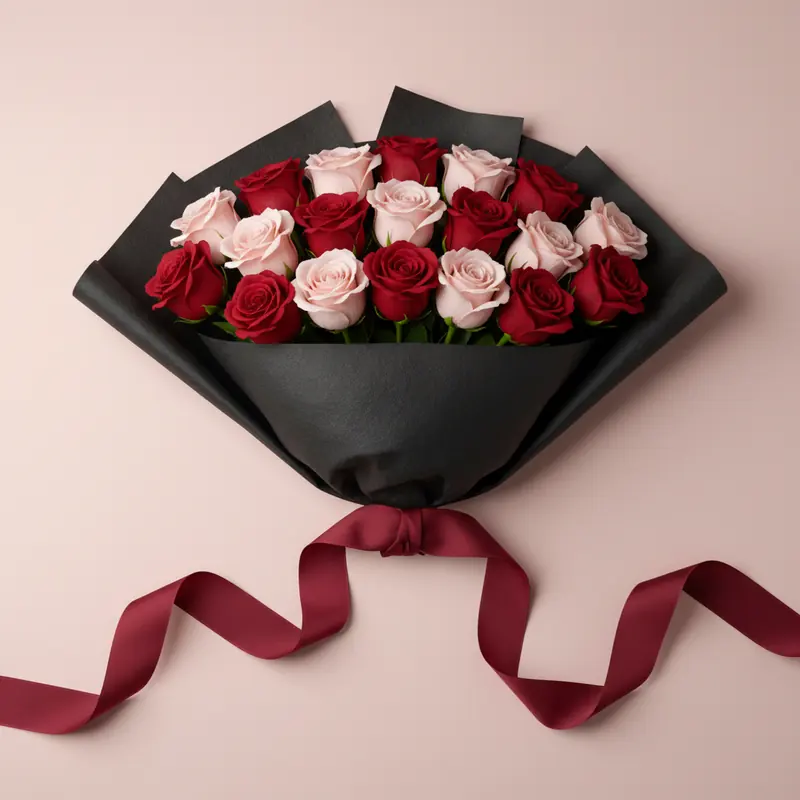
Give each date a different purpose before choosing the flowers
Put the occasions side by side and finish the sentence, 'This bouquet is about…' for each. One might celebrate being together now; the other might recall a particular chapter of your relationship. Those are optional starting points, not rules about how romance should work. If your anniversary comes first, it can carry the shared-memory theme just as easily. The order of the dates does not decide the emotional importance of either gift.
For the anniversary, name something more specific than 'another year together': the colours from a meaningful celebration, a favourite flower you remember buying together, or a place you both associate with that time. Use that detail to compare anniversary flowers for this particular gift, rather than asking a general occasion label to make the decision for you.
For the other date, choose a Valentine's Day bouquet as a separate starting point, then write down what the anniversary design must do differently. It need not be more elaborate. A contrast such as 'full and rounded for this date; simpler lines and a different main flower for the other' gives you a useful basis for comparison before two attractive but similar designs end up in your shortlist.
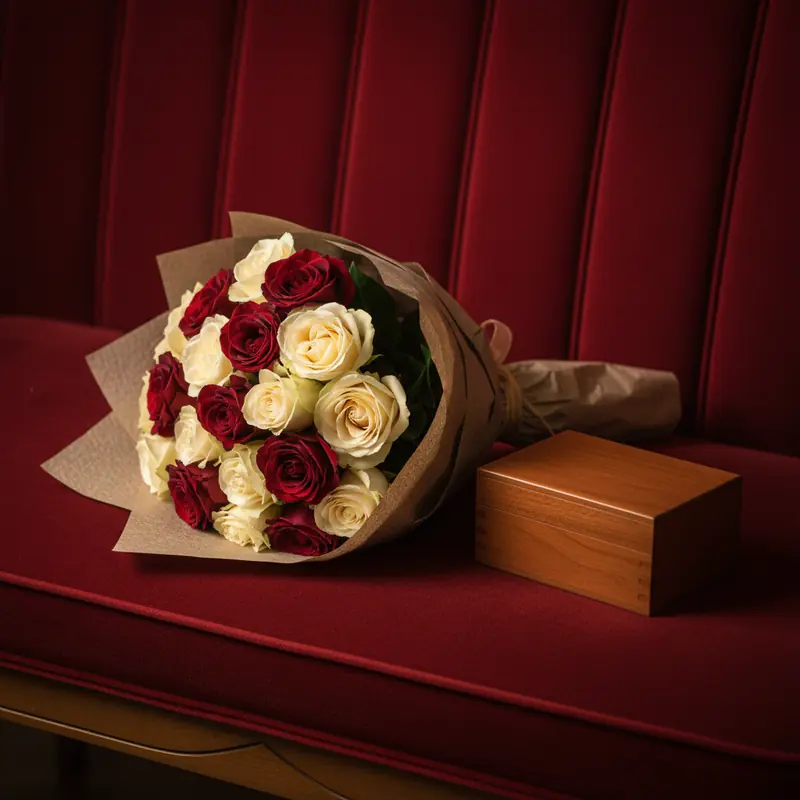
Keep one connection to your partner's actual taste
Two different bouquets do not have to look unrelated. Keep one preference consistent: a favourite colour family, an uncluttered style or a liking for soft rather than high-contrast combinations. Then choose which features can change. This gives the pair a connection without making them duplicates. If your partner only likes pale flowers, there is no need to introduce a saturated red bouquet simply to create a more obvious contrast.
Also check whether two separate surprises would be welcome. Someone who enjoys arranging fresh flowers may love receiving two different designs; someone who dislikes having several displays at home may prefer both gifts to be compact. If you do not know their view, a light question about flowers at home can be more useful than guessing. Distinctness should improve the gift for the recipient, not become a design exercise that ignores what they enjoy.
Compare the flowers underneath the wrapping
For every shortlisted pair, compare the main flower, palette, outline and material. Ask yourself whether you could still explain the difference if the wrapping disappeared. Changing grey paper to pink paper may alter the first impression, but it does not necessarily create a new floral experience. A different main bloom or material is a stronger foundation; a different silhouette or palette can reinforce it.
Personal references can guide those choices without turning flower meanings into universal rules. Flowerville's romantic arrangement guide suggests favourite flowers and blooms connected with a first date or wedding as ways to personalise an arrangement. Apply that idea to the pair: let one bouquet draw on a shared memory and the other reflect a current preference. Ask about suitable flowers rather than assuming a remembered variety will be available for either date.
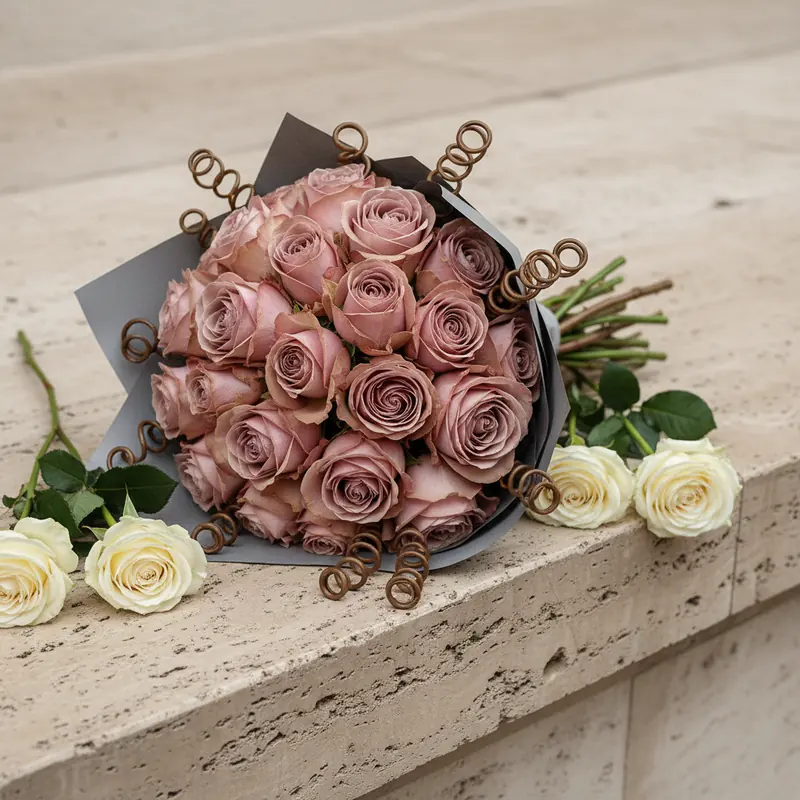
Route one: choose two fresh bouquets with different structures
If fresh flowers are what your partner likes best, there is no reason to change materials. Instead, make the main flower and outline do the work. A rounded, rose-led direction for one date can be contrasted with a tulip bouquet with simpler lines for the other. Treat this as a direction to enquire about, not a statement that particular tulips or colours can be supplied on your dates.
Compare the proposed outlines as well as flower names. Two designs containing different main blooms can still look very similar if both are densely rounded, similarly coloured and finished with the same supporting materials. Ask what would make the second read differently at a glance. Conversely, if the main flowers are clearly different, you may be able to keep a favourite palette and still achieve enough distinction.
An example brief for two fresh designs
As a hypothetical pairing, the first brief might ask for a rose-led fresh bouquet with a rounded outline and deeper pink tones. The second might request fresh tulips, if available, in a lighter palette with a less rounded profile. The shared preference is pink; the differences are the main bloom, tonal depth and overall line. This is a planning example, not an advertised package or a confirmed combination.
If tulips are unavailable, do not reduce the second brief to 'any pink flowers'. Explain which contrast matters most: a main flower other than roses and a simpler outline. Ask for an alternative proposal that preserves those differences, then decide whether you like it. That way, an availability change does not quietly turn your two briefs back into variations of the same bouquet.
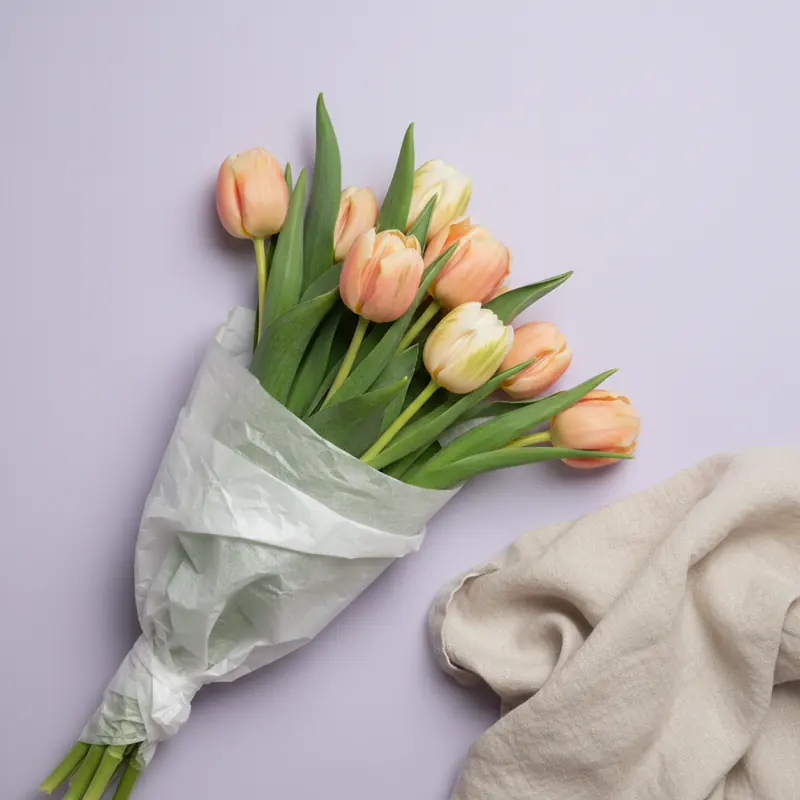
Route two: consider preserved flowers only if they suit the recipient
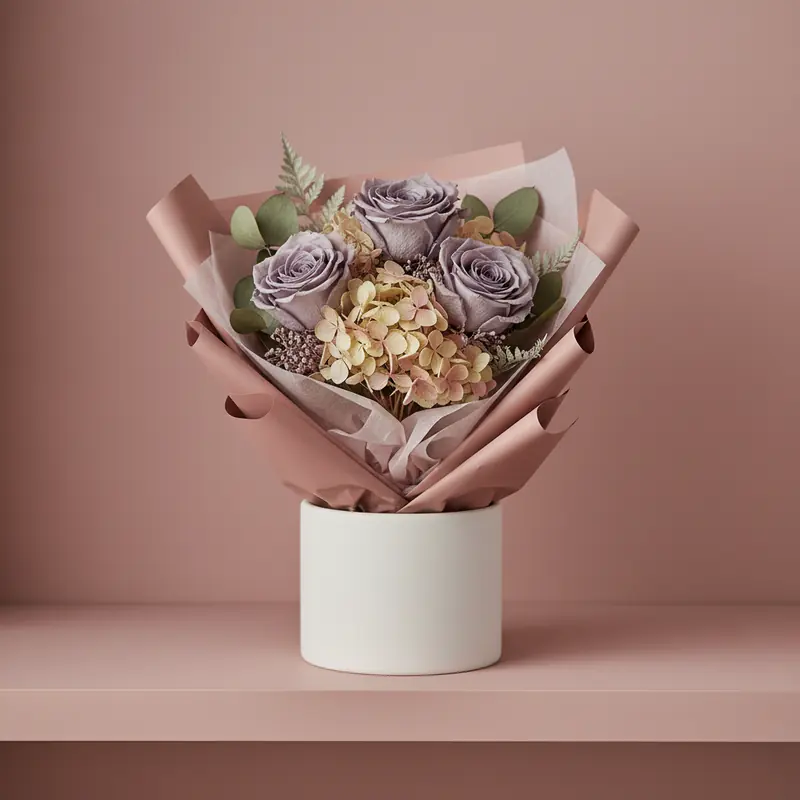
A material change can give the dates different roles: one fresh bouquet for the immediate celebration and one decorative piece your partner wants to keep displaying. Consider a preserved flower bouquet if they like that type of object and its softer, fresh-like visual direction. This is an alternative to two fresh bouquets, not an extra gift you must add to make either occasion feel complete.
Preserved and dried flowers are not interchangeable terms. Nordblooms' comparison of flower materials explains that preservation aims to retain a softer appearance and feel, while drying produces a different finish. Use that distinction to ask better questions about an actual design. Confirm its materials, intended display and product-specific care information; do not assume that a preserved label means an unchanging appearance for years or no maintenance at all.
Choose dried flowers for their texture, not as another name for preserved
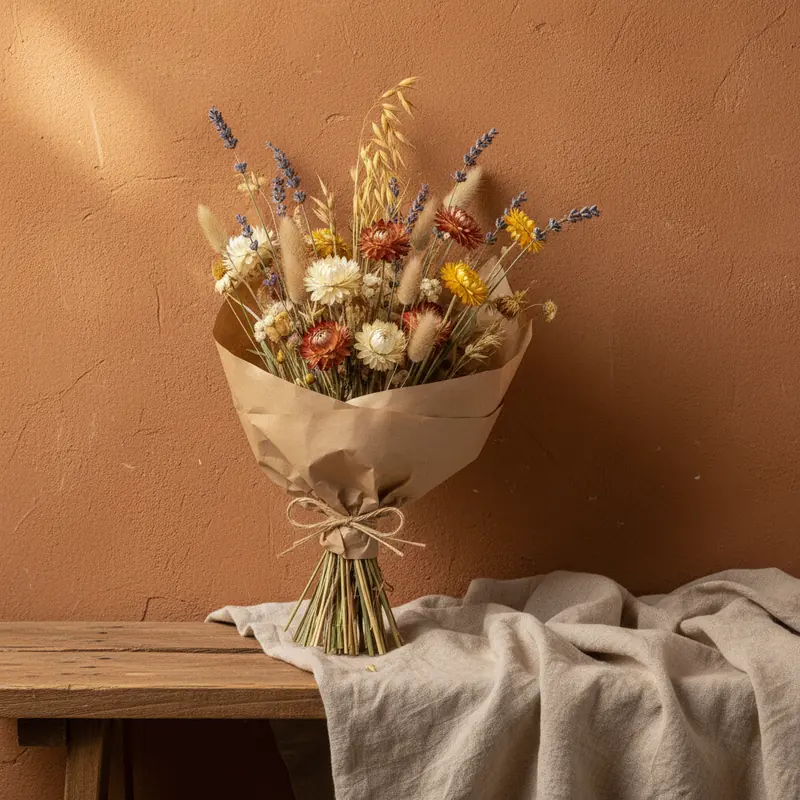
If your partner prefers natural-looking grasses, papery textures or a deliberately dry appearance, a dried flower bouquet may be the more relevant alternative. Make that choice because the look suits them, not because dried flowers are automatically more romantic or more practical. Someone who enjoys the appearance of fresh petals may not want the same occasion marked with a very different texture.
The Nordblooms comparison also notes that arrangements can mix preserved and dried materials. Read the individual material list rather than categorising an entire bouquet from its colour or photograph alone. Ask which elements create the soft finish and which create the dry texture. Choose either preserved or dried as the second gift if appropriate; you do not need to buy both categories to explore this route. If neither appeals, return to two fresh designs.
Protect the difference when agreeing substitutions
Once you have a pair you like, identify the difference you most want to protect. It might be 'one rose-led and one without roses as the main flower', or 'one fresh and one decorative preserved design'. Separate this from flexible details such as a supporting flower or a nearby shade. A florist can assess a clearer request more usefully than a broad instruction to make both bouquets romantic but different.
Review substitute proposals together, even if the orders are handled separately. If the first bouquet changes substantially, the second may need another look. For example, a change that makes the first lighter and airier could remove the very contrast you planned for the second. You need not reject every overlap, but decide consciously which shared element is intentional. Ask to review alternatives that change the main flower, material or outline rather than assuming any replacement will preserve the pair's identity.
Plan where both gifts could be displayed
Think beyond the handover photograph. Where will each gift go afterwards: a dining table, a side table, a desk or a shelf? Note the available width and height, whether a suitable vase is already there, and whether the flowers need to travel home after dinner. Share useful size limits when enquiring. A design that fits the actual space can feel more considered than a larger one with nowhere comfortable to stand.
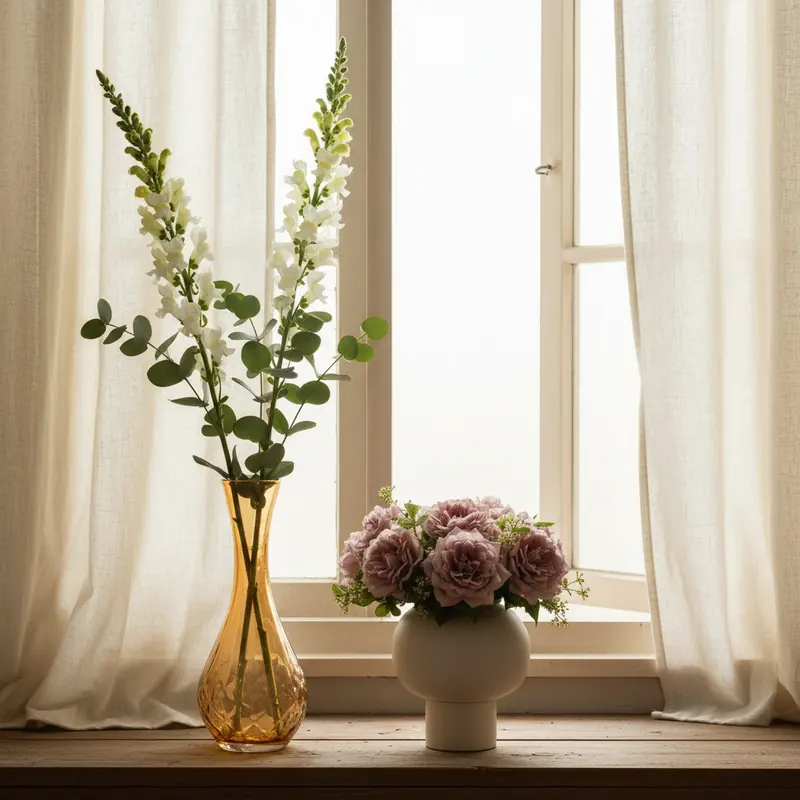
Consider the possibility that both displays will be present together, but do not assume the first fresh bouquet will remain in good condition until the second occasion. Nor should the second design depend on the first being gone. Plan a workable place for each and ask what, if anything, is included for display. Wrapping, a container shown in an illustration and a vase supplied with an order are different things; confirm the selected product's contents rather than inferring them from an image.
Set a budget for the pair without ranking the occasions
Decide what you are comfortable spending across both gifts before comparing individual designs. Then consider each proposed order with its own delivery arrangements and any confirmed extras. There is no need for the later bouquet to cost more or contain more stems. A smaller design can be the right second choice because it expresses a particular memory or fits a particular place, not because it is a lesser celebration.
If the combined proposal is beyond your budget, preserve the main distinction first. Ask what can be simplified in scale, supporting materials or presentation while keeping the two gifts recognisably different. Avoid paying for elaborate wrapping on both if the flowers underneath remain nearly identical. Request current prices and delivery charges for each order from customer service; this article does not establish a price, a free-delivery entitlement or a fixed cost for the pair.
Write two messages that could not be swapped
The card is the second layer of difference, after the flowers themselves. Give each message a detail that belongs to its occasion. As hypothetical examples, one might say, 'I love the everyday life we are building together,' while the anniversary card recalls, 'I still think about our walk by the harbour after that first dinner.' Replace those examples with your own words and only use memories that are true for you.
Read the messages without their occasion labels. If they could be swapped without changing anything, make one more specific. You do not need a longer card or a more dramatic declaration for the second date. A concise reference to a genuine moment can explain why a particular colour or flower was chosen. Keep each final card text attached to the correct brief so that distinct flowers and distinct words stay together.
Turn the pair into two short, usable order briefs
Send the two briefs together if you can, clearly labelled by occasion and date. This lets the florist see the relationship between them without treating them as a single interchangeable order. Each brief should still stand on its own: someone reading only the second should know what it is for, what visual direction matters and what must not repeat from the first.
Keep reference pictures attached to the relevant brief and say what you like about each picture. 'The main flower and compact outline' is more precise than 'something like this'. If the first bouquet is already selected but the second is not, share the first selection when asking about the second. You do not need to disclose sensitive recipient information at this comparison stage; dates, districts, display limits and design priorities are enough to frame the enquiry.
Brief A: the first celebration
Fill in: occasion and date; delivery or collection district; the sentence explaining this gift; preferred main flower or material; palette and outline; display limit; card text; flexible details; and changes that need your approval. Add one line headed 'Connection to Brief B' to name the shared preference, such as a colour family. Ask for current availability and the terms for confirming this particular order.
Brief B: the second celebration
Use the same fields, then add 'Must differ from Brief A in…' and name the main flower or material you want changed. Include the latest agreed direction of the first bouquet, not just your original idea. If you are still choosing between fresh and preserved or dried flowers, say that clearly and ask to compare alternatives before confirming. Do not leave the florist to infer whether you want one second bouquet or several additional gifts.
Confirm two handovers, not just two dates on a calendar
For each date, check where the recipient will actually be and who can receive the flowers. An office handover on one date and a restaurant handover on the other require separate confirmation. If a third-party venue is involved, ask about its rules for accepting and holding flowers. A previous successful arrangement at a location is not confirmation that the same arrangement applies to this order.
Ask about stock, ordering cut-offs, available delivery windows, charges and any collection arrangements separately for both dates. Enquiring about two bouquets at once does not by itself reserve a particular flower for the following week. If a desired window cannot be confirmed, decide whether another handover arrangement suits the celebration before committing; do not build a surprise around an assumed exact arrival time.
Before the first occasion, read both briefs side by side once more: different purpose, a real floral or material contrast, a place to display each, the correct card and a workable handover. After any change to the first design, update the second brief if needed. The goal is not to make the later bouquet outshine the earlier one. It is to give your partner two recognisably separate gestures, each chosen for a reason.
Details to confirm before ordering
- Label both occasions with their separate dates and delivery or collection districts.
- Write one distinct reason for each gift and identify one shared recipient preference.
- Name the main flower or material that should differ, plus the desired contrast in outline or palette.
- Record each display location, useful size limit and whether a vase or other container is needed and included.
- Attach the correct reference and final card text to each brief.
- State flexible details and request review of substitutions that would remove the difference between the designs.
- Confirm each order's current availability, price, charges, cut-off and handover arrangements separately.
Questions about this decision
Does the anniversary bouquet need to be bigger than the Valentine's bouquet?
No. Choose the scale for the recipient, setting and budget. A different main flower or material, supported by a personal message, can distinguish the anniversary gift without increasing its size or cost.
Can I use roses for both dates without making the gifts repetitive?
Yes, especially if roses are a strong preference. Ask whether one design can remain rose-led while the other uses roses as a supporting element around a different main bloom and outline. If both are rose-led, recognise that colour and silhouette must carry more of the contrast; changing paper alone is unlikely to achieve your aim.
What if my partner only likes fresh flowers?
Stay with fresh flowers for both occasions. Compare different main blooms and structures within a preferred palette. Preserved and dried designs are optional alternatives for someone who likes their appearance and wants them as decorative objects.
Should I order the second bouquet only after seeing the first?
You can enquire about both together and keep their design directions connected. If you leave the second unconfirmed, ask about its ordering cut-off and availability rather than assuming it can wait. Share the final first design when confirming the second.
What if our anniversary falls before Valentine's Day?
Use the same comparison in the opposite order. Give the anniversary its own story and establish its floral direction first, then make sure the Valentine's design has a different role and a meaningful visual distinction. Neither date automatically deserves the larger gift.
Sources and further reading
Reference only. Illustrations are AI-generated design references, not photographs of actual customer orders. Confirm current contents, prices and arrangements with our team.
For this guide:Valentine's Day and Your Anniversary Are a Week Apart: How to Choose Two Different Bouquets
Arrange your flower order
Considering anniversary flowers? Send the date, district and the points discussed in this guide to Y. Florist to confirm suitable options and a quotation.
Order Your FlowersWhatsAppThis opens a prepared WhatsApp enquiry. Availability, details and price must be confirmed before booking.
Explore related services and designs
Compare relevant options, view design references and find the information you need before making an enquiry.
flower bouquets
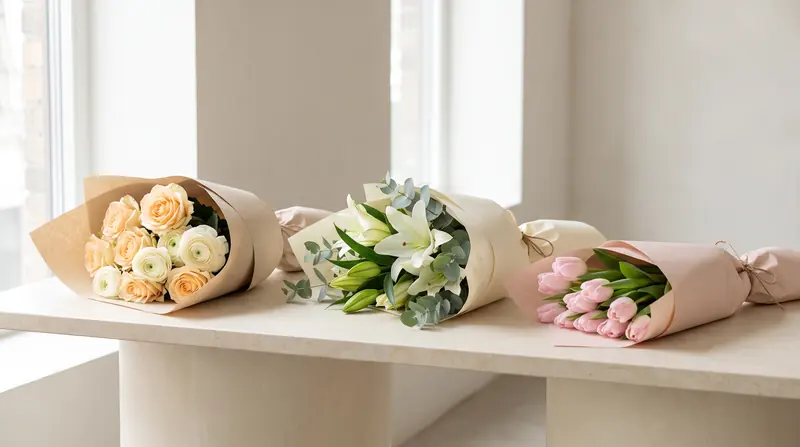
Compare seasonal and classic bouquet styles by flower mix, colour palette and wrapping, with different shapes to consider for birthdays or everyday gestures.
dried flower bouquet
Compare dried flower bouquet textures, earthy palettes and silhouette, considering combinations of dried blooms and grasses rather than fresh or preserved flower presentations for gifting.
rose bouquet
Compare rose bouquet colours, wrapping and overall shape, considering a single-colour presentation or a softer mixed palette for the recipient and intended occasion.
preserved flower bouquet
Compare preserved flower bouquet palettes, textures and wrapping, considering compact or fuller forms while keeping preserved materials distinct from fresh or naturally dried flower styles.
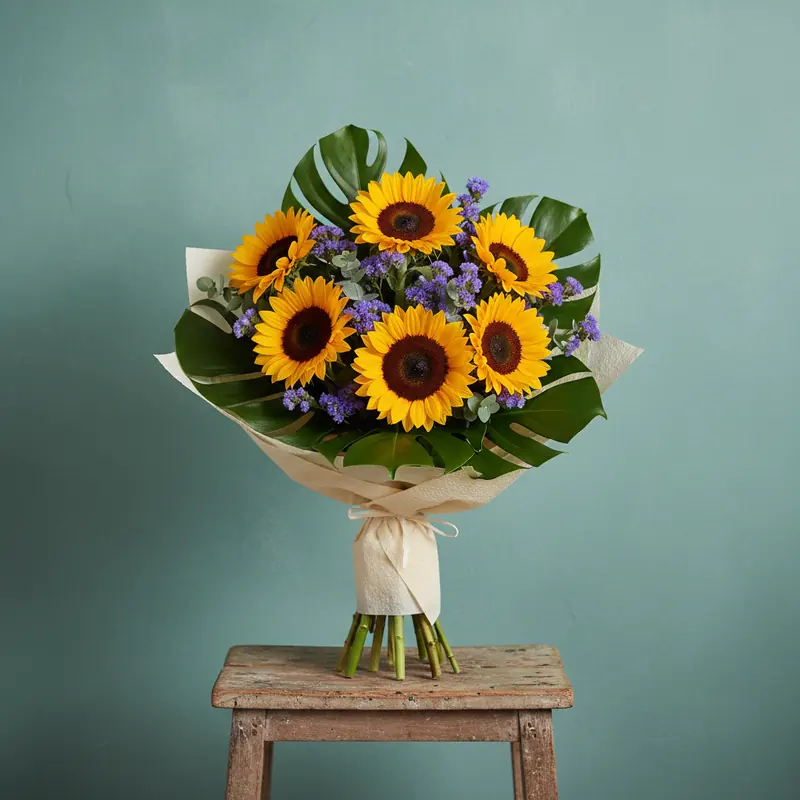
sunflower bouquet
Compare sunflower bouquet shapes, supporting foliage and wrapping colours, considering how bold yellow flower heads can create a bright focal point in a gift.
tulip bouquet
Compare tulip bouquet colours, stem movement and wrapping styles, considering a simple single-colour bundle or a gentle mixed palette with a clean floral silhouette.
Original AI-generated navigation references; designs and order details are subject to confirmation.
Useful options for your plans
Explore flower bouquets to compare seasonal flower mixes, wrapping styles and shapes for your next gift.
Explore a dried flower bouquet to compare dried textures, earthy colours and airy or compact shapes.
Explore a rose bouquet to compare rose colours, wrapping and bouquet shape for your recipient.
Explore a tulip bouquet to compare tulip colours, natural stem shapes and wrapping styles.