YumYum Catering · Ordering guides
Birthday and grand opening catering in the same week: what needs a separate order brief?
For this guide:Birthday and grand opening catering in the same week: what needs a separate order brief?
Plan catering for your event
Considering Party Catering? Send the date, district and the points discussed in this guide to YumYum Catering to confirm suitable options and a quotation.
Book Catering NowWhatsAppThis opens a prepared WhatsApp enquiry. Availability, details and price must be confirmed before booking.
A birthday celebration and a business opening can share a week, an organiser and a preferred caterer without sharing an order specification. The practical approach is to prepare separate catering briefs for birthday and grand opening parties, then keep the supplier's contact details in one place. Start by creating two clearly named records, even if you send them in the same email.
When booking one caterer for two events, the useful question is not simply whether the same dishes can appear at both. It is whether each event has an independently understandable quantity, schedule, handover and approval. The steps below show what to duplicate, what to keep separate and how to change one brief without accidentally rewriting the other. Neither shared contact details nor a combined enquiry means that availability, delivery or a combined price has been agreed.

Keep one supplier contact sheet, but two event records
Your shared contact sheet can hold the caterer's contact details, the organiser's name and a note that two enquiries are being coordinated. For shared trays or possible food formats, use the Party Catering page as a starting point for questions. Then put the answers into the relevant event record rather than a floating note headed 'both parties'. If a proposed format interests you for both occasions, ask about its suitability for each one explicitly.
Separate records do not require elaborate paperwork. A short document for each event is easier to use than a long email in which the latest birthday instructions sit above an older opening schedule. Cvent's guide to banquet event orders identifies event contacts, dates, location, guest counts, menus and schedules as useful order information, with review as arrangements develop. Use that organisational logic here; it does not mean the caterer uses a particular form or that your draft is an accepted order.
Give each occasion a name that survives a busy inbox
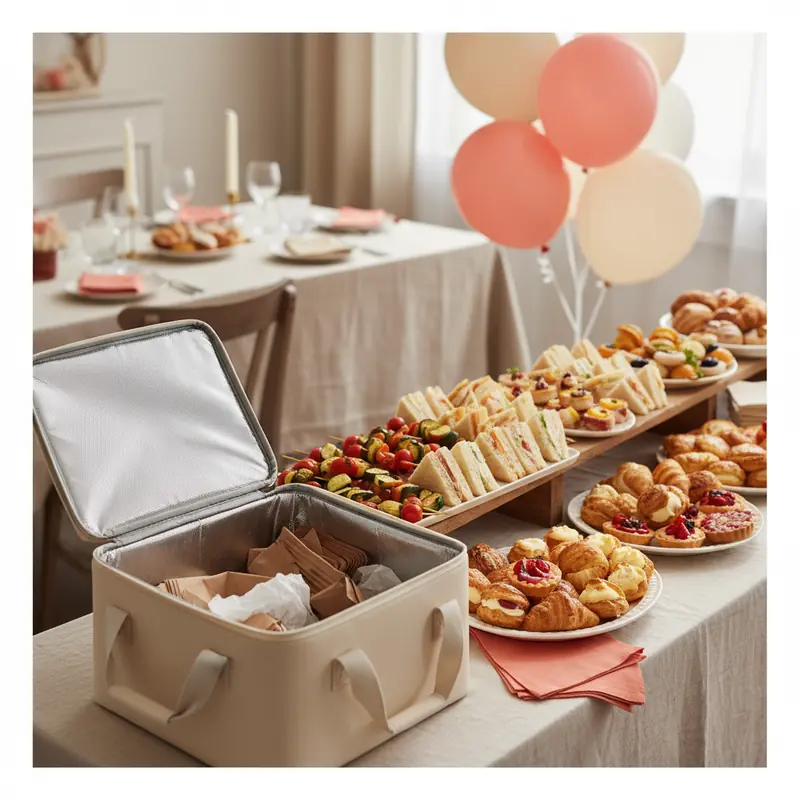
Label the records 'Birthday' and 'Grand Opening', followed by the actual event date. Keep those names in email subject lines, attachment names and quotation references. Avoid 'first event' and 'second event': those labels become confusing if a date moves or messages are forwarded. The date should identify the occasion, while a separate revision label identifies which draft is current. Retain the supplier's own order reference alongside your label once one is issued.
Name an approver and a day-of receiver for each event. They may be the same person, but those are different jobs: approving an added charge does not mean someone will be standing at the delivery entrance. If a family member approves the birthday and a colleague approves the opening, state that division. Keep the shared organiser copied where useful, while making clear whose acceptance is needed for each menu, payment request or proposed change.
Keep attendance estimates separate from confirmed quantities
Give each brief its own working guest estimate and clearly mark whether it is provisional. Do not send one combined attendance figure and expect the caterer to divide it. A birthday may have a more settled invitation list, while opening guests may arrive in waves or stay for different parts of the programme. Describe that difference rather than treating the same total attendance as evidence that the same amount of food will suit both occasions.
For each event, explain whether the food replaces a meal or supports a shorter gathering. Identify any distinct guest requirements that affect the enquiry, including children or dietary restrictions, without copying those notes automatically to the other brief. Ask the team what guest count and menu quantities the quotation is based on, and what procedure applies if the estimate changes. A revised birthday estimate should not become an instruction to increase the opening order too.
Shared dish names still need two quantity decisions
If you like a particular platter for both events, repeat its agreed description and quantity in each brief. 'Same menu as the birthday' is an unreliable final instruction because a later birthday substitution could leave the opening menu ambiguous. Ask how the proposed quantity is expressed: trays, pieces or another stated unit. Record the answer without converting a photograph or a package title into an assumed serving capacity.
Keep exclusions and additions beside the relevant menu. Separate dietary portions, labels, drinks, desserts or tableware may differ between occasions even when several dishes overlap. Ask about ingredient information and cross-contact limitations for the people attending each event; do not treat a familiar dish name as a safety assurance. The following short prompts are starting records to fill in, not substitutes for the caterer's itemised quotation.
A short starting record for each event
Birthday brief: event date [ ]; estimated guests and confirmation status [ ]; food as a meal or refreshments [ ]; requested dishes and quantities [ ]; dietary questions [ ]; separate cake arrangement [ ]; spending scope and payment approver [ ]. Keep unresolved items visibly marked 'awaiting confirmation'.
Grand Opening brief: event date [ ]; estimated attendance and arrival pattern [ ]; requested dishes and quantities [ ]; ceremony and service sequence [ ]; dietary questions [ ]; optional display requests [ ]; spending scope and payment approver [ ]. Copy only the details that genuinely match the birthday, then check them independently.
Build the birthday timeline around the meal and the cake
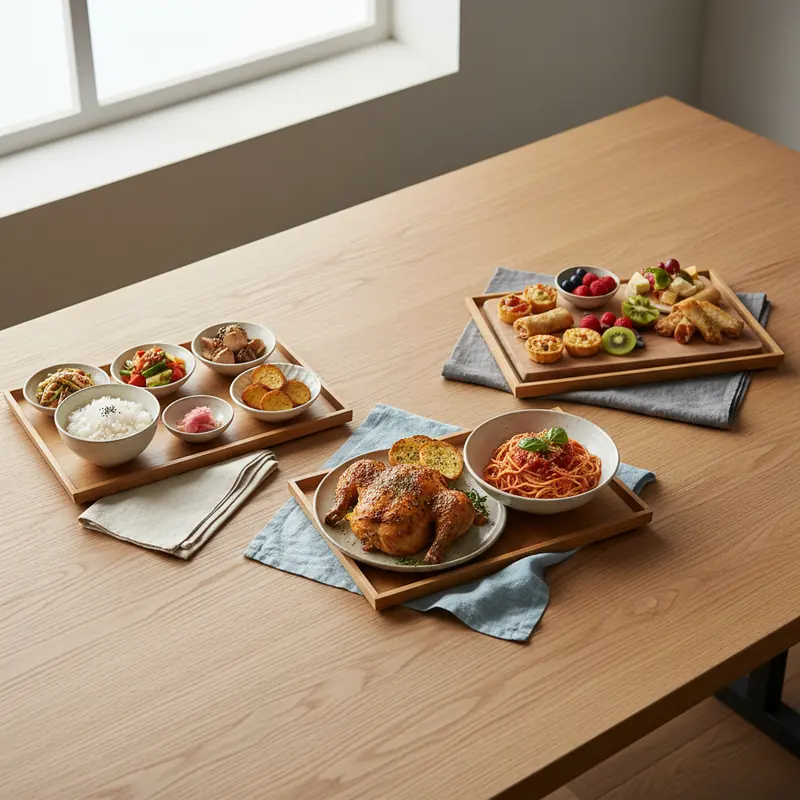
In the birthday brief, write when guests arrive, when savoury food should be ready and when you intend to cut the cake. If food is the main meal, say so beside your enquiry through Birthday Catering, rather than relying on the word 'party' to explain the occasion. Bonanno's birthday catering guide specifically recommends telling the caterer about a separately supplied cake. That detail helps distinguish the catering request from food or presentation supplied by someone else.
List who supplies the cake, who receives it and who is responsible for its placement, cutting and serving items. Cake delivery needs professional cake logistics, with fees and the delivery window confirmed with customer service; do not assume free delivery or transport with the catering trays. If cake and food have different receivers, retain both arrangements in the birthday record. A change to cake time is not automatically a request to move the savoury-food arrival window.
Give the opening ceremony its own food-service sequence
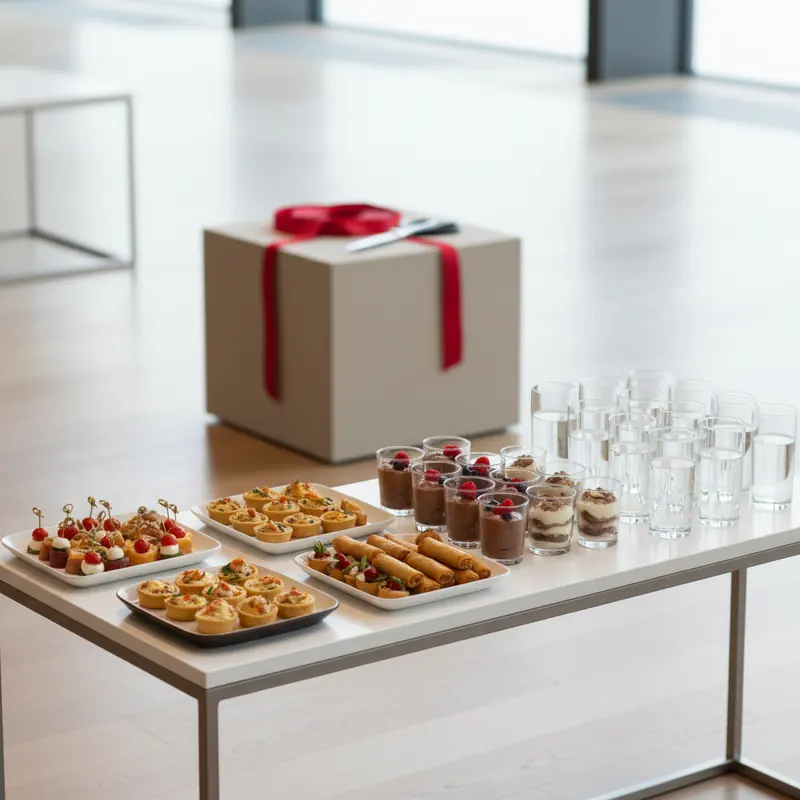
For the opening, distinguish guest arrival from the speech, ribbon-cutting and any tour or demonstration. When enquiring about Grand Opening Catering, explain when guests should be able to eat and whether you want service to pause during a formal moment. Food Truck Family's grand opening planning guide separates these programme stages and asks organisers to consider service during speeches or tours. The useful principle is a clear sequence, not a fixed event length or a requirement to use a particular catering format.
If arrivals are staggered, tell the caterer whether later guests are also expected to receive food. Ask what replenishment or service arrangement is feasible rather than assuming everything can remain available throughout the programme. Also identify who can tell any agreed service team that the ceremony is starting or running late. If you have ordered delivery only, assign that coordination to your own team instead of writing instructions for staff who have not been booked.
Add roast pig arrangements only if the opening actually needs them
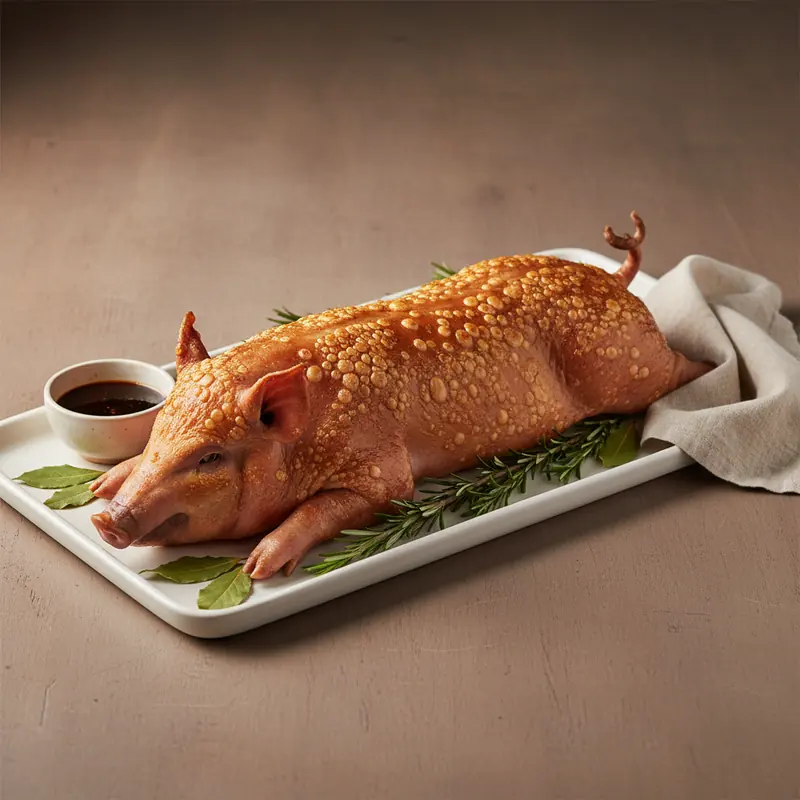
If the opening organiser is considering a roast pig for display or shared food service, make it a specific enquiry through Roast Pig Catering. It is not a necessary part of every opening and should not be copied into the birthday request simply because the events share a supplier. State whether you want it present for a ceremony, available as food afterwards, or both, then ask the team to confirm a suitable order and the scope available.
Record the requested arrival window, display position and intended serving point. Ask who provides the surface, any display arrangement, cutting tools, portioning and serving utensils, and who takes responsibility for the handover. Do not infer size, guest capacity or the presence of a person to cut it from a reference image. If the ceremony moves, identify which display or service details need review; changing a programme note does not itself confirm a revised delivery or staffing arrangement.
Write separate delivery instructions, even for the same building
Prepare separate catering delivery instructions for two events with the complete venue address, building, floor, room and relevant entrance in each private order brief. Add loading restrictions, security registration and lift access where applicable. Even at one building, the birthday room and opening reception may have different access rules or usable entrances. Do not leave the second brief saying only 'same address' if that would force the receiver or supplier to search another document for essential directions.
Give each event its own requested delivery window and named receiver with a contact number. Then review Party Food Delivery options against those two requirements, asking which arrangements can actually be accepted for each date and location. A window discussed for the birthday does not reserve the opening slot. Share necessary contact details privately with the supplier and relevant venue team, rather than placing personal information in a widely circulated programme.
Distinguish access, arrival and food-ready times
Write three separate entries where relevant: when the supplier may enter, the requested delivery window and when food needs to be ready for guests. If the venue opens too late for the setup you are requesting, flag the conflict and ask what can be agreed. Do not resolve it on paper by making all three times identical. Confirm who handles the steps between arrival and readiness for each occasion.
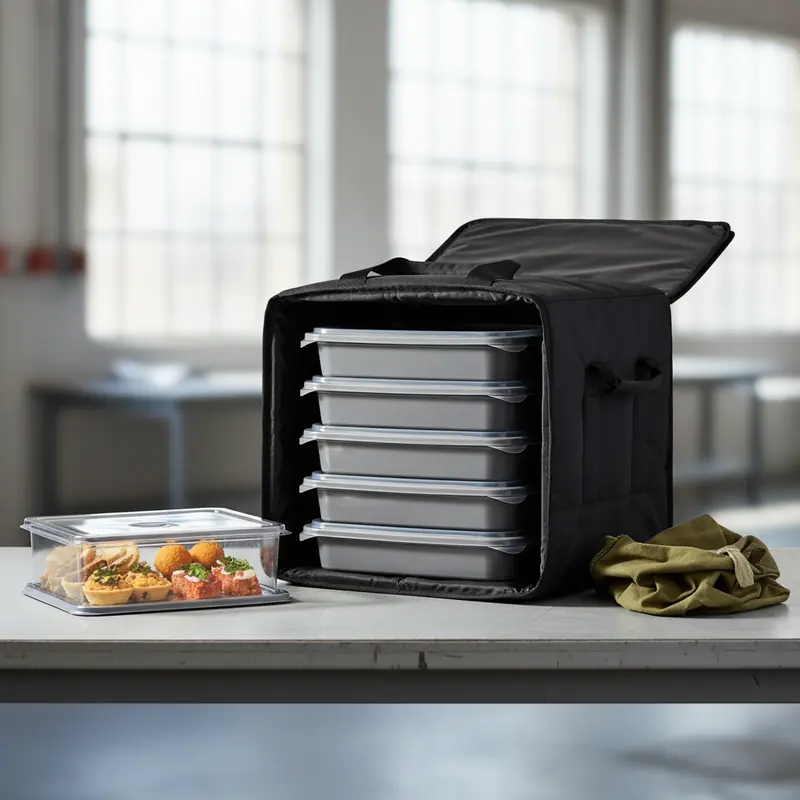
Separate the handover from setup, serving and collection
For each event, describe where the delivery handover ends and the next task begins. Carrying trays to an agreed handover point, arranging a food table, serving guests and clearing equipment are different responsibilities. Ask which are included and which need a separate quotation or a host-appointed person. A birthday at home may rely on family members after handover, while an opening may need a colleague to manage the reception table; write the actual division instead of assuming either arrangement.
List who provides tables, plates, utensils and any agreed equipment for each venue. Where hired or reusable items are involved, ask about collection location, access, timing and the person responsible for release. Do not assume equipment used at the first event can be retained for the second or moved between venues. If you want that arrangement, request it explicitly and wait for confirmation, including any charges and venue restrictions.
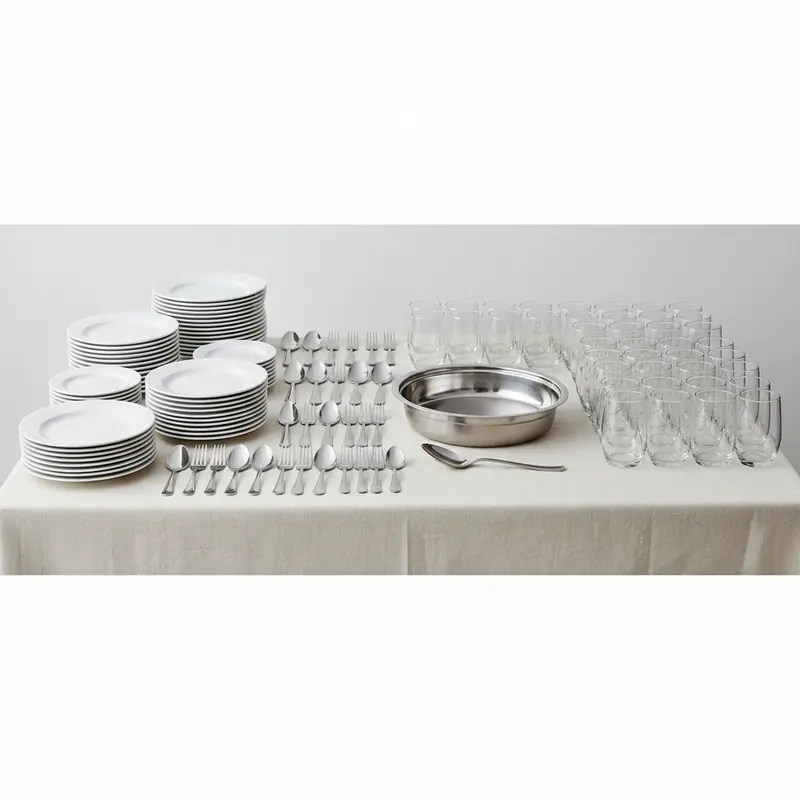
Request two quotation summaries before combining any payment
Ask for a quotation breakdown attributable to each event: menu, quantities, delivery, setup, staffing, equipment and other accepted charges, together with payment and change terms. A combined invoice may be convenient if the supplier agrees, but it should not hide which amount or service belongs to which occasion. This matters particularly when a private birthday and a business opening have different payers or billing requirements. Confirm invoice details directly rather than assuming one event's payment information applies to both.
If you have a combined spending limit, give it as context and state each event's priorities. Ask what is feasible without assuming a shared discount, one delivery charge or transferable payments. Current prices, availability and any consequences of changing or cancelling either event need customer-service confirmation for the actual request. Before paying, be able to point to the accepted scope for the birthday and the accepted scope for the opening separately, including anything still excluded.
Change the named brief, not 'the party order'
When something changes, send a focused request naming the event, affected field, previous detail and requested replacement. State which revision you are referring to, and ask whether the change affects quantities, fees, delivery or service. Keep the other brief identified as unchanged, rather than leaving the supplier to decide whether your message applies to both. A request is still pending until the supplier accepts it; your edited document alone does not establish a new arrangement.
Once a change is accepted, update that brief and retain the written response with the revised quotation or order reference. Give the updated version to the affected receiver and approver, and make superseded copies easy to distinguish. If the supplier proposes an alternative, check every affected field rather than replying 'fine' to a message containing several options. Confirming an opening timing change should not accidentally accept an unrelated birthday menu substitution.
An example of a single-event change request
Hypothetical message: 'Grand Opening only, revision B: the speech is moving from [previous time] to [requested time]. Please review the requested food-ready time and tell us whether delivery or service needs to change, with any revised charges. The Birthday brief remains unchanged. Please send the accepted opening schedule before we update the venue team.' This identifies a request and its limits without pretending the new timing is already available.
Read each final confirmation as if it were the only event
Open the birthday confirmation on its own. Can its receiver identify the date, menu, quantities, venue access, accepted handover window, food-ready plan and their own responsibilities without consulting the opening record? Repeat the test with the opening confirmation. Shared supplier contact details are fine; missing event instructions are not. Send unresolved questions back under the correct event label, especially where a quotation and a later message appear to describe different arrangements.
Then compare the two records side by side only to look for accidental carryovers: a birthday cake note in the opening order, the wrong receiver, an outdated guest count or an opening ceremony time used as the birthday delivery window. Keep a concise final copy available to each event's relevant people. The aim is not more paperwork; it is two usable agreements that can be followed independently, with shared administration only where everyone has explicitly agreed to it.
Details to confirm before ordering
- Give Birthday and Grand Opening distinct event labels, dates and current revision references.
- Confirm each event's attendance status, meal role, itemised menu and quantities independently.
- Keep birthday cake logistics separate from the catering delivery and handover.
- Record opening ceremony timing, any service pause and optional display responsibilities only where requested.
- Obtain accepted access, arrival and food-ready arrangements for each event with its own receiver.
- Allocate setup, serving, tableware and any equipment collection responsibilities per occasion.
- Check each quotation's charges, payer, payment terms and change procedure before accepting.
- Make later changes event-specific and retain the supplier's written acceptance of the revised brief.
Questions about this decision
Can I send both briefs in one enquiry?
Yes, you can present two clearly labelled briefs in one message. Ask for a response covering each event separately. A combined enquiry does not confirm that either date is available or that the events will be treated as one order.
If both events use the same dishes, can I approve the menu once?
Ask for the dishes and quantities to be stated and accepted for each event. You can explain that selections overlap, but differences in attendance, meal role, dietary requests and service can still require different orders.
What if only the birthday guest count changes?
Name the Birthday brief and its revision, give the previous and requested count, and ask about menu quantities and charges. Say that the Grand Opening brief remains unchanged, then wait for written acceptance of the birthday revision.
Should the cake arrive with the catering trays?
Do not assume that arrangement. Cake delivery requires professional cake logistics, and customer service must confirm its fees and window. Record the cake receiver and timing separately from the catering handover.
Can one payment cover both events?
Ask whether the supplier can accept a combined payment or invoice. Keep each event's charges, payer details and payment status identifiable, and confirm how any later change to one event would be handled.
Sources and further reading
Reference only. Illustrations are AI-generated design references, not photographs of actual customer orders. Confirm current contents, prices and arrangements with our team.
For this guide:Birthday and grand opening catering in the same week: what needs a separate order brief?
Plan catering for your event
Considering Party Catering? Send the date, district and the points discussed in this guide to YumYum Catering to confirm suitable options and a quotation.
Book Catering NowWhatsAppThis opens a prepared WhatsApp enquiry. Availability, details and price must be confirmed before booking.
Explore related services and designs
Compare relevant options, view design references and find the information you need before making an enquiry.
Grand Opening Catering
Explore catering formats for an opening reception, comparing easy to serve bites, shared dishes and refreshment arrangements that suit a ceremony without implying a particular business or venue.
Catering Delivery
Compare catering delivery and takeaway arrangements, exploring transport friendly meal formats, packaged sharing dishes and ordering considerations before checking the details relevant to your planned gathering.
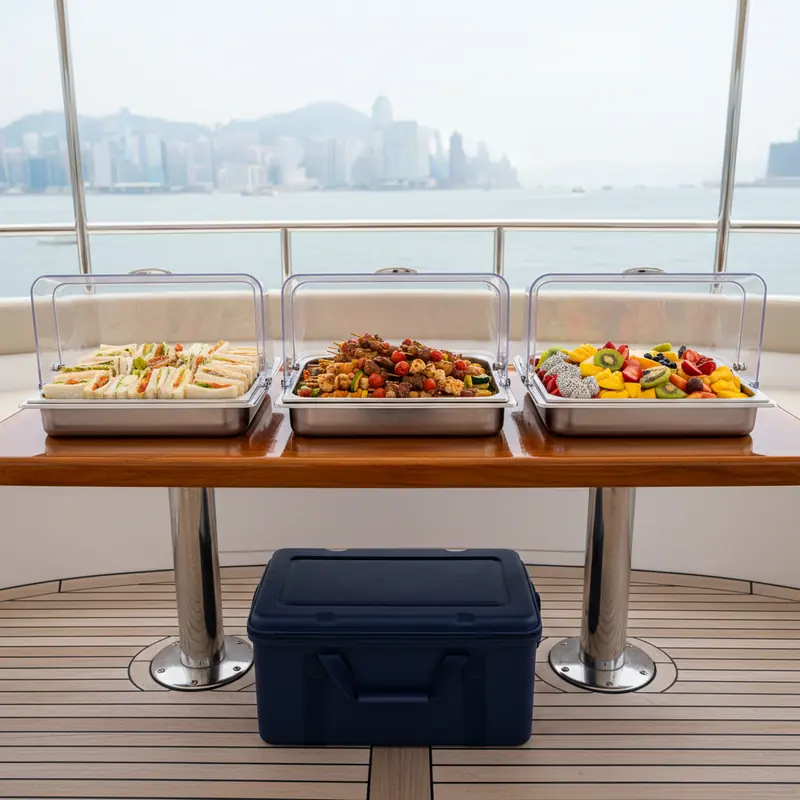
Junk Boat Party Catering
Compare food formats for a junk boat gathering, exploring portable sharing dishes and serving arrangements alongside pier delivery considerations, without assuming a particular vessel or delivery schedule.
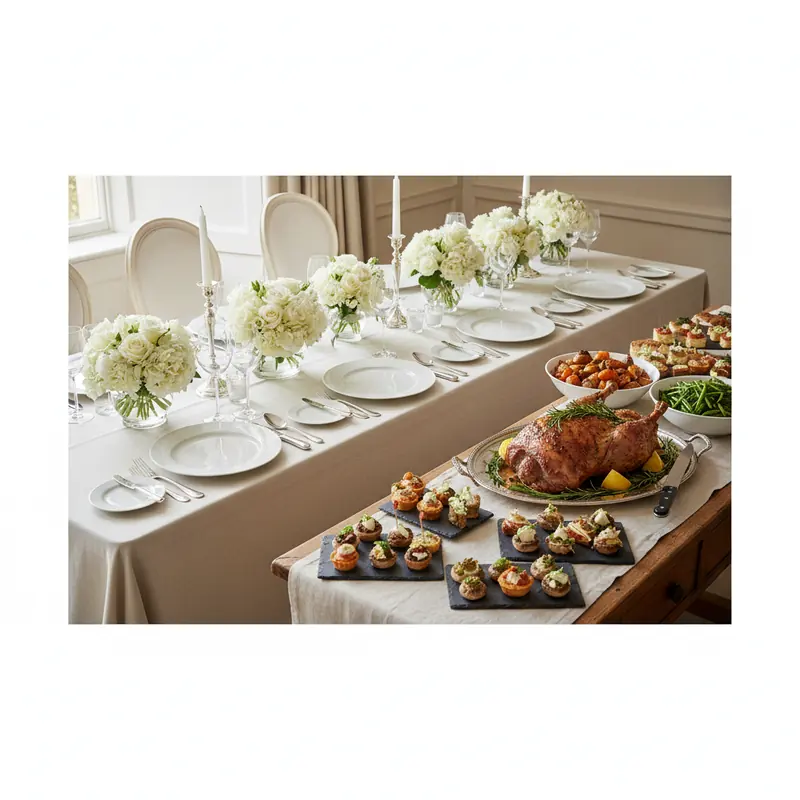
Wedding Catering
Explore wedding dining formats, comparing buffet and banquet style arrangements, savoury courses and reception serving layouts before considering the meal presentation that fits your celebration.
Christmas Party Catering
Explore Christmas party food combinations and festive serving layouts, comparing shared savoury dishes, small bites and sweet additions rather than focusing solely on a roast turkey centrepiece.
Party Catering
Compare party menu formats and food delivery considerations together, exploring shared platters, easy serving arrangements and the types of dishes suited to a social gathering.
Original AI-generated navigation references; designs and order details are subject to confirmation.
Useful options for your plans
Compare easy to serve food and refreshments for an opening reception with Grand Opening Catering.
Explore Catering Delivery to compare packaged meal formats and transport arrangements.
Compare buffet and banquet style arrangements for your celebration with Wedding Catering.
Explore Junk Boat Party Catering to compare portable dishes and serving arrangements for a boat gathering.