YumYum Catering · Ordering guides
Birthday guests stay for one hour or all afternoon: how many meal portions should you order?
For this guide:Birthday guests stay for one hour or all afternoon: how many meal portions should you order?
Plan catering for your event
Considering Birthday Catering? Send the date, district and the points discussed in this guide to YumYum Catering to confirm suitable options and a quotation.
Book Catering NowWhatsAppThis opens a prepared WhatsApp enquiry. Availability, details and price must be confirmed before booking.
A friend who drops in for an hour may still want a full lunch. A relative staying all afternoon may have eaten before arriving. If you are deciding how much food to order for a drop-in birthday party, the useful question is not how long everyone stays: it is who will eat which meal, and when. Start by putting a meal response beside every guest's name before choosing a package.
Keep three figures separate: everyone expected during the celebration, everyone expected to eat a meal, and the largest group likely to be present together. The meal count guides your food brief; the overlap helps with seating and serving space. Neither tells you the separate snack requirement. The steps below produce a guest-by-guest record you can share with the caterer without guessing portions from visiting hours.
1. Tell guests whether the birthday invitation includes a meal
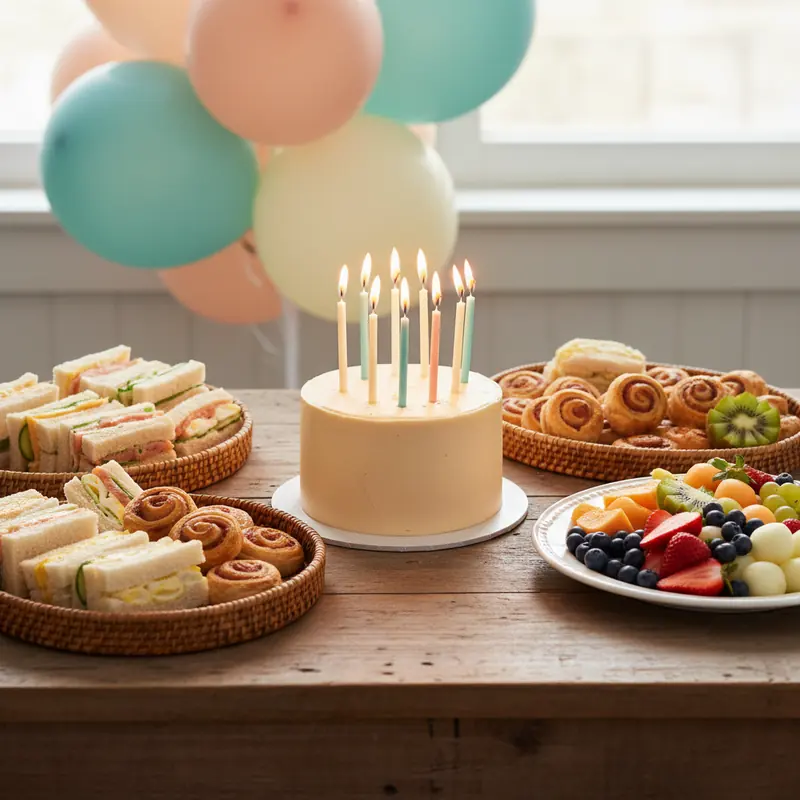
Before collecting replies, decide what you are actually offering. Is lunch available during a stated window, followed by cake and snacks, or is the whole event light refreshments only? Write that distinction into the invitation. A vague promise of food all afternoon makes it difficult for guests to say whether they will arrive hungry, and difficult for you to decide which replies belong in the meal count.
Once that offer is clear, use the Birthday Catering page to explore the occasion's food options, then check the current menu against your meal brief. If you have already invited everyone to lunch, retain that commitment for guests who confirm they will eat it. Do not quietly reclassify a late or short-stay guest as a snack guest simply to fit a smaller package.
2. Build an RSVP record with a separate meal answer
Use one row per person, even if several people reply together. Record their name or a recognisable label, expected arrival, expected departure, meal answer and snack answer. Give the meal field three possible states: confirmed meal, confirmed no meal, or unanswered. A blank is not the same as a no. Put food restrictions and the intended eating window alongside the row so they remain attached to the correct guest.
Ask a question people can answer directly: Will you eat lunch with us during [serving window], or are you joining for cake and snacks only? Follow up if someone replies only with an arrival time. Keep a note of the latest answer rather than leaving conflicting messages scattered across a group chat. You need an agreed eating plan, not a prediction based on how enthusiastic the RSVP sounds.
A guest row you can copy
Guest: [name or label]; arriving: [time]; leaving: [time]; meal: [yes/no/unanswered]; intended meal window: [time]; snacks: [yes/no/unanswered]; food requirements to confirm: [details]; latest reply: [record]. Ask one household contact to complete a separate row for each adult and child rather than treating a family as one eater.
3. Count meal guests once, not everyone in the room at once
Create your confirmed meal base by counting the distinct people whose meal answer is yes. Someone appears once in that base even if they leave briefly and return. Do not replace this total with the busiest moment in the room. Red Devil Restaurant's guide to staggered birthday arrivals explains that staggered arrivals change when people eat but do not necessarily reduce total food needs. Your RSVP record adds the important distinction between attendees who will eat a meal and those who will not.
Keep the overlap estimate on a separate line for chairs, plates in use and access to the serving table. A room that never contains all the meal guests together may still need food for every one of them over the afternoon. Conversely, a busy cake-cutting moment can include guests who explicitly declined lunch. Using the room count as the food count can therefore mislead you in either direction.
4. Do not turn visiting hours into fractional meals
A short visit is a scheduling fact, not a portion size. A guest who arrives for lunch and leaves immediately afterwards still belongs in the meal base. A guest staying through games and cake who has clearly declined lunch does not belong in that base, but their confirmed snack needs remain. Avoid a rule such as one hour equals half a meal: it hides the very information you collected.
Children also need an explicit answer rather than an automatic half-person label. Ask the accompanying adult what the child will eat, and ask the supplier how that translates into the proposed dishes and portions. Note any other food the host is providing, but describe it accurately. A birthday cake should not silently replace lunch, and an unconfirmed contribution from a relative should not be deducted from an accepted catering requirement.
5. Assign confirmed meal guests to serving windows
Now sort the meal rows into early, main and late eating windows that fit your programme. These groups allocate the existing meal base; they do not create extra guests. Put a late-arriving meal guest on the late list even if earlier guests will have left. If a person switches windows, move the row rather than copying it. If the party spans lunch and dinner, decide whether you are offering both meals and record a separate response for each.
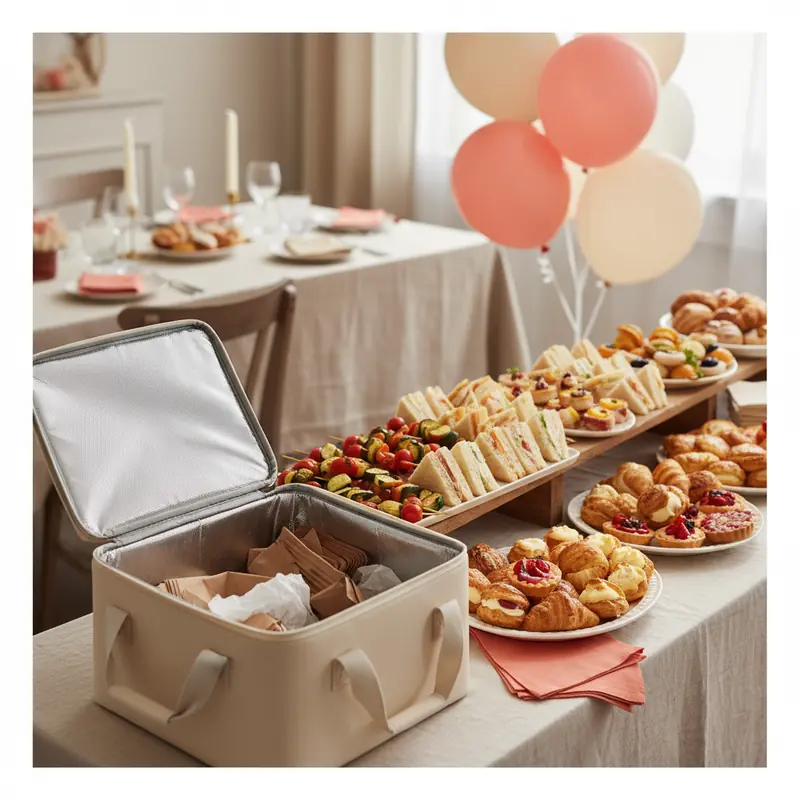
When reviewing Party Catering, ask which available food formats can work with those windows and whether portions can be reserved separately. Shared dishes may need a clear release plan; any individual packing must be specifically agreed. Get the supplier's advice on what can be held back and how. Dividing arrivals into groups does not establish that repeated deliveries, staffed replenishment or any particular equipment are included.
6. Give snacks their own list, including meal guests who want them
Snack-only guests are not zero-food guests. Keep their names visible, then add meal guests who also expect refreshments later. The snack list can overlap with the meal list without increasing the number of unique meal guests. Tell the caterer whether snacks are a small accompaniment to cake, the main food for a separate arrival group, or refreshments through activities. These are different menu roles even when the overall attendance is unchanged.
Check which items are already included in the meal proposal before asking for additional trays. A savoury item cannot be fully allocated to lunch and also assumed to remain untouched for the later snack group. Ask for the listed piece counts and explain the intended split. Treat cake, fruit or other host-supplied food as named contributions with a stated purpose, not as an invisible allowance that will somehow cover anyone who arrives hungry.
7. Keep unanswered meal RSVPs as an explicit range
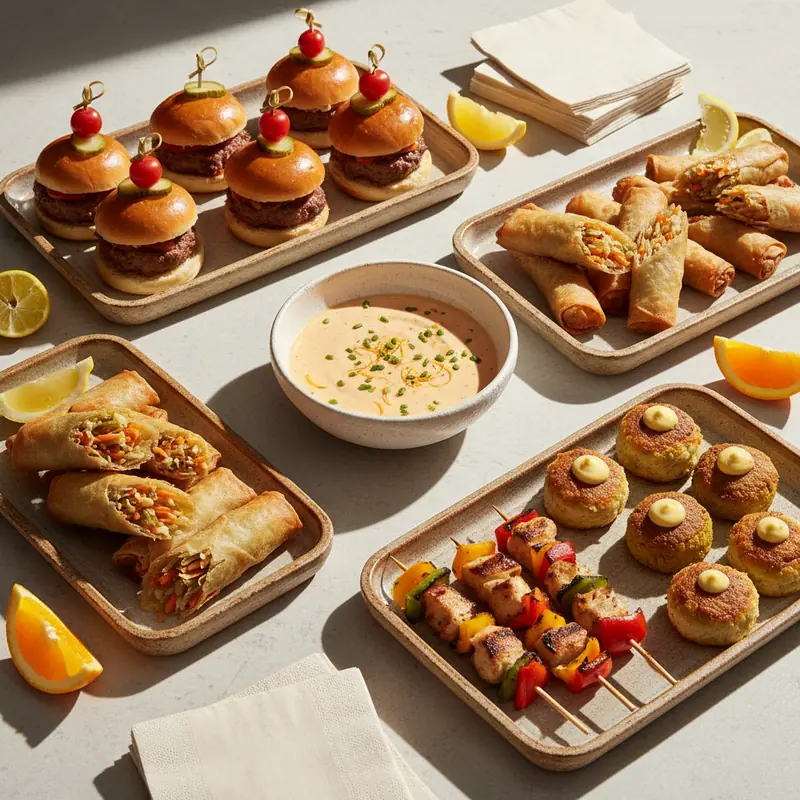
Maintain a confirmed base and a separate list of people whose meal plans are unanswered. The lower end of your planning range is the confirmed meal count; the upper end includes those pending guests if they all choose a meal. This is a range to discuss, not permission to ignore anyone who has not replied. Check when the caterer needs a final number, which quantities can still change and what any agreed backup arrangement would involve.
Falcon & Fig's portion and guest-count planning guide says a guaranteed count should represent people expected to eat and advises discussing buffers and change deadlines. Apply that as a question for your own order, not as a borrowed contract term. Do not add a fixed percentage merely because it sounds cautious; ask how the actual menu could accommodate the specific uncertainty.
Set a reply deadline and a decision owner
Set your guest follow-up deadline early enough to meet the supplier's confirmed amendment deadline. Decide who can approve a revised order and cost. If a guest remains undecided, tell the supplier exactly what is unresolved and obtain an agreed approach before confirming. Keep that decision with the final count so another family member cannot mistake the planning range for the accepted order.
8. Work through a hypothetical afternoon before choosing a package
Consider this hypothetical RSVP result: seven distinct guests confirm an early meal, six confirm the main window and four confirm a late meal. That makes 17 confirmed meal guests. Three different guests confirm snacks only, while two further guests have not answered the meal question. The meal planning range is therefore 17 to 19, with the snack-only requirement recorded separately. These figures illustrate counting, not a recommended order size.
Within that example, guest A eats early and leaves before guest B arrives for a late meal. Both A and B count once towards the 17 confirmed meal guests. Guest C comes only for cake and snacks and belongs on the snack list instead. If A also has snacks before leaving, record that snack need without adding a second meal guest. The relevant distinction is the food occasion, not another appearance at the table.
The example still does not prove that any named package will be enough. You must establish what the menu provides for those meal guests, what is reserved for the late group and which snacks need a separate allocation. The unresolved guests also require a decision before the amendment deadline. Arriving at a defensible headcount is a useful intermediate result, not the end of portion planning.
9. Read the ten-person option as a menu, not a room-capacity rule
Open the current 10 Person Catering Package details only after completing your meal base and serving windows. Read every listed dish, piece count and portion description. Ask whether its stated serving assumption is a complete meal, part of a wider spread or refreshments. A package name alone does not tell you how much of each dish a guest receives, and a photograph cannot establish an order's contents.
For the hypothetical 17-meal brief, a peak overlap near ten would not justify ordering only for ten. Instead, ask the supplier to explain a suitable combination or adjustment using the actual menu. Check whether additional quantities are available, in what units, and whether they can cover the late window without consuming the snack allocation. Confirm current charges individually rather than calculating a quote from a package label.
10. Compare the twenty-person option on the same assumptions
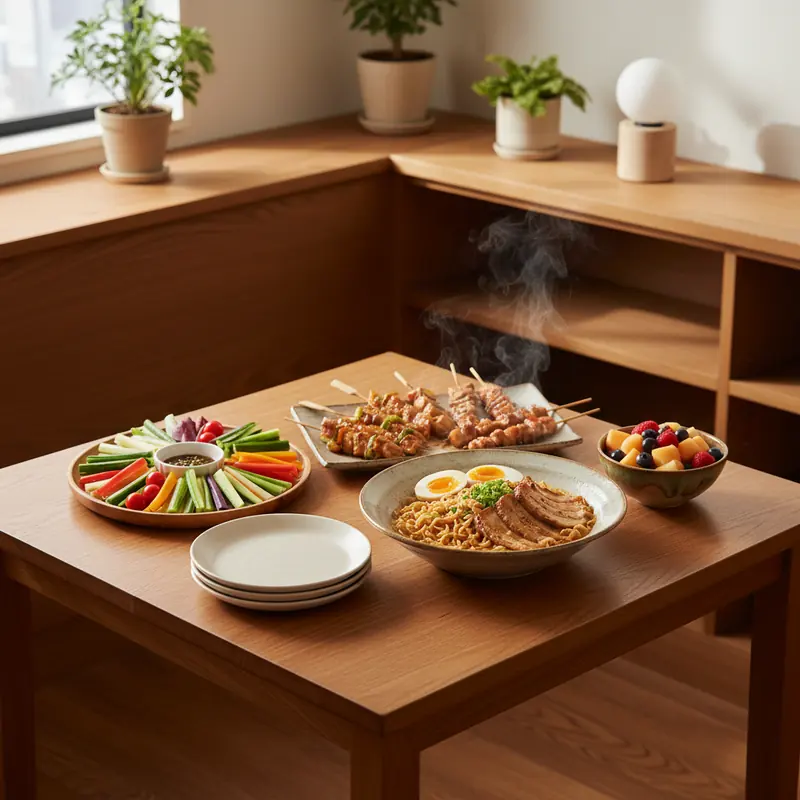
Review the 20 Person Catering Package against exactly the same brief: confirmed meal guests, pending range, snack needs and serving windows. Compare the actual listed quantities and dish mix with the smaller option and any proposed additions. Do not assume that a larger package is simply two smaller ones, or that its name guarantees every appetite, dietary request and later snack round will be covered.
Falcon & Fig's portion-planning guide notes that a tray described as serving twenty depends on a portion assumption and the broader menu. Ask the supplier to state that assumption for your order. Also identify any guests who need a separately confirmed dish, and check ingredients and cross-contact questions directly. Do not count a dish as suitable for a restriction merely because its name or reference image looks appropriate.
11. Connect the final meal window to delivery and holding arrangements
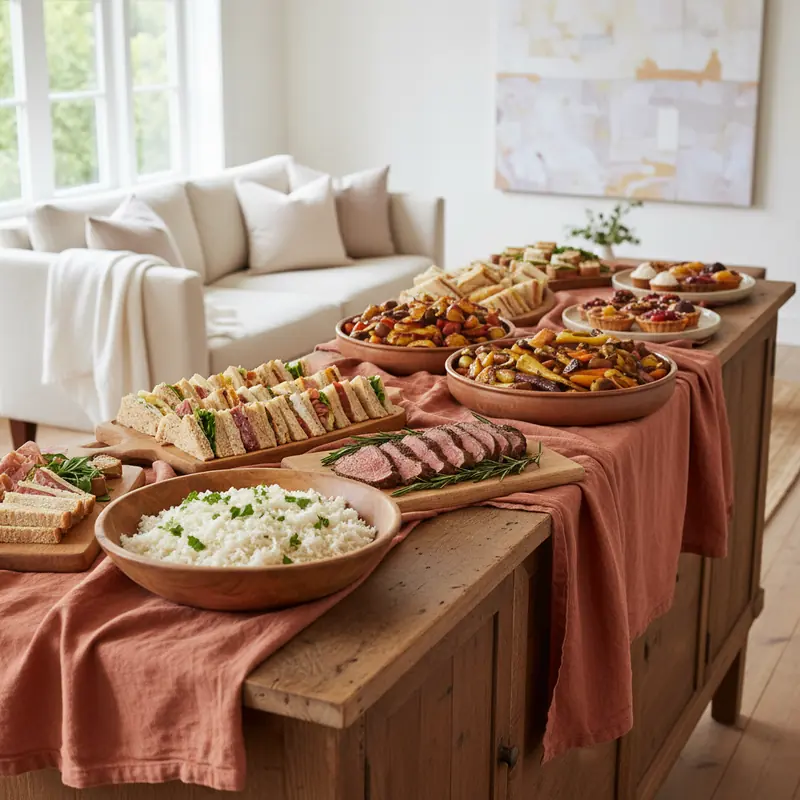
Your Party Food Delivery enquiry should name the first and last intended meal windows, not just the party's start time. Give the date and district, identify who will receive the food and ask for the proposed arrival arrangement and charges. If the venue has security access, restricted lifts or a booking window, flag those constraints before accepting the plan. A request for staggered serving is not a confirmed request for multiple deliveries.
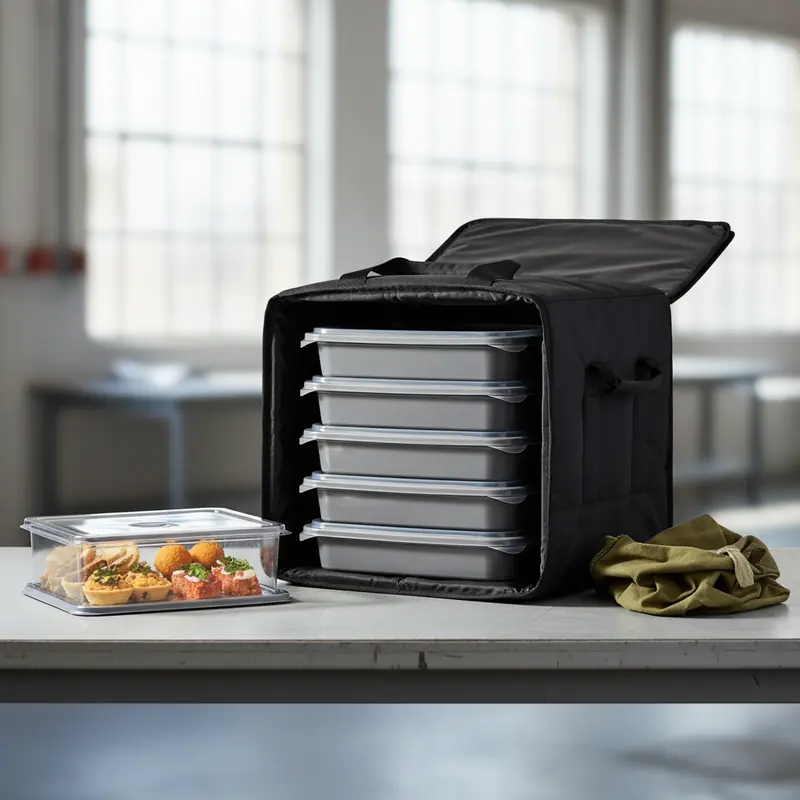
Ask the supplier and venue to confirm how reserved food should be held, whether refrigeration or reheating is needed, who provides any equipment and who handles the later release. Do not solve late arrivals by assuming opened food can remain on the table throughout the afternoon. If the venue cannot support the proposed holding or serving method, revise the menu or timing with the supplier before ordering; a clear headcount cannot compensate for an unworkable onsite arrangement.
12. Lock one meal brief and share a simple release note
Before confirming, put the accepted meal count, snack requirement, menu quantities, pending-guest decision and serving windows into one version of the brief. Keep the supplier's written confirmation alongside it, including charges and any agreed changes. Make clear which food is allocated to the early, main and late groups and who may open or serve it. Only describe separate packing or labels as part of the order if the supplier has agreed to provide them.
On the day, have one organiser update the arrival list and tell the person handling food about genuine timing changes. A guest moving from early to late changes the reservation, not the unique meal count; an additional guest asking for a meal changes the requirement and needs a separate decision. The goal is a traceable chain from each meal commitment to the confirmed menu and serving window, rather than a hopeful package choice based on whoever happens to be in the room.
Details to confirm before ordering
- Invitation states whether guests are offered a meal, snacks, or both, and gives the intended meal window.
- Each guest has an individual arrival, departure and meal response; unanswered replies remain visible.
- Confirmed unique meal count: [number]; pending meal guests: [number]; planning range: [lower–upper].
- Snack-only guests: [number]; meal guests also wanting snacks: [number]; host-supplied food: [items and purpose].
- Early, main and late meal allocations match the confirmed base, with lunch and dinner recorded separately if both are offered.
- Current menu quantities, serving assumptions, dietary questions and any additions are confirmed for the actual order.
- Final amendment deadline, pending-guest decision, delivery charges, receiving contact and reserved-food handling are agreed in writing.
Questions about this decision
What if a guest confirms lunch but arrives after the agreed serving window?
Keep them in the meal count and alert the organiser handling food. Check whether the supplier's agreed holding and serving arrangement can cover the changed time. Do not promise that a meal can be kept indefinitely; discuss an alternative before the event if the timing is uncertain.
Should the birthday host and family helpers be counted?
Yes, if they will eat the catered meal. Put them on the same individual RSVP record rather than assuming their portions will come from leftovers. Record their intended eating window if they will eat after helping other guests.
Can a household reply cover every family member?
One contact can send the reply, but ask for each person's meal and snack decision. A household may include an adult eating lunch, a child eating something separately and another person joining only for cake. One shared yes does not distinguish those requirements.
Does a snack-only guest need a reserved meal just in case?
Not automatically. Confirm what the invitation offers and whether their no-meal reply is definite. If you want a fallback, describe that request to the supplier and agree its quantity and terms rather than silently treating every snack guest as both a meal guest and a non-eater.
Should lunch and dinner be combined into one headcount?
Keep a distinct attendance response for each meal if you are offering both. The same person can need lunch and dinner, but that is two meal requirements, not two different guests. Ask for a menu and timing plan that explicitly covers both.
Sources and further reading
Reference only. Illustrations are AI-generated design references, not photographs of actual customer orders. Confirm current contents, prices and arrangements with our team.
For this guide:Birthday guests stay for one hour or all afternoon: how many meal portions should you order?
Plan catering for your event
Considering Birthday Catering? Send the date, district and the points discussed in this guide to YumYum Catering to confirm suitable options and a quotation.
Book Catering NowWhatsAppThis opens a prepared WhatsApp enquiry. Availability, details and price must be confirmed before booking.
Explore related services and designs
Compare relevant options, view design references and find the information you need before making an enquiry.
Party Catering
Compare party menu formats and food delivery considerations together, exploring shared platters, easy serving arrangements and the types of dishes suited to a social gathering.
Birthday Catering
Compare food arrangements for a birthday gathering, exploring shared savoury dishes, easy snacks and sweet additions that fit the occasion without assuming a particular age or guest count.
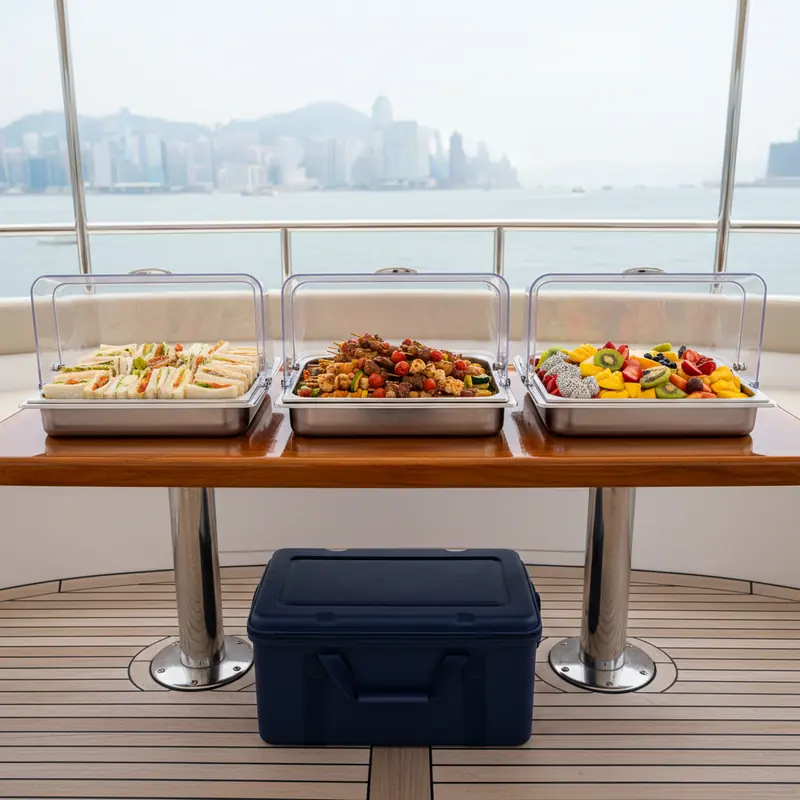
Junk Boat Party Catering
Compare food formats for a junk boat gathering, exploring portable sharing dishes and serving arrangements alongside pier delivery considerations, without assuming a particular vessel or delivery schedule.
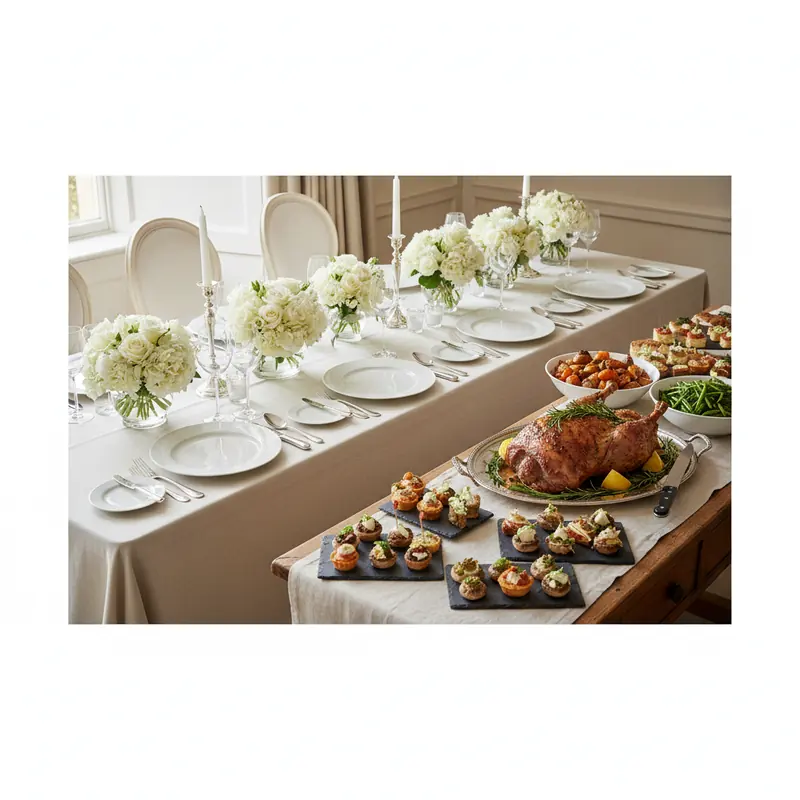
Wedding Catering
Explore wedding dining formats, comparing buffet and banquet style arrangements, savoury courses and reception serving layouts before considering the meal presentation that fits your celebration.
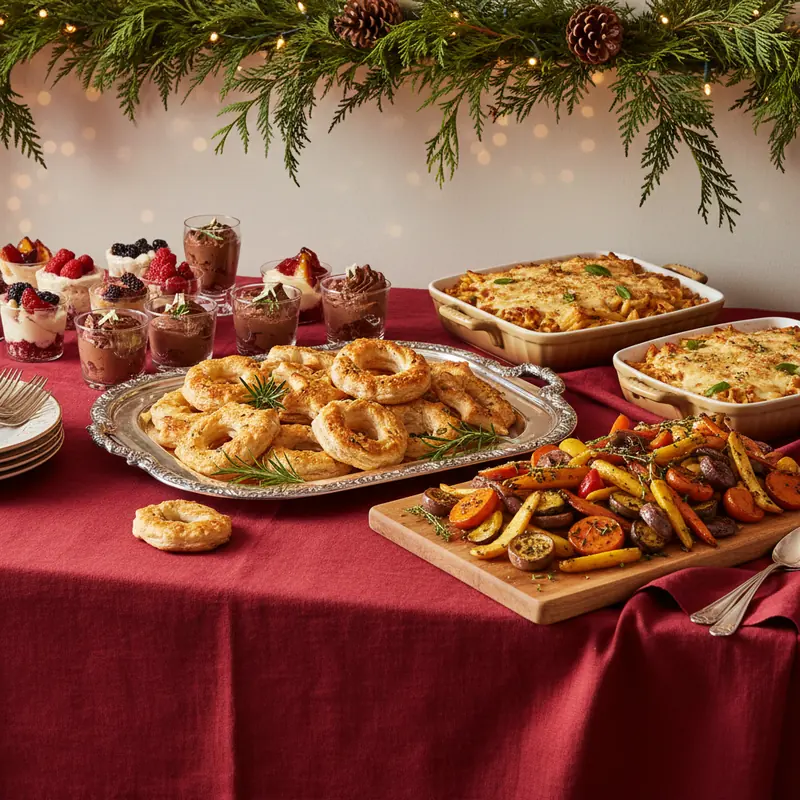
Christmas Party Catering
Explore Christmas party food combinations and festive serving layouts, comparing shared savoury dishes, small bites and sweet additions rather than focusing solely on a roast turkey centrepiece.
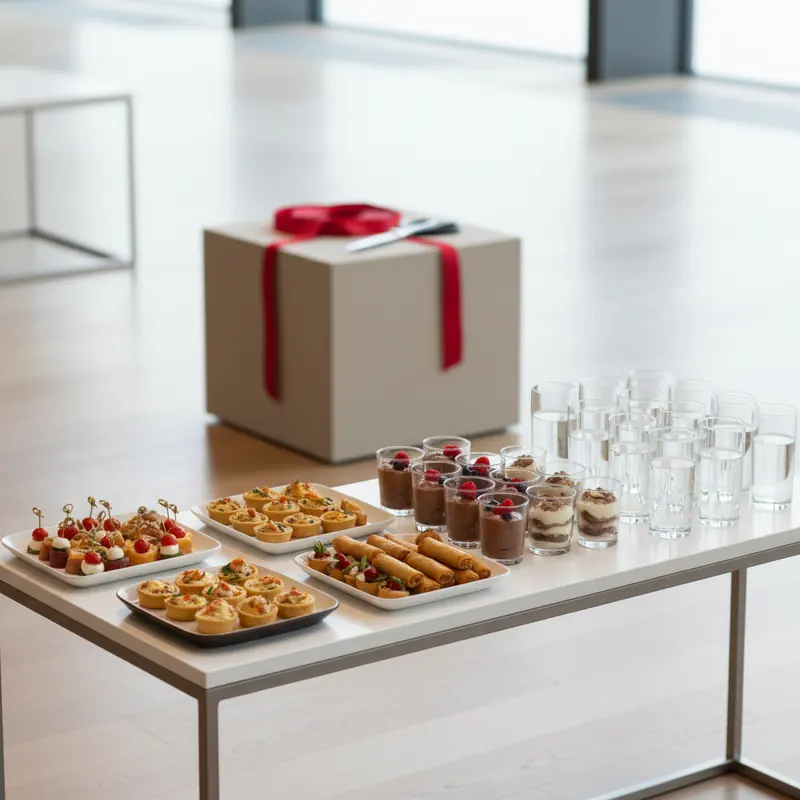
Grand Opening Catering
Explore catering formats for an opening reception, comparing easy to serve bites, shared dishes and refreshment arrangements that suit a ceremony without implying a particular business or venue.
Original AI-generated navigation references; designs and order details are subject to confirmation.
Useful options for your plans
Explore Party Catering for shared dishes and delivery considerations for your gathering.
Explore Birthday Catering to compare food arrangements for a birthday gathering.
Compare easy to serve food and refreshments for an opening reception with Grand Opening Catering.
Explore Junk Boat Party Catering to compare portable dishes and serving arrangements for a boat gathering.