YumYum Catering · Ordering guides
How to Order a Ceremony Roast Pig and Guest Dinner Separately for a Grand Opening
For this guide:How to Order a Ceremony Roast Pig and Guest Dinner Separately for a Grand Opening
Plan catering for your event
Considering Grand Opening Catering? Send the date, district and the points discussed in this guide to YumYum Catering to confirm suitable options and a quotation.
Book Catering NowWhatsAppThis opens a prepared WhatsApp enquiry. Availability, details and price must be confirmed before booking.
A roast pig can be the centrepiece of an opening ceremony and a dish that guests later share. Neither role, however, tells a caterer how many people need dinner. At a Hong Kong shop or office opening, business partners may attend the ribbon cutting and leave, while colleagues stay for a meal. The ceremony food, the dinner and the people attending each stage need separate instructions.
If you are deciding how to order roast pig and dinner separately for a grand opening, start with two briefs labelled A: Ceremony and B: Dinner. Put them beside the same event schedule, then send both for quotation. Separate planning does not necessarily mean different suppliers, separate invoices or separate payments. It means that nobody has to guess whether a whole pig is needed for photographs, who cuts it, or what dinner guests will eat afterwards.
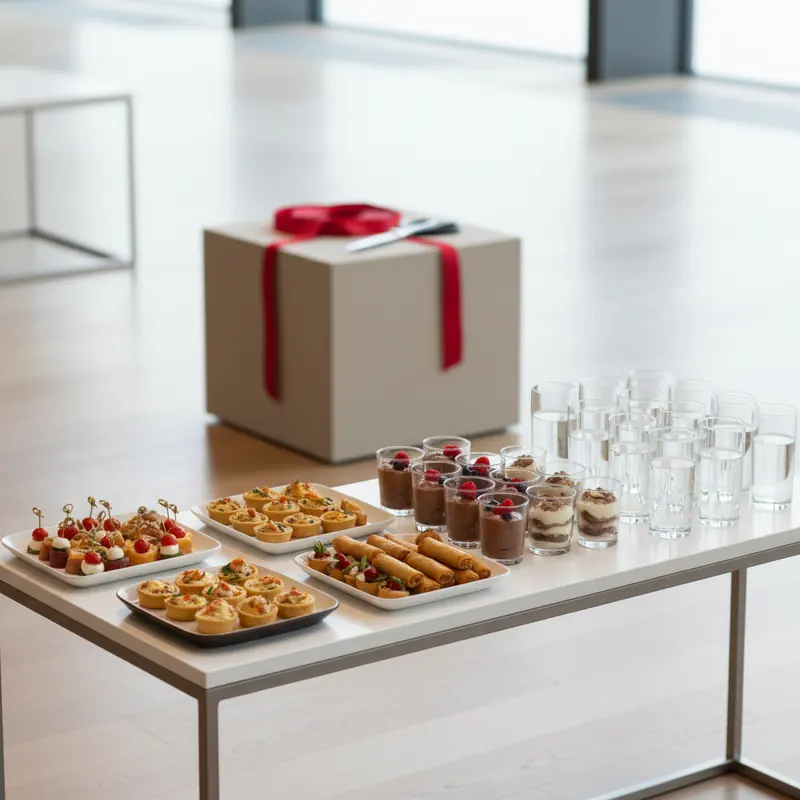
Separate the ceremony purpose from the meal commitment
Write a purpose sentence at the top of each brief. For A, this might be 'whole roast pig for the opening presentation, followed by sharing after the ceremony'. For B, it might be 'dinner for confirmed guests remaining after the public reception'. These are sample descriptions, not a requirement to serve the pig twice. If it will not be offered to guests, say so; if its later use is undecided, leave that decision visibly pending rather than allowing it to reduce the dinner order.
There is a practical reason to distinguish these scopes. The published La Casa grand opening package lists ceremonial food and drinks, canapés, and wait-service and setup as separate components within a package. That illustrates how several jobs can sit under one event order; it does not establish what another caterer includes. Use Grand Opening Catering to discuss the wider reception, and ask whether refreshments, drinks, setup and service would be separate quoted items alongside your ceremony and dinner briefs.
Brief A: specify the roast pig's presentation state
A request for 'one roast pig for an opening' leaves a crucial question unanswered: must it arrive whole, already cut, or prepared in another agreed presentation? If an intact appearance matters for the ceremony, describe that before accepting a food recommendation. If ease of serving matters more, ask what preparation options are available and how they affect the display. Do not assume that a photographed whole pig represents the state in which every order arrives.
When reviewing Roast Pig Catering, ask for written confirmation of the whole or pre-cut state, presentation arrangement, any included cutting service and a quantity recommendation for your intended use. Describe the ceremony audience separately from the people expected to eat it. A supplier's recommendation should relate to the specific product and the rest of your menu, not an assumed fixed number of dinners from a single pig.
The essential fields for the ceremony brief
Record A as: event date and district; ceremony location; presentation time; required arrival state; intended cutting time; person responsible for cutting; platter, tray and utensil responsibility; and planned use after the ceremony. Add 'to be confirmed' wherever a supplier or venue answer is still needed. This makes an unresolved service request visible before payment rather than disguising it as an agreed inclusion.
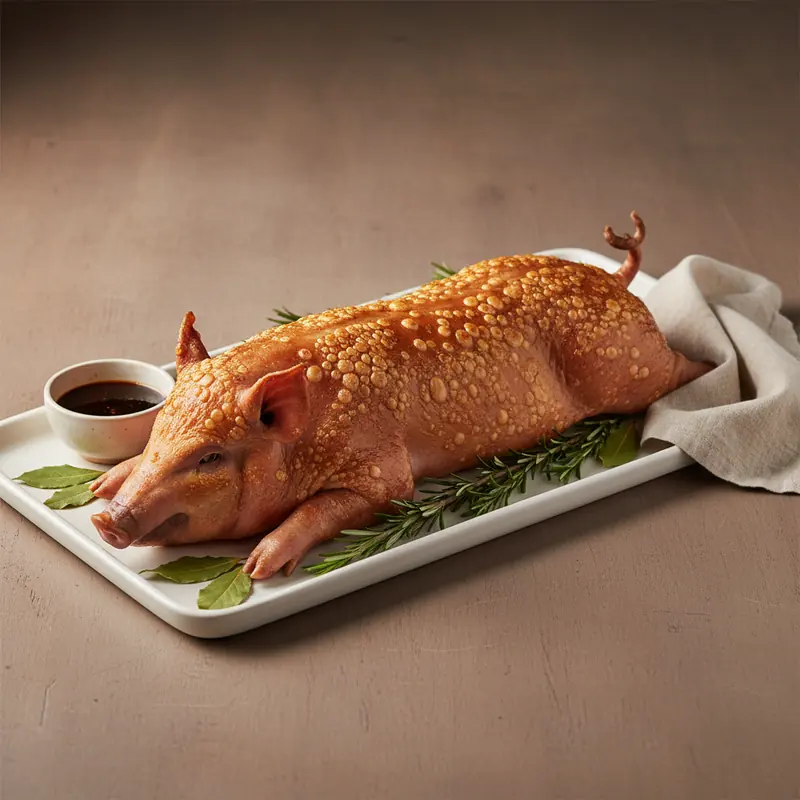
Name who cuts, portions and moves the roast pig
A ceremonial cut and portioning food for guests are different tasks. Identify who makes the ceremonial cut, who subsequently prepares serving portions, and where that work can take place. Ask whether the supplier offers the required service or whether the host must arrange it separately. A delivery person should not be treated as the cutting or serving team unless those duties have been agreed. Likewise, the person posing for photographs should not automatically become responsible for preparing the food afterwards.
Settle the equipment and transfer route at the same time. Ask who supplies the display platter, suitable cutting equipment, working surface, serving utensils, trays and containers. Establish who moves the food away from the ceremony area once photographs finish, and where it goes next. If any equipment is hired or must be returned, identify the return contact and conditions. These details are particularly important when the entrance display and the dinner tables are on different floors or controlled by different venue teams.
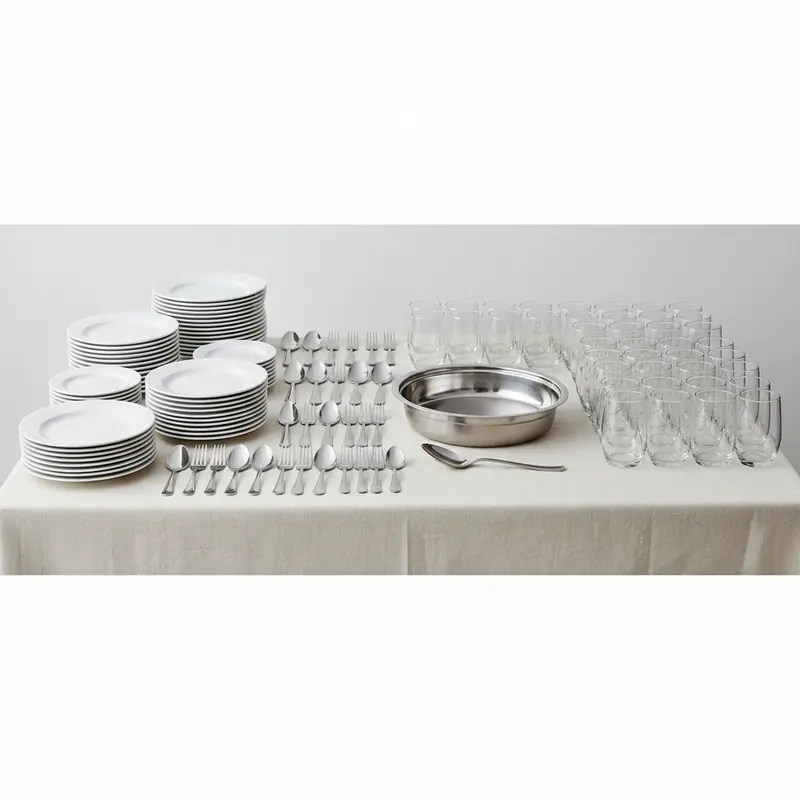
Count dinner guests separately from ceremony attendance
Use an invitation response that distinguishes ceremony only, ceremony and dinner, and dinner only. The last category matters: a colleague arriving after the ribbon cutting still needs a meal even though they never saw the roast pig. Keep unconfirmed attendance separate from accepted invitations, and tell the dinner supplier when you expect to settle that uncertainty. Do not order dinner from the total ceremony invitation list or from the number of people likely to appear in the opening photograph.
Maintain a separate note for people who may share the pig after the ceremony. That group may overlap with dinner guests without matching them. Include organisers or crew who need a meal in the relevant dinner count rather than assuming they will eat what remains. For a hypothetical opening where visiting partners leave before dinner and staff arrive after closing their counters, the dinner list could be quite different from the ceremony list. The lesson is to record attendance by stage, not infer it from job titles or a shared invitation.
Brief B: choose a dinner that works without assumed leftovers
Build the dinner around the confirmed stayers and the meal format the venue can actually support. State whether guests will sit at tables, collect portions from shared trays or receive individual meals. Ask for a proposed menu with main dishes, vegetables and appropriate rice, noodles or other staples, along with the quantities included. A list of attractive dishes is not enough if it leaves unclear whether guests have a complete meal or only a selection of snacks.
If ceremony roast pig is intended to join dinner, describe it as a planned supplementary dish and ask how the proposed menu should account for it. Do not make your own deduction from the dinner guest count based on an assumed yield. Confirm dietary requests for the actual dinner attendees, including anyone who will not eat pork, and ask what alternatives and labelling can be provided. Neither the roast pig image nor a general menu name establishes ingredients, dietary suitability or cross-contact arrangements.
The essential fields for the dinner brief
Record B as: confirmed dinner attendance and unresolved responses; meal location; desired serving time; seated, shared-tray or individual format; proposed menu and staples; quantity recommendation; dietary requests needing confirmation; tableware and service requirements; and whether ceremony roast pig is expected as a supplement. Ask the supplier to state any recommendation that depends on the pig being available, so you can see what would need revising if that plan changes.
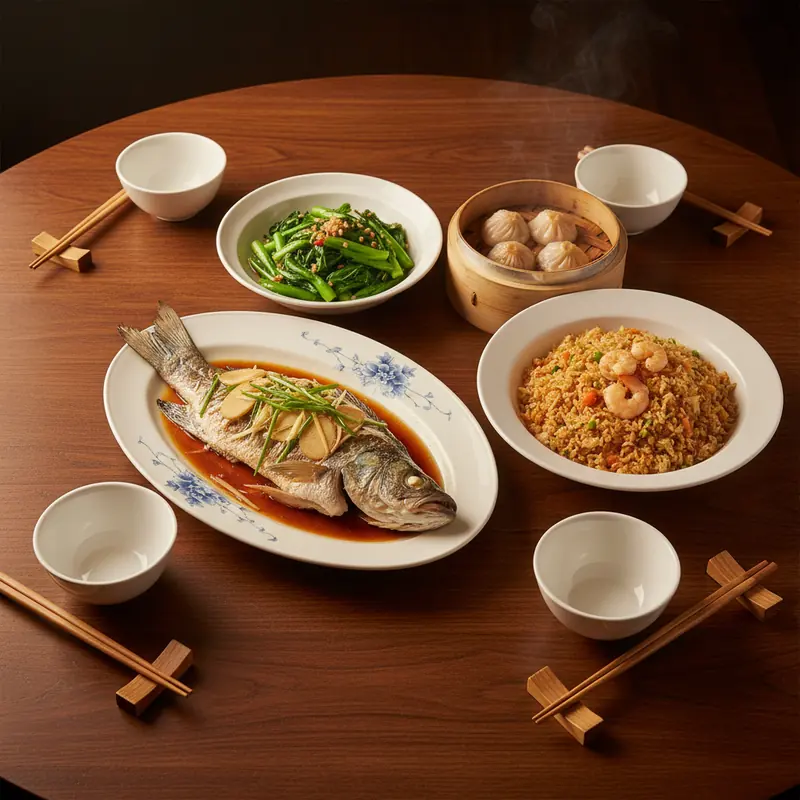
Keep optional dim sum distinct from the dinner order
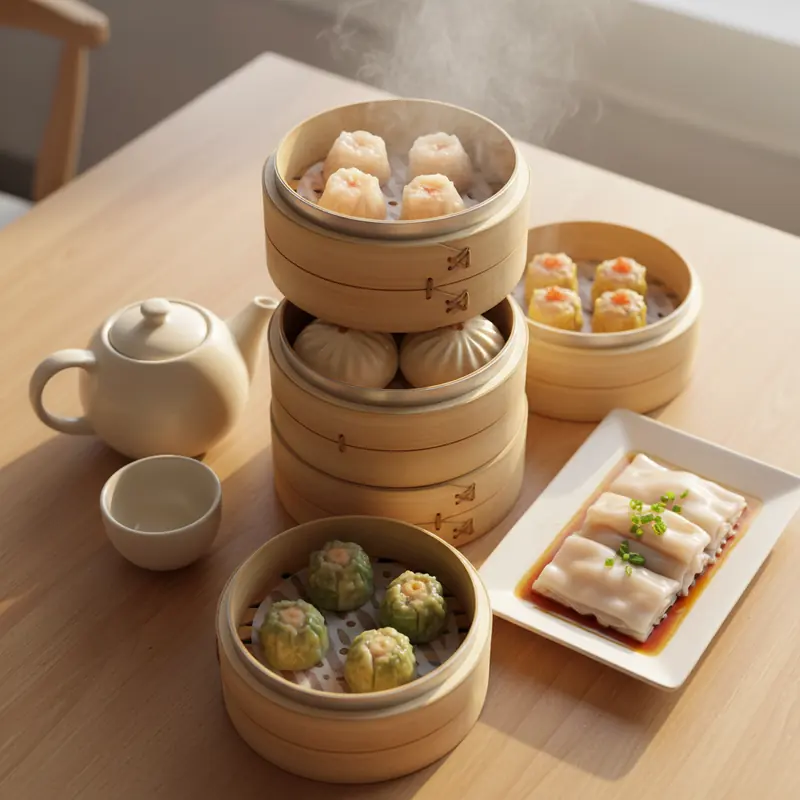
There may be a gap after the ribbon cutting when some visitors stay to talk but will not attend dinner. Decide whether that period genuinely needs light refreshments. If it does, Dim Sum Catering is an option to discuss for a separate light-reception item, with the selection, serving method and quantity confirmed for that stage. It is not an automatic addition to a roast pig order and need not be ordered if the programme does not call for it.
Give those refreshments their own audience and purpose within A rather than merging them into B's meal count. Ask how they will be distributed, what plates or utensils are needed and who clears the area before dinner setup. A quantity of dumplings or buns cannot be translated directly into a dinner headcount. If a proposed snack service starts to resemble another meal, return to the schedule and decide whether it is useful, rather than adding food simply because there is time between the ceremony and dinner.
Consider poon choi only when shared dining fits the venue
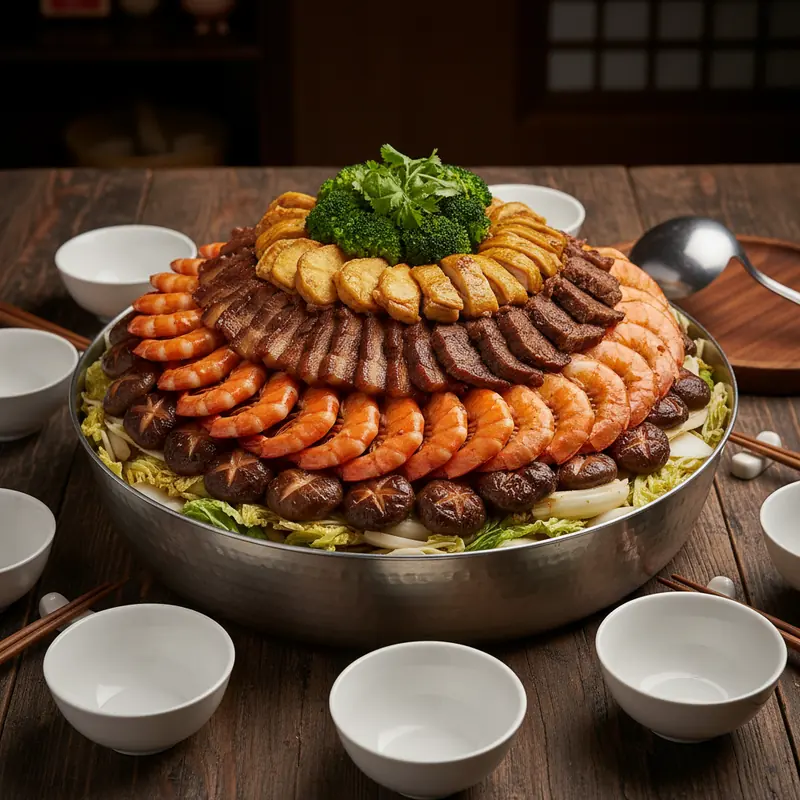
Poon choi can be considered for B when guests will share food at suitable tables and the venue can support the proposed service. Use Poon Choi Delivery to ask about the current menu, a quantity recommendation for the dinner list, the serving vessel and any required holding or heating arrangements. Confirm those details for your order; a reference picture does not prove which ingredients, accompaniments or equipment are included.
Before choosing this format, ask where each vessel will sit, how diners will reach it, what serving utensils and individual tableware are needed, and who is responsible for setup and clearing. If heating is proposed, obtain the venue's agreement and the supplier's equipment instructions rather than assuming an office pantry is suitable. Where guests will remain standing or the venue cannot provide the required facilities, ask for another dinner format. Poon choi is a conditional alternative, not a necessary partner to the ceremony pig.
Set two arrival windows against the event programme
Work backwards from two different moments: the roast pig being ready for presentation and the dinner being ready to serve. For A, mark permitted venue access, the receiving window, display setup, ceremony and cutting. For B, mark dinner-area access, the receiving window, setup and service. Include the transition between them. Arrival and readiness are not interchangeable: food reaching a loading point does not establish that it is already upstairs, unpacked and arranged for guests.
Discuss the proposed windows with the supplier rather than inventing a precise delivery promise. The Lisboa whole suckling pig ordering page says its team contacts customers to confirm order and delivery details, illustrating that product selection and logistics confirmation are separate steps. Its conditions are not YumYum's terms. Ask YumYum Catering what is feasible for your date and venue, and whether two arrivals or another explicitly agreed arrangement would suit the programme.
Give each handover a receiving contact and destination
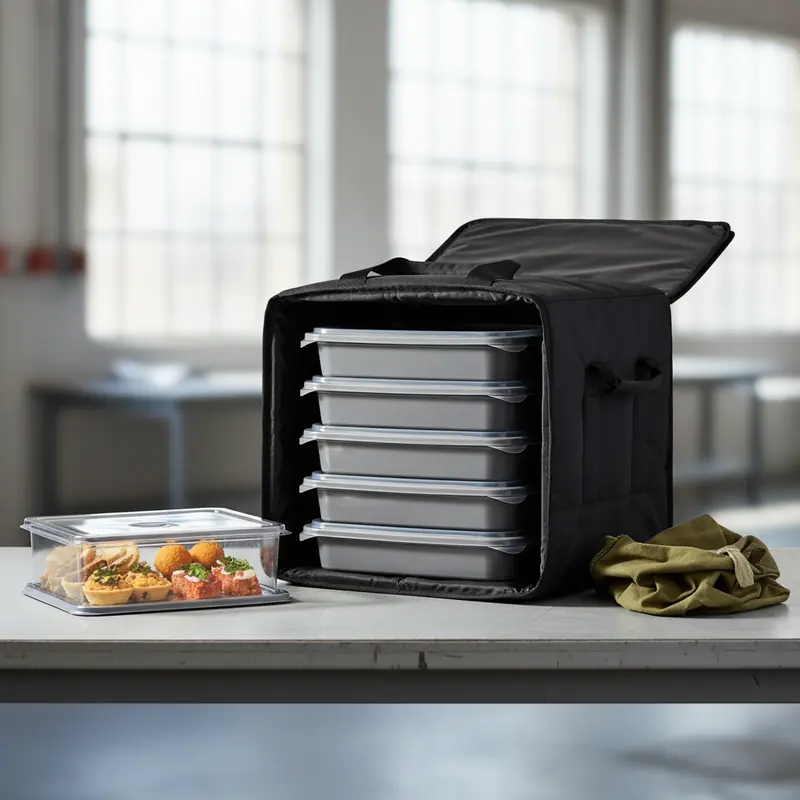
Use Catering Delivery to enquire about separate ceremony and dinner windows, delivery or collection options, receiving floors, access arrangements and related charges. Do not assume that the same date means one delivery, that two windows cost the same as one, or that a requested time has been accepted. If someone will collect either order, confirm who collects it, the agreed collection location and how it will reach the correct event area.
Label the scope on the confirmation and ask how the packages can be distinguished at handover: A for ceremony food and B for dinner. Give each a receiving role and backup, with the relevant floor and approved entry route. If different suppliers are involved, nominate one organiser to coordinate them, but keep each supplier's responsibility specific. At receipt, the contact should compare the items and equipment with the agreed list and raise discrepancies through the agreed contact, rather than assuming the missing pieces will arrive with the other order.
Compare quotations by scope, not just the combined total
Ask for A and B to be identifiable in the quotation, even if one supplier issues one document. Under A, distinguish the pig, any presentation or cutting service, optional reception food and equipment. Under B, distinguish the dinner menu, quantities, service and tableware. Show transport, setup, collection or returns against the relevant scope, or explain clearly which charge covers both. This lets you compare like with like without insisting on two invoices where one itemised quotation would do.
Look for duties that disappear between the two scopes. Does cutting finish with portions on a tray, or include distributing them? Does dinner setup include moving the ceremony table? Who clears used serving vessels? An item that is not included is not necessarily a problem, provided you assign it elsewhere. Ask for current charges, payment arrangements, change deadlines and cancellation conditions before confirming. If changing A affects B's menu or logistics, request a revised combined confirmation rather than relying on an isolated message about one item.
Resolve the interval before assigning the pig to dinner
When presentation and dinner are separated by a substantial interval, ask the supplier and venue how the roast pig should be handled after display and cutting, where it would be kept, and who would be responsible until service. Do this before counting it as part of the dinner plan. Do not assume it can remain on the ceremony table until guests sit down, or that the venue has appropriate storage simply because it has a pantry.
If the supplier's handling requirements cannot be supported at the venue, revise the plan with them. Possible discussions include sharing it at the earlier stage under an agreed arrangement or removing its expected contribution to dinner and reviewing B accordingly. These are planning options, not assurances that a particular handling method is suitable. The important decision is to establish a feasible, confirmed arrangement instead of making the later meal depend on food whose transfer and care have no named owner.
Send the paired briefs and close the remaining decisions
Send A, B and the event schedule together so the person quoting can see their dependencies. Ask for answers against the unresolved fields rather than sending separate conversations that never mention each other. Review the response with whoever controls venue access and dinner setup. A menu acceptance is only one part of the arrangement; presentation state, attendance, service duties and both arrival windows also need a clear answer.
Before sharing the final plan with helpers, mark the accepted version and identify who may authorise changes. If the ceremony moves later, the decision-maker needs to check the effect on cutting, the reception interval and dinner readiness, not just change the time printed on the programme. Keep one final contact sheet for the event, while retaining A and B as separate scopes. You then have a coordinated opening celebration without confusing a ceremonial centrepiece with the whole dinner commitment.
- Brief A: date [ ], district [ ], presentation location [ ], whole or pre-cut state [ ], display time [ ], cutting duties [ ], equipment [ ], post-ceremony use [ ].
- Brief B: dinner attendance [ ], unresolved responses [ ], meal format [ ], menu and staples [ ], serving time [ ], tableware and service [ ], roast pig contribution, if any [ ].
- Shared schedule: A arrival window and receiver [ ], B arrival window and receiver [ ], access constraints [ ], overall coordinator [ ], outstanding supplier or venue answers [ ].
Details to confirm before ordering
- Confirm whether A arrives whole or pre-cut, when it is displayed and who performs the ceremonial cut and subsequent portioning.
- Identify who provides the platter, cutting surface, utensils, serving trays and any containers or returnable equipment.
- Separate ceremony attendance, roast pig sharing participation and confirmed dinner attendance, including dinner-only arrivals.
- Confirm B's menu, staples, quantities, dietary requests and whether the pig is a supplement rather than an assumed meal allowance.
- Agree A and B arrival windows, delivery or collection methods, receiving roles, floors and venue access requirements.
- Resolve handling between ceremony and dinner with the supplier and venue before relying on the pig for later service.
- Obtain identifiable A/B quotation scopes, all relevant charges, payment terms, change deadlines and cancellation conditions.
Questions about this decision
Do separate ceremony and dinner briefs require two invoices?
No. The briefs separate requirements and responsibilities, not necessarily billing. Ask the supplier whether it will provide an itemised combined quotation or separate order documents, then confirm the payment and invoicing arrangement that applies.
What if the dinner attendance is still uncertain when I enquire?
Provide confirmed attendance and outstanding responses separately. Ask which quantities the quotation assumes, when the final count must be accepted and how a change would affect the menu, charges and logistics. Do not present an estimate as a settled order.
Can I collect the roast pig and have dinner delivered?
You can request that combination, but each method needs separate acceptance. Confirm collection details for A, the delivery window for B, relevant charges and who receives or transports each order. Availability is not established by sending the request.
What should I do if the ceremony runs late on the day?
Have the nominated coordinator contact the affected supplier and venue contacts. Ask what adjustments are feasible for cutting, handling and dinner service. Do not assume the dinner arrival can move automatically or ask a delivery person to absorb an unagreed waiting or serving duty.
Can the reference images be used as the final menu specification?
No. These are AI-generated design references, not photographs of your order. Confirm the actual product, presentation, ingredients, quantities and included equipment in writing; use images only to help explain the aspect of presentation you want to discuss.
Sources and further reading
Reference only. Illustrations are AI-generated design references, not photographs of actual customer orders. Confirm current contents, prices and arrangements with our team.
For this guide:How to Order a Ceremony Roast Pig and Guest Dinner Separately for a Grand Opening
Plan catering for your event
Considering Grand Opening Catering? Send the date, district and the points discussed in this guide to YumYum Catering to confirm suitable options and a quotation.
Book Catering NowWhatsAppThis opens a prepared WhatsApp enquiry. Availability, details and price must be confirmed before booking.
Explore related services and designs
Compare relevant options, view design references and find the information you need before making an enquiry.
Grand Opening Catering
Explore catering formats for an opening reception, comparing easy to serve bites, shared dishes and refreshment arrangements that suit a ceremony without implying a particular business or venue.
Roast Pig Catering
Compare roast pig centrepiece presentations and shared serving considerations, exploring how a whole roasted dish can fit a banquet or gathering without assuming a specific size or yield.
Junk Boat Party Catering
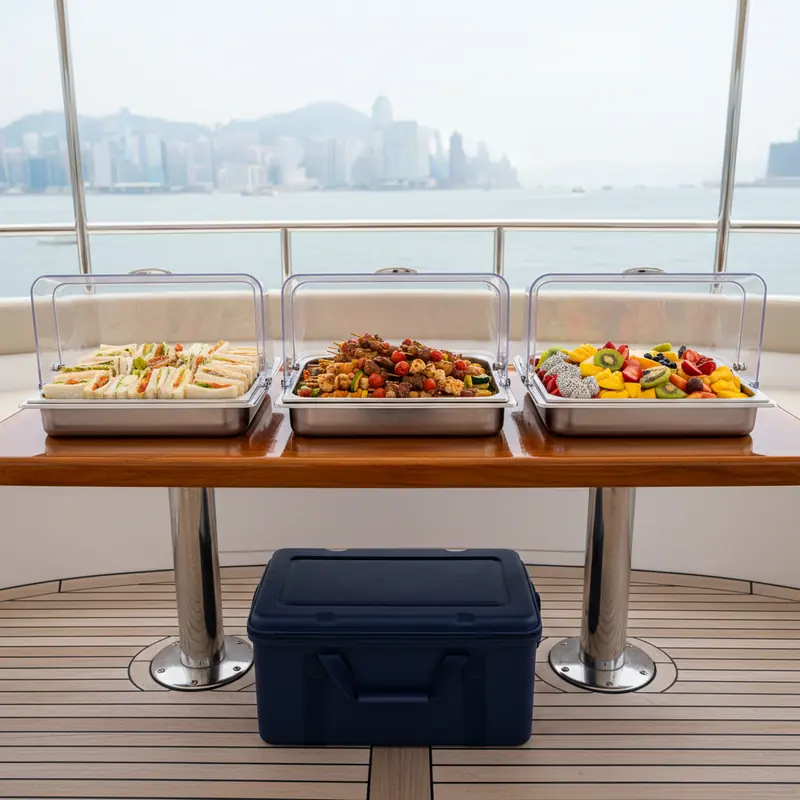
Compare food formats for a junk boat gathering, exploring portable sharing dishes and serving arrangements alongside pier delivery considerations, without assuming a particular vessel or delivery schedule.

Birthday Catering
Compare food arrangements for a birthday gathering, exploring shared savoury dishes, easy snacks and sweet additions that fit the occasion without assuming a particular age or guest count.
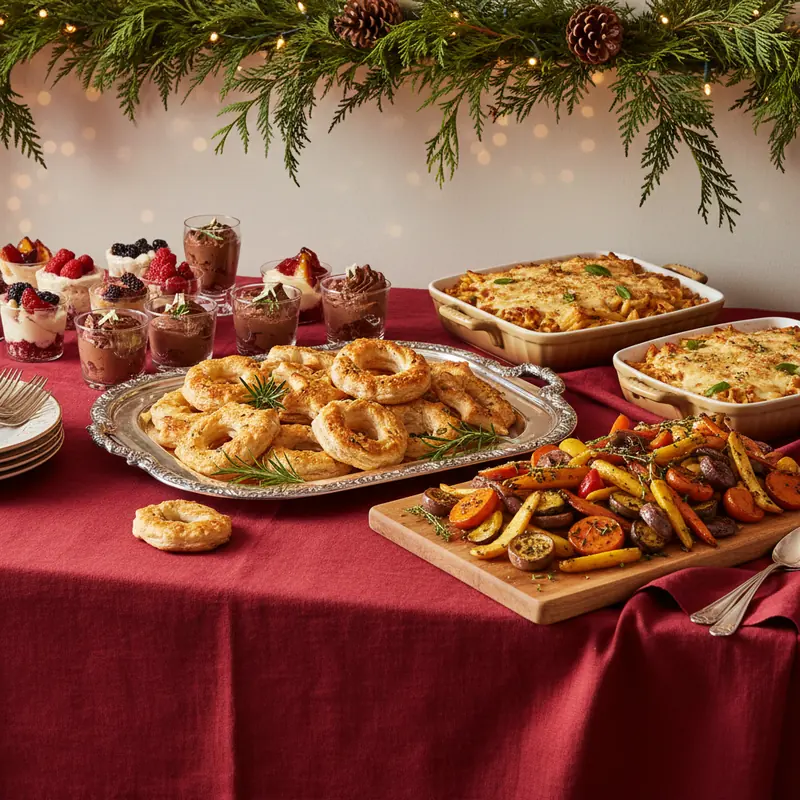
Christmas Party Catering
Explore Christmas party food combinations and festive serving layouts, comparing shared savoury dishes, small bites and sweet additions rather than focusing solely on a roast turkey centrepiece.
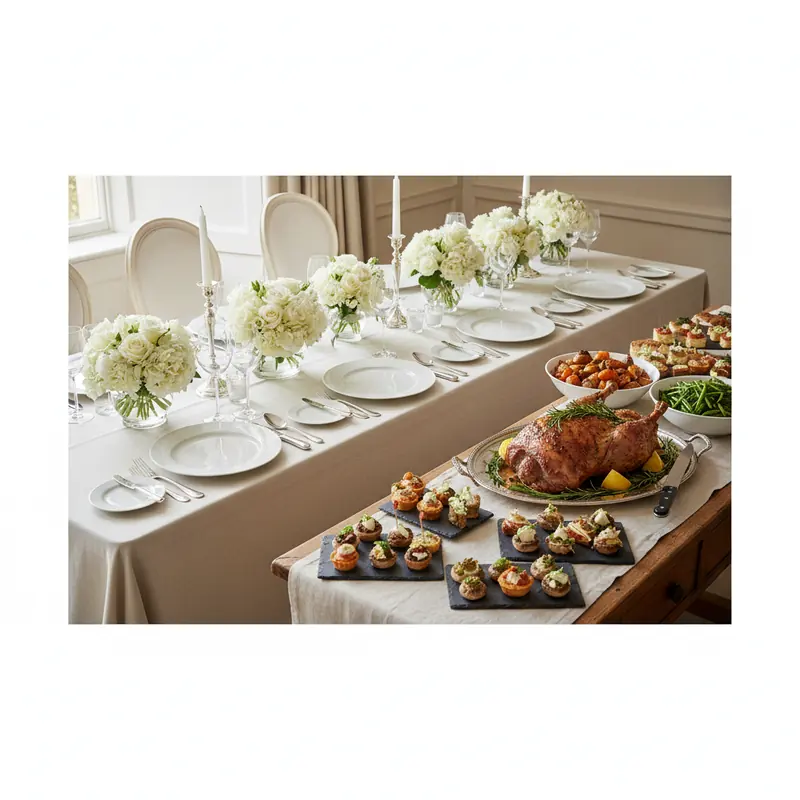
Wedding Catering
Explore wedding dining formats, comparing buffet and banquet style arrangements, savoury courses and reception serving layouts before considering the meal presentation that fits your celebration.
Original AI-generated navigation references; designs and order details are subject to confirmation.
Useful options for your plans
Compare easy to serve food and refreshments for an opening reception with Grand Opening Catering.
Explore Roast Pig Catering to compare centrepiece presentation and shared serving considerations.
Explore Junk Boat Party Catering to compare portable dishes and serving arrangements for a boat gathering.
Compare buffet and banquet style arrangements for your celebration with Wedding Catering.