YumYum Catering · Ordering guides
Poon Choi and Platters: How to Split Portions for Seated Guests and Drop-In Visitors
For this guide:Poon Choi and Platters: How to Split Portions for Seated Guests and Drop-In Visitors
Plan catering for your event
Considering Poon Choi Delivery? Send the date, district and the points discussed in this guide to YumYum Catering to confirm suitable options and a quotation.
Book Catering NowWhatsAppThis opens a prepared WhatsApp enquiry. Availability, details and price must be confirmed before booking.
A family gathering can have two different meals happening under one roof. Some guests settle around a table for poon choi; others stop by, catch up and take food from a sideboard. The awkward part is not simply the total attendance. It is deciding what to order when the seated diners will also help themselves to the visitor platters before dinner.
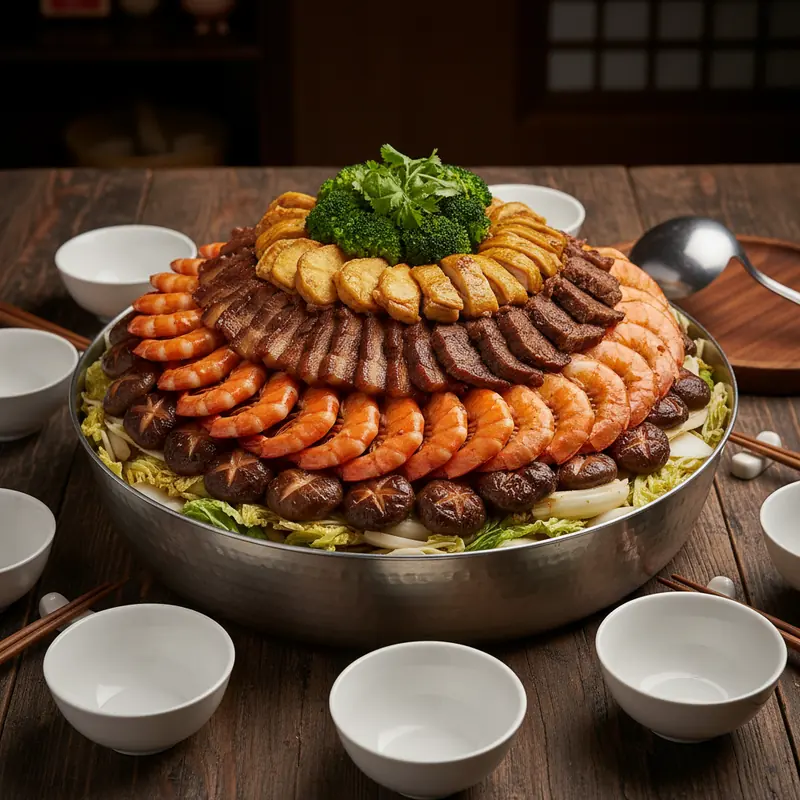
To work out how to split poon choi and platter portions, start with names and eating plans rather than a basin-to-platter ratio. Make one attendance list, give each guest a main-meal arrangement, and note any extra food they will take from the other station. Then check the current menu's serving descriptions. The steps below turn those notes into a practical order brief without assuming that every platter or every package feeds the same number of people.
Start with one guest list and two food records
Write a single attendance list first. Beside each name, record whether the person is confirmed for the seated poon choi meal, visiting without a dinner seat, or still undecided. Add their expected arrival and departure window. This makes it easier to spot a guest who appears in both a family dinner message and a separate visitor invitation, without accidentally deleting their food needs when you remove the duplicate name.
Next, create two food records: one for the basin meal and one for the platter station. A person appears once on the attendance list but may have an entry on both food records. For the basin record, the useful question is whether they will eat that main meal. For the platter record, the useful question is what they will take there and when. Keep uncertain attendance visible instead of quietly treating every possible visitor as a confirmed dinner guest.
Keep cross-station snacks visible without adding a second dinner
Ask the seated group whether they expect to take a few arrival snacks or eat substantially from the platters. Record that distinction explicitly. Someone having a small pre-dinner plate still belongs in the poon choi dining count; their snack demand does not disappear just because they have a seat. Equally, marking that person as a platter user should not automatically create a second full-meal requirement.
If the platter station opens well before the basin meal, tell the supplier about that gap. The overlap may be more substantial than it would be with a brief welcome followed immediately by dinner. Do not reduce the basin order by an invented percentage because snacks are available. If seated guests intend to eat a substantial platter meal first, reconsider the sequence or ask for a revised menu-specific recommendation, rather than trying to hide that change inside the headcount.
Decide when a visitor needs more than refreshments
A drop-in label describes an invitation, not an appetite. Ask whether visitors will have eaten elsewhere and whether their stay crosses the main dining time. Someone stopping for a short greeting after lunch has a different requirement from someone arriving after work with no other dinner planned. Give those visitors separate descriptions in the order brief, even if both groups will use the same sideboard.
For visitors relying on the platters as their meal, decide whether the proposed selection genuinely includes the more substantial food you want to offer. Rice, noodles or sizeable mains change the station's role from light refreshments towards a fuller meal. That may also change the plates, bowls and seating needed. If a visitor is instead joining the poon choi table, move their main-meal assignment to the basin record and retain only their actual snack overlap on the platter record.
Match the basin order to the seated meal first
Use the Poon Choi Delivery page to review basin choices and ordering details, then ask for the suggested dining servings of the particular option you are considering. Give the confirmed seated count and any unresolved additions. Check whether the recommendation assumes accompaniments, whether rice or other staples are included, and what changes when you choose a different basin. A serving description belongs to that selection, not automatically to every dish in the order.
The combination itself is a reasonable planning option: Catering Moment's poon choi guide describes poon choi with snack platters and a snacks-before-main-course sequence. That supports planning different food roles, but it does not establish a universal split between them. Keep the seated meal as its own line in your brief, and discuss its quantity using the supplier's stated servings rather than borrowing a portion rule from the snacks.
Translate each platter into pieces or weight
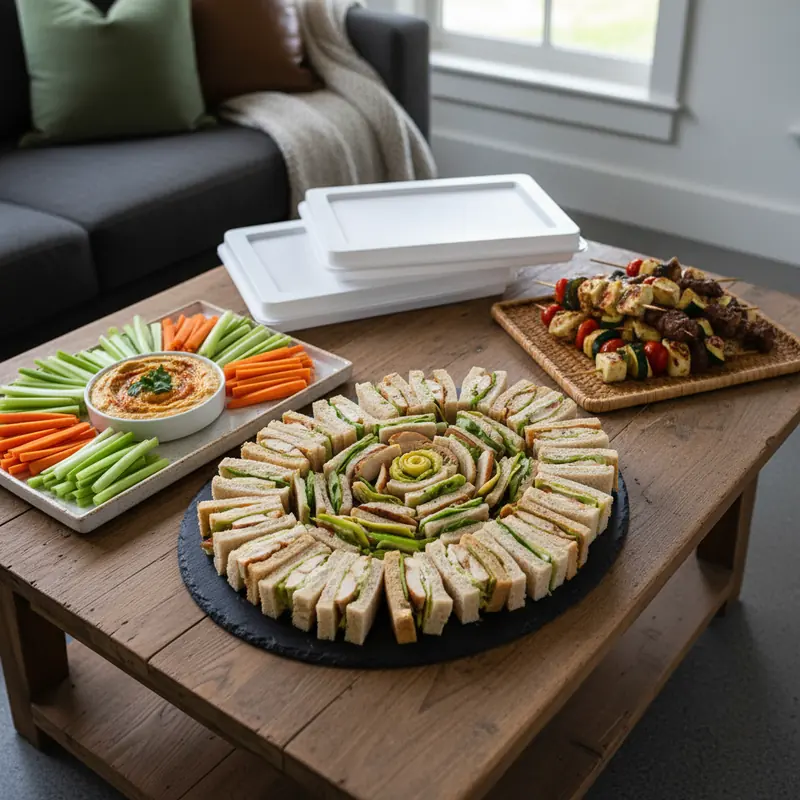
Once the visitor roles are clear, use Food Platter Delivery to check available selections and ordering units. For each candidate, request its piece count, weight or other concrete quantity description. If it is an assortment, ask how the contents are divided: a total piece count alone may not tell you how many portions of a particularly popular item are present. Also establish whether pieces are ready to pick up or need cutting and serving.
Write the purpose next to the quantity: arrival snack for seated guests, light food for short-stay visitors, or part of a visitor's meal. One platter can contribute to more than one purpose, but its contents cannot be allocated twice. There is no reliable answer to how many platters to order alongside poon choi until the actual platter sizes and those uses are known. Ask the supplier to explain the proposed allocation in those terms, not simply to attach a guest number to a tray.
Compare optional cuisines by handling, not by their names
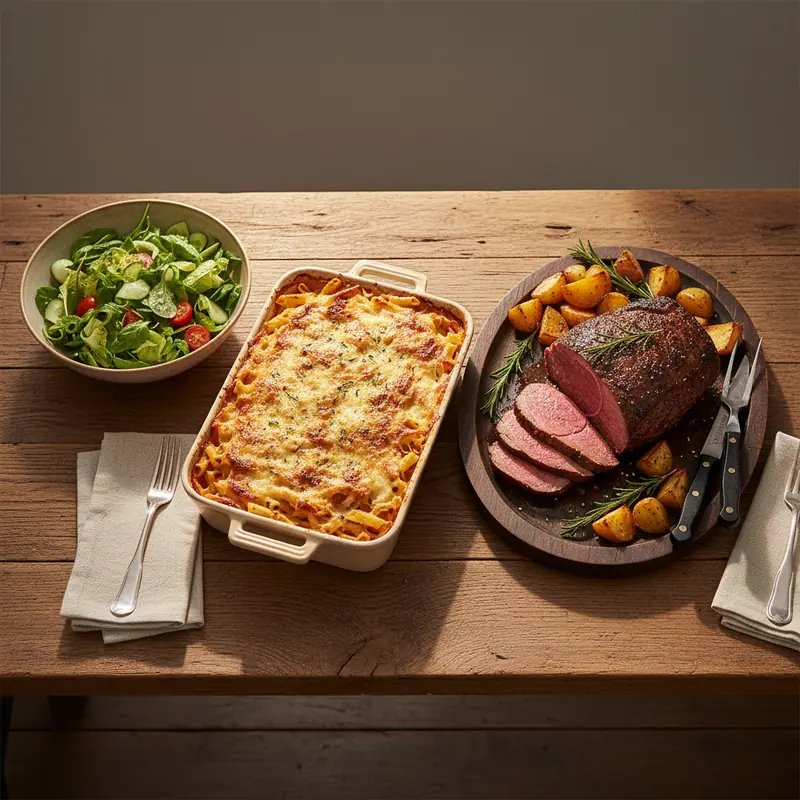
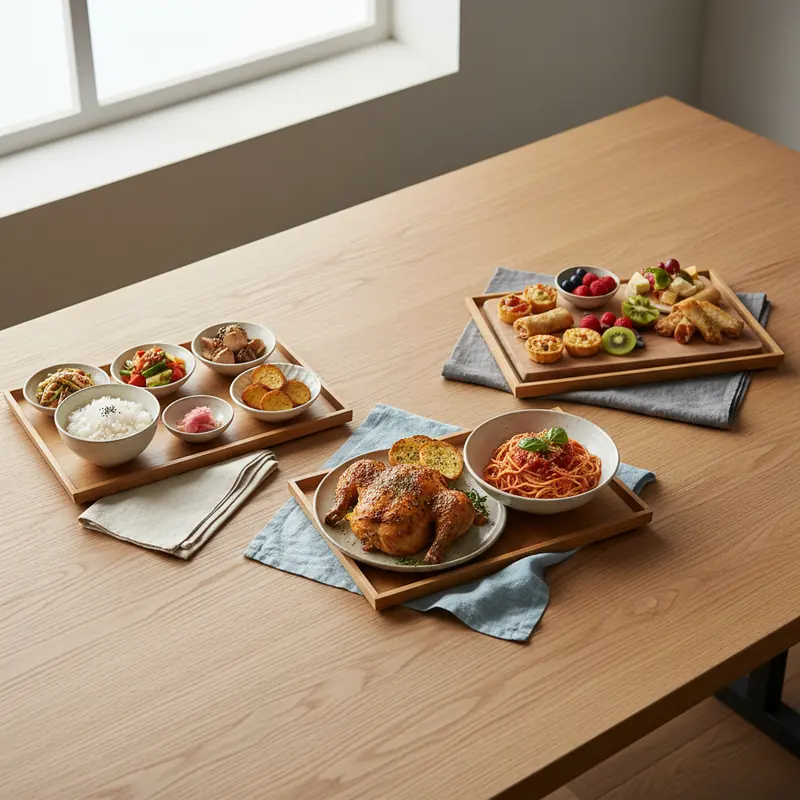
If you are considering Western-style food for the visitor area, review Western Catering for options that can be divided into the portions you need. Check whether a selected dish requires a knife and fork, a serving spoon or advance cutting. Pasta, carved meat and small savoury bites would have different practical roles; none should be treated as interchangeable merely because it appears within the same cuisine category.
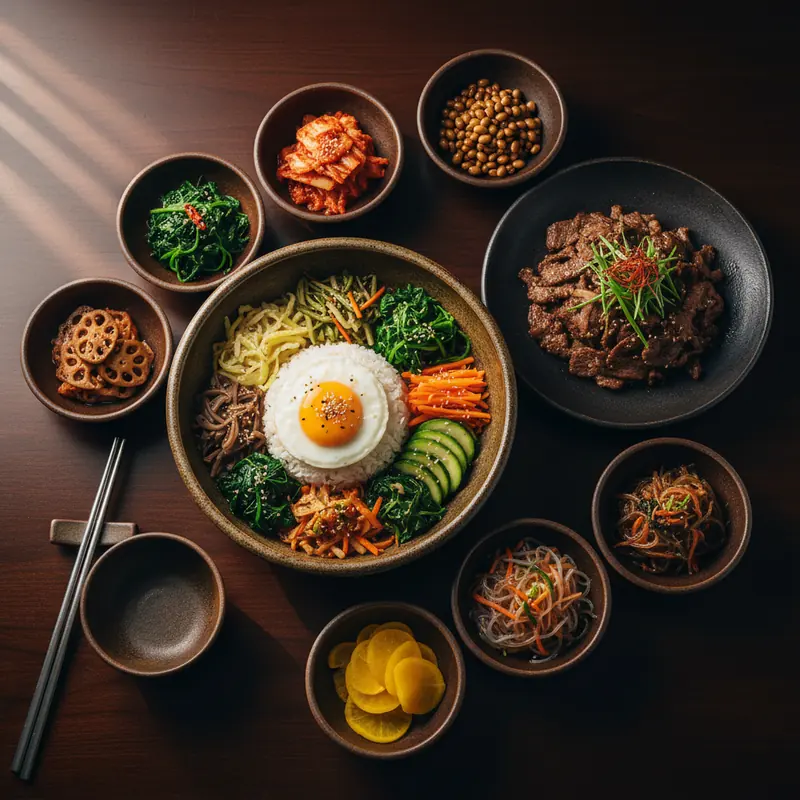
For a Korean-style alternative, use Korean Catering to ask about the current sharing format and whether relevant dishes can be ordered separately. Distinguish small sides or individually countable items from rice dishes intended to contribute to a meal. Do not assume a complete package can be broken into visitor snacks, or that its stated diner count transfers to a brief drop-in gathering. Confirm what is actually offered before choosing this route.
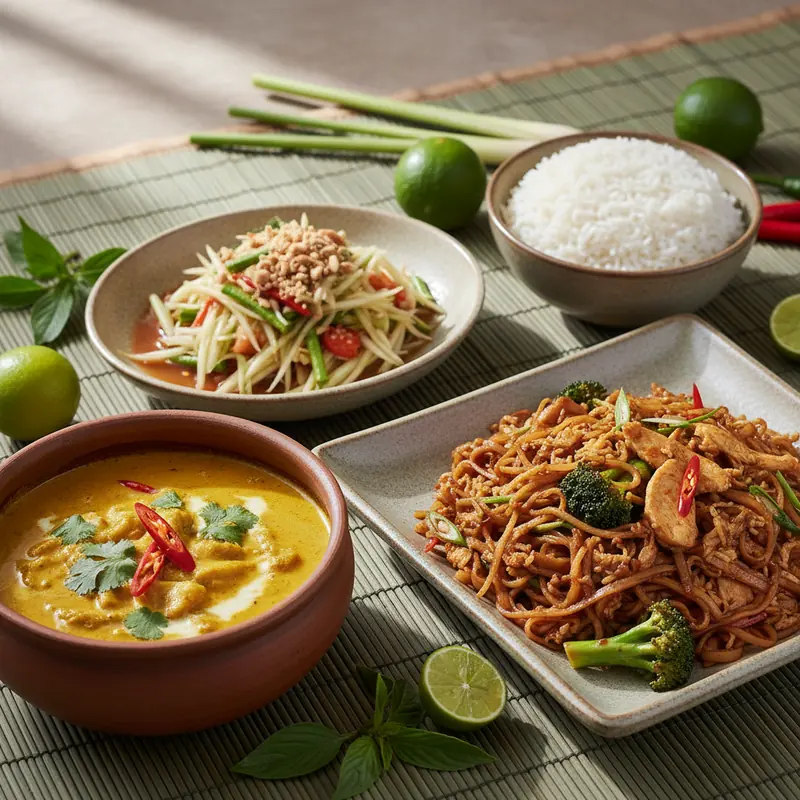
If Thai-style dishes appeal, consult Thai Catering to check how the selected sharing dishes, sauces and rice would be portioned and served. Ask whether guests need bowls, forks or chopsticks and somewhere to put their plates down. These are alternatives to compare, not three additional menus to order. Choose the direction that fits the visitor brief, then reassess meal coverage if you add rice, noodles or substantial sauced mains.
Use a worked guest-list example, not a serving formula
Consider this hypothetical gathering: 18 guests are confirmed for poon choi and 10 additional visitors will not take dinner seats. Seven of the seated guests also expect arrival snacks. Of the visitors, six want light refreshments and four will rely on the platter station for their meal. The unique attendance is 28, while the platter station has 17 expected users. Those figures describe different things; neither tells you how many trays to buy.
The order brief therefore has 18 basin diners, 13 light platter users and four platter-meal users. The light group consists of the six short-stay visitors and seven seated snack-takers. Keep the four visitor meals distinct rather than averaging all platter users into one assumed appetite. These are invented planning numbers, not a recommended guest mix, portion allowance or claim about a particular menu.
What the example changes in the supplier conversation
Ask for a basin recommendation for the seated meal, followed by a platter proposal that identifies which items cover light eating and which support the visitor meals. If the supplier proposes a package, ask them to reconcile its contents with those uses. This is more informative than ordering a package labelled for the entire attendance and adding basins for everyone with a seat, which could duplicate full-meal provision without explaining the snack overlap.
Separate total demand from the busiest serving moment
Record when each group will use the platter station. An early visitor group may leave before the seated guests take snacks, while another group may arrive as the basin meal begins. Keep both the total expected platter use and the likely number approaching it at the same time. The first helps explain the overall order; the second helps plan the opening display, serving utensils and any later release of food.
This distinction is consistent with Star Catering's poon choi selection guide, which discusses estimating quantities with attention to the occasion, age mix, dining time and event rhythm rather than headcount alone. Use that as a reason to give the supplier your actual schedule, not as a source of fixed serving amounts. Ask how the proposed order should be divided between the first presentation and later replenishment.
Assign the food to stations before it arrives
Label the two areas by purpose: seated basin meal and visitor platters. Where some platters are intended for a later group, mark that allocation on the host's order sheet rather than expecting everyone to infer it from the layout. A person responsible for replenishment should know which food is available for the opening period and which is assigned to a later visitor meal. This makes the quantity plan usable on the day.
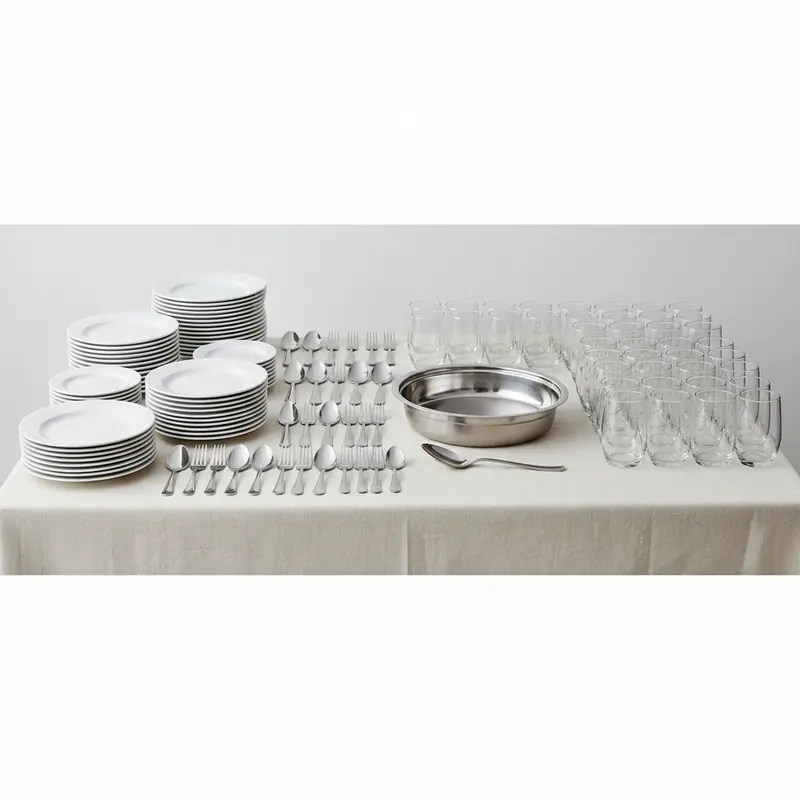
Check the practical serving route too. Basin diners need the agreed dining setup; visitor dishes may need anything from small plates and tongs to bowls and cutlery, depending on the selection. Ask who supplies each item and who will put it out. Do not infer equipment, heating arrangements or staff from a reference picture. For holding, reheating and staged service, obtain the supplier's written instructions and confirm that the venue can support the arrangement.
Compare quotations without adding package guest labels together
A basin labelled for a certain dining group and a separate package labelled for another group are not automatically additive reception capacity. The same seated guests may be eating from both. Compare the actual contents against your two food records: which line covers the basin meal, which covers visitor meals, and which supplies the shared snacks? If a quotation does not make that clear, request a breakdown before judging whether it is too large or too small.
Check inclusions separately from quantities. Ask whether accompaniments, eating utensils, serving tools, delivery, setup and any onsite service are included or separately arranged. If two proposals use different assumptions, have them restated against the same guest roles and timing. Current prices and any charges should be confirmed for your order; an old menu, another host's bill or an illustrative image is not a quotation for this gathering.
Handle changes by updating the affected food record
When a visitor confirms they will stay for poon choi, update the seated count and remove their visitor-only meal allocation. Keep any snacks they still expect to take. When a seated guest cancels dinner but will briefly visit, do the reverse: remove the basin meal requirement and describe their new platter role. This approach preserves the difference between a changed invitation and a changed appetite, instead of adding food every time a message arrives.
For unresolved guests, send the supplier a confirmed count and a clearly labelled possible change. Ask when quantities can still be revised and how a changed basin or platter selection would be handled. Do not promise late adjustments before they are accepted. If you want a contingency, identify the uncertainty it addresses and discuss a menu-specific option; an extra basin is not a substitute for explaining whether the uncertainty concerns seated meals, visitor meals or arrival snacks.
Send a two-station worksheet with the order enquiry
The most useful final check is whether another person could read your brief and understand who eats what. Put the guest roles, menu quantities and release times together on one sheet. Leave unknown quantities blank for confirmation rather than filling them with an unsupported rule. Once a proposal arrives, copy the agreed figures into the same sheet so the host and whoever receives the food are using a consistent version.
Use the fields below to prepare that conversation. Include relevant dietary questions before confirming dishes, and ask what ingredients, separate portions or other arrangements can be verified for the actual order. A dish name or design illustration does not establish suitability. Keep the final written response with the menu, and review both food records again if the supplier suggests substitutions that materially change the meal role or quantity.
Fill in the unresolved quantities, not just the attendance
The blank fields are deliberately separate. A suggested dining count explains the basin choice; a piece count or weight explains a platter; a serving window explains when either will be used. Ask for clarification wherever one is missing. Confirming these details gives you a defensible order plan, without treating the worksheet as a guarantee that every guest will eat the same amount.
- Seated poon choi diners: ___ confirmed; ___ possible; dining begins at ___.
- Visitor-only groups: ___ during ___; light refreshments or meal: ___.
- Seated guests also taking platters: ___; expected snack window and role: ___.
- Basin selection: ___; supplier's suggested dining servings: ___; accompaniments: ___.
- Each platter: ___; confirmed pieces or weight: ___; intended guest group and meal role: ___.
- Opening platter allocation: ___; later allocation and release time: ___; likely simultaneous users: ___.
- Confirmed tableware, serving tools, service responsibilities and written holding instructions: ___.
Details to confirm before ordering
- Reconcile one attendance list with separate basin-meal and platter-use records.
- Identify visitor refreshments, visitor meals and seated guests' actual platter overlap.
- Confirm the selected basin's suggested dining servings and whether staples or sides are included.
- Record each platter's pieces or weight, portioning method and allocated meal role.
- Agree opening and later food allocations against arrival windows and simultaneous users.
- Confirm bowls, plates, cutlery, serving tools, onsite responsibilities and written handling instructions.
- Request current charges, availability, quantity-change terms and a written menu confirmation for the specific order.
Questions about this decision
Should seated guests be removed from the platter count?
Only if they will not take platter food. Otherwise record them as snack-takers or substantial platter eaters, while retaining their correct basin-meal assignment. Removing duplicate names from attendance must not erase real cross-station eating.
Can I use one fixed ratio of poon choi to platters?
Not reliably from the available information. Basin servings and platter sizes vary, and visitors may need either refreshments or meals. Ask for a proposal based on those separate roles and the actual menu units.
What if I know the visitor count but not their eating plans?
Ask whether they will eat elsewhere and how long they intend to stay. Until that is clear, give the supplier the known count with the meal role marked unresolved, rather than assuming everyone needs only a small snack.
Do I need Western, Korean and Thai options together?
No. They are optional directions to compare for shareability, portioning and utensil needs. Choose what fits your visitors and confirm availability; adding complete cuisine packages is not necessary to make a two-station plan.
Does reserving platters for later solve holding arrangements?
No. An allocation note only explains intended use. The supplier must provide the relevant holding, reheating or staged-service instructions, and the venue arrangements must be checked separately. Do not infer an acceptable holding period from the event schedule.
Sources and further reading
Reference only. Illustrations are AI-generated design references, not photographs of actual customer orders. Confirm current contents, prices and arrangements with our team.
For this guide:Poon Choi and Platters: How to Split Portions for Seated Guests and Drop-In Visitors
Plan catering for your event
Considering Poon Choi Delivery? Send the date, district and the points discussed in this guide to YumYum Catering to confirm suitable options and a quotation.
Book Catering NowWhatsAppThis opens a prepared WhatsApp enquiry. Availability, details and price must be confirmed before booking.
Explore related services and designs
Compare relevant options, view design references and find the information you need before making an enquiry.
Poon Choi Delivery
Explore traditional basin feast presentations, comparing layered shared dishes and serving considerations for group dining without treating the illustrative arrangement as a confirmed ingredient list or portion guarantee.
Thai Catering
Explore Thai style catering combinations, comparing aromatic shared dishes, rice accompaniments and different serving formats when considering a set menu for your group gathering.
Korean Catering
Compare Korean style catering combinations, exploring rice based dishes, savoury sharing plates and small accompaniments across set menu formats for a group meal or gathering.
Roast Pig Catering
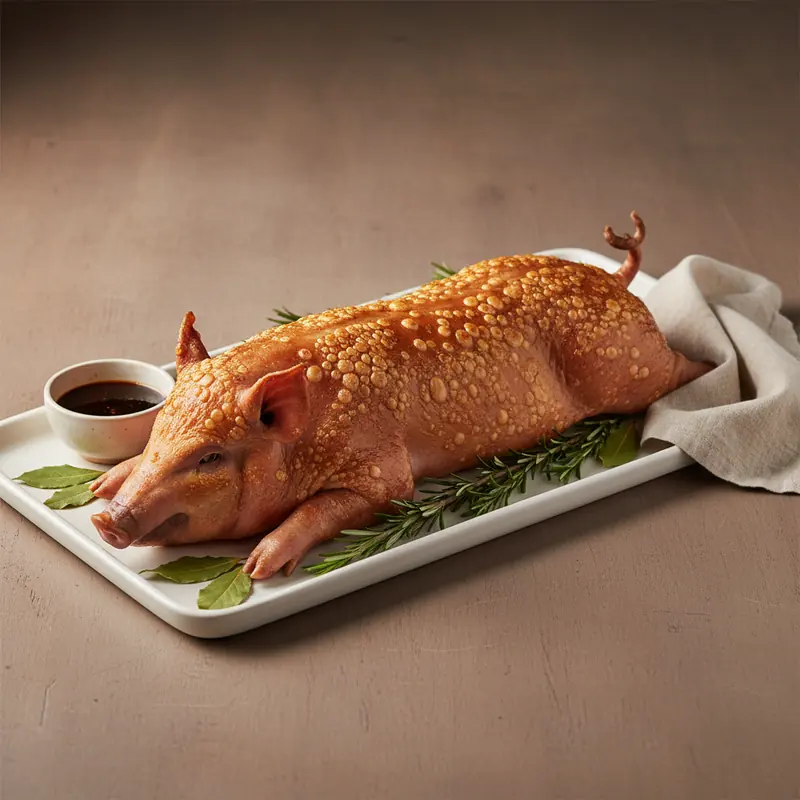
Compare roast pig centrepiece presentations and shared serving considerations, exploring how a whole roasted dish can fit a banquet or gathering without assuming a specific size or yield.
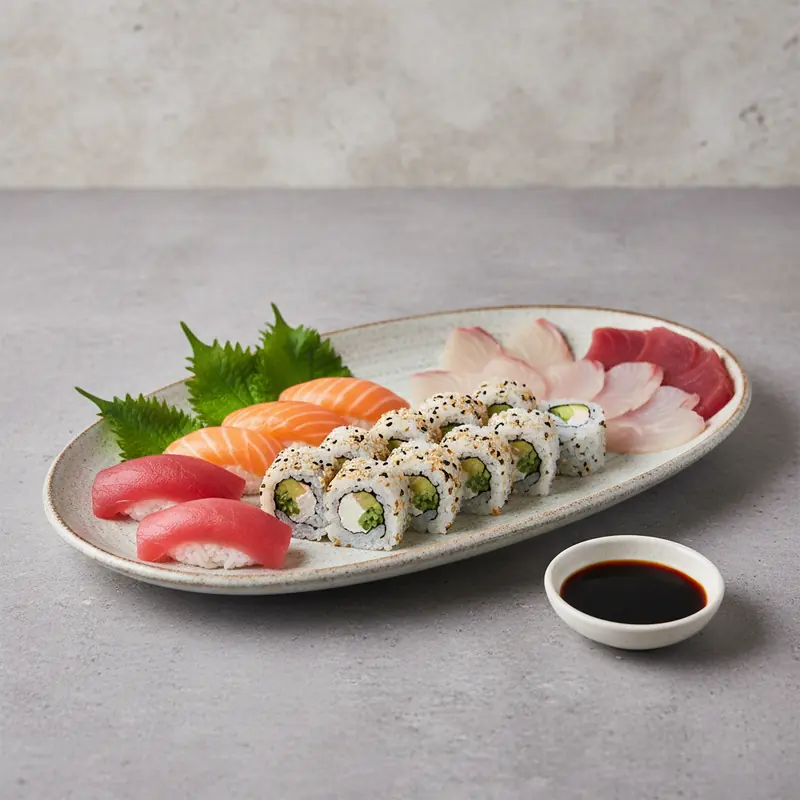
Sushi & Sashimi Catering
Explore sushi and sashimi platter styles, comparing the balance of rice based pieces, sliced fish and presentation layouts when planning a Japanese sharing selection for guests.
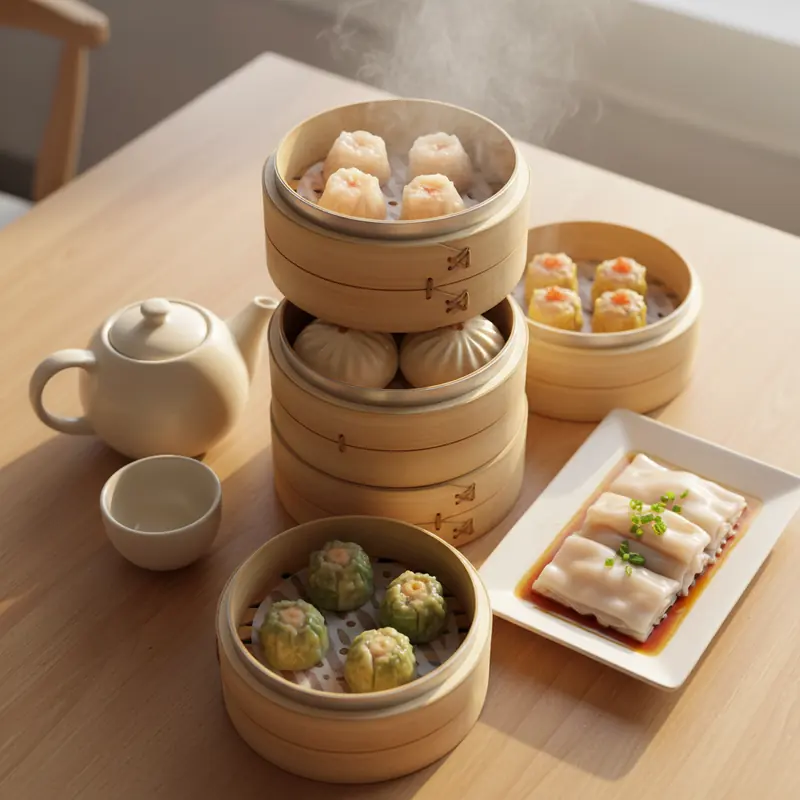
Dim Sum Catering
Compare dim sum selections and sharing presentations, exploring steamed bites and complementary small dishes for a yum cha style gathering rather than a full banquet menu.
Original AI-generated navigation references; designs and order details are subject to confirmation.
Useful options for your plans
Compare basin feast presentations and shared serving considerations with Poon Choi Delivery.
Explore Korean Catering to compare rice dishes, sharing plates and small accompaniments.
Compare sushi pieces, sliced fish and platter layouts with Sushi & Sashimi Catering.
Explore Dim Sum Catering to compare steamed bites for a yum cha style gathering.