YumYum Catering · Ordering guides
How to Plan a Knife-Free Dinner Menu for a Standing Reception
For this guide:How to Plan a Knife-Free Dinner Menu for a Standing Reception
Plan catering for your event
Considering Party Finger Food Catering? Send the date, district and the points discussed in this guide to YumYum Catering to confirm suitable options and a quotation.
Book Catering NowWhatsAppThis opens a prepared WhatsApp enquiry. Availability, details and price must be confirmed before booking.
A fork-friendly dish is not necessarily a standing-friendly dish. A guest might manage pre-cut food in a small bowl perfectly well, then discover there is nowhere to put a glass before picking up the spoon. Planning a knife-free dinner menu for a standing reception means solving that small, repeated problem across the whole menu—not simply removing knives from the cutlery order.
Start with the proposed dishes rather than the package name. Mark how each item is eaten, identify which foods form the actual dinner, and then check where guests can put drinks, pause and return used bowls. The comparisons below are formats to discuss with a supplier, not a statement that YumYum Catering offers a particular bowl menu, furniture arrangement or service team.
Sort Every Proposed Dish by How It Is Eaten
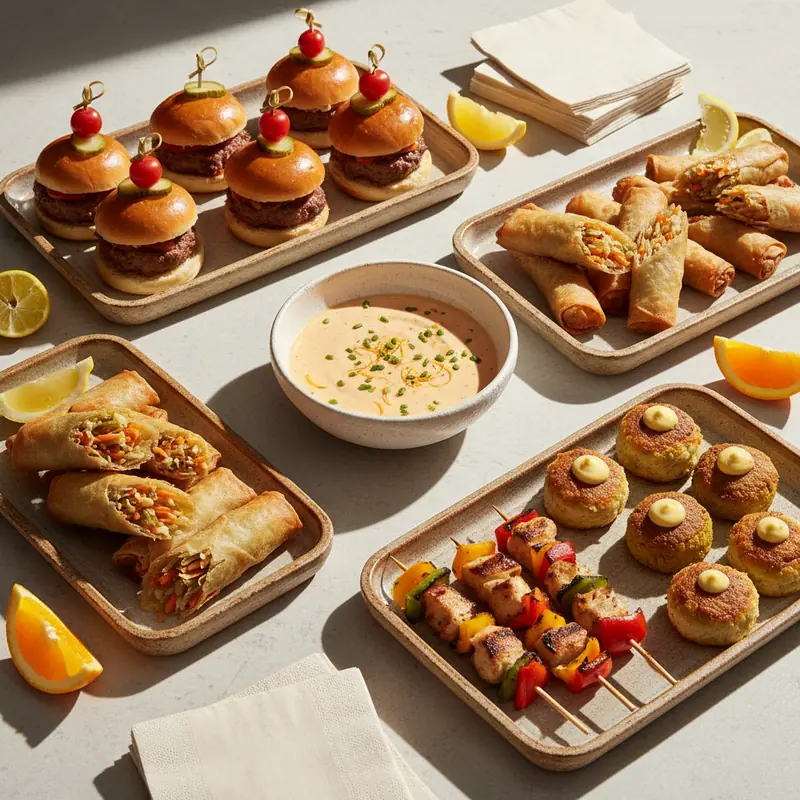
Give each dish one of three descriptions: directly handheld; eaten from a bowl or plate with a fork or spoon; or dependent on cutting and a supported plate. These categories describe the guest's task, not the food's appearance. A miniature sandwich may be handheld, while a small piece of meat on a large plate may still require pressure from a knife. A decorative skewer may be awkward if the food cannot be removed comfortably.
When comparing Party Finger Food Catering, ask about the actual size, filling and way each item is served. Sliders, vegetable rolls and similar formats can be useful candidates, but the name alone does not establish whether they hold together or contribute enough food for dinner. Check what remains after eating: a wrapper, stick, napkin or empty cup also needs somewhere to go. Keep genuinely handheld dishes separate from items that merely arrive in small portions.
Separate Welcome Bites from the Meal Itself
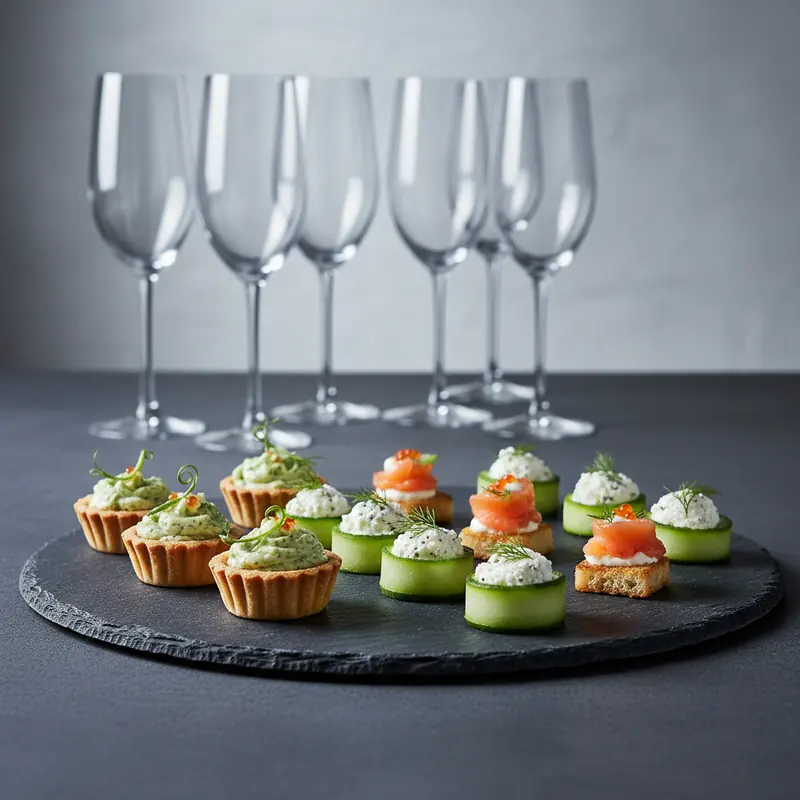
A delicate tartlet can be an enjoyable welcome without being the foundation of dinner. In its food-quantity planning guide, Hong Kong caterer Bain Marie distinguishes canapé buffets from more substantial finger-food formats and cautions against treating canapés as a meal replacement. That distinction is useful; its own portion references should not be transferred to another supplier's menu as a universal rule.
Use Canapé Catering to compare the small reception bites that could sit around the dinner core. Then label their role in the enquiry: arrival food, an accompaniment or part of the substantial meal. Adding more varieties of tiny bites does not, by itself, explain how dinner is provided. Guests should be able to recognise when the main food has arrived rather than keep accepting small pieces while waiting for an unannounced meal.
Check the Bowl, Spoon and Glass Together
If you are considering bowl food instead of a seated dinner, think of the bowl as a change in eating format, not a way to create an extra hand. Moving Venue's comparison of reception meals describes bowl food as combining meal substance with standing flexibility, while also identifying the need for surfaces and seating. A bowl can remove the need to cut food, yet still occupy one hand while the other holds a fork or spoon.
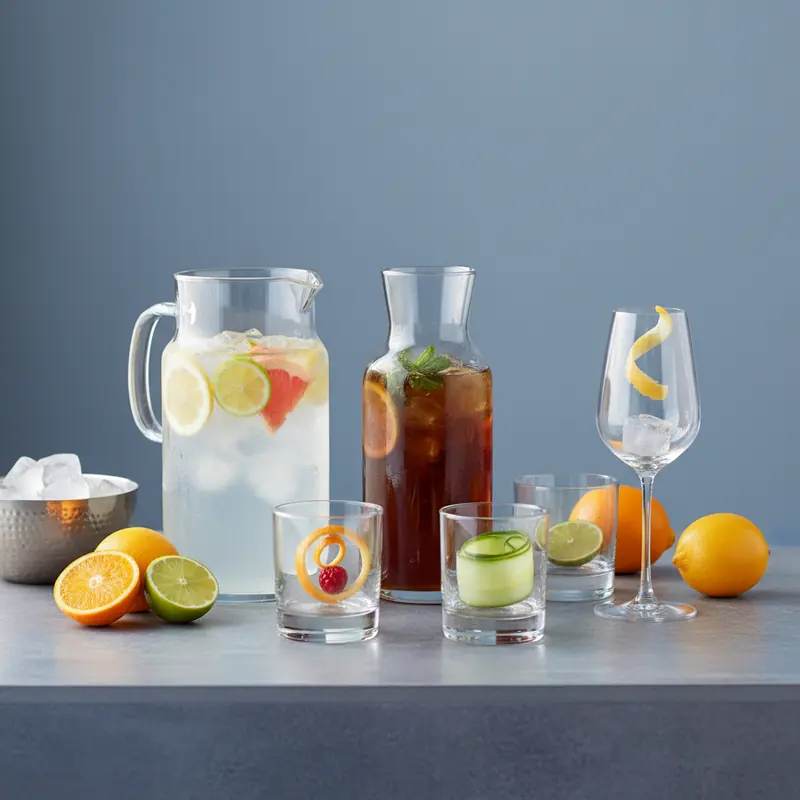
Ask to see the proposed bowl and utensil alongside the actual dish description. Can the spoon collect the rice and topping together? Does the bowl need to rest on something to stop it moving? Is the rim practical to hold without touching the food? Check what the guest does with a drink before accepting the bowl. Vanilla Bean's guide to standing and seated formats highlights precisely this conflict between drink, bowl and fork; a landing surface is part of the solution, not an optional decoration.
Remove the Need for Last-Minute Cutting
The most useful question is not whether a knife is supplied, but whether a guest will wish one had been supplied. Ask whether meat is already cut into manageable pieces, whether vegetables fit the intended utensil and whether any garnish has to be removed first. A pre-cut main with rice may suit a bowl; a whole roast portion, long noodles or a large leaf salad may need changes to the preparation or container.
Look for dishes that require the guest to brace a plate, tear food apart or chase loose ingredients around a shallow container. Sauces and crumbly toppings also deserve a practical question: will the dish stay manageable during the short journey from the serving point to a place to eat? These are reasons to request a different presentation, not reasons to assume a cuisine cannot work.
Request a Dish-by-Dish Eating Description
Ask the supplier to complete this sentence for every substantial item: 'The guest receives it in [container], eats it with [utensil], and does not need to [cut, assemble or remove anything].' If the answer includes a task that requires a supported plate, either provide that support or choose another format. Resolve the ambiguity before approving the menu rather than expecting serving staff to improvise.
Give Dinner a Substantial Centre
Build the brief around the food that makes this a meal: a substantial starch or equivalent, a protein component and vegetables, with a suitable alternative for guests who cannot eat the main choice. This is a menu-comparison method, not a nutritional prescription or a promise of fullness. It makes it easier to see whether a proposal consists mainly of decorative bites, repeated pastry items or a meaningful mix of dinner components.
For example, a hypothetical format could combine pre-cut protein with rice and vegetables in a small bowl, a substantial handheld alternative and a few welcome bites. Another could use a self-service main station with food already prepared for spoon or fork eating. Neither example is a confirmed YumYum menu. Ask what the supplier can actually provide, how the components are portioned and whether a guest choosing an alternative receives a comparable meal rather than just side dishes.
Ask for a Portion Explanation, Not Just a Package Headcount
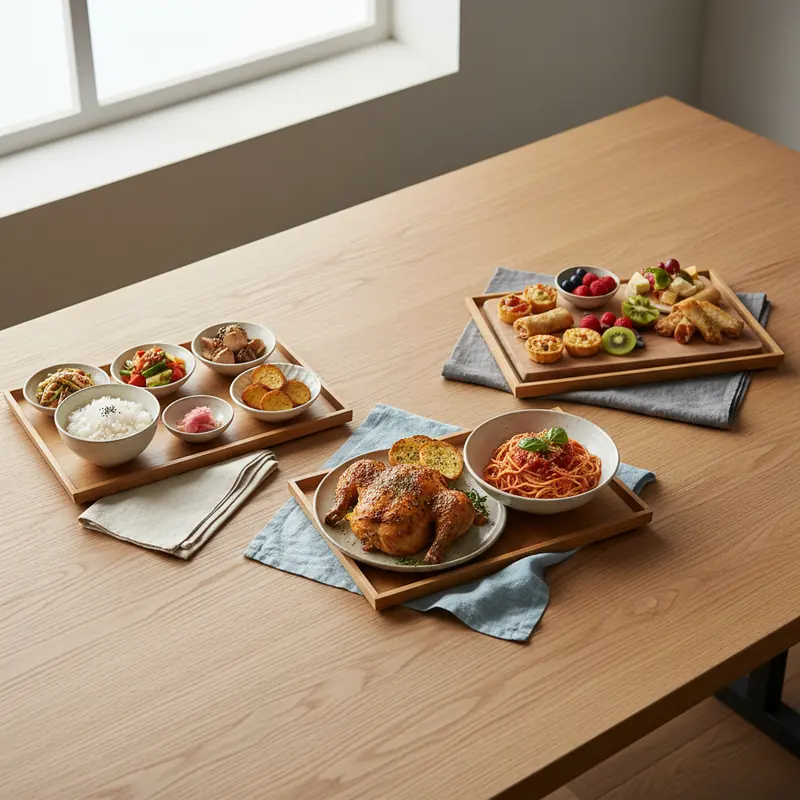
A package described for a group does not tell you how its contents divide into dinner servings. Request the quantity of each substantial dish, the size of its serving and the intended allocation per guest. Distinguish a taste-sized bowl from a meal component, and distinguish the total supply of a dish from the amount expected in each serving. This lets you compare proposals without treating every sandwich, tartlet and bowl as an interchangeable 'piece'.
Then ask how those servings reach people. If guests can return to a station, what is the replenishment plan? If bowls circulate, how will staff know which areas have received the main food? State whether arrivals are staggered and ask what can be reserved for late guests. Do not assume that replenishment means an unlimited supply. Get the proposed allocation, release sequence and any additional-order arrangements explained for the actual menu.
Compare Passed Bowls with a Self-Service Main Station
Passed bowls bring food to guests, but accepting one still requires a free hand and a nearby place for the glass. Ask where filled bowls originate, how they are carried, where guests can pause and who collects the empties. Delivery alone should not be read as passed service. If this format is important, request confirmation of the staffing duties and equipment it would require before relying on it in the event layout.
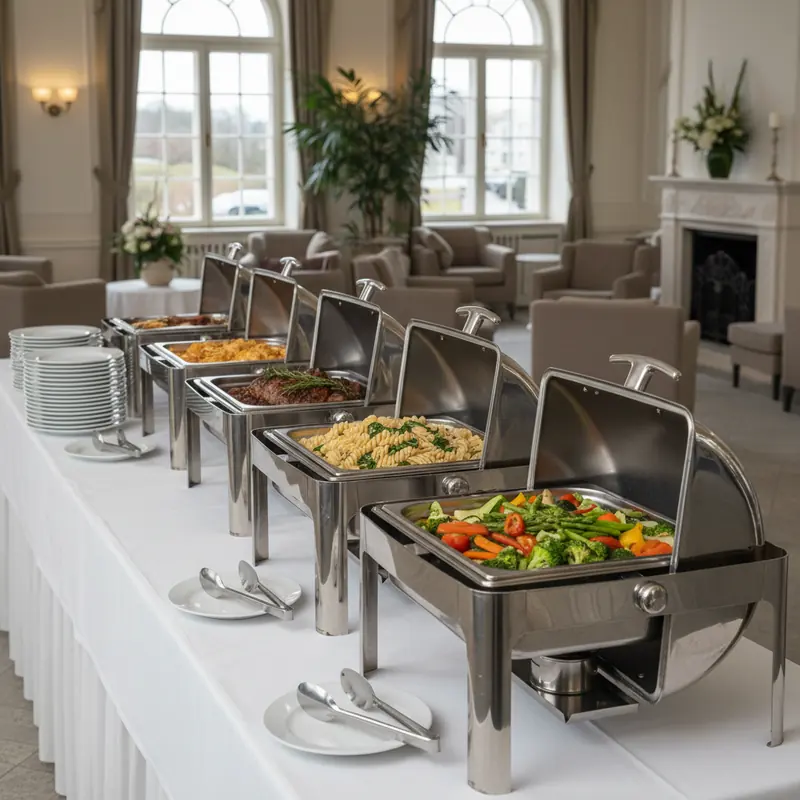
When comparing Buffet Catering as the dinner core, examine the main dishes rather than assuming a buffet is automatically suitable for standing. Are they already cut? What container does the guest carry away? Does the food need a knife or a plate supported on a table? A station offering shared hot dishes and sides may be workable after suitable portioning, but a conventional large-plate buffet can recreate the need for dining tables. Confirm the actual preparation, serving utensils and eating surfaces.
Treat Platters as Serving Containers, Not Dining Surfaces
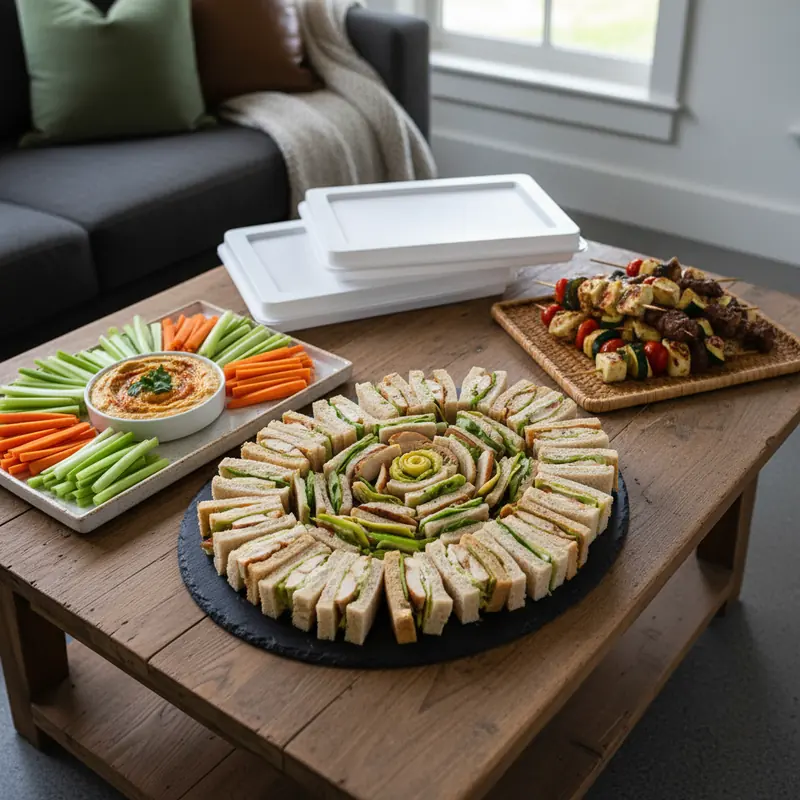
A platter answers where food is displayed, not how a guest eats it after taking a portion. Food Platter Delivery can help you compare supplementary handheld formats such as sandwiches and skewers, but the serving platter itself needs a stable table. Guests also need room to approach, select food and move away without holding up everyone behind them. Do not count the same patch of tabletop as both the platter display and the only place to rest drinks.
Specify who will open the containers, arrange the food, provide serving utensils and replenish the display. Ask what guests should take their food on, particularly if several items do not fit comfortably in one hand. A platter of suitable bites can support the meal between main servings, but it cannot fix a menu whose substantial dishes still need cutting. Keep the platter's role clear when comparing delivery-only and staffed proposals.
Trace the Journey of One Main Serving
Use a rough sketch to follow a guest from receiving dinner to returning the empty container. Start at the food point, identify the nearest available drink-resting surface, then mark the route to a clear-down point. Repeat the exercise for someone who prefers to sit. If the guest has to cross the busiest queue while balancing a bowl, or walk back through the serving line to return it, the layout needs another look.
Now follow the same serving from the staff side: preparation or handover, replenishment, delivery to the guest and collection. A station and a passed-food route may compete for the same narrow space even though they look separate on a menu proposal. For a Hong Kong office or compact reception room, send the sketch to the venue and supplier together. Ask them to identify a practical arrangement within the permitted furniture and access conditions rather than relying on an attractive reference image.
Keep Landing Surfaces and Seated Places in the Layout
Not providing a full dining table for every guest does not mean removing all tables and chairs. Distinguish the food-service table, surfaces for temporarily resting drinks and places where someone can sit to eat. A tall table may help guests standing nearby without being useful to everyone. Ask about guests' seating needs instead of assuming that an event described as 'standing' means everybody can comfortably remain on their feet throughout dinner.
Discuss the furniture footprint with the venue before choosing the final food format. Some surfaces must remain usable rather than covered with trays, floral displays or abandoned bowls. Decide who keeps them clear during service. If the room cannot accommodate the necessary surfaces, circulation and seated places, revise the menu, the guest arrangement or the meal format. Taking knives away does not make an unsuitable layout workable.
Separate Supplied Equipment from Assumed Equipment
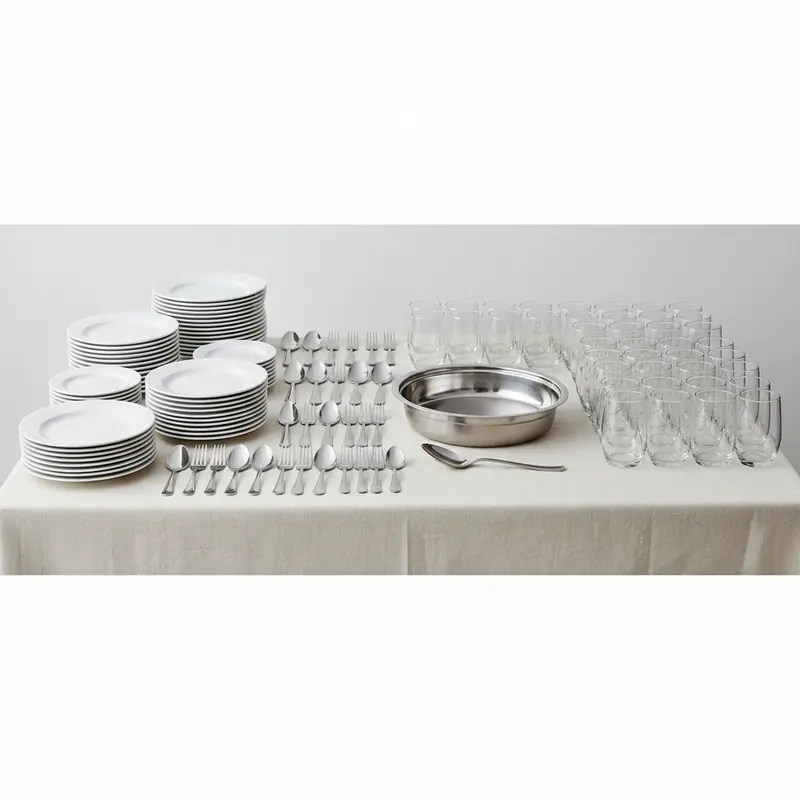
List bowls, utensils, napkins, serving tables, drink-resting surfaces, chairs and collection points separately. Against each item, record whether the venue, host or supplier will provide it, and who sets it up and removes it. An image of stacked tableware or a serving arrangement is a design reference, not confirmation that those items or duties are included in a quotation.
Make Alternative Meals Equally Practical to Eat
Apply the same knife-free test to dietary alternatives. It is not enough for the main bowl to be easy to eat if the alternative is a large stuffed vegetable that requires cutting. Ask whether the alternative has its own substantial core, an appropriate container and the same practical route through service. This keeps the comparison focused on a complete eating arrangement rather than on whether a single side dish happens to omit an ingredient.
Describe dietary restrictions clearly and ask the supplier to confirm ingredients, preparation limitations, serving separation and any cross-contact concerns. Do not infer suitability from a photograph, a cuisine label or a dish's appearance. If separate servings or labels are needed, confirm how guests will identify and obtain them without repeatedly searching the room. Request the actual available options; neither this guide nor a reference image establishes allergy safety or certification.
Approve the Menu as an Eating Sequence
Before accepting the proposal, read it as the guest will experience it: a welcome bite, access to the dinner core, any further substantial serving and a place to finish eating. Ask when the main food becomes available and how guests will recognise it. If there is a presentation, establish whether someone arriving just before it can obtain dinner without having to carry a full bowl through the programme. Keep this conversation tied to the selected dishes rather than adding more small bites to cover uncertainty.
Send YumYum Catering a concise brief with the date, district, guest range and the proposed eating format. Request written confirmation of the available menu, portion basis, containers, equipment, staffing and collection responsibilities, together with the event-specific charges. Only describe a dish or service arrangement to guests once it is agreed. The strongest knife-free dinner plan is one in which every substantial serving has a clear answer to three questions: how will it be eaten, where can the drink go and what happens to the empty container?
Details to confirm before ordering
- Meal role and timing: dinner replacement [yes/no]; main-food service window [ ]; staggered arrivals [ ].
- Dish test: handheld items [ ]; fork-or-spoon dishes [ ]; dishes requiring cutting to change or remove [ ].
- Portions: substantial dishes and serving sizes [ ]; intended allocation per guest [ ]; late-arrival provision [ ].
- Containers: bowl or plate for each main [ ]; utensil [ ]; serving and guest tableware provider [ ].
- Layout: food-service position [ ]; drink-resting surfaces [ ]; seated eating places [ ]; used-container collection point [ ].
- Service duties: passed or self-service [ ]; replenishment provider [ ]; surface clearing and final collection provider [ ].
- Alternative meals and confirmation: dietary questions [ ]; comparable substantial alternative [ ]; agreed menu, equipment, fees and exclusions [ ].
Questions about this decision
Can guests eat a bowl meal while holding a drink?
Usually the bowl occupies one hand and the utensil the other. Plan a place to put the drink before the guest accepts the bowl. Do not classify a fork-or-spoon bowl as one-handed food merely because no knife is needed.
Can a reception dinner use only handheld food?
It is a format to discuss with the supplier, not an automatic meal solution. Ask which items provide the substantial food, how large the servings are and how they are allocated. A menu of miniature welcome bites should not be treated as dinner solely because the piece count is increased.
Does food served from a buffet need dining tables?
It depends on the dishes and containers. Pre-cut food served in manageable bowls has different requirements from large plates with food that needs cutting. Review the actual guest serving and available surfaces before deciding that the buffet works for a standing room.
What should I change if the room has no space for drink-resting surfaces?
Do not proceed on the assumption that guests can juggle a drink, bowl and utensil. Discuss more genuinely handheld choices, a different furniture layout or a revised meal format. Necessary seated places and circulation also need to remain possible.
Do the illustrations confirm that YumYum supplies bowls or reception furniture?
No. They are AI-generated design references, not order photographs or an equipment inventory. Ask customer service to confirm the dishes, containers, furniture and staff available for your particular event, with any relevant charges.
Sources and further reading
Reference only. Illustrations are AI-generated design references, not photographs of actual customer orders. Confirm current contents, prices and arrangements with our team.
For this guide:How to Plan a Knife-Free Dinner Menu for a Standing Reception
Plan catering for your event
Considering Party Finger Food Catering? Send the date, district and the points discussed in this guide to YumYum Catering to confirm suitable options and a quotation.
Book Catering NowWhatsAppThis opens a prepared WhatsApp enquiry. Availability, details and price must be confirmed before booking.
Explore related services and designs
Compare relevant options, view design references and find the information you need before making an enquiry.
50 Person Catering Package
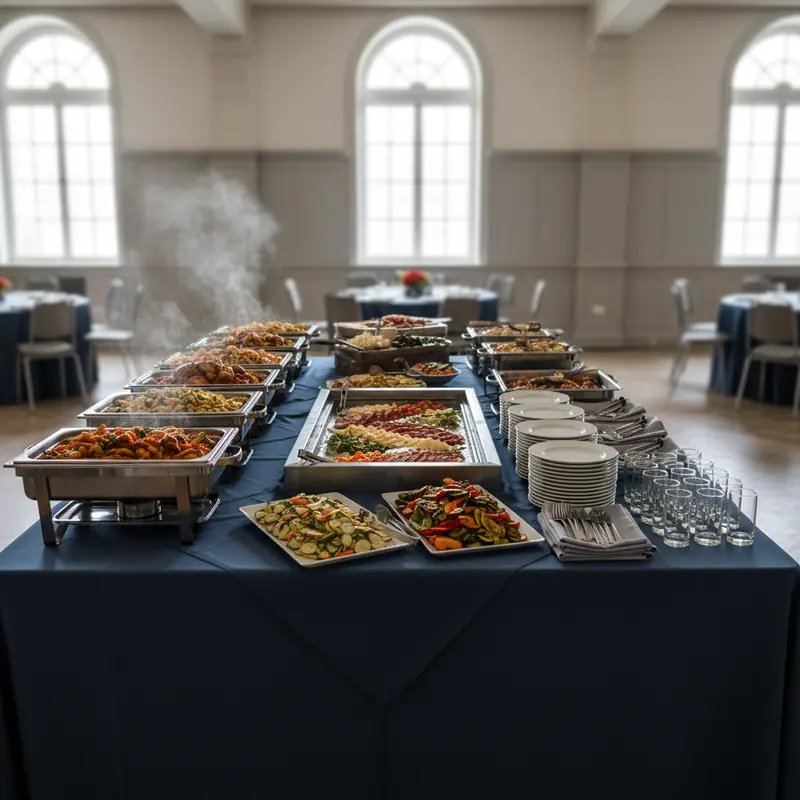
Compare menu formats for a larger event, exploring broader shared dish selections and serving layouts while checking the package information for stated portions, equipment and group suitability.
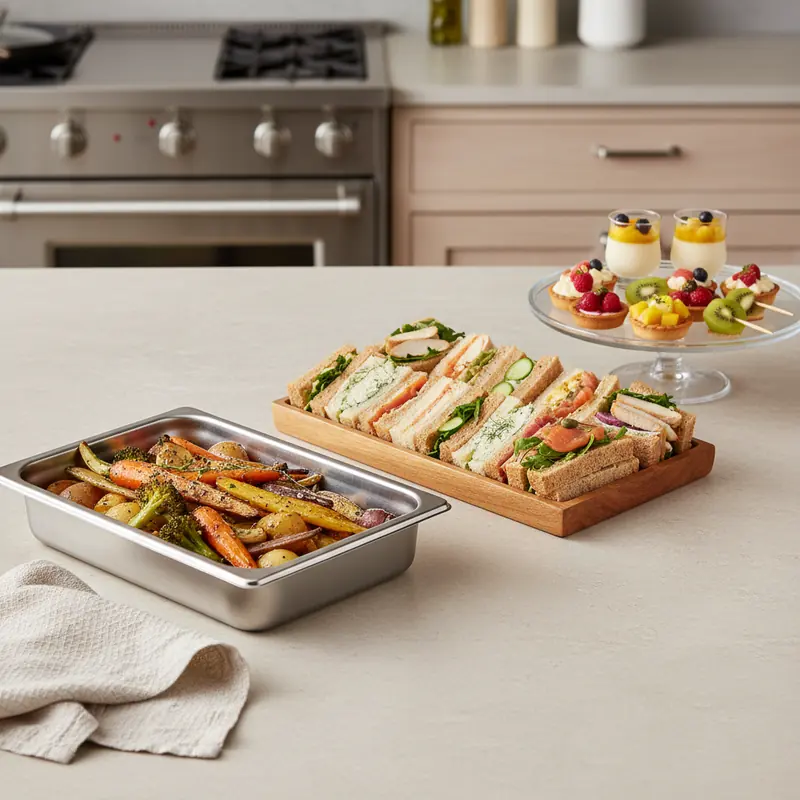
Catering Services
Compare meal presentation styles, savoury selections and dessert additions across the catering range, then explore the format that suits how you want guests to dine.
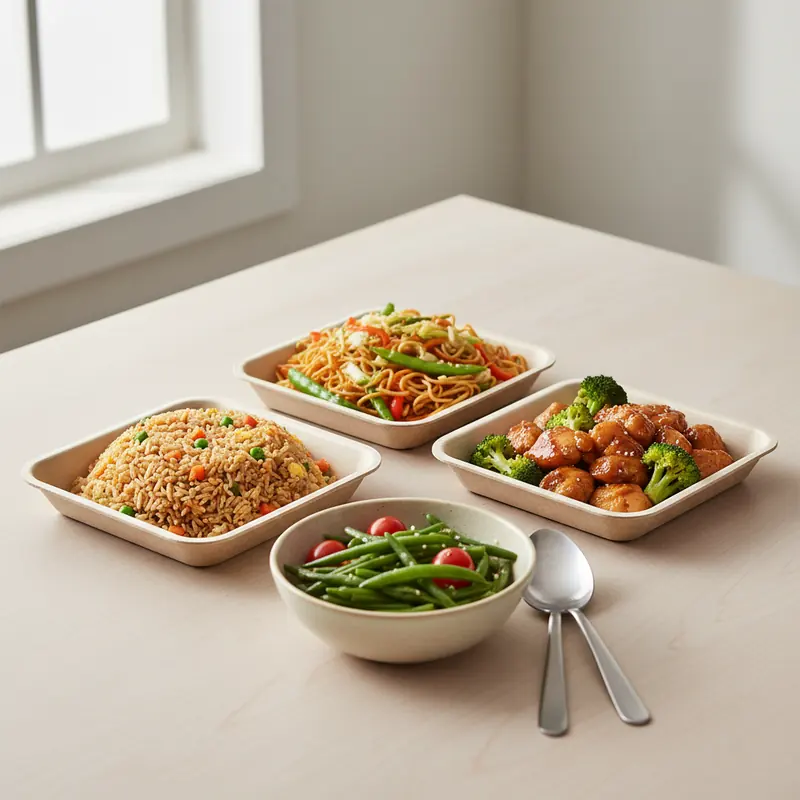
Budget Catering
Compare straightforward catering combinations, dish variety and serving formats with your budget in mind, using the page details to assess options rather than assuming discounts or fixed prices.
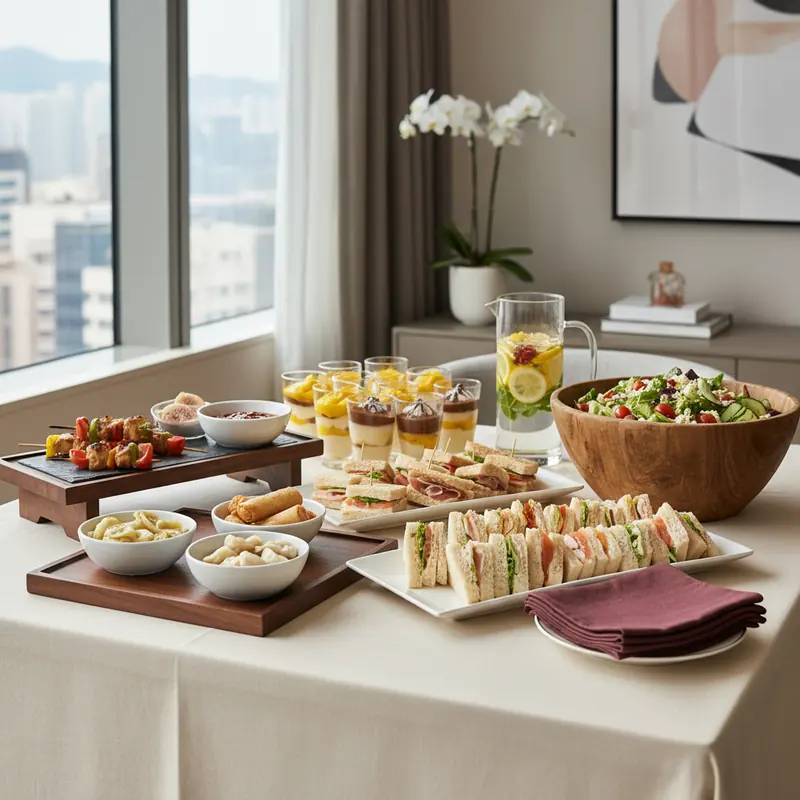
Hong Kong Catering Service
Explore catering formats for different gatherings, comparing shared dishes, individual meals and event settings before moving to a more specific menu or occasion page.
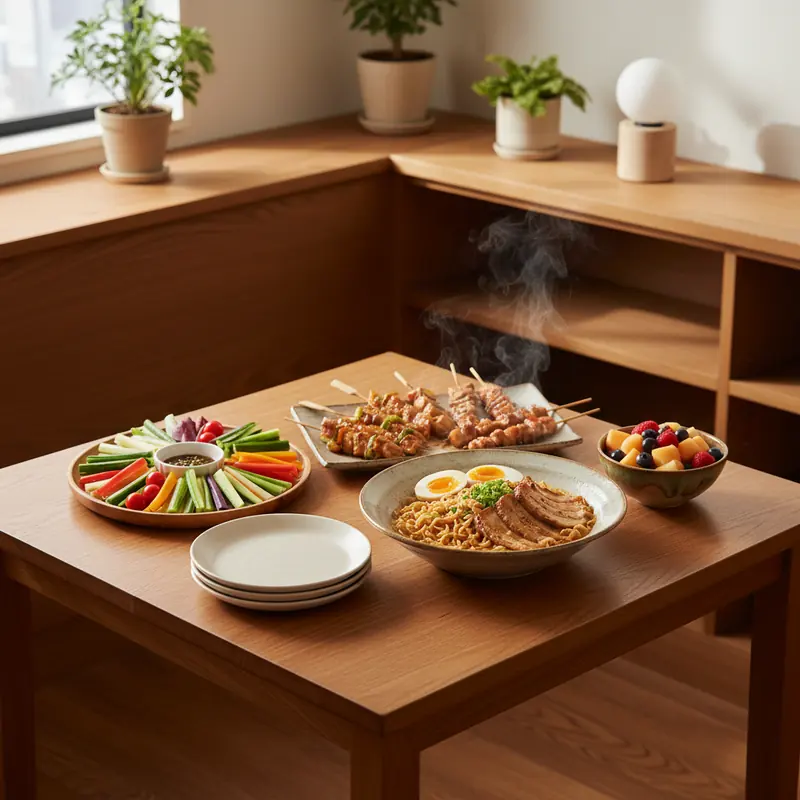
10 Person Catering Package
Compare small party menu combinations and compact sharing layouts, exploring the package page for group suitability while checking listed portions rather than relying on the illustration for quantities.
100 Person Catering Package
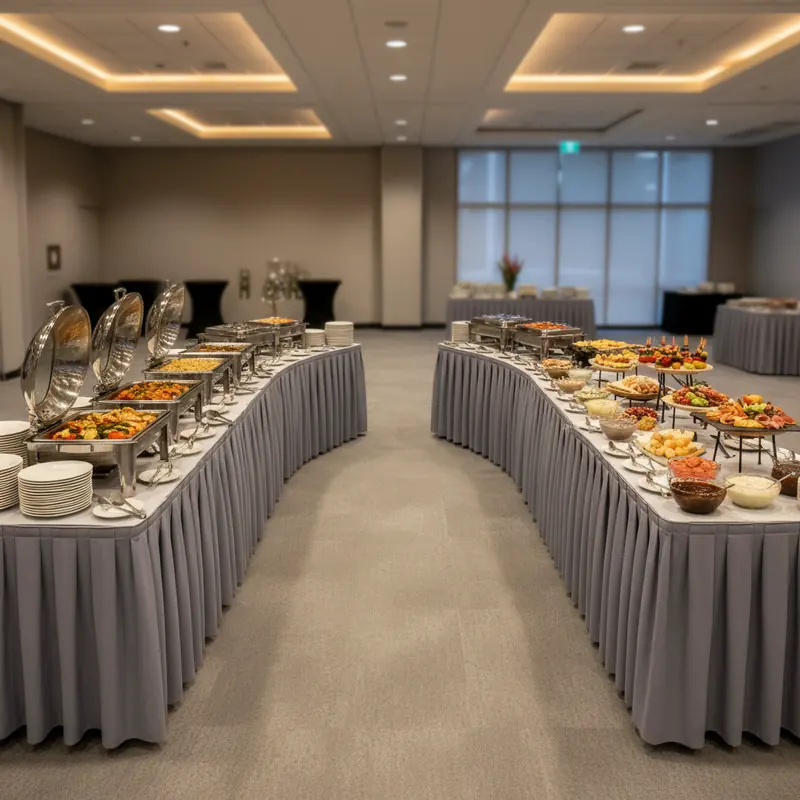
Explore corporate event menu planning at a larger scale, comparing food station arrangements and shared dish formats while relying on package details for portions and event requirements.
Original AI-generated navigation references; designs and order details are subject to confirmation.
Useful options for your plans
Compare broader menu selections and serving layouts for a larger event with 50 Person Catering Package.
Compare straightforward dish combinations and serving formats with Budget Catering.
Compare compact menu combinations for a small gathering with 10 Person Catering Package.
Explore 100 Person Catering Package to compare food station arrangements for a larger corporate event.