YumYum Catering · Ordering guides
Wedding Speeches Delay Lunch: Can Canapés Bridge the Gap or Replace the Meal?
For this guide:Wedding Speeches Delay Lunch: Can Canapés Bridge the Gap or Replace the Meal?
Plan catering for your event
Considering Wedding Catering? Send the date, district and the points discussed in this guide to YumYum Catering to confirm suitable options and a quotation.
Book Catering NowWhatsAppThis opens a prepared WhatsApp enquiry. Availability, details and price must be confirmed before booking.
The next speaker is still waiting, lunch has not begun, and the welcome trays are looking sparse. Before asking for more food, find out whether the meal is ready to serve. Canapés for a delayed wedding lunch should normally support the lunch you have already arranged, rather than quietly become the only food guests receive.
Start with a short conversation between your wedding coordinator, the person responsible for food and the master of ceremonies. Establish the revised meal time and what can be served now, then choose between a limited top-up and moving the remaining speeches. This guide addresses that interrupted lunch service, not the broader task of planning a cocktail reception from scratch.
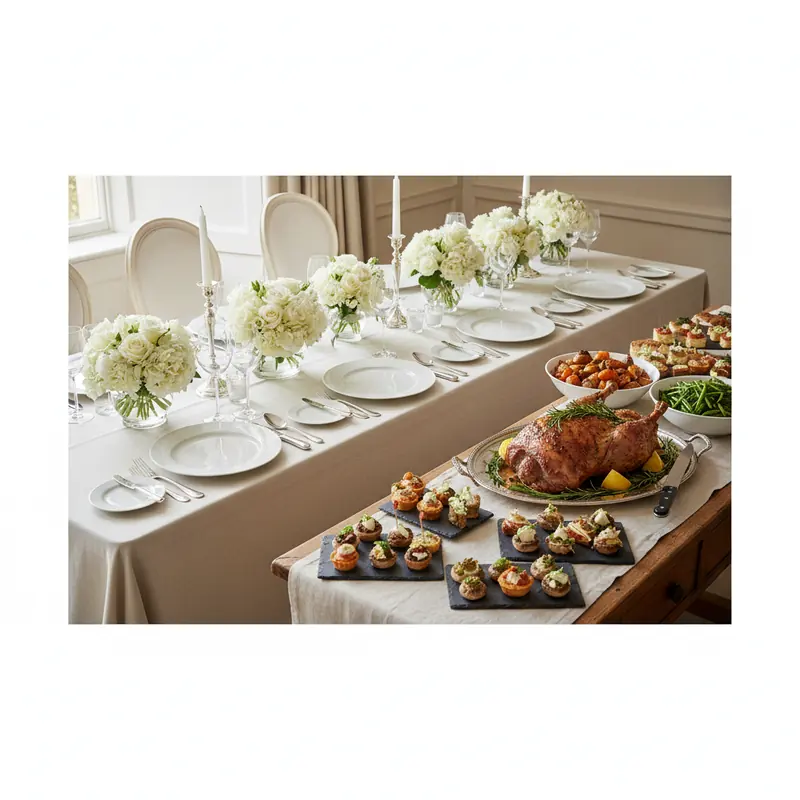
Keep the planned lunch as the default meal
An overrun changes the timetable; it does not automatically change what you have invited people to eat. If guests were told to expect lunch, keep that meal as the starting point for decisions. Refer back to your agreed seated or buffet arrangement when reviewing Wedding Catering, and identify what is actually preventing service: an unfinished speech, guests not yet seated, or a meal that is not ready. Each problem calls for a different response.
The distinction between welcome bites and a meal is supported by Essential Catering's reception timing guide, which describes arrival canapés followed by a main meal and distinguishes that arrangement from a cocktail-style wedding. Its Australian guidance is useful for this principle, not as a Hong Kong lunch schedule. Do not transfer an overseas evening timetable or quantity suggestion into your event without a menu-specific discussion.
Establish the real gap before requesting more bites
Write down the current time, the intended lunch time and the earliest revised service time the food team can confirm. Add when guests arrived, whether a ceremony or photographs came first, and what food has already circulated. Do not assume everyone ate breakfast immediately before arriving. Equally, avoid assigning the whole room a single last-meal time when you do not know it. Ask the coordinator whether particular guests have already raised a concern.
When discussing Canapé Catering, ask about the actual dishes remaining and whether they can be released in another round before lunch. Explain the gap you are trying to cover rather than requesting a vague increase in pieces. There is no reliable universal answer to how long a welcome selection can sustain a wedding party: the food, guest circumstances and access to each round all matter. Keep an unconfirmed meal time clearly marked as unconfirmed.
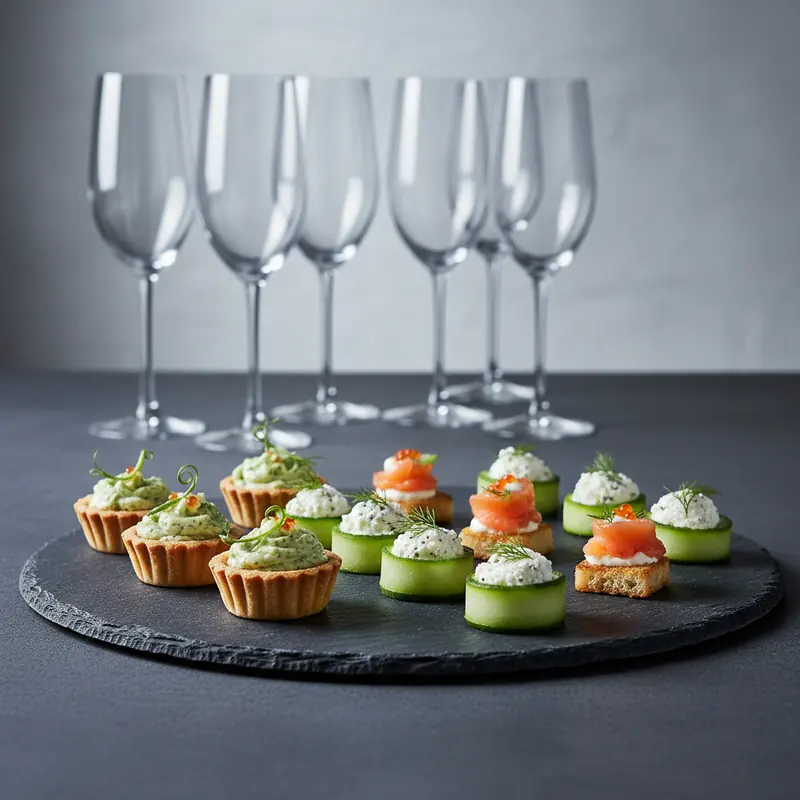
Check who has eaten, not just how many trays went out
A tray leaving the preparation area does not establish that every guest received a bite. Ask whoever is serving where the rounds have reached: the entrance, the seated tables, the photography group or a separate waiting area. If guests are already seated, determine whether food can reach them without drawing everyone back to a single station. The useful question is whether a further round can cover those who missed out, not whether the display still looks generous.
Hypothetical example: guests near the reception sideboard have helped themselves several times, while relatives seated elsewhere have received nothing. Opening another platter in the same place would repeat the imbalance. A better request is to check whether an agreed server can bring suitable food to the missed tables, or whether the coordinator can direct guests to an accessible food point. Confirm the people and route first; a photograph of a platter tells you nothing about distribution.
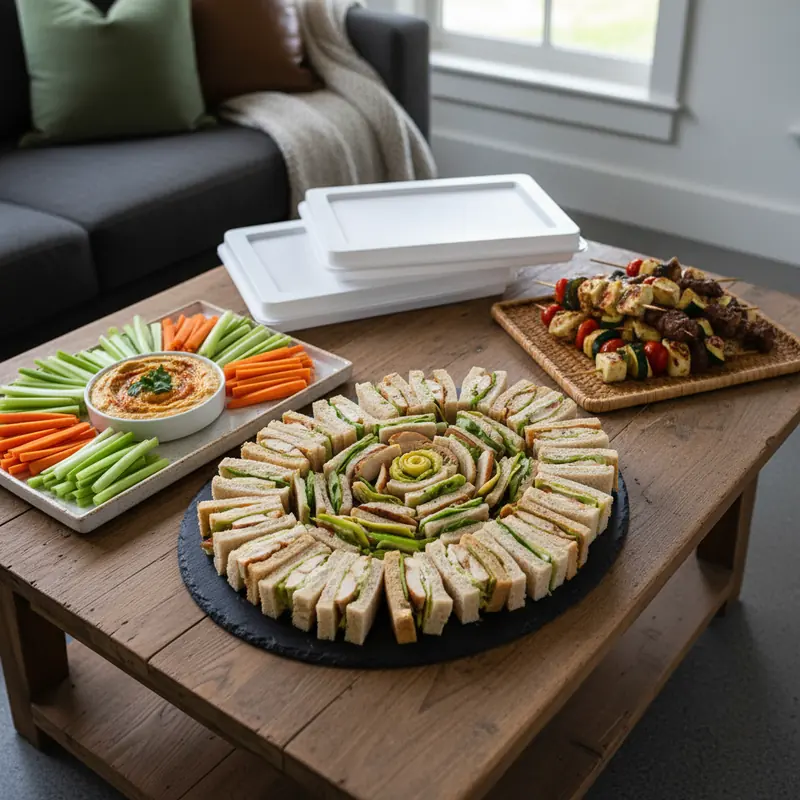
Get the kitchen or delivery team's status before changing the programme
Nominate one person to gather the food update so the kitchen, venue and supplier do not receive contradictory instructions. Ask what is ready, what is still being prepared, what has already been dispatched and what the responsible team recommends doing next. For a delivered order, the immediate contact may be the person receiving the food rather than a kitchen onsite. Separate a confirmed service time from an estimated arrival time: food reaching the building is not the same as lunch reaching guests.
Essential Catering's discussion of reception timing also notes the problem of long speeches leaving hot food waiting and describes adjusting food preparation or service around programme changes. Use that as a reason to ask promptly, not as permission to hold any dish indefinitely. Let the team responsible for the food explain which changes remain workable; do not announce a delay and assume the meal can simply wait.
Give the coordinator a decision-ready update
A useful update identifies the next dish or service stage, the earliest confirmed release, any restriction on delaying it, and the person who will give the final go-ahead. If an answer is missing, say so. This is more actionable than passing on an informal message that lunch will be soon.
Move the remaining speeches if food is ready
If the main barrier is the microphone rather than the meal, ask the master of ceremonies to agree a revised speaking order with the couple and coordinator. Options to discuss include finishing the current speaker and beginning lunch, moving the remaining speeches until after the meal, or using a later break that the food team approves. Do not automatically divide speeches between courses: it may create further pauses just as the next dish is ready.
The venue contributors in WeddingsOnline's discussion of speeches before or after a meal express different preferences, but stress informing caterers and coordinating the chosen order. That supports communication rather than a rule that every speech belongs after lunch. Choose an arrangement that respects both the speaking programme and the current food status, then give speakers the same updated instruction.
Approve a specific bridging round, not an open-ended top-up
A further round makes sense only when there is food available, someone authorised to serve it and a useful gap before the meal. Ask which dishes remain, how much can be released, where they will go and whether serving them will delay lunch preparation or setup. If lunch can begin as soon as the current speech ends, redirecting staff to another welcome round may add work without resolving the bottleneck.
If a top-up is feasible, agree its purpose and stopping point: reach the guests who have missed food, then return attention to the meal. The responsible team must confirm that the remaining items are suitable to serve in their present condition. Do not rely on appearance, an unopened box or a general claim that cold bites can wait. If new food would have to be ordered, establish availability, delivery access, charges and realistic timing before treating it as an option.
Separate delivery from onsite service responsibility
A delivery-only arrangement does not tell you who will carry trays, replenish dishes or clear tables. Before requesting a change, look at the accepted scope. Identify who receives the order, who is responsible after handover, and whether anyone has been engaged to serve guests. A driver delivering closed trays should not be treated as an unbooked reception server, and a venue employee should not be assigned supplier duties without agreement.
For a staffed event, ask the service lead whether the proposed extra round fits the booked duties and service period. Extending speeches may also affect clearing and the venue handback, so ask whether any change requires further approval or charges. For a delivery-only lunch, discuss the revised timing with the receiving contact and venue instead of assuming the supplier can manage food throughout the delay. Record who accepted each change.
Use a short responsibility check
Name the person who can authorise a programme change, the person who releases the food, and the person who tells guests what happens next. These may be different people. Once they agree, circulate one revised instruction rather than allowing family members to request separate changes directly from servers.
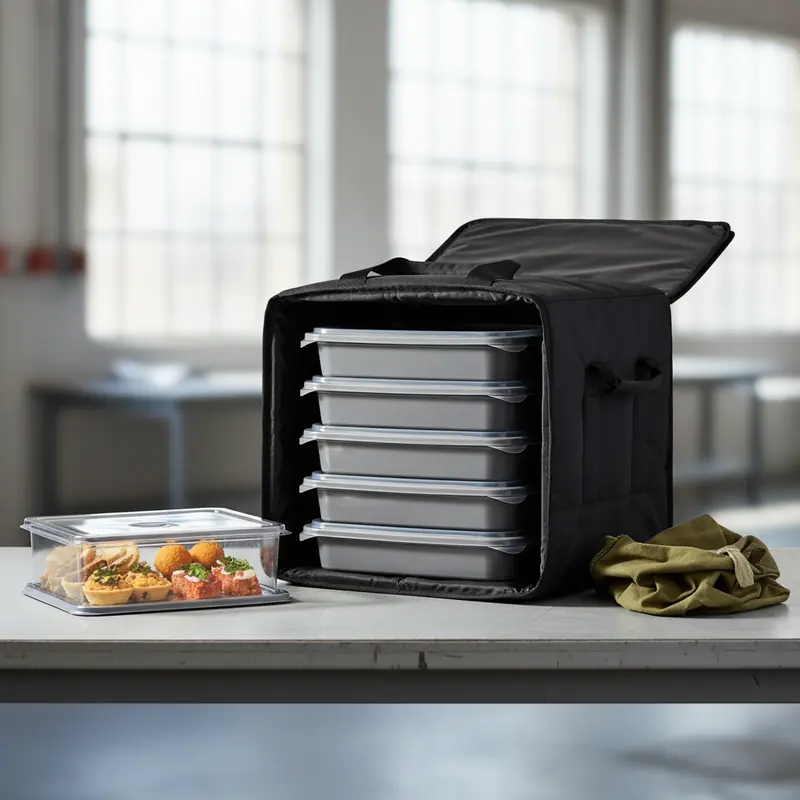
Check the Hong Kong venue's practical limits
For your Hong Kong venue, confirm the specific rules rather than assuming an outside supplier can enter during the reception. Ask whether additional deliveries are permitted, which entrance can be used, whether security or lift access needs arranging, and where any new trays could be received. An outside top-up is not a practical response if nobody can accept it or if it cannot reach the room before the planned lunch.
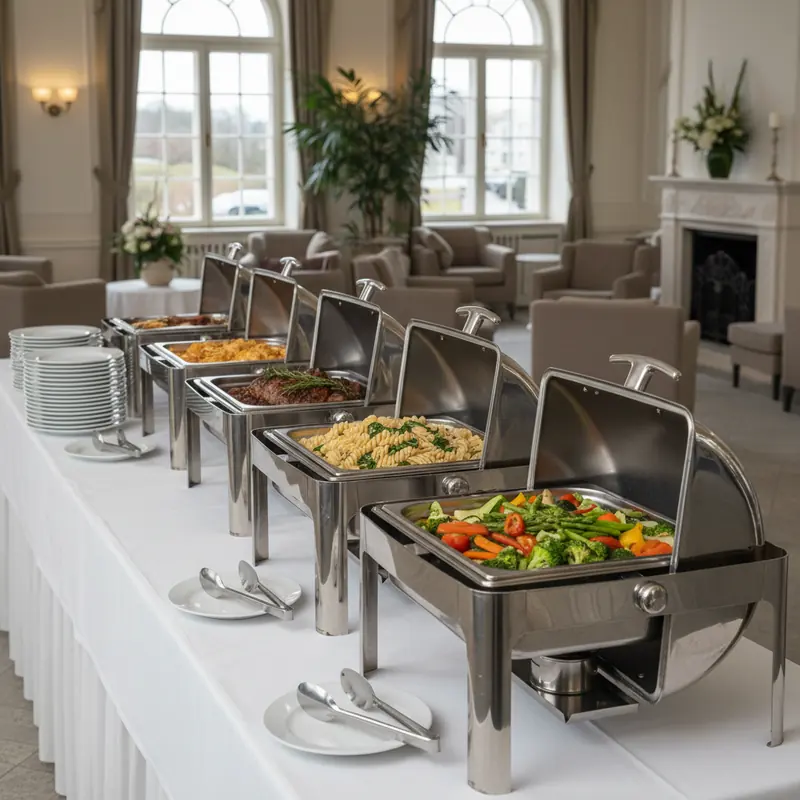
Check the available food facilities with equal care. Does the venue provide refrigeration, approved hot-food equipment, power, serving tables and the people authorised to use them? A buffet illustration or a spare sideboard does not establish those facilities. Ask the venue and food team to confirm the actual setup and handling responsibility. If the required support is unavailable, focus the discussion on releasing the existing meal rather than improvising another food station.
Tell guests what changes without making another promise
Once the food team and coordinator have agreed the next step, give guests a brief, practical update. Explain whether lunch is starting after the current speech, whether remaining speeches are moving, or whether another round of small bites will come first. State a meal time only if it has been confirmed. A calm instruction about where to remain or move is more useful than repeatedly saying that lunch is almost ready.
Do not describe an unapproved selection as suitable for a particular allergy or dietary requirement. If a guest cannot eat the available bites, tell the coordinator and ask the responsible team what confirmed option can be provided; do not substitute from an unidentified platter. Also check whether guests who need seating or assistance can access the proposed service. These are reasons to route an individual request to the right person, not grounds for promising that an emergency top-up will suit everyone.
If lunch is being replaced, commission a different brief
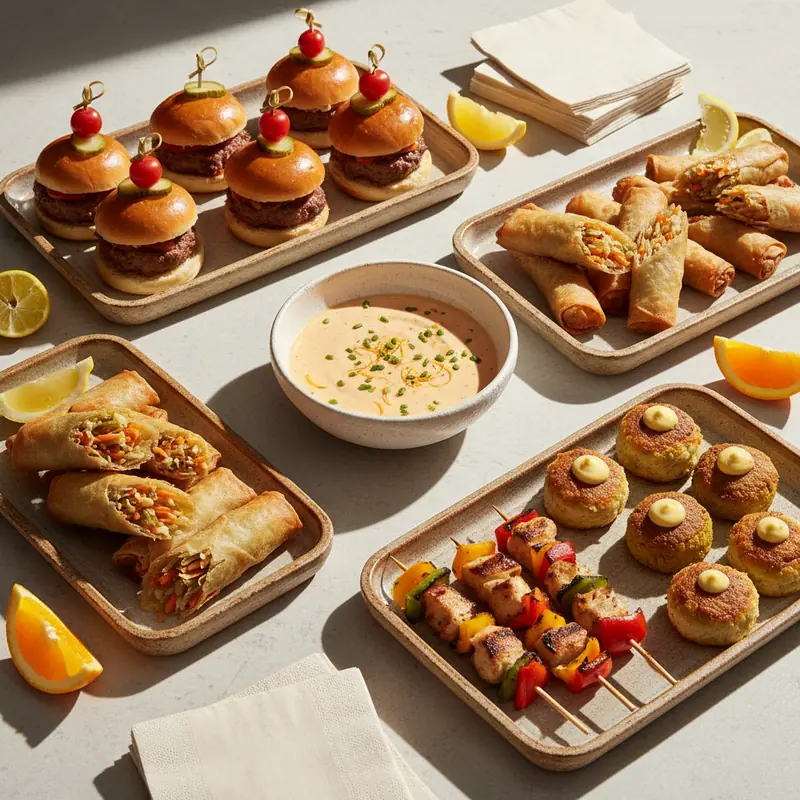
Can canapés replace a wedding lunch? A reception intended to serve as the meal needs to be designed and confirmed for that purpose; an overrun does not turn the remaining welcome bites into that arrangement. Before the wedding, discuss more substantial handheld choices, the full food-service period, replenishment and guest numbers. You can review Party Finger Food Catering as a format reference for options such as sliders or other substantial bites, but ask which dishes and quantities are actually available. It is not automatically a wedding-specific package.
The meal brief also needs to explain how people will eat: standing, seated, or using a combination of places. Ask about plates, utensils, service points and access throughout the food window. Tell guests clearly what kind of meal reception they are attending, rather than inviting them to lunch and revealing a light snack arrangement on arrival. If a replacement is proposed only after speeches have overrun, first establish whether a complete alternative is possible at all; do not cancel the existing lunch on speculation.
Compare two complete arrangements, not just piece counts
When planning ahead, set out two alternatives using Catering Packages: retain lunch with a defined welcome selection, or arrange a reception that has been briefed as the meal. For the first option, ask what happens if speeches overrun and who approves an extra release of bites. For the second, ask what food and service will cover the intended meal period. Comparing only the displayed number of pieces hides the difference between a delicate canapé and a more substantial item.
Request matching detail for food, delivery, setup, onsite staff, equipment, tableware and clearing. Identify any service extension or additional delivery separately, and have current charges confirmed for your date and venue. More welcome food is not necessarily the better purchase if moving a speech would allow the agreed lunch to begin. Conversely, choosing a planned meal reception is not simply deleting lunch from the order: its food mix and practical service requirements need their own quotation.
Record one agreed recovery plan
For wedding speech delays and catering timing, keep the final instruction short enough for everyone to follow. Record whether lunch remains the meal, the next service action, any approved bridging food, the changed speaking order and the person giving the release signal. Add any revised cost or service limit that has actually been accepted. Share that instruction with the coordinator, master of ceremonies, venue contact and responsible food lead so a second, conflicting plan does not emerge.
If you are arranging the event with YumYum Catering in advance, send the date, district, guest estimate, intended lunch time and speech sequence when asking about a contingency. Ask what could be agreed beforehand, rather than relying on an emergency order being available on the day. The central decision remains simple: when a lunch is already planned, restore its service first. Use confirmed small bites to bridge a real gap, and treat a meal replacement as a separately designed arrangement.
Details to confirm before ordering
- Meal status: lunch remains planned [yes/no]; agreed format [ ]; original service time [ ]; revised confirmed time or pending status [ ].
- Guest coverage: estimated attendance [ ]; arrival time [ ]; food already served [ ]; groups or tables not yet reached [ ].
- Food update: ready dishes [ ]; next release [ ]; restrictions confirmed by [ ]; person authorised to release service [ ].
- Bridging round, if approved: dishes and remaining quantity [ ]; serving location [ ]; responsible server [ ]; stopping point [ ].
- Speech change: remaining speakers [ ]; revised order agreed with [ ]; announcement given by [ ].
- Venue permission: outside top-up allowed [ ]; receiving contact [ ]; access route [ ]; available food equipment confirmed by [ ].
- Commercial confirmation: delivery-only or staffed [ ]; approved duties and service period [ ]; any additional charges and acceptance [ ].
- Guest communication: updated meal arrangement [ ]; dietary queries referred to [ ]; guests needing help accessing food [ ].
Questions about this decision
Should we order emergency canapés before speaking to the kitchen?
No. First establish whether lunch can begin by moving the remaining speeches. Only discuss extra food once you know the real gap, available dishes, serving responsibility and venue access. A new order is not a confirmed solution until availability and timing are agreed.
How many extra pieces will cover the delay?
There is no universal piece count. Give the food team the guest estimate, dishes already served, people who missed out and revised meal time. Ask for a recommendation based on the actual remaining menu and whether another round can reach those guests.
Can the master of ceremonies announce lunch while a speech is unfinished?
Agree the transition with the coordinator, couple and food lead first. Finishing the current speaker and moving the remaining speeches may be an option, but the announcement should follow a confirmed service instruction rather than trigger an unplanned rush to the buffet.
Does delivery include someone to replenish the welcome food?
Do not assume so. Check the accepted service scope and identify the person responsible after handover. Passed trays, replenishment, clearing and extended attendance must be specifically agreed if required.
Can we decide on the day that the welcome reception is now lunch?
Do not assume the welcome order can serve that purpose. Ask whether a complete alternative meal arrangement is feasible and what it would contain before cancelling the existing lunch. A planned meal reception needs its own food, service and guest communication brief.
Sources and further reading
Reference only. Illustrations are AI-generated design references, not photographs of actual customer orders. Confirm current contents, prices and arrangements with our team.
For this guide:Wedding Speeches Delay Lunch: Can Canapés Bridge the Gap or Replace the Meal?
Plan catering for your event
Considering Wedding Catering? Send the date, district and the points discussed in this guide to YumYum Catering to confirm suitable options and a quotation.
Book Catering NowWhatsAppThis opens a prepared WhatsApp enquiry. Availability, details and price must be confirmed before booking.
Explore related services and designs
Compare relevant options, view design references and find the information you need before making an enquiry.

Birthday Catering
Compare food arrangements for a birthday gathering, exploring shared savoury dishes, easy snacks and sweet additions that fit the occasion without assuming a particular age or guest count.
Christmas Party Catering
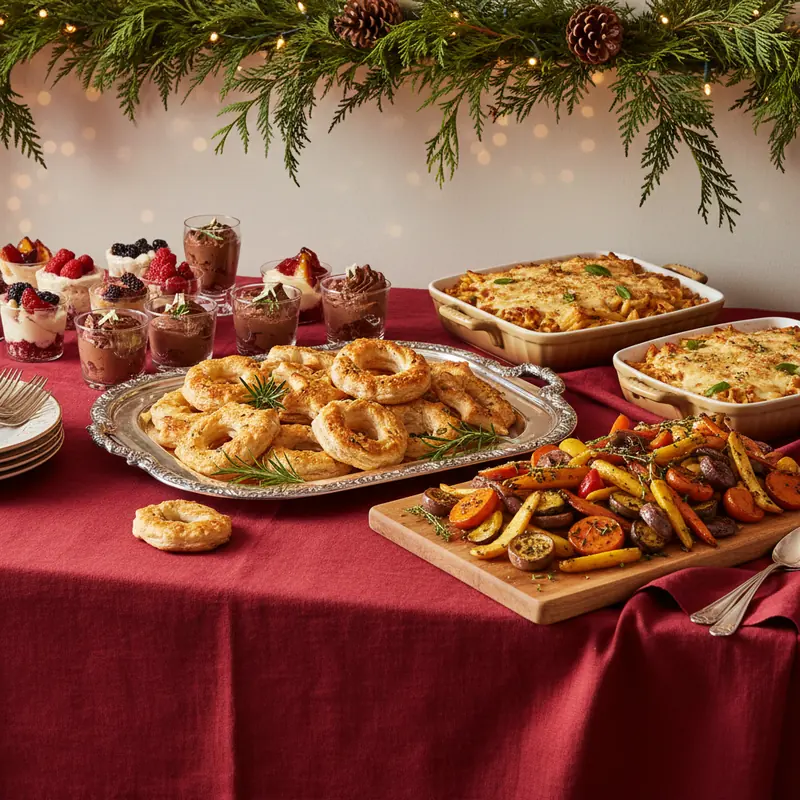
Explore Christmas party food combinations and festive serving layouts, comparing shared savoury dishes, small bites and sweet additions rather than focusing solely on a roast turkey centrepiece.
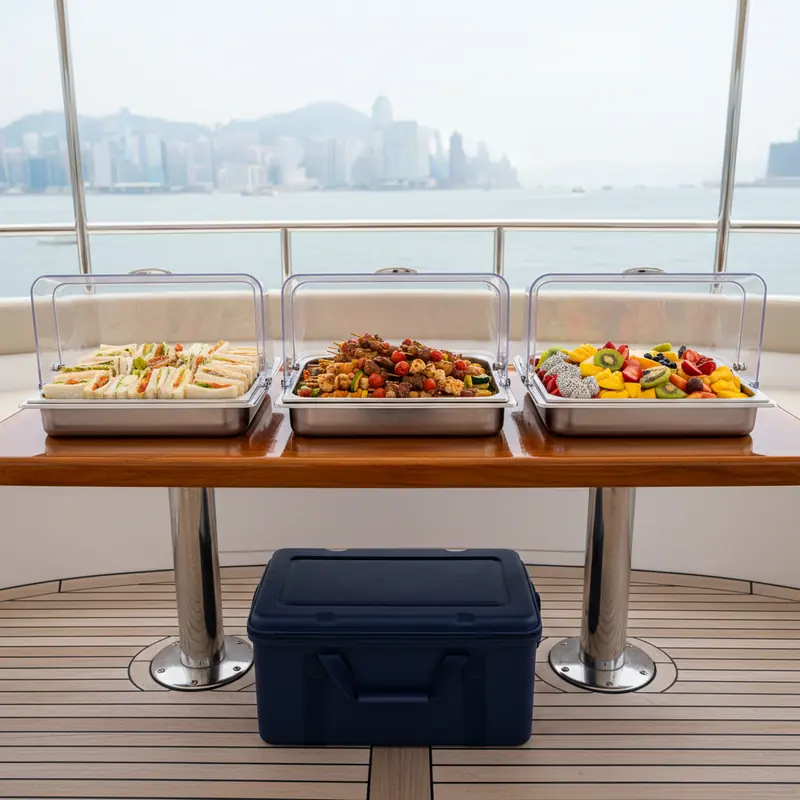
Junk Boat Party Catering
Compare food formats for a junk boat gathering, exploring portable sharing dishes and serving arrangements alongside pier delivery considerations, without assuming a particular vessel or delivery schedule.
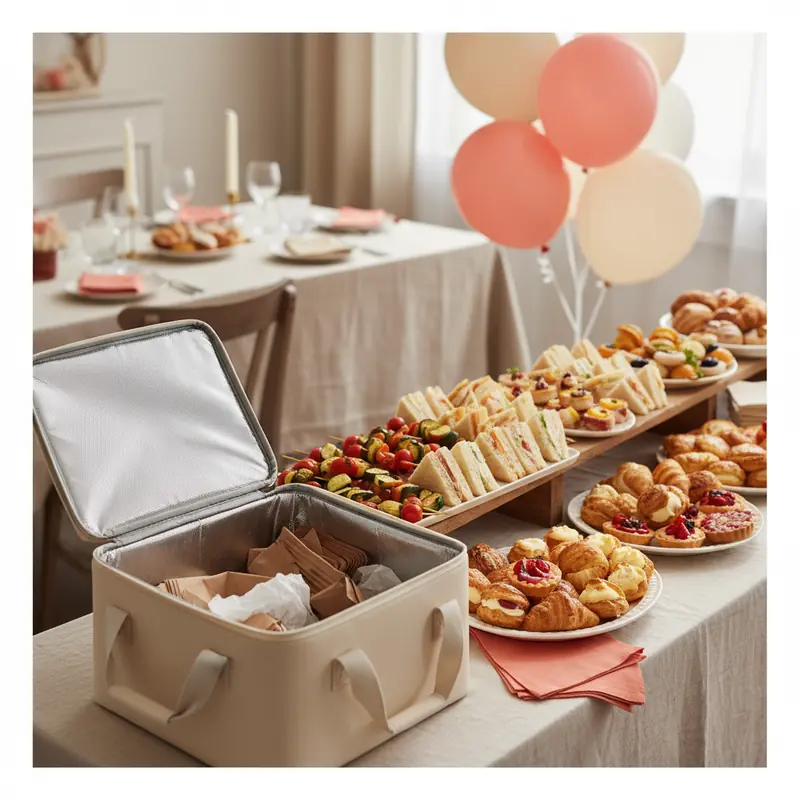
Party Catering
Compare party menu formats and food delivery considerations together, exploring shared platters, easy serving arrangements and the types of dishes suited to a social gathering.
Wedding Catering
Explore wedding dining formats, comparing buffet and banquet style arrangements, savoury courses and reception serving layouts before considering the meal presentation that fits your celebration.
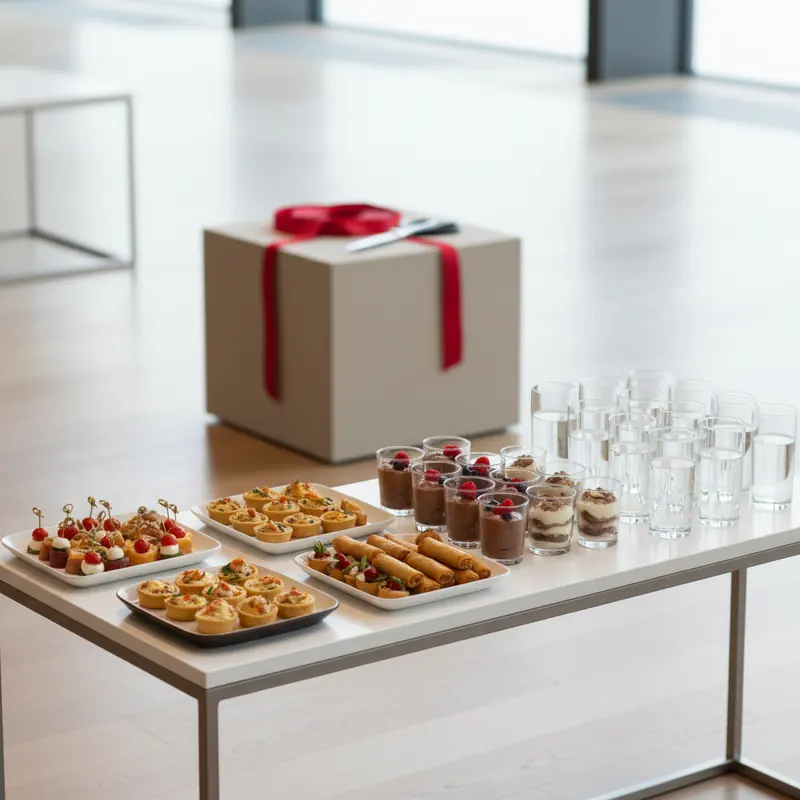
Grand Opening Catering
Explore catering formats for an opening reception, comparing easy to serve bites, shared dishes and refreshment arrangements that suit a ceremony without implying a particular business or venue.
Original AI-generated navigation references; designs and order details are subject to confirmation.
Useful options for your plans
Explore Party Food Delivery for shared dishes and delivery considerations for your gathering.
Explore Birthday Catering to compare food arrangements for a birthday gathering.
Compare festive food combinations and serving layouts with Christmas Party Catering.
Explore Junk Boat Party Catering to compare portable dishes and serving arrangements for a boat gathering.