YumYum Catering · Ordering guides
The venue provides coffee: what should you remove from an afternoon tea order?
For this guide:The venue provides coffee: what should you remove from an afternoon tea order?
Plan catering for your event
Considering Afternoon Tea Box Catering? Send the date, district and the points discussed in this guide to YumYum Catering to confirm suitable options and a quotation.
Book Catering NowWhatsAppThis opens a prepared WhatsApp enquiry. Availability, details and price must be confirmed before booking.
The meeting room is booked, the venue has confirmed coffee, and your afternoon tea quotation also mentions drinks. The sensible next step is not to delete the entire beverage line. First establish what the venue will supply, when guests can use it, and who will keep it available. Only then can you distinguish a genuine duplicate from something that merely sounds included.
For afternoon tea catering when the venue provides coffee, use three decisions throughout your order: confirmed duplicate, still a gap, or ask the supplier. Apply them separately to drinks, equipment, consumables, food and service. This keeps the discussion practical: you can ask to remove an unnecessary coffee delivery without accidentally cancelling the plates for your pastries or the person expected to replenish the food table. Start by sending the venue's written coffee inclusions to the caterer, alongside your guest count and break schedule.
Turn 'coffee included' into a written supply list
A booking note that says coffee is included leaves several questions open. It might describe access to a pantry machine, a prepared station outside the room, or a staffed service during a particular break. Ask the venue to describe the actual arrangement rather than relying on the label. Record whether coffee is reserved for your group, whether guests serve themselves, and what the venue expects your organiser to do.
Separate the drink itself from the equipment, cups, accompaniments and labour. Food and service can also have different boundaries: the US supplier A La Carte explicitly describes a food-only tea catering service. That example demonstrates why a service description needs to be read item by item; it does not establish what a Hong Kong venue or YumYum includes, or whether any particular package can be split.
Give every item a status. A confirmed duplicate means both parties have acknowledged the same requirement is covered. Still a gap means someone must supply it. Ask the supplier means the answer is unresolved, not that you can safely cancel it. Keep unanswered items on the enquiry until a named contact provides confirmation.
Check the coffee against the break, not just the booking
Compare the coffee service window with the agenda guests will actually follow. A station available before the meeting does not necessarily cover an afternoon break. Ask when service begins and ends, whether access continues if the session overruns, and whether the venue needs a notice period to change the schedule. Put the agreed window beside the food arrival and setup times.
Then clarify what the venue means by the included quantity. Is coffee provided for the booked guest count, through an allowance, or with replenishment arranged separately? Ask how refills are requested and who monitors availability. Do not infer unlimited coffee from a general room-booking description, and do not cancel catering drinks on the assumption that the venue can accommodate an increased headcount.
Access matters as much as the total supply. If all guests leave a seminar at once, ask whether the station is in the same room, a corridor or a shared pantry. Check whether another group uses it at the same time. The answer may call for a different collection route or staggered break, rather than an additional coffee order.
Keep tea, water and coffee accompaniments on the enquiry
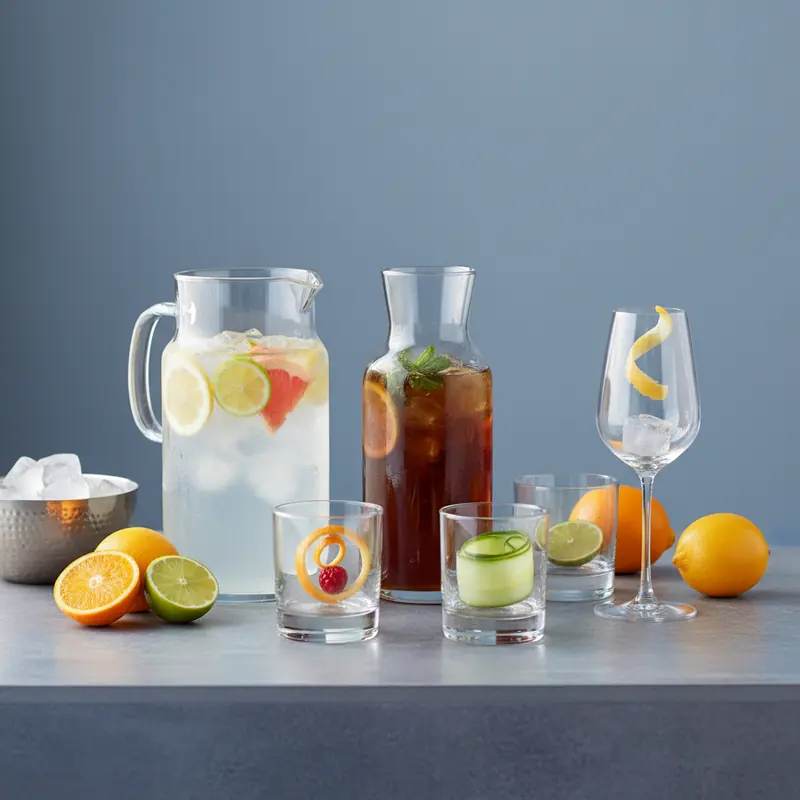
Coffee does not answer every guest's drink preference. Confirm separately whether drinking water, tea and hot water are available, including suitable vessels for each. If they are already provided for your group, there is no reason to add another drink simply because you are revising the order. If something is missing, identify that specific gap instead of reinstating an entire beverage package.
Milk, sugar and stirrers need their own check. Ask what the venue supplies, where guests find it, and who replaces depleted items. If guests request a particular milk alternative or another drink, pass the request to the relevant supplier for confirmation rather than assuming the standard station includes it. Keep any dietary or allergy enquiries specific; a drinks list alone cannot establish suitability for an individual guest.
The distinction between food and drinks is also useful when reading menu suggestions. EatFirst's afternoon tea guide discusses food choices before addressing drinks, including tea, coffee, milk and sugar. Use that separation as a planning approach, not as a list of inclusions promised by your own venue. Your final beverage order should follow the confirmed local arrangements and your guests' needs.
Remove confirmed duplicates, not whole categories
Once the venue's scope is clear, ask the caterer about the matching lines on the quotation. Delivered coffee, brewing equipment and coffee cups are possible duplicates, but none should be treated as automatically removable. The package may combine food and drinks, the equipment may have another purpose, or the supplier may have minimum-order conditions that remain after a change.
Be precise about cups. Venue cups reserved for coffee do not necessarily cover water or another drink supplied by the caterer. Likewise, removing a coffee dispenser does not mean removing a separate hot-water arrangement if the venue has not confirmed one. Describe the intended remaining drinks so that each supplier can explain what vessels and equipment are still needed.
Request a revised itemised quotation showing what has been removed, retained or substituted. Compare the scope as well as the total: fewer listed items do not by themselves prove the order is cheaper or more complete. Until the caterer accepts the amendment, treat your proposed deletions as a request rather than a confirmed change to the booking.
Keep individual tea food for a seated meeting break
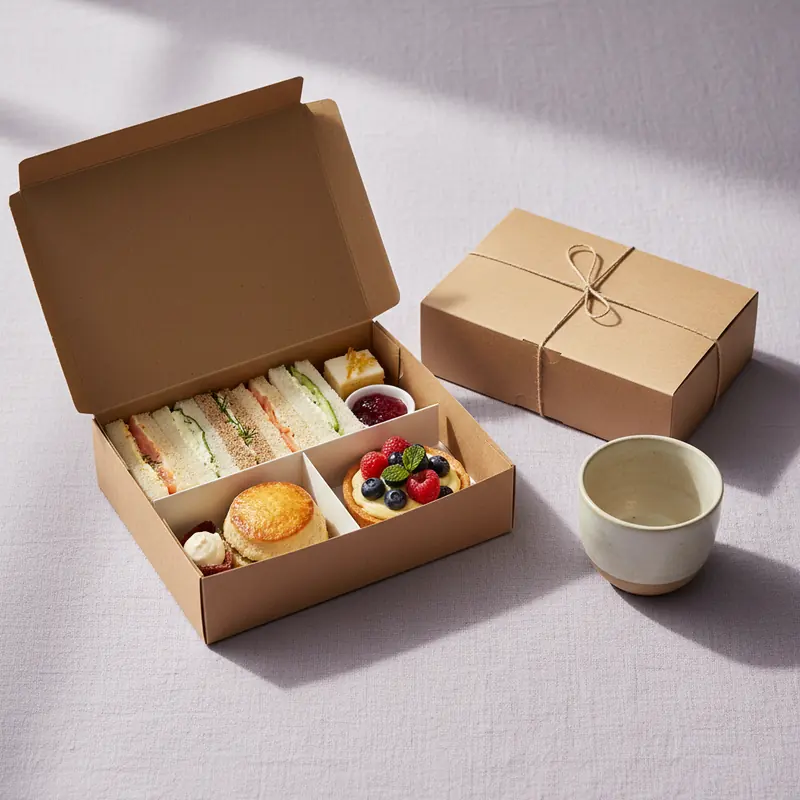
A venue coffee station does not replace the food guests expect during a working afternoon. For a seated meeting or a break taken in smaller groups, compare Afternoon Tea Box Catering as a way to organise individual savoury and sweet portions. Review the box contents and ask whether the selected option can be ordered without drinks; do not assume that a food-only version or a price reduction already exists.
Think through where people will eat. Boxes may be handed out at a side table, collected as guests leave the room, or placed at seats if the venue permits it. Confirm whether the box is suitable for eating from directly and which napkins or utensils are required. The venue's coffee cups should not be counted as covering those food-related supplies.
Retain a deliberate balance of savoury and sweet food rather than replacing an omitted drink with extra pastries by default. Tell the caterer whether the break follows lunch or needs to bridge a longer afternoon session, then discuss the menu and portions. Any special dietary requests should be checked against the actual proposed items and preparation arrangements, not inferred from the box format.
Choose hand-held bites when guests are standing
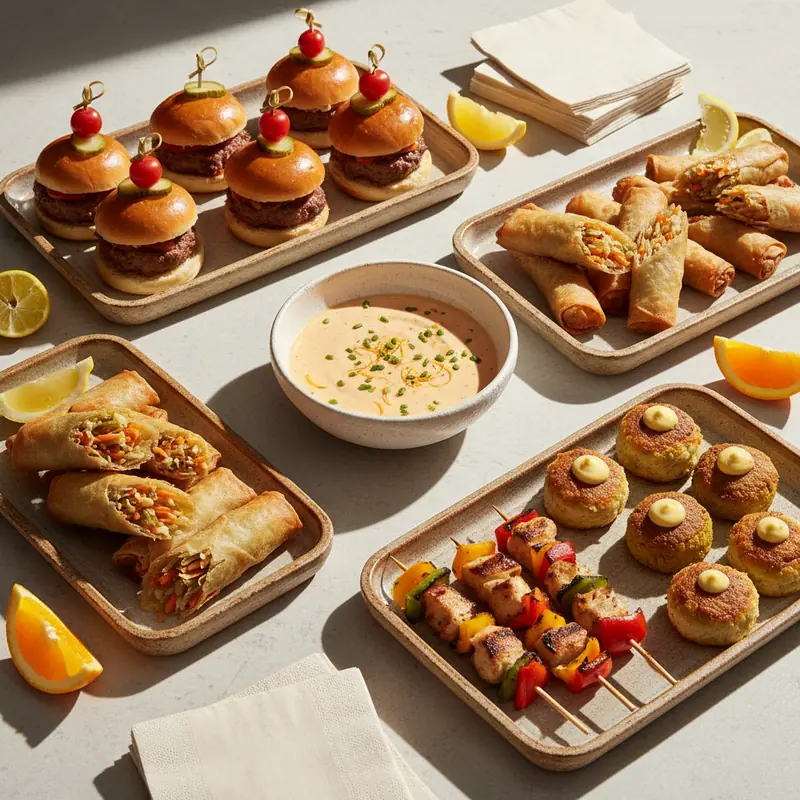
When guests will mingle with venue coffee rather than sit at a table, a full individual box may be awkward to manage. Party Finger Food Catering offers a format to compare for this setting: look at easily collected savoury bites and ask how they are presented and eaten. This is an alternative to boxed food, not an extra purchase made necessary by deleting coffee.
Check the practical details of the proposed selection. Can a guest pick up one item without balancing a plate, cup and cutlery? Does it need a skewer, a napkin or a place to put down the drink? The answers depend on the actual food, so avoid treating every small item as equally convenient for a standing break.
Position collection so guests can set down or collect food without blocking the coffee station. Ask the venue whether a separate food table is allowed and whether its location leaves the room entrance clear. A suitable layout may solve a handling problem more effectively than adding another food category or more equipment.
Use a different bite format for a formal reception
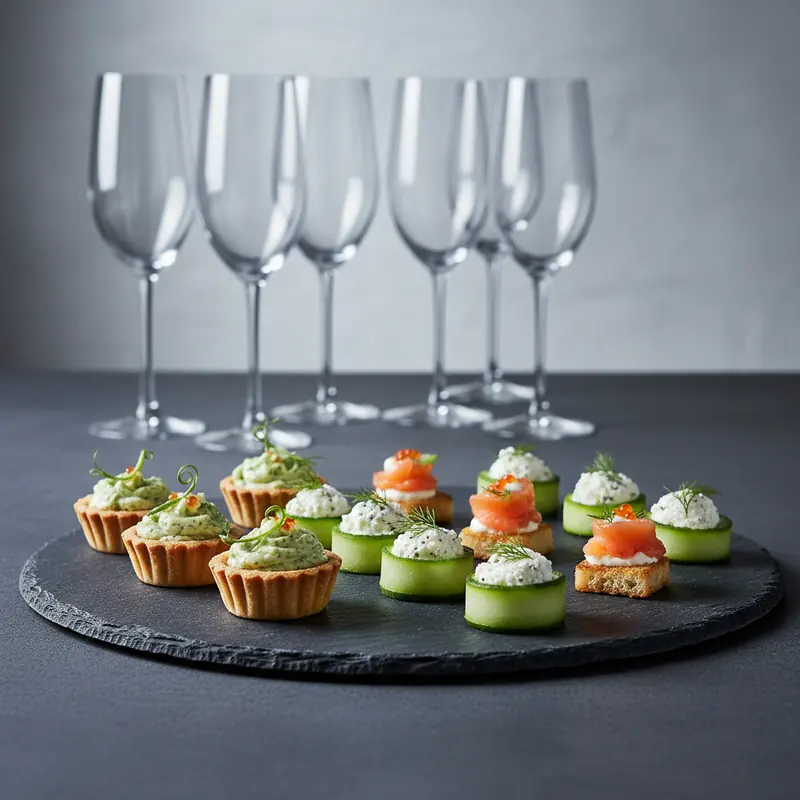
For a formal client reception, the same venue-supplied coffee may sit alongside a more deliberate one-bite food presentation. Compare Canapé Catering where that format suits the occasion. Choose between this and more informal finger food according to how guests will be received and served; there is no requirement to order both just because the coffee comes from the venue.
Ask whether the proposed canapés are intended for a shared display or another serving arrangement, and confirm any staffing separately. A small bite does not automatically include tray service, display stands or someone to circulate with food. If the reception needs a particular presentation, describe it before accepting the amended food-only quotation.
Keep the decision proportional to the event. A brief internal meeting may need straightforward individual food, while a reception may benefit from a considered display or service arrangement. The purpose of removing duplicated drinks is to make the order fit the occasion, not to redirect the same budget into a more elaborate format without a reason.
Replace sweets only when a shared display serves a purpose
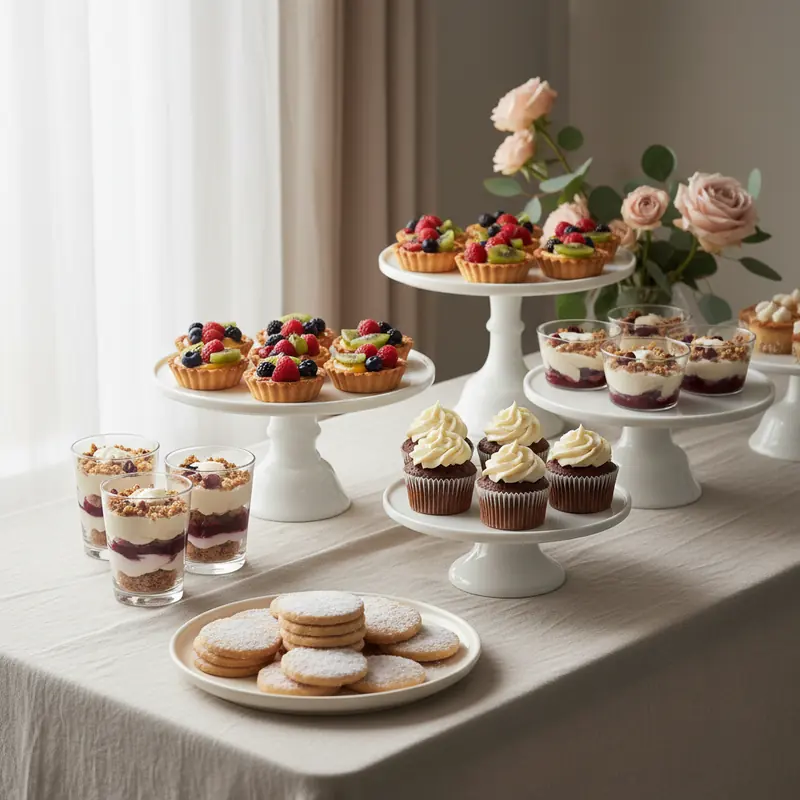
A shared dessert display can make sense when guests have space to browse and the event calls for a visible sweet selection. Consider Dessert Table Catering only in that context, after the venue confirms a suitable display area. It is not a necessary companion to venue coffee and should not be added merely to fill a gap left by an omitted drink.
Before choosing a display, check the sweet items already included in the individual boxes or other food selection. Ask whether those sweets can be adjusted if the shared table is intended to replace them. If substitutions are not available, compare the complete alternatives rather than quietly retaining the original desserts and adding a second full sweet selection.
Confirm who supplies stands, serving tools, plates and napkins, and who arranges and clears the display. Coffee equipment does not cover dessert presentation. If the room lacks a suitable table or guests have only a short break, keeping the original individual sweets may be the more practical option.
Keep food tableware separate from the coffee kit
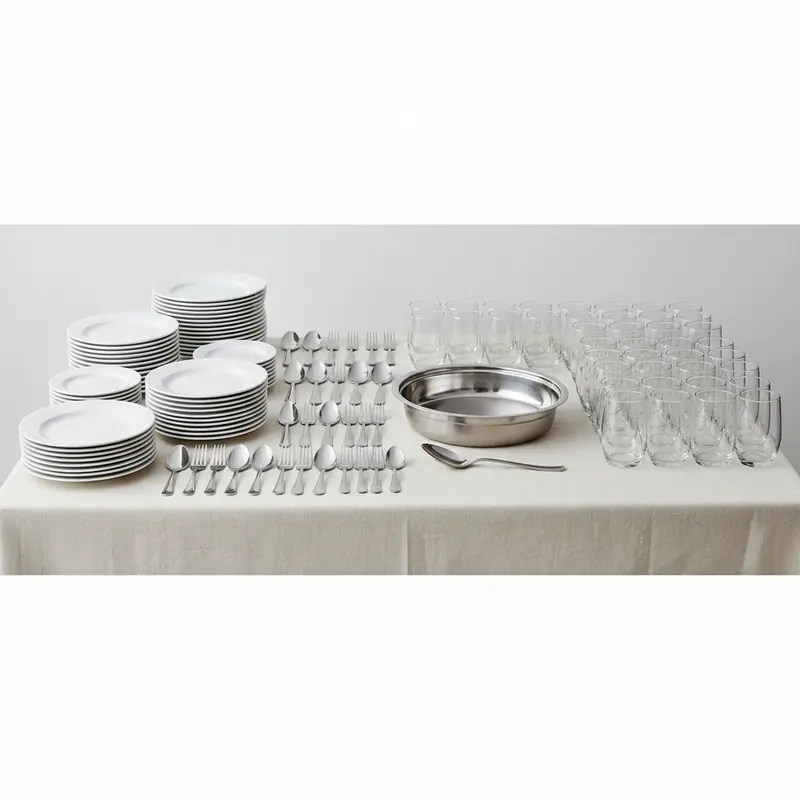
Review utensils by their job rather than by supplier. Cups and stirrers belong to the drinks check; plates, forks, food napkins and shared serving tools belong to the food check. Some items may overlap, but that should be confirmed explicitly. A venue agreeing to provide coffee cups has not necessarily agreed to provide plates for sandwiches or forks for desserts.
Ask about the actual eating format before removing anything. Individual boxes may need different supplies from shared platters, and a dessert display may require utensils that a hand-held savoury selection does not. If a food item needs tongs or another serving tool, assign someone to supply it even when the venue is handling every drink.
Also separate drink-related labour from food-related labour. A venue attendant maintaining the coffee area may not be available to receive outside food, arrange platters or collect used food packaging. Removing a duplicate beverage service should not silently remove the person you were relying on for those tasks. Check the remaining service scope in writing.
Agree the food-and-drink handover before the event
Ask the venue to confirm its outside-catering rules before finalising a food-only arrangement. Check where delivery can be received, whether food may be set out in the booked room, and which surfaces or equipment can be used. Share the relevant instructions with the caterer; neither supplier should have to infer the other's arrangements from the fact that coffee is included.
Use one responsibility record for the organiser, venue and caterer. For each item, record the supplier, confirmation status, arrival or availability time, handover location, replenishment owner and clearing owner. Share the latest version with all three parties so an accepted change to the drinks order does not leave the food team working from an earlier brief.
Before guests collect food
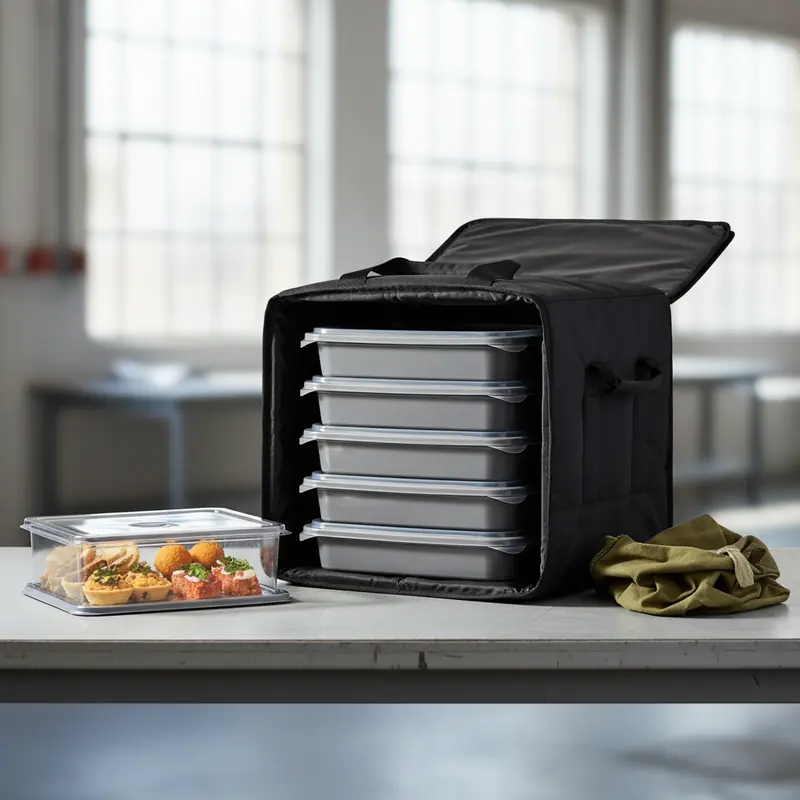
Name the person who will receive the food and the person who will authorise its final placement. Confirm whether the delivery includes setup or ends at an agreed handover point. Coordinate that handover with the venue's coffee preparation so packaging, food collection and drink queues are not competing for the same small area.
During the break and after it
Assign separate contacts for coffee refills and food replenishment, even if one person ultimately handles both. Agree who clears used cups, plates and packaging, and who returns any borrowed equipment. Record where waste should go under the venue's rules. Avoid an instruction such as 'venue handles refreshments' when it leaves all of these jobs open to interpretation.
- Item or service: ____; required purpose: ____.
- Supplier or responsible team: ____; named contact or role: ____.
- Status: confirmed duplicate / still a gap / ask the supplier: ____.
- Arrival or availability window: ____; handover or setup location: ____.
- Replenishment responsibility: ____; clearing and equipment-return responsibility: ____.
Approve the revised scope, then the revised quotation
When asking about afternoon tea catering without drinks, send the chosen food format and the venue's confirmed inclusions together. Ask whether food can be ordered independently, which drink-related items may be omitted, and whether the change affects minimum-order requirements or other quotation terms. Only the supplier can confirm the available arrangement and the price for your particular order.
For a hypothetical seated meeting, the venue might confirm coffee, cups and accompaniments but leave water and food utensils unresolved. The correct response is not 'remove all drinks and tableware'. It is to ask about omitting the duplicated coffee items, confirm water separately, and retain or source the utensils needed for the chosen food. This example illustrates the decision process, not a statement about any venue's inclusions.
Make the final approval conditional on a complete responsibility record. Every required item should either have a confirmed owner or remain visibly unresolved; no blank should be disguised as an omission that saves money. Once the venue and caterer have accepted the revised scope, keep that version with the event brief. Your aim is a coherent afternoon break with no unnecessary duplication, not the shortest possible order.
Details to confirm before ordering
- Confirm the venue's coffee service window, guest coverage and refill procedure against the afternoon agenda.
- Record separate answers for tea, hot water, drinking water, cups, milk, sugar and stirrers.
- Identify duplicated coffee items and obtain the caterer's acceptance before removing them.
- Choose a seated or standing food format; confirm savoury and sweet contents and any specific dietary requests.
- If considering a dessert display, check whether it replaces existing sweets and confirm the permitted display space.
- Assign food plates, eating utensils, serving tools, napkins, delivery receipt, replenishment and clearing to named roles.
- Confirm outside-catering rules, food-only ordering availability, minimum-order requirements and the revised quotation in writing.
Questions about this decision
Should I cancel catered coffee as soon as the venue says it is included?
Not yet. Confirm the service window, quantity or refill arrangement, cups, accompaniments and operating responsibility. Then ask the caterer whether the matching coffee items can be removed from your selected package.
Does removing drinks guarantee a lower catering bill?
No. Package structure, minimum-order requirements and the remaining service scope may affect the quotation. Request an itemised revision and have the caterer confirm the final terms before approving the change.
What if the venue provides coffee but no drinking water?
Treat water as a separate gap. Agree whether the venue, caterer or organiser will provide it, including drinking vessels and replenishment. You do not need to restore an entire drinks package just to address that single requirement.
Do I need boxes, finger food and canapés together?
No. Compare them as alternative formats for seated guests, informal mingling or a more formal reception. Choose according to how people will eat and the service you want, rather than combining every option.
Who should receive the food if the venue staff only manage coffee?
Name an organiser or another agreed contact before the event. Confirm the handover point and whether the caterer provides setup. Do not assume the venue's coffee staff will receive or arrange outside food unless the venue expressly agrees.
Sources and further reading
Reference only. Illustrations are AI-generated design references, not photographs of actual customer orders. Confirm current contents, prices and arrangements with our team.
For this guide:The venue provides coffee: what should you remove from an afternoon tea order?
Plan catering for your event
Considering Afternoon Tea Box Catering? Send the date, district and the points discussed in this guide to YumYum Catering to confirm suitable options and a quotation.
Book Catering NowWhatsAppThis opens a prepared WhatsApp enquiry. Availability, details and price must be confirmed before booking.
Explore related services and designs
Compare relevant options, view design references and find the information you need before making an enquiry.
Dessert Table Catering
Explore dessert table layouts and sweet selections, comparing display heights, small dessert formats and the balance of treats for a reception, party or shared refreshment table.
Drinks Catering
Compare beverage formats and drink presentation styles for gatherings, exploring pitchers, individual glasses and cocktail style arrangements alongside the food and serving setup you are considering.
Hong Kong Catering Service
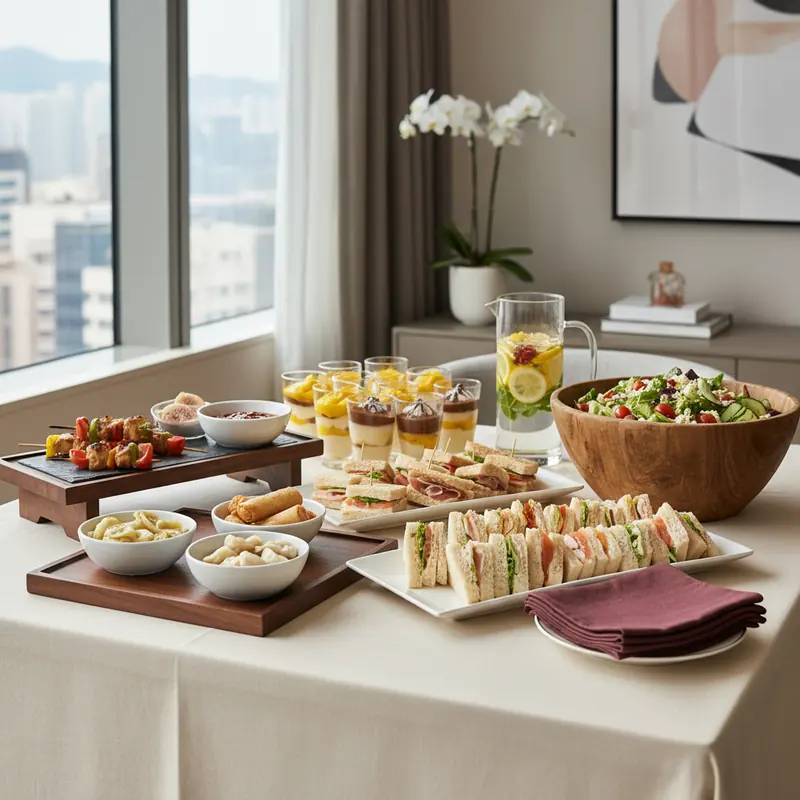
Explore catering formats for different gatherings, comparing shared dishes, individual meals and event settings before moving to a more specific menu or occasion page.
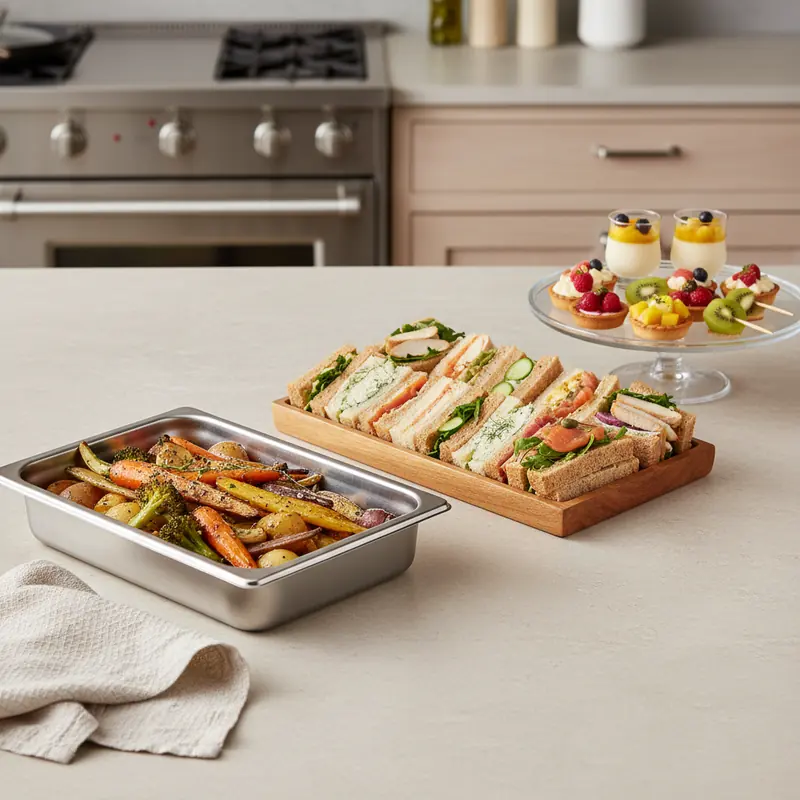
Catering Services
Compare meal presentation styles, savoury selections and dessert additions across the catering range, then explore the format that suits how you want guests to dine.
Original AI-generated navigation references; designs and order details are subject to confirmation.
Useful options for your plans
Compare sweet selections and display layouts with Dessert Table Catering.
Explore Drinks Catering to compare beverage formats for your gathering.
Compare savoury dishes, desserts and meal formats through Catering Services.
Explore Hong Kong Catering Service to compare catering formats for your next gathering.