YumYum Catering · Ordering guides
Can Chinese, Western, Korean and Thai Mains Share One Buffet Setup?
For this guide:Can Chinese, Western, Korean and Thai Mains Share One Buffet Setup?
Plan catering for your event
Considering Chinese Food Catering? Send the date, district and the points discussed in this guide to YumYum Catering to confirm suitable options and a quotation.
Book Catering NowWhatsAppThis opens a prepared WhatsApp enquiry. Availability, details and price must be confirmed before booking.
You have decided on a buffet with Chinese, Western, Korean and Thai mains. The remaining question is practical: can they sit along one serving table without four different equipment arrangements? Often they can, provided the individual dishes suit the proposed holding method. Sharing an equipment type does not mean mixing dishes in one pan, moving one pair of tongs between them, or assuming every delivered container fits the same warmer.
Start your mixed cuisine buffet serving setup with a dish-by-dish check, not a shopping list of warmers. For each proposed main, record its texture, how guests will take a portion, its pan requirements and any finishing work. Then ask the caterer to identify which dishes can use a common arrangement and which need an exception. The steps below turn that conversation into a menu and equipment brief you can actually approve.
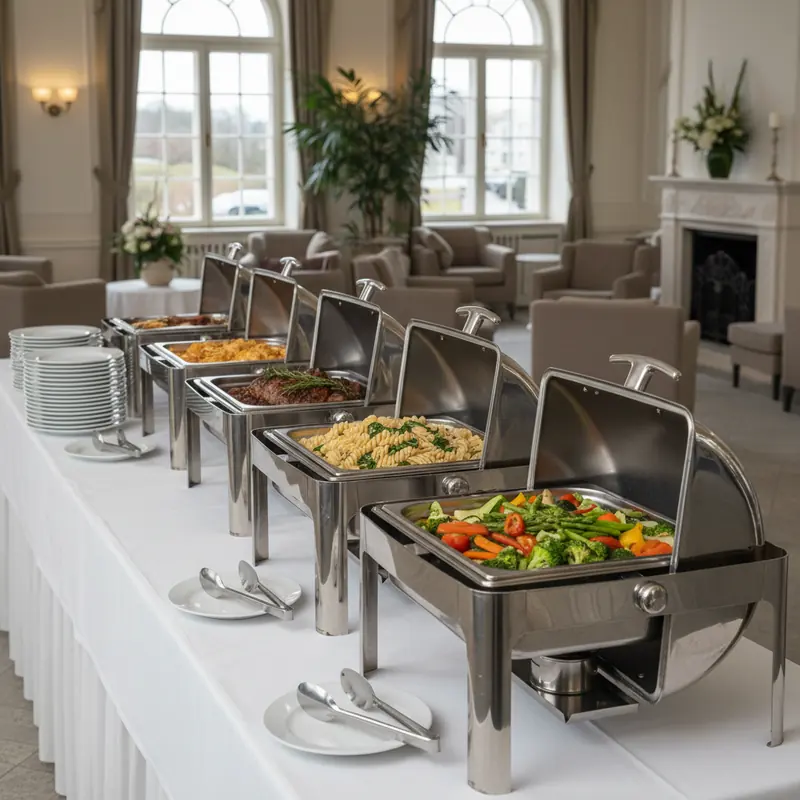
What a mixed cuisine buffet serving setup can share
Think of the buffet as several separate food positions using compatible equipment, rather than one large hot-food container. A Chinese sauced main and a Western braise might use the same model of warming unit while occupying different pans, with different utensils. Their compatibility depends on the actual food and the supplier's service instructions. A cuisine name alone tells you neither the required pan depth nor whether a dish needs attention during service.
Sort the shortlist into three groups: moist, cooked mains that can be portioned directly; dishes whose appeal depends on a dry or crisp surface; and dishes that require assembly, carving or cooking at the venue. This is a useful starting filter, not a guarantee. The equipment guide from Caterpax identifies moisture, ease of serving and already-cooked dishes as relevant selection factors, and flags crisp fried foods as poor candidates for steam holding. Ask the caterer to assess the particular recipes against those factors.
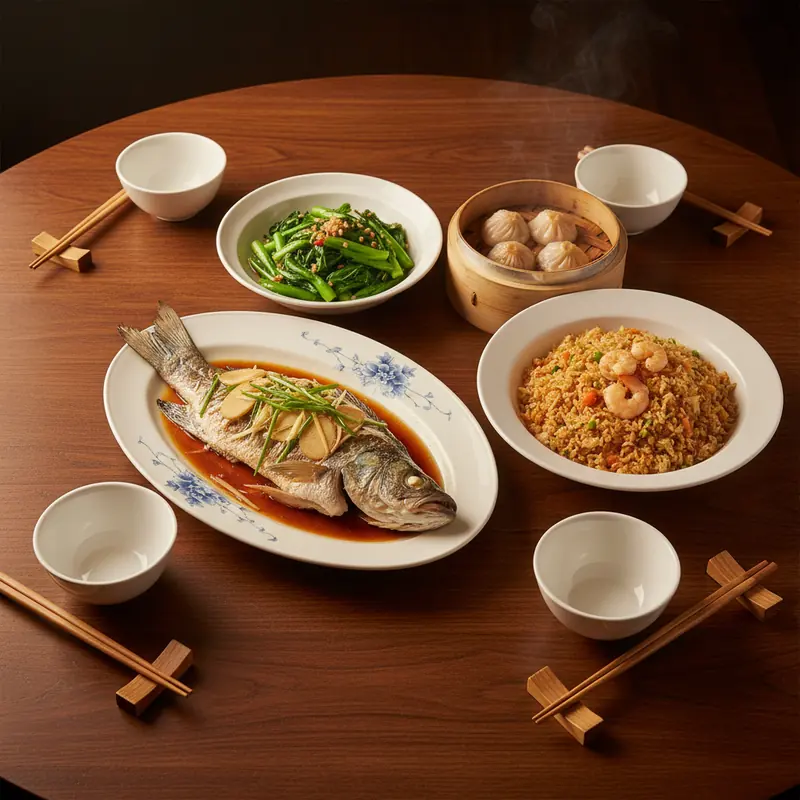
Chinese mains: ask for shareable portions, not just a sharing platter
For the Chinese part of the menu, ask whether there are sauced sharing mains that arrive cooked and can be taken in manageable portions. The useful distinction is between a dish guests can lift or spoon onto a plate and one that requires someone to cut, debone or separate it first. A whole centrepiece may look attractive, but it does not automatically have the same self-service requirements as a pan of portioned food.
Use Chinese Food Catering to explore the menu direction, then ask which current options can be supplied in a format suitable for your planned equipment. Confirm the piece size, any bones and whether the sauce should be served with each portion. These are questions about candidate dishes, not confirmation that a particular main is available or can be combined with every other package. If a proposed dish needs attended portioning, include that separately in the brief or choose an easier-to-serve alternative.
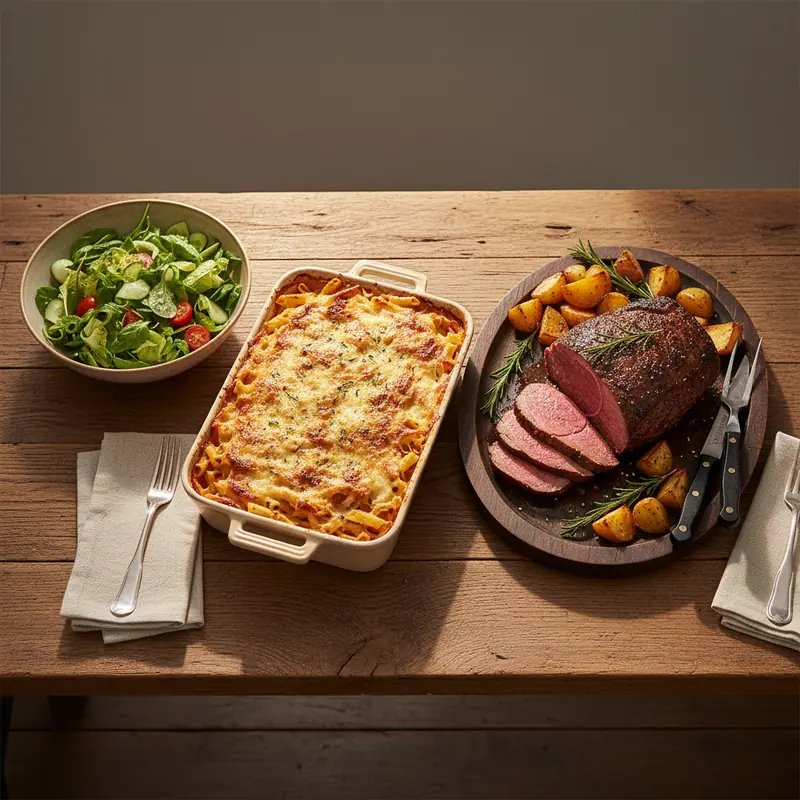
Western mains: separate sauced dishes from carving and crisp finishes
A braised main, a sauced meat dish and a baked main present different serving questions from an uncarved roast. For a braise, ask whether guests can take both the solid pieces and an appropriate amount of sauce with the proposed utensil. For a baked dish, ask whether it will be pre-portioned or whether the first guest must cut through the surface. Neither the word baked nor the presence of sauce proves that a dish will suit every warmer.
When reviewing Western Catering, compare the actual preparation and serving format rather than treating all Western dishes alike. If a roast is proposed, establish who slices it, where that happens and whether the served portions then use a separate holding arrangement. If crisp skin or a crust is central to the dish, ask how that finish is intended to be served. Do not make it a standard steam-pan main merely to keep all the equipment identical.
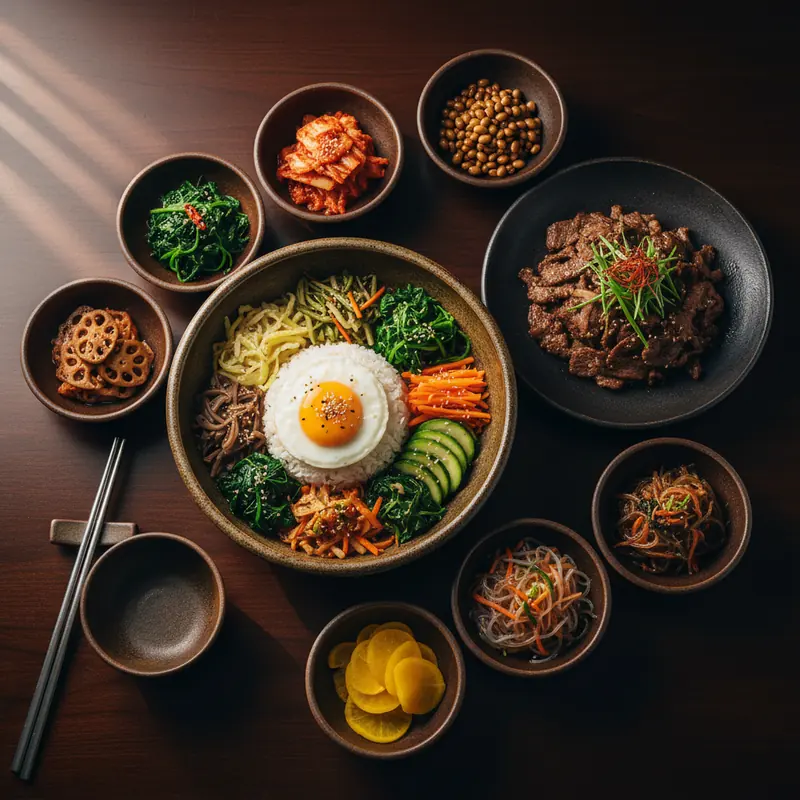
Korean mains: distinguish ready-to-serve food from a cooking station
For a shared buffet line, the simplest Korean candidates to discuss are fully cooked mains that guests can portion directly. Check whether sliced pieces separate readily and whether the recommended utensil can take a serving without dragging a large bundle across the pan. Also establish which accompaniments are part of the main and which are optional additions. A photograph showing cooked meat beside several side dishes does not tell you how those components will be packed or served.
Ask about the current dishes and service formats through Korean Catering, making clear that you want cooked, portionable mains for a common serving line. On-site grilling is a separate cooking requirement, not simply another hot pan. Likewise, a main that guests must assemble needs extra containers, utensils and working space. If that interactive element is important, plan it deliberately; if your priority is a straightforward self-service line, ask for a suitable ready-to-serve alternative.
Thai mains: match the sauce, pan and ladle
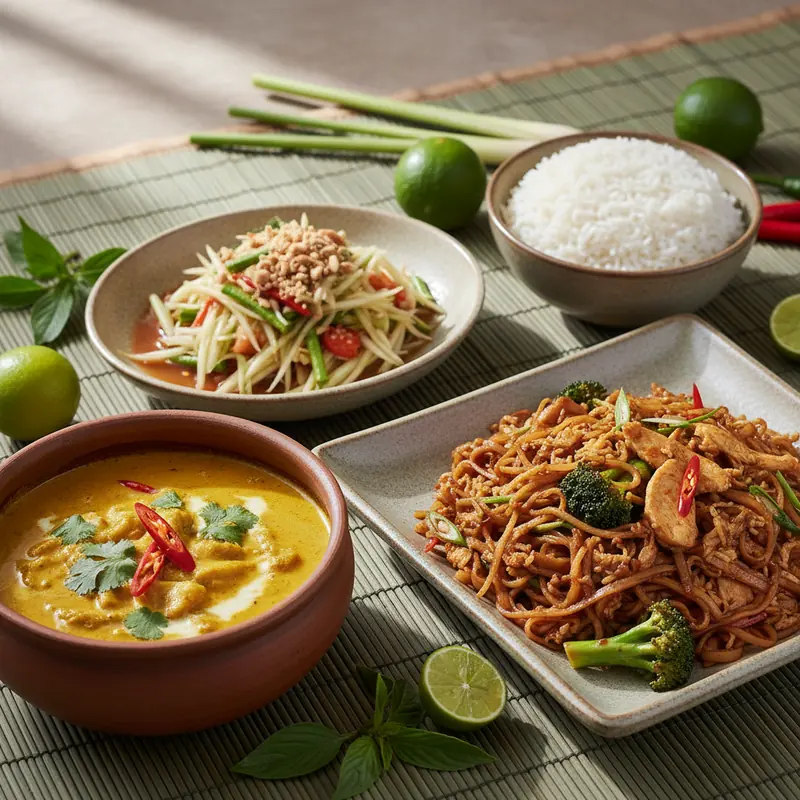
For a Thai sauced main, ask how the solid ingredients and liquid are meant to be portioned together. The pan needs to accommodate the dish as supplied, and the serving utensil needs to reach it comfortably. A shallow presentation tray and a deeper serving pan are not interchangeable simply because their top edges look similar. Confirm the supplier's recommended fill level and how the pan will be handled when it is replaced.
Review Thai Catering for possible menu directions, then confirm which dishes suit the proposed holding method and whether anything must be added separately. A garnish, condiment or finishing sauce creates another serving position, even when its container is small. Keep those additions visible and allow room for their utensils. Do not assume every Thai main is sauce-based, or that a sauced dish can remain on display indefinitely without a specific service plan.
Check pan fit before counting warming units
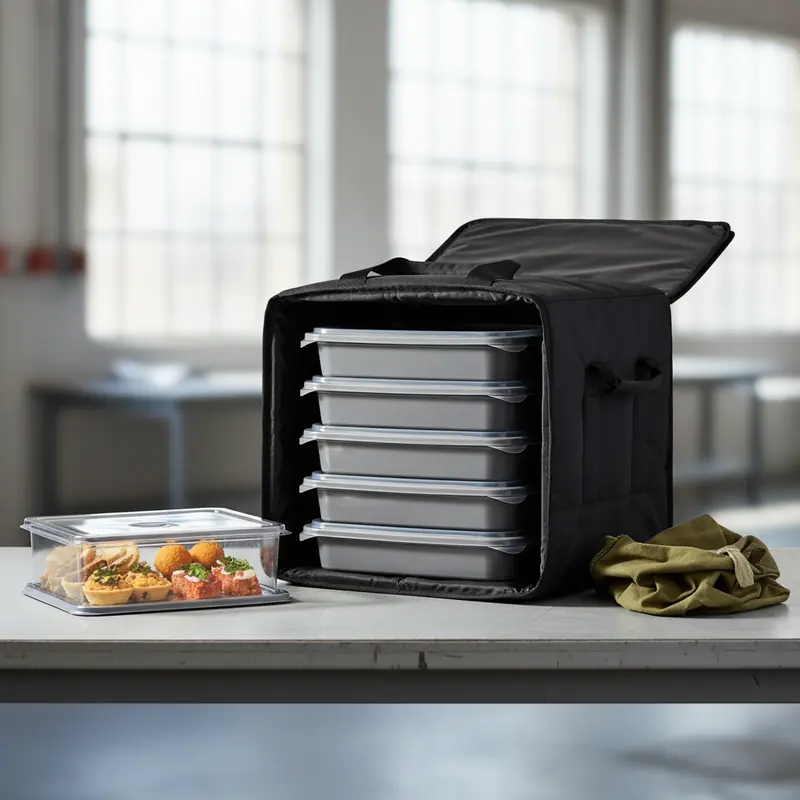
When choosing buffet mains for chafing dishes, ask for the actual food-pan specification before deciding how many warmers you need. Record the pan dimensions, depth, material and lid arrangement, plus the compatible warming frame and heat source. Ask whether the food arrives in its serving pan or must be transferred. Delivery packaging is not evidence of heat compatibility, and a pan that fits a table may still be unsuitable for the intended equipment.
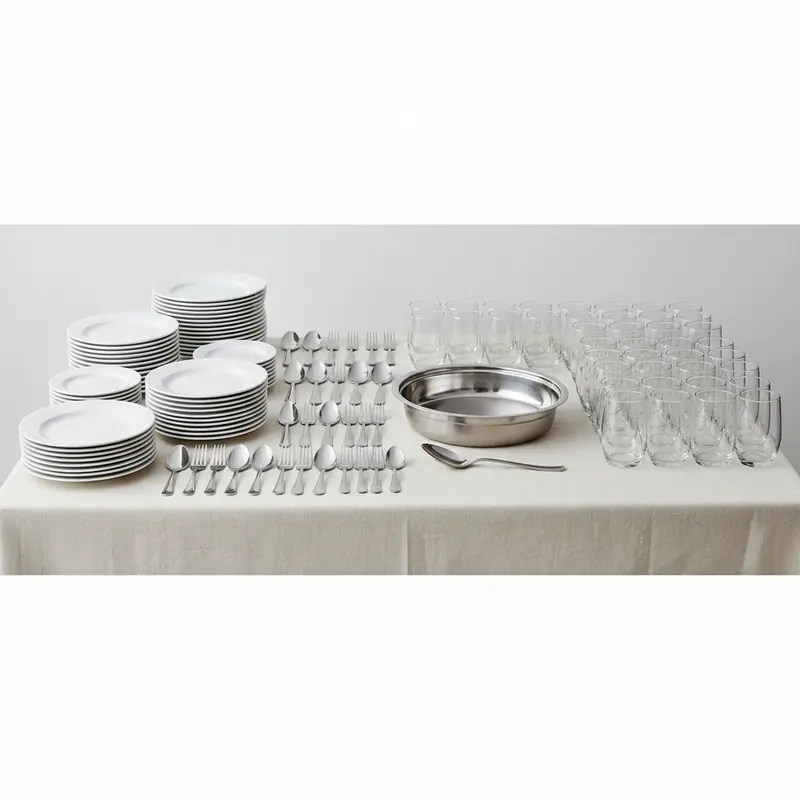
Complete the per-dish record below before making a rental enquiry. If you are missing serving dishes or utensils, use Tableware Rental to ask about the required specifications, quantities and available items. Confirm whether the requested warming equipment is available at all, what is included, and who is responsible for setup and collection. Do not assume a particular warmer is stocked or that installation, fuel or power accessories are included.
- Dish and preparation: ___; cooked and ready to serve, or further work required: ___.
- Serving pan dimensions, depth and material: ___; supplied by: ___.
- Warming frame and compatible heat source: ___; confirmed by: ___.
- Lid type and opening clearance: ___; delivery-container transfer required: ___.
- Utensil type and quantity: ___; spare utensil and resting position: ___.
- Replacement pan and handling responsibility: ___; agreed service instructions: ___.
Give each main its own utensil and a workable portion
Choose the utensil around what the guest needs to lift. A sauced main may call for a serving spoon or ladle; a main in distinct pieces may be better served with suitable tongs. Ask the caterer to match the utensil to the dish instead of ordering identical tongs for visual consistency. The guest should not have to improvise with a fork intended for eating or use a neighbouring dish's utensil to collect sauce.
Keep a dedicated utensil with each dish and agree where it rests between uses. This reduces unwanted mixing of flavours and unnecessary contact, but it is not a guarantee against allergen cross-contact. Raise any dietary requirements with the caterer separately. Also ask whether the dish is genuinely portionable as supplied: if guests need to cut large pieces while balancing a plate, the menu needs pre-portioning, an attended service arrangement or a different main.
Make explicit exceptions for crisp or unfinished mains
Uniform equipment is convenient only if it suits the food. The warning about crisp fried foods in the Caterpax chafing-dish guide is a reason to question the holding method, not to exclude an entire cuisine. The same menu can contain a straightforward sauced main and another dish that needs a different arrangement.
For each exception, choose between a supplier-confirmed alternative service method and replacing the dish. Ask what additional equipment, space and staffing the alternative requires. An exception that cannot be accommodated at the venue should be resolved before ordering, rather than left as an instruction to the person unpacking the delivery.
If crispness is part of the dish
Ask whether the caterer recommends a separate holding method, an agreed batch-service arrangement or another preparation. Each option needs confirmation for the food and venue concerned. Simply removing a lid is not a complete holding plan and should not be presented as a solution that preserves both texture and appropriate food conditions. If no workable arrangement is available, choose a main whose intended texture fits the shared equipment.
If the dish needs carving, cooking or assembly
Identify the task and the person doing it. Carving requires a work position; cooking requires a separately agreed cooking setup; guest assembly requires space for components and utensils. These are different demands, even if the finished dish eventually sits beside the other mains. Write the extra requirement into the order, or ask whether the dish can arrive in a suitable ready-to-serve form without changing its intended presentation beyond what you accept.
Draw the serving line with lids, toppings and replenishment in mind
Sketch the table as guests will use it: plates first, separate main-dish positions, any relevant accompaniments, and a clear exit. Draw the open lids and utensil rests as well as the pan footprints. A layout that fits closed equipment can become awkward once guests lift covers and reach for ladles. Put an optional sauce or topping near its associated dish where practical, rather than requiring guests to move back against the queue.
Leave a route for the person replacing pans. The Restaurantware station-layout guide highlights guest flow, access for replenishment and the need to plan equipment and utensils together. For your event, confirm that replacement can happen without carrying pans through a crowd or over other open food. If space is insufficient, simplify the menu or agree a different layout rather than squeezing in another main.
Agree on replacement pans and actual temperature checks
Discuss smaller serving quantities with replacement pans, especially if guests will arrive in waves. The FDA's buffet guidance recommends small serving platters with reserves and replacing a nearly empty dish instead of adding fresh food to food already on display. Ask how that approach will work with the selected mains: where reserves are kept, which pans are ready for use and where removed pans will go.
The same FDA guidance advises checking warming equipment capability and taking food temperatures. A visible heat source is not proof that the food has reached or maintained the intended condition. Ask the caterer who checks temperatures, what equipment they use and what action they take if a reading is unsuitable. These are general planning principles from US consumer guidance, not a statement of Hong Kong legal temperature requirements or a guaranteed holding time for your menu.
Match the setup to the venue's actual limits
Before confirming the menu, ask the venue what table space and heat sources are permitted. If electrical equipment is proposed, have the venue and supplier confirm the available supply and the intended arrangement. If another heat source is proposed, obtain venue approval rather than assuming it is acceptable because the equipment is portable. Include the clearance needed for opening lids and the space required for reserves, not just the front serving table.
Then settle the handover. Identify who receives the delivery, sets out the equipment, follows the supplier's operating instructions, monitors the food and replaces pans. A drop-off order and an attended service do not create the same responsibilities. Confirm the scope and any charges for the particular order with customer service. If nobody is assigned to a necessary task, simplify the arrangement or ask what additional service can be agreed before final approval.
Send one mixed-menu brief and ask for a dish-by-dish reply
Send the proposed mains together with your guest count, serving period, arrival pattern and venue restrictions. State that buffet self-service is already decided and that you want to know which mains can use compatible warming equipment in separate pans. Through Buffet Catering, ask about the applicable package, whether the cuisine choices can be combined, and the pan and replenishment arrangements. The answer should address your actual shortlist rather than simply confirm that a buffet is possible.
Request a reply against each dish: confirmed service format, pan, utensil, holding arrangement, any separate finishing task and replacement responsibility. Compare that reply with your sketch and per-dish records. Keep mains that fit the agreed setup, accept only clearly planned exceptions, and replace unresolved dishes before the order is final. You can preserve the variety of four cuisines without pretending that all their dishes have identical service needs.
Details to confirm before ordering
- List the proposed Chinese, Western, Korean and Thai mains and obtain confirmation of availability and whether they can be combined in the order.
- Record the guest count, serving period and whether guests arrive together or in waves.
- Complete each dish's pan, lid, heat-source and delivery-container compatibility record.
- Confirm a dedicated utensil for each main and separate positions for any sauces, garnishes or assembly components.
- Resolve every crisp, carving, cooking or assembly exception with a confirmed arrangement or a replacement dish.
- Confirm venue permissions, usable table space, equipment provision, setup responsibilities and any order-specific rental or service charges.
- Name the people responsible for temperature checks, reserve-food arrangements, pan swaps and removal of used pans.
Questions about this decision
Can two cuisines use separate compartments within one warming unit?
Potentially, if the supplier confirms that the unit, divider arrangement and separate pans are compatible with both dishes. Each dish still needs its own utensil. Check the actual pan configuration rather than assuming every warming unit accepts smaller pans.
Should I choose a warmer first and fit the menu around it?
If venue equipment is fixed, give its specifications to the caterer at the start. Otherwise, shortlist mains by their serving needs and confirm compatible equipment before ordering. Do not buy or rent equipment based only on photographs of the food.
Can delivery trays go straight onto a chafing frame?
Only after the supplier confirms their material, dimensions, depth and suitability for that equipment and heat source. Ask whether transfer into a different serving pan is required and who will carry it out.
What should happen if a selected main is substituted?
Recheck the replacement dish's pan, utensil, texture and finishing requirements. A substitute from the same cuisine may need a different service method, so the equipment brief should be updated before you accept it.
Does using separate utensils make a mixed buffet suitable for every dietary requirement?
No. Separate utensils do not establish ingredient suitability or prevent all cross-contact. Give the caterer the specific requirement and ask what can be confirmed about ingredients, preparation and service before deciding whether the arrangement is appropriate.
Sources and further reading
Reference only. Illustrations are AI-generated design references, not photographs of actual customer orders. Confirm current contents, prices and arrangements with our team.
For this guide:Can Chinese, Western, Korean and Thai Mains Share One Buffet Setup?
Plan catering for your event
Considering Chinese Food Catering? Send the date, district and the points discussed in this guide to YumYum Catering to confirm suitable options and a quotation.
Book Catering NowWhatsAppThis opens a prepared WhatsApp enquiry. Availability, details and price must be confirmed before booking.
Explore related services and designs
Compare relevant options, view design references and find the information you need before making an enquiry.
Poon Choi Delivery
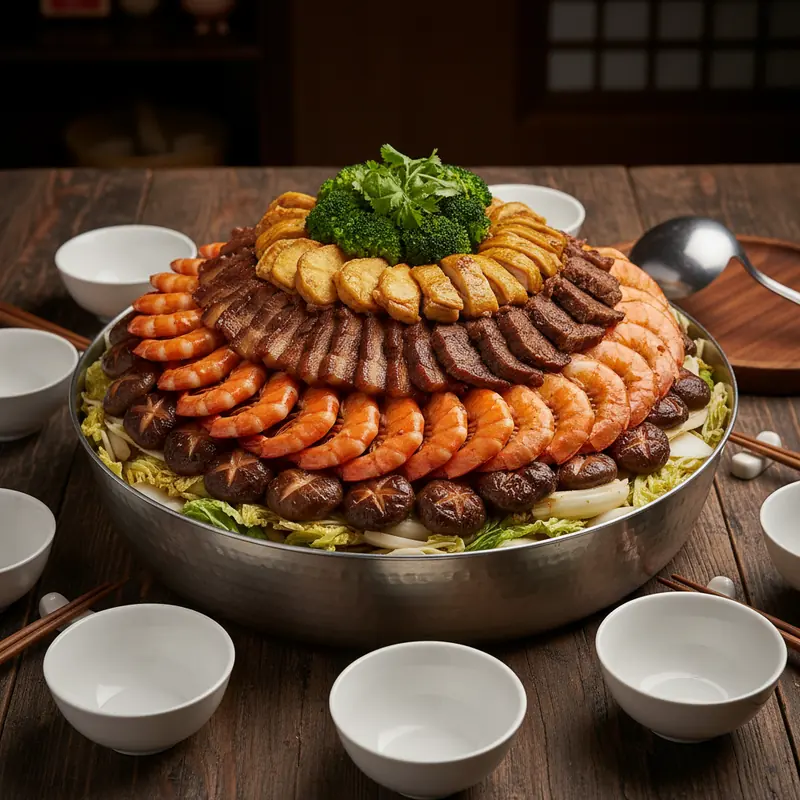
Explore traditional basin feast presentations, comparing layered shared dishes and serving considerations for group dining without treating the illustrative arrangement as a confirmed ingredient list or portion guarantee.
Chinese Food Catering
Explore Chinese catering combinations, comparing shared banquet dishes and dim sum alongside serving styles that suit a communal meal, family gathering or larger dining occasion.
Sushi & Sashimi Catering
Explore sushi and sashimi platter styles, comparing the balance of rice based pieces, sliced fish and presentation layouts when planning a Japanese sharing selection for guests.
Western Catering
Compare Western style catering combinations, exploring pasta, roast dishes and accompanying sides across different set menu formats before choosing the presentation that suits your gathering.
Japanese Catering
Explore Japanese catering combinations and set menu styles, comparing cooked dishes, rice accompaniments and sharing presentations rather than focusing only on sushi or sashimi platters.
Korean Catering
Compare Korean style catering combinations, exploring rice based dishes, savoury sharing plates and small accompaniments across set menu formats for a group meal or gathering.
Original AI-generated navigation references; designs and order details are subject to confirmation.
Useful options for your plans
Compare basin feast presentations and shared serving considerations with Poon Choi Delivery.
Compare Japanese cooked dishes and set menu styles with Japanese Catering.
Explore Seafood Catering to compare cooked seafood selections and sharing formats.
Compare shared banquet dishes and dim sum options with Chinese Food Catering.