YumYum Catering · Ordering guides
Dim sum and sushi at a reception: one buffet or separate serving rounds?
For this guide:Dim sum and sushi at a reception: one buffet or separate serving rounds?
Plan catering for your event
Considering Dim Sum Catering? Send the date, district and the points discussed in this guide to YumYum Catering to confirm suitable options and a quotation.
Book Catering NowWhatsAppThis opens a prepared WhatsApp enquiry. Availability, details and price must be confirmed before booking.
If you are asking, ‘should dim sum and sushi be served together?’, separate the timing question from the storage question. Guests may choose both during the same reception without the food sharing a platter, warming area or holding method. Conversely, opening one menu after the other does not remove the need to look after the food that is waiting.
For a Hong Kong reception, start by marking three things on your proposed schedule: when each menu arrives, when guests may take it, and where the unserved food stays between those moments. Then compare simultaneous stations with separate rounds. This guide focuses on that choice, rather than a complete party checklist, so you can ask YumYum Catering for a workable arrangement without assuming that delivery includes equipment or onsite service.
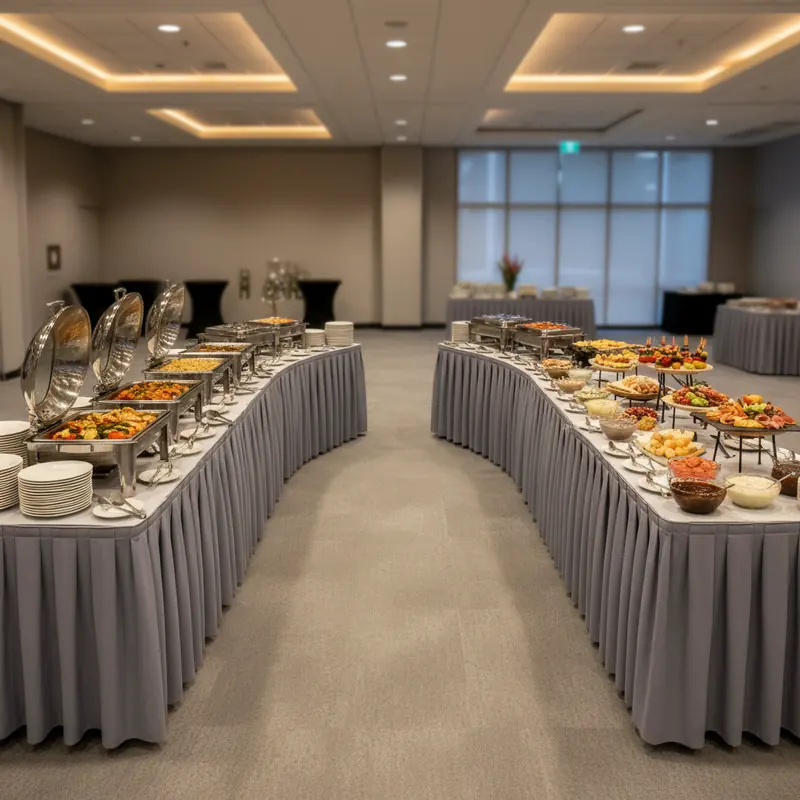
Should dim sum and sushi be served together?
Consider a shared service window if the venue can accommodate a hot-food arrangement for the selected dim sum and a separate arrangement for the sushi. Both need suitable reserve storage, access for replenishment and an assigned person to manage them. Consider rounds if a speech creates a clear break, the serving table must be reused, or one person cannot manage both stations alongside other duties. Neither format is automatically the better choice: the deciding factor is whether the whole journey from arrival to removal is workable for both menus.
There is a practical precedent for pairing the cuisines as distinct stations. The Asian stations description from Sushi Event Professionals presents hot dim sum as a complement to its sushi offering. That is an example of a service format, not evidence that a particular Hong Kong room has the equipment to support it. Use the idea to frame your enquiry: two menus available together, with separate handling arrangements to be confirmed.
Separate the needs of steamed and fried dim sum
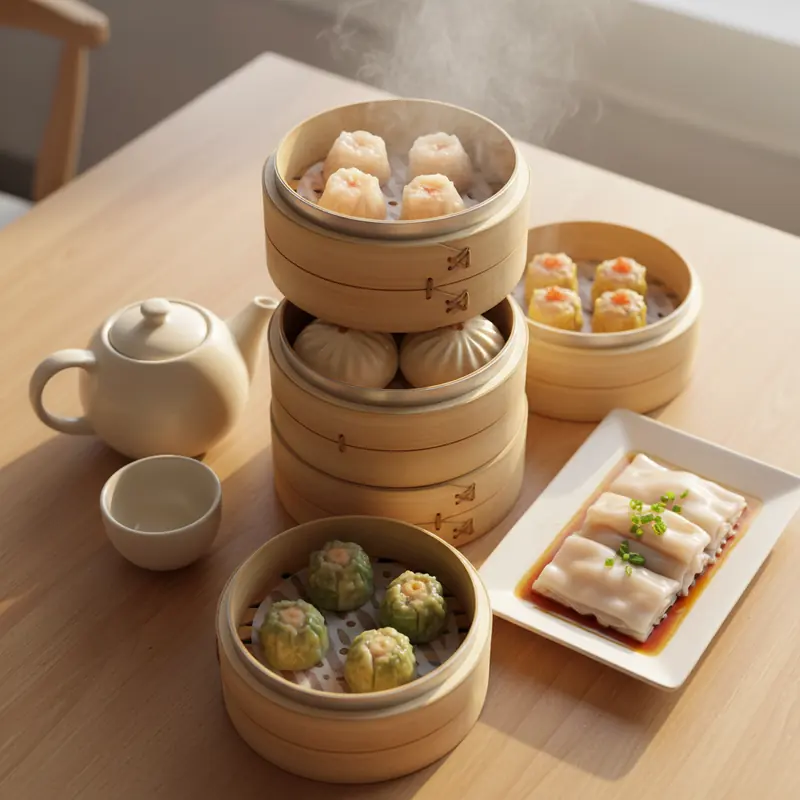
Before deciding what the hot station needs, identify the actual dishes. Steamed dumplings, buns and fried pieces should not be treated as one interchangeable tray of ‘hot snacks’. Ask which items arrive ready to serve, what handling is required after delivery, and how the proposed arrangement affects their texture. When reviewing Dim Sum Catering, use the selected dishes to ask about the station, delivery handover and replenishment method rather than assuming a steamer will be supplied.
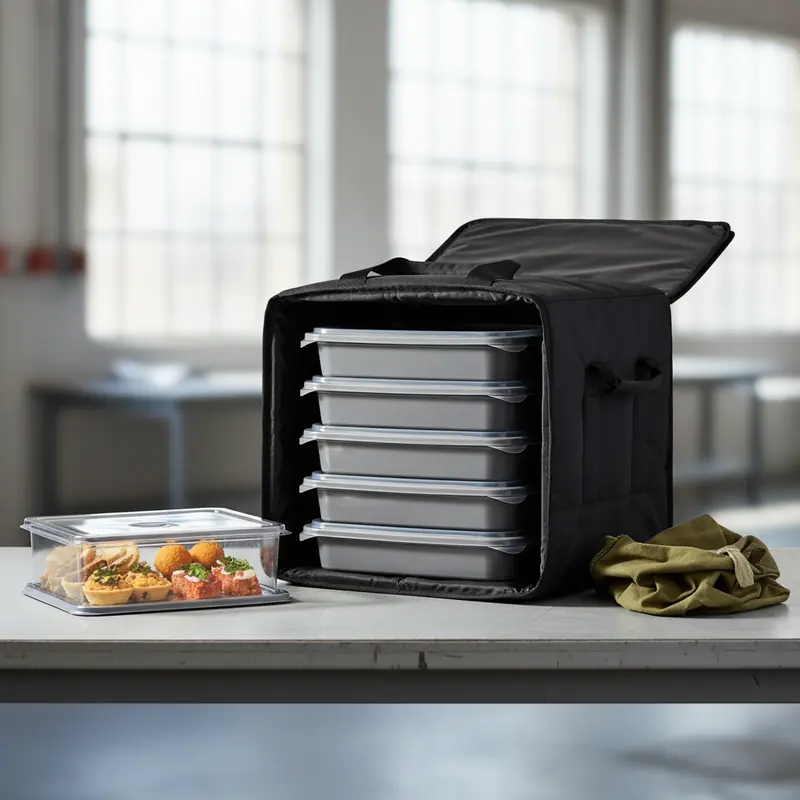
Warm arrival and ongoing service are different questions. A Hong Kong supplier's dim sum catering page describes insulated-box delivery and lists both steamed and fried dishes. This supports asking how food reaches the venue, but its arrangements are not a YumYum service promise and do not establish what happens throughout your reception. Ask separately about delivery packaging, any permitted holding equipment and the treatment of unopened reserves.
Ask for a dish-by-dish handling note
For each selected dim sum item, record its name, arrival format, proposed serving vessel and who will transfer or replenish it. If a dish requires an arrangement the venue cannot support, ask about a different selection or service method before confirming. Do not order equipment simply because a photograph shows bamboo steamers; presentation props do not tell you how the delivered food should be managed.
Give sushi and sashimi a distinct cold-food station
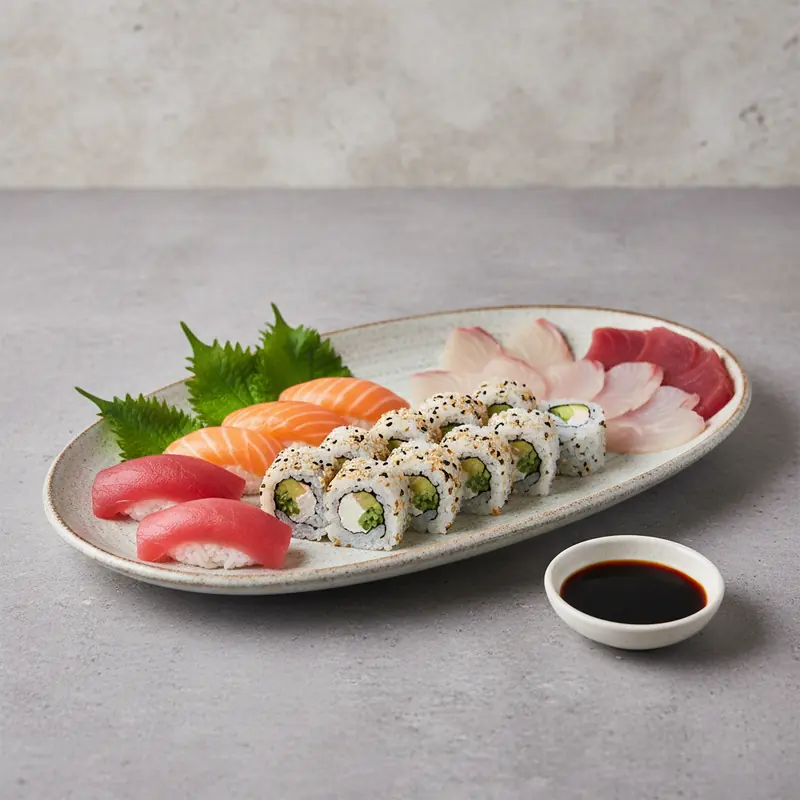
The cold-food side needs its own questions, not just a place at the opposite end of the hot table. Confirm the composition of the proposed Sushi & Sashimi Catering selection: rolled sushi, nigiri, cooked-filling sushi and sashimi are not identical products. Do not assume every sushi item contains raw fish, or treat sliced sashimi as if it were simply another rice-based piece. Send the actual selection to the supplier when asking about display and reserve storage.
Ask where unopened platters will be kept, how replacements reach the station and which display arrangement is suitable for the chosen food. The answer should refer to your venue and service window, not merely say that the food arrives chilled. Keep the cold station out of the dim sum warming area, and confirm separate serving utensils. If the venue offers a refrigerator, establish whether the needed space is genuinely available rather than already allocated to drinks or another supplier.
Use two stations when guest choice and staffing align
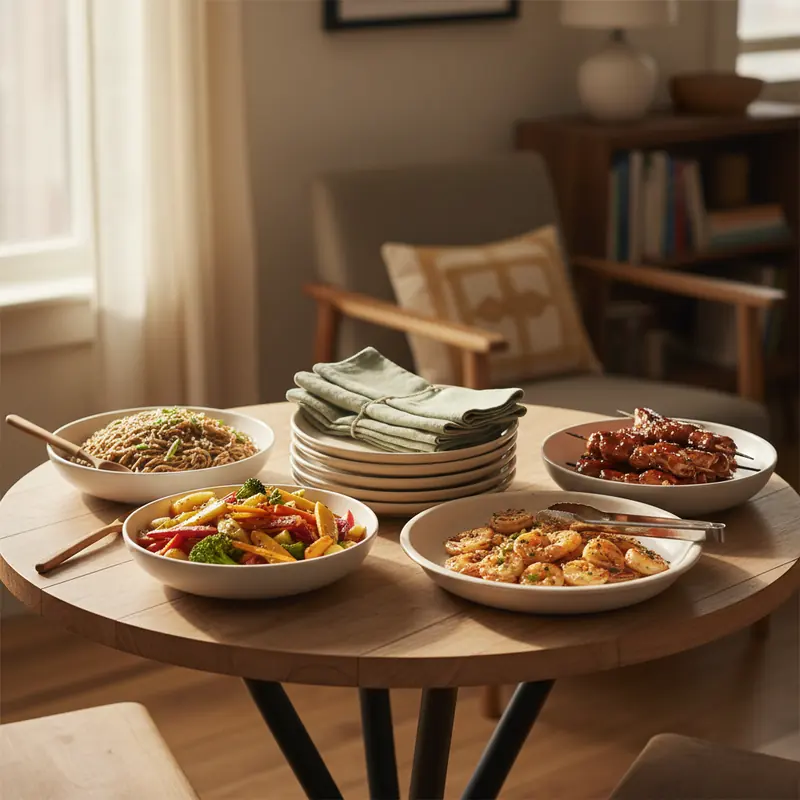
Two stations are worth discussing when guests arrive gradually and you want late arrivals to have a choice of both cuisines. In a hypothetical networking reception, one group might arrive before a short welcome and another afterwards. Keeping both menus available during an agreed window could avoid making the second group dependent on whatever remains from an earlier round. It also creates two replenishment tasks, however, so convenience for guests must be matched by a practical service plan.
Sketch the two serving areas with space for utensils, plates and the person approaching to replace a tray. Then identify the route from each reserve-storage location. A pair of attractive tables is not a complete setup if replacements have to pass through a crowded registration area or if the host must leave reception duties whenever either station needs attention. Ask who will watch both stations and what happens when both need replenishing at once. This is a more useful test than whether the menu looks balanced on paper.
Choose separate rounds for a real programme constraint
Separate rounds can make sense when the event genuinely needs a changeover. For example, in a hypothetical reception with one compact serving table and a scheduled presentation, the first menu could close before guests gather, with the other opening after the presentation. The pause provides an opportunity to clear and reset the table. It does not provide storage for the waiting menu, and the changeover itself still needs someone to carry it out.
Check whether the programme break is dependable enough to organise around. A speech that may overrun can turn a simple two-round plan into an uncertain wait. Ask whether the supplier proposes separate deliveries, suitable onsite storage, or another workable arrangement, and what the quotation includes. If none is feasible, change the menu or service format. Do not choose rounds merely to make a crowded table look tidy while leaving the second menu in an unspecified corner.
Set the order from storage and arrival, not a fixed rule
There is no universal rule that sushi must precede dim sum or that hot food must open the reception. Work backwards from each menu's confirmed delivery and holding arrangement. If one menu can only be served within a particular agreed window, that constraint belongs in the schedule before preferences about which cuisine feels like a starter. Ask the supplier to explain the proposed order against the actual dishes and venue facilities, rather than relying on a general ‘cold before hot’ convention.
Guest access matters too. If sushi closes before a substantial group arrives, those guests may never have that choice. Tell guests when a station will open or close if the format requires it, and ask what provision can be made for expected late arrivals within the agreed handling plan. Do not quietly reserve a platter at room temperature as a solution. If access to both menus is important throughout arrivals, compare the staffing and storage needed for two stations instead of forcing a sequence.
Treat small-batch replenishment as a separate decision
‘Two rounds’ and ‘small batches’ describe different things. Rounds determine which menu guests can choose at a given point in the programme. Batch replenishment determines how food moves from suitable reserve storage to the serving point. Both dim sum and sushi could be available together while their trays are replenished separately according to the supplier's instructions. Equally, each menu in a two-round plan might need more than one replenishment during its own window.
Ask how the supplier proposes to size each display, when a tray should be replaced and what should happen to remaining displayed food. Do not assume that topping up an existing platter is the intended method, or invent a standard display time for every dish. A batch plan is only useful when it names the reserve location and the person responsible. Smaller platters on a table do not compensate for an unsuitable place to keep the rest of the order.
Trace the food from delivery to the second release
A venue without a kitchen is not enough information to accept or reject either format. Establish what storage and serving facilities are actually available, what equipment is permitted and whether any setup needs power. The Hong Kong dim sum venue logistics guide from Famous Restaurant Group distinguishes ordinary insulated-box delivery from workshop steamer requirements and discusses setup space and access. Its useful lesson for your enquiry is not to equate every dim sum delivery with onsite cooking.
Trace each menu through four locations: delivery handover, reserve storage, guest-facing display and removal. A gap at any point needs an answer before ordering. For separate rounds, pay particular attention to the second menu after it is accepted but before it is opened. For simultaneous stations, check whether both reserve locations remain accessible during speeches or venue restrictions. Record who receives the food and who can make a decision if the planned storage space is unavailable on arrival.
Write a separate handover line for each menu
Use this fill-in line twice: ‘Menu: [selected dishes]; arrival window: [time]; receiving person: [role]; reserve location: [confirmed place]; opens for guests: [time or programme cue]; replenishment and removal: [responsible role].’ Keeping two lines prevents a general note such as ‘food delivered before guests arrive’ from concealing different requirements for the dim sum and sushi.
Name the person who can replenish, pause and clear
A delivery-only order and an onsite service arrangement leave the host with different responsibilities. Ask explicitly who unpacks, supplies utensils, moves reserve food, monitors each station and removes trays. If those tasks belong to the host or venue, assign them before choosing two simultaneous stations. A person welcoming guests or operating presentation equipment may not be available to manage both food areas, even if the physical layout is adequate.
For rounds, add a clear release instruction. Identify who tells the responsible person that the presentation has finished, who authorises a delay and who contacts the supplier if the programme changes. Agree what happens to each menu during a pause rather than improvising after the speech overruns. Request confirmation of any onsite duties and service period in writing; neither a menu order nor an image of a staffed buffet establishes that staff, equipment or clearing are included.
Check whether the pairing is a snack or the meal
Decide whether dim sum and sushi are reception bites before another meal or the main food guests will receive. That changes the menu discussion, but it need not turn this timing decision into a full banquet order. If you are considering dim sum as snacks alongside more substantial Chinese hot dishes, review Chinese Food Catering to identify what you want to ask about. Then check how any added hot dish affects the same serving area, equipment and replenishment duties.
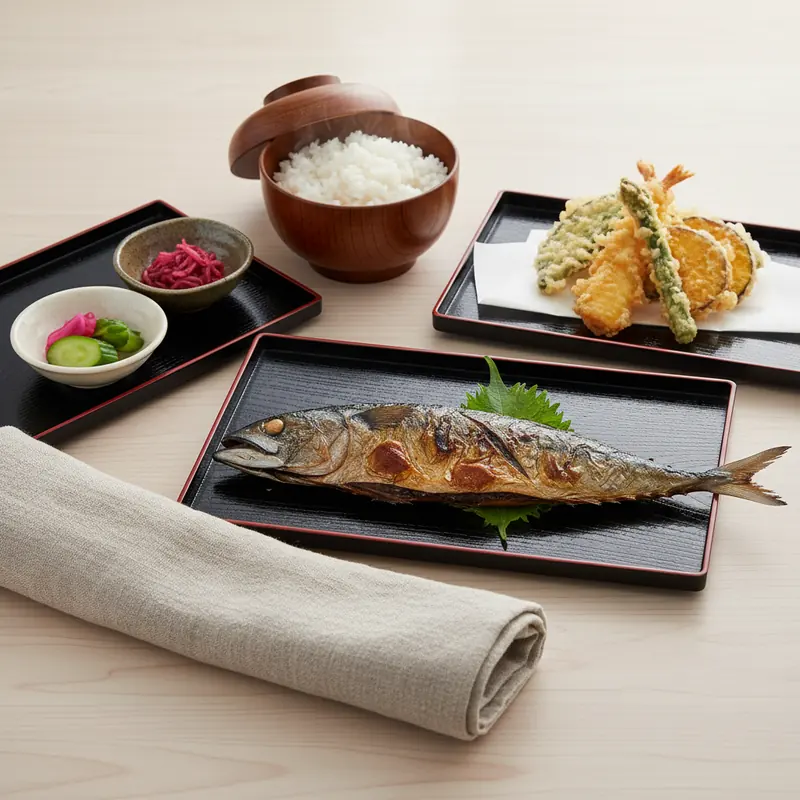
A Japanese selection also need not mean an all-raw-fish menu. Review Japanese Catering when asking about cooked dishes or more filling accompaniments, with availability and any substitutions confirmed for the actual order. Adding dishes may introduce another tray or handling requirement rather than simplify service. Ask whether a smaller, coherent selection would make the two-station or two-round plan easier to deliver while still matching the role of the food in your reception.
Add cooked choices for the right reason
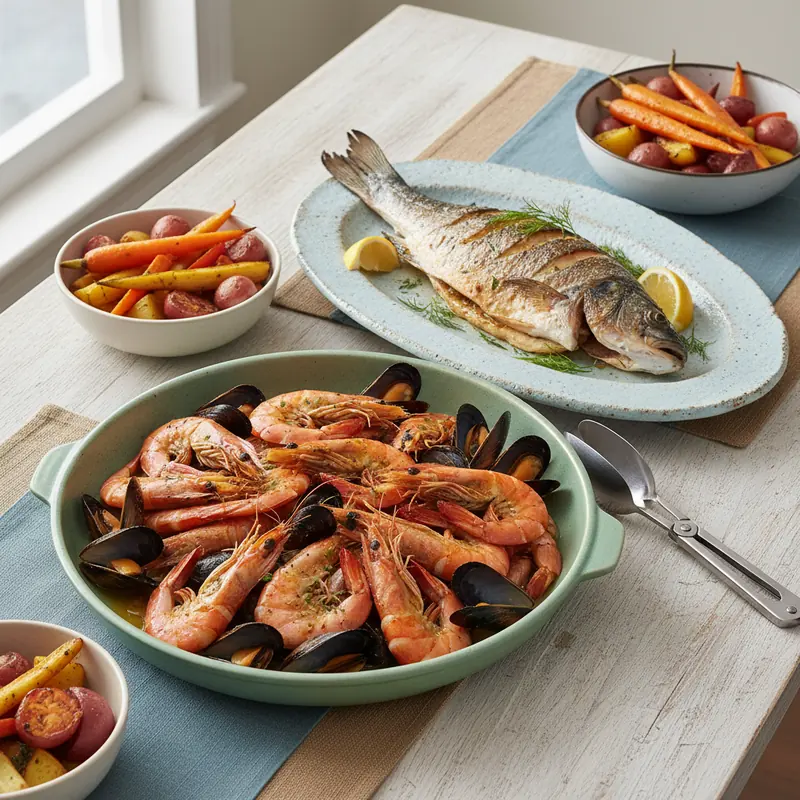
If some guests prefer not to choose raw fish, ask whether a cooked seafood accompaniment is available through Seafood Catering. Describe this as a preference within the menu brief, not as an automatic replacement for every sushi or sashimi platter. Confirm the dish, how it will be served and whether it belongs at the hot station, a separate display or a particular round. Cooking does not remove the need for a suitable holding and serving arrangement.
A preference to avoid raw fish is different from a seafood allergy or another dietary restriction. Cooked seafood is not an allergy alternative simply because it is cooked. Give the supplier the precise requirement and ask about ingredients, preparation, shared utensils and cross-contact limitations. Keep any confirmed menu labels consistent between rounds, especially if the same table is reused. Do not infer suitability from the appearance of a platter, or describe either station as allergen-free without an appropriate confirmed basis.
Put the two service options into one written brief
Ask YumYum Catering to compare two clearly defined options using the same proposed dishes and guest requirements. Option A is a shared service window with separate hot and cold stations, each with its own reserve and replenishment plan. Option B is separate menu windows with a named changeover and a confirmed place for the waiting food. Ask what must change between the options: delivery arrangements, equipment, onsite duties or the menu itself. Confirm current charges and availability for your event rather than estimating them from an illustration or another supplier's offer.
Choose the option whose unresolved points can be closed in writing. Two stations are a sensible candidate when both menus can be supported at once and guests benefit from continuing choice. Rounds are a sensible candidate when the programme or table space calls for them and the second menu can be properly managed while waiting. If neither has a complete storage and responsibility plan, revise the arrangement before ordering. The useful outcome is not a prescribed serving order, but a clear agreement covering both menus from arrival through the final tray.
Details to confirm before ordering
- Selected dishes: steamed dim sum [ ]; fried dim sum [ ]; sushi with confirmed fillings [ ]; sashimi [ ]; any cooked additions [ ].
- Timing for each menu: delivery window [ ]; guest service window [ ]; programme cue or pause [ ]; expected late-arrival needs [ ].
- Serving format: two simultaneous stations [ ] or separate rounds [ ]; table locations [ ]; changeover arrangement if needed [ ].
- Reserve storage for each menu [ ]; venue permission and available capacity confirmed by [ ]; waiting second-round food managed by [ ].
- Equipment and utensils: supplier-provided items [ ]; venue-provided items [ ]; permitted power or warming arrangements [ ]; remaining items to confirm [ ].
- Responsibilities: receiver [ ]; dim sum replenishment [ ]; sushi replenishment [ ]; pause or release decision [ ]; removal and clearing [ ].
- Contingency and order acceptance: programme-delay response [ ]; storage-unavailable response [ ]; confirmed dietary information [ ]; current quotation and inclusions [ ].
Questions about this decision
Can the hot and cold stations sit on one long table?
Possibly, but sharing furniture does not mean sharing holding or display conditions. Send the layout to the supplier and venue so they can confirm separation, equipment space, utensils and access for replacing trays. A single table is not proof that both stations are workable.
Should sushi always be served before dim sum?
No fixed order applies to every reception. Set the sequence against the selected food, confirmed arrival and storage arrangements, programme breaks and guest arrival pattern. If a proposed order leaves either menu waiting without a suitable plan, change it.
Can the second round stay in its delivery packaging until the speech ends?
Do not assume the packaging is suitable for that wait. Tell the supplier when the second round is intended to open and ask for explicit holding instructions and responsibilities. Include a contingency for the speech ending later than planned.
Does ordering both menus include staff to switch the table over?
Do not infer onsite service from the menu order. Ask who clears the first display, resets utensils, brings out the next menu and handles remaining food. These duties must be included in the agreed service scope or assigned to a suitable host or venue contact.
What if the venue cannot confirm reserve storage?
Leave neither option dependent on unconfirmed space. Ask whether a different delivery arrangement, supported service format or revised menu is feasible. Separate rounds alone do not solve the missing storage, and ordering smaller display platters does not solve where the remaining food will wait.
Sources and further reading
Reference only. Illustrations are AI-generated design references, not photographs of actual customer orders. Confirm current contents, prices and arrangements with our team.
For this guide:Dim sum and sushi at a reception: one buffet or separate serving rounds?
Plan catering for your event
Considering Dim Sum Catering? Send the date, district and the points discussed in this guide to YumYum Catering to confirm suitable options and a quotation.
Book Catering NowWhatsAppThis opens a prepared WhatsApp enquiry. Availability, details and price must be confirmed before booking.
Explore related services and designs
Compare relevant options, view design references and find the information you need before making an enquiry.
Dim Sum Catering
Compare dim sum selections and sharing presentations, exploring steamed bites and complementary small dishes for a yum cha style gathering rather than a full banquet menu.
Western Catering
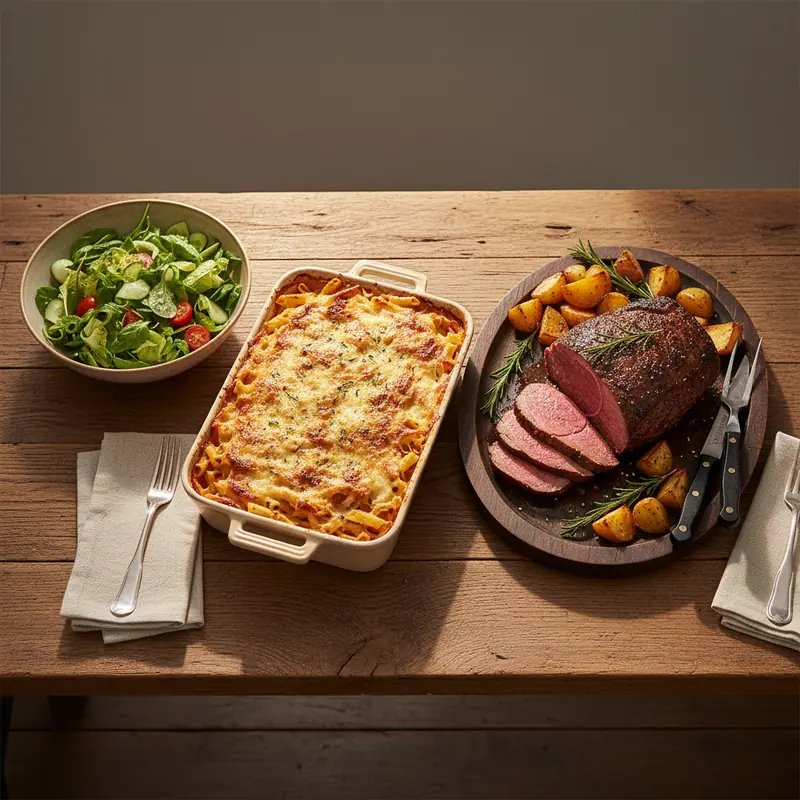
Compare Western style catering combinations, exploring pasta, roast dishes and accompanying sides across different set menu formats before choosing the presentation that suits your gathering.
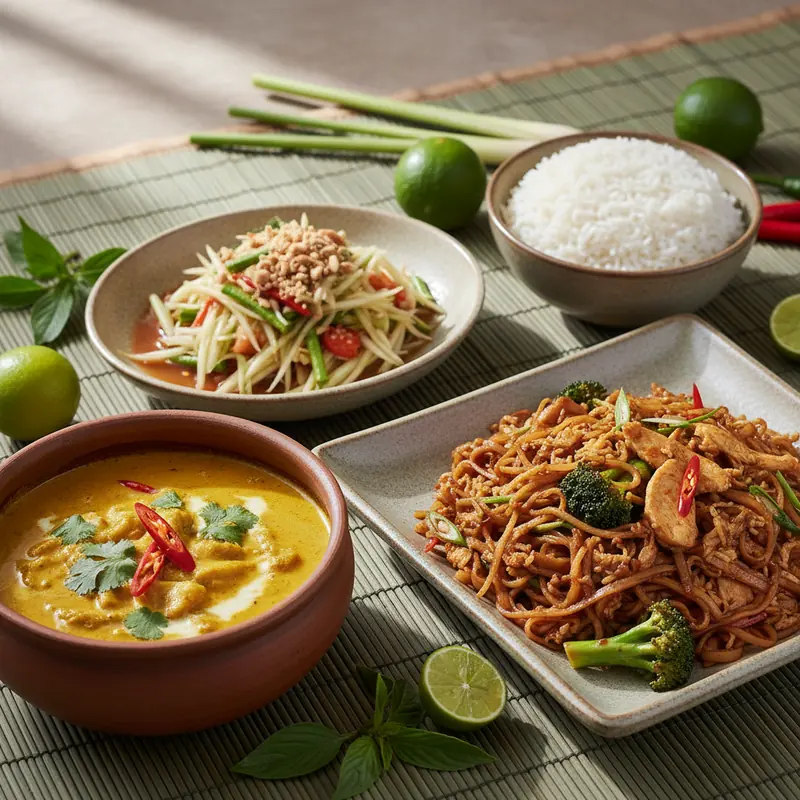
Thai Catering
Explore Thai style catering combinations, comparing aromatic shared dishes, rice accompaniments and different serving formats when considering a set menu for your group gathering.
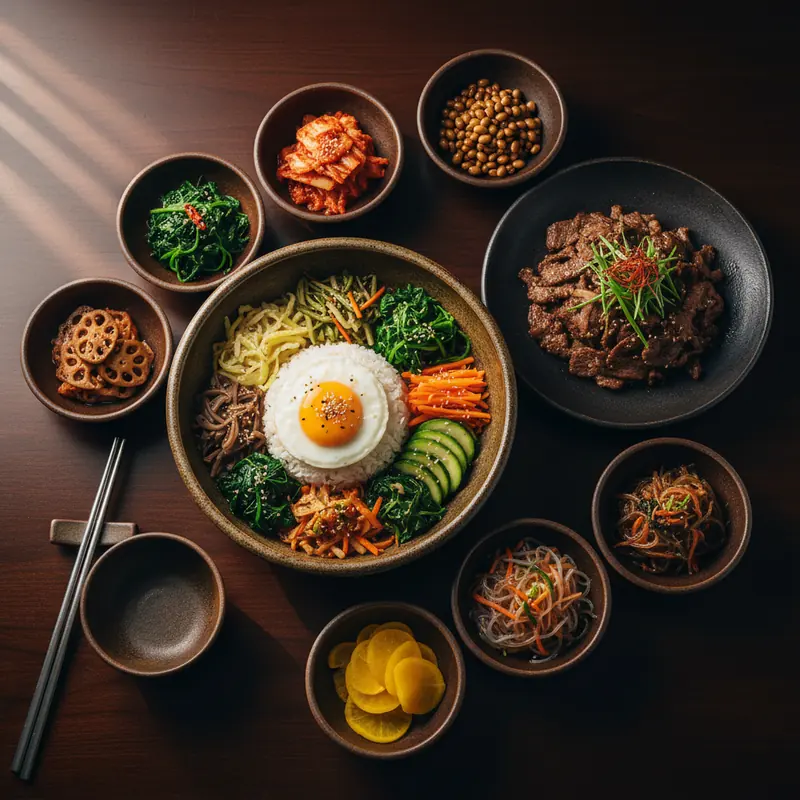
Korean Catering
Compare Korean style catering combinations, exploring rice based dishes, savoury sharing plates and small accompaniments across set menu formats for a group meal or gathering.
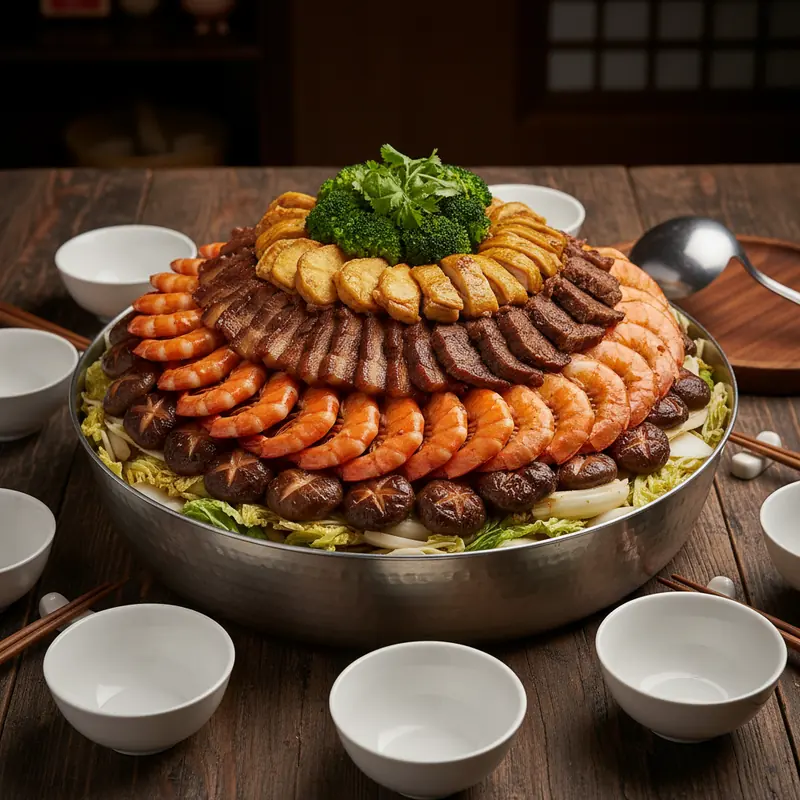
Poon Choi Delivery
Explore traditional basin feast presentations, comparing layered shared dishes and serving considerations for group dining without treating the illustrative arrangement as a confirmed ingredient list or portion guarantee.
Seafood Catering
Compare seafood focused catering selections and sharing formats, exploring cooked shellfish presentations and accompanying dishes when considering a seafood menu for a group meal or party.
Original AI-generated navigation references; designs and order details are subject to confirmation.
Useful options for your plans
Explore Dim Sum Catering to compare steamed bites for a yum cha style gathering.
Explore Western Catering to compare pasta, roast dishes and accompanying sides.
Compare aromatic shared dishes and set menu formats with Thai Catering.
Explore Korean Catering to compare rice dishes, sharing plates and small accompaniments.