YumYum Catering · Ordering guides
Serving seafood at an event: which timing checks belong in your running order?
For this guide:Serving seafood at an event: which timing checks belong in your running order?
Plan catering for your event
Considering Japanese Catering? Send the date, district and the points discussed in this guide to YumYum Catering to confirm suitable options and a quotation.
Book Catering NowWhatsAppThis opens a prepared WhatsApp enquiry. Availability, details and price must be confirmed before booking.
Choosing when to serve seafood at an event is not simply a matter of putting it before the speeches. The useful question is whether each dish can remain under its required temperature control until guests are actually ready to eat. An early delivery can create a longer holding period rather than solve a scheduling problem, especially when the venue has not confirmed suitable equipment or someone to receive the food.
Start with your selected menu and the latest running order. Put them side by side, then ask the caterer to confirm the intended serving condition of every seafood dish. Next, separate the delivery appointment from the first serving time and assign responsibility for everything between them. The following checks turn those conversations into a practical service sequence without assuming that delivery, equipment or on-site management is included in your order.
1. Replace “seafood first” with a dish-by-dish service decision
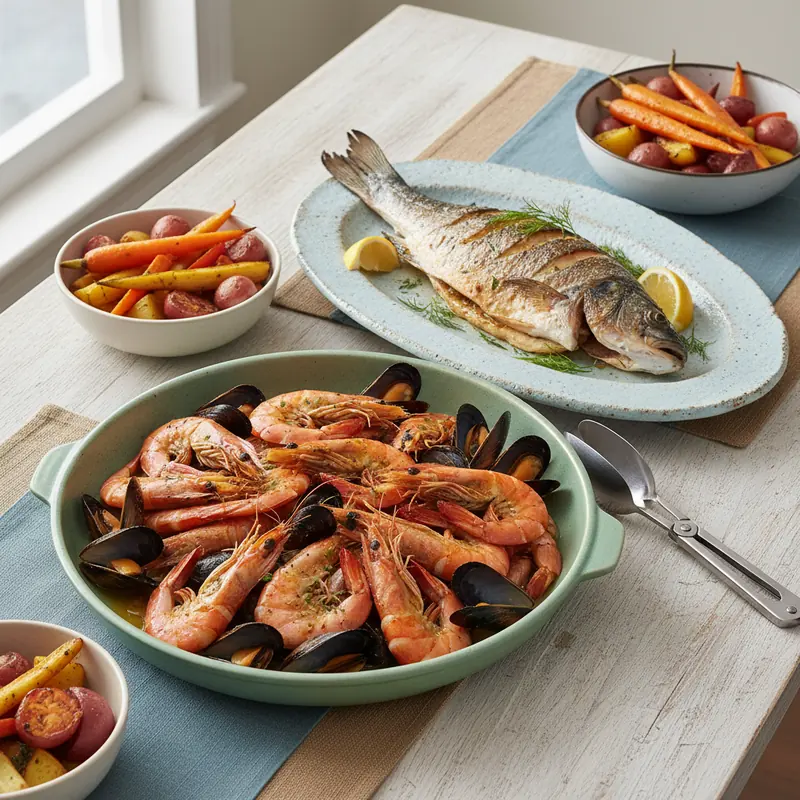
A menu category is not a holding instruction. A baked fish dish intended for hot service and a platter of cooked prawns intended for chilled service belong on different lines of the running order. Record the dish name, whether it arrives hot or chilled, its intended service condition and the equipment needed before display. Leave uncertain fields open for the caterer to answer rather than classifying a dish from its name or photograph.
The Hong Kong Food Hygiene Code’s display guidance gives a useful reference point: potentially hazardous food displayed cold should be kept at 4°C or below, while hot food should be kept above 60°C. Those requirements explain why the timetable must follow the food’s condition. They do not establish that a tray can wait on an ordinary table until the programme catches up. Ask which instructions apply to the actual products you are ordering.
2. Treat cooked Japanese dishes as a separate choice, not a holding shortcut
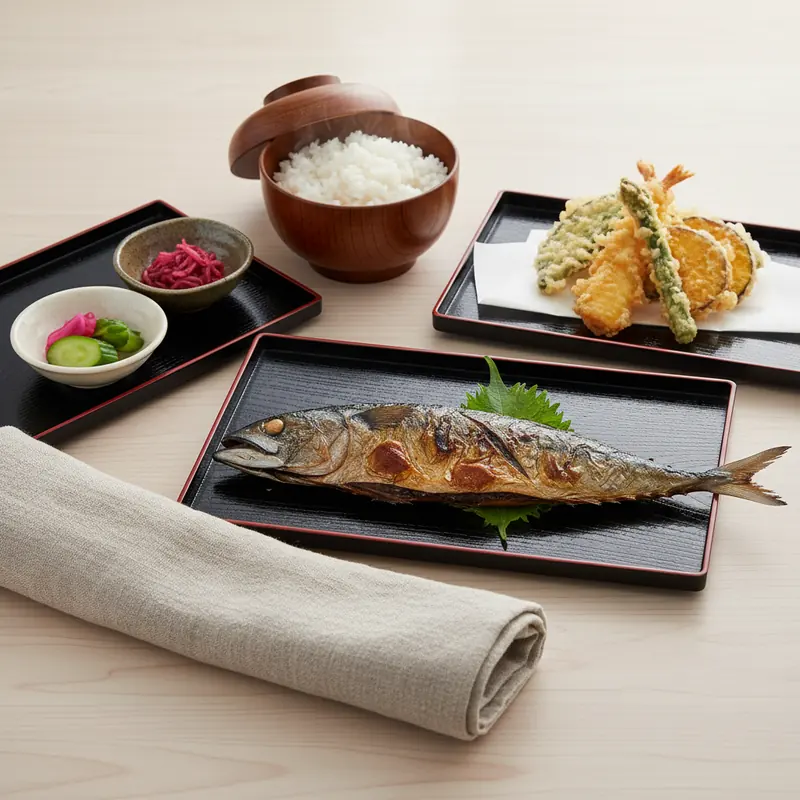
If you are still comparing the balance of cooked and raw dishes, the Japanese Catering selection is a useful place to discuss cooked dishes and rice combinations. A Japanese menu need not consist entirely of raw fish. However, changing to a cooked dish does not remove the need to confirm whether it should be served hot or chilled, or how it will be held during a delayed opening.
Make the comparison around your venue’s confirmed capabilities. Ask the caterer which proposed dishes match the equipment available and which would require a different service arrangement. A menu change is useful only if it resolves an identified constraint: for example, a lack of the required chilled storage or an inability to support the proposed hot holding. Do not choose an alternative on the assumption that cooked food can sit at room temperature without a specific instruction.
3. Keep sushi and sashimi instructions distinct
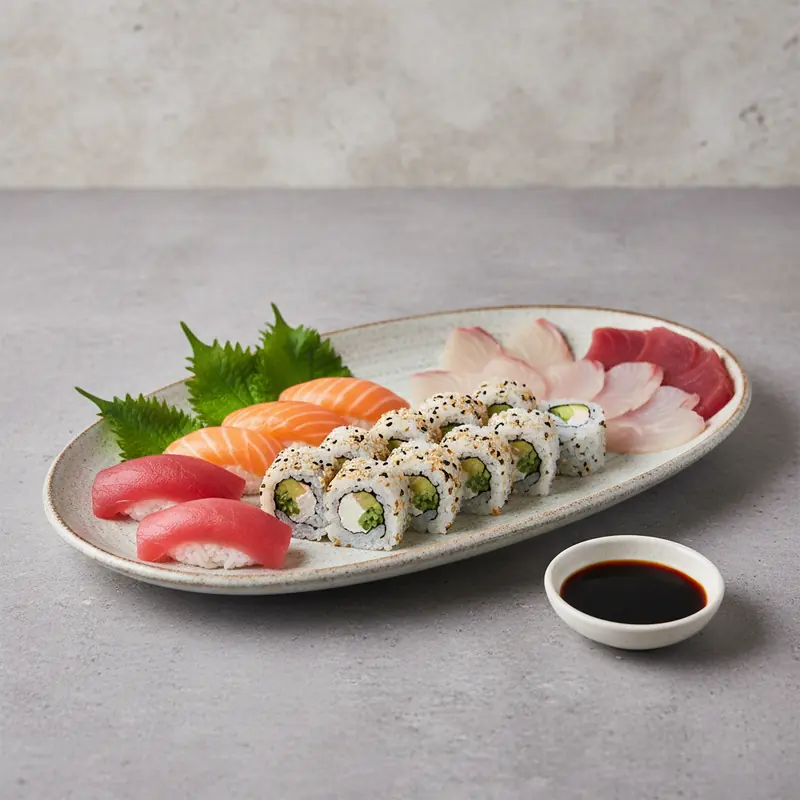
Sushi and sashimi may share a platter selection, but their handling instructions are not interchangeable. The Centre for Food Safety’s The Making of Safe Sushi and Sashimi specifies chilled transport and storage at 0°C to 4°C and refrigeration of sushi when it is not on display. It also generally calls for sashimi display at 4°C or below, with separate considerations for live bivalve molluscs intended for raw consumption. Ask for instructions specific to your order rather than extending a general statement to every raw item.
When discussing Sushi & Sashimi Catering, request the handover temperature requirements, suitable temporary storage, display arrangement and withdrawal instructions before committing to the timetable. The same CFS guidance makes time-controlled sushi display conditional on handling and rice acidification requirements. That is not permission to assign the same room-temperature allowance to sashimi or to products whose preparation conditions you have not confirmed. Your running order should carry the supplier’s applicable instructions, not an organiser’s guess.
4. Give the running order six separate timing fields
For sushi platter delivery and serving time, one appointment labelled “food arrives” leaves too much unresolved. Distinguish arrival at the building from completed handover to the named receiver. Then record when the food enters its designated holding equipment. These may be different moments if a loading area, security desk or lift journey sits between the vehicle and the event room.
The next fields are release from temperature-controlled holding, actual guest access and tray withdrawal. A tray may leave storage for setup before the buffet opens, so the guest-facing opening announcement is not necessarily the start of its time outside control. Ask how the caterer wants each batch’s relevant times recorded. Where display equipment maintains the required conditions, confirm how that operation will be checked instead of treating all display as an uncontrolled period.
Use planned times for coordination and record actual times on the day. A schedule that remains unchanged after a delay is no longer a useful service record. The six fields below are labels to complete with the supplier and venue, not suggested intervals or a promise that any particular gap is acceptable.
- Arrival at the building: [agreed appointment and arrival contact].
- Handover completed: [actual time and named receiver].
- Placed in designated holding equipment: [actual time, location and responsible person].
- Released from temperature-controlled holding: [actual time for the relevant batch].
- Guests begin taking food: [actual opening time].
- Tray withdrawn: [applicable instruction, actual time and responsible person].
5. Make the receiving route part of the food arrangement
Use the dishes selected from Seafood Catering to build the handover sheet, asking the caterer to identify hot cooked seafood, chilled cooked seafood and any other service forms separately. Then trace their route from delivery point to the equipment that will hold them. A receiver should know where each group goes; “leave everything beside the buffet” is not an adequate substitute for that decision.
Confirm when the venue opens to deliveries, where unloading is permitted, whether a service lift is required and who can authorise access. Share the relevant contact and access instructions with the people performing the handover. There is no need to circulate guest details or a full event dossier: the useful information is the route, access arrangements and person who can resolve a blocked handover.
Agree what happens if the delivery arrives but the receiver or room is not ready. The response should be referred to the caterer under the order’s handling requirements, not improvised by reception staff. Also ask what to do if the food’s condition at handover cannot be confirmed. A signed receipt should not be treated as a replacement for a clear acceptance and escalation procedure.
6. Confirm equipment before relying on an early delivery
A room with a pantry does not automatically provide the holding arrangement your menu needs. Confirm the actual equipment, who may use it, available space, access during the event and the person responsible for getting it ready. Ask whether the required conditions can be maintained with the proposed quantity of food. If the venue and caterer have different assumptions, settle that mismatch before setting the delivery appointment.
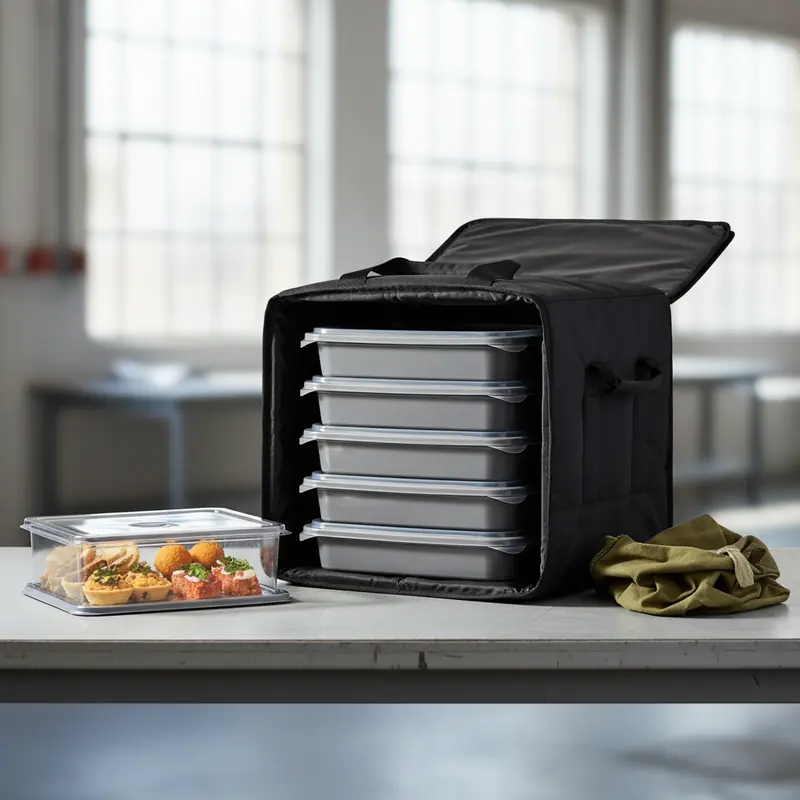
Do not count transport packaging as an unlimited extension of storage. The Food Hygiene Code’s transport guidance explains that insulated containers and ice packs can maintain food temperatures temporarily but cannot cool food down. Ask the caterer what the supplied packaging is intended to do, what limits apply and what must happen after receipt. Neither an insulated carrier in a photograph nor a closed lid proves that the venue has suitable holding facilities.
If suitable equipment is unavailable, reopen the arrangement rather than asking for an earlier delivery by default. Possible matters to discuss include closer alignment of delivery with service, a different menu or a different agreed service format. Availability, logistics and any charges need confirmation for your order. A later arrival is not automatically suitable either; the point is to agree a complete route from preparation through handover to service.
7. Decide what a late speech changes before it happens
Consider a hypothetical reception where the host adds another speech just as the first seafood trays are due to appear. The first action is to notify the person controlling food service, not to put trays out anyway to preserve the original setup time. Ask that person to establish whether the affected food is still in its required holding conditions or has already been released. Those are different situations and may need different decisions.
The programme lead should communicate the revised guest opening time and any remaining uncertainty. The service lead can then consult the agreed instructions and the caterer where needed. Keep food that has not been released under its required control, and confirm whether the first display batch, later batches or delivery arrangements can be adjusted. Do not assume that a change is possible without checking the actual order and operation.
If the delay has no reliable end time
Use a release decision rather than a speculative new opening time. Name who will tell the service lead that guests are ready, and ask how much setup coordination the proposed service needs. If food is already outside its required control, retain the original timing information and seek the applicable withdrawal instruction. A revised programme does not restart a batch’s history or justify extending a limit.
8. Plan fresh batches instead of a single full-table display
For seafood buffet service timing, the replenishment plan matters as much as the first opening. When discussing Buffet Catering, ask whether smaller releases, suitable display equipment, monitoring and replenishment support can be provided, and which are included in the quotation. A buffet menu alone does not establish that the order includes staff managing every tray throughout the event.
The Food Hygiene Code’s buffet guidance calls for replenishment with fresh batches and avoiding the mixing of new and old food. Build that into the service arrangement: identify where an unreleased batch stays, who brings out a replacement and where the outgoing tray goes. Topping up an older tray can blur the identity and timing of the food already displayed.
Balance display size against the work of replenishment
A smaller initial display may suit a staggered guest arrival, but it creates more replenishment tasks. Ask who can perform those tasks without abandoning the monitoring role. If the venue cannot accommodate replacement trays or the order has no suitable service support, discuss another arrangement before promising a continuous buffet. The practical choice depends on both holding capacity and people, not just how generous the opening table looks.
9. Make withdrawal instructions visible to the person who acts on them
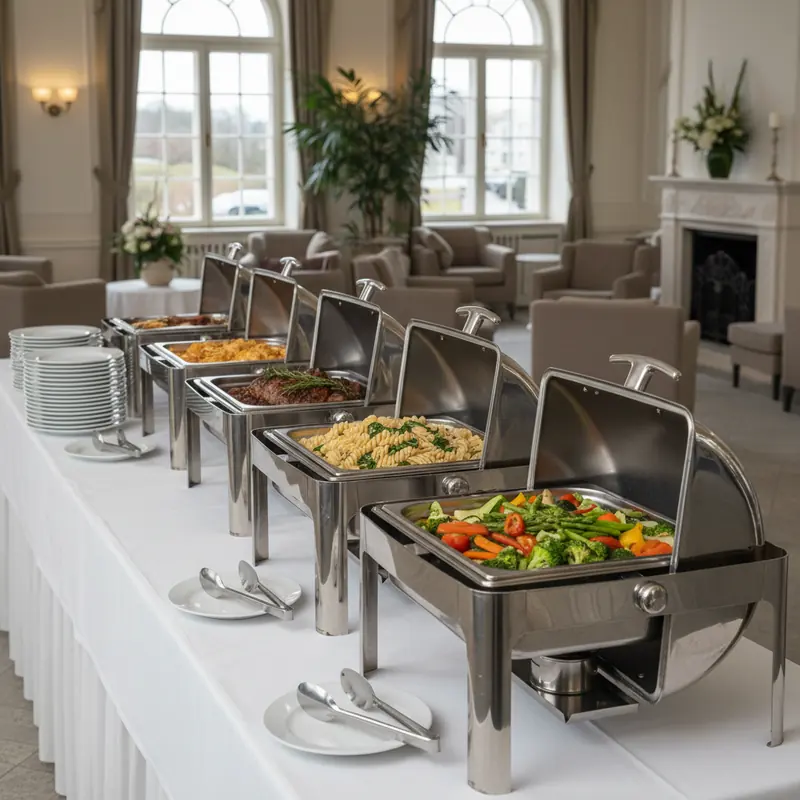
Keep a simple batch record beside the working service information, away from guest-facing menu labels. It should identify the dish and batch, the relevant actual release time, the required holding or display conditions, the supplier’s withdrawal instruction and the person who records removal. Use the caterer’s agreed labelling method where one is provided. A timestamp without a dish or batch identity is difficult for a replacement staff member to use.
The CFS sushi guidance discusses date and time coding, while the Food Hygiene Code’s time-control guidance requires identifying when food leaves temperature control and discarding it when the applicable limit is exceeded. These support traceable decisions, not a universal display allowance. If a record is missing or contradictory, escalate the uncertainty instead of supplying a convenient new start time.
10. Allocate people as carefully as you allocate equipment
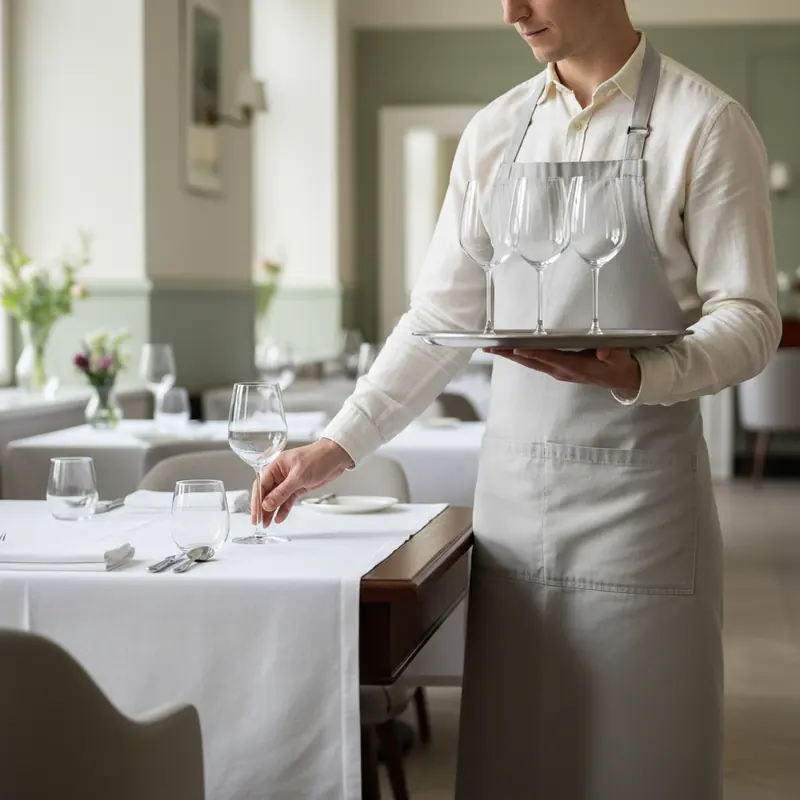
Name a programme contact, a receiving contact and a service lead. One person may cover more than one role only if the duties can realistically be performed together. Someone introducing speakers cannot simultaneously meet a delivery at the loading area; someone guiding a group photograph may not notice a tray that needs withdrawal. Include a backup contact for any role that could become unavailable.
Agree the boundaries between venue staff, the caterer and your own event team. Who checks the designated equipment, records the agreed information, releases each batch and removes food? Who has authority to pause service and contact the caterer if conditions or timings are unclear? Record those answers with the order. Staff shown in design imagery are not evidence that on-site personnel are included, so confirm the service scope explicitly.
11. Match the service layout to the guest opening sequence
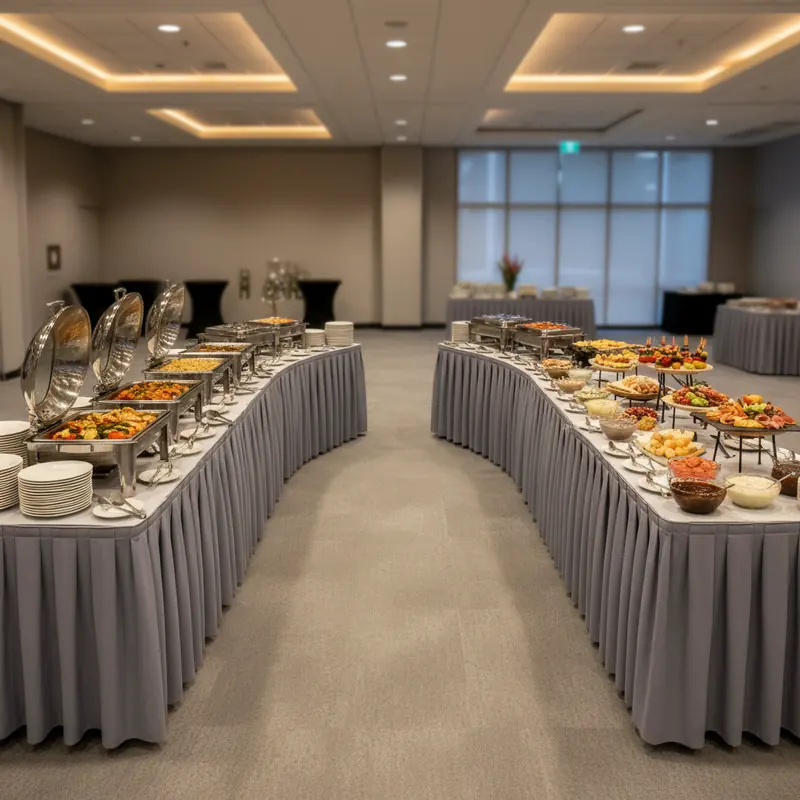
A compact gathering and a reception with several serving stations need different coordination, even when they share dishes. For one table, the release decision may be straightforward. With separate hot and cold stations, specify whether they open together and who confirms readiness at each. Do not let a decorative setup deadline force food out before its station is ready to operate under the agreed conditions.
Ask how guest access will be announced and whether service is simultaneous or staggered. If guests are released in groups, discuss the effect on later batches and withdrawal rather than assuming the last group will encounter the same conditions as the first. Keep the relevant food and service instructions with each station. The purpose of the layout is to make the agreed sequence workable, not to display every tray at once.
12. Send one confirmation that connects the menu to the programme
Before finalising the arrangement, send the caterer and venue the same current service summary: selected dishes, intended guest opening, delivery and receiving arrangements, confirmed equipment, batch plan and delay contact. Ask them to flag assumptions that do not match their part of the operation. Written confirmation is particularly useful where one party supplies the food and another controls the room and equipment.
Also request instructions for uneaten food and any batch whose handling history is uncertain. Do not decide in advance that everything remaining can be packed for guests or returned to storage. The practical outcome of these checks is a running order with clear decision points: receive into the agreed conditions, release when service is ready, track each batch and withdraw according to its instructions. That is more useful than a blanket rule to serve all seafood earlier.
Details to confirm before ordering
- Confirm each dish’s hot, chilled or raw service classification and its product-specific holding and display instructions.
- Record building arrival, completed handover, entry into holding equipment, batch release, guest access and withdrawal as separate fields.
- Name the receiver and backup, and confirm loading access, room access and the route to the designated equipment.
- Confirm equipment suitability, capacity, readiness and responsibility with both the caterer and venue.
- Agree who communicates a programme delay and who authorises release of the first and subsequent batches.
- Confirm fresh-batch replenishment, monitoring, record keeping and withdrawal responsibilities, including what the order does and does not include.
- Request instructions for uneaten food, missing timing records and any uncertainty about holding conditions.
Questions about this decision
Should seafood always be served before speeches?
No. Confirm the conditions for each dish and keep it under the required control until the agreed release point. If speeches may overrun, establish a delay contact and a release decision instead of automatically displaying food beforehand.
What should I do if the venue has no suitable chilled storage?
Tell the caterer before agreeing delivery. Ask whether the menu, delivery-to-service arrangement or service format can be changed to suit confirmed facilities. Do not assume transport packaging can cover an unspecified waiting period.
Can I apply a sushi display allowance to the sashimi on the same order?
Do not transfer one product’s instructions to another. The CFS guidance distinguishes sashimi display from conditional time-controlled sushi display. Obtain the applicable instructions for the actual products and preparation conditions.
Does the serving clock start when guests take their first plate?
Not necessarily. Relevant time outside temperature control may begin before guest access, during setup or another stage. Ask the caterer which times must be recorded and distinguish release from controlled holding from the buffet opening announcement.
Who should decide what happens to a tray after a delay?
The named service lead should follow the agreed product-specific instructions and contact the caterer when conditions or records are uncertain. The programme lead supplies the revised event timing; changing that timing alone does not authorise an extension of display.
Sources and further reading
Reference only. Illustrations are AI-generated design references, not photographs of actual customer orders. Confirm current contents, prices and arrangements with our team.
For this guide:Serving seafood at an event: which timing checks belong in your running order?
Plan catering for your event
Considering Japanese Catering? Send the date, district and the points discussed in this guide to YumYum Catering to confirm suitable options and a quotation.
Book Catering NowWhatsAppThis opens a prepared WhatsApp enquiry. Availability, details and price must be confirmed before booking.
Explore related services and designs
Compare relevant options, view design references and find the information you need before making an enquiry.
Sushi & Sashimi Catering
Explore sushi and sashimi platter styles, comparing the balance of rice based pieces, sliced fish and presentation layouts when planning a Japanese sharing selection for guests.
Seafood Catering
Compare seafood focused catering selections and sharing formats, exploring cooked shellfish presentations and accompanying dishes when considering a seafood menu for a group meal or party.
Thai Catering
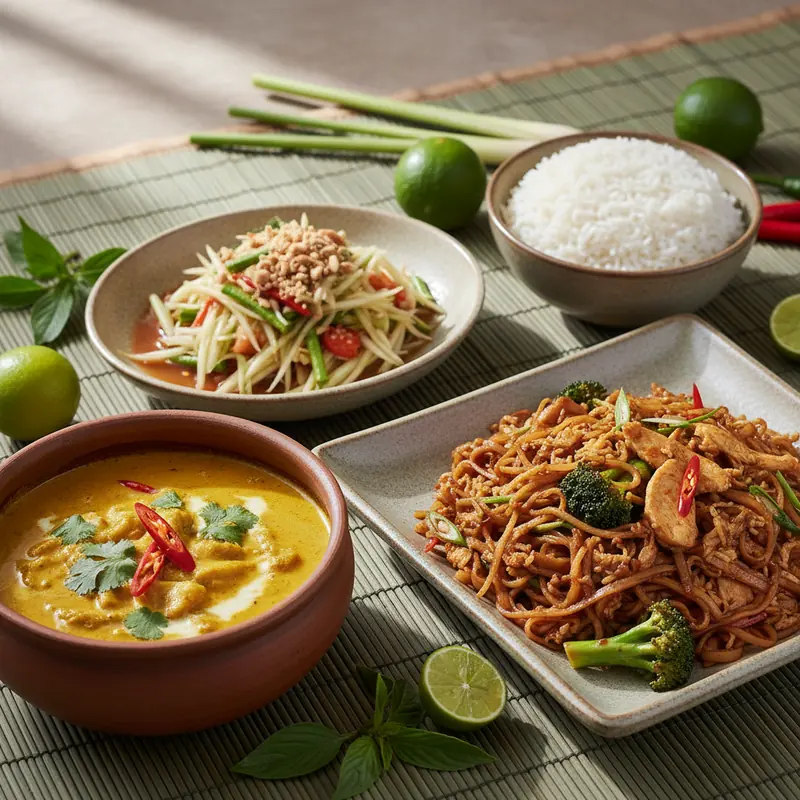
Explore Thai style catering combinations, comparing aromatic shared dishes, rice accompaniments and different serving formats when considering a set menu for your group gathering.
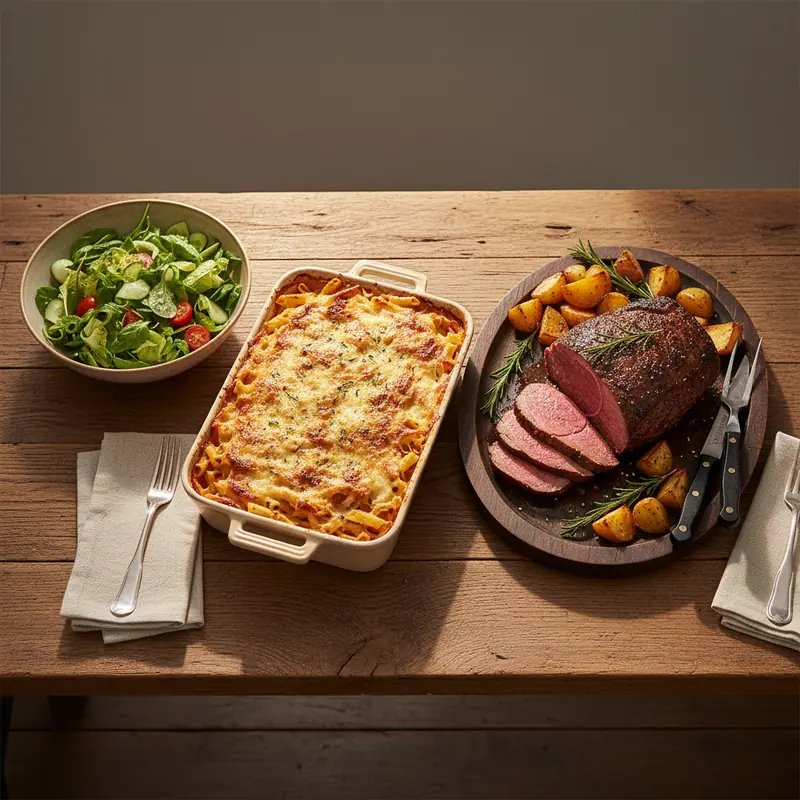
Western Catering
Compare Western style catering combinations, exploring pasta, roast dishes and accompanying sides across different set menu formats before choosing the presentation that suits your gathering.
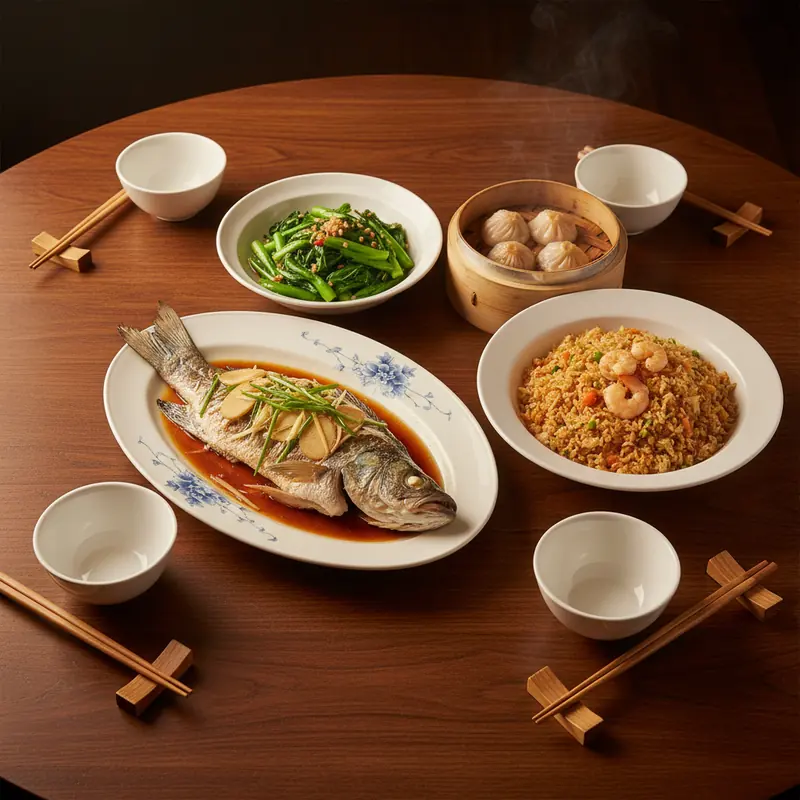
Chinese Food Catering
Explore Chinese catering combinations, comparing shared banquet dishes and dim sum alongside serving styles that suit a communal meal, family gathering or larger dining occasion.
Japanese Catering
Explore Japanese catering combinations and set menu styles, comparing cooked dishes, rice accompaniments and sharing presentations rather than focusing only on sushi or sashimi platters.
Original AI-generated navigation references; designs and order details are subject to confirmation.
Useful options for your plans
Compare sushi pieces, sliced fish and platter layouts with Sushi & Sashimi Catering.
Compare aromatic shared dishes and set menu formats with Thai Catering.
Explore Western Catering to compare pasta, roast dishes and accompanying sides.
Compare Japanese cooked dishes and set menu styles with Japanese Catering.