YumYum Catering · Ordering guides
Office Lunch Dietary Request Forms: What to Ask for Halal, Vegan and Gluten-Free Meals
For this guide:Office Lunch Dietary Request Forms: What to Ask for Halal, Vegan and Gluten-Free Meals
Plan catering for your event
Considering Vegetarian Catering? Send the date, district and the points discussed in this guide to YumYum Catering to confirm suitable options and a quotation.
Book Catering NowWhatsAppThis opens a prepared WhatsApp enquiry. Availability, details and price must be confirmed before booking.
An office lunch dietary request form needs to do more than collect a headcount and a tick beside ‘special diet’. A colleague may need both a vegan meal and gluten-free preparation arrangements. Another may request halal sourcing as well as the exclusion of a particular ingredient. Those are combined requirements for the same lunch, not interchangeable menu labels.
For a Hong Kong office organiser, the useful next step is to build two connected records: a short form for colleagues and a meal-by-meal confirmation log for the supplier. Start with the shared questions below, add the relevant branches, and keep the affected meals pending until the supplier has answered the actual requirements. This guide concerns collecting and checking requests, rather than choosing packages or making medical judgments.
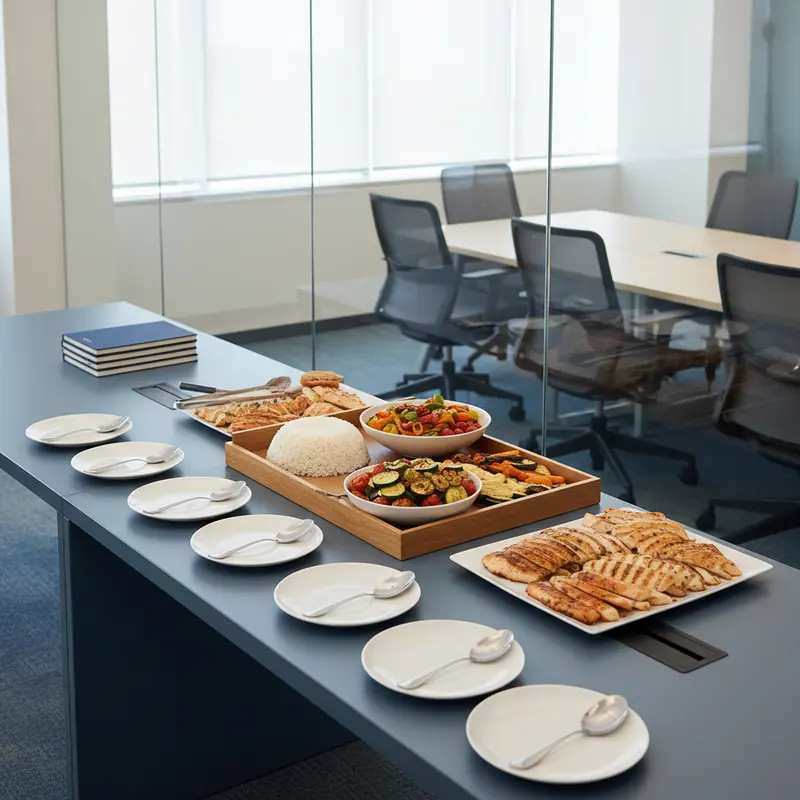
Decide what a completed request must tell you
A completed response should identify who needs a meal, how many meals they are requesting, every requirement that applies, and how to reach them privately if something needs clarification. It should not force them to choose just one dietary category. The practical output is a request that can be passed to a supplier without the organiser guessing what ‘suitable’ means.
There is useful support for that approach in Zerocater’s mixed-dietary ordering guide, which describes a check-all-that-apply survey and follow-up with the caterer. Use that collection method, but keep your form specific to this lunch. A response records what someone needs; it does not prove that any meal on a proposed menu meets those needs.
Build the shared part of the form first
Give everyone the same short opening questions. Use a diner identifier that the organiser can match privately to the person collecting the meal. Ask for the lunch date or session, the number of meals requested, and all applicable dietary requirements. If an assistant responds for several people, ask for a separate entry for each diner whose requirements differ, rather than a single free-text description for the whole team.
Include an optional private follow-up route and a clear ingredient-exclusion field. Explain that you need practical meal information, not medical records or proof of religious identity. Someone who does not want to describe a health condition on a group form should be able to speak directly to the organiser. Avoid sending an openly shared spreadsheet in which colleagues can read one another’s answers.
- Diner identifier and lunch date or session: ____
- Number of meals requested for this diner: ____
- Select all that apply: vegetarian; vegan; halal; gluten-free; another ingredient restriction; no dietary request for this order.
- Which ingredients must be excluded, including ingredients in sauces, stocks, dressings and garnishes? ____
- Are there additional handling requirements or a matter you would prefer to discuss privately? ____
- Preferred private follow-up contact: ____
Ask vegetarian diners about eggs, dairy and hidden ingredients
Begin this branch with a direct question: ‘Do you need a vegetarian or vegan meal?’ Keep the options separate rather than using ‘plant-based’ as the only answer. For a vegetarian request, ask which ingredients must be excluded and whether eggs and dairy are acceptable. A familiar category name is a starting point for the conversation, not permission to assume that every diner uses it in exactly the same way.
When you review Vegetarian Catering, take the completed answers with you and ask about the specific dishes being considered. Check the main item, stock, sauce, dressing and finishing ingredients, rather than examining only what is visible. Looking at vegetarian options does not establish that a dish is vegan, halal, gluten-free or appropriate for an allergy-related request.
Turn a broad label into a usable answer
A useful follow-up reads: ‘Which ingredients must be excluded? Please include any requirements concerning eggs, dairy, honey, stocks or other animal-derived ingredients.’ If an answer simply repeats ‘vegetarian’, clarify only what is needed to select the meal. EatFirst’s special-diet catering guide distinguishes vegetarian and vegan requests and stresses checking ingredients. The practical lesson is to record the person’s exclusions, then ask the supplier to check them against the complete dish.
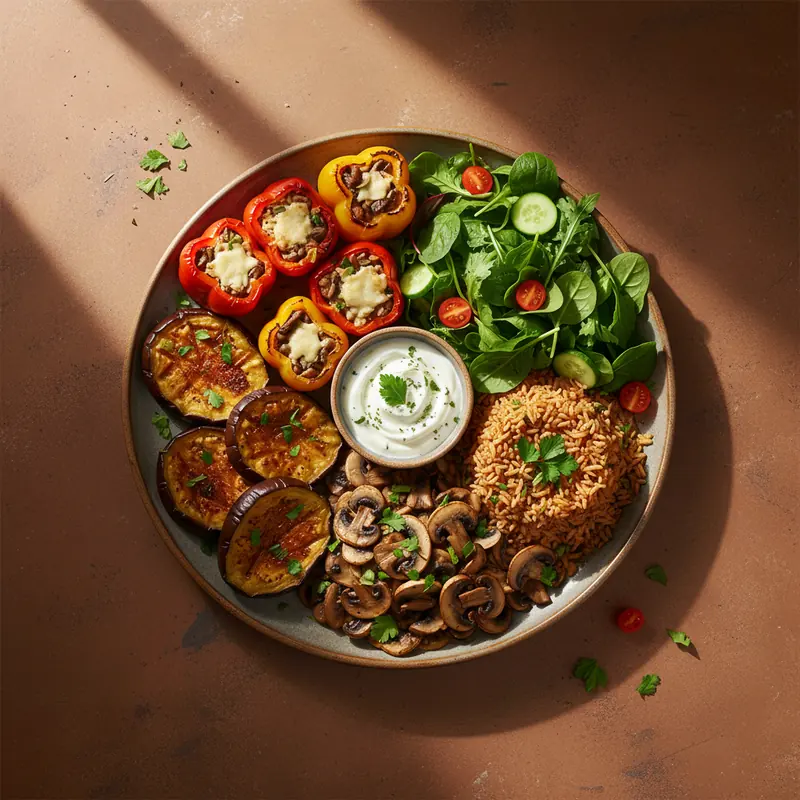
Give vegan requests their own ingredient check
For the vegan branch, ask the supplier to verify all components for animal-derived ingredients, including eggs, dairy and honey, as well as ingredients in prepared sauces and accompaniments. Do not treat a meat-free main item as a complete answer. A lunch can include a dressing, dip, garnish or dessert that needs a separate check, even when the main component appears consistent with the request.
Use Vegan Catering to enquire about named meals with the exclusion list attached. Ask for a response covering the full meal as supplied, not just the headline dish. A vegan menu label does not establish gluten-free handling, halal suitability or the absence of allergens. Keep those questions active wherever the same diner has selected another requirement.
Keep allergy questions separate from vegan preferences
Add a separate prompt: ‘Do you have any food allergy or other ingredient requirement that must also be checked, including any handling arrangements?’ Do not automatically convert ‘vegan’ into ‘dairy-allergy meal’ or assume that removing an ingredient answers a cross-contact concern. Record the necessary exclusions and handling questions privately where appropriate, and ask the supplier to respond to them explicitly. The organiser’s role is to relay and clarify, not diagnose or decide suitability.
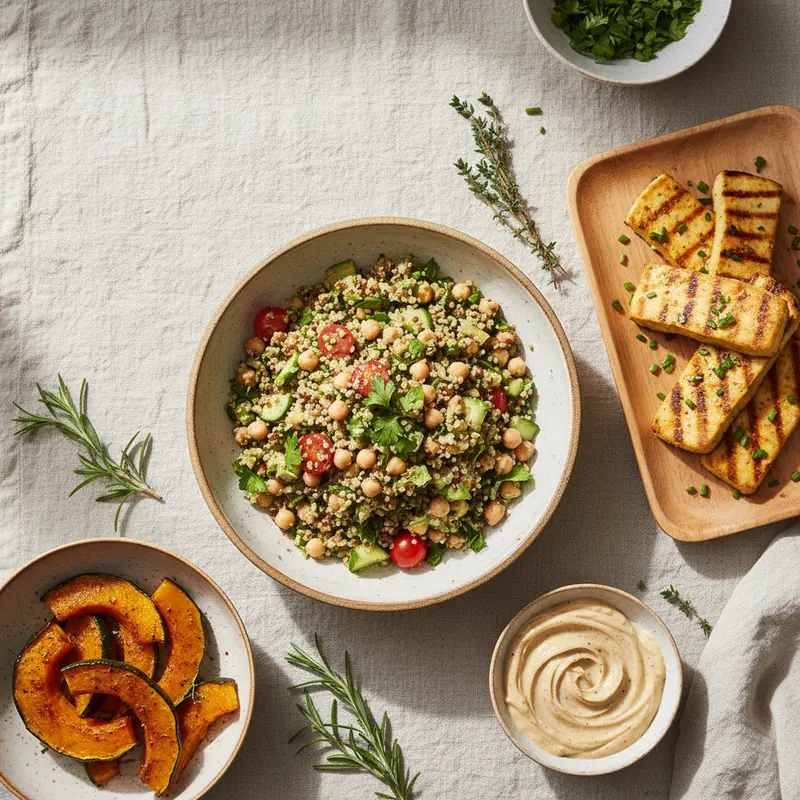
Ask halal diners about sourcing, preparation and evidence
The halal branch needs a different question: ‘What sourcing and preparation requirements must the meal meet, and what evidence would you like the caterer to provide?’ Leave room for the diner to describe the evidence they want checked. Do not require a statement about their religious identity. The purpose is to collect actionable conditions for the lunch, including any questions they would prefer to discuss directly.
Pass those conditions to the supplier alongside the exact proposed meal and its components. Ask what the supplier can substantiate about ingredient sourcing and preparation, and whether the evidence supplied covers the particular meal or operation you are discussing. If a document is offered, check its stated scope and validity rather than treating the existence of a document as an answer to every question.
An enquiry through Halal Catering should include those sourcing, preparation and evidence requirements so that each can receive a specific reply. The link is an enquiry route, not evidence that the brand holds a particular certification or that every dish meets the request. As Zerocater’s guide also cautions, removing pork is not enough to establish halal suitability. Neither a vegetarian nor a vegan label replaces the requested verification.
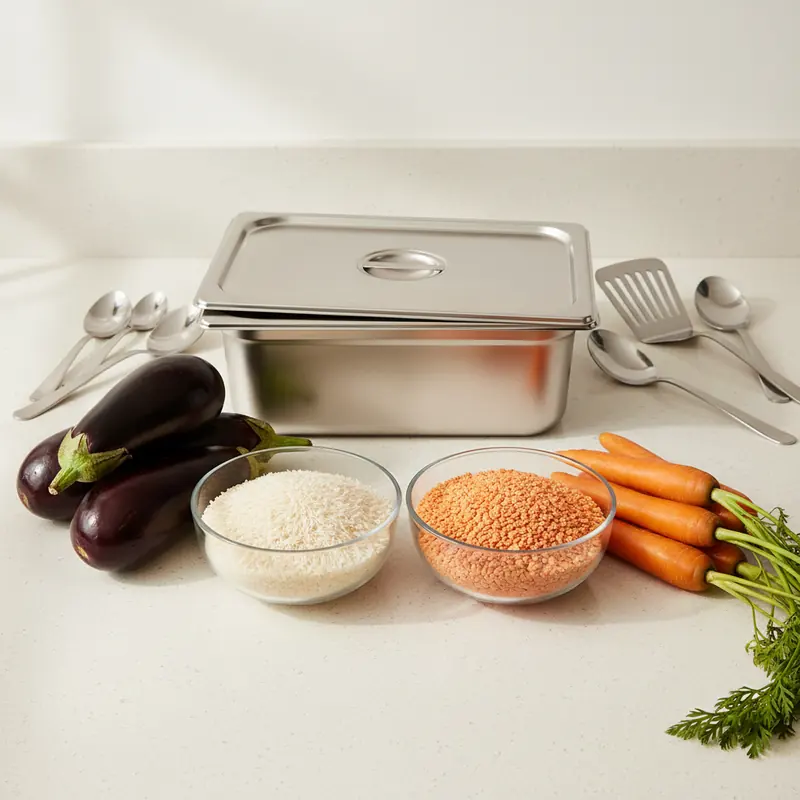
Separate gluten exclusion from cross-contact questions
Ask: ‘Is gluten avoidance a firm requirement, and do you need cross-contact controls?’ Then provide space for the person to describe the handling requirements that must be checked. Do not ask colleagues to calculate how much trace exposure they could tolerate. If a person mentions coeliac disease, wheat allergy or a preference, do not collapse those descriptions into the same operational assumption; clarify what needs to be put to the supplier without making a diagnosis.
The supplier enquiry should address ingredients and preparation separately. Ask about the complete recipe, including sauces, stocks, seasonings and accompaniments, then ask about shared preparation surfaces, cooking equipment and utensils relevant to that dish. ezCater’s workplace dietary-restrictions guide recommends discussing cross-contamination processes, cooking surfaces and utensils with prospective caterers. Those are useful enquiry topics, not proof that any particular kitchen can meet the request.
When contacting Gluten-Free Catering, name the meal and ask for both ingredient and handling answers. Do not treat a page heading, a rice-based dish or an ingredient list alone as a safety assurance. Gluten-free also does not mean free from all allergens. If the supplier cannot verify the requested handling arrangements, record that limitation and discuss the next step privately with the diner before ordering that meal.
Count people once and keep combined requirements together
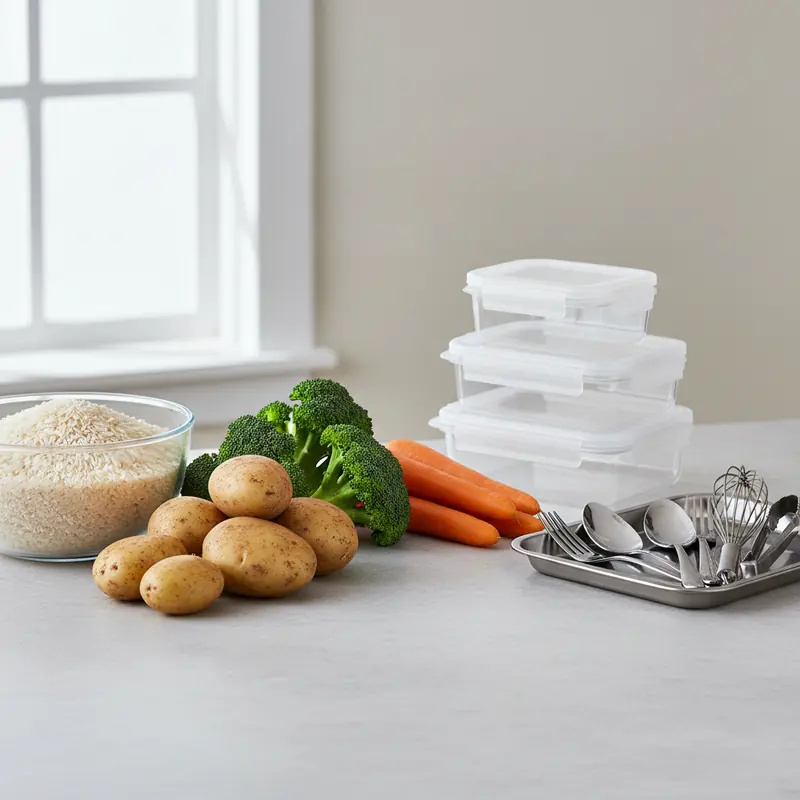
Dietary categories describe requirements; they are not separate headcounts to add together. In a hypothetical example, diner A17 selects vegan and gluten-free and requests a single lunch. Their record needs a meal that has been checked against both sets of conditions. It should not generate a vegan meal plus a second gluten-free meal, and it should not allow either requirement to disappear when the supplier groups orders.
Maintain a person-level record for every combined request. You can group diners under the same proposed dish only after checking each complete set of requirements against that dish. Similar-looking lunches may need different ingredients or handling arrangements. Conversely, the same proposed meal might answer several requests, but that is something to confirm rather than an efficiency assumption to build into the questionnaire.
Create a supplier reply log that exposes unanswered questions
The second record is where requests become order decisions. Use one row per diner or clearly identified meal requirement, with the exact proposed dish and all its components. Ask the supplier to answer each condition as confirmed, available with a stated limitation, or unable to provide. Keep pending as an organiser’s status for missing or incomplete replies. A general ‘special diets available’ message should not close a dish-specific question.
Write down what a confirmation actually covers and retain the supplier’s wording. If ingredients are confirmed but requested handling controls are not, the overall meal remains unresolved. A limitation is not a confirmation with less detail. Identify the open point, who will follow up and the next action agreed for this order. This makes it easier to spot a forgotten sauce or an unanswered evidence request before sending the order.
- Diner identifier and every applicable requirement: ____
- Exact proposed meal, sides, sauces and any substitution: ____
- Supplier reply against each ingredient, preparation and evidence question: ____
- Overall status: confirmed; limited and awaiting discussion; pending; unable to provide.
- Agreed individual packaging, label identifier and collection arrangements: ____
- Order reference or confirmation version, organiser and on-site contact: ____
Use packaging and labels to reduce meal mix-ups
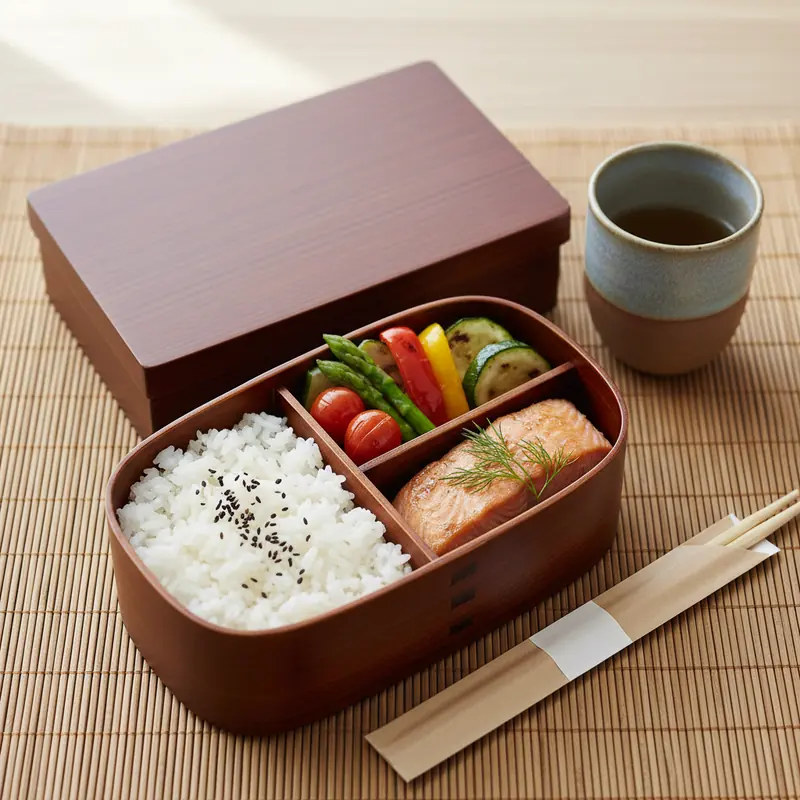
Ask whether individually packed meals or another controlled handover arrangement can be provided for the requests involved. Check how the supplier will distinguish meals that look alike but have different requirements. A label should map back to the agreed meal record, so that the colleague receiving it does not have to guess which box was intended for them. Confirm that any side dishes and sauces stay matched to the correct meal.
Keep the public label minimal: a diner identifier and an agreed meal reference may be enough for collection. Do not display diagnoses, religious identity or private form answers on a pantry list or lunch box. Packaging and labels can reduce allocation errors, but they do not establish that preparation avoided cross-contact. Keep the handling confirmation in the supplier record rather than treating a sealed box as evidence of how the food was prepared.

Send the lunch handover as a checked set of requirements
Once you have matched diners to proposed meals, separate confirmed items from questions that still need an answer. Send the supplier the relevant meal identifiers, requested quantities, complete conditions and packaging instructions, together with the date, district and intended lunch format. Keep unnecessary personal information out of that handover. The supplier needs clear meal instructions, not the full contents of a colleague’s private conversation.
Use Office Lunch Catering for the ordering conversation about individual portions or shared service and the associated handover arrangements. Attach the checked requirements rather than asking for a generic selection of special meals. Ask customer service to confirm the available options, order-specific charges and practical arrangements for the proposed lunch; a completed questionnaire is not a quotation or a promise that every requested meal can be supplied.
Resolve limitations and substitutions before releasing the affected meal
If the supplier cannot meet or verify a condition, tell the diner exactly what remains unconfirmed. Ask whether there is another proposed arrangement they want the supplier to assess, or whether the affected meal should be left out while an alternative is organised. Do not silently swap a halal request for a vegan meal, remove a sauce and assume the rest is appropriate, or decide that an unverified condition is probably unimportant.
Treat any later substitution as a new item to check against the same record. A changed dressing, garnish or side can make an earlier reply incomplete for the meal now proposed. Ask the supplier to confirm the changed version and update the collection reference if needed. At handover, an unexpected or unlabelled replacement should trigger a question to the named contact, not a guess by the person distributing lunch.
Reuse the structure, not last month’s assumptions
A catering dietary requirements questionnaire is reusable when its questions and reply fields stay useful, not when old answers become permanent defaults. For the next lunch, invite colleagues to confirm or update their practical requirements privately. Reconfirm the specific meals with the supplier if the menu or preparation arrangements differ. An earlier confirmation relates to the meal and conditions that were discussed, not automatically to every future order.
Keep access to the working records limited to the people arranging and handing over the meals, and avoid circulating old sensitive details in new group messages. After this lunch, note which questions caused confusion and improve those prompts. The aim is a short form that produces complete, answerable requests, followed by a supplier log that makes both confirmations and limitations visible before anyone relies on the order.
Details to confirm before ordering
- Each diner has an identifier, a meal quantity and all applicable dietary requirements recorded together.
- Vegetarian and vegan requests include the relevant ingredient exclusions rather than only a broad label.
- Halal requests include the diner’s sourcing, preparation and evidence questions for the proposed meal.
- Gluten-free requests distinguish ingredient checks from requested cross-contact controls.
- The supplier has answered against each named meal, including sauces, sides and any substitutions.
- Pending, limited or unavailable items have been discussed privately before the affected meal is ordered.
- Packaging, minimal labels and an on-site contact are agreed without exposing private health or religious information.
Questions about this decision
Should the form allow more than one dietary selection?
Yes. Let colleagues select every applicable requirement, then keep those selections together under their diner identifier. Count the number of meals requested for the person, not the number of boxes ticked.
Can I combine vegetarian and vegan into one plant-based option?
Not as the only question. Use separate vegetarian and vegan options and ask which ingredients must be excluded. An organiser should not infer the diner’s requirements concerning eggs, dairy or other animal-derived ingredients from a broad plant-based label.
What if a supplier replies only that special diets are available?
Ask for a reply about the exact proposed meal and each outstanding condition. Keep the affected meal pending until the ingredient, preparation or evidence questions relevant to that diner have been answered.
Does an individually sealed lunch box confirm gluten-free handling?
No. Packaging helps identify and allocate the meal, but it does not verify what happened during preparation. Ask the supplier separately about ingredients, shared equipment, utensils and the handling requirements raised by the diner.
Do colleagues need to disclose a diagnosis or religious identity?
The form should ask for the exclusions, handling requirements and evidence needed to assess the meal, not medical records or proof of religious identity. Offer private follow-up when someone does not want to include sensitive details in the form.
Sources and further reading
Reference only. Illustrations are AI-generated design references, not photographs of actual customer orders. Confirm current contents, prices and arrangements with our team.
For this guide:Office Lunch Dietary Request Forms: What to Ask for Halal, Vegan and Gluten-Free Meals
Plan catering for your event
Considering Vegetarian Catering? Send the date, district and the points discussed in this guide to YumYum Catering to confirm suitable options and a quotation.
Book Catering NowWhatsAppThis opens a prepared WhatsApp enquiry. Availability, details and price must be confirmed before booking.
Explore related services and designs
Compare relevant options, view design references and find the information you need before making an enquiry.
Corporate halal gifts
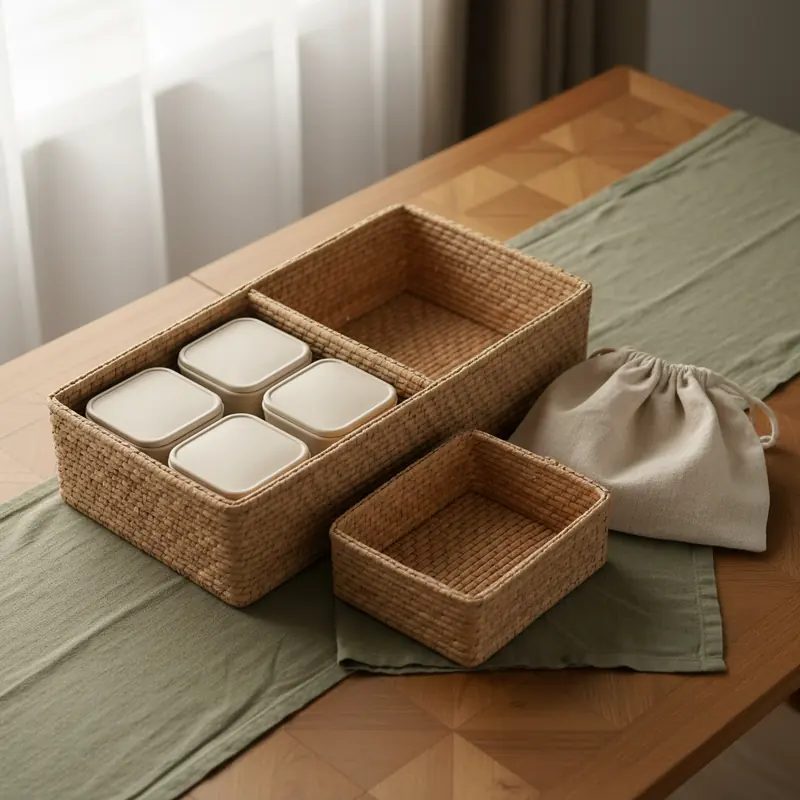
Compare halal hamper presentation and corporate gifting directions, with ingredients, handling and any certification evidence checked separately rather than inferred from the appearance of a basket.

Gluten Free Cake
Compare cake shapes, berry toppings and simple finishes for a gluten-free enquiry, confirming ingredients and cross-contact considerations separately rather than treating a photograph as proof of suitability.

Vegan gift hampers
Compare plant based hamper presentation and corporate gift directions, checking ingredients and recipient restrictions separately instead of assuming that a pictured arrangement verifies dietary suitability.
Vegan Cake
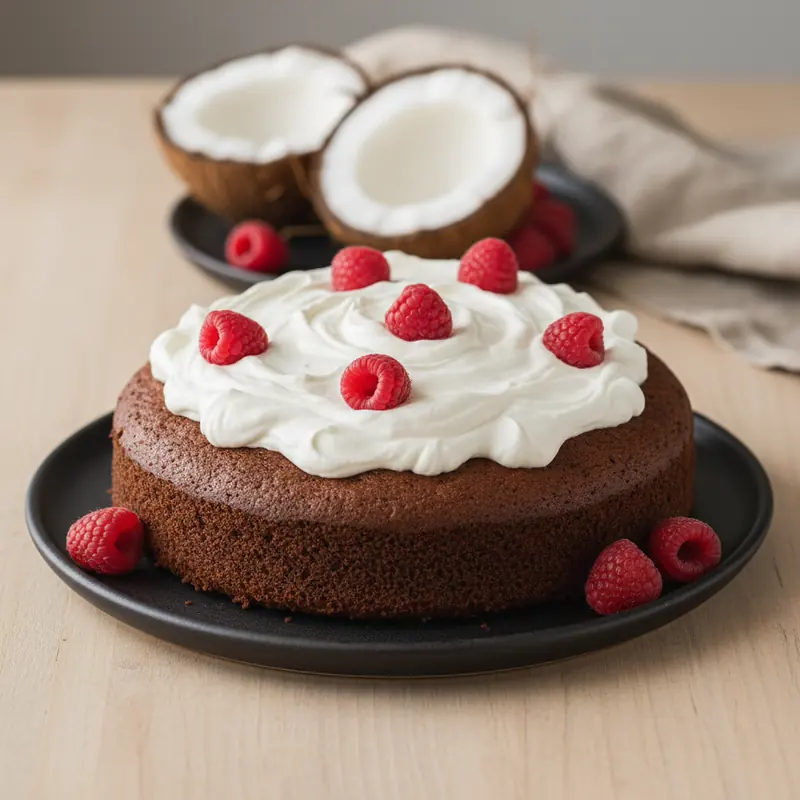
Explore plant-based cake presentation, frosting styles and flavor directions while checking the ingredients of a specific order; a design image alone cannot establish dietary or allergen suitability.
Halal Catering
Explore halal catering enquiries by comparing menu formats and ingredient questions, keeping sourcing and preparation requirements separate from assumptions based on the appearance of a dish.
Gluten-Free Catering
Compare gluten free menu enquiries and ingredient handling questions, with attention to preparation and cross contact concerns rather than assuming any pictured food is suitable for allergies.
Original AI-generated navigation references; designs and order details are subject to confirmation.
Useful options for your plans
Explore Gluten Free Cake for design ideas and discuss ingredients and cross-contact considerations for your order.
Explore Halal gift hampers and discuss the ingredients and evidence needed for your recipient's requirements.
Compare Vegan corporate gifts while checking ingredients and any additional restrictions with the recipient in mind.
Explore Vegan Cake for presentation ideas and ask about the ingredients of your specific order.