YumYum Gifts · Ordering guides
A floristry workshop gift for a future florist: what learning should you confirm before booking?
For this guide:A floristry workshop gift for a future florist: what learning should you confirm before booking?
Plan your workshop
Considering Flower class? Send the date, district and the points discussed in this guide to YumYum Gifts to confirm suitable options and a quotation.
Book a WorkshopWhatsAppThis opens a prepared WhatsApp enquiry. Availability, details and price must be confirmed before booking.
When a friend says they would love to open a flower shop, a workshop can feel like a thoughtful way to encourage them. The difficult part is knowing what you are actually giving. A beautiful bouquet to take home, a first attempt at preparing stems and an introduction to running a florist business may all sound appealing, but they answer different questions.
For a floristry workshop gift for an aspiring florist, start with one discreet question: would they most enjoy making something, trying the practical work, or understanding the business behind it? Use their answer to request the relevant syllabus before paying. This guide helps you read that syllabus, ask what the recipient will personally do and check whether the booking will work as a gift. None of the learning topics below should be assumed to be included in a particular YumYum Gifts course; ask for confirmation of the specific option you are considering.
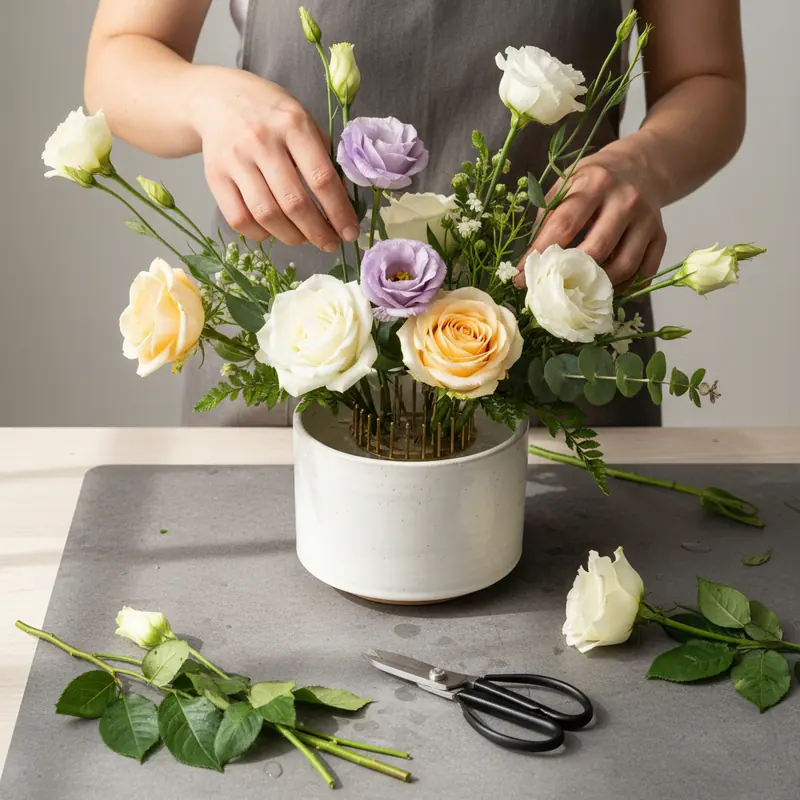
1. Set the goal for a floristry workshop gift for an aspiring florist
There are three useful starting goals: enjoying a creative occasion, finding out whether hands-on floristry is appealing, or examining a possible business direction. A friend might value all three eventually, but your gift does not need to cover them all at once. Ask which would make the next step feel worthwhile. For someone who has only admired arrangements in shop windows, even discovering whether they enjoy working with loose stems may be a meaningful outcome.
You can browse the Flower class direction to frame the conversation, then verify the level and teaching format of any particular option. Rather than asking whether a class is simply good for future florists, explain the recipient's immediate goal. For example, a hypothetical beginner might want to try preparing and arranging flowers before deciding whether to study further. That is a clearer brief than asking a provider to recommend something for opening a shop.
2. Match the starting level, not just the ambition
Wanting a flower business does not establish a person's practical experience. Before choosing a course, find out whether your friend has ever made an arrangement independently, only followed an informal demonstration, or already completed some structured learning. You do not need to test them. A simple conversation about what they have tried can prevent a gift that assumes knowledge they have not yet had a chance to develop.
If they have no experience, the Beginner flower class guide is a relevant starting point, while this gift decision should stay focused on what they want to discover next. Ask the provider whether complete beginners are accepted and whether everyone works at the same pace. For an experienced recipient, ask what prior skills are assumed rather than relying on words such as advanced or startup. A more demanding title is not automatically a more considerate present.
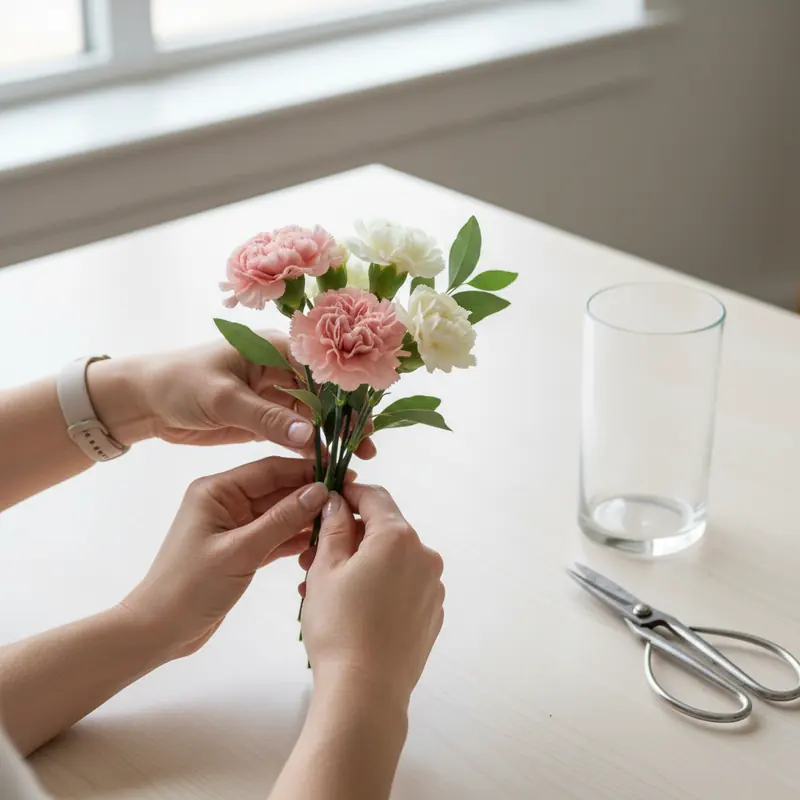
3. Ask for a syllabus that says what the learner actually does
A course description becomes more useful when its verbs are specific. Ask whether the recipient will watch, practise with guidance, complete a task independently or discuss an example. Learning about bouquet construction might describe any of these formats. Request the outline for the exact workshop, not just the school's wider course menu, and ask which elements are included, excluded or reserved for later study.
For a local example of the distinctions worth checking, Let Hope Bloom's flower-class page lists preparing and conditioning flowers, identifying flowers and foliage, and design topics such as colour, proportion and structure among its beginner learning content. These are useful questions to take to another provider, not a standard curriculum that every workshop follows. Ask what each topic means in the proposed session and how much of it the recipient will personally attempt.
4. Check whether preparation is part of the experience
If the gift is meant to reveal something about working with flowers, ask where the lesson begins. Will the recipient receive a ready-prepared bundle, or take part in preparing the materials? Both formats can suit different purposes. Pre-prepared materials may help keep the focus on arranging, while a session that includes preparation may better match someone curious about the work before the design takes shape. The important point is to know which experience you are buying.
Ask whether the tutor will explain the materials being used, demonstrate relevant handling and let the learner practise the included preparation tasks. Also ask whether there is time for questions about unfamiliar flowers or foliage. You are not seeking a complete care manual from a short session. You are checking whether the recipient will see only the attractive final stage or also encounter some of the decisions that lead up to it.
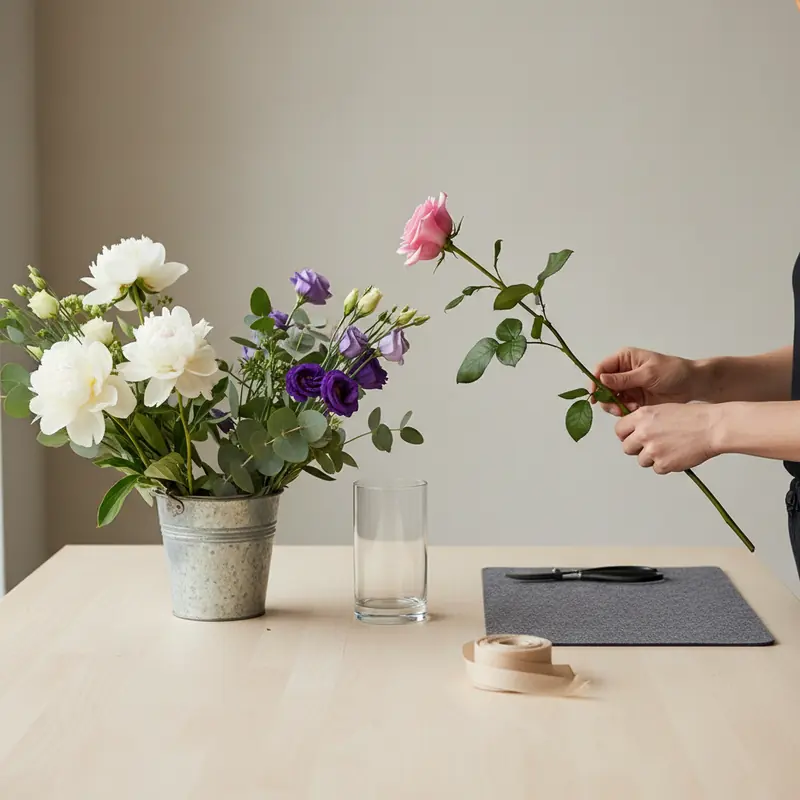
5. Look for design decisions and useful feedback
A finished arrangement tells you what the session produces, but less about what the learner understands. Ask whether the tutor explains why a structure works, how proportion is considered and what choices are available within the design. If every stem position is prescribed, the experience may still be enjoyable; it simply offers a different kind of exploration from a lesson in making and reviewing your own decisions.
Feedback is worth checking separately from step-by-step instruction. Ask whether the tutor comments on each learner's work and whether there is an opportunity to make an adjustment after that discussion. A recipient exploring further study may find an explanation of what to practise next more useful than praise for a completed piece. Do not assume that individual feedback is included just because the workshop is described as guided.
Ask how demonstration time differs from practice time
Request a broad description of the session's flow: introduction, demonstration, personal making and review. An exact minute-by-minute timetable is unnecessary, but the answer should reveal whether the recipient will mostly observe or spend substantial time working. If materials are shared, ask what each participant makes themselves. This helps you judge the learning format without assuming anything from a photograph of a busy table.
6. Treat business learning as a separate syllabus question
If your friend already enjoys making arrangements and now wants to understand the business, ask explicitly about purchasing, wholesale ordering, material quantities, costing, pricing and order handling. A workshop can include some of these topics without covering all of them. Request the outline and prerequisites through the Florist startup class enquiry route rather than treating the page name or an illustration as proof of what is taught.
The distinction between making and management is visible in public course information. The Hong Kong Academy of Flower Arrangement's Florist Management course lists topics including purchasing flowers, wholesale ordering, pricing philosophy and business models, and describes the course as theoretical and lecture based. It also recommends basic floristry knowledge. That example does not establish another provider's syllabus; it shows why business content, entry level and teaching format need separate confirmation.
7. Follow the materials into a business exercise, if one is included
To check whether business content goes beyond a passing conversation, ask what the learner will work through. Will they record the materials used in their own arrangement, study a tutor's example or hear a general explanation? A provider can reasonably offer any of these, but they are not interchangeable. If your friend's question is how a design becomes a saleable order, an exercise that connects materials with a business decision may be more relevant than an unrelated management overview.
For an example of how a published syllabus separates these strands, Kay's Flower School's Module 1 syllabus distinguishes practical floristry skills from business knowledge and lists recipe and stem counts alongside costing and retail-pricing content. Use that as a prompt to ask about material records and the reasoning behind a price. It is an overseas course example, not evidence of Hong Kong registration rules, qualifications or the contents of a local workshop.
Ask where the exercise stops
If order handling is mentioned, ask whether it means discussing a customer's brief, planning materials, preparing a quotation or following an order through to completion. You are looking for an honest boundary, not the longest possible list. A clear answer that costing is introduced but purchasing and order workflow are not covered is more useful for choosing a gift than an expansive promise with no explanation of the activities.
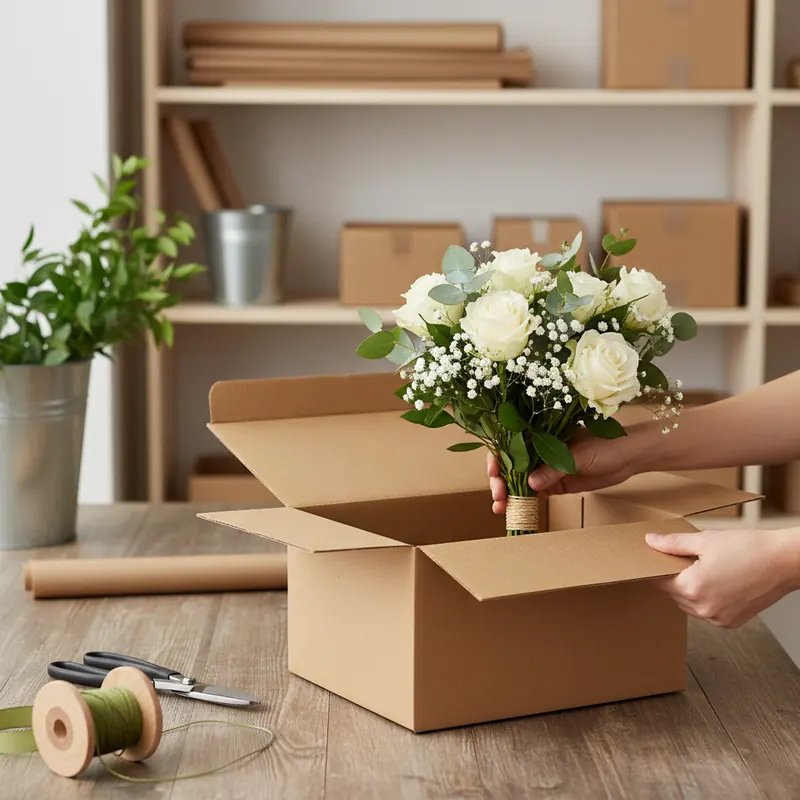
8. Separate a take-home piece from a learning outcome
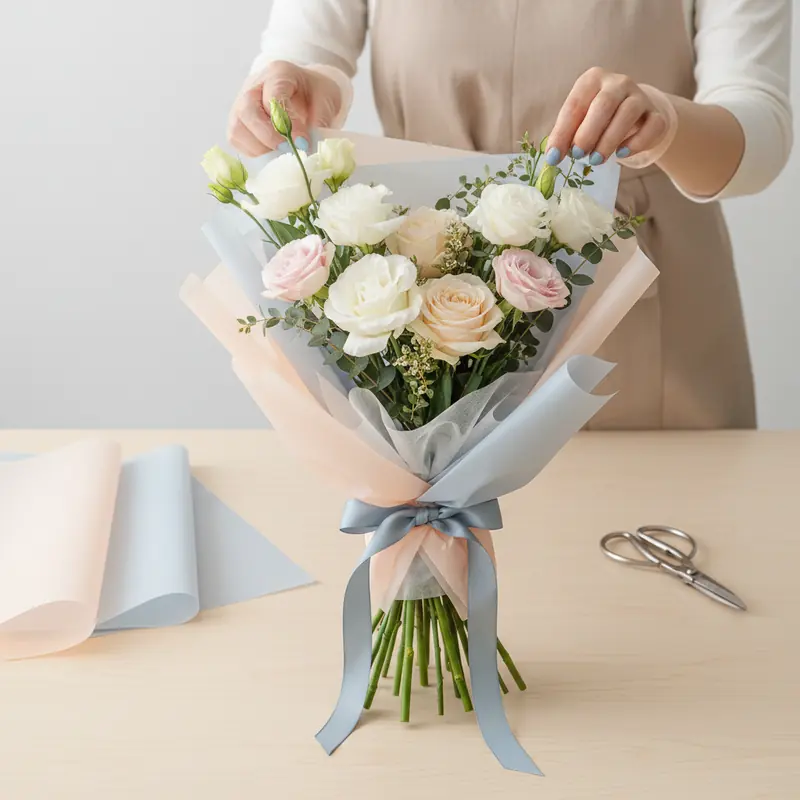
Taking home something beautiful can be an important part of the present. Check what the recipient is expected to complete and whether wrapping, packaging or presentation is included in the teaching or simply provided at the end. If those stages interest your friend, ask whether they can practise them. Do not assume that making an arrangement includes learning to prepare it for a customer order.
Then ask what the recipient can use after the session: perhaps their own notes, a materials list if supplied, or specific feedback on what to practise. Confirm what is actually provided rather than expecting handouts or continued tutor support. A successful exploratory gift might help your friend decide which skill they want to learn next. A finished piece, attendance document or course completion statement should not be treated as proof that they are ready to operate a flower business.
9. Make language, tools and participation requirements explicit
Confirm the teaching language for the exact session, including how instructions and questions are handled. A bilingual website does not establish that every class is taught in both languages. Let Hope Bloom's course information specifically directs readers to individual course details for the actual teaching language. For a gift recipient who wants to ask detailed questions, understanding the explanation is as important as following the visible steps.
Ask what materials and tools are included, whether anything must be brought and whether there are additional items to pay for. Request the current total and inclusions from the provider rather than estimating from an image. If your friend has a participation requirement, such as needing to work seated or avoiding a particular material, describe the requirement and ask whether the session can accommodate it. Do not infer suitability from a general beginner label.
10. Confirm dates and gift terms before committing
A suitable syllabus is only half the decision if your friend cannot attend. Ask which dates can actually be booked, whether you must choose now and whether the recipient can select a session themselves. If they prefer Hong Kong Island, use Flower class Causeway Bay as an enquiry starting point, while confirming the actual venue, available dates and teaching language for the option offered. The district label alone does not establish any of those details.
If a gift voucher is offered, ask which courses it applies to, when it expires and whether booking must be made or attendance completed before that deadline. Separately request the rules for changing a date, transferring a booking and cancellation, including what happens if the provider changes a session. These are questions to resolve, not services to assume. If dates are uncertain, ask whether there is a suitable gifting arrangement before paying rather than buying first and relying on flexibility later.

11. Check the actual journey and the trip home
For a friend who works in Kowloon East or finds that journey easier, Flower class Kwun Tong offers another relevant enquiry direction. Confirm the actual address, arrival instructions and session timing before deciding it is convenient. A separate school's publicly listed location does not establish a YumYum Gifts venue in the same district, and a generic urban illustration should never be treated as a photograph of the teaching space.
Think about the recipient's day after class as well as their arrival. Ask what they will take away, whether carrying packaging is included and whether they need to bring anything for transport. This is especially useful if they will travel by public transport or continue to another appointment. You do not need to predict the exact arrangement size from a picture; request the practical carrying information for the workshop being offered and let your friend judge the journey.
12. Buy the next useful step, not a promise about the future
Before paying, write down the learning goal in one sentence and compare it with the provider's answer. If the goal is to try handling flowers, a clearly described beginner practical session may be enough. If the goal is to examine costing or purchasing, a making-only experience does not answer it, however attractive the finished design. Where the scope does not match, ask about a suitable follow-on option and its prerequisites rather than automatically choosing a higher-level course.
For a flower workshop gift for a friend starting a flower business, the most thoughtful choice may be a modest, well-matched opportunity to explore, not the course with the biggest claims. Save the confirmed syllabus and booking terms, and present the gift as encouragement to discover what they enjoy and want to learn next. One session can be part of that exploration without being described as a professional qualification, a complete preparation for opening a shop or a guarantee of future earnings.
Details to confirm before ordering
- Recipient's immediate goal: creative making, first practical exploration or a defined business-learning question.
- Accepted starting level and any practical knowledge required before attending.
- Written syllabus identifying personal practice, demonstrations, theory and topics not included.
- Opportunity for individual feedback and the learning materials, if any, supplied afterwards.
- Teaching language, tools and materials included, participation requirements and confirmed total payable.
- Usable dates, actual venue and arrangements for carrying the finished work home.
- If offered, gift-voucher eligibility and expiry, recipient booking choices, change, transfer and cancellation terms.
Questions about this decision
Is a beginner workshop a suitable gift for someone who wants to open a flower shop?
It can be suitable if their next goal is to try practical floristry and the session accepts complete beginners. Confirm what they will personally practise. A beginner experience should not be presented as complete training for opening a shop.
Does a course described as startup necessarily include hands-on arranging?
No teaching format should be inferred from the title alone. Ask which topics are practical, demonstrated or lecture based, and whether prior floristry knowledge is expected. Business learning and arrangement-making may be offered separately.
What is the clearest question to ask about business content?
Ask: will the recipient work through any purchasing, material-counting, costing, pricing or order-handling exercise, and which of those topics are excluded? Request an example of the learning activity rather than assuming that a brief discussion amounts to practical business training.
Can I leave the date open as part of the gift?
Ask the provider before paying. Recipient-selected dates, vouchers, changes and transfers are not established by this guide. If an option is available, confirm eligible sessions, booking availability, deadlines and the applicable terms in writing.
Should I choose by district before checking the syllabus?
Use both as requirements. A convenient venue cannot compensate for the wrong learning content, while an ideal syllabus is not a usable present if your friend cannot attend. Confirm the specific venue and dates rather than relying on a district heading.
Sources and further reading
Reference only. Illustrations are AI-generated design references, not photographs of actual customer orders. Confirm current contents, prices and arrangements with our team.
For this guide:A floristry workshop gift for a future florist: what learning should you confirm before booking?
Plan your workshop
Considering Flower class? Send the date, district and the points discussed in this guide to YumYum Gifts to confirm suitable options and a quotation.
Book a WorkshopWhatsAppThis opens a prepared WhatsApp enquiry. Availability, details and price must be confirmed before booking.
Explore related services and designs
Compare relevant options, view design references and find the information you need before making an enquiry.
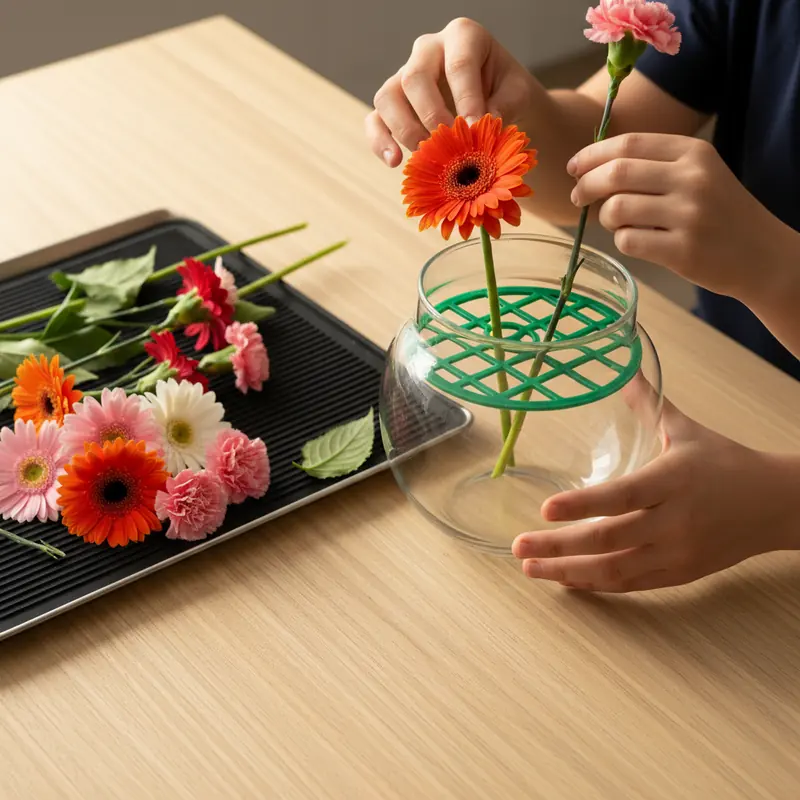
Parent-child flower class
Compare shared flower activity directions for an adult and child, considering simple materials and collaborative formats while discussing age suitability, supervision and course arrangements separately.
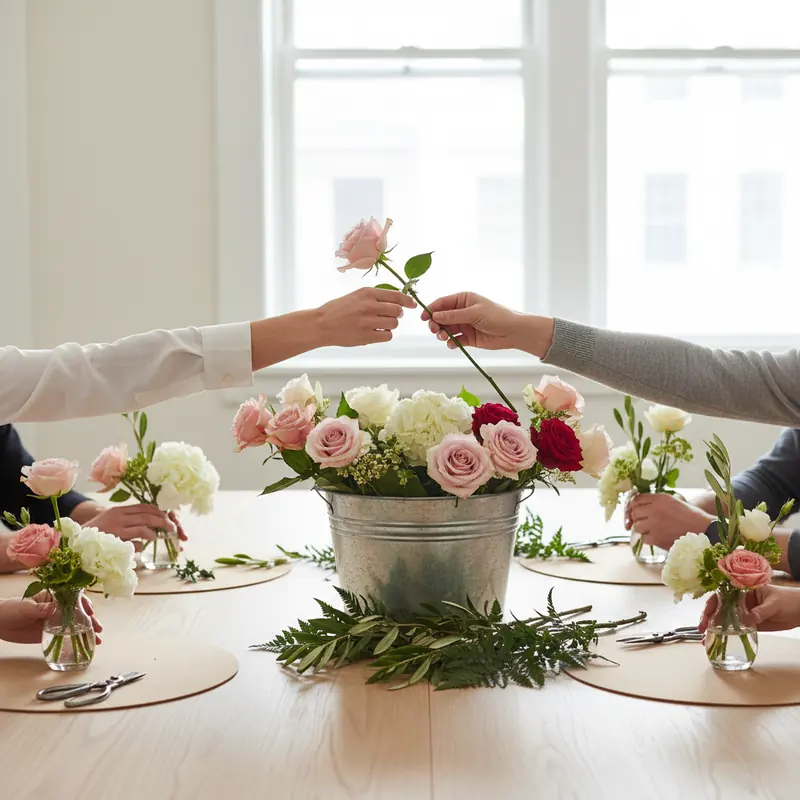
Corporate flower class
Compare flower workshop directions for a workplace group, looking at shared materials and arrangement formats while discussing group needs, course details and scheduling separately before making plans.
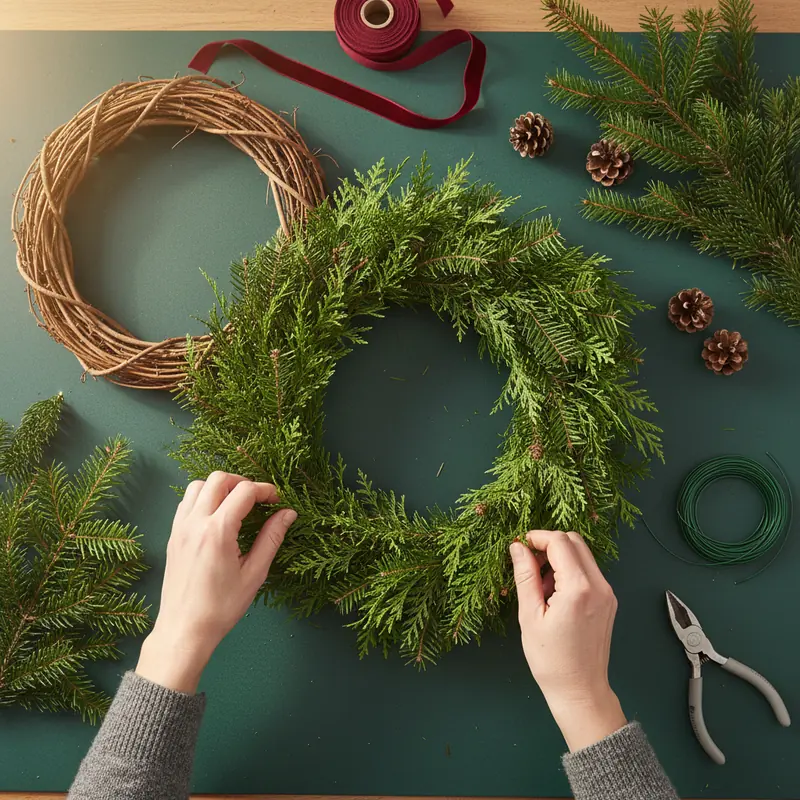
Christmas wreath workshop
Compare Christmas wreath making directions, foliage textures and decorative finishes to consider a craft project, without assuming that specific materials, lesson content or workshop dates are confirmed.
Korean bouquet class
Compare Korean style bouquet learning directions, airy flower placement and layered wrapping approaches to frame your enquiry, without assuming a particular lesson plan or currently available class.
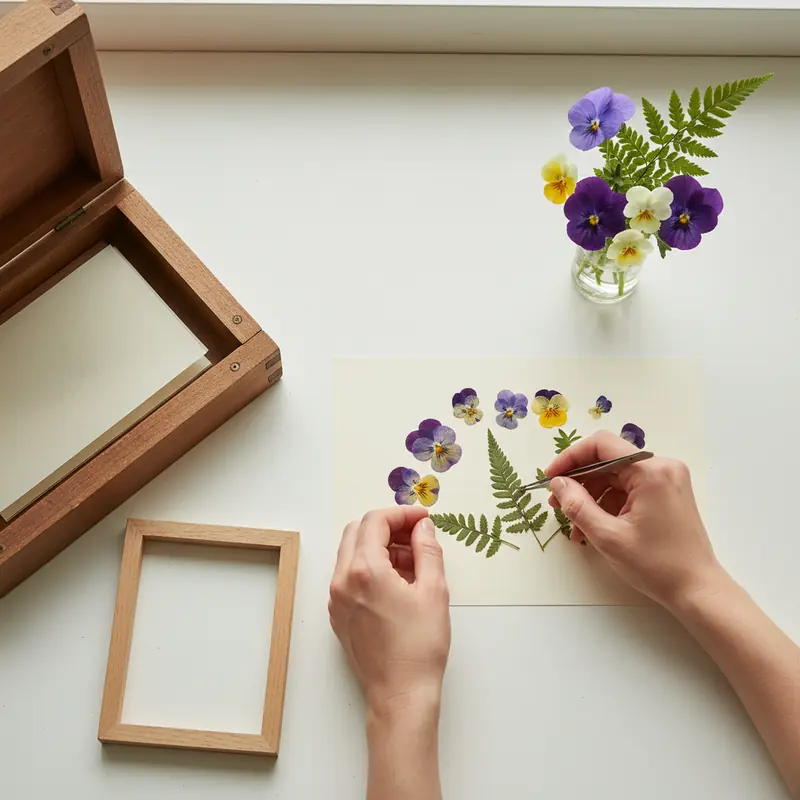
Pressed flower workshop
Compare pressed flower craft directions, flat botanical arrangements and display formats to consider a project, without assuming the illustration confirms particular materials, lesson content or workshop availability.
Flower arranging class
Compare flower arranging learning directions, including vase composition and handling tools, to consider what you want to practise without assuming a confirmed syllabus or class schedule.
Original AI-generated navigation references; designs and order details are subject to confirmation.
Useful options for your plans
Compare Parent-child flower class directions while discussing suitable materials and supervision for your child.
Explore Florist startup class to frame an enquiry about practical flower business learning.
Compare Christmas wreath workshop directions if you would like to explore seasonal wreath making.
Explore Korean bouquet class to compare airy bouquet composition and layered wrapping directions.