YumYum Gifts · Ordering guides
Parent–Child Floral Gifts: Which Tasks Can Children Do, and Which Need an Adult?
For this guide:Parent–Child Floral Gifts: Which Tasks Can Children Do, and Which Need an Adult?
Plan your workshop
Considering Parent-child flower class? Send the date, district and the points discussed in this guide to YumYum Gifts to confirm suitable options and a quotation.
Book a WorkshopWhatsAppThis opens a prepared WhatsApp enquiry. Availability, details and price must be confirmed before booking.
A floral gift can look like a joint achievement even when an adult has done almost everything. To give your child a genuine part in making it, start with the work behind the finished object: choosing, picking up, positioning, holding, cutting and finishing. The useful question is not simply whether a workshop is described as suitable for children, but which decisions and actions your child can actually own. That distinction matters when the gift is intended for a grandparent, teacher or another person your child wants to thank.
If you are deciding how to divide tasks in a parent-child flower workshop, make a short three-column task list before comparing finished designs. Mark what your child can lead, what you would do together and what needs an adult or instructor. Then use the comparisons below to ask about the exact version of the activity being offered. This is a practical selection tool, not a developmental assessment, a safety certification or confirmation that any particular class accepts children.
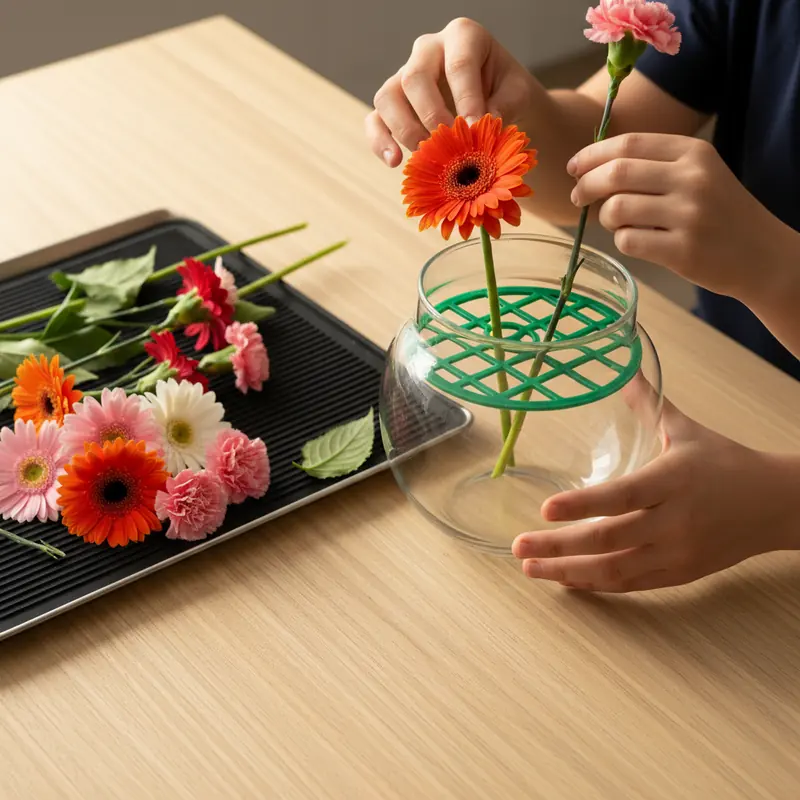
Start with Actions Your Child Can Manage, Not Just an Age Label
Think about recent everyday activities rather than setting a test with delicate flowers. Can your child pick up one item at a time, place it where intended and release it without pressing hard? Can they keep one hand steady while the other moves something, or follow one short instruction before hearing the next? Note which actions are comfortable and which currently need help. These observations describe the support you might request; they do not diagnose an ability or establish permission to use a particular tool.
Cutting deserves its own question. In its explanation of scissor skills, NAPA Center describes several demands involved, including grip, coordination between the hands, visual attention and control along a line. Being keen to cut is therefore different from managing the cutting required by a particular craft. Ask the instructor who should perform each cutting step, rather than treating an age recommendation as a guarantee.
Use those observations when exploring a Parent-child flower class. Ask which steps the child can lead, what the accompanying adult is expected to do and whether material preparation can be adjusted. A useful reply describes the work, not just the finished gift. For example, knowing that a child may choose and place prepared pieces tells you more about participation than a broad promise of a family activity.
Divide the Work into Three Roles, with Design Choices Kept Separate
Write the actual actions down in order, then assign a lead person to each. Avoid giving the child only the first step and the adult everything after it. A child who does not handle a finishing tool can still make decisions throughout the piece: which colour comes next, whether a space should remain empty and what the recipient should read on the card.
Use the categories below as a conversation starter, not a fixed allocation for every child. The instructor's requirements and the equipment in use still determine who can carry out a step. If a task changes during the session, change the allocation openly rather than silently taking over the whole gift.
Child-led and shared tasks
Child-led work might include choosing from an agreed selection of colours, deciding a sequence, dictating a message or placing individual materials they can comfortably handle. Shared work might include comparing two layouts, checking the position before attachment or identifying where the next piece should go. Be precise about the help: an adult might hold a backing still while the child indicates the position, instead of rearranging the design to their own taste.
Adult or instructor handovers
List cutting, specialist attachment, container handling and equipment operation as steps to discuss explicitly with the instructor. Do not assume an accompanying parent is authorised to operate every tool either. Agree how to pause before an irreversible step, show the child the proposed position and obtain their design decision before the designated adult finishes it.
Choose the Gift's Purpose Before Its Complexity
Ask your child what the gift should do for its recipient. A bookmark belongs inside a book; a card leaves room for a message; a freestanding piece needs somewhere to stand. These uses lead to different decisions about shape and presentation. Discuss the recipient's available display space and how the gift will travel, rather than selecting the most elaborate photograph and hoping the work can be divided afterwards.
Next identify the contribution your child most wants to make. One child may care about arranging every piece; another may want to choose a colour story and write a note. Neither contribution is automatically more meaningful. Compare a smaller design with more child-led decisions against a more detailed design with more adult finishing. Ask whether a simpler version is available, without assuming that reducing the size removes difficult handling or attachment steps.
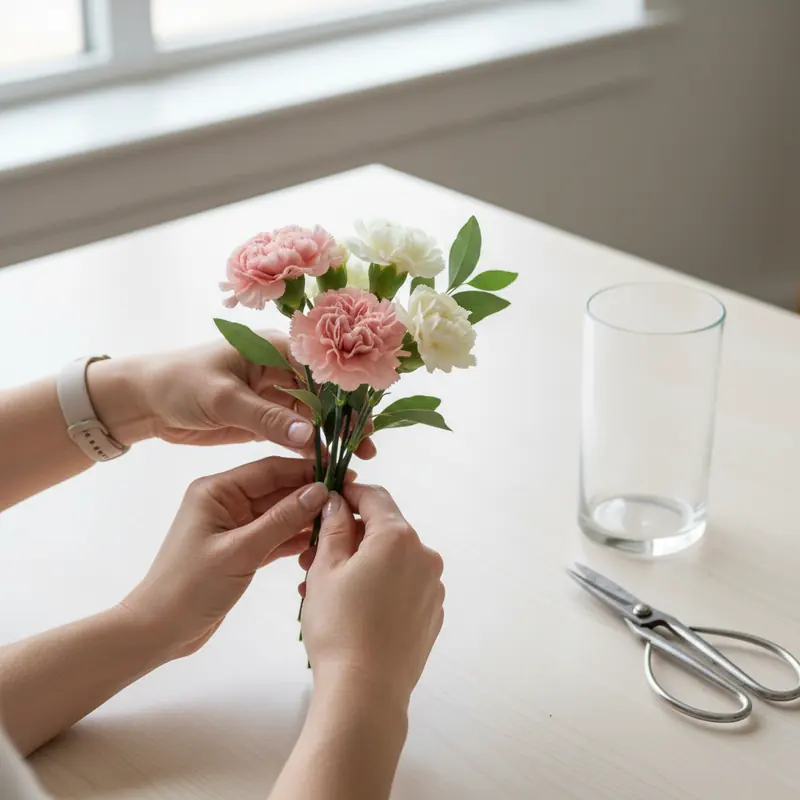
Pressed Cards and Bookmarks: Separate Layout from Finishing
Flat work gives you a clear place to discuss colour and spacing before anything is fixed. However, flat does not mean effortless to handle. Call Me Grandma's account of pressed-flower crafts with children explains that dried flowers are fragile and that the work calls for dexterity. It also describes ways younger participants can contribute through collecting materials or using more substantial flowers and leaves. For your booking, ask which prepared pieces are available and how the instructor would divide placement from attachment.
When considering a Pressed flower workshop, distinguish using flowers that are already pressed and dry from beginning with fresh flowers and pressing them during the activity. Those are different sequences, and the latter should not be assumed to produce a finished gift in the same session. Ask exactly what participants start with, whether trial layouts are possible and who handles any cutting, adhesive or sealing equipment.
The child can retain decisions about the main flower, surrounding leaves and message even if an adult performs the final attachment. Microfleur's pressed-flower gift guide recommends arranging flowers before fixing them and leaving sealing space around bookmark edges. Use that distinction to agree a review point: the child approves the layout, the adult checks the required margins, and finishing follows the equipment instructions. It is a planning principle, not a universal bookmark-making method.
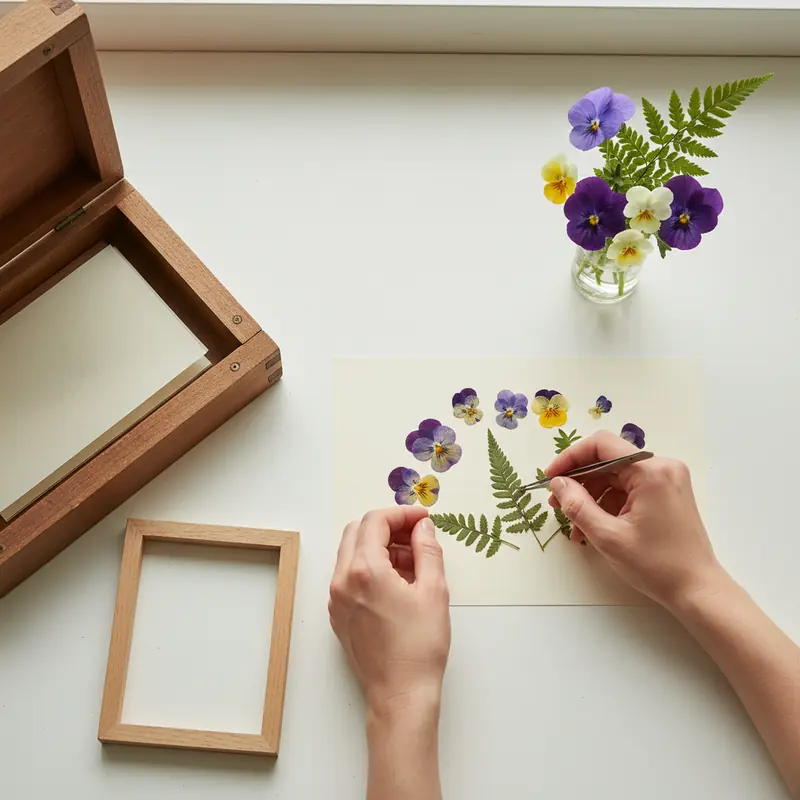
Dried-Flower Pieces: Ask How Stems Become a Stable Gift
For a small three-dimensional dried-flower piece, look beyond colour selection to the step that holds the design together. Ask whether the materials arrive cut to the required lengths, whether participants must gather several stems at once and which attachment method is used. A child may be able to choose a sequence or compare two trial groupings while needing an adult to maintain the shape during fixing. The important distinction is between deciding where a stem belongs and physically securing it.
Use the Dried flower workshop direction to investigate those details, not to assume that dried materials are easier than pressed ones. Ask whether the proposed project can preserve a child's selection and layout decisions while an adult handles the agreed preparation or fixing. If the finished effect depends on repeated adjustments that the child cannot comfortably make, find out whether a less detailed version is possible before choosing it.
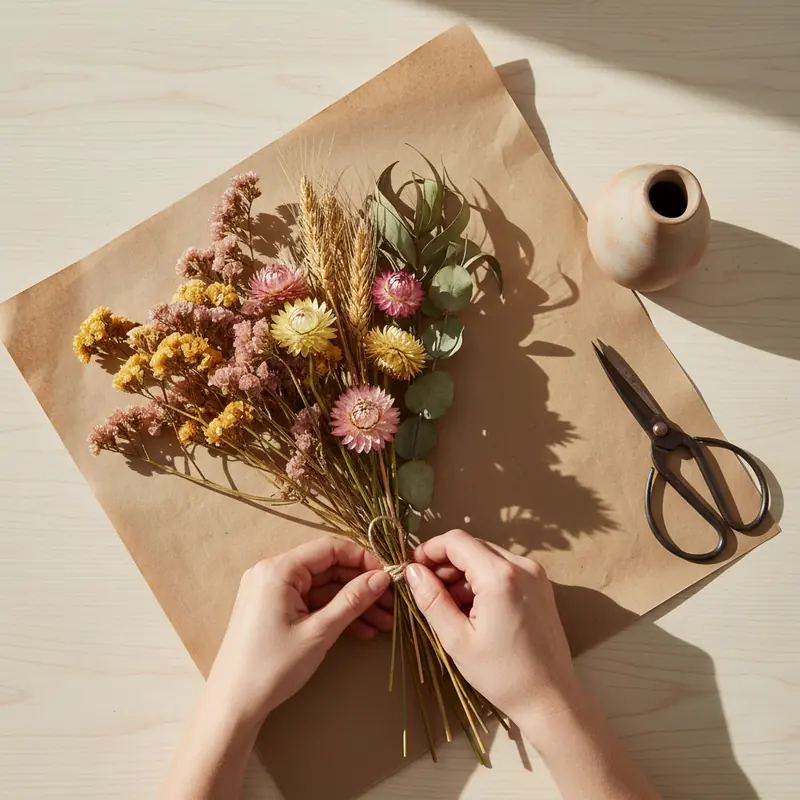
Preserved-Flower Gifts: Keep Colour Decisions Distinct from Fine Assembly
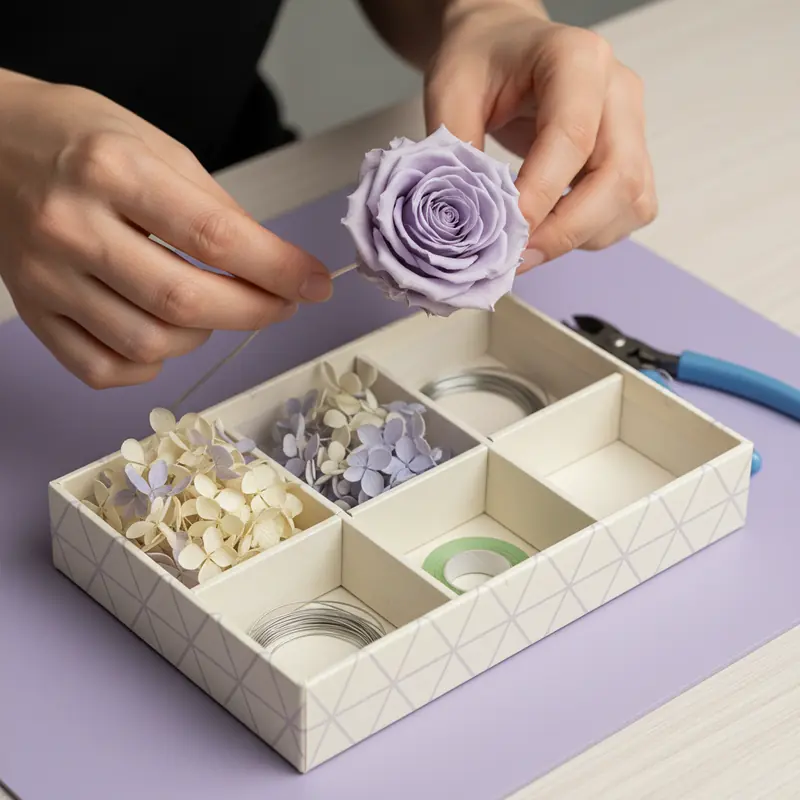
A preserved-flower display may appeal because the child can imagine a recipient's favourite colours in a small composition. The booking question is how much fine handling is needed to achieve that composition. Ask who prepares individual components, who secures them and whether the child can make a trial arrangement before the adult takes responsibility for attachment. Do not infer the tools or fixing materials from the appearance of the finished display.
Before choosing a Preserved flower workshop, explain the actions your child would like to do and ask which are available in the actual project. If adult assembly would occupy most of the session, consider whether colour selection, placement approval and a personal message provide the involvement your child wants. This is a choice about participation, not a claim that one material suits every child or that a listed workshop has a confirmed children's format.
Decorative Flower Bottles: Plan Outside the Container First
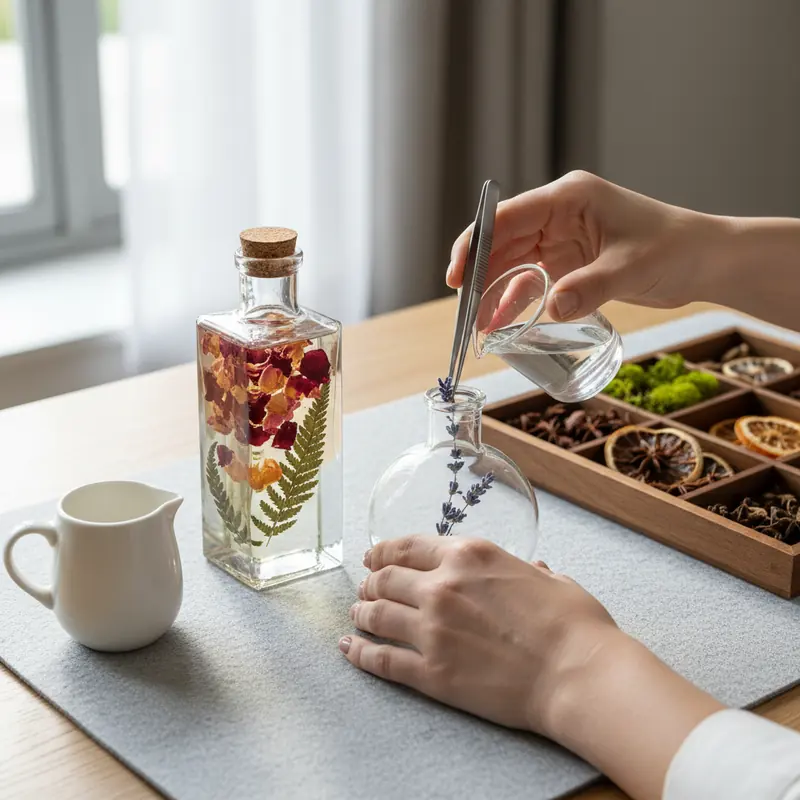
For a decorative flower bottle, separate the design conversation from putting things inside the container. Ask whether the child could first choose colours and arrange a proposed sequence outside the bottle. That lets the child communicate an intention without making access through the bottle opening the only route to participation. Also ask whether the arrangement changes as materials are inserted and how the child can approve adjustments before the final closure.
The Herbarium workshop direction is a starting point for these questions, not confirmation of a particular recipe or class format. Ask the instructor to identify the container, contents, insertion method and sealing process, then explain who handles each. Do not assume a decorative bottle contains only flowers or that a child can independently handle its contents. Confirm any relevant contact concerns and supervision arrangements directly; the appearance of the bottle cannot answer them.
Fresh-Flower Vase Gifts: Separate Stem Preparation from Placement
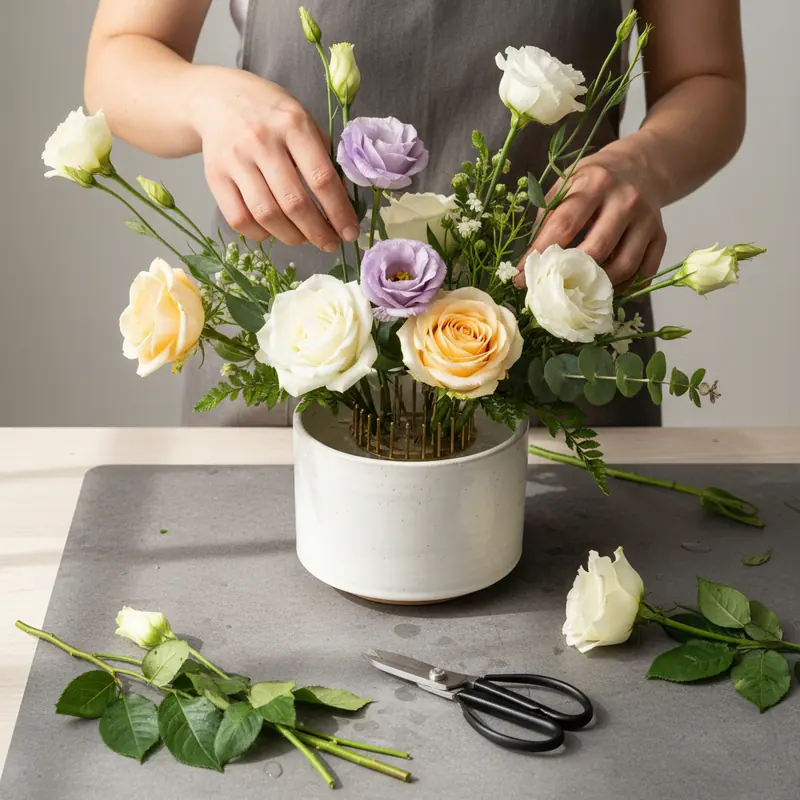
A child who enjoys choosing one item at a time may be interested in placing individual fresh stems. Ask whether the session allows that approach and whether an adult can prepare materials before the placement stage. Clarify who cuts stems, handles the vessel and makes any necessary adjustments. Also ask how much repositioning the proposed design involves: the child may enjoy choosing each position but not want an adult repeatedly replacing those choices to match a sample.
When reviewing a Flower arranging class, confirm child attendance and accompanying-adult rules before treating it as an option for your family. A general arranging class is not automatically a parent–child session. If participation is possible, agree whether the instructor can demonstrate with separate materials while the child retains control of their own composition. Ask how the finished vase would be packed and carried as a gift rather than assuming transport is included.
Name the Handover Points Before Work Begins
A handover works best when everyone knows what triggers it. Replace a vague arrangement such as 'help when necessary' with something observable: after the trial layout is approved, before a stem is cut or when a container needs closing. These points give the child a recognisable role and help the adult avoid interrupting every small decision. Ask the instructor which handovers must follow their own demonstration or approval.
Agree a simple way for the child to request help, such as pointing to the next position and asking the adult to hold or attach the piece. The adult can describe the specific action they are taking, then return the next design choice to the child. If handling becomes frustrating, switching to colour selection or message-making can preserve participation without pretending the child completed a step they did not do.
Before anything is permanently fixed, distinguish a practical correction from a preference. Space needed for sealing may require a change; an adult's preference for a more symmetrical design may not. Where a practical change is necessary, show the child the alternatives and let them choose between workable positions. The aim is a gift they recognise as their own shared work, not a replica of the instructor's sample.
Ask the Instructor for an Action-by-Action Reply
Describe your child's current handling in ordinary terms: comfortable placing individual pieces, interested in choosing colours, or likely to need help holding several things together. Then ask which materials could be prepared in advance, whether easier-to-handle choices are available and which steps remain essential to the project. This gives the instructor something concrete to answer without asking them to infer abilities from age alone or provide a developmental judgement.
Clarify attendance as carefully as materials. Ask whether the accompanying adult works on the same gift, whether the instructor or parent performs equipment steps and whether there are restrictions on who may attend. Request the actual preparation, finishing and collection sequence. If price or availability affects your decision, confirm the quotation for that arrangement directly with customer service, including any material adjustments, packaging or other relevant charges. A sample image does not establish what a booking includes.
- Are the flowers already prepared, or is preparing them part of the session?
- Which picking, holding, cutting, fixing and finishing actions belong to each participant?
- Can the child approve a trial layout before it becomes permanent?
- Which tools or equipment must the instructor operate?
A Hypothetical Bookmark: One Gift, Three Clear Roles
Consider a hypothetical family choosing a pressed-flower bookmark for a grandparent who enjoys reading. Assume the provider has confirmed a format using already-pressed flowers and has explained its finishing requirements. The child chooses the colours, selects from the materials offered and tries a layout. The parent helps compare the layout with the available space but does not substitute their preferred design.
At the shared stage, the parent points out the margin the provider requires for the chosen finish. If a petal extends into that area, the child chooses whether to move it or replace it. If a piece is difficult to pick up, the adult can place it where the child indicates, subject to the instructor's handling guidance. The child's contribution remains specific and visible: the arrangement and its meaning are still their decisions.
At the agreed handover, the designated adult or instructor performs the equipment-dependent finishing step according to its instructions. The child chooses or dictates a short message for the accompanying card. This example illustrates a division of work, not a workshop currently promised by YumYum Gifts, a universal finishing method or a guarantee of same-session completion. A different provider's materials may require a different task list.
Check the Gift Handover as Well as the Making Session
Before committing to a date, ask whether any pressing, drying, setting or sealing stage affects when the particular project can leave the venue. Ask how unfinished work would be completed and collected if that applies. If the gift is for a fixed occasion, leave the decision open until the provider has confirmed its schedule; do not assume the class ending and the gift being ready are the same event.
Confirm the packaging for the actual object and who will carry it afterwards. A flat card, a vase and a decorative bottle have different shapes and handling needs, so request project-specific instructions rather than improvising from another format. Also ask what information should pass to the recipient, such as the provider's display or handling guidance. Do not make lifespan promises from the material name alone.
Finally, review your three-column list with your child. They should be able to name something they will decide, something they will make or arrange with help, and something an adult will finish. If the child-led column has shrunk to choosing a ribbon while adults make the entire object, reconsider the format. A modest gift with genuine decisions shared throughout can be a better match than an impressive design that leaves its youngest maker watching.
Details to confirm before ordering
- Preferred session date: __; gifting occasion or required-ready date: __; preferred Hong Kong district: __.
- Gift format and recipient use: __; child-led design decisions to preserve: __.
- Actions the child can comfortably manage: __; shared actions needing help: __.
- Provider-confirmed adult or instructor steps, including tools, container handling and finishing: __.
- Prepared materials or easier-to-handle alternatives requested, and provider confirmation: __.
- Child attendance, accompanying-adult participation and supervision arrangements confirmed: __.
- Ready-to-collect timing, any later finishing, packaging and carrying guidance confirmed: __.
- Current availability, quoted inclusions and any additional preparation or packaging charges confirmed: __.
Questions about this decision
Should I choose a floral workshop using the advertised age range alone?
No. Use any provider age requirements alongside questions about the actual tasks. Describe what your child can currently handle and confirm attendance, supervision and tool rules. Age does not establish that a child can perform every operation in a project.
Is a pressed-flower gift automatically the easiest option?
No. A flat format can still involve fragile petals, precise placement and finishing equipment. Compare the prepared materials and required actions, including whether flowers arrive already pressed, instead of ranking difficulty by the gift's shape.
How can two children with different skills share one gift?
Allocate separate decisions and manageable actions rather than requiring identical tasks. One child might choose the colour sequence while another positions selected pieces, with both contributing to the message. Confirm that the provider allows the proposed participants and division of work.
Does adult finishing make the gift less child-led?
Not necessarily. A child can retain control of colours, layout and message while an authorised adult handles technical finishing. The important point is to agree that division beforehand and avoid changing the child's design simply to match an adult's preference.
What if the provider cannot adjust the difficult steps?
Choose another confirmed format or reconsider the activity rather than assuming you can bypass its instructions. Compare how much meaningful participation remains after required adult work, and confirm any booking conditions before making a commitment.
Sources and further reading
Reference only. Illustrations are AI-generated design references, not photographs of actual customer orders. Confirm current contents, prices and arrangements with our team.
For this guide:Parent–Child Floral Gifts: Which Tasks Can Children Do, and Which Need an Adult?
Plan your workshop
Considering Parent-child flower class? Send the date, district and the points discussed in this guide to YumYum Gifts to confirm suitable options and a quotation.
Book a WorkshopWhatsAppThis opens a prepared WhatsApp enquiry. Availability, details and price must be confirmed before booking.
Explore related services and designs
Compare relevant options, view design references and find the information you need before making an enquiry.
Herbarium workshop
Compare botanical bottle craft directions, dried flower placement and vessel shapes to identify a project, keeping the workshop materials, handling instructions and lesson arrangements for separate discussion.
Preserved flower workshop
Compare preserved flower craft directions, materials and display formats to consider what you would like to make, keeping lesson details and workshop arrangements subject to a separate enquiry.
Christmas wreath workshop
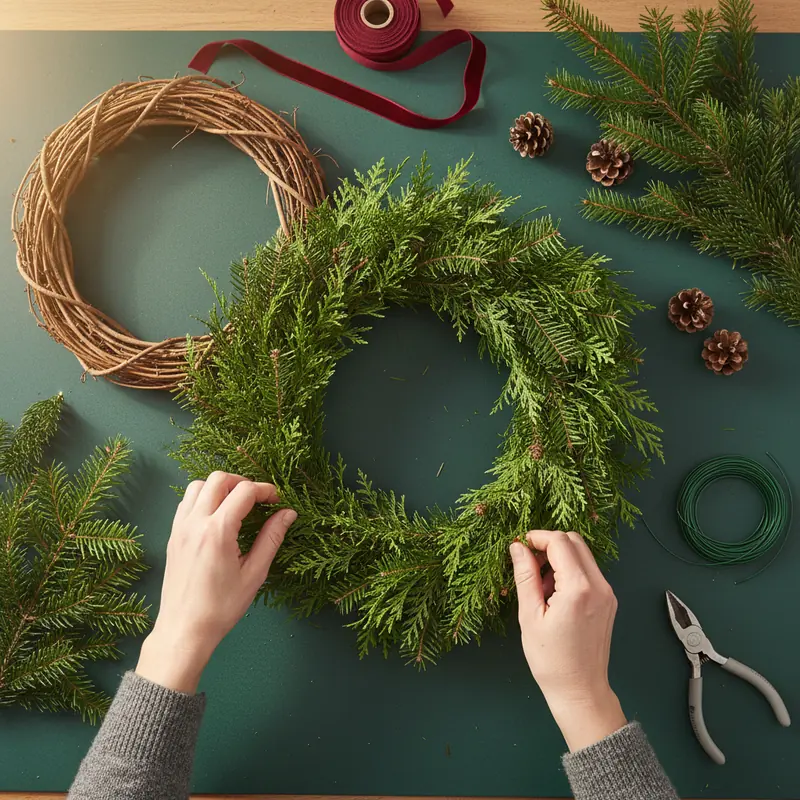
Compare Christmas wreath making directions, foliage textures and decorative finishes to consider a craft project, without assuming that specific materials, lesson content or workshop dates are confirmed.
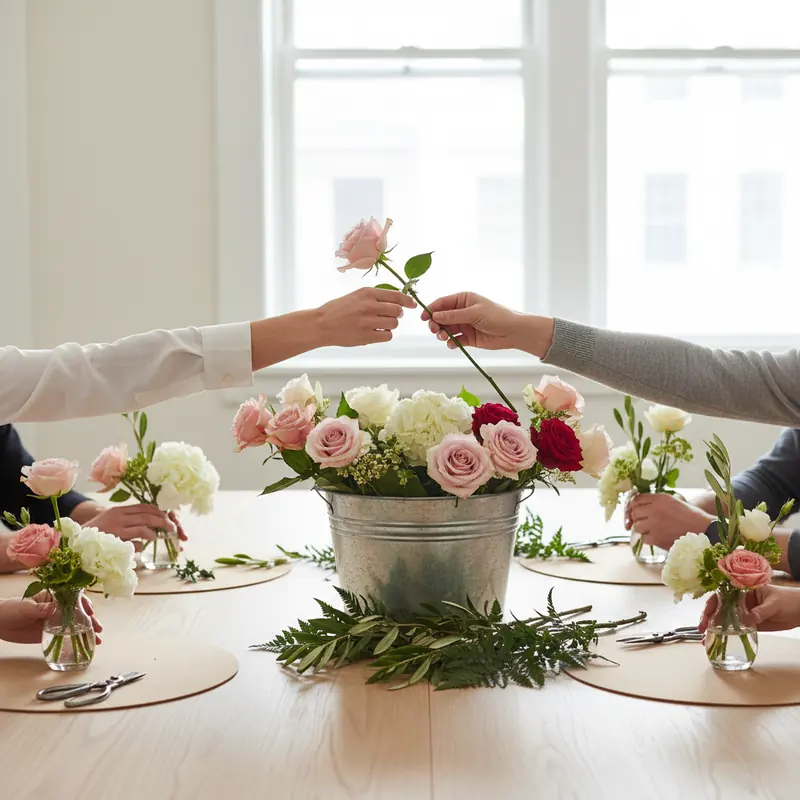
Corporate flower class
Compare flower workshop directions for a workplace group, looking at shared materials and arrangement formats while discussing group needs, course details and scheduling separately before making plans.
Parent-child flower class
Compare shared flower activity directions for an adult and child, considering simple materials and collaborative formats while discussing age suitability, supervision and course arrangements separately.
Dried flower workshop
Compare dried flower craft directions, botanical textures and display formats to identify what interests you, keeping the actual materials, lesson content and workshop arrangements for separate discussion.
Original AI-generated navigation references; designs and order details are subject to confirmation.
Useful options for your plans
Explore Pressed flower workshop to compare flat botanical craft and display directions.
Compare Preserved flower workshop directions if you are interested in working with preserved flower materials.
Compare Christmas wreath workshop directions if you would like to explore seasonal wreath making.
Explore Corporate flower class when comparing hands-on flower activities for a workplace group.